
Electric vehicles have rapidly evolved from niche technology experiments into mainstream transportation options across global markets. As adoption has increased, so has the importance of understanding long-term reliability.
While EVs are often praised for having fewer moving parts than internal combustion engine vehicles, real-world data shows that reliability outcomes vary significantly depending on manufacturer, platform maturity, software integration, and build quality consistency.
In 2026, the electric vehicle industry presents a mixed picture where some models demonstrate outstanding durability and minimal owner complaints, while others continue to struggle with recurring technical issues, software instability, and inconsistent assembly quality.
Reliability in EVs is measured differently compared to traditional cars. Instead of engine and transmission failures, modern EV surveys focus heavily on battery management systems, charging hardware, infotainment performance, electrical accessories, and software stability.
According to large-scale consumer reliability studies, EVs still show around 40 percent more reported issues than traditional gasoline vehicles on average, although this gap has been narrowing as manufacturers refine their platforms. At the same time, certain EV models now match or even exceed the reliability of combustion engine cars, especially those built on mature platforms or by manufacturers with strong quality control systems.
Interestingly, reliability problems in EVs are rarely centered around the battery pack itself. Modern studies show that most batteries retain over 90 percent of their capacity even after several years of use, indicating strong durability at the core power level.
Instead, the most common issues arise from auxiliary systems such as charging ports, software updates, driver assistance systems, and electronic control units. This shift in failure patterns means that EV reliability today is more about software and electronics integration than mechanical wear and tear.
In this article, we will examine five electric vehicles that consistently rank above average in reliability based on owner surveys and industry data. These vehicles demonstrate strong build quality, stable software performance, and low long-term maintenance issues.
We will also explore five EVs that have been repeatedly flagged for reliability concerns, including frequent software glitches, electrical failures, and hardware inconsistencies. The goal is to provide a balanced, data-driven comparison that helps readers understand which EVs are safer long-term ownership choices and which ones may require more caution.
Also Read: 10 Cars With Insurance Premiums Lower Than a Compact Sedan
5 EVs With Above Average Reliability
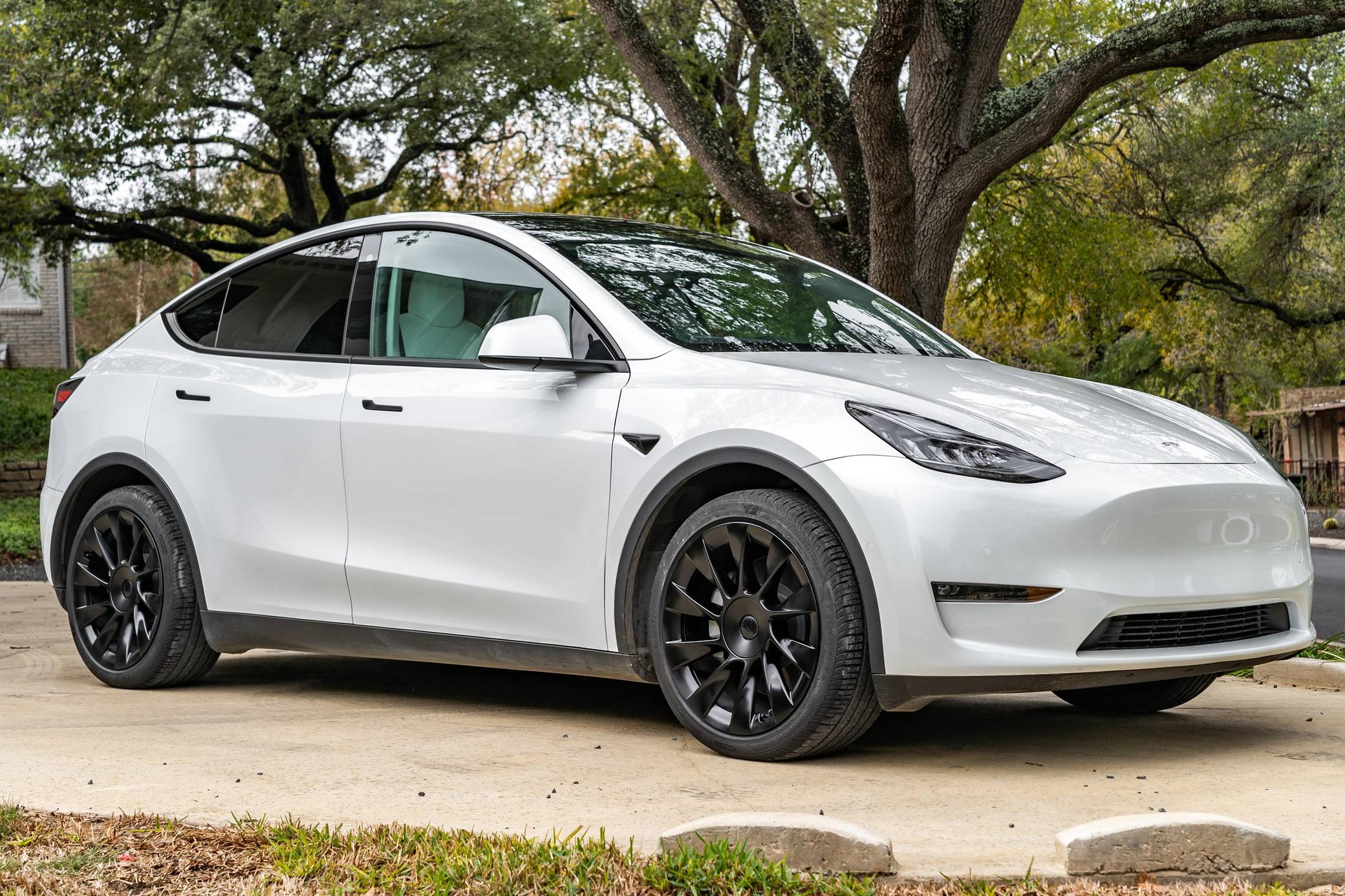
1. Tesla Model Y
The Tesla Model Y has established itself as one of the most widely adopted electric SUVs globally, and its reliability reputation has improved significantly over time. Early production years saw criticism related to panel alignment and interior fit and finish, but Tesla has steadily refined its manufacturing process.
By 2026, the Model Y will benefit from a far more stable production pipeline, with fewer inconsistencies reported across different factories. This evolution has helped it secure strong positions in several consumer reliability rankings.
A major factor contributing to its reliability is the simplicity of its electric drivetrain. Unlike traditional internal combustion vehicles, the Model Y has far fewer moving parts, reducing the likelihood of mechanical wear-related failures.
The battery and motor system have also proven to be durable under long-term use, with minimal degradation reported in most consumer studies. This mechanical simplicity is a key reason why the Model Y continues to perform well in reliability comparisons.
Software plays an equally important role in the Model Y’s performance. Tesla’s over-the-air update system allows the company to continuously improve vehicle functionality without requiring physical service visits.
Many early bugs and interface issues have been resolved through updates, improving long-term user satisfaction. However, occasional software glitches still occur, particularly after major updates, but they are typically resolved quickly.
Another strength of the Model Y is its strong charging infrastructure support through the Tesla Supercharger network. This reduces stress on the vehicle’s charging system by ensuring compatibility and optimized charging conditions. Owners report fewer charging-related failures compared to EVs relying on third-party networks, which contributes indirectly to their reliability reputation.
The Tesla Model Y stands out because it combines mature software development, a simplified drivetrain, and continuous improvement through updates. While not flawless, it has transitioned from a controversial early EV to one of the most dependable electric SUVs in its segment.
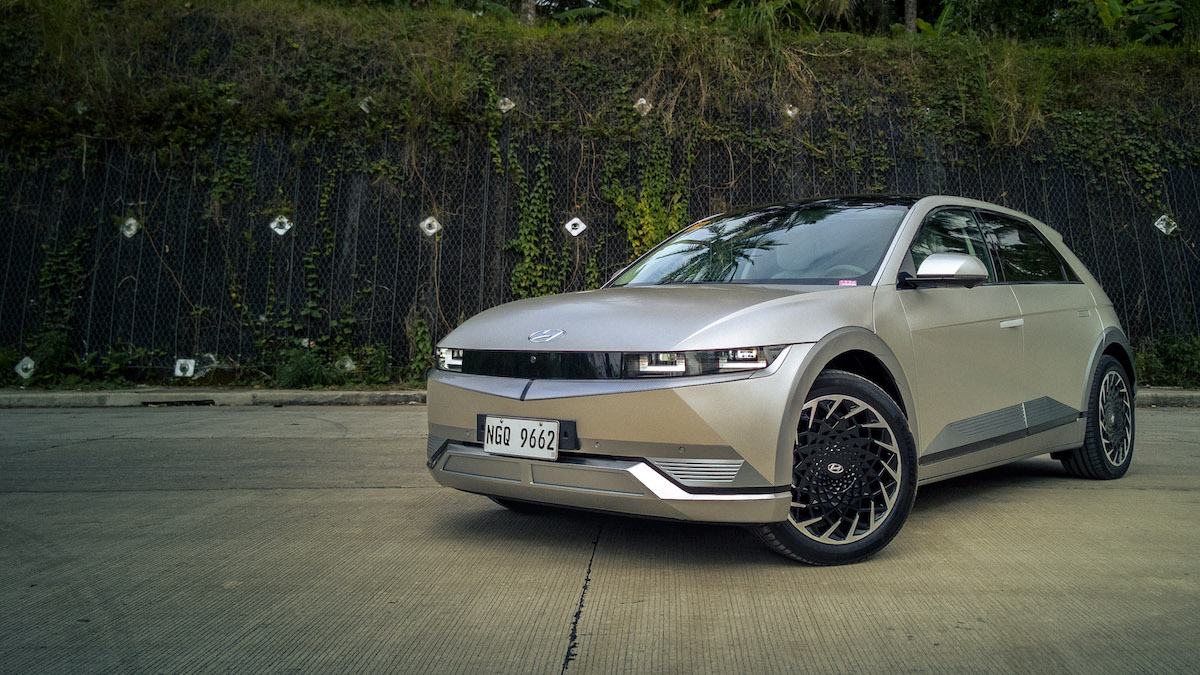
2. Hyundai Ioniq 5
The Hyundai Ioniq 5 has quickly become one of the most respected electric vehicles in terms of reliability and engineering balance. Built on Hyundai’s dedicated E-GMP electric platform, it avoids the compromises of retrofitted gasoline platforms. This gives it a structural advantage in long-term durability, as every major component is designed specifically for electric performance and efficiency.
One strength of the Ioniq 5 is its consistent build quality. Owners frequently report that the vehicle feels solid and well-assembled, with fewer inconsistencies in materials or panel alignment compared to some competitors. Hyundai’s manufacturing improvements over the past decade have significantly enhanced reliability outcomes across its EV lineup.
In terms of mechanical reliability, the Ioniq 5’s electric drivetrain is considered highly stable. The motor and battery systems show low failure rates in consumer reports, and degradation over time is minimal under normal usage conditions. This contributes to strong confidence among long-term owners who prioritize durability over performance extremes.
Software reliability is generally stable, although not entirely free from issues. Some users have reported minor infotainment lag or occasional connectivity glitches, but these are not widespread or severe. Hyundai has also improved its update system, reducing the frequency of recurring bugs in newer production batches.
The Hyundai Ioniq 5 represents a well-rounded EV that balances innovation with reliability. Its dedicated EV architecture, strong build quality, and low mechanical failure rates make it one of the safest choices for long-term electric vehicle ownership.
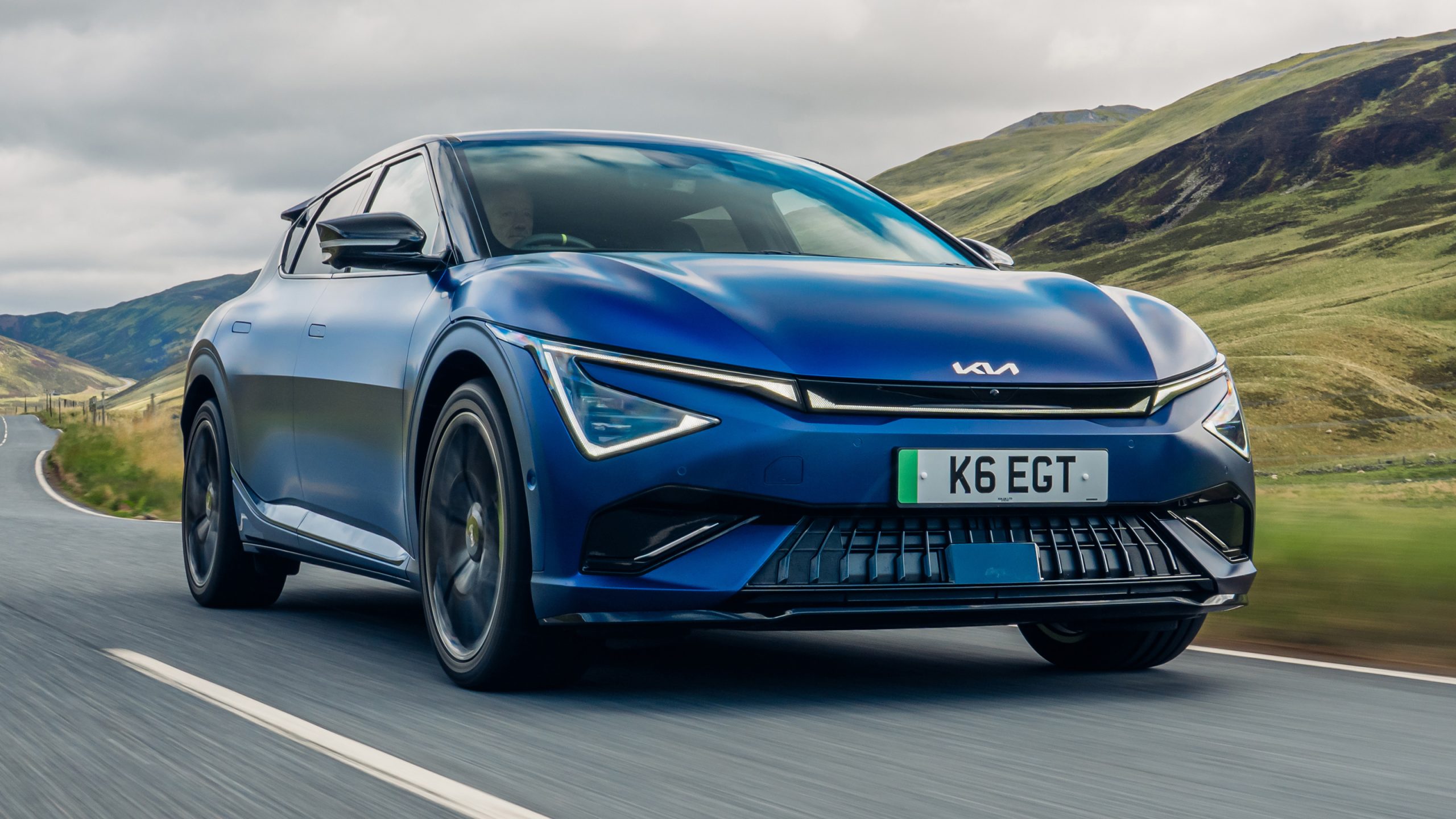
3. Kia EV6
The Kia EV6 shares its foundation with the Hyundai Ioniq 5 but introduces a more performance-oriented design and driving experience. Despite its sportier tuning, it maintains a strong reliability record due to its shared E-GMP platform. This architecture has proven to be one of the most stable modern EV platforms currently in production.
Build quality in the EV6 is generally consistent, with Kia making significant improvements in manufacturing precision over the past several years. Early production units experienced minor software and infotainment issues, but these have largely been addressed through updates. As a result, newer models show significantly improved stability in daily use.
The EV6’s electric drivetrain is considered highly reliable, with few reports of motor or battery-related failures. This is a critical factor in its positive reliability reputation, as powertrain integrity is one of the most important indicators of EV durability. The vehicle also handles thermal management efficiently, which helps preserve long-term battery health.
Software systems in the EV6 are more refined compared to earlier Kia EVs, although occasional glitches still occur. Most issues involve infotainment responsiveness or temporary system resets rather than serious functional failures. Kia’s continued improvement in software development has helped reduce these occurrences in recent production years.
The Kia EV6 combines performance, design, and reliability in a way that few EVs in its category manage successfully. Its strong platform, improved electronics, and stable drivetrain make it a dependable choice for drivers seeking both excitement and long-term durability.
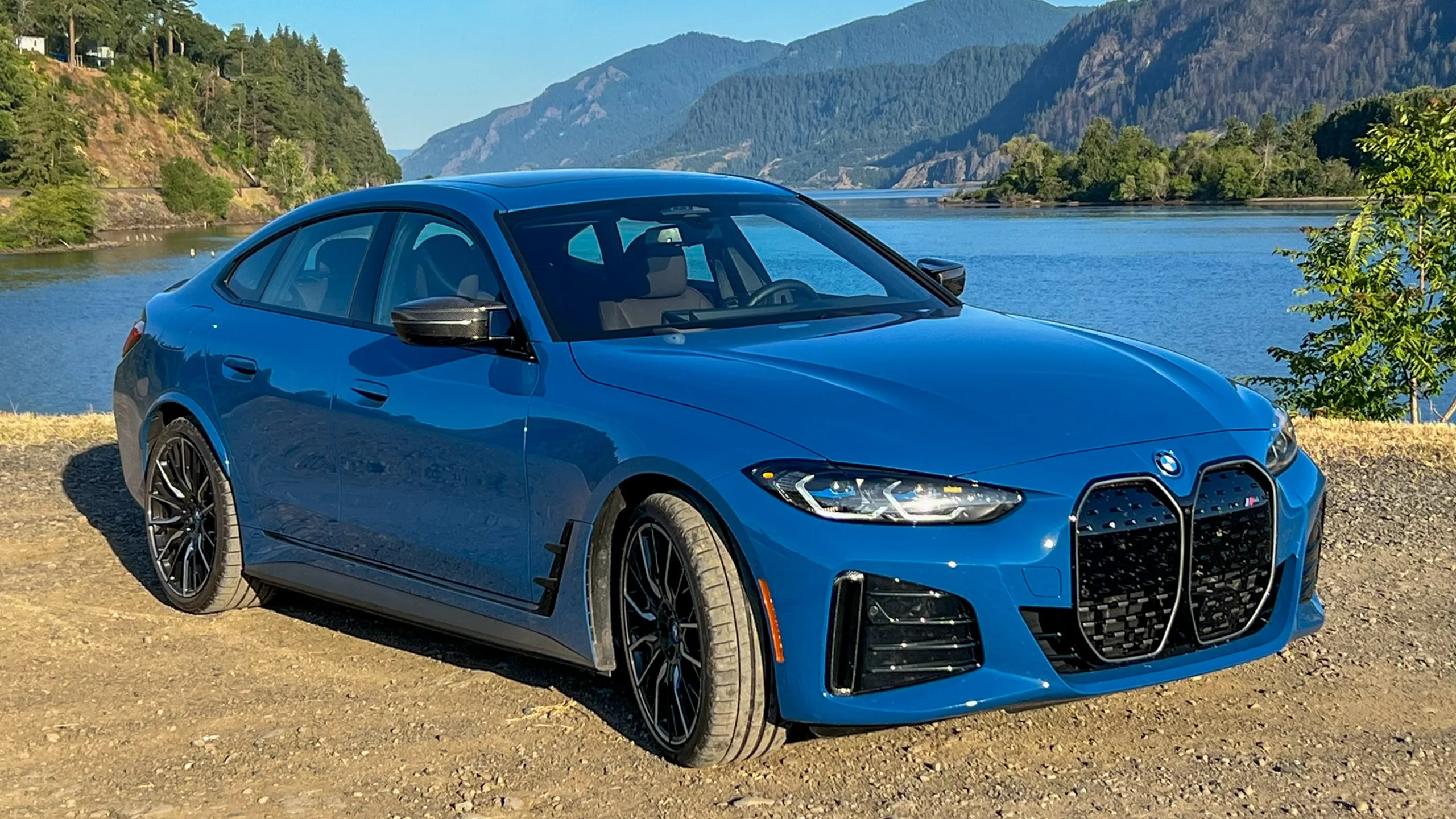
4. BMW i4
The BMW i4 reflects the brand’s traditional engineering strengths adapted for the electric era. Unlike many new EV manufacturers, BMW built the i4 with decades of automotive refinement behind it, which contributes significantly to its reliability and performance. The vehicle benefits from a mature production ecosystem and strict quality control standards.
One of the most reliable aspects of the i4 is its chassis and drivetrain integration. The electric motor system is engineered for long-term durability, and BMW’s experience with high-performance vehicles ensures robust thermal and mechanical management. This reduces the likelihood of stress-related failures under demanding driving conditions.
The infotainment system, while advanced, is generally more stable than many competitors in the premium EV segment. BMW has refined its iDrive interface over several generations, resulting in fewer crashes or freezes compared to early EV infotainment systems. This contributes positively to the ownership experience.
However, like many modern EVs, the i4 is not completely free of minor electronic issues. Some users report occasional sensor or connectivity glitches, but these are typically isolated and resolved through updates or service adjustments. Importantly, these issues do not usually affect drivability or safety systems.
The BMW i4 stands as a strong example of how traditional automotive expertise can translate into electric reliability. Its combination of engineering maturity, stable electronics, and strong build quality makes it one of the more dependable premium EV sedans available today.
5. Toyota bZ4X
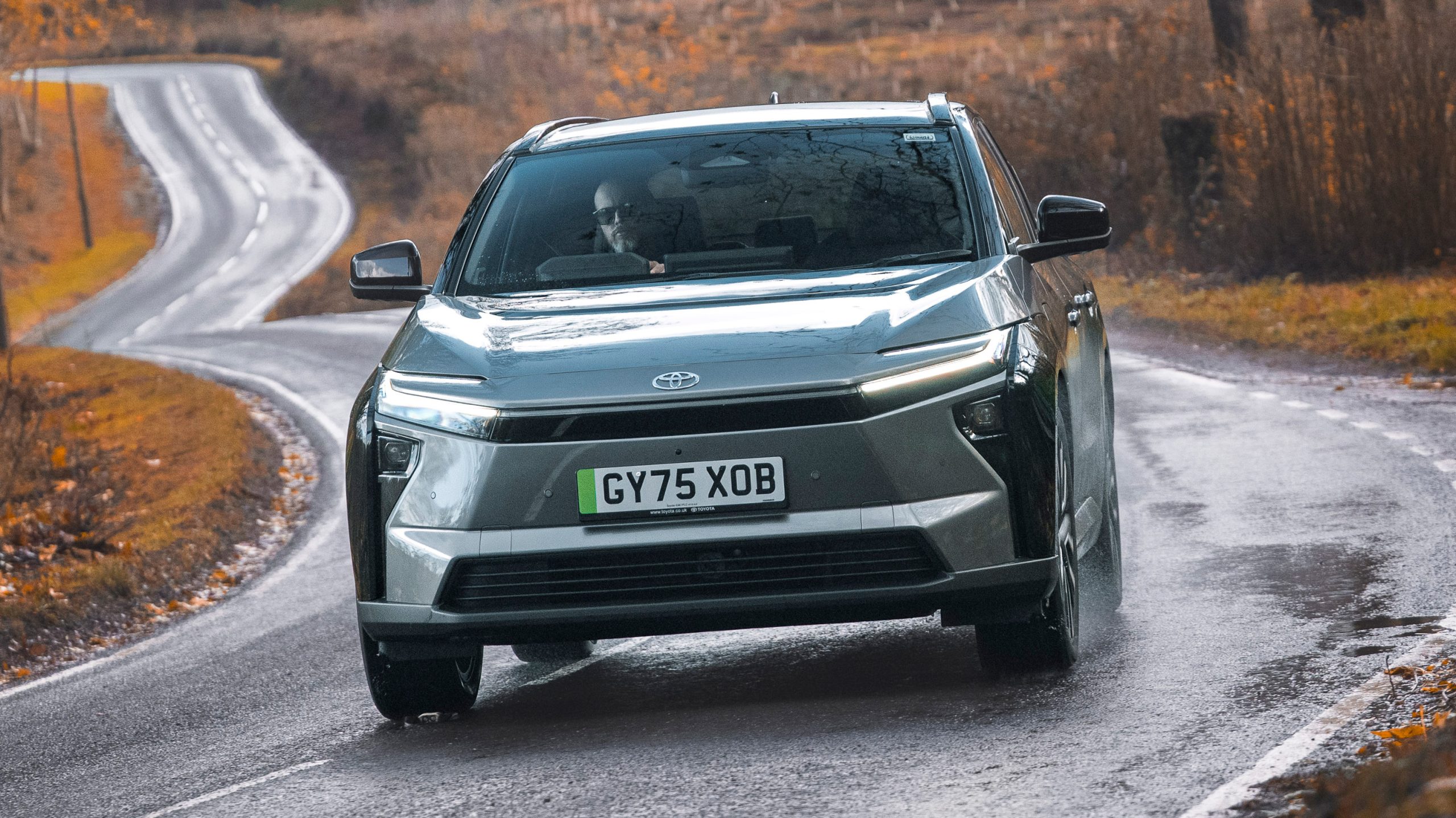
The Toyota bZ4X represents Toyota’s cautious and reliability-focused entry into the electric vehicle market. Unlike competitors that prioritize rapid innovation, Toyota has taken a conservative approach, emphasizing durability and long-term dependability over cutting-edge features. This philosophy is reflected in the vehicle’s design and engineering choices.
Early versions of the bZ4X faced some setbacks, including recalls related to wheel and structural concerns. However, Toyota addressed these issues quickly, reinforcing its commitment to reliability and safety. Since these corrections, later production models have shown improved stability and consistency.
The drivetrain in the bZ4X is intentionally designed for moderate performance rather than aggressive output. This reduces stress on key components such as the motor and battery system, which in turn supports long-term durability. Toyota’s approach prioritizes steady performance over high-power acceleration.
Software systems in the bZ4X are relatively simple compared to more complex EV competitors. While this limits some advanced features, it also reduces the likelihood of software-related failures. Most reported issues are minor and typically involve infotainment responsiveness or interface limitations.
The Toyota bZ4X may not be the most exciting EV on the market, but it is one of the most reliability-focused. Its conservative engineering, stable drivetrain, and simplified software systems make it a dependable choice for buyers who value long-term ownership stability over technological complexity.
Also Read: 10 Cars That Survive Being Used as Daily Uber Vehicles
5 EVs With the Most Reported Problems
1. Volkswagen ID.4
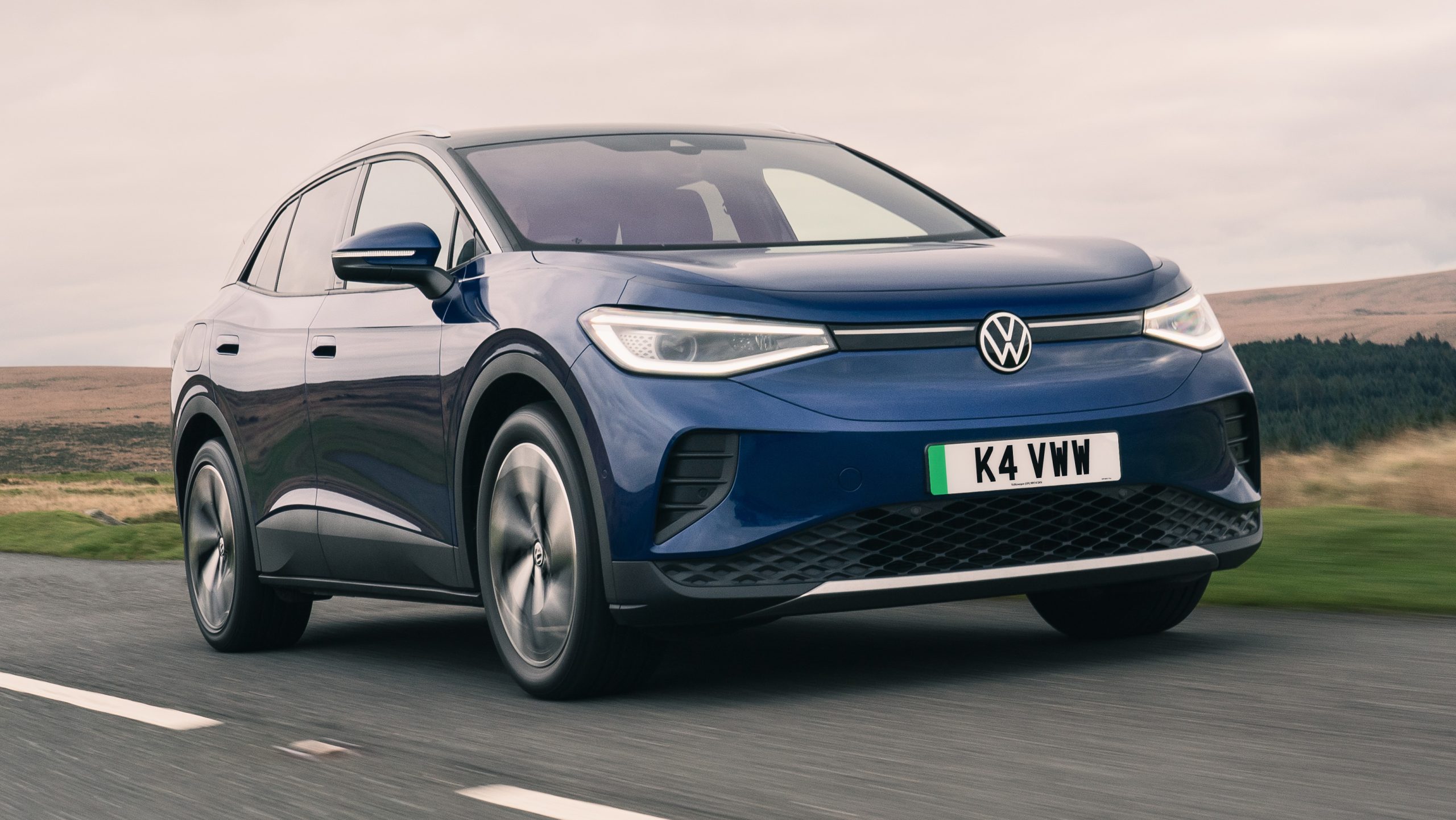
The Volkswagen ID.4 entered the electric vehicle market with strong expectations due to Volkswagen’s global reputation in automotive engineering. However, real-world reliability data has shown a more mixed outcome.
While the vehicle performs well in comfort and practicality, it has struggled with consistent software stability and electronic system refinement. Many owners report that the ID.4 feels like a solid vehicle mechanically, but less mature digitally.
One of the most frequently reported issues is related to the infotainment system. Users have experienced freezing screens, slow response times, and occasional system reboots. These issues are not typically safety-critical, but they significantly affect user experience, especially since modern EVs rely heavily on digital interfaces for navigation, climate control, and charging management.
Charging behavior has also been inconsistent for some owners. Reports include unpredictable charging speeds and occasional communication issues with certain charging stations. While not universal, these problems suggest that the vehicle’s charging software still lacks the refinement seen in more established EV platforms.
On the mechanical side, the ID.4 is generally stable. The drivetrain and battery systems do not show widespread failure trends. This indicates that Volkswagen’s core EV engineering is solid, but the surrounding software ecosystem has not yet reached the same level of maturity.
The ID.4 is a vehicle with strong physical engineering but weaker digital reliability. It remains a practical EV for many users, but its software-related inconsistencies place it lower in long-term reliability rankings compared to top competitors.
2. Ford Mustang Mach-E
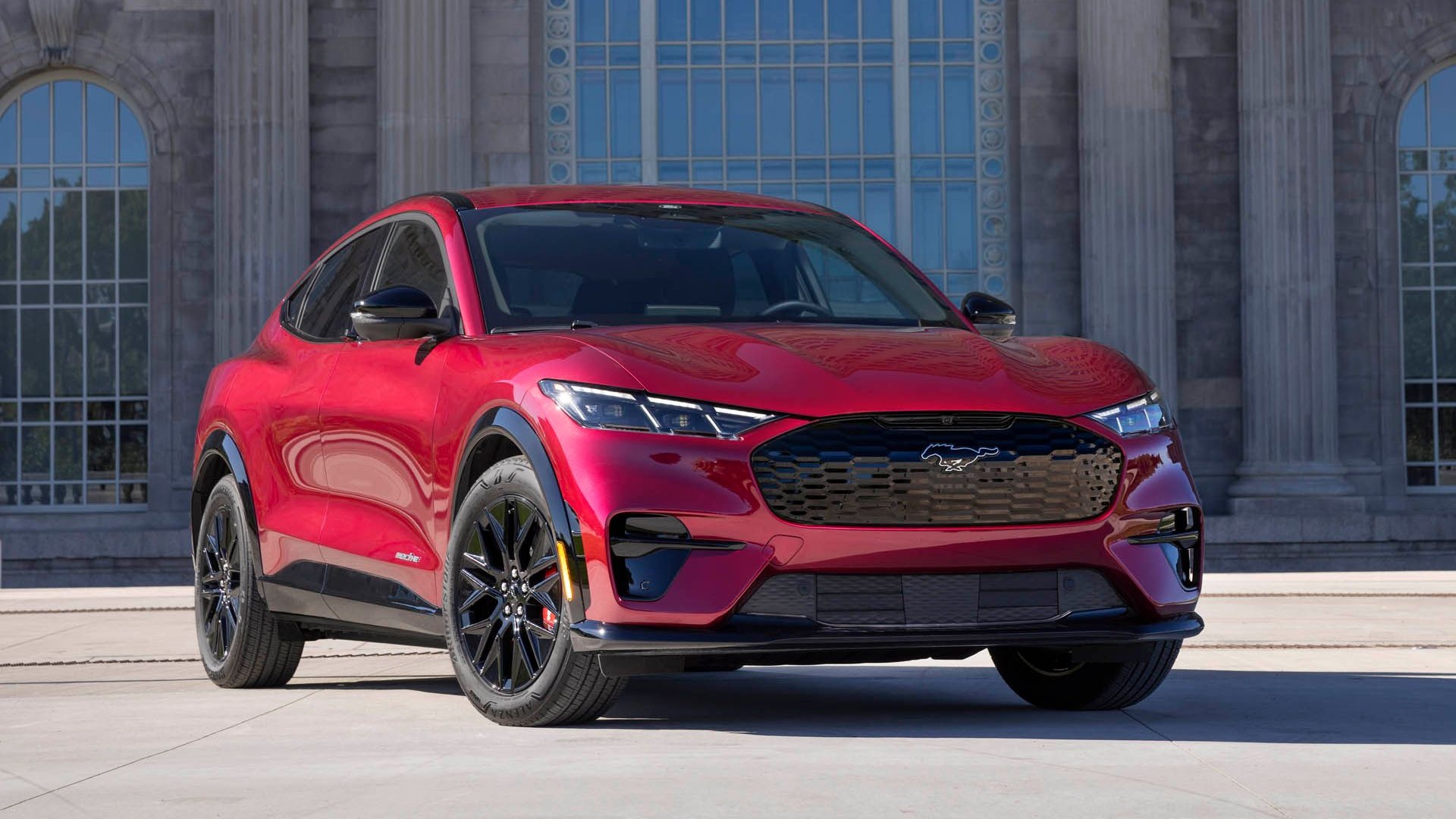
The Ford Mustang Mach-E has been a major success in terms of sales and market interest, but its reliability record has been more controversial. Ford’s transition into the EV space has been ambitious, but the Mach-E reveals some of the challenges of rapidly scaling electric vehicle production.
One of the most common complaints involves software-related issues. Owners have reported infotainment glitches, system lag, and occasional loss of responsiveness in the central display. Since many critical vehicle functions are integrated into this system, these issues can impact day-to-day usability.
Charging reliability has also been inconsistent. Some users experience interruptions during fast charging sessions or difficulty maintaining stable charging speeds. While Ford has released multiple software updates to address these issues, not all problems have been fully resolved.
Another concern involves electrical system warnings that appear intermittently. In some cases, these warnings are triggered without clear mechanical faults, leading to confusion and unnecessary service visits. This suggests that diagnostic software calibration still needs improvement.
Despite these issues, the Mach-E does not suffer from major drivetrain failures at scale. The electric motor and battery systems are generally stable. However, the frequency of minor but recurring electronic issues places it below average in reliability rankings.
3. Nissan Ariya
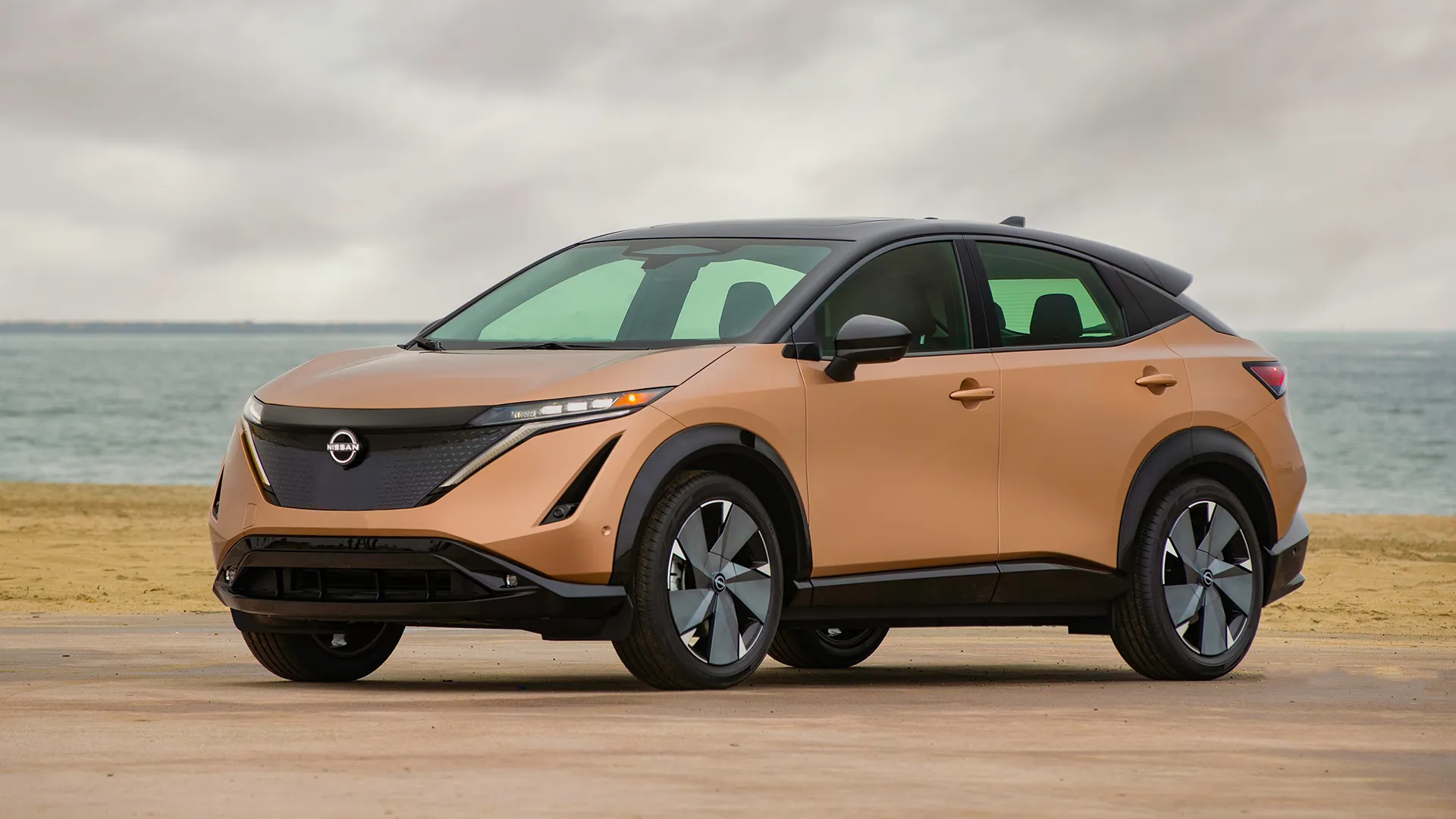
The Nissan Ariya represents Nissan’s next step after the early success of the Leaf, but it has faced challenges in delivering a fully refined modern EV experience. While it benefits from Nissan’s EV experience, it also exposes the difficulties of transitioning to more advanced vehicle software systems.
One of the key issues reported by owners is infotainment performance. The system can feel slow compared to competitors, with noticeable delays in response time when moving through menus or adjusting settings. This reduces the perceived quality of the driving experience.
Charging consistency has also been a concern. Some users report irregular charging speeds depending on the station and environmental conditions. While not a universal problem, it highlights the need for improved charging software optimization.
From a mechanical perspective, the Ariya is relatively stable. There are no widespread reports of drivetrain failure or battery defects, which indicates that Nissan’s core EV hardware remains reliable. However, the supporting systems around it are less polished.
The Ariya is a comfortable and well-designed vehicle that struggles primarily with software refinement and system integration. It is a capable EV, but not yet among the most reliable in terms of user experience consistency.
4. Tesla Cybertruck
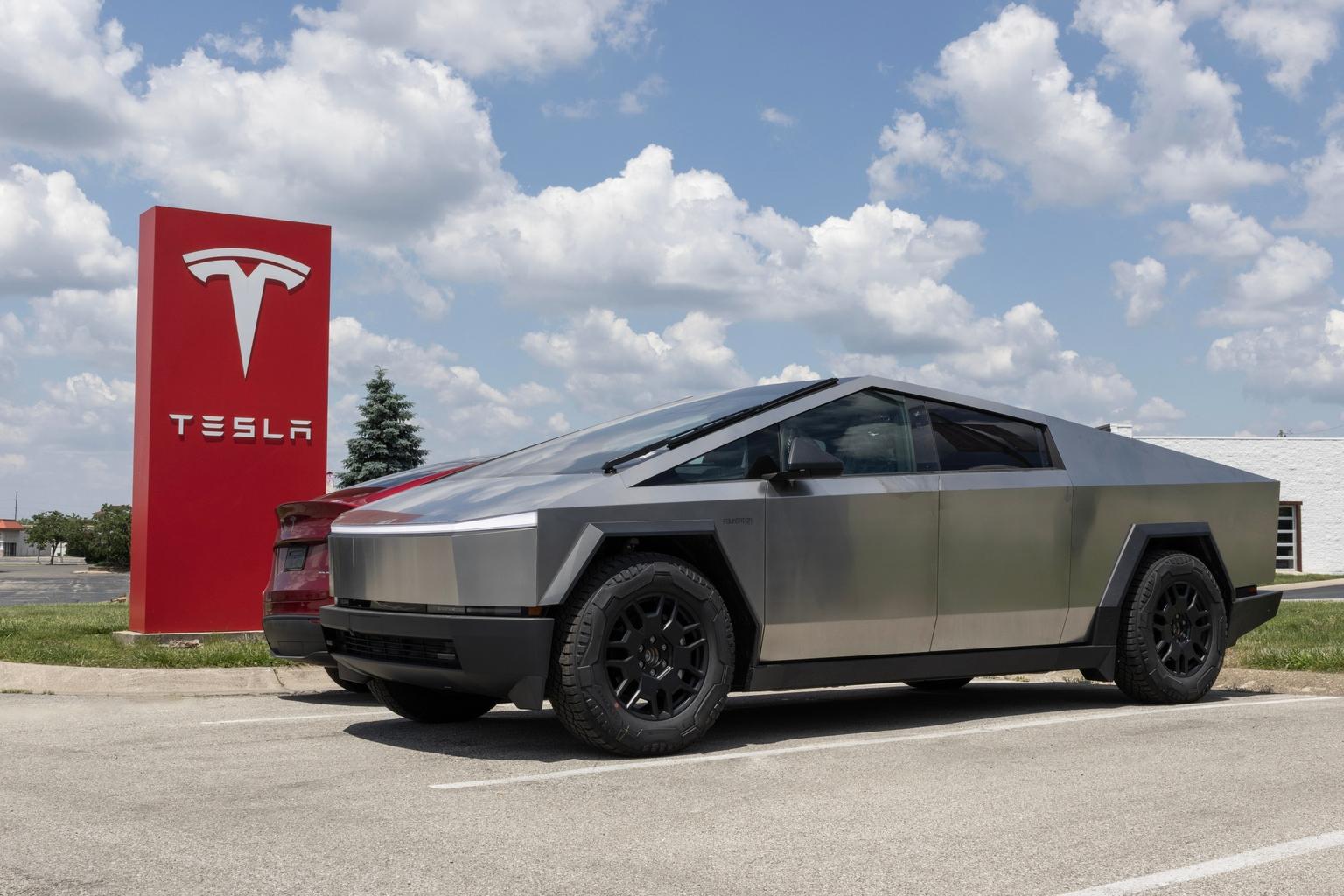
The Tesla Cybertruck is one of the most unconventional electric vehicles ever produced, and its early reliability record reflects the challenges of introducing an entirely new design language and platform. As a first-generation product, it is still undergoing real-world validation in large numbers.
One of the most reported concerns involves build quality inconsistencies. Owners and early reviewers have noted panel alignment issues, uneven body finishes, and structural irregularities. While some of these are expected in early production runs, they have contributed to reliability concerns.
Software stability is another area under observation. Although Tesla generally leads in software innovation, the Cybertruck’s new architecture has introduced early bugs and calibration issues, particularly in advanced driver assistance features and display responsiveness.
There have also been recall-related updates and adjustments, which are common in new vehicle platforms but still impact perceived reliability. These updates indicate that the system is still being refined rather than fully stabilized.
Despite these issues, the core electric drivetrain remains strong, consistent with Tesla’s established engineering. However, because the Cybertruck is still in its early lifecycle, long-term reliability data is limited and uncertain compared to more mature EVs.
5. Audi Q4 e-tron
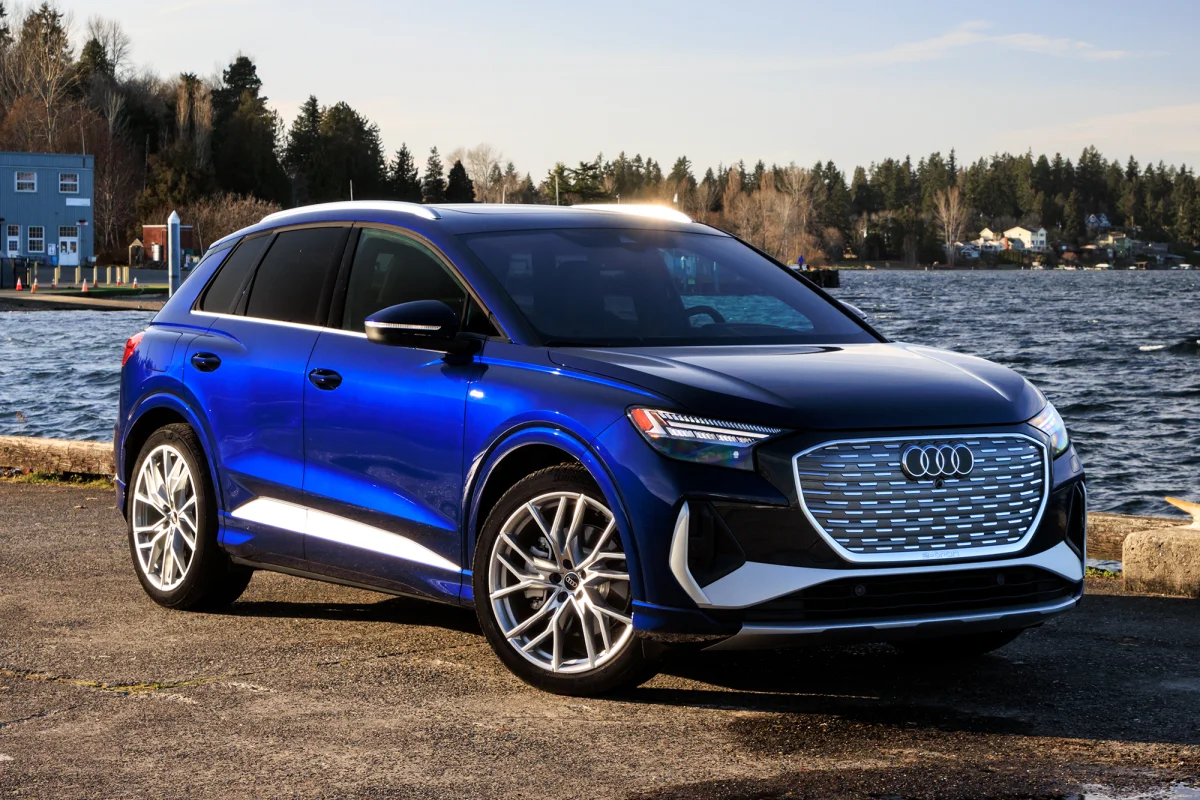
The Audi Q4 e-tron is positioned as a premium compact electric SUV, but it has faced criticism for software-related reliability issues that detract from its otherwise high-quality build. Audi’s reputation for luxury and engineering precision is evident in the physical design, but less consistent in digital systems.
One of the most common complaints is infotainment instability. Users report system lag, occasional freezing, and slow startup times. These issues affect usability and reduce the premium feel expected from an Audi vehicle.
Driver assistance systems have also shown occasional inconsistencies. Features such as lane assist and adaptive cruise control may behave unpredictably in certain conditions, leading to reduced user confidence in the system.
Charging and connectivity functions are generally stable but not exceptional. Some users experience delays in system recognition when connecting to charging stations or mobile apps, which can create minor inconvenience during daily use.
Mechanically, the Q4 e-tron is solid, with no widespread drivetrain or battery failures reported. However, the combination of software instability and inconsistent electronic behavior places it lower in reliability rankings compared to top-performing EVs.
