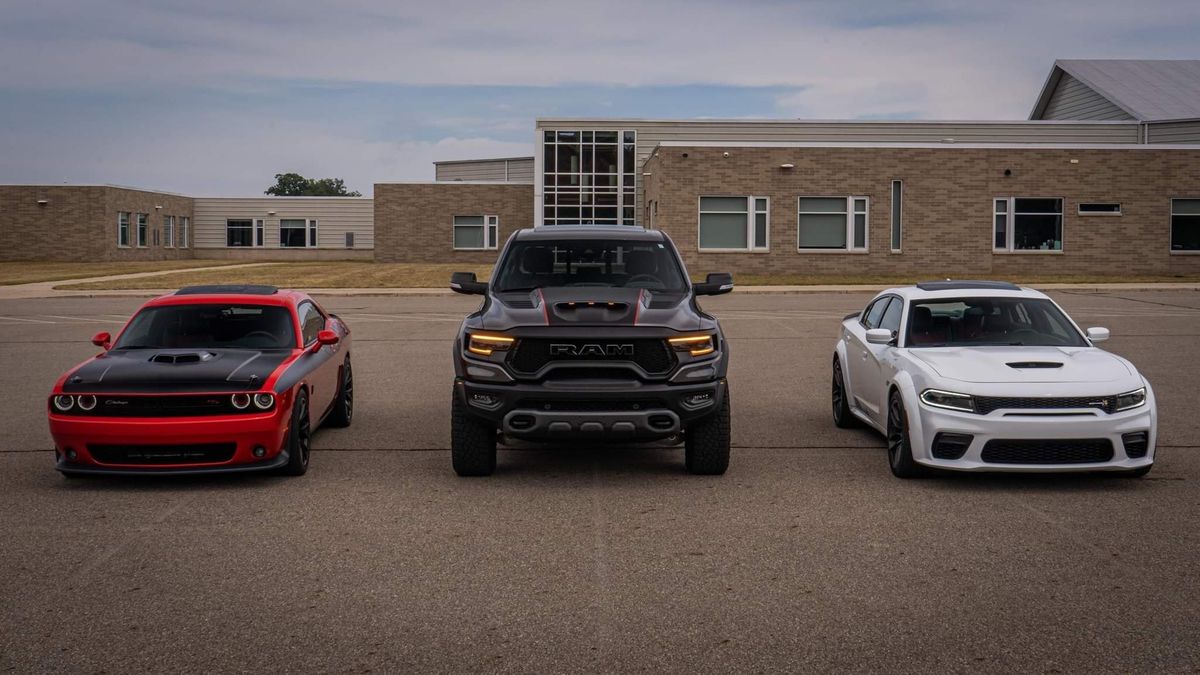
The American auto industry is often portrayed as a clash of fierce rivalries: Ford Motor Company vs. Chevrolet, Mopar vs. everyone else. Yet beneath the bold styling and aggressive branding lies a more complex reality of shared interests and collaboration.
Since the early days of mass production, the high cost of innovation and the unpredictability of the global economy have pushed even the fiercest competitors to work together when necessary.
These aren’t just instances of badge engineering; they are calculated survival manoeuvres. When the cost of developing a new transmission exceeds $1 billion, or when a foreign competitor threatens to dominate a segment, the “Big Three” have historically set aside their pride.
This article explores those pivotal moments when a handshake between Detroit executives wasn’t just a courtesy, but a necessity to keep the factory lights on and the assembly lines moving.
From shared silhouettes to the engines under their hoods, these collaborations show that in high-stakes manufacturing, the priority is not just beating the competition but also ensuring there is still a viable market to compete in.
To understand why companies like GM and Ford would ever share trade secrets, one must look at the crushing weight of Research and Development (R&D).
In the modern era, a single vehicle platform can cost upwards of $5 billion to develop from scratch. When you add the pressure of tightening CAFE (Corporate Average Fuel Economy) standards and the sudden shifts in consumer taste like the 1970s fuel crisis or the 2008 recession, the math for “going it alone” simply doesn’t add up.
These alliances usually take one of three forms: the Joint Venture (creating a new entity like NUMMI), the Component Supply agreement (sharing a transmission or engine), or the Platform Share. By pooling resources, American manufacturers can hedge their bets against uncertain futures.
It allows them to experiment with risky technologies, such as hydrogen fuel cells or early electric drivetrains, without risking the entire company’s solvency on a single roll of the dice. These moments of unity are the invisible pillars that have held up the American auto industry through its darkest hours.
ALSO READ: 3 Underrated Cars Worth a Second Look and 3 Overrated Ones
1. The GM and Toyota Marriage: The NUMMI Revolution
In the early 1980s, General Motors was facing a crisis of quality and labour relations, while Toyota was under intense political pressure to build cars in America to avoid import quotas. The solution was New United Motor Manufacturing, Inc. (NUMMI), a joint venture in Fremont, California.
This wasn’t just about the cars, the Chevrolet Nova (based on the Sprinter) and later the Geo Prizm, but it was about survival through education. GM needed to learn the “Toyota Production System” to save its domestic operations from being outclassed by Japanese efficiency.
The 1985 Chevy Nova featured a 1.6-litre LC9 inline-four engine producing a modest 74 horsepower, but its significance wasn’t in its speed; it was in its build quality. For the first time, a GM-badged small car had the fit and finish of a world-class sedan.
This partnership allowed GM to modernise its entire manufacturing philosophy, moving away from the “quantity over quality” mindset of the 1970s. Without the lessons learned at NUMMI, it is unlikely GM would have had the structural discipline to survive the coming decades of global competition.
2. Chrysler and Mitsubishi: The Diamond-Star Motors Era
By the mid-1980s, Chrysler was still clawing its way back from near-bankruptcy, and it lacked the capital to develop a world-class sport compact. Enter Mitsubishi. The two formed Diamond-Star Motors (DSM) in Normal, Illinois, in 1985. This alliance produced a trio of icons: the Mitsubishi Eclipse, the Eagle Talon, and the Plymouth Laser.
For Chrysler, this was a survival play to capture the burgeoning “tuner” market and younger buyers who were abandoning the brand in droves.
The 1990 Eagle Talon TSi featured a legendary 2.0-litre 4G63 turbocharged engine and an advanced all-wheel-drive system, specs that Chrysler could not have engineered solo at the time. With 195 horsepower and a 0-60 mph time of roughly 6.5 seconds, these cars were giant-killers.
This collaboration provided Chrysler with high-tech showrooms at a fraction of the R&D cost, keeping the company relevant in the performance sector while they focused their limited resources on the revolutionary Minivan and Jeep platforms that would ultimately provide its long-term stability.
3. Ford and Mazda: The G-Platform Alliance
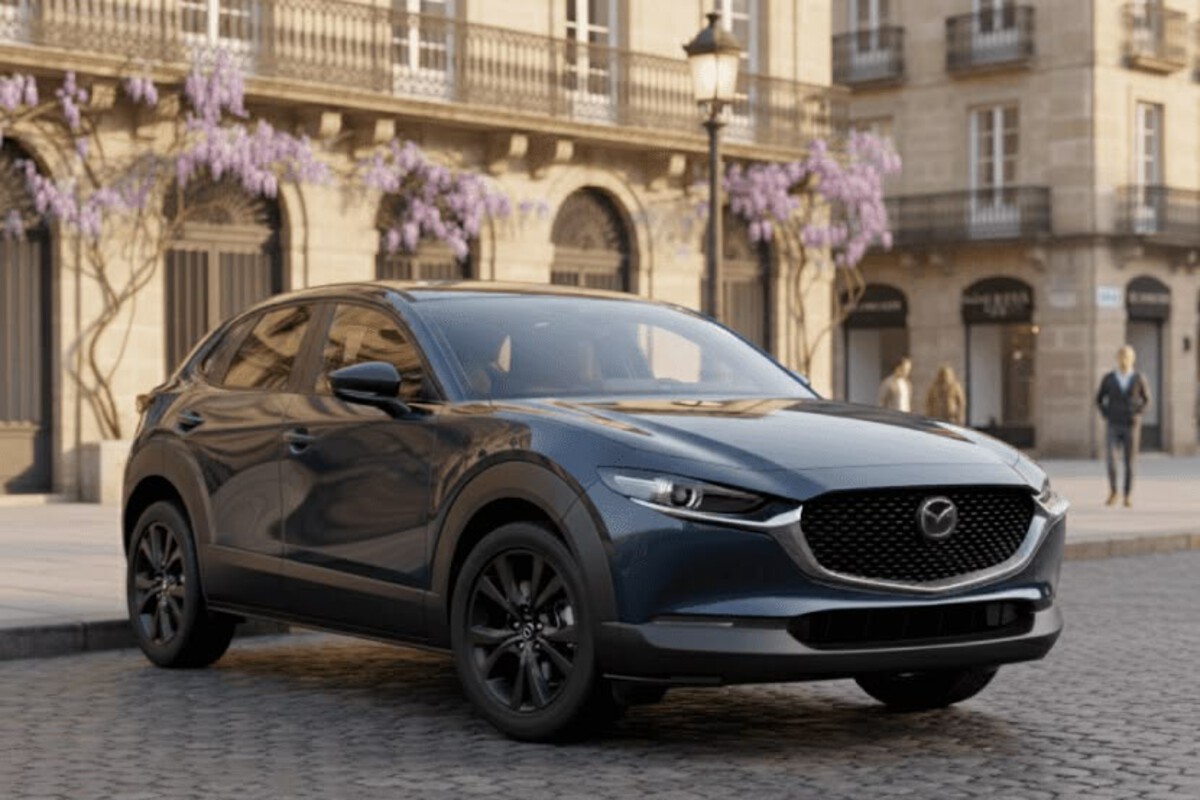
During the 1980s and 90s, Ford owned a significant stake in Mazda, a relationship born out of Ford’s need for small-car expertise. The most significant fruit of this union was the “G-platform,” which birthed the Ford Probe and the Mazda MX-6. At the time, Ford was considering replacing the Mustang with a front-wheel-drive car based on this platform.
While Mustang purists revolted, the Probe became a vital asset for Ford’s survival in the aero-driven 90s. The 1993 Ford Probe GT, powered by a Mazda-designed 2.5-litre V6 producing 164 horsepower, was a critical darling. It offered a level of refinement and handling precision that Ford’s domestic engineering teams hadn’t yet mastered for front-wheel-drive applications.
This partnership allowed Ford to offer a sophisticated, sporty coupe that competed directly with the Honda Prelude and Toyota Celica, ensuring they didn’t lose an entire generation of buyers to Japanese imports.
It was a bridge that allowed Ford to transition its engineering culture toward the globalised “One Ford” strategy seen today.
4. GM and Ford: The 10-Speed Transmission Pact
Perhaps the most shocking collaboration occurred in 2013, when arch-rivals GM and Ford signed a memorandum of understanding to co-develop a new generation of automatic transmissions.
Faced with staggering development costs and the need to meet 54.5 mpg fleet averages, the two giants put aside the “truck wars” to build the 10R80 (Ford) and 10L90 (GM) 10-speed gearboxes.
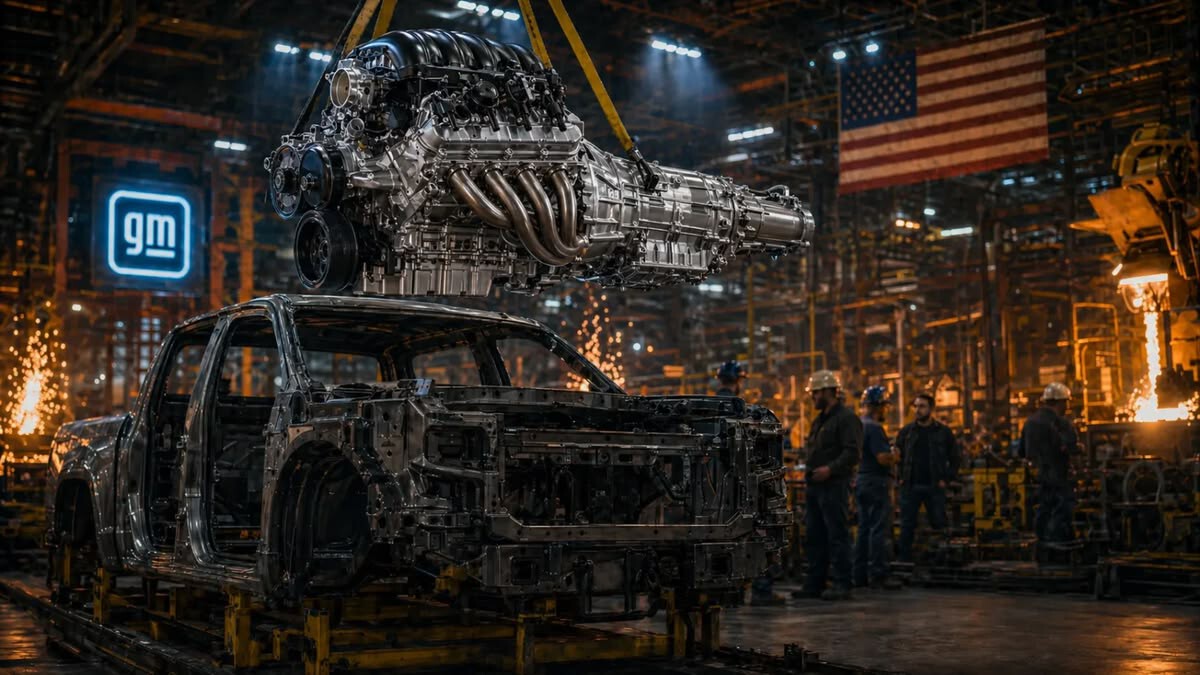
You’ll find this hardware in the Ford F-150 and the Chevrolet Silverado, the two best-selling vehicles in America. By sharing the heavy lifting of the software and hydraulic logic, both companies saved hundreds of millions in development costs. The 10-speed unit is a marvel of engineering, featuring four planetary gearsets and six clutches.
The 2017 F-150 Raptor allowed for lightning-fast shifts and kept the engine in its power band with surgical precision.
This wasn’t about badge engineering; it was a deep-tissue mechanical partnership that ensured both companies could continue to sell their most profitable vehicles in an era of unprecedented regulatory scrutiny.
5. The Global Engine Alliance: Chrysler, Mitsubishi, and Hyundai
In 2002, Chrysler entered a massive joint venture known as the Global Engine Alliance (GEA) with Mitsubishi and Hyundai. The goal was to create a “World Engine”, a standardised, high-volume four-cylinder powerplant that could be used across dozens of different models.
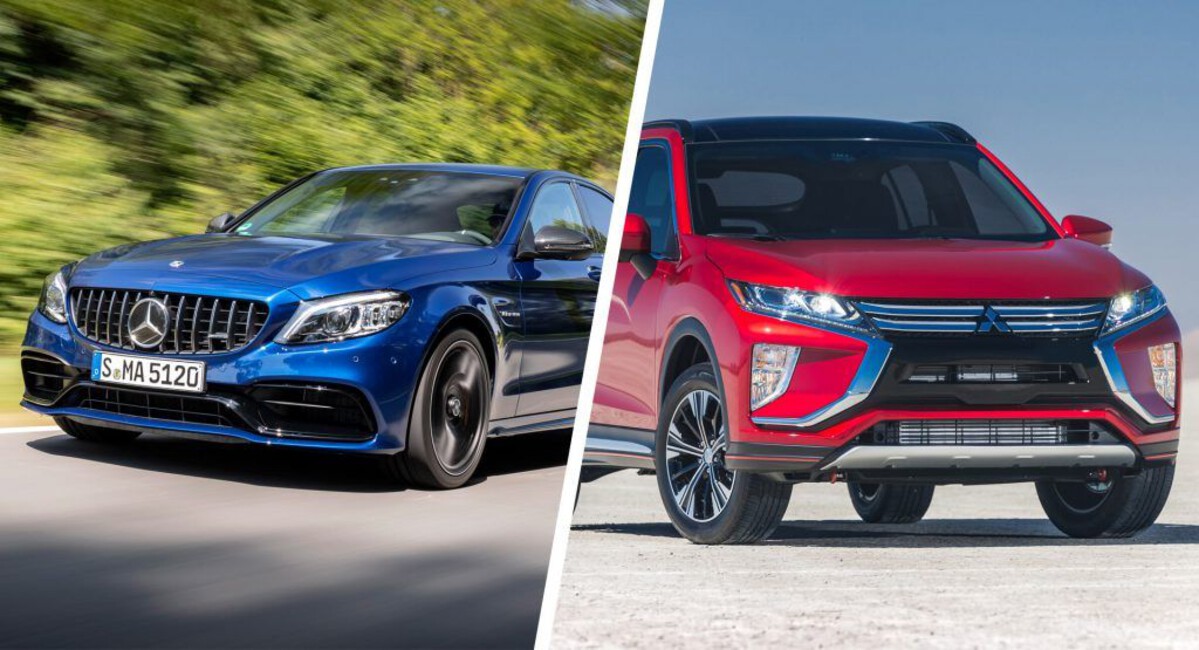
For Chrysler, this was a move for survival in the entry-level segment, where profit margins are razor-thin. The result was the 1.8L, 2.0L, and 2.4L GEMA engines. While car enthusiasts often criticised these engines for being unrefined, they were incredibly cost-effective.
They powered everything from the Dodge Calibre and Chrysler Sebring to the Jeep Compass. The 2.4-litre variant produced around 172 horsepower and featured dual variable valve timing (VVT), a technology that was expensive to implement at the time.
By pooling their purchasing power and engineering, Chrysler was able to equip its “bread and butter” cars with modern engine tech that they couldn’t have afforded to develop in-house during the turbulent DaimlerChrysler years.
ALSO READ: 9 Cars With Transmission Replacement Costs Over $6,000 in 2026
6. AMC and Renault: The Franco-American Lifeboat
By the late 1970s, American Motors Corporation (AMC) was a dying breed. As the last major independent American automaker, it lacked the capital to refresh its ageing lineup. In a desperate bid for survival, AMC struck a deal with the French firm Renault in 1979.
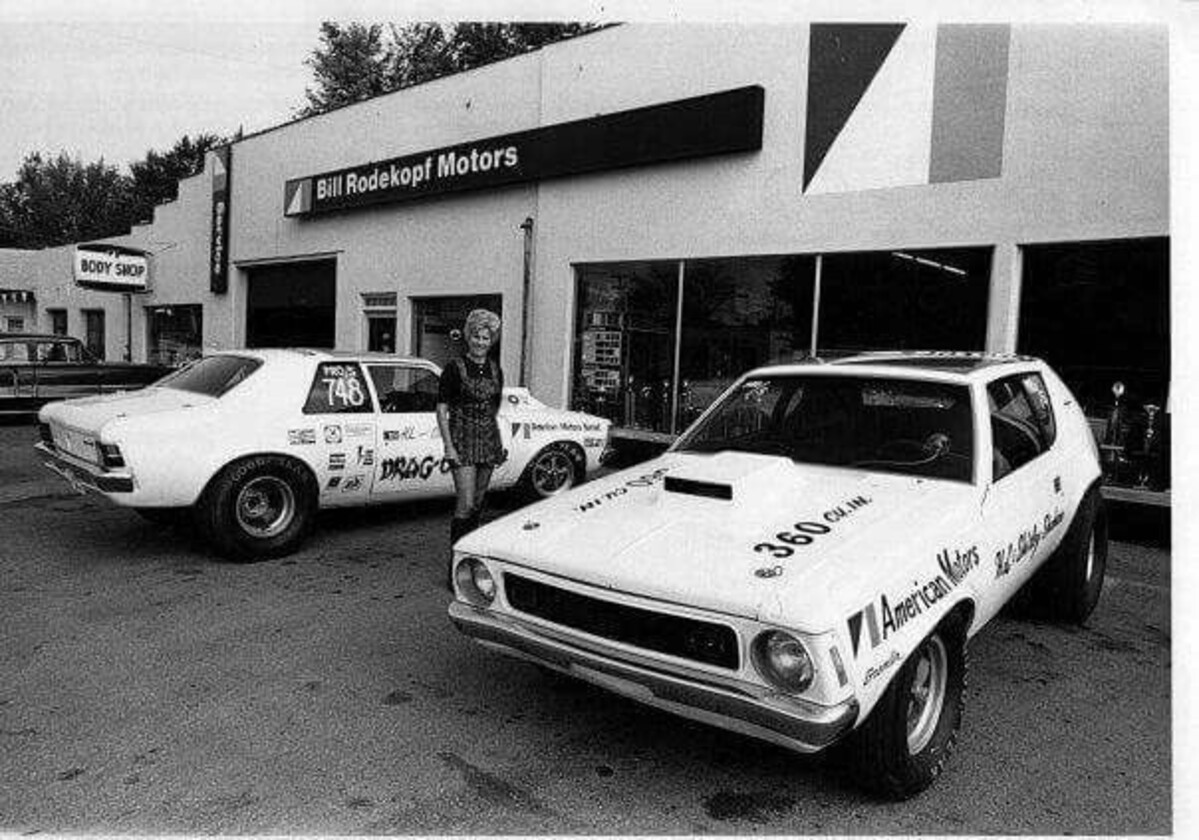
This wasn’t just a partnership; it was a total transfusion of French technology into the Kenosha, Wisconsin, factories. The result was the Renault Alliance (and later the Encore), a car that was essentially a Renault 9 redesigned for American tastes.
Launched in 1983, the Alliance featured a 1.4-litre engine and sophisticated four-wheel independent suspension, a rarity for an American economy car of that era.
It was named Motor Trend’s Car of the Year, and for a brief moment, it saved AMC from immediate liquidation. More importantly, this partnership funded the development of the “XJ” Jeep Cherokee, the vehicle that would eventually make AMC a prize worth buying for Chrysler. Without Renault’s cash and engineering input, the modern SUV craze might never have been sparked by the Cherokee’s unibody design.
7. GM and Isuzu: The Duramax Diesel Revolution
In the late 1990s, General Motors had a massive problem: their heavy-duty diesel engines were being laughed off the job site by Ford’s PowerStroke and Dodge’s Cummins. To survive in the high-margin heavy-duty truck segment, GM needed a world-class diesel, and they needed it fast.
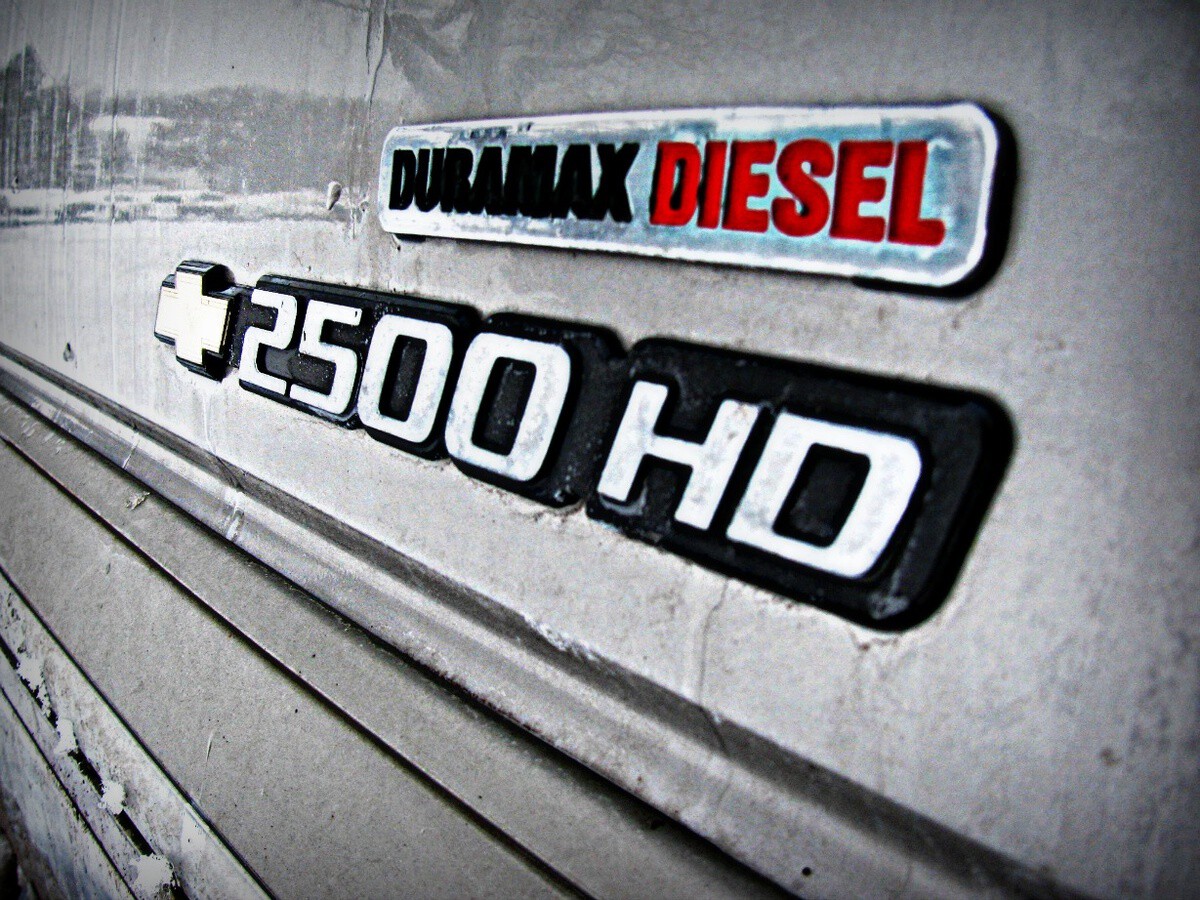
Instead of going it alone, they formed DMAX Ltd., a 60/40 joint venture with Isuzu, a global leader in diesel technology. The fruit of this labour was the 6.6-litre Duramax V8, launched in 2001.
Featuring a Bosch high-pressure common-rail fuel injection system and aluminium cylinder heads, the Duramax produced a then-staggering 300 horsepower and 520 lb-ft of torque.
It didn’t just catch up to the competition; it redefined the refinement of the segment. This partnership allowed GM to secure a massive 25% of the heavy-duty market within three years of launch.
For GM, this wasn’t just about a new engine; it was about protecting the Chevrolet Silverado and GMC Sierra profit centres, which would eventually provide the cash flow needed to navigate the 2008 financial crisis.
8. Ford and Volkswagen: Project Cyclone
In a world where the cost of developing electric vehicles and autonomous driving is astronomical, the 2019 “Project Cyclone” alliance between Ford and Volkswagen represents a modern survival pact. While both are global titans, neither could afford the $20 billion+ bill to develop these technologies in isolation.
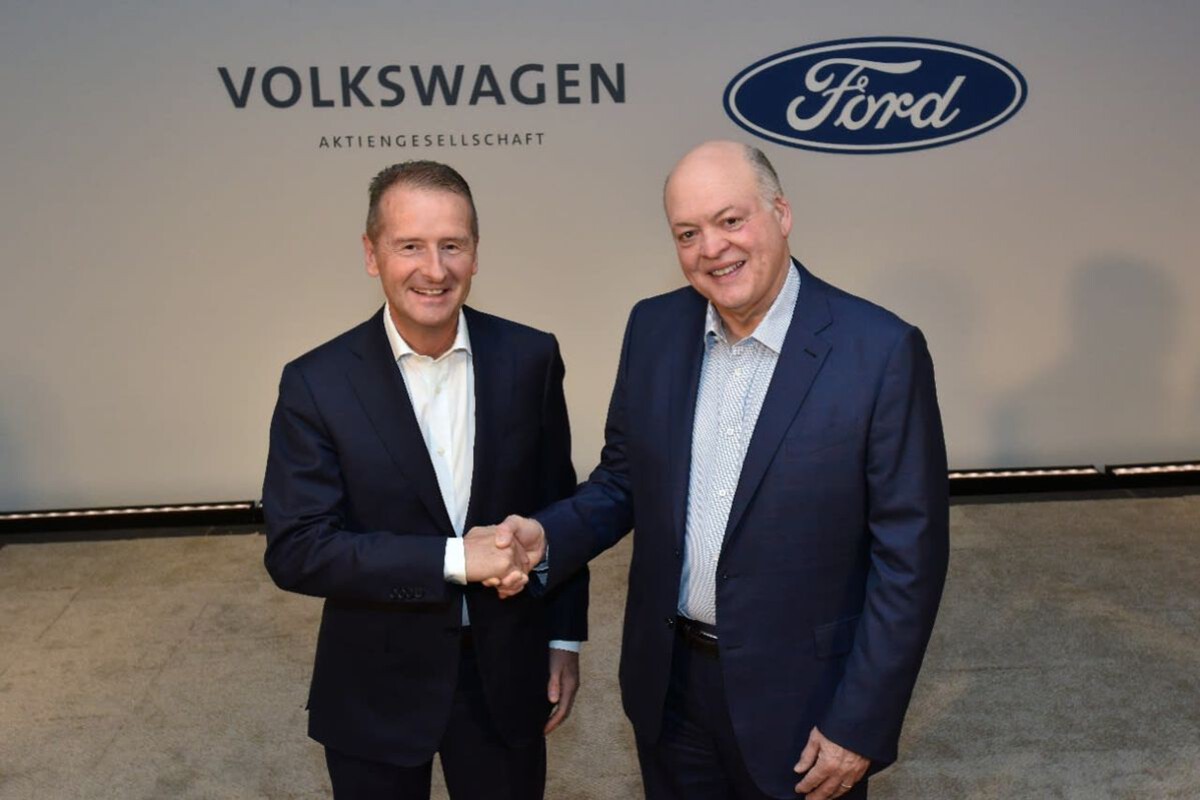
The most tangible result for the American market is the sharing of platform tech. Ford utilised VW’s MEB electric platform for European models, while Volkswagen tapped into Ford’s unmatched expertise in mid-size trucks. The 2023 Volkswagen Amarok is built on the Ford Ranger’s “T6” architecture, sharing its chassis and 3.0-litre V6 turbodiesel engine.
For Ford, this alliance ensures that their truck platforms have the global volume necessary to remain profitable by sharing the “hidden” parts of the vehicle, the chassis, the battery trays, and the autonomous sensors.
Ford can spend more money on the things American buyers actually care about: towing capacity, interior tech, and exterior styling. It is a textbook case of sharing the “boring” stuff to survive the “exciting” future.
9. The “Big Three” Battery Consortium (USABC)
In 1991, an unprecedented event occurred: Ford, GM, and Chrysler joined forces with the U.S. Department of Energy to form the United States Advanced Battery Consortium (USABC).
This wasn’t about building a specific car, but about surviving the legislative mandate of the California Air Resources Board (CARB), which required 2% of all vehicles sold in the state to be zero-emission by 1998.

Rather than three separate companies spending billions to solve the same chemical problem, they pooled their research into nickel-metal hydride (NiMH) and lithium-ion technologies. This collaborative R&D led directly to the batteries used in the GM EV1 and the Ford Ranger EV.
While these early EVs were not commercial successes, the shared data and patent pooling from the USABC laid the foundational chemistry for the modern electric revolution.
It proved that when the existential threat of government regulation looms, Detroit can function as a single, unified laboratory.
10. GM and Honda: The Ultium and Fuel Cell Pact
As we move toward a carbon-neutral future, the cost of lithium-ion battery production has forced another “impossible” alliance: GM and Honda. In 2020, the two announced they would co-develop two all-new electric vehicles for Honda, based on GM’s proprietary Ultium battery technology.
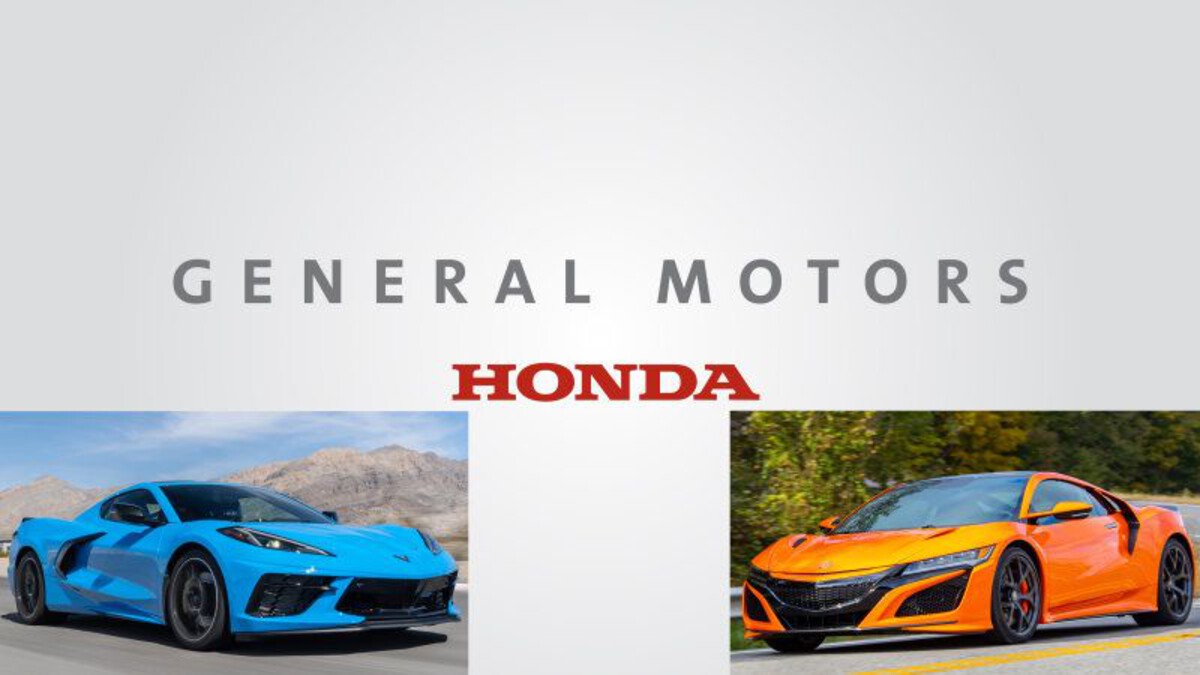
The 2024 Honda Prologue is the first result of this union, essentially a GM-engineered chassis and powertrain wrapped in Honda’s design language.
This partnership extends back to 2013 with shared fuel-cell research, aimed at creating a hydrogen-powered future that is too expensive for any one company to pioneer.
For GM, the deal provides the scale needed to lower the per-unit cost of its Ultium batteries. Honda, it provides a shortcut to the EV market without the decade-long R&D lead time. In this era, “survival” means not being left behind in the transition away from internal combustion, and this alliance ensures both brands remain viable as the gasoline era begins its long sunset.
For decades, automotive marketing has been built on the “Us vs. Them” mentality. We are told that buying a Ford is an act of defiance against Chevy, or that Chrysler stands in a league of its own.
But as we’ve seen through these ten pivotal moments, the reality of the American car industry is one of interconnectedness. The cars we love, the trucks that build our infrastructure, and the SUVs that carry our families are often the result of secret handshakes and shared blueprints.
This “co-opetition” isn’t a sign of weakness; it’s a testament to the industry’s resilience. It proves that American car companies are, above all else, survivors.
They have proven time and again that they are willing to trade their secrets and share their factories if it means the American automotive dream can live to see another sunrise.
Next time you lift the hood of your vehicle, remember: you might be looking at a map of a much larger, more cooperative world than the badge on the grille suggests.