
The global automotive market has become more competitive than ever, with manufacturers constantly pushing new models packed with features, performance upgrades, and marketing claims designed to attract buyers. However, not all cars receive the attention they deserve, and not all popular cars truly justify their hype.
In fact, the modern car industry is shaped as much by perception as it is by engineering quality, which leads to a clear divide between vehicles that are genuinely excellent and those that are simply well-marketed.
Underrated cars often suffer from a lack of awareness, conservative branding, or competition in crowded segments. These vehicles may offer strong reliability, better value for money, or even superior driving dynamics, but they fail to gain traction because they are overshadowed by more aggressively advertised rivals. Buyers tend to gravitate toward familiar nameplates, which leaves several high-quality models overlooked in dealerships and online discussions.
On the other hand, overrated cars are typically those that enjoy a strong reputation built on brand loyalty, aggressive marketing, or early success that continues long after competitors have caught up or surpassed them.
These vehicles are not necessarily bad, but they often do not deliver the level of performance, comfort, or value that their popularity suggests. In many cases, buyers pay a premium for status or perception rather than actual improvement in driving experience.
In this article, we will explore three underrated cars that deserve a second look because they offer excellent value, performance, or practicality that is often ignored. We will also examine three overrated cars that may not fully justify their popularity when compared to alternatives in the same category. The goal is to provide a balanced, realistic perspective that helps buyers make more informed decisions rather than following trends blindly.
Also Read: 10 Cars With Insurance Premiums Lower Than a Compact Sedan
3 Underrated Cars Worth a Second Look
1. Skoda Octavia
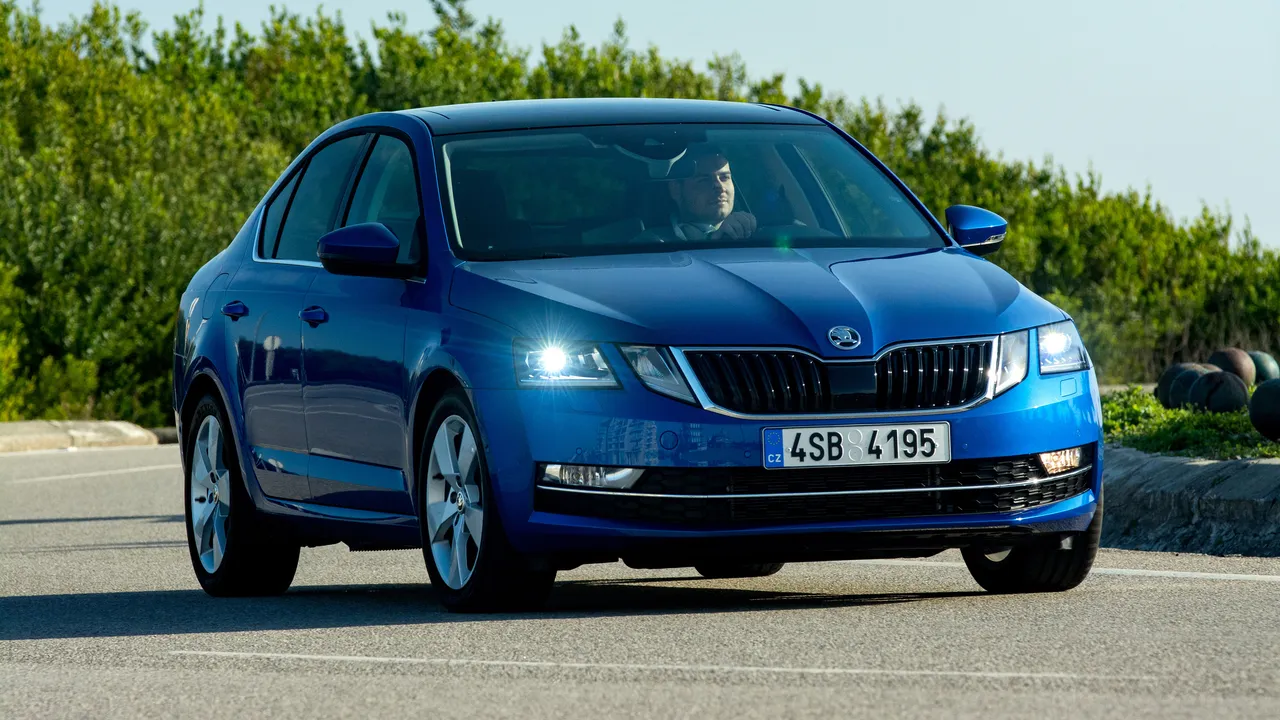
The Skoda Octavia has quietly built a reputation among automotive enthusiasts as one of the most practical and intelligently designed sedans on the market. Despite this, it rarely receives the same level of mainstream attention as popular SUVs or premium luxury sedans.
One reason for this is changing consumer trends. Many buyers automatically gravitate toward crossovers because they associate larger body styles with better value and status. However, the Octavia proves that a well-engineered sedan can still outperform many SUVs in areas that matter most, including ride quality, fuel efficiency, cabin comfort, and long-distance usability.
The car offers a balanced package that appeals to families, professionals, and highway drivers alike, yet it continues to remain underrated in many markets simply because it lacks flashy branding and aggressive marketing campaigns.
One of the biggest strengths of the Octavia is its interior packaging and space utilization. The cabin feels significantly larger than what most people expect from a mid-size sedan. Rear seat passengers enjoy generous legroom and headroom, making the vehicle extremely comfortable for long journeys.
The boot space is another major highlight, offering practicality that rivals some compact SUVs. This makes the Octavia ideal for road trips, airport runs, or family travel where luggage capacity matters. In addition to the spacious layout, the cabin design focuses heavily on ergonomics and functionality.
The controls are intuitive, visibility is excellent, and storage compartments are intelligently placed throughout the interior. Instead of relying on excessive styling gimmicks, the Octavia focuses on delivering a mature and refined user experience.
The driving experience is another reason why the Octavia deserves far more appreciation than it receives. The suspension setup strikes an excellent balance between comfort and stability, allowing the car to handle uneven roads without sacrificing highway confidence. Steering response is predictable and precise, making the car feel stable even at higher speeds.
Depending on the engine option, the Octavia also delivers strong performance for everyday driving, with smooth acceleration and refined power delivery. Turbocharged variants offer especially good highway performance while still maintaining respectable fuel efficiency.
Yet because SUVs dominate social media, advertising, and showroom attention, vehicles like the Octavia are often ignored before buyers even consider a test drive. This is unfortunate because the Octavia delivers features and refinement levels that compete with far more expensive vehicles.
Buyers who prioritize practicality and driving quality over trends often find themselves pleasantly surprised by how complete the package feels.
2. Honda Accord
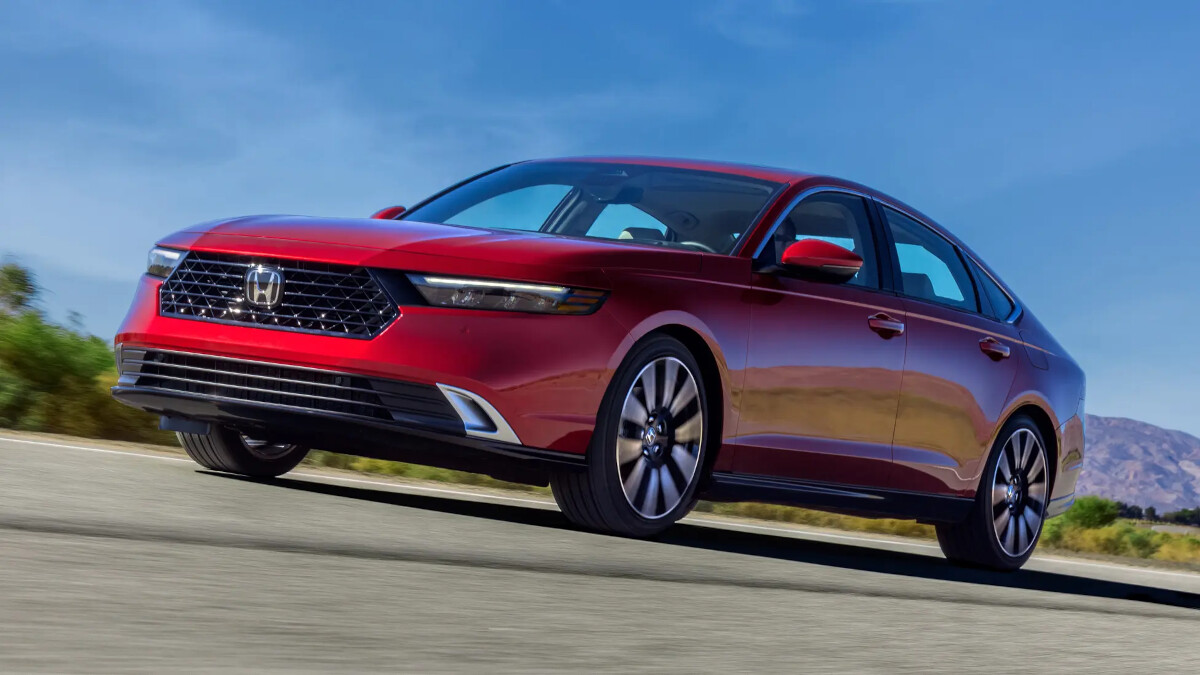
The Honda Accord has long been regarded as one of the most dependable sedans in the automotive world, yet it often receives far less attention than it deserves in modern discussions dominated by SUVs and luxury crossovers.
Over the years, the Accord has evolved into a refined and highly capable vehicle that combines comfort, reliability, efficiency, and practicality in a way few competitors can consistently achieve. Despite its excellent reputation among long-term owners, younger buyers sometimes overlook the Accord because it lacks the aggressive styling or trendy image associated with newer vehicle categories.
This is unfortunate because the Accord remains one of the smartest choices for drivers who value quality engineering and everyday usability over marketing-driven appeal.
One of the most impressive aspects of the Accord is its ride comfort and refinement. Honda has consistently tuned the Accord to provide a smooth and composed driving experience, making it exceptionally comfortable for long-distance travel. The suspension absorbs road imperfections effectively without making the car feel disconnected from the road. Highway cruising is particularly enjoyable because of the stable chassis and well-insulated cabin.
Wind and road noise are controlled well, allowing conversations and music to remain clear even at higher speeds. This level of comfort makes the Accord an excellent option for professionals, families, and commuters who spend significant time driving. While many modern vehicles focus heavily on aggressive styling and oversized wheels, the Accord continues to prioritize balanced comfort and everyday practicality.
The interior quality of the Accord is another reason why it deserves greater recognition. The cabin is spacious, thoughtfully designed, and highly functional. Both front and rear passengers enjoy excellent legroom and seating comfort, making the car feel larger than many competitors in its segment.
Honda has traditionally focused on user-friendly layouts, and the Accord reflects this philosophy with intuitive controls and a driver-focused dashboard. Materials used throughout the cabin are durable and attractive, contributing to a premium feel without becoming unnecessarily flashy.
The trunk space is also highly practical, offering enough room for luggage, groceries, or travel equipment. Unlike some competitors that sacrifice usability for dramatic styling, the Accord maintains a design philosophy centered on real-world convenience.
3. Mazda CX-5
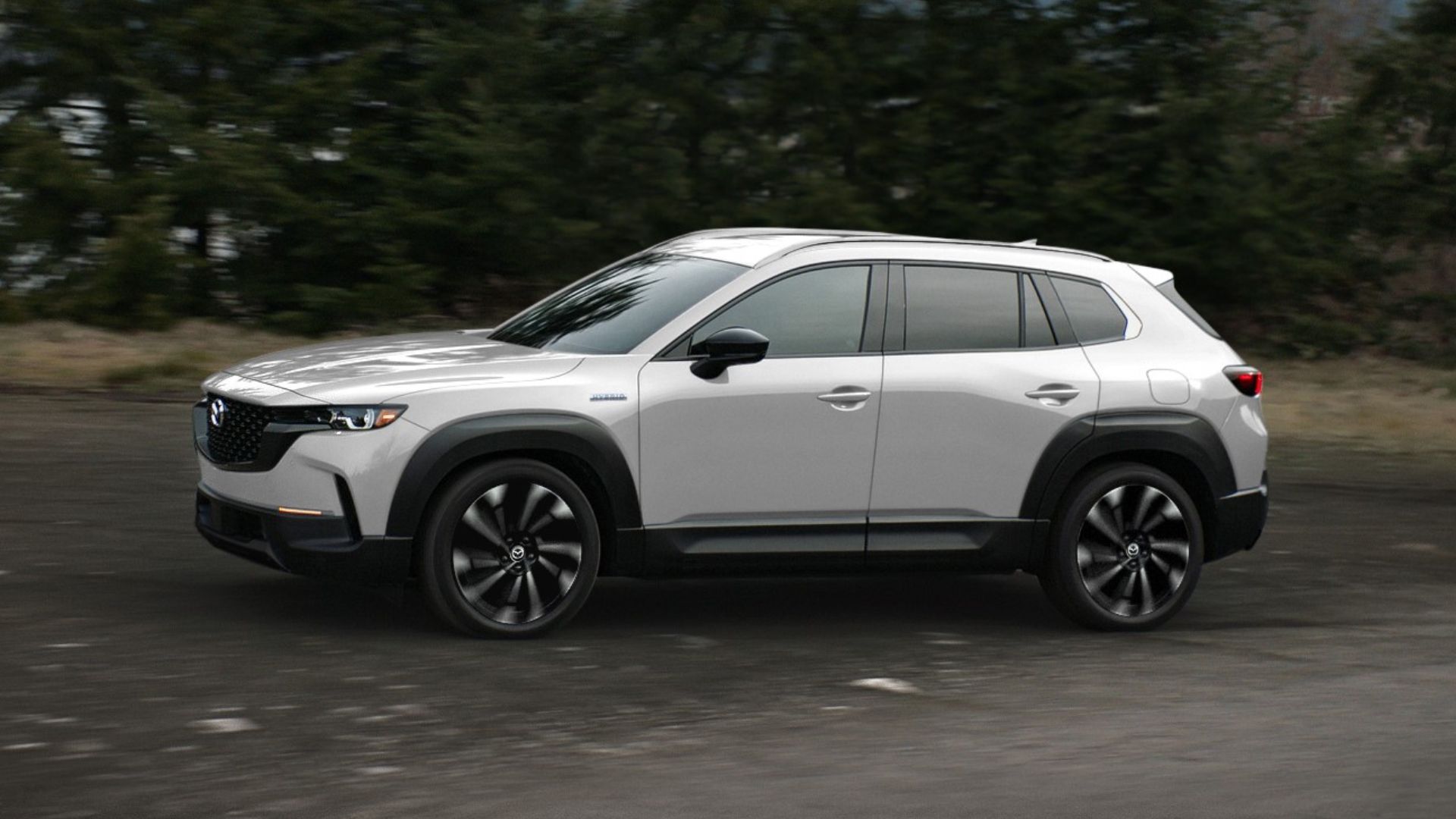
The Mazda CX-5 is one of the most refined compact SUVs available today, yet it remains surprisingly underrated compared to some of its more aggressively marketed rivals. Mazda, as a brand, often operates in a unique space within the automotive industry, offering vehicles that prioritize driving engagement, design quality, and a premium feel without carrying luxury brand pricing.
While many compact SUVs focus solely on practicality and technology features, the CX-5 delivers a more balanced experience that combines comfort, driving enjoyment, and upscale interior quality. Unfortunately, because Mazda does not command the same global attention as some larger manufacturers, the CX-5 is frequently overlooked by buyers who may otherwise appreciate its strengths.
One of the biggest reasons the CX-5 deserves more recognition is its driving dynamics. Compact SUVs are rarely associated with enjoyable handling, but Mazda has engineered the CX-5 to feel responsive and composed on the road. Steering is precise, body control is impressive, and the vehicle feels more connected to the driver compared to many competitors.
This creates a sense of confidence and engagement that is often missing in the segment. Whether driving through city traffic or cruising on highways, the CX-5 feels stable and refined. Drivers who enjoy a more connected driving experience often find the CX-5 far more rewarding than many rivals that prioritize softness and isolation above all else.
Interior quality is another major strength that sets the CX-5 apart. Mazda has focused heavily on creating a premium cabin experience, using high-quality materials and clean design principles that make the interior feel upscale. Soft touch surfaces, elegant dashboard layouts, and carefully designed controls contribute to an atmosphere that feels far more expensive than the vehicle’s actual price point.
The seats are supportive and comfortable, particularly during long journeys. Noise insulation is also impressive, helping create a quiet and relaxing environment for both drivers and passengers. While some competitors rely heavily on oversized screens and flashy lighting effects, the CX-5 emphasizes craftsmanship and thoughtful design instead.
Comfort and practicality are also handled very well in the CX-5. The suspension setup balances ride comfort with handling stability, allowing the SUV to remain composed over rough roads while still feeling agile in corners. Rear seat space is sufficient for families, and cargo capacity is practical for everyday use, shopping trips, and travel.
Also Read: 10 Cars That Survive Being Used as Daily Uber Vehicles
3 Overrated Cars
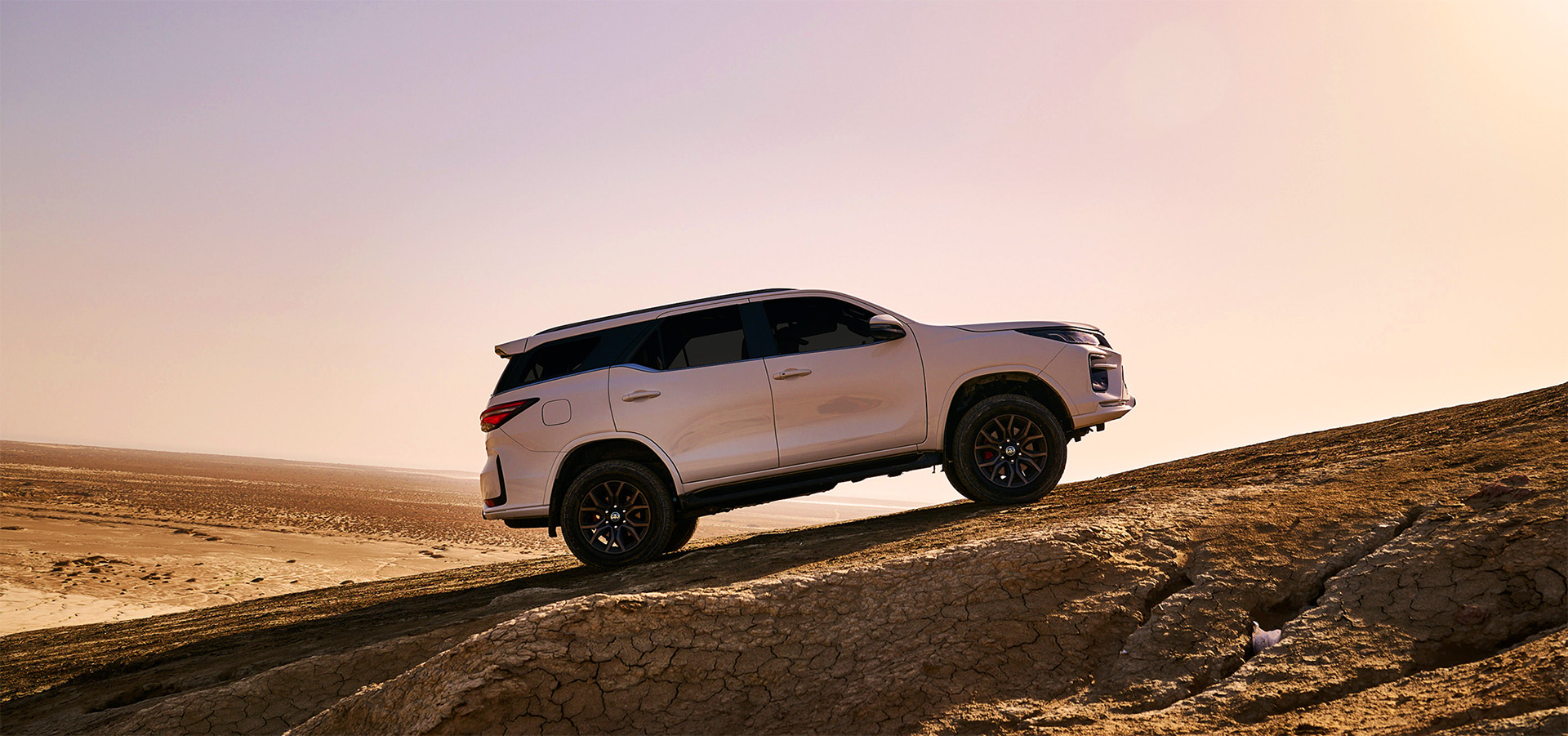
1. Toyota Fortuner
The Toyota Fortuner has become one of the most recognizable full-size SUVs in several global markets, especially in regions where road presence and durability strongly influence purchasing decisions. Its reputation for toughness, reliability, and commanding design has helped it develop a loyal customer base over the years.
However, despite its popularity, the Fortuner is often considered overrated because many buyers focus more on its image and brand reputation than on its actual value compared to modern competitors. The SUV certainly has strengths, particularly in durability and off road capability, but its widespread popularity has created expectations that may not always align with what it truly offers in daily driving conditions.
In many cases, buyers end up paying a significant premium largely because of the Toyota badge and the vehicle’s established reputation rather than superior technology, comfort, or innovation.
One of the biggest criticisms of the Fortuner is its ride quality and on-road refinement. Since the vehicle is built on a ladder frame platform derived from pickup truck architecture, it naturally prioritizes durability and ruggedness over comfort.
While this setup is excellent for rough terrain and heavy-duty use, it can make the SUV feel stiff and less refined on regular city roads. Passengers often experience more body movement and suspension harshness compared to monocoque SUVs that are specifically designed for urban comfort.
On long drives, especially on uneven roads, the Fortuner may not feel as smooth or composed as several rivals in the same price category. This becomes particularly noticeable for buyers who primarily use the SUV for city commuting and family travel rather than genuine off-road adventures.
Another major reason the Fortuner is often labeled overrated is its pricing strategy. In many markets, the SUV commands a substantial premium compared to competitors that offer more modern interiors, smoother ride quality, and superior feature lists.
The Fortuner’s off-road capability is undeniably impressive, but this also highlights another important issue regarding its popularity. Most owners rarely use the SUV in the environments where it truly excels.
The majority of Fortuner vehicles spend their lives on highways, city streets, and suburban roads where the benefits of extreme ruggedness are less important than comfort and refinement. In such conditions, the compromises associated with body-on-frame construction become more noticeable.
Steering can feel heavier, ride comfort less polished, and maneuverability more cumbersome compared to crossovers designed primarily for urban use. As a result, many buyers are effectively paying for capabilities they may never fully utilize while sacrificing comfort they would experience every day.
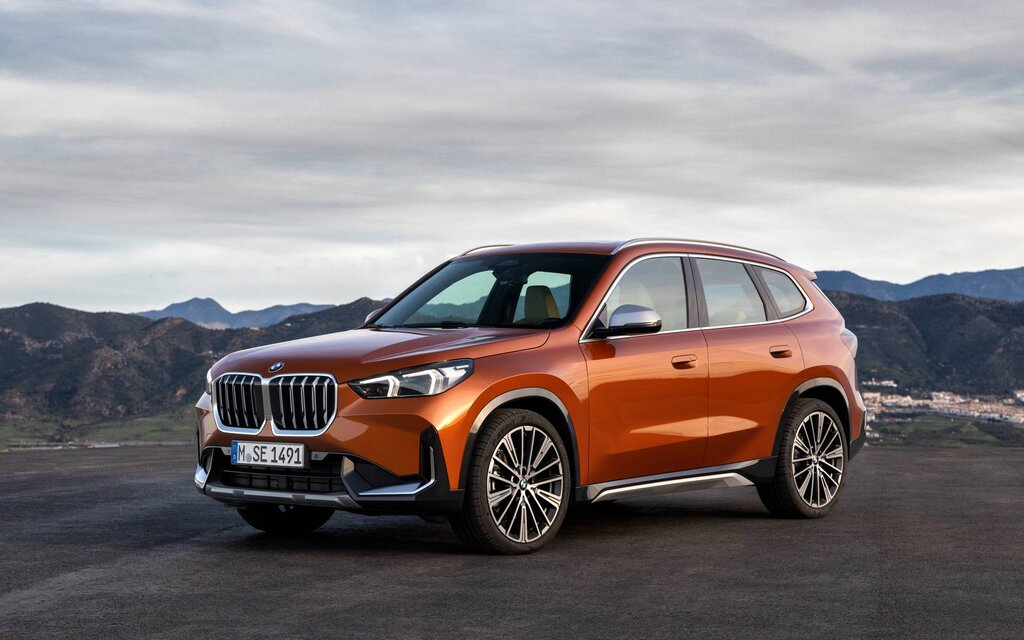
2. BMW X1
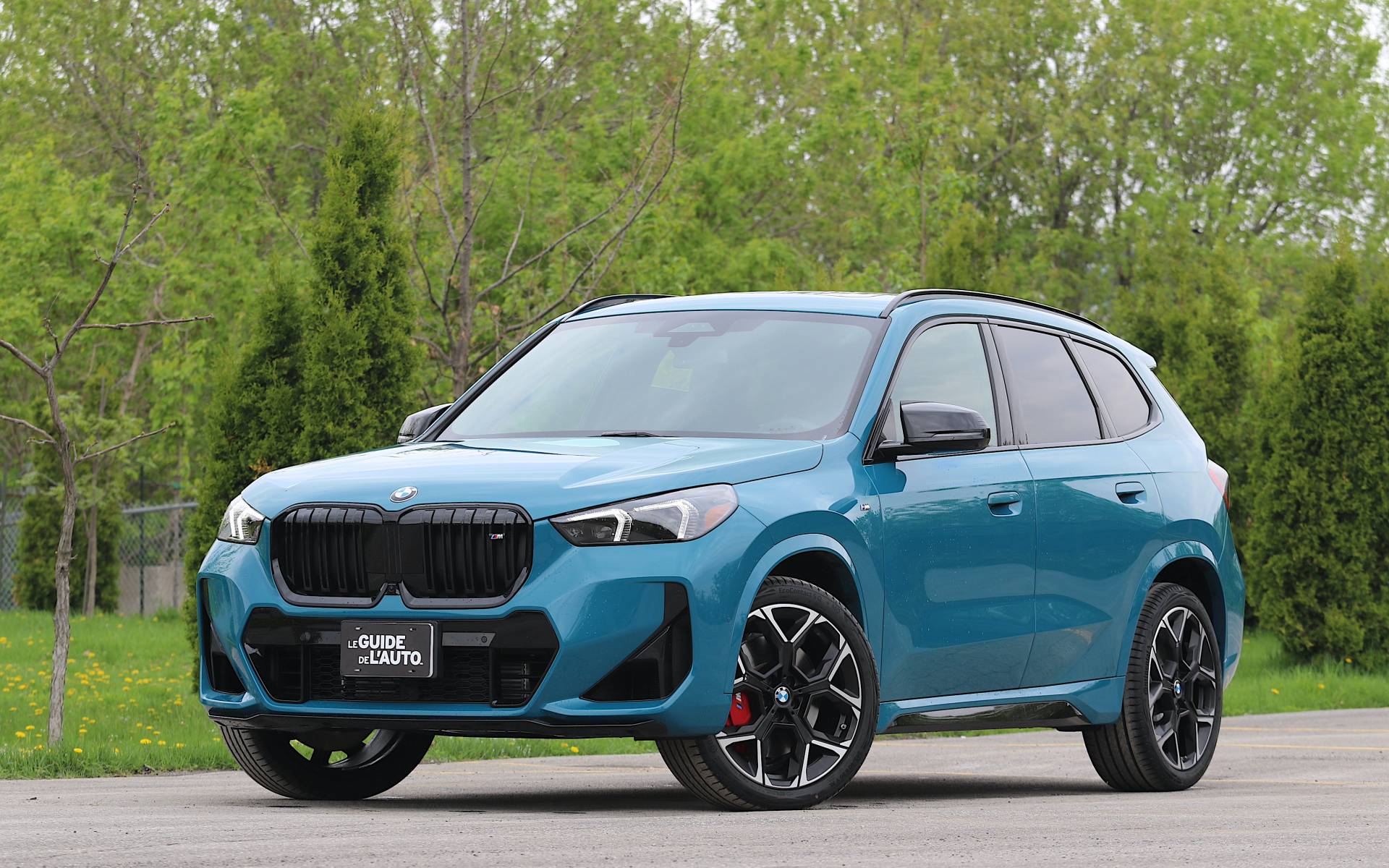
The BMW X1 has become a popular entry point into the luxury SUV market, attracting buyers who want the prestige of owning a BMW without stepping into the significantly higher pricing territory of larger luxury models. Its compact dimensions, recognizable badge, and premium branding have made it especially appealing among younger buyers and urban professionals.
However, despite its popularity, the X1 is frequently considered overrated because much of its appeal is tied to brand image rather than exceptional value or segment-leading capability. While it is certainly a competent luxury crossover, the intense focus on the BMW badge often causes buyers to overlook competitors that offer superior comfort, practicality, or features at similar prices.
One of the primary criticisms of the BMW X1 involves its interior space and practicality relative to expectations. Although marketed as a premium compact SUV, the X1 does not always deliver the spaciousness that buyers expect from an SUV body style.
Rear seat comfort can feel limited for taller passengers, especially during long trips, and cargo space, while usable, is not class-leading. Several rivals in the same category provide more accommodating interiors and better packaging efficiency.
Families seeking maximum practicality may therefore find the X1 less versatile than competing crossovers that prioritize passenger comfort and storage flexibility more effectively. This becomes especially relevant when buyers compare real-world usability rather than focusing solely on luxury branding.
Ride quality is another area where the X1 receives mixed reactions. BMW has traditionally emphasized sporty handling characteristics, and the X1 follows this philosophy with firm suspension tuning and responsive steering.
While this creates a more engaging driving experience compared to some softer competitors, it can also reduce comfort on rough or uneven roads. Urban potholes, broken pavement, and speed bumps are often felt more sharply inside the cabin than in rivals tuned more heavily toward comfort.
For enthusiasts, this sharper handling may be enjoyable, but many luxury SUV buyers prioritize smoothness and comfort over sporty behavior. As a result, some owners may eventually feel that the X1 sacrifices daily usability in pursuit of a driving character that is not essential for the majority of compact SUV buyers.
Interior quality and technology are generally strong points for BMW vehicles, but the X1 does not always stand out as much as its badge might suggest. While the cabin design is modern and well assembled, some materials and trim pieces may feel less premium than expected at its price level.
Competitors from other luxury and even mainstream brands have significantly improved their interior quality in recent years, narrowing the gap that once clearly separated German luxury vehicles from the rest of the market.
Additionally, optional features and customization packages can quickly increase the final purchase price of the X1, making it far more expensive than its base price initially suggests. Buyers often discover that obtaining the most desirable features requires substantial additional spending.
In reality, several rivals offer better standard equipment, smoother ride quality, more spacious interiors, and lower ownership costs while delivering a similarly premium experience.
However, because the BMW brand carries significant cultural value, buyers may willingly overlook these practical differences. This creates a situation where the vehicle’s reputation is influenced as much by perception as by actual engineering superiority.
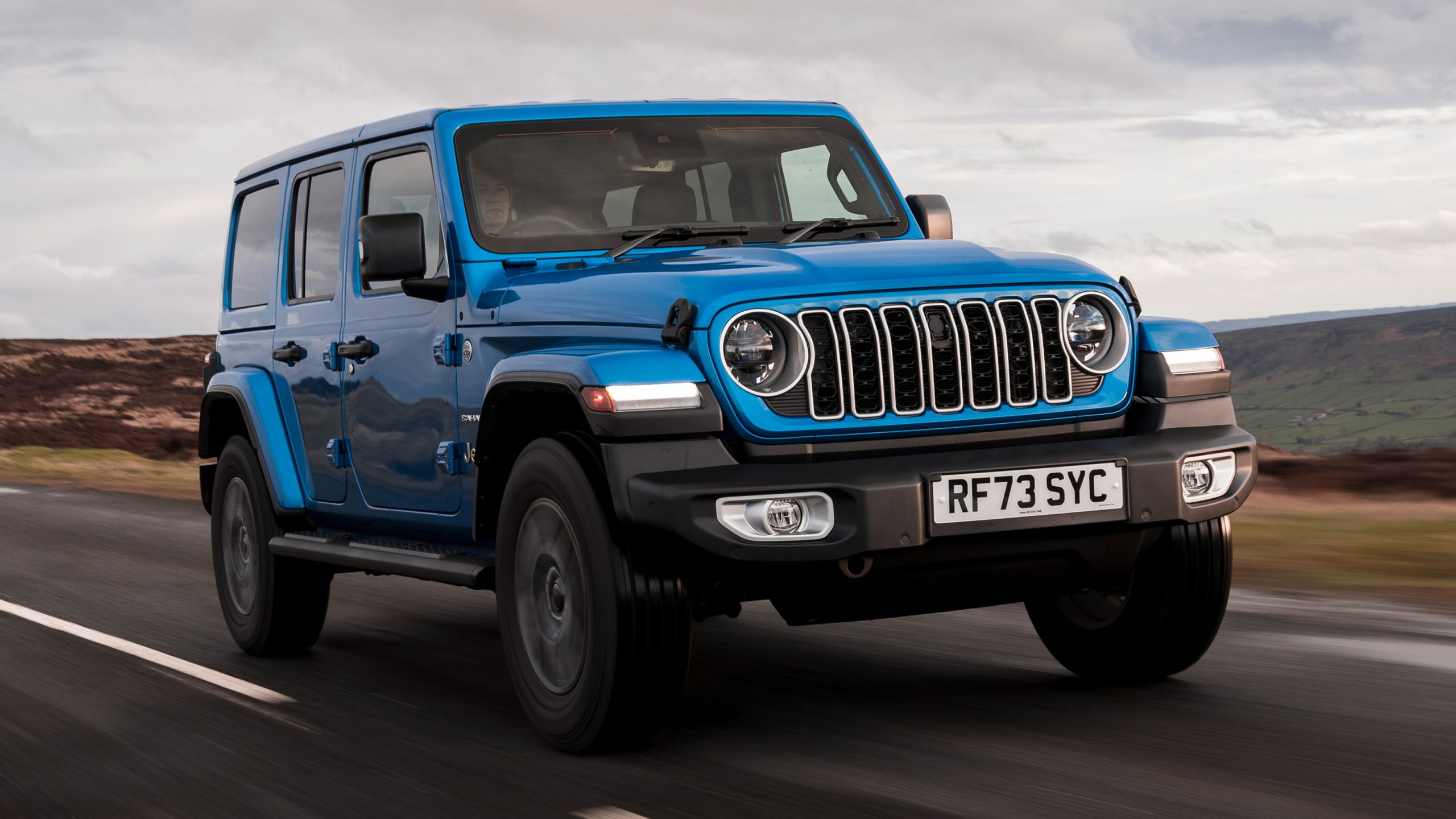
3. Jeep Wrangler
The Jeep Wrangler is one of the most iconic vehicles ever produced, instantly recognizable because of its rugged styling, removable doors, exposed hinges, and unmistakable off-road heritage.
Over the decades, it has developed a passionate fan base and a strong cultural identity associated with adventure, freedom, and outdoor exploration. However, despite its legendary status, the Wrangler is often considered overrated when evaluated as an everyday vehicle. Its image and emotional appeal are incredibly strong, but many buyers discover that living with the Wrangler on a daily basis involves compromises that are far more significant than they initially expected.
While the vehicle excels in off-road conditions, its practicality, comfort, and refinement for regular urban driving often lag behind modern SUVs designed primarily for daily usability.
The Wrangler’s greatest strength is undoubtedly its off-road capability. Few production vehicles can match its ability to handle rough terrain, steep inclines, mud, rocks, and difficult trails. Features such as solid axles, high ground clearance, advanced Four Wheel Drive systems, and rugged construction make it exceptionally capable in environments where most SUVs would struggle. For serious off-road enthusiasts, the Wrangler remains one of the best choices available.
However, this extreme capability comes with compromises that become obvious during normal road use. The suspension setup and body design that make the Wrangler excellent off-road also contribute to a driving experience that can feel less refined and stable on highways and city streets.
Interior comfort and practicality are also areas where the Wrangler struggles to justify its widespread popularity. Although newer generations have improved significantly in terms of technology and cabin materials, the design still prioritizes ruggedness over refinement.
Rear seat space can feel cramped depending on the body style, and cargo space is not as generous or flexible as several competing SUVs. Entry and exit can also be less convenient due to the vehicle’s height and design. The removable roof and doors create a unique open-air driving experience, but they also introduce additional compromises related to insulation, security, and weather protection. For buyers who rarely use these features, the trade-offs may outweigh the benefits over time.
Another reason the Wrangler is considered overrated is that many owners purchase it for lifestyle image rather than actual usage needs. The vehicle has become strongly associated with adventure culture, outdoor lifestyles, and individuality. As a result, some buyers are attracted more by what the Wrangler represents socially than by its actual functionality in their daily lives.
