
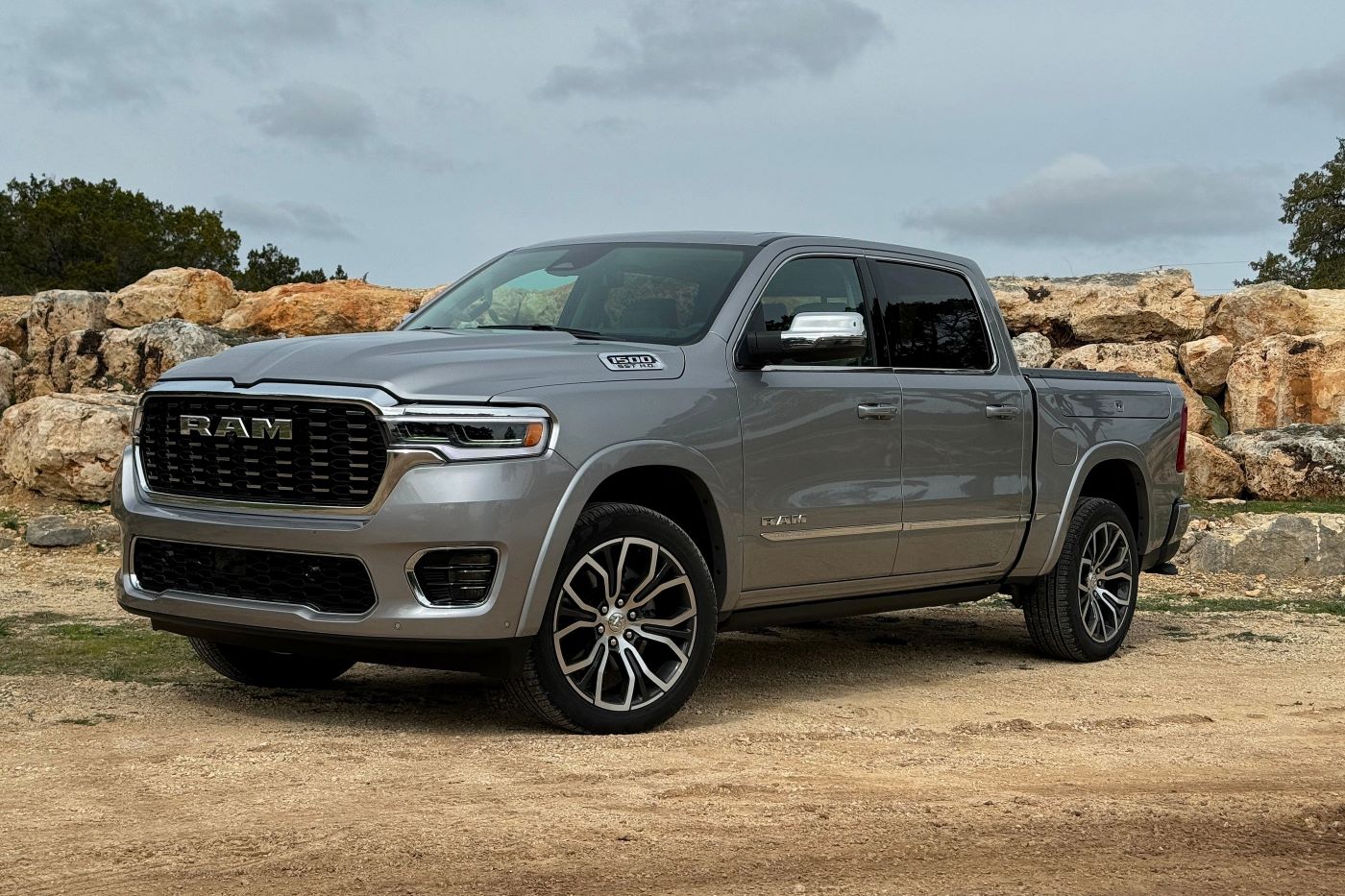
When shopping for a pickup truck, most buyers focus on towing capacity, bed size, or fuel economy. But there is one specification that truly defines a truck’s capability: torque. Torque is the twisting force that pulls trailers, climbs grades, and hauls heavy loads without breaking a sweat. It is the real-world muscle behind every truck’s performance.
The problem is that torque often comes at a steep price. Premium trucks like the Ram 1500 TRX or Ford Raptor R deliver jaw-dropping numbers, but they can cost $100,000 or more. For most truck buyers, that equation simply does not add up.
This guide takes a different approach. We look at the sweet spot between raw torque output and real-world affordability. These are the trucks that deliver the most pound-feet of torque for every dollar you spend. Whether you are a contractor hauling tools, a weekend warrior towing a boat, or simply someone who wants serious capability without overspending, this list is built for you.
From half-ton workhorses to capable mid-size options, these eight pickups represent the best torque-per-dollar values on the market today. Each one punches well above its price class. Let us dig into the numbers.
1. Ram 1500 Classic with the 5.7L HEMI V8
The Ram 1500 Classic is one of the best-kept secrets in the truck market. It continues to be sold alongside the newer Ram 1500 generation, often at a significantly lower starting price. This makes it an exceptional value for buyers who want proven V8 performance without paying for the latest styling.
Under the hood, the 5.7-liter HEMI V8 produces 395 pound-feet of torque. That figure puts it in direct competition with far more expensive trucks. The engine is naturally aspirated, meaning its torque delivery is linear, predictable, and easy to manage when towing or hauling.
The HEMI V8 has been in production for decades, and its reliability is well documented. Parts are widely available, and service costs are generally lower than those of newer turbocharged engines. For a buyer who wants worry-free, low-maintenance torque, this is a compelling argument.
The Ram 1500 Classic starts at a price point that is thousands below the newer Ram 1500 models. That price gap, combined with 395 pound-feet of torque, creates an outstanding value ratio. Buyers get genuine half-ton capability at a price that feels almost too good to pass up.
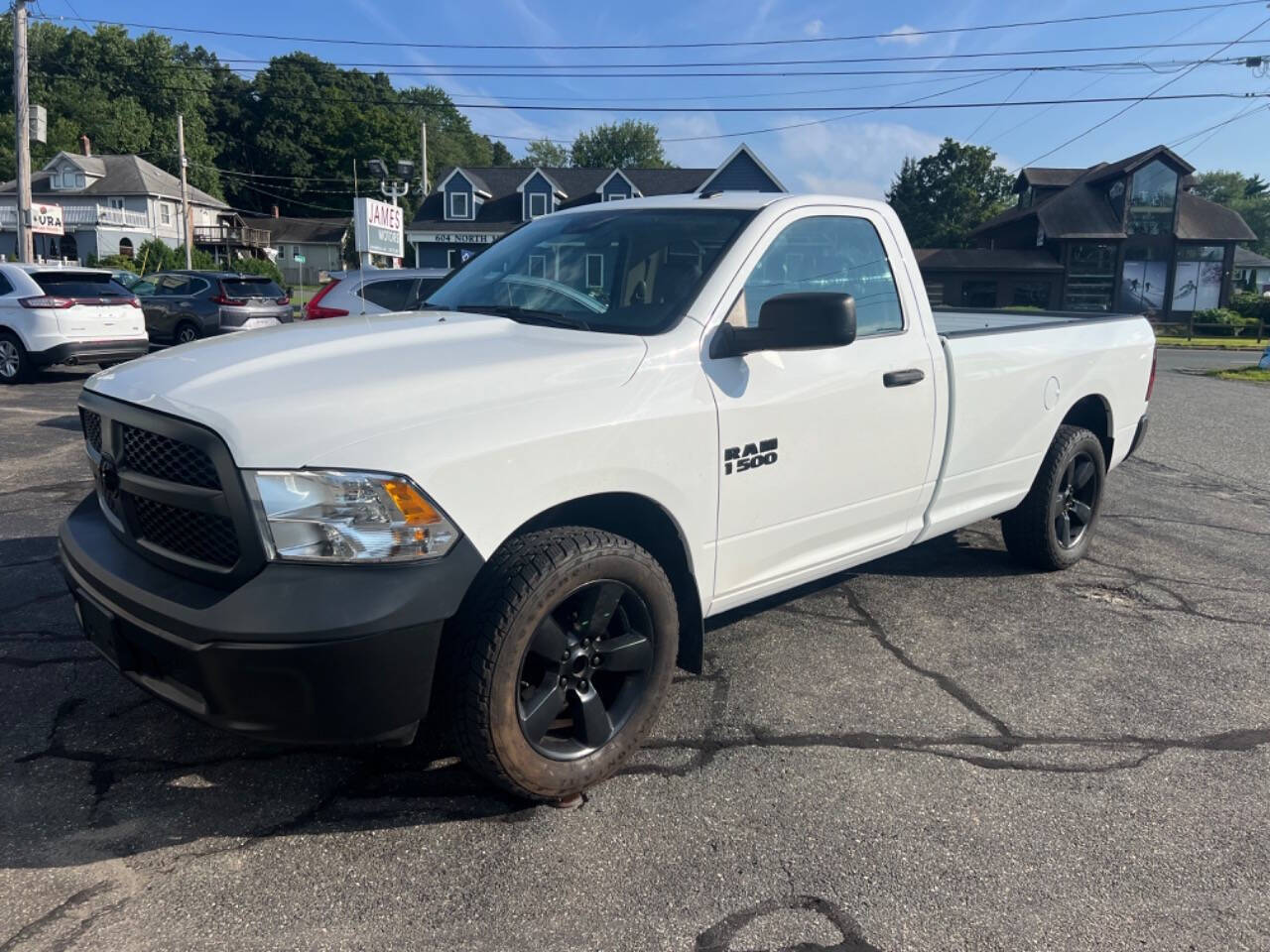
The Classic’s interior is not as refined as the newer Rams’, but it gets the job done. Cloth seating, a functional layout, and rugged build quality are the hallmarks here. This is a truck designed to be used, not pampered.
With a maximum towing capacity of around 10,000 pounds in properly equipped configurations, the Ram 1500 Classic is no slouch. It handles boat trailers, utility trailers, and loaded flatbeds with ease. The HEMI’s low-end grunt makes pulling from a stop feel effortless.
Torque mild hybrid assistance is not available on all Classic trims, but when paired with the 5.7L HEMI, it adds 130 pound-feet of additional torque for a brief burst during acceleration. That feature alone raises the effective torque output significantly. It is a genuinely useful upgrade for truck owners who frequently pull heavy loads.
The Ram 1500 Classic also qualifies for significant dealer discounts and manufacturer incentives. Real-world transaction prices often come in well below MSRP. That dynamic makes its torque-per-dollar value even more impressive than the sticker price suggests.
2. Chevrolet Silverado 1500 with the 6.2L V8
The Chevrolet Silverado 1500 is one of America’s most popular trucks, and with good reason. Its optional 6.2-liter V8 engine is among the most capable powerplants in the half-ton segment. The numbers are hard to argue with: 460 pound-feet of torque from a naturally aspirated V8.
That torque figure matches or exceeds many diesel engines in the class. It pulls strongly from idle and maintains power all the way through the RPM range. For a truck owner who needs consistent, reliable pulling force, the 6.2L is a genuine standout.
The Silverado’s starting price for work-focused trims is competitive with its rivals. Opting for the 6.2L V8 does require stepping up a trim level, but the jump in torque output justifies the additional cost. When you calculate torque per dollar across the full model range, the 6.2L Silverado delivers exceptional bang for your buck.
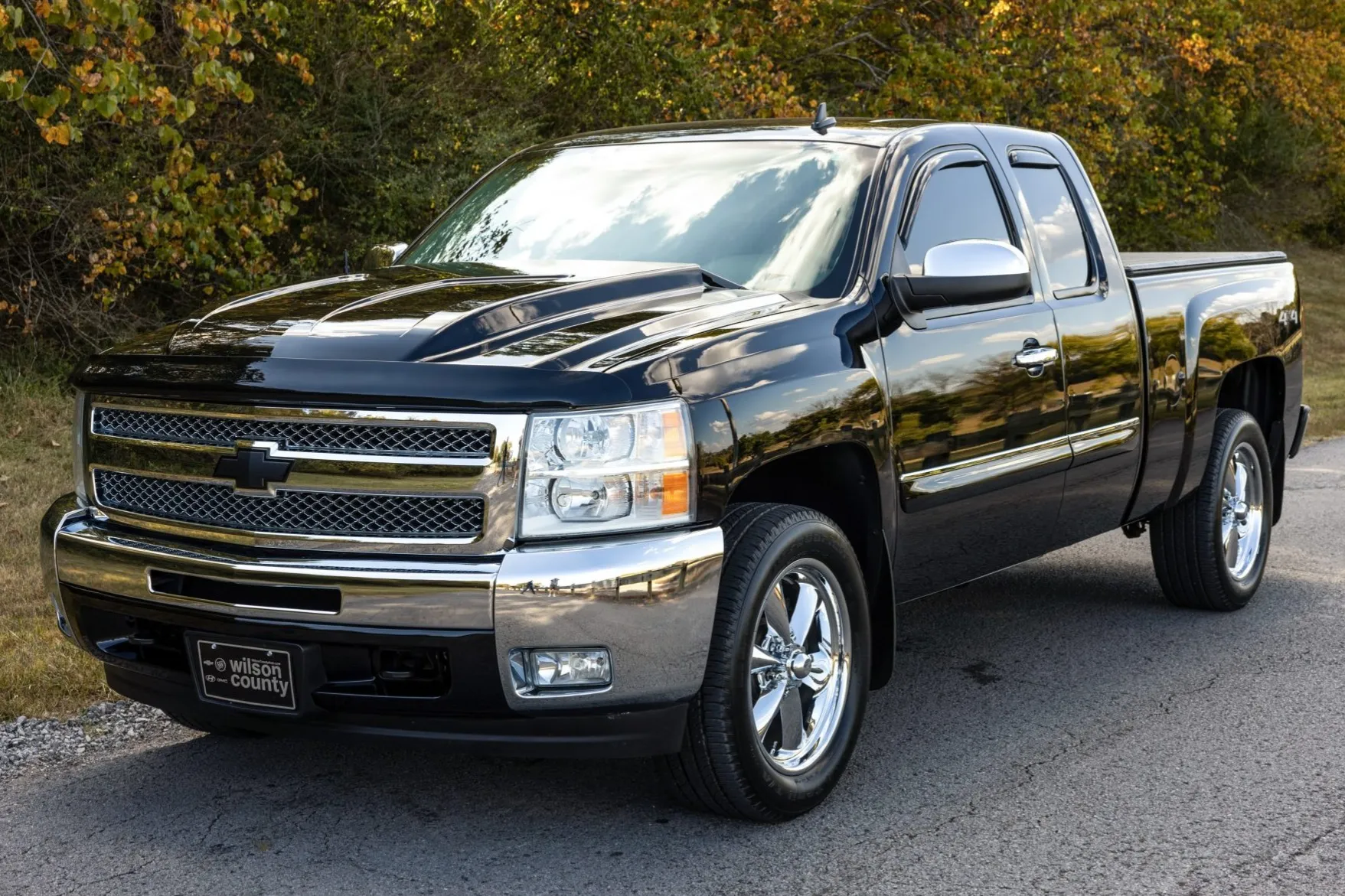
Maximum towing capacity with the 6.2L reaches up to 13,300 pounds in properly configured setups. That number puts it in territory previously reserved for heavy-duty trucks. For buyers who need serious towing ability without stepping into an HD truck’s higher operating costs, this is a powerful solution.
The Silverado 1500 also offers a wide range of cab and bed configurations. Whether you need a regular cab work truck or a crew cab with a short bed, the platform accommodates nearly every use case. That versatility adds to the value proposition.
Fuel economy with the 6.2L is respectable thanks to dynamic fuel management technology. The engine can deactivate cylinders during light-load driving to reduce consumption. This makes the Silverado a more practical daily driver than its displacement might suggest.
Dealer networks for Chevrolet are extensive across North America. Service intervals are straightforward and costs are predictable. Resale values for Silverados have historically been strong, which lowers the effective long-term cost of ownership. When you factor that in, the torque-per-dollar math gets even better.
3. Ford F-150 with the 3.5L PowerBoost Hybrid
The Ford F-150 is the best-selling vehicle in America, and the 3.5-liter PowerBoost hybrid variant takes its capabilities to another level. This twin-turbocharged V6 hybrid system produces a massive 570 pound-feet of torque. That is the highest torque output of any engine available in the F-150 lineup.
The hybrid system combines a turbocharged V6 with an electric motor that delivers immediate, low-RPM torque. The result is acceleration and pulling power that feels almost diesel-like. Towing heavy loads at highway speeds is effortless with this powertrain.
Maximum towing capacity with the PowerBoost reaches 12,700 pounds. Maximum payload exceeds 2,000 pounds in certain configurations. Those are class-leading numbers that competitors have struggled to match.
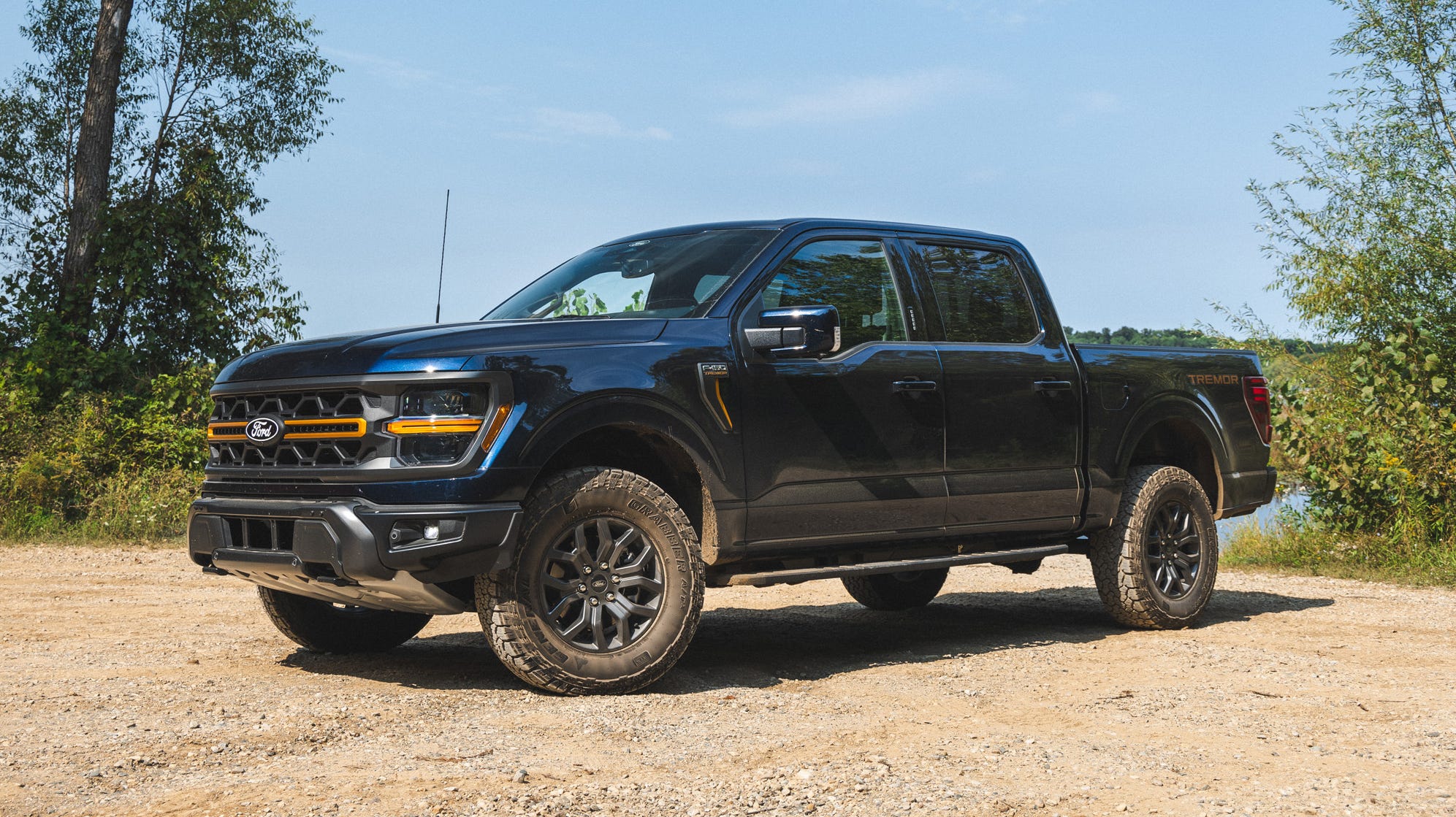
The F-150 PowerBoost also features Pro Power Onboard, which turns the truck into a mobile generator. Depending on the configuration, it can export up to 7.2 kilowatts of power. For contractors, outdoor enthusiasts, and emergency preparedness, that capability is genuinely valuable.
Pricing for the PowerBoost engine is available starting in mid-range trim levels. When you divide that price by 570 pound-feet of torque, the value ratio is difficult to beat anywhere in the segment. The engine upgrade cost is relatively modest compared to the torque gain it provides.
Fuel economy with the PowerBoost is also impressive for a truck of its capability. EPA estimates hover around 24 to 25 miles per gallon combined in some configurations. That efficiency reduces operating costs over the lifetime of ownership, further improving the value equation.
Ford’s dealer network is the largest in North America, making service and parts widely accessible. The F-150 also benefits from decades of refinement in build quality and reliability. The PowerBoost engine itself is well-proven across several model years. It is a mature, trustworthy powertrain backed by an outstanding ownership network.
4. GMC Canyon with the 2.7L Turbo Four-Cylinder
The GMC Canyon received a complete redesign that raised it into serious half-ton competition territory. Its 2.7-liter turbocharged four-cylinder engine produces an impressive 430 pound-feet of torque. For a mid-size truck, that is a remarkable achievement.
When you consider that the Canyon costs significantly less than a full-size truck, the torque-per-dollar value becomes extremely compelling. Buyers get nearly as much torque as a V8 half-ton at a substantially lower purchase price. That gap represents real, usable savings.
The turbocharged four-cylinder is a modern, efficient engine that delivers its peak torque across a wide RPM range. Low-end grunt is strong, making trailer hookups and pulling from a stop feel confident. The torque curve is flat and accessible, which is exactly what truck work demands.
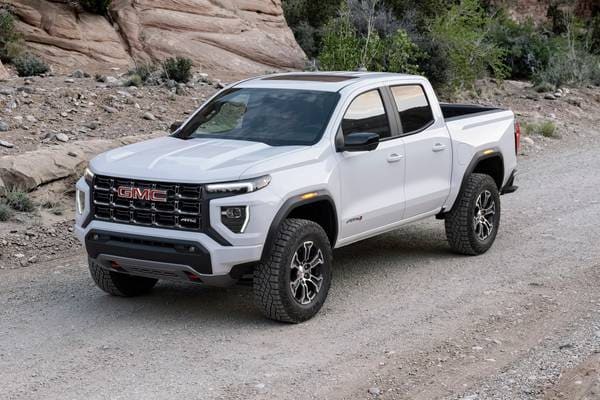
Maximum towing capacity for the Canyon with this engine reaches approximately 7,700 pounds. That number is sufficient for most recreational trailers, work equipment, and mid-size boat configurations. Buyers who do not need the absolute maximum towing figures of a full-size truck will find the Canyon more than adequate.
The Canyon’s smaller footprint is a practical advantage in daily driving. Parking in tight lots, going through the narrow job-site access roads, and fitting into standard urban parking spaces is far easier than with a full-size truck. That real-world usability adds tangible value to every workday.
Fuel economy with the turbocharged engine is better than a comparable V8. EPA estimates for the Canyon reach into the upper 20s on the highway in certain configurations. That efficiency advantage compounds over years of ownership, lowering the total cost of the truck considerably.
The Canyon also offers a refined interior for its price class. Available features include wireless charging, a large infotainment display, and premium sound options. Getting genuine torque performance alongside a comfortable daily driver experience is a rare combination at this price point.
Also Read: 6 Cars Where Skipping Service Was Fine vs 6 Where It Wasn’t
5. Ram 1500 with the 3.0L EcoDiesel V6
Diesel engines are legendary for torque output, and the Ram 1500’s optional 3.0-liter EcoDiesel V6 exemplifies that reputation. This engine produces 480 pound-feet of torque, which is the highest torque figure available in the standard Ram 1500 lineup. It delivers that torque at low RPM, exactly where truck work demands it.
The EcoDiesel option is available across multiple Ram 1500 trim levels, including some surprisingly affordable configurations. When you calculate the torque output against the truck’s total price, the EcoDiesel delivers exceptional value. Few gasoline engines can match its torque numbers at any price.
Maximum towing capacity with the EcoDiesel reaches approximately 12,560 pounds in optimally configured setups. That figure is competitive with far more expensive trucks in the segment. It positions the Ram 1500 EcoDiesel as a genuine workhorse rather than a lifestyle vehicle.
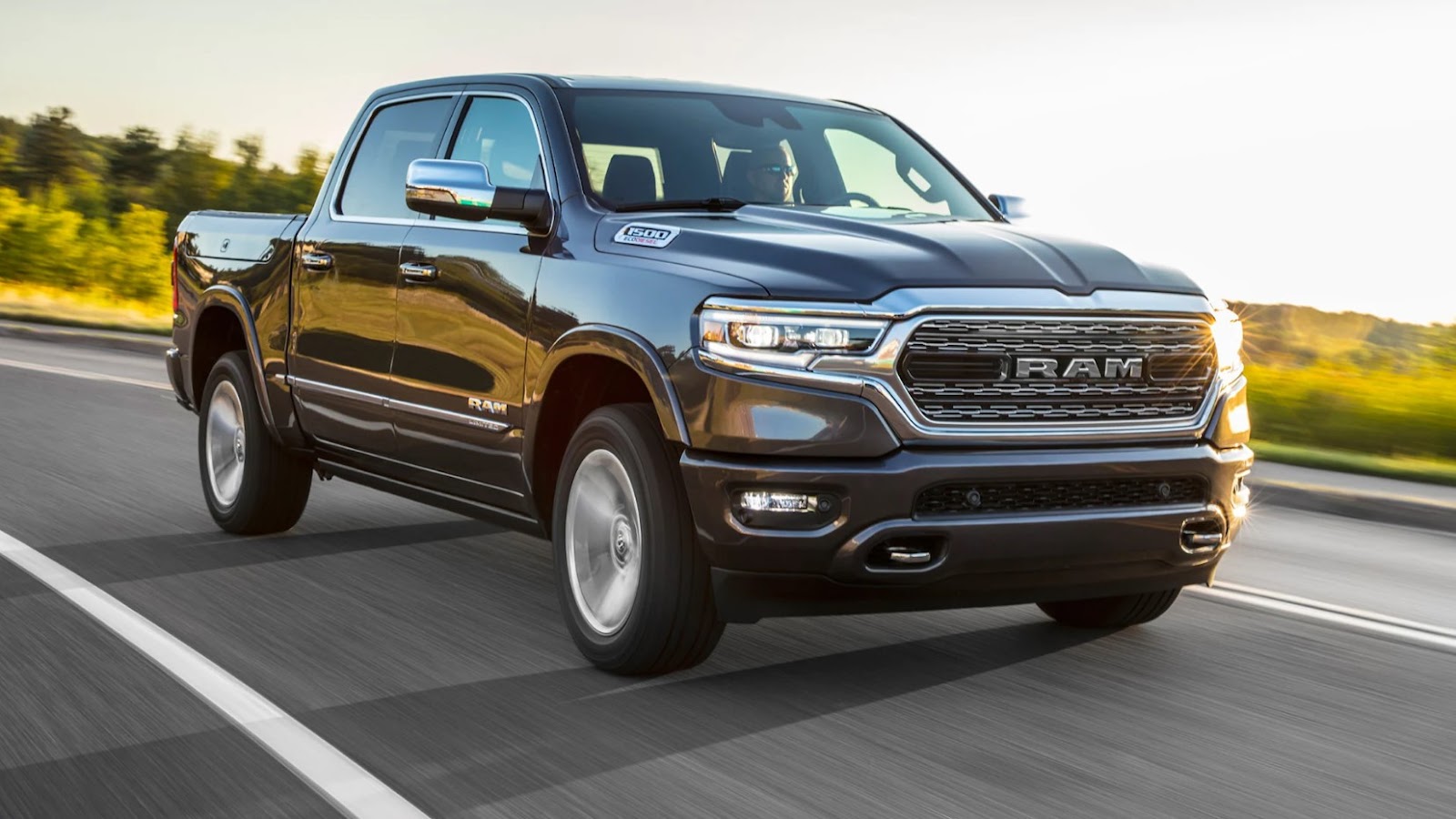
Fuel economy is where the EcoDiesel truly separates itself from gasoline alternatives. EPA estimates approach 32 miles per gallon on the highway, which is remarkable for a half-ton pickup. Over 100,000 miles of ownership, the fuel savings can offset thousands of dollars in purchase price premium.
Diesel fuel contains more energy per gallon than gasoline, meaning each tank goes further. Combined with the EcoDiesel’s already frugal consumption, the Ram 1500 becomes an economical long-distance hauler. Highway drivers and fleet operators will appreciate the reduced fueling frequency.
The EcoDiesel engine also has a strong reputation for longevity. Diesel engines by nature are built to higher tolerances and tend to last well beyond 200,000 miles when properly maintained. For buyers who keep their trucks for the long haul, that durability represents enormous hidden value.
Towing with a diesel engine also differs qualitatively from gasoline towing. The low-RPM torque delivery makes managing heavy loads in traffic, on grades, and across long distances feel more controlled and less fatiguing. It is a qualitative difference that experienced towers understand and appreciate deeply.
6. Toyota Tacoma with the 2.4L Turbo Four-Cylinder
The Toyota Tacoma is the dominant force in the mid-size truck segment, with a reputation for reliability that is virtually unmatched. The newest generation introduced a 2.4-liter turbocharged four-cylinder engine that produces 317 pound-feet of torque. For a Tacoma, that is a significant leap forward in capability.
The Tacoma’s starting price is accessible for a mid-size truck with genuine off-road capability and serious torque output. When you evaluate what buyers receive for their money, the Tacoma consistently ranks among the best values in its segment. Brand reputation, resale value, and now meaningfully improved torque combine into a compelling package.
The turbocharged engine replaces the previous naturally aspirated V6 that powered earlier Tacomas. The new unit is not only more powerful but also more fuel efficient. That combination of improved torque and better economy is a significant engineering achievement.
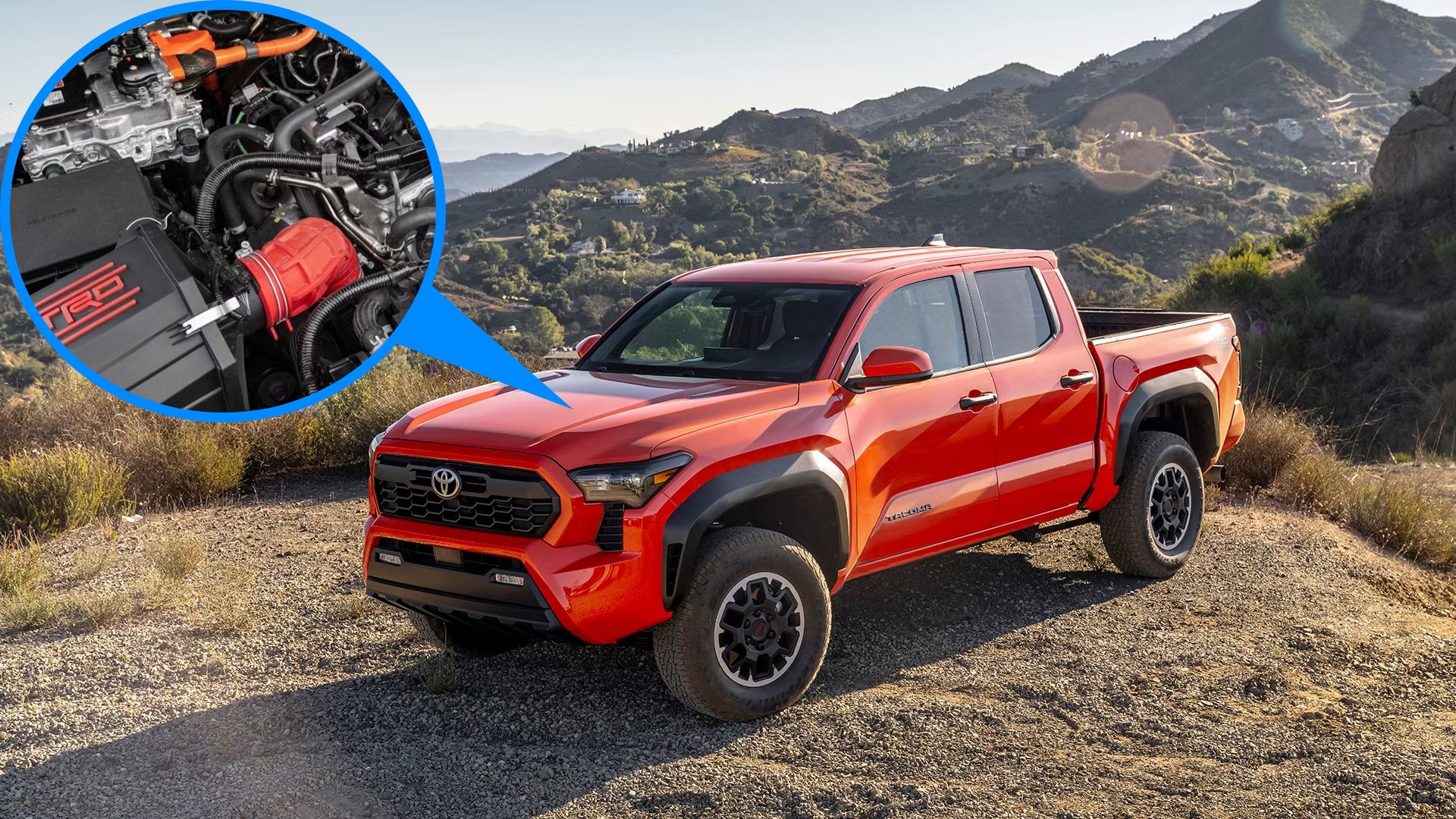
Toyota’s legendary reliability record extends to this new powertrain. Early owner reports and independent testing suggest the turbocharged four-cylinder is just as durable as the engines that preceded it. For buyers who plan to keep their truck for ten years or more, that matters enormously.
The Tacoma’s off-road capability is a core part of its identity. TRD Off-Road and TRD Pro trims offer locking rear differentials, crawl control, and specially tuned suspension. Combined with the new engine’s improved torque output, these trucks are formidable in demanding terrain.
Resale value for the Tacoma is consistently among the highest in the entire truck segment. Depreciation rates are extraordinarily low compared to most competitors. This means the real long-term cost of owning a Tacoma is significantly lower than the sticker price implies, which further strengthens its torque-per-dollar argument.
The Tacoma is available in a wide array of configurations, from single cab work trucks to well-equipped crew cab models. That breadth of options allows buyers to match the truck precisely to their needs and budget. A no-frills Tacoma with the turbo engine is a genuinely outstanding value proposition in today’s market.
7. Ford Maverick with the 2.0L EcoBoost Four-Cylinder
The Ford Maverick is one of the most disruptive vehicles launched in recent automotive history. It brought the compact pickup back to the American market at a price point that shocked competitors. The optional 2.0-liter EcoBoost four-cylinder engine produces 270 pound-feet of torque. While that number is not the largest on this list, the Maverick’s remarkably low price makes its torque-per-dollar ratio exceptional.
Starting at a price that undercuts virtually every other truck on this list, the Maverick makes legitimate truck capability accessible to a much wider audience. For a buyer who needs a pickup for light hauling, urban use, and occasional trailer duty, the Maverick delivers everything necessary. Spending significantly less while getting 270 pound-feet of torque is hard to argue against.
The 2.0L EcoBoost engine is the same family of engines that powers the Ford Bronco and EcoSport. It is a well-tested, reliable unit with a broad parts and service network. Owners benefit from the collective experience of millions of EcoBoost engines already in service.
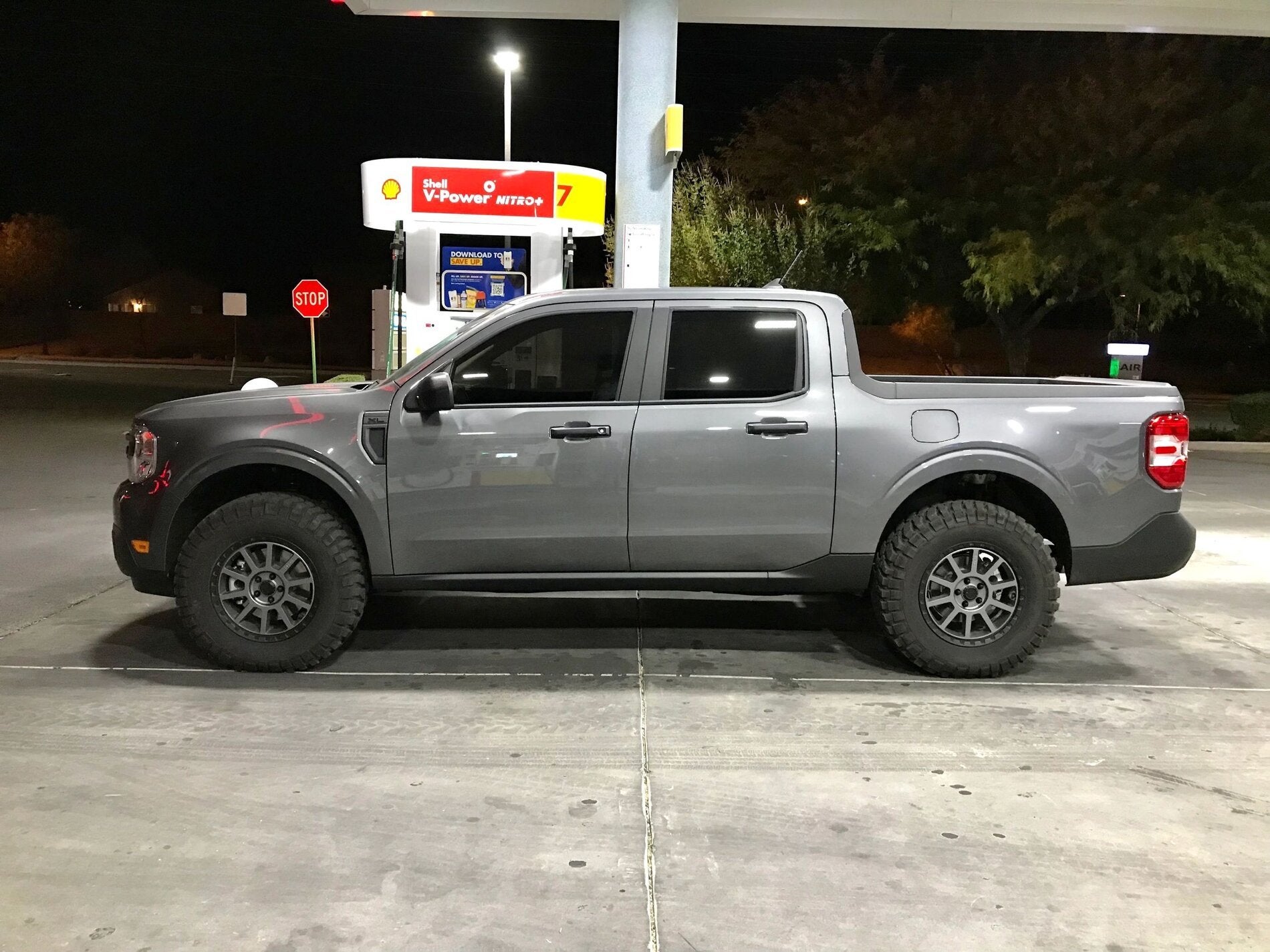
Maximum towing capacity for the Maverick with the EcoBoost reaches 4,000 pounds. That is sufficient for a small camper, a loaded utility trailer, or a reasonable boat. Buyers whose towing needs fall within that range will find the Maverick is a perfectly sized tool for the job.
The Maverick’s payload capacity of approximately 1,500 pounds covers the needs of most light-duty work scenarios. Delivering mulch, hauling lumber from the hardware store, or carrying tools and equipment to a job site is all within the Maverick’s capable reach. The small bed is surprisingly functional for its size.
Fuel economy with the EcoBoost is strong for a pickup truck. EPA estimates reach into the mid-30s on the highway in some configurations. That efficiency dramatically reduces the operating cost of the vehicle over time, making the already-affordable Maverick even more economical to own.
The Maverick also offers optional hybrid powertrain as its standard engine, but the EcoBoost is the choice for buyers who need towing capability and more spirited performance. Upgrading to the EcoBoost from the hybrid base engine is affordable and unlocks class-appropriate truck performance. At its price point, nothing else offers anything close to this level of value.
8. Nissan Frontier with the 3.8L V6
The Nissan Frontier occupies a uniquely affordable corner of the mid-size truck market. Its 3.8-liter naturally aspirated V6 engine produces 281 pound-feet of torque. That figure is modest compared to some turbocharged competitors, but the Frontier’s competitive pricing makes the math work in its favor when evaluating torque per dollar spent.
The Frontier’s starting price is consistently among the lowest in the mid-size truck segment. Buyers get a proven, naturally aspirated V6, a body-on-frame construction, and a reputation for durability built over decades of Frontier ownership data. That combination of low cost and genuine capability is the Frontier’s central appeal.
The 3.8L V6 is a straightforward, relatively simple engine with a track record of reliability. It lacks the complexity of turbocharged engines, direct injection systems, and cylinder deactivation technology. For buyers who value simplicity and ease of long-term ownership, that straightforwardness is a genuine asset.
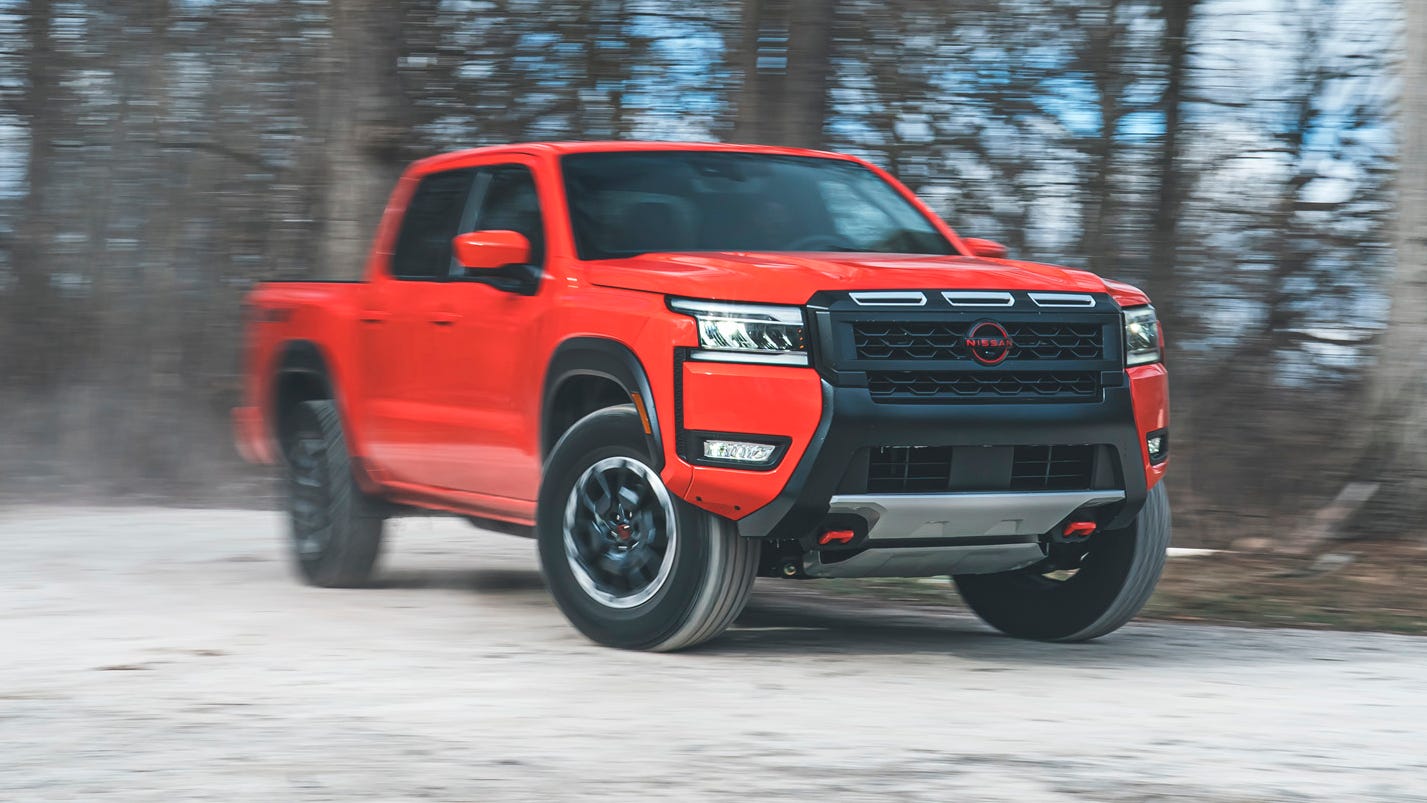
Maximum towing capacity for the Frontier reaches approximately 6,720 pounds in the right configuration. That covers most mid-size trailer needs, including horse trailers, enclosed cargo units, and recreational vehicles in the compact class. For buyers whose needs fall within this range, the Frontier is entirely adequate.
The Frontier’s payload capacity of around 1,460 pounds rounds out a work-ready specification sheet. Combined with its towing numbers, the Frontier can genuinely serve as a daily work vehicle for many tradespeople and small business owners. The low acquisition cost makes it especially attractive for fleet use.
Nissan’s dealer network, while smaller than Ford’s or Chevrolet’s, provides adequate service coverage across most of North America. Parts availability is strong, and the Frontier’s mechanical simplicity keeps service costs predictable and generally low. Independent repair shops familiar with Nissan engines are common in most markets.
The Frontier’s interior has been significantly improved in recent model years. Updated infotainment systems, improved materials, and a more modern layout make it a far more pleasant daily driver than its reputation sometimes suggests.
Buyers who have dismissed the Frontier based on older impressions should look again at what the current generation delivers. At its price point, it represents a strong torque-per-dollar argument that is easy to overlook but hard to dismiss on paper.
Also Read: Ford Recalls 179,000 Bronco and Rangers Over Seat Safety Risk
