
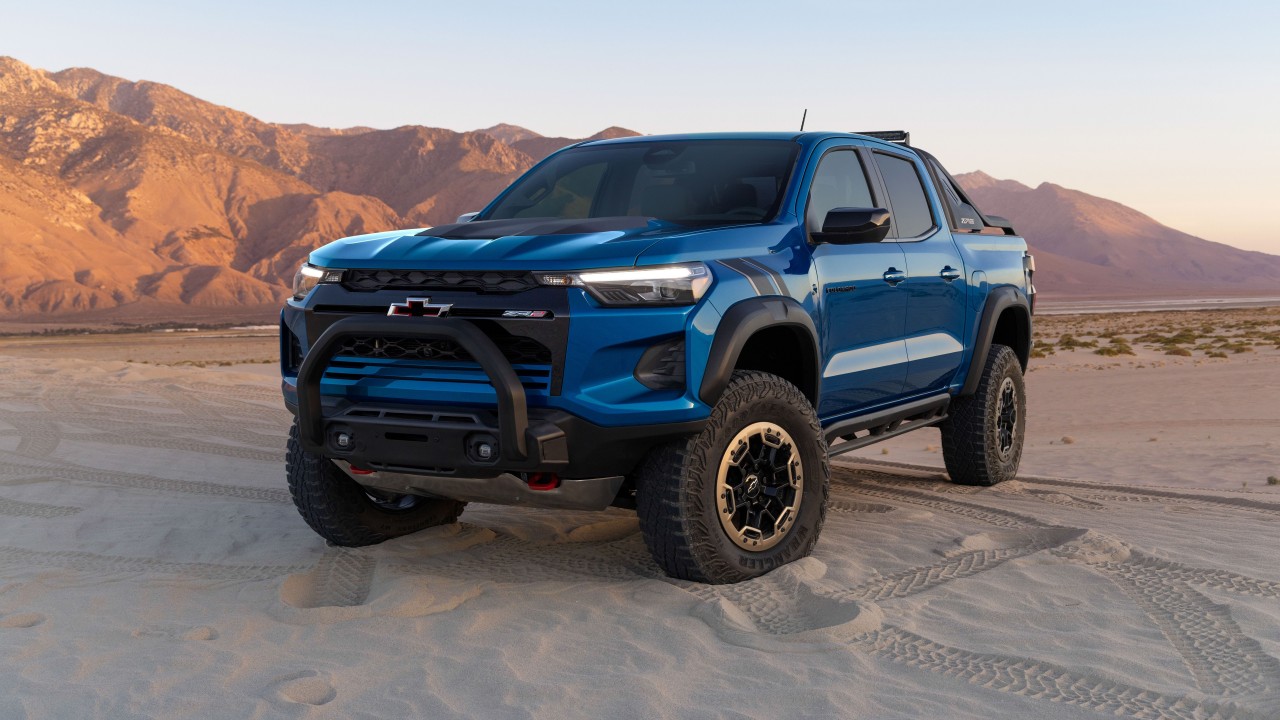
Pickup trucks are built to be tough. They haul heavy loads, tackle rough terrain, and work hard every single day. But even the most capable trucks have hidden weaknesses. One of the most devastating and expensive failures is hydraulic lifter failure.
Lifters are small but critical engine components. They sit between the camshaft and the pushrods, controlling how the valves open and close. When they fail, the damage rarely stays contained. Metal debris spreads through the entire oiling system like shrapnel. By the time you hear the tick or the knock, it is often already too late.
The real tragedy is what comes next. Many of these trucks require a full engine replacement rather than a simple repair. Labor costs alone can reach thousands of dollars. Parts pile on top of that. Some owners face repair bills that exceed the truck’s actual market value.
What makes this worse is that many of these failures are well-documented and widely reported. Manufacturers have issued technical service bulletins. Class action lawsuits have been filed. Yet owners still get stuck with catastrophic bills.
This article breaks down nine specific pickup trucks where lifter failure has proven to be a gateway to full engine replacement. If you own one of these trucks or are thinking about buying one, you need to read this carefully.
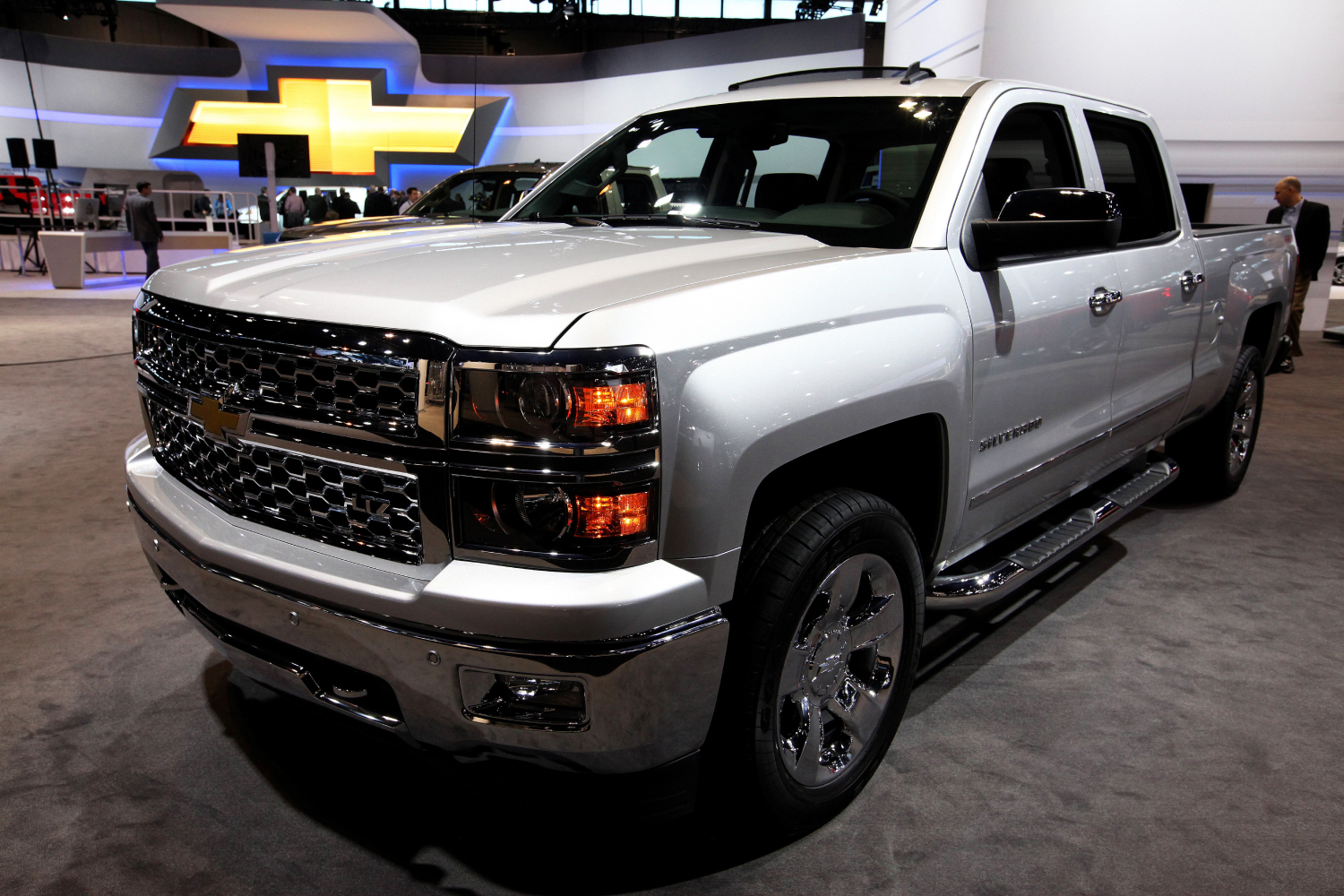
1. Chevrolet Silverado 1500 (2014–2021) with 5.3L V8 AFM Engine
The Chevrolet Silverado 1500 is one of the best-selling trucks in America. It has earned a loyal following for good reasons: strong towing capacity, comfortable interior, and proven reliability. But beneath that reputation hides a serious and well-documented engine problem.
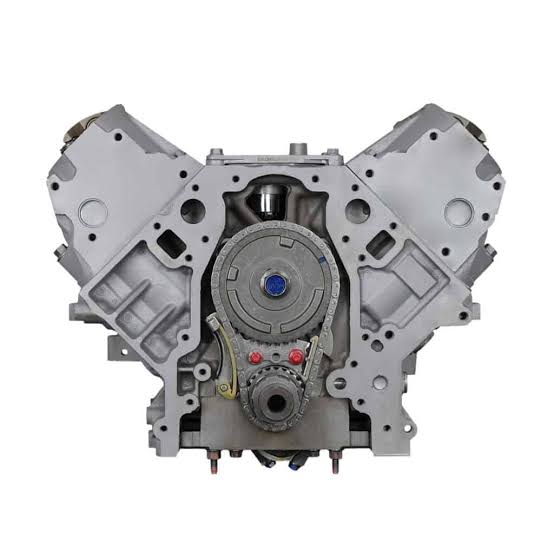
The 5.3L V8 engine equipped with Active Fuel Management (AFM) technology is at the center of the issue. AFM is a fuel-saving system that deactivates four cylinders during light driving conditions. It sounds like clever engineering on paper. In reality, it has become one of the most problematic technologies in modern truck history.
The AFM system relies on special lifters that collapse and expand depending on whether the cylinder is active or deactivated. These AFM lifters are mechanically complex. They are also significantly more prone to failure than standard hydraulic lifters. Over time, they wear down under the stress of constantly switching states.
When an AFM lifter fails, it does not fail quietly. The collapsed lifter body or broken retaining clip sends metal fragments directly into the engine’s oil passages. Those fragments circulate throughout the entire lubrication system. The camshaft lobes get damaged. The valley cover fills with debris. Other lifters begin to fail in a chain reaction.
Owners typically hear a distinct ticking or tapping sound first. Many assume it is a minor issue, perhaps a low oil level or a dirty filter. They top off the oil or change it, and the sound briefly improves. Then it returns, louder than before. By the time a mechanic confirms the diagnosis, the damage has already spread.
General Motors released multiple Technical Service Bulletins addressing AFM lifter problems. TSB 14-06-01-002P was one of the earliest. Later updates followed, recommending updated lifter designs and revised displacement-on-demand procedures. But TSBs are not recalls. Owners outside warranty coverage are left to pay out of pocket.
A proper repair on the Silverado’s 5.3L involves removing the intake manifold, valley cover, and cylinder heads in many cases. If the cam is scored, it must be replaced too. Total repair costs routinely land between $4,000 and $8,000 at dealerships. Many independent shops refuse the job entirely because of the complexity.
A growing number of Silverado owners have chosen to delete the AFM system entirely using aftermarket kits. These kits replace the AFM lifters with standard solid lifters and install a tune that disables the cylinder deactivation feature. It adds cost upfront but eliminates the root cause of failure. General Motors eventually transitioned to the newer Dynamic Fuel Management system, but many 5.3L trucks with AFM remain on the road today.
The Silverado’s AFM lifter problem is not a rumor or an isolated complaint. It is one of the most widely documented engine failures in pickup truck history. If you own a 2014 to 2021 Silverado with the 5.3L and AFM, you are living with a ticking time bomb. Proactive maintenance and AFM deletion are your best defenses.
2. GMC Sierra 1500 (2014–2021) with 5.3L V8 AFM Engine
The GMC Sierra shares its platform, engine, and engineering with the Chevrolet Silverado. That means it shares the same lifter failure problem in equal measure. Sierra owners have reported the exact same symptoms, the exact same progression, and the exact same devastating repair bills.
The 5.3L V8 with Active Fuel Management is the primary offender here as well. GMC markets the Sierra as a more premium alternative to the Silverado. It features upgraded interior materials, distinct exterior styling, and a slightly more refined driving experience. None of that refinement protects the engine from AFM lifter collapse.
Sierra owners have described the experience in painfully consistent terms across forums and owner groups. The ticking starts quietly, sometimes during cold starts. The oil pressure looks normal on the gauge. There are no warning lights initially. Owners drive for weeks or months, thinking it will resolve itself. It never does.
When the lifter finally collapses completely, the engine often goes into a severe miss. Multiple cylinder misfires show up on diagnostic scanners. The check engine light flashes rather than staying steady, a signal of serious catalytic converter risk. At this point, continued driving causes additional damage with every mile.
The repair path on the Sierra mirrors the Silverado identically. Technicians must remove the intake manifold and valley cover to access the lifters. If the camshaft shows wear, the heads may need to come off as well. A full cam and lifter replacement is the standard repair, but many shops recommend going further and inspecting the entire bottom end.
GM issued the same TSBs for the Sierra as it did for the Silverado. The updated lifter kits were made available. But warranty coverage timelines were strict. Many Sierra owners discovered the problem just outside powertrain warranty limits. Those owners received little to no assistance from GM dealerships.
Aftermarket AFM delete kits became extremely popular among Sierra owners. Companies like Range Technology released AFM disablers that plug into the OBD-II port and electronically prevent the system from engaging. More thorough solutions replace the lifters physically and retune the engine control module. Both approaches have helped many owners avoid catastrophic failure.
The Sierra 1500 is a capable, attractive truck. Its AFM lifter problem does not diminish what it can do when it is working correctly. But potential buyers shopping for a used Sierra between 2014 and 2021 need to ask hard questions about AFM lifter history before signing any paperwork.
3. Ram 1500 (2009–2020) with 5.7L HEMI V8 MDS Engine
The Ram 1500 with the 5.7L HEMI V8 is a celebrated truck engine. It produces strong power figures and delivers an iconic exhaust note that truck enthusiasts love. For years, it was considered one of the most reliable V8 options in the half-ton segment. That reputation has taken serious hits due to a recurring lifter failure problem.
The culprit is the Multi-Displacement System, or MDS. Like GM’s AFM, MDS deactivates four cylinders under light load to save fuel. It uses special collapsing lifters to accomplish this. And like GM’s system, those lifters are a serious long-term liability.
Ram 1500 owners began reporting MDS-related lifter failures in significant numbers starting around 2014 and 2015. The vehicles affected were mostly in the 2009 to 2020 production range. The pattern of failure closely matches what Silverado and Sierra owners experience. A tick develops, oil consumption increases, and misfires begin appearing.
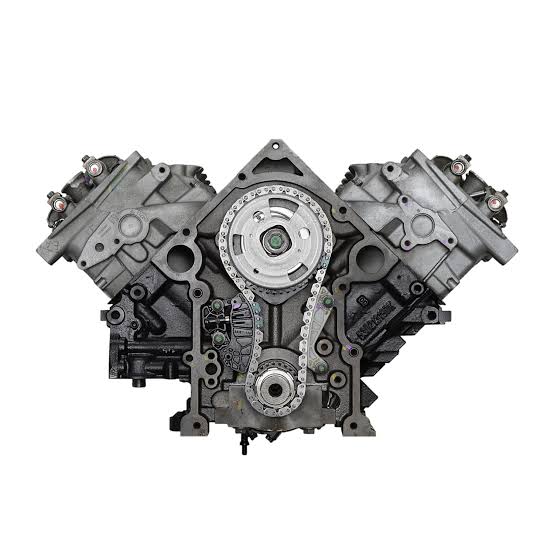
What makes the HEMI situation particularly frustrating is the engine’s otherwise strong foundation. The 5.7L HEMI block is genuinely robust. The heads are well-designed. The valvetrain is fundamentally sound. It is specifically the MDS lifters that introduce the failure point. Remove the MDS system, and the engine is dramatically more reliable.
When MDS lifters fail in a HEMI, the debris contamination is severe. The HEMI’s valley area becomes packed with broken lifter material. The cam lobes suffer from scoring due to a lack of proper lubrication. In severe cases, the connecting rod bearings receive damaged oil and begin failing shortly after. Full engine replacement becomes the only financially sensible path forward.
Mopar and FCA issued Technical Service Bulletins for the HEMI lifter problem on multiple occasions. Updated lifter designs were released. Oil viscosity recommendations were revised in some bulletins. But many owners found that the updates only delayed the problem rather than fully resolving it. Second lifter failures occurred on some trucks that had already received the updated parts.
The repair cost for a HEMI MDS lifter job is substantial. Cam and lifter replacement on a Ram 1500 typically runs between $3,500 and $7,000, depending on the extent of damage. If the camshaft needs replacement and the heads show wear, costs climb higher. Some owners in online communities have shared bills exceeding $10,000 for complete engine overhauls.
Ram owners have embraced the MDS delete as a preventative measure with great enthusiasm. The HEMI community has developed well-documented procedures for eliminating the MDS system entirely. Lifter sets, camshaft upgrades, and custom tunes are all widely available. Many experienced HEMI owners perform the delete as preventative maintenance before any failure occurs.
4. Ford F-150 (2011–2014) with 3.5L EcoBoost V6
The Ford F-150 EcoBoost engine was a revolutionary introduction when it arrived. Ford replaced the traditional high-displacement V8 with a twin-turbocharged V6. It delivered V8-level power with improved fuel economy. The truck community was skeptical at first, then quickly converted. Sales figures proved the EcoBoost was a hit.
However, the first-generation 3.5L EcoBoost engines produced from 2011 to 2014 developed a documented problem with their phaser and cam components that could lead to lifter damage. The issue stemmed from oil flow restrictions and carbon buildup in certain engine conditions. Low oil pressure events, even momentary ones, caused lifter and cam follower wear.
The EcoBoost’s high-pressure direct injection system contributed to carbon buildup on the intake valves. That buildup affected combustion efficiency and created conditions unfavorable to proper valvetrain lubrication. Early owners who skipped oil changes or used incorrect oil weights experienced accelerated wear in the valvetrain components.
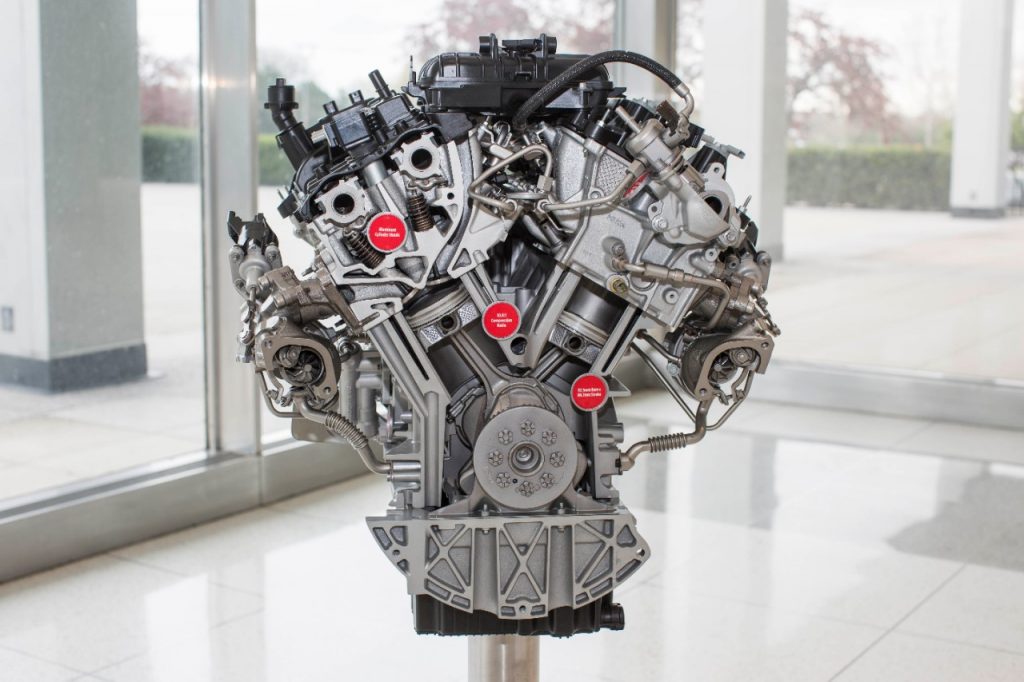
Ford issued Technical Service Bulletins addressing several EcoBoost issues in this generation. Coolant entering the intake manifold was one documented problem. Ignition coil failures were another. Underlying valvetrain concerns tied to oil maintenance and phase timing issues were also addressed in service documentation. Owners with high-mileage examples often discovered multiple compounding problems.
When the EcoBoost’s valvetrain fails, the repair is expensive and labor-intensive. The twin-turbocharged layout adds significant complexity to any engine work. Turbocharger removal, intercooler disconnection, and tight packaging around the block make this a dealership-level repair for most shops. Labor hours add up quickly before any parts are even considered.
F-150 owners affected by these issues often found repair estimates that made engine replacement a reasonable alternative. A used or remanufactured 3.5L EcoBoost engine sometimes costs less than a full in-vehicle repair at a dealership. The second-generation EcoBoost addressed many of these concerns with revised engineering, but first-generation trucks remain in large numbers on used car lots.
Buyers looking at 2011 to 2014 F-150 EcoBoost trucks should pay close attention to maintenance records. A truck with complete, documented oil changes using the correct 5W-30 specification is a far safer purchase. One with an unclear history is a potential engine replacement waiting to happen. Compression tests and oil analysis before purchase are strongly recommended.
Also Read: 5 SUVs Where Apple CarPlay Actually Stays Connected vs 5 Where It Drops Constantly
5. Ford F-150 (2018–2020) with 5.0L Coyote V8
The 5.0L Coyote V8 is beloved by Ford enthusiasts. It powers the Mustang GT and brings that performance DNA to the F-150. It revs freely, makes strong power across the RPM range, and sounds fantastic under load. Most Coyote owners would tell you it is one of the best naturally aspirated V8 engines Ford has built in decades.
But the third-generation Coyote V8 used in the 2018 to 2020 F-150 developed a well-documented problem with its variable cam timing phasers and associated valvetrain components. The hydraulic lash adjusters, the Coyote’s version of lifters, became prone to failure under specific conditions. Cold-start ticking that never fully resolved was the first warning sign.
The root cause involved inadequate oil pressure reaching the lash adjusters during cold starts. Oil drain-back in the cylinder heads left the adjusters momentarily starved when the engine first fired. Over time, repeated dry-start events damaged the adjusters internally. The damage accumulated until full failure occurred.
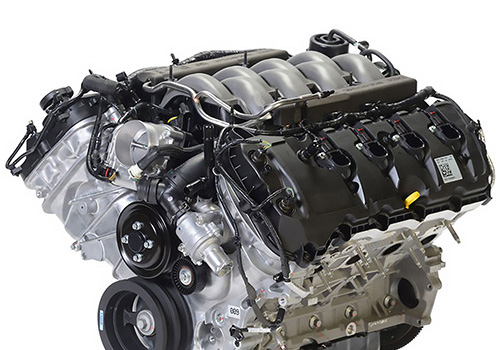
Ford acknowledged the issue through Technical Service Bulletins and updated oil drain-back baffle designs for the cylinder heads. Revised head gaskets and updated head hardware were recommended in some TSBs. But trucks already experiencing lifter tick required more than updated hardware; they needed full valvetrain repairs.
The 5.0L Coyote is a complex engine by truck standards. Its dual overhead camshaft layout with variable cam timing requires removal of the cam phasers, timing chains, and cylinder heads to access the lash adjusters fully. The labor involved in a comprehensive repair easily reaches 20 to 30 hours at a dealership. At $150 or more per labor hour, the math becomes brutal quickly.
F-150 5.0L owners who caught the problem early while still under powertrain warranty generally received satisfactory resolution from Ford. Those outside warranty faced difficult choices. Pay for an expensive repair on an engine with a known design weakness. Buy a replacement engine. Or trade the truck for something else. None of these options is without pain.
The 2021 and later Coyote engines received further revisions that addressed many of the oil drain-back concerns. But the 2018 to 2020 trucks with third-generation 5.0L engines remain a caution flag in the used truck market. Informed buyers insist on a pre-purchase inspection and specifically request an oil analysis.
6. Nissan Titan (2004–2015) with 5.6L Endurance V8
The Nissan Titan made its debut in 2004 as Nissan’s entry into the full-size truck market. It came equipped with a 5.6L Endurance V8 that offered competitive power figures. Nissan positioned the Titan as a tough, capable alternative to the domestic truck brands. Initial reception was positive. Long-term durability told a different story.
The 5.6L Endurance V8 developed a reputation for lifter and cam failure over time. The problem was particularly pronounced in trucks that were used heavily for towing and hauling. High-load engine operation increased stress on the valvetrain. Oil change intervals that stretched too long accelerated the wear dramatically.
Titan owners reported hearing a distinctive rapping noise from the engine during acceleration. The noise was often misdiagnosed early on as an exhaust leak or fuel injector issue. By the time the correct diagnosis was confirmed, significant valvetrain damage had occurred. The camshaft lobes were scored beyond repair in many cases.
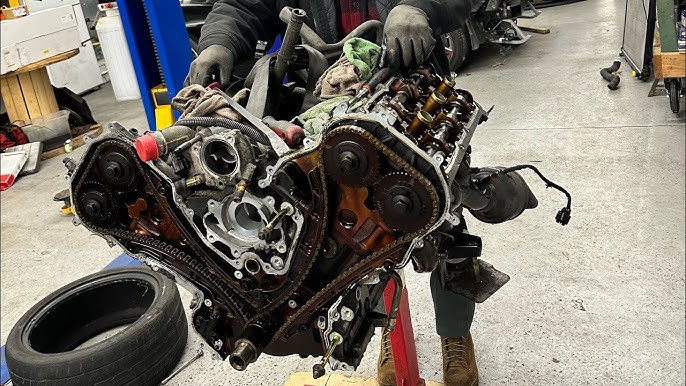
Nissan’s 5.6L features a single overhead camshaft design with hydraulic lash adjusters for each valve. When those lash adjusters fail, debris spreads through the head and into the main oiling circuit. The damage pattern can include a scored camshaft, damaged rocker arms, and worn valve guides. A partial fix is rarely sufficient.
Repair costs on the Nissan Titan’s 5.6L are high due to the engine’s architecture. Accessing the camshaft requires the removal of the cylinder head on the affected banks. Head gaskets, timing components, and multiple gasket sets add to parts costs. Total repair bills frequently exceeded $5,000, which was a difficult number for owners of trucks worth $10,000 to $15,000 at that point in their depreciation.
Nissan did not issue a recall for this issue despite widespread owner complaints. Some goodwill repair assistance was reportedly offered on a case-by-case basis for owners still within extended warranty coverage. The broader ownership community did not receive systematic relief. This left many Titan owners feeling abandoned by the manufacturer.
The used Titan market today reflects this history. Prices for high-mileage 5.6L Titans are low, and for good reason. Buyers who understand the lifter failure risk approach these trucks cautiously. A compression test, leak-down test, and careful listening for valvetrain noise are essential steps before purchasing any first-generation Titan.
7. Toyota Tundra (2007–2021) with 5.7L iForce V8
Toyota built the Tundra’s reputation on durability. The brand carries enormous credibility when it comes to long-term reliability. The 5.7L iForce V8 is generally regarded as one of the toughest truck engines available. For the vast majority of owners, it delivers on that promise with impressive consistency.
But even the iForce V8 has a documented vulnerability. A subset of Tundra owners, particularly those operating in colder climates or using the truck for heavy towing, have experienced a failure condition involving the Variable Valve Timing with intelligence system, or VVT-i. The VVT-i gear and associated oil control valve can fail, disrupting oil flow to the camshaft and valvetrain.
When the VVT-i system fails on the 5.7L, the consequences can escalate quickly. The camshaft loses proper lubrication during VVT-i operation. Metal-to-metal contact in the cam journal area begins almost immediately. The damage spreads to the lifters technically known as adjusters, in this engine and to the cam tower surfaces inside the cylinder head.
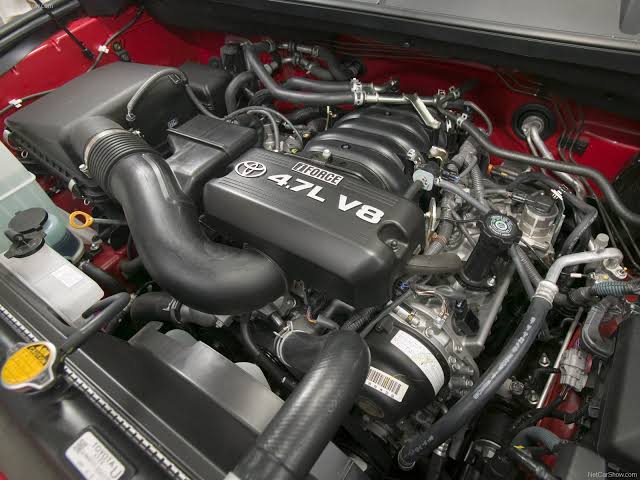
Toyota did issue Technical Service Bulletins related to VVT-i gear failure on the 5.7L engine. The most well-known involved metal shavings from the VVT-i gear contaminating the engine oil. Toyota recommended immediate oil changes if this contamination was detected. In cases where the damage had already progressed, engine replacement was often the recommended course of action.
The cost of addressing a VVT-i failure on the 5.7L Tundra is sobering. If caught early, replacement of the VVT-i gear and oil control valve runs a few hundred to a few thousand dollars. If the cam has already been damaged and metal contamination has spread, a full engine replacement becomes necessary. Toyota engines hold their value, so a replacement 5.7L iForce carries a significant price tag.
Tundra owners have learned to watch for two early warning signs. The first is any ticking or rattling during cold starts that persists beyond the first minute of running. The second is a sudden appearance of metallic particles in the engine oil during a change. Either sign warrants immediate investigation before driving the truck further.
Despite this documented weakness, the Tundra 5.7L remains one of the more reliable full-size truck engines available. The failure rate, while real, is lower than what AFM and MDS engines experience. Tundra owners who maintain strict oil change intervals with the correct viscosity dramatically reduce their risk of encountering this problem at all.
8. Chevrolet Colorado / GMC Canyon (2015–2022) with 3.6L V6
The Chevrolet Colorado and GMC Canyon share the same platform and powertrain options. The 3.6L V6 is the top engine choice in these midsize trucks. It provides adequate power for most tasks and earns reasonable fuel economy for its size.
But the 3.6L V6 carries a known timing system and lifter weakness that has caused serious engine failures across multiple GM products. The 3.6L LGX and LFX V6 engines used in GM’s lineup, including the Colorado and Canyon, have documented issues with timing chain wear and associated valvetrain damage.
Stretched timing chains allow cam timing to slip. When cam timing is off, the variable valve timing actuators, which function similarly to lifters in controlling valve events, operate incorrectly. Oil pressure issues compound the problem.
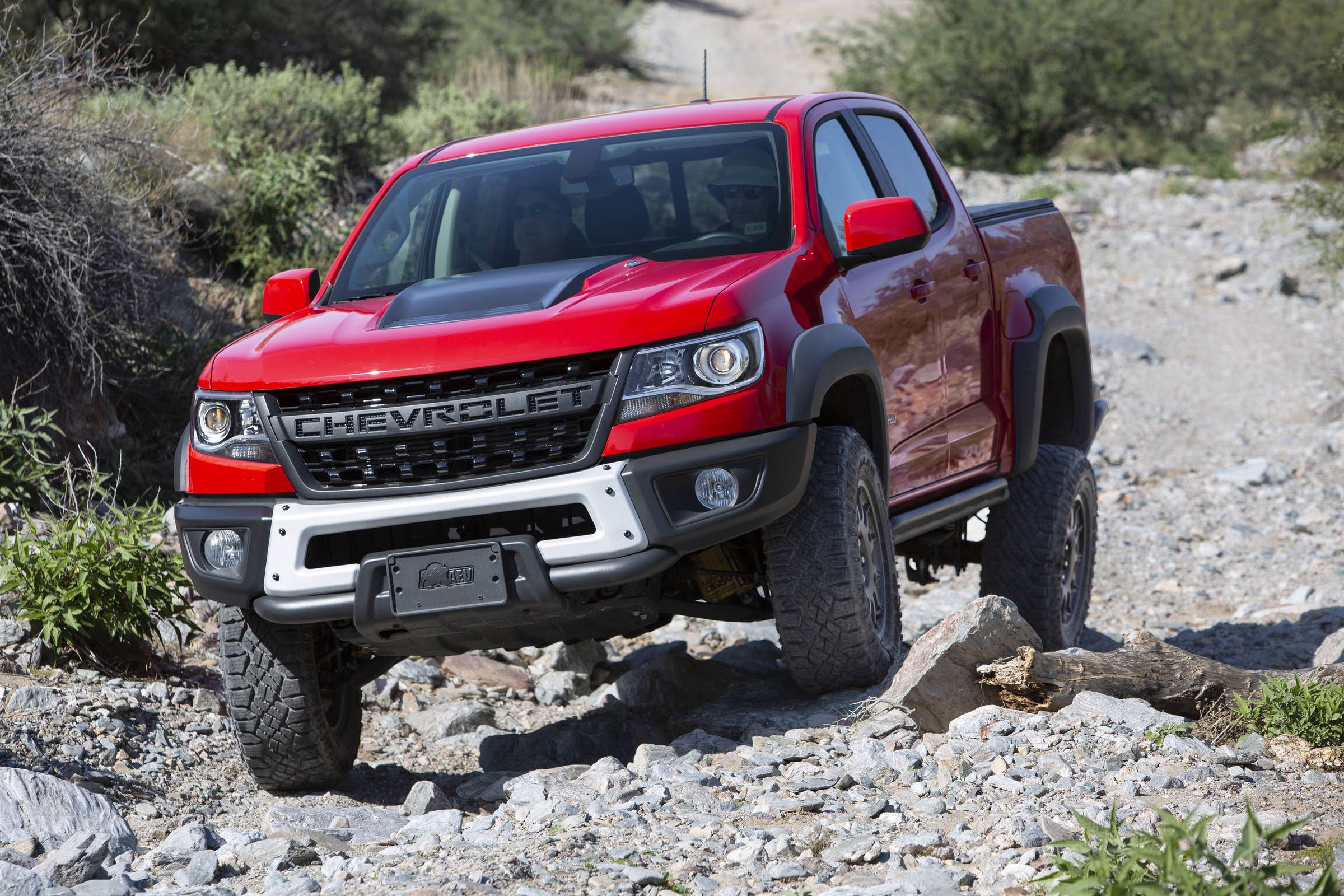
Colorado and Canyon owners began reporting timing chain symptoms, rattling at startup, rough running, and check engine lights for cam timing codes at mileages between 60,000 and 100,000 miles. This is not high mileage for a modern truck. A powertrain failure at 80,000 miles on a work truck is a serious reliability concern.
When the timing chain fails dramatically rather than wearing the damage gradually, it can be catastrophic. A broken timing chain can allow pistons and valves to contact each other. This is what engine builders call an interference engine failure. The result is bent valves, damaged pistons, and a destroyed cylinder head. Engine replacement is the only option at that point.
GM acknowledged timing chain concerns on the 3.6L through multiple TSBs. Updated timing chain components, revised oil specifications, and more frequent oil change recommendations were among the documented responses. But these measures helped future owners more than those already experiencing failures. Owners with damaged engines received limited factory support.
Repair costs for Colorado and Canyon timing system failures vary widely depending on severity. A timing chain replacement before catastrophic failure runs $2,000 to $4,000 in labor and parts. An interference failure requiring engine replacement can easily double or triple that figure. For a midsize truck, these costs are extremely difficult to justify economically.
Potential buyers of used 3.6L Colorado or Canyon trucks should specifically ask whether any timing chain-related work has been performed. The presence of a cam timing code in the vehicle’s history, even if cleared, is a significant red flag. An independent mechanic inspection with attention to startup noise and cam timing function is essential before any purchase.
9. Ford F-150 (2021–Present) with 3.5L PowerBoost Hybrid V6
The Ford F-150 PowerBoost is the most technologically advanced truck on this list. It combines the proven 3.5L EcoBoost V6 with a hybrid electric motor system. It delivers exceptional fuel economy for a full-size truck and produces impressive torque figures.
It also offers the Pro Power Onboard generator feature that has made it genuinely useful for contractors and outdoor enthusiasts. But the PowerBoost system introduces complexity that creates unique failure risks.
Early production PowerBoost engines experienced issues with cam phaser function and associated valvetrain operation. The high-compression, turbocharged, and electrically-assisted engine places unique demands on its oil system. Early owner reports described ticking sounds and check engine lights related to cam timing and phaser function.
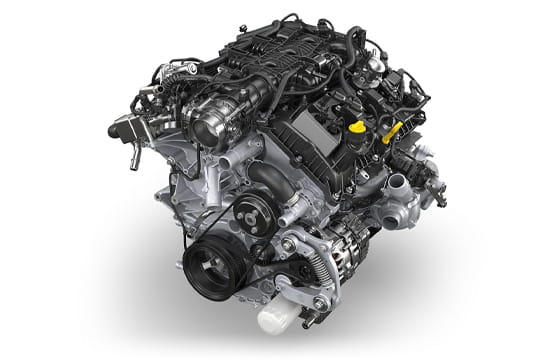
The cam phaser issue on the PowerBoost 3.5L is related to similar problems seen on standard 3.5L EcoBoost applications. The phasers control variable valve timing by responding to oil pressure commands from the engine control module. When oil flow to the phasers is inconsistent or inadequate, the phasers rattle and wear. That wear transfers stress to the adjacent lash adjusters and cam follower components.
Ford issued Technical Service Bulletins for the PowerBoost addressing cam phaser rattle and associated conditions. Software updates to the engine control module were part of the fix. Updated phaser hardware was also recommended in severe cases. Ford’s response was relatively prompt compared to some manufacturers, but early adopters still experienced significant inconvenience and anxiety.
The hybrid components of the PowerBoost add a layer of difficulty to any engine repair. The high-voltage battery system must be safely de-energized before major engine work begins. This requires specific training and equipment that not all independent shops possess. Dealership labor rates for hybrid-certified technicians are higher than standard rates. These factors inflate repair costs beyond what a conventional F-150 repair would involve.
A PowerBoost engine replacement, if ever required, would be among the most expensive repairs in the half-ton truck segment. The integrated hybrid system means the powertrain cannot simply be swapped for a conventional engine. A direct replacement requires a genuine PowerBoost unit, which commands a premium price. Availability of replacement units for a relatively new platform is also limited compared to older, more established engines.
The PowerBoost F-150 is still a relatively young platform with an evolving reliability record. Many owners have covered high mileage without incident. But the cam phaser concerns documented in early production trucks deserve attention from anyone purchasing a used 2021 or 2022 PowerBoost. Verifying that any applicable TSB work has been completed at a Ford dealership is an essential step before buying.
Also Read: 9 SUVs With the Best 5-Year Resale Values in 2026
