
Buying a car is one of the largest financial decisions most people ever make. Yet the sticker price is only the beginning of the story. The true cost of owning a vehicle includes depreciation, insurance premiums, fuel, routine maintenance, repairs, financing charges, taxes, and registration fees, all of which can dramatically inflate what you actually spend over the years of ownership.
According to the AAA’s 2024 Your Driving Cost study, the total cost to own and operate a new vehicle has reached $12,297 per year, or $1,024.71 per month, an increase of $115 over the prior year. For luxury and performance vehicles, that number can be several times higher, stretching into the hundreds of thousands of dollars over a five-year period.
The cost of owning a car has steadily risen over recent years, with transportation expenses now accounting for 17% of an American’s total spending. Depreciation, fuel, and insurance are the three primary drivers of total ownership cost, and all three have been climbing simultaneously. Finance charges were 6% higher in 2024 than in the previous year, and auto insurance premiums have surged dramatically across the board.
Understanding which vehicles carry the heaviest financial burden beyond their purchase price is essential knowledge for any serious buyer. Some of the most expensive cars to own are not exotic supercars, they are luxury SUVs, high-performance trucks, and flagship sedans that millions of people aspire to drive every day. This list examines the ten vehicles with the most punishing total ownership costs, breaking down exactly why each one empties wallets so relentlessly year after year.
1. Rolls-Royce Phantom
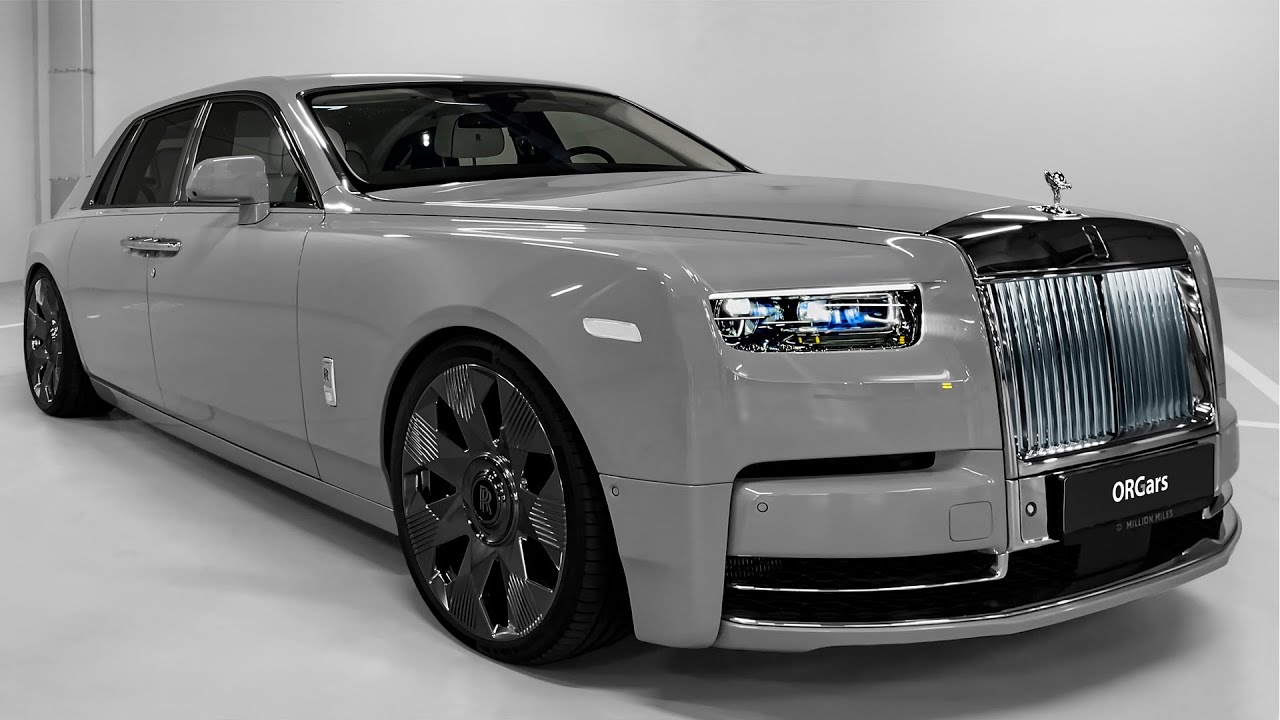
The Rolls-Royce Phantom sits at the very apex of automotive luxury. It represents not just a vehicle, but a statement of extraordinary wealth and refined taste. When it comes to total ownership cost, nothing in regular production punishes the wallet quite like the Phantom.
Routine maintenance for a Rolls-Royce can easily reach $2,000 annually, and repairs involving its complex electronics or handcrafted details can soar much higher. Many components are bespoke or imported straight from Germany, so parts replacement carries eye-watering price tags. Even a simple service visit at an authorized Rolls-Royce dealership carries labor rates that can exceed $300 per hour.
The Rolls-Royce Phantom commands a purchase price in the vicinity of $570,000 to $600,000, depending on bespoke customization. At that purchase price, the financing costs alone over a standard five-year period run into the tens of thousands of dollars annually.
Most buyers either pay cash or opt for specialist leasing arrangements, but the capital tied up still represents a massive opportunity cost regardless.
Insurance for the Phantom is a category unto itself. Specialty insurers are required to handle vehicles of this caliber, and annual premiums can comfortably exceed $10,000 to $15,000 depending on usage, location, and driver profile.
Agreed-value coverage is typically necessary, meaning insurers must pay the full insured value in the event of a total loss, a risk they price into premiums accordingly.
Depreciation hits the Phantom hard despite the brand’s prestige. A new Phantom purchased for over half a million dollars can shed over $100,000 in value within the first 24 months alone. The secondary market for ultraluxury vehicles is thin, and finding a buyer willing to pay close to market value requires patience and the right connections.
Even replacing a tire on a Rolls-Royce can cost around $500, and a standard brake service can reach $1,500 or more. These figures are not outliers; they reflect standard labor and parts costs associated with every aspect of Phantom ownership. The car uses custom-sized wheels and specialty rubber that no off-the-shelf tire retailer stocks.
Over a five-year period, the total cost of owning a Rolls-Royce Phantom, factoring in depreciation, insurance, maintenance, fuel, taxes, and financing, routinely exceeds $250,000 on top of the purchase price. For buyers in major cities where parking, storage, and specialized detailing services add yet further costs, the total figure climbs even higher. The Phantom remains the gold standard of what it costs to own the finest car money can buy.
2. Land Rover Range Rover
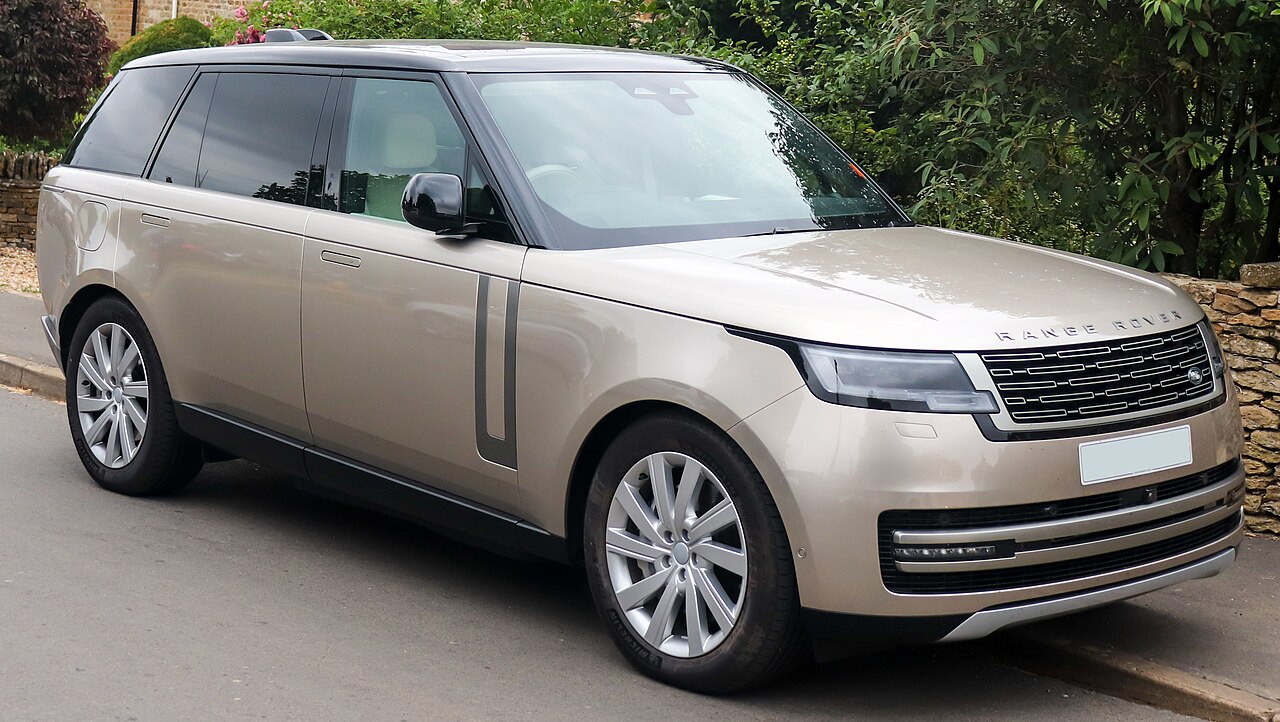
The Range Rover has long been considered the pinnacle of British luxury motoring. It combines genuine off-road capability with sumptuous interior appointments that rival dedicated luxury sedans. However, owning one is extraordinarily expensive in ways that consistently surprise even well-informed buyers.
According to Kelley Blue Book data, insuring a 2024 Land Rover Range Rover costs approximately $22,725 per year, or $1,893 per month. That is one of the highest insurance premiums of any non-exotic vehicle sold in the mainstream market. Insurers price this premium into the policy because of the Range Rover’s high repair costs, frequent claims history, and documented theft rates in many major urban markets.
Average annual depreciation for a 2024 Land Rover Range Rover runs about $14,437, totaling approximately $72,189 over five years. That is a staggering loss of value for a vehicle that starts around $100,000 to buy. By the time the five-year mark arrives, the Range Rover has surrendered nearly three-quarters of its purchase price to depreciation alone.
According to Consumer Reports data, Land Rover averaged $19,250 in maintenance costs over the first 10 years of ownership, the highest of any automotive brand studied.
That figure reflects the brand’s notorious reliability issues, which generate both scheduled maintenance bills and unexpected repair costs throughout the ownership period. Electronic systems, air suspension components, and drivetrain calibrations all require specialist attention.
The Range Rover’s air suspension is one of its most celebrated features and one of its most expensive to repair. When air spring bladders or compressor units fail, which they do with some regularity on higher-mileage examples, replacement costs can reach thousands of dollars per corner. This is a well-documented issue across the Land Rover range and represents a significant potential expense for owners beyond the warranty period.
Fuel costs add another significant layer. The full-size Range Rover, particularly in its V8 petrol configuration, returns poor fuel economy for a vehicle in the luxury SUV category. Owners who drive regularly will spend substantially more at the pump than they would with a comparable German luxury SUV. The larger, heavier platform simply demands more energy to move in every driving condition.
Average annual maintenance costs for a 2024 Range Rover run about $1,870, totaling approximately $9,353 over five years. When combined with insurance, depreciation, and fuel, the total five-year ownership cost for a Range Rover can approach or surpass $150,000 on top of the initial purchase price. Despite all of this, the Range Rover retains a devoted following of buyers who accept the financial burden as part of the prestige experience.
3. Porsche 911
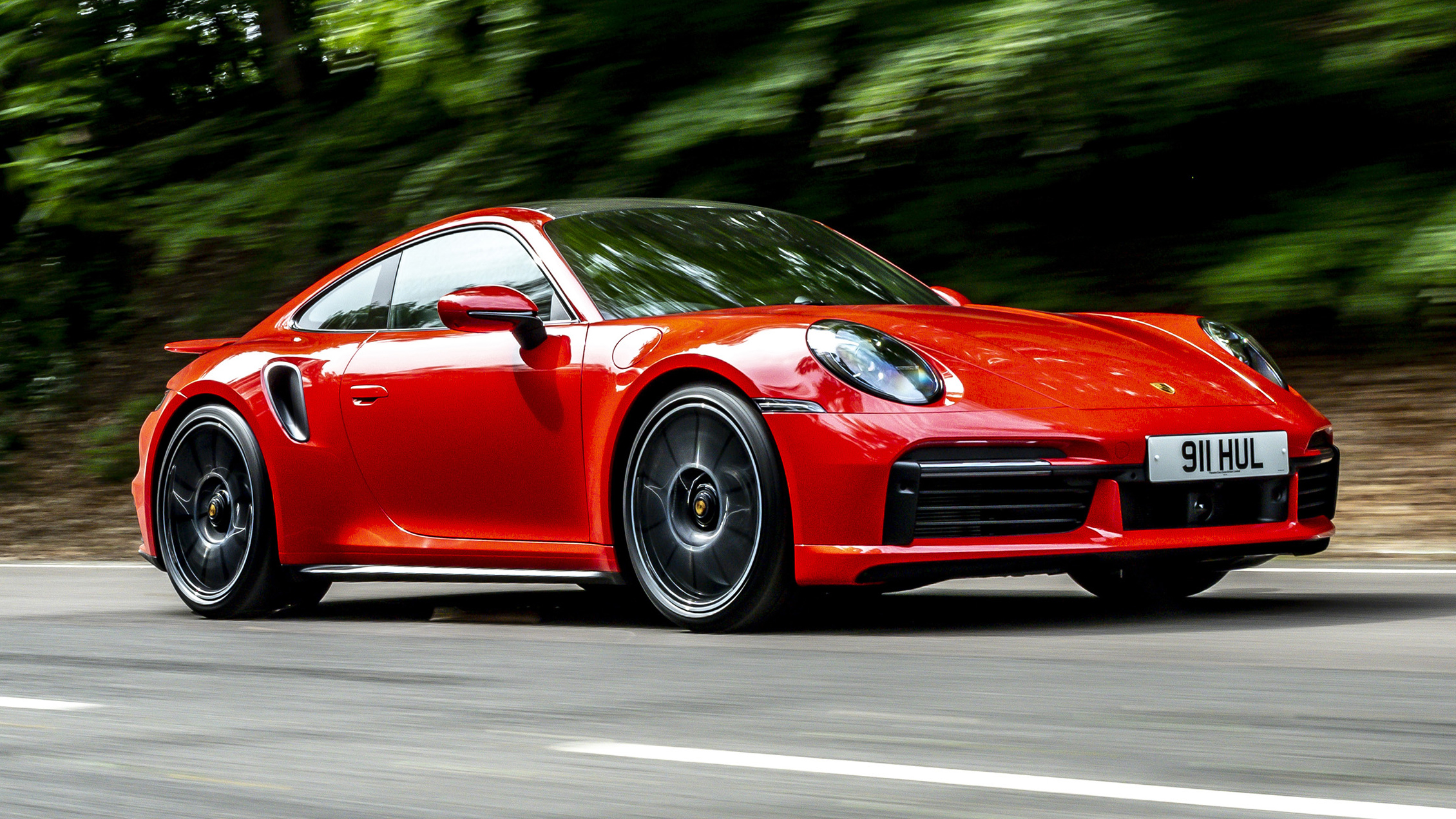
The Porsche 911 is widely regarded as one of the greatest sports cars ever conceived. Its combination of engineering precision, everyday usability, and driving purity has kept it at the top of enthusiast wish lists for over six decades. That excellence, however, comes with ongoing financial obligations that stack up relentlessly.
According to Kelley Blue Book, a 2024 Porsche 911 will depreciate $51,623 after five years, leaving a residual value of $66,077. With out-of-pocket expenses at $77,864, the total five-year cost to own reaches $129,487. For a car starting around $115,000, that means total ownership costs over five years essentially double the original investment.
Insuring a 2024 Porsche 911 costs approximately $25,720 per year, or $2,143 per month. That is among the highest annual insurance premiums in the sports car segment globally. The 911’s performance capability, high repair costs, and premium parts pricing all feed into premiums that dwarf those of ordinary vehicles throughout the ownership period.
Average annual maintenance costs for a 2024 Porsche 911 run about $2,332, totaling approximately $11,664 over five years. Porsche’s service intervals require premium synthetic oil, specialized filters, and inspection processes that independent garages often cannot perform to factory standards. Brake components, given the performance nature of the car, wear faster than on regular vehicles and cost significantly more to replace.
Over ten years, you can expect to pay about $22,075 to maintain a Porsche across its model range. That figure encompasses not just routine services but also clutch replacements, tire rotations on performance rubber, and electrical diagnostics that accumulate over an extended ownership period. The 911’s unique rear-engine configuration also adds complexity to certain repairs that front-engine vehicles simply do not require.
Fuel is another ongoing expense. The 911 demands premium 91-octane or higher fuel, and its performance-tuned flat-six engine is not particularly frugal at highway speeds. Drivers who use the car as intended, exploiting its abundant power reserves, will find fuel costs climbing quickly. Track-day enthusiasts face even higher tire and brake replacement bills on top of standard operating expenses with every outing.
The 911 does have one saving grace: its legendary ability to hold value better than most rivals. Certain variants, particularly limited-production GT models, actually appreciate after purchase. Even standard models depreciate more slowly than most luxury sports cars, partially offsetting the high insurance and maintenance costs and making the 911 a slightly more financially rational choice in the performance car world.
4. Porsche Panamera
The Porsche Panamera attempts the difficult task of combining sports car performance with executive sedan practicality. It largely succeeds on both counts, but the financial cost of that dual mission is substantial and relentless across every category of ownership expense. Few four-door vehicles ask this much of their owners financially.
According to Kelley Blue Book, a 2025 Porsche Panamera will depreciate by $55,458 over five years. With out-of-pocket expenses at $79,398, the total five-year cost to own reaches $134,856. For a vehicle starting around $100,000, the total ownership spend over five years represents a figure that rivals the initial purchase price entirely, an extraordinary cumulative burden.
Insuring a 2025 Porsche Panamera costs approximately $26,445 per year, or $2,203 per month. This is one of the highest annual insurance premiums of any four-door sedan in the global market. The Panamera’s performance specifications, high parts costs, and luxury positioning combine to create premiums that consistently shock first-time owners accustomed to mainstream vehicles.
Average annual maintenance costs for a 2025 Porsche Panamera run about $2,762, totaling approximately $13,810 over five years. The Panamera’s sophisticated twin-turbocharged powertrains require careful adherence to Porsche’s maintenance schedule. Deviations from factory protocols can void warranties and accelerate wear on precision components that are expensive to source and replace.
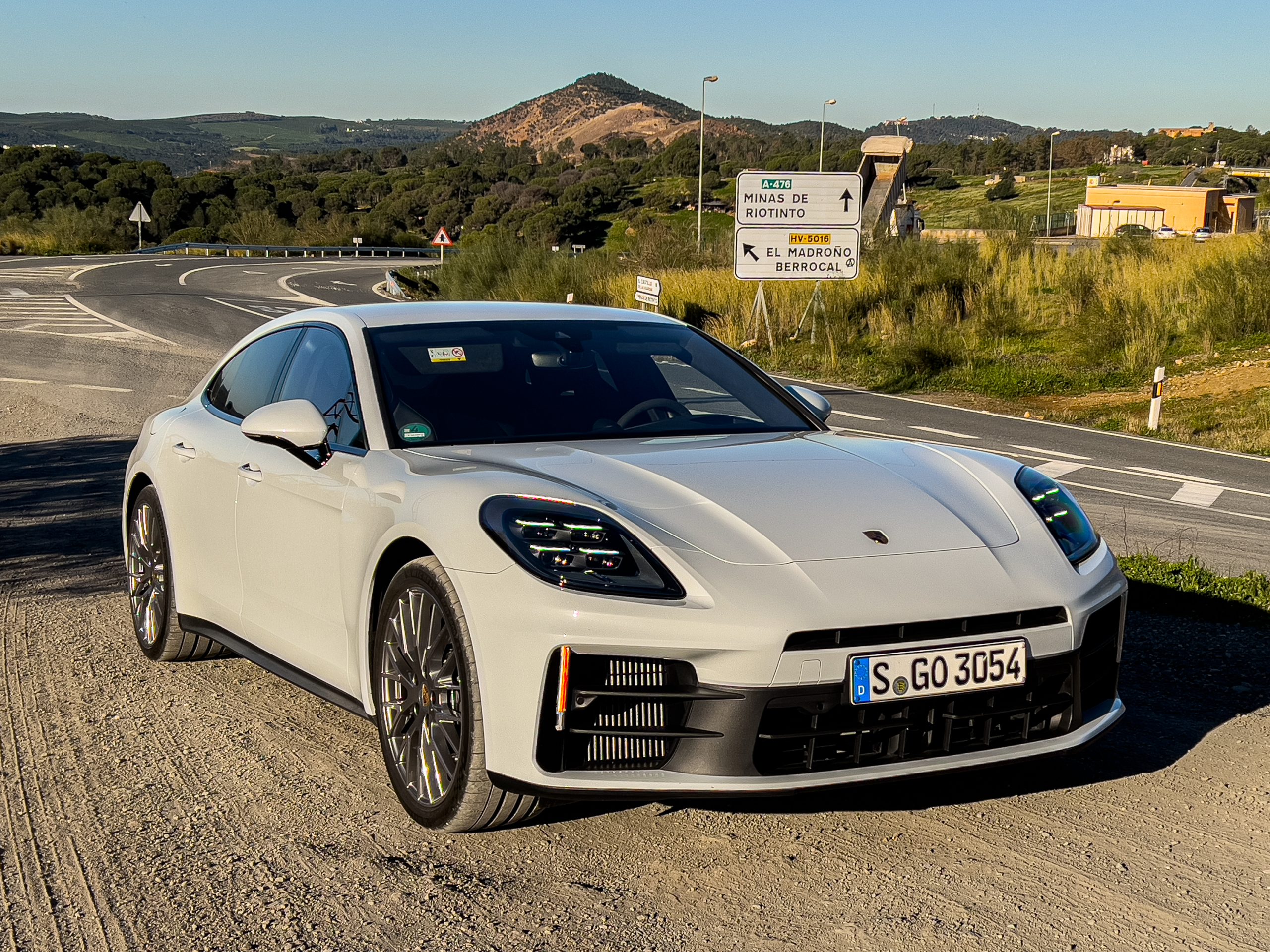
The Panamera’s sport-tuned suspension system uses adaptive air springs and active anti-roll components that are considerably expensive to service and replace. Owners who push the car through its full range of performance modes will find that high-performance tires, which can cost over $400 each, need replacement more frequently than typical touring tires on ordinary sedans.
Porsche’s dealer network, while competent, is not as widespread as volume-brand networks. Service appointments may require longer lead times, and parts sourcing for unusual failures can add days to repair times and extra costs. For owners who rely on the vehicle daily, the combination of downtime risk and premium service pricing makes the Panamera a genuinely demanding car to operate over any multi-year period.
Also Read: 8 Pickups With the Most Torque Per Dollar
5. Porsche Cayenne
The Porsche Cayenne successfully blurred the line between sports car and SUV when it first appeared, and it has maintained that dual identity ever since. It proved that a high-riding vehicle could deliver genuine driving engagement alongside family practicality. That achievement carries its own premium in every single ownership cost category.
According to Kelley Blue Book, a 2024 Porsche Cayenne will depreciate $50,393 after five years, leaving a residual value of $30,457. With out-of-pocket expenses at $65,757, the total five-year cost to own is $116,150. That is a significant financial commitment for a vehicle in a segment dominated by slightly more affordable German rivals and domestic alternatives.
Insuring a 2024 Porsche Cayenne costs approximately $21,195 per year, or $1,766 per month. As an SUV with sports car credentials and premium parts pricing, the Cayenne commands insurance premiums well above the luxury SUV average. Full comprehensive coverage with low deductibles pushes annual premiums even higher in densely populated urban areas across every major market.
Average annual maintenance costs for a 2024 Porsche Cayenne run about $2,296, totaling approximately $11,481 over five years. The Cayenne’s complex all-wheel-drive system, adaptive air suspension, and turbocharged powertrains all add to the maintenance burden. Routine oil changes at a Porsche dealership can cost two to three times what the same service would cost at a mainstream vehicle service centre.
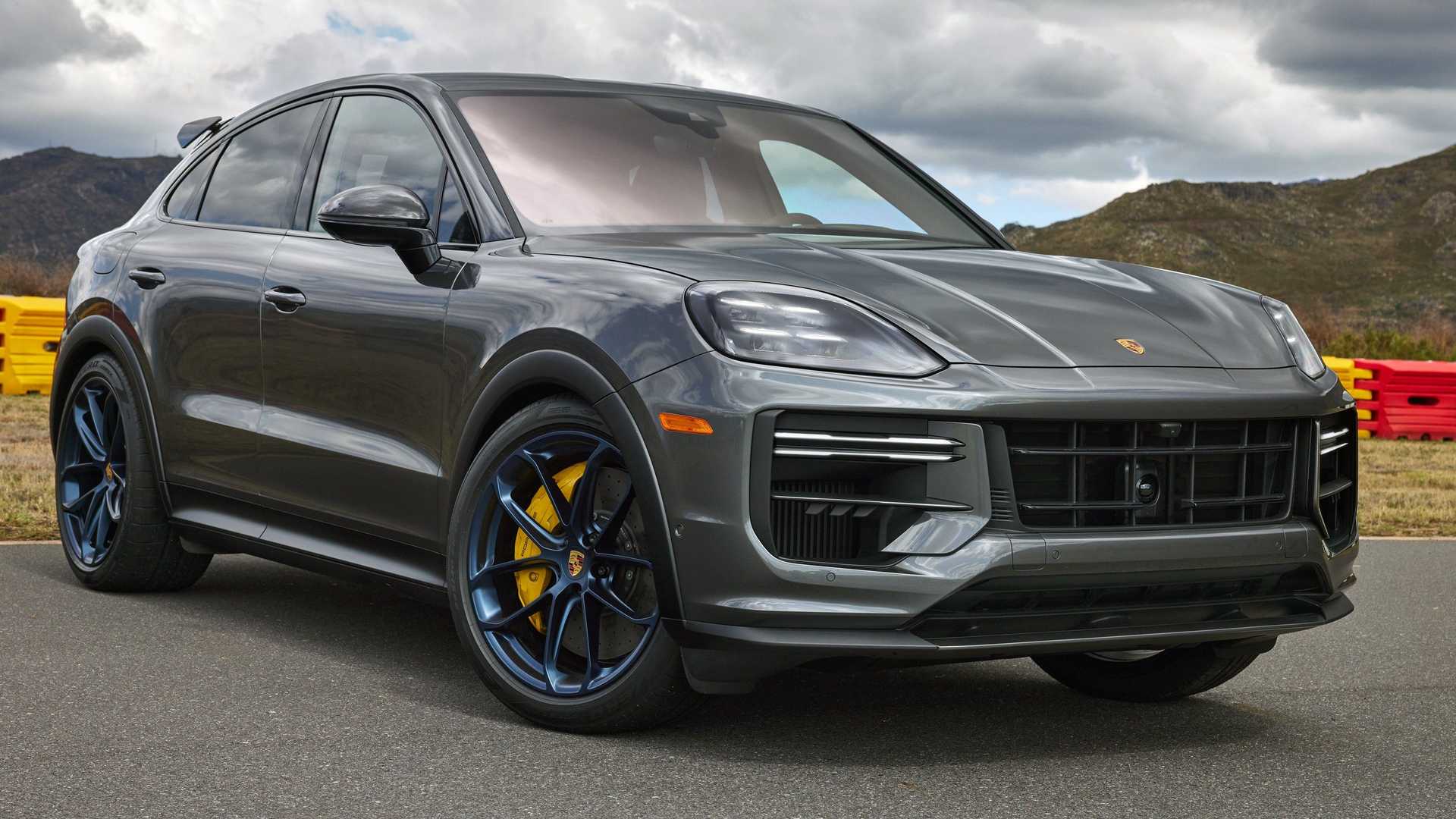
Porsche owners can expect to spend approximately $4,000 in maintenance within the first five years and a grand total of $14,090 over ten years for the brand. The back half of that ten-year period is particularly expensive, as warranty coverage expires and components requiring specialized attention begin to show wear. Air suspension actuators, turbocharger seals, and active suspension electronics are known cost centres on higher-mileage Cayennes.
Fuel costs are another persistent expense. The Cayenne’s V6 and V8 engines drink premium fuel, and the vehicle’s size and weight mean that city driving generates poor economy figures.
The Turbo and Turbo S E-Hybrid variants at the top of the range have even more demanding fuel and energy requirements. Owners in markets with high fuel prices feel this expense particularly acutely throughout the year.
Despite the costs, the Cayenne holds its value reasonably well compared to many peers. The Porsche brand’s engineering reputation and strong dealer support help maintain residual values better than the luxury SUV industry average.
That advantage helps narrow the gap between total ownership cost and some of the most expensive alternatives in the segment, making it arguably the most defensible choice on this list.
6. Land Rover Range Rover Sport
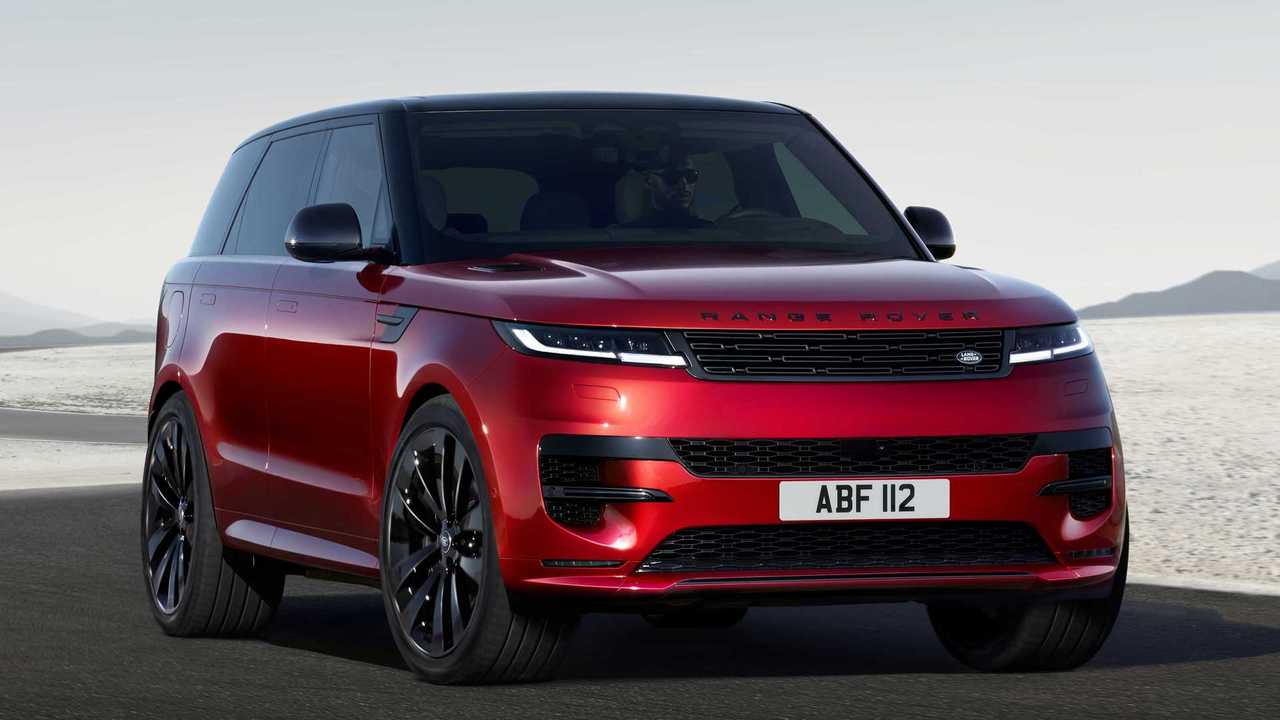
The Range Rover Sport is positioned as a sportier, slightly more accessible version of the full-size Range Rover. In terms of desirability and road presence, it largely succeeds. In terms of total ownership cost, it remains extraordinarily expensive, rivaling vehicles that cost significantly more to purchase in the first place.
According to Kelley Blue Book data, insuring a 2024 Land Rover Range Rover Sport costs approximately $20,235 per year, or $1,686 per month. This represents one of the highest insurance costs in the luxury SUV segment globally. Insurers price this premium based on the vehicle’s high repair costs, premium parts prices, and documented theft rates in many major markets worldwide.
Average annual depreciation for a 2024 Land Rover Range Rover Sport runs about $9,859, totaling approximately $49,296 over five years. The Range Rover Sport sheds nearly half its value within the first five years of ownership, which is a concerning return on a vehicle that costs upwards of $80,000 to purchase new. Buyers who sell within three years face particularly steep financial losses.
Average annual maintenance costs for a 2024 Range Rover Sport run about $1,870, totaling approximately $9,353 over five years. As with the full-size Range Rover, these figures reflect the brand’s complex electronics, proprietary suspension systems, and specialized parts requirements. Independent mechanics often struggle to diagnose Range Rover Sport issues without manufacturer-level diagnostic tools and software access.
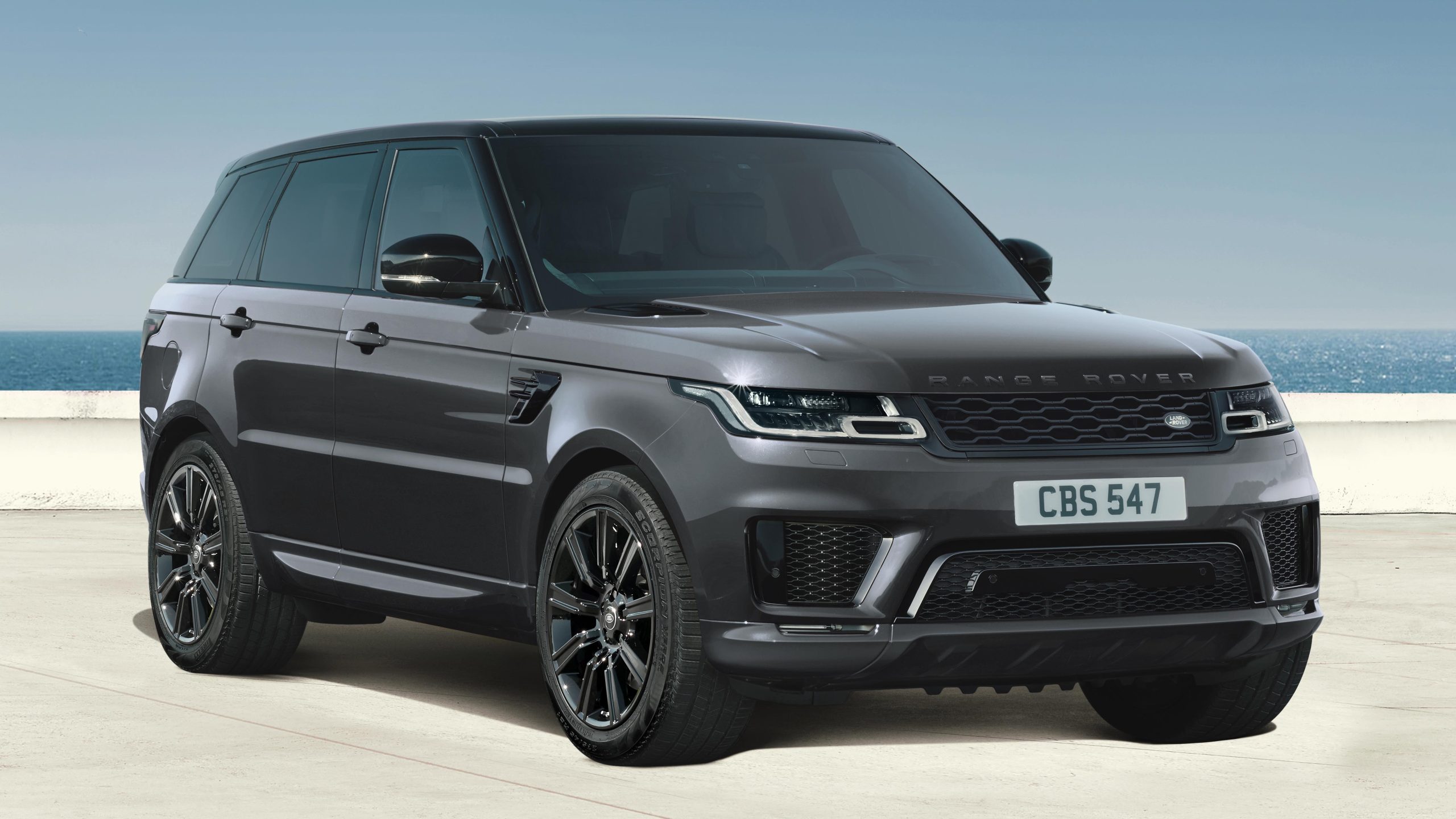
The Range Rover Sport’s air suspension is one of its most celebrated features and one of its most expensive to repair. When air spring bladders or compressor units fail, which they do with some regularity on higher-mileage examples, replacement costs can reach into the thousands of dollars per corner. This is a well-documented issue across the Land Rover range and a significant potential expense for owners beyond the warranty period.
Fuel consumption is another ongoing cost category. The Sport’s various petrol engines, including the supercharged V8 in higher trim levels, are powerful but not fuel-efficient.
Regular drivers spending significant time in city traffic will find that fuel bills add substantially to monthly ownership costs. The mild hybrid and plug-in hybrid variants offer improved efficiency but add battery-related complexity and their own maintenance considerations.
The Range Rover Sport does benefit from stronger desirability than many luxury SUV competitors, providing a modest buffer against the worst depreciation scenarios.
However, the combination of high insurance, significant depreciation, and above-average maintenance costs still makes it one of the most expensive vehicles in its segment to own over any five-year period of consistent use.
7. Mercedes-Benz S-Class
The Mercedes-Benz S-Class has defined the pinnacle of the full-size luxury sedan segment for generations. It sets the benchmark for refinement, technology, and comfort among executive automobiles worldwide. It also sets a demanding benchmark for total ownership costs that accumulates relentlessly across its entire lifespan.
The S-Class packs flagship-level technology that becomes expensive to maintain as vehicles age. Air suspension systems alone can cost $2,500 to $4,000 per corner to replace, and the S-Class uses the most sophisticated version of Mercedes’ air suspension found in any of its vehicles. Owners who face suspension failures outside the warranty period quickly encounter repair bills on an alarming scale.
According to Consumer Reports data, Mercedes-Benz averaged $10,525 in maintenance costs over 10 years, with approximately $2,850 spent within the first five years alone. This is significantly higher than Japanese luxury rivals such as Lexus, reflecting the complexity and precision engineering that defines every S-Class generation. Specialist dealer labor rates compound the parts cost substantially on every visit.
Depreciation is a serious issue for the S-Class as a financial proposition. The model undergoes comprehensive generational redesigns every seven to eight years, and older S-Classes suffer sharp value drops when new generations launch.
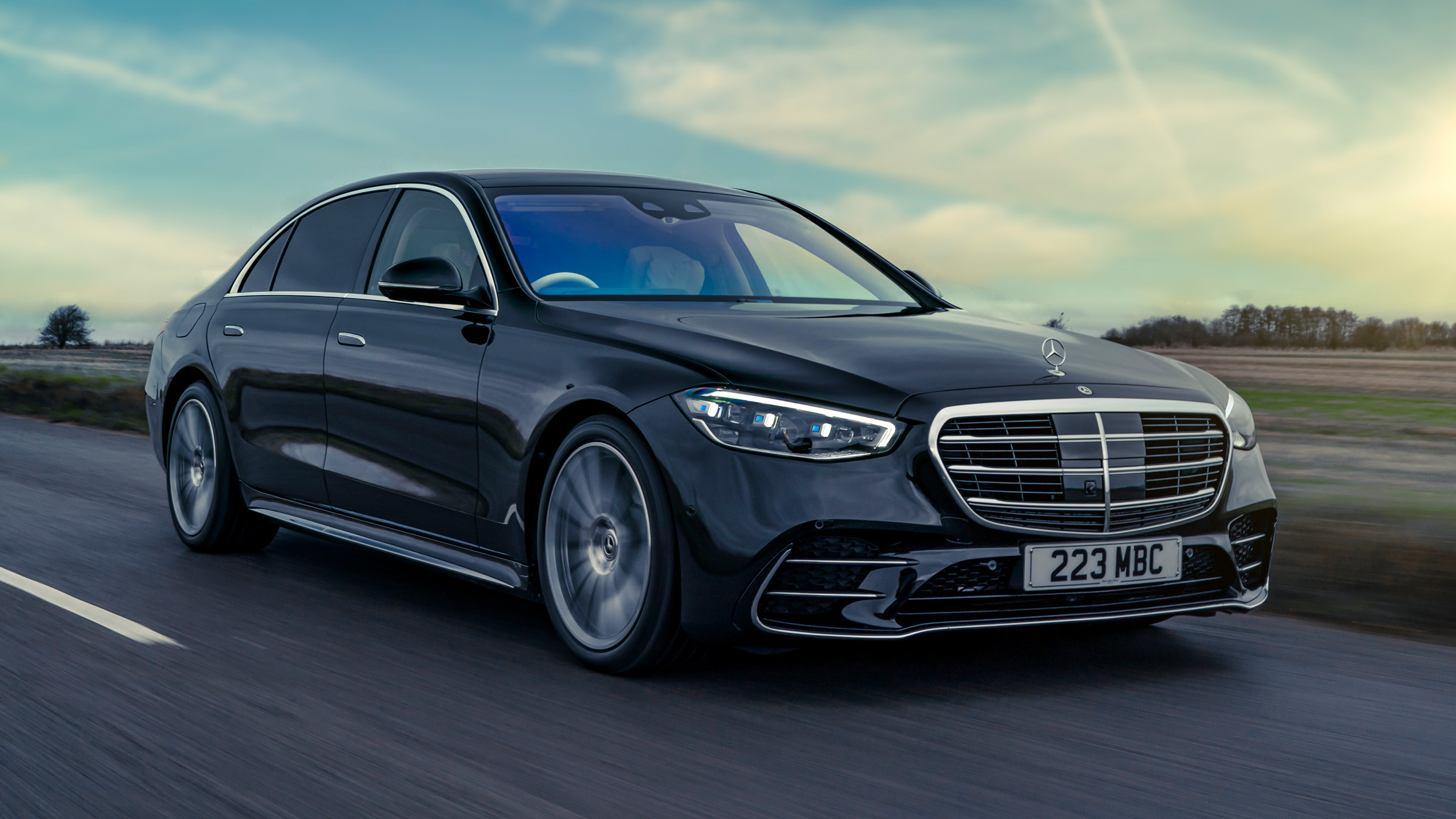
A previous-generation S-Class can lose 50% or more of its value within three to four years as buyers gravitate toward the freshly redesigned model, making timing the purchase critical.
Insurance costs are substantial across all trim levels. The S-Class, with its array of luxury features and premium bodywork, carries repair costs that push insurance premiums well above average.
A minor collision involving the S-Class’s cameras, sensors, LED headlights, and high-grade aluminum body panels can generate a repair bill many times that of an ordinary sedan. Insurers price this risk into premiums accordingly and consistently.
Fuel costs are another ongoing consideration. The S-Class’s 3.0-liter inline-six and larger V8 engines require premium fuel minimum, and the vehicle’s size and weight mean it is not particularly frugal at any speed.
For S-Class owners who retain their vehicles beyond the standard warranty period, annual maintenance spend can easily double compared to early ownership years, making thorough financial planning an absolute necessity.
8. BMW 7 Series
The BMW 7 Series competes directly with the Mercedes S-Class and Audi A8 for dominance at the top of the luxury sedan market. It brings BMW’s characteristic driving focus to the flagship segment, pairing genuinely engaging dynamics with exceptional comfort and technology. The total cost of ownership, however, demands an equally serious financial commitment from anyone who chooses to live with one.
The BMW 7 Series packs flagship-level technology that becomes increasingly expensive to maintain as vehicles age. The latest generation introduces an enormous curved display, advanced autonomous driving systems, and a Theatre Screen rear-seat entertainment setup, all of which add maintenance complexity that previous generations never carried. Each of these sophisticated systems requires specialist diagnostic tools and trained technicians to service properly.
BMW has the second most expensive average car maintenance cost of any brand, with owners expecting to pay about $19,312 to maintain a BMW over ten years, according to Consumer Reports data.
The 7 Series, as the brand’s flagship model, sits at the expensive end of that range. Proprietary diagnostic software requirements and premium parts pricing contribute to a maintenance spend that accumulates relentlessly throughout the ownership period.
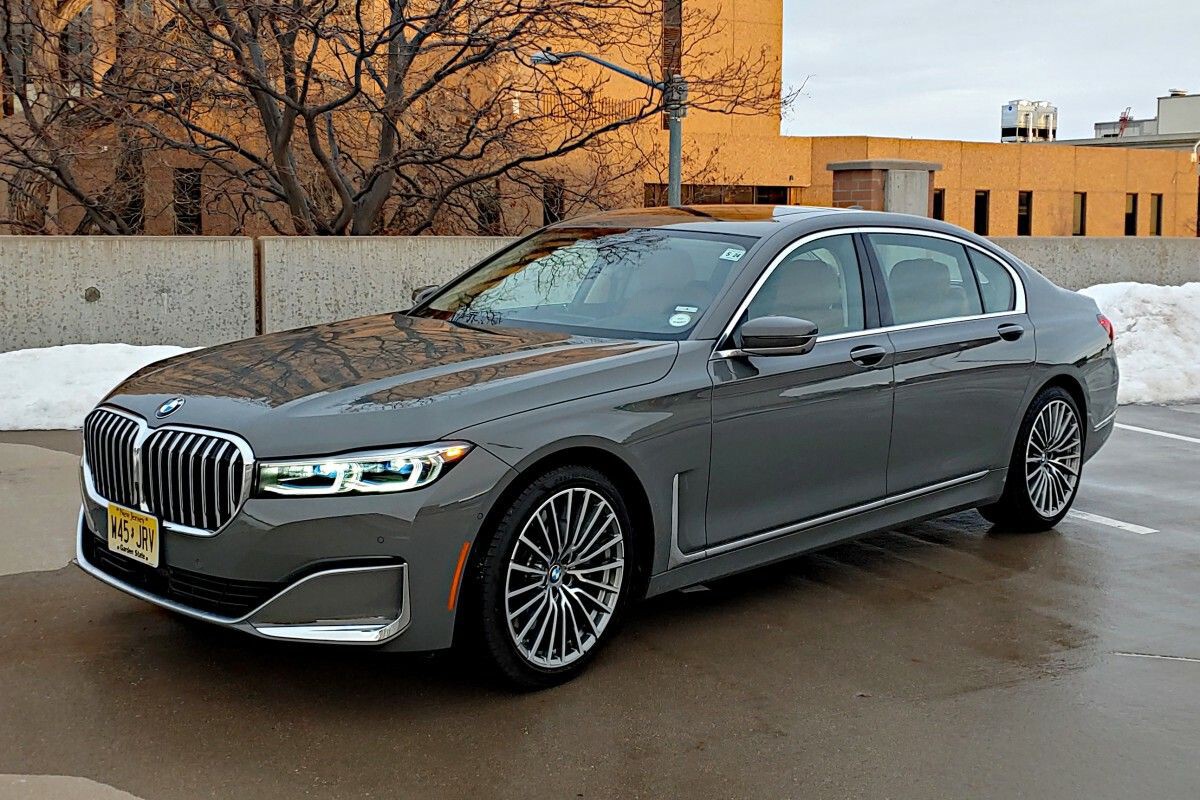
Depreciation is one of the 7 Series’ greatest weaknesses as a financial proposition. The model has historically suffered some of the steepest depreciation in the luxury sedan segment, largely because competition from Mercedes and the growing appeal of SUVs has reduced demand for large luxury sedans. A new 7 Series can lose 40% to 50% of its value within three years under typical market conditions.
Cars that are expensive to fix command higher collision and comprehensive insurance rates because insurers know claim payouts will be larger. A fender-bender that costs $3,000 to repair on a mainstream vehicle might cost $8,000 on a BMW flagship due to specialized parts, aluminum body panels, and advanced driver assistance systems needing recalibration. On a 7 Series, those repair costs are even higher, pushing annual insurance premiums into a league of their own.
Fuel costs are ongoing and significant across all powertrain choices. The 7 Series’s large engines require premium fuel, and the vehicle’s considerable weight means fuel economy in city driving is mediocre despite BMW’s engineering efforts. Buyers who primarily use the car in urban environments will find fuel bills adding meaningfully to monthly operating costs every single week of ownership.
9. Ford F-150 Raptor
The Ford F-150 Raptor occupies a unique position in the American automotive market. It is a factory-built performance off-road truck that commands a significant premium over the standard F-150 and delivers genuine extreme-terrain capability directly from the dealership. That performance premium extends thoroughly into every total ownership cost category without exception.
The Ford F-150 Raptor, when equipped with the optional 37-inch tires, was identified as the most expensive vehicle to own and operate based on annual fuel and insurance costs, with running costs of $7,681 per year for those two categories alone.
That figure covers fuel and insurance only; adding depreciation, maintenance, and financing pushes the annual total substantially higher for most buyers, regardless of how they use the truck.
The Raptor’s high-performance Fox Racing suspension, larger-than-standard body panels, and specialized drivetrain components all carry premium replacement costs.
When the Fox shocks require rebuilding or replacement, which happens to owners who use the vehicle’s off-road capability extensively, costs can reach several thousand dollars. Standard truck repair shops are typically not equipped to handle Raptor-specific suspension components properly.
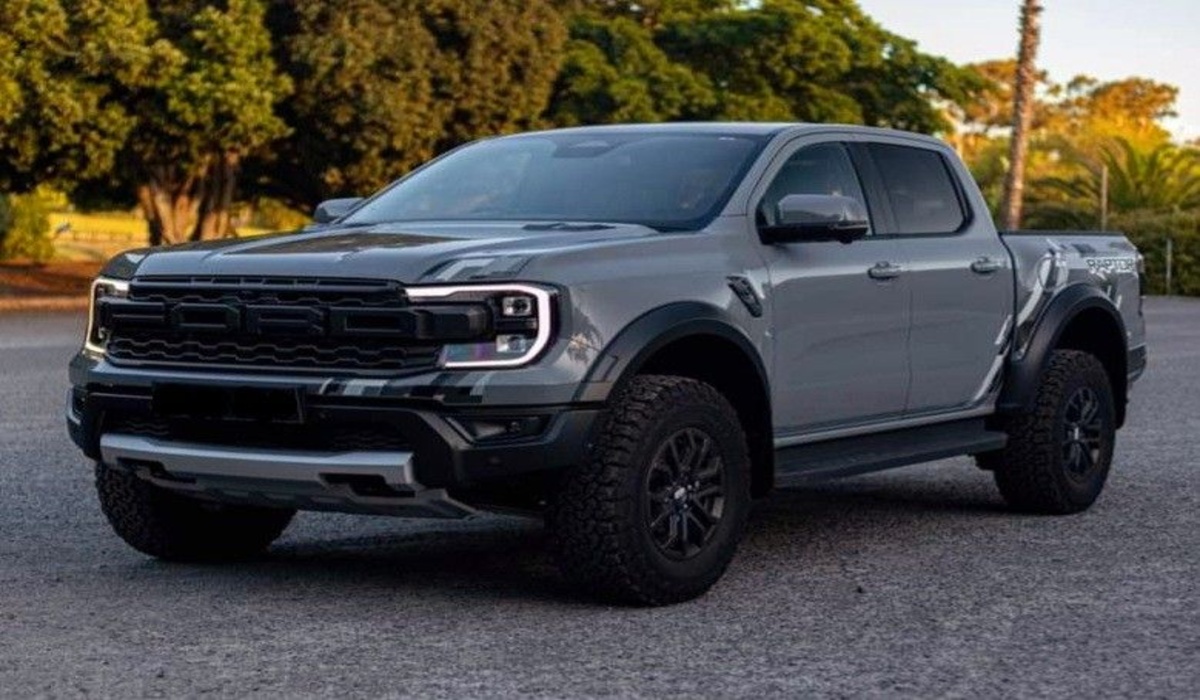
Tire costs are a particularly visible ongoing expense. The Raptor’s specialty off-road tires, especially the optional 37-inch units, are not available at mainstream tire shops and cost significantly more per unit than standard truck tires.
A complete set of replacement tires for the Raptor with 37-inch wheels can cost $2,000 to $3,000 or more, and owners who mix road and off-road driving face more frequent replacement cycles.
Insurance premiums reflect both the vehicle’s high value and its performance credentials. Insurers recognize that Raptor owners tend to use their vehicles more aggressively than standard pickup truck buyers, increasing the statistical likelihood of damage claims.
This behavioral factor, combined with higher parts and labor costs, results in annual insurance premiums notably higher than for comparable non-performance trucks in the same segment.
10. Lamborghini Urus
The Lamborghini Urus redefined what a super SUV could be when it launched. It brought genuine supercar performance, dramatic Italian styling, and Lamborghini’s heritage to the family SUV body style. It also brought every cost characteristic of supercar ownership into a segment that buyers might not have fully anticipated when signing the purchase agreement.
Maintaining a Lamborghini costs between $1,500 and $3,000 per year at the basic service level, but specialty parts and services can escalate costs significantly, especially for repairs on components like the engine or transmission. A simple tire change on a Lamborghini can set the owner back around $1,200, and replacing a windshield costs approximately $3,000. These figures represent the baseline of expected costs rather than worst-case scenarios.
The Urus uses a 4.0-liter twin-turbocharged V8 engine shared in platform terms with Volkswagen Group siblings but extensively modified and calibrated for Lamborghini’s performance targets. While this platform-sharing moderates some parts costs compared to a fully bespoke exotic powerplant, the Lamborghini-specific calibration, software, and components still demand authorized dealer service and carry premium pricing for every significant job.
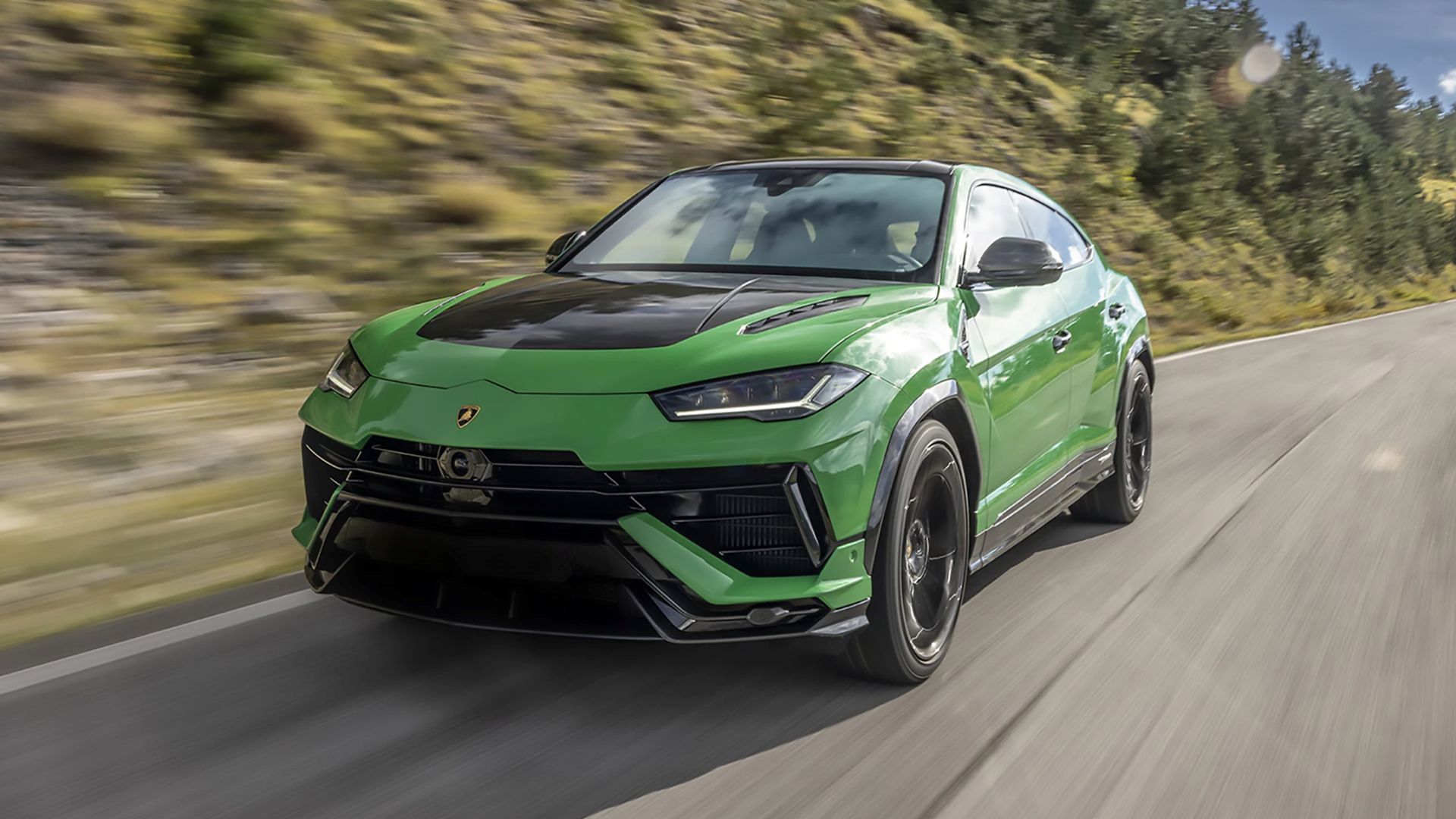
Insurance for the Urus is among the most expensive in the entire SUV segment. The combination of a six-figure purchase price around $230,000, supercar-derived performance, and the heightened theft risk of any exclusive Italian nameplate creates annual premiums that regularly exceed $8,000 to $12,000 for comprehensive coverage. Younger drivers or those with any prior claims history face premiums substantially higher still.
Depreciation, while somewhat softened by the model’s exclusivity and aspirational appeal, is still significant in absolute dollar terms. The Urus starting price means that even a modest percentage depreciation translates into enormous dollar losses.
Once that warranty expires, owners face the full weight of Italian supercar maintenance pricing on every dealer visit. Annual service costs beyond the warranty period routinely exceed $5,000 for owners who drive regularly, making the Urus one of the most financially demanding vehicles in its class to retain and operate over the long term.
Also Read: 10 Cars With the Strongest Stock Engines Sold Today
