
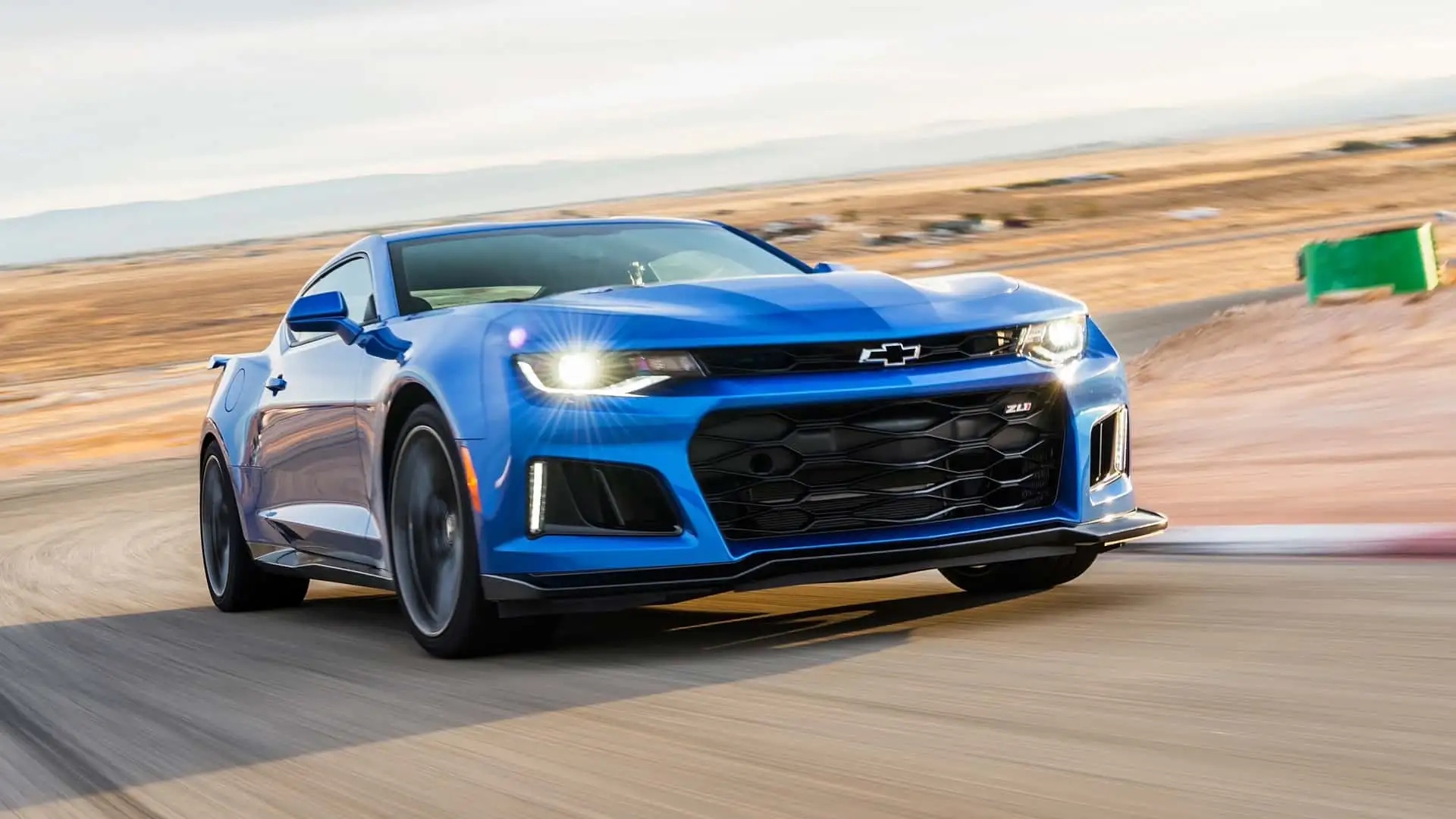
Fresh industry reports suggest that General Motors may be preparing to return the Chevrolet Camaro to production, marking a possible revival of one of America’s most recognised performance nameplates. After production of the sixth-generation Camaro ended in 2023 without a direct successor, the future of the model appeared uncertain.
Enthusiasts and analysts widely believed that rising development costs and limited sales volume had made a new generation difficult to justify. Recent information points to a different direction. Sources within the supplier network have indicated that a seventh-generation Camaro is now under active consideration, with a targeted production timeline beginning in late 2027.
If this schedule holds, the vehicle would likely be marketed as a 2028 model year product. This development represents a change in strategy, as earlier reports suggested that internal proposals for a replacement had been set aside due to financial concerns.
The renewed interest in the Camaro appears to be tied to a broader effort by General Motors to maximise the use of shared vehicle architectures. By spreading development costs across multiple models, the company may be able to support the return of a sports coupe that would otherwise struggle to justify its investment on a standalone basis. This approach reflects a practical balance between maintaining heritage products and meeting modern financial expectations.
For many observers, the Camaro name carries more than just commercial value. It represents decades of American automotive culture, performance engineering, and brand identity. A return would not only fill a gap in Chevrolet’s lineup but also reaffirm the company’s commitment to enthusiast-focused vehicles, even as the industry continues to transition toward electrification and advanced mobility solutions.
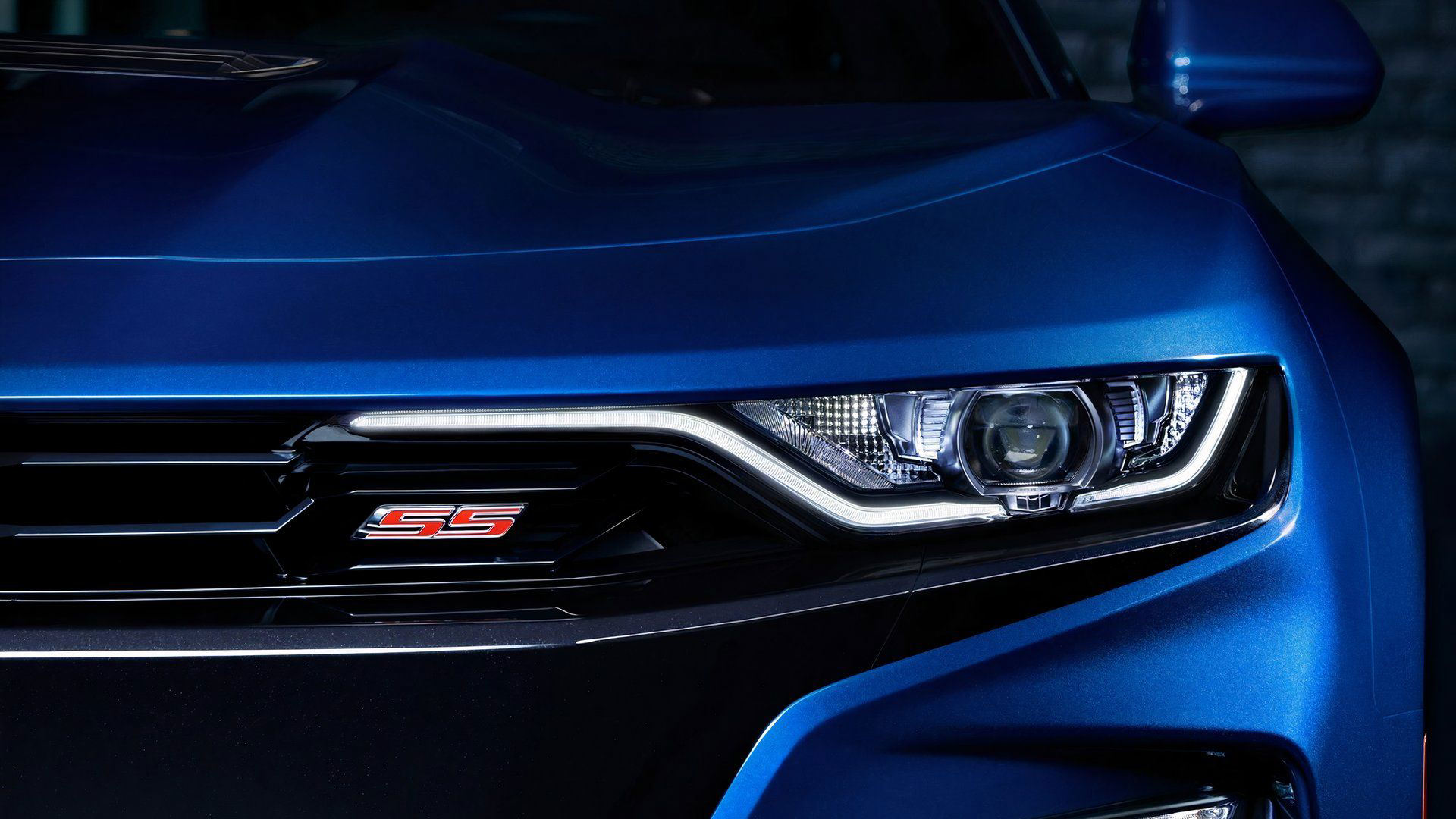
Platform Sharing with Cadillac and Buick Models
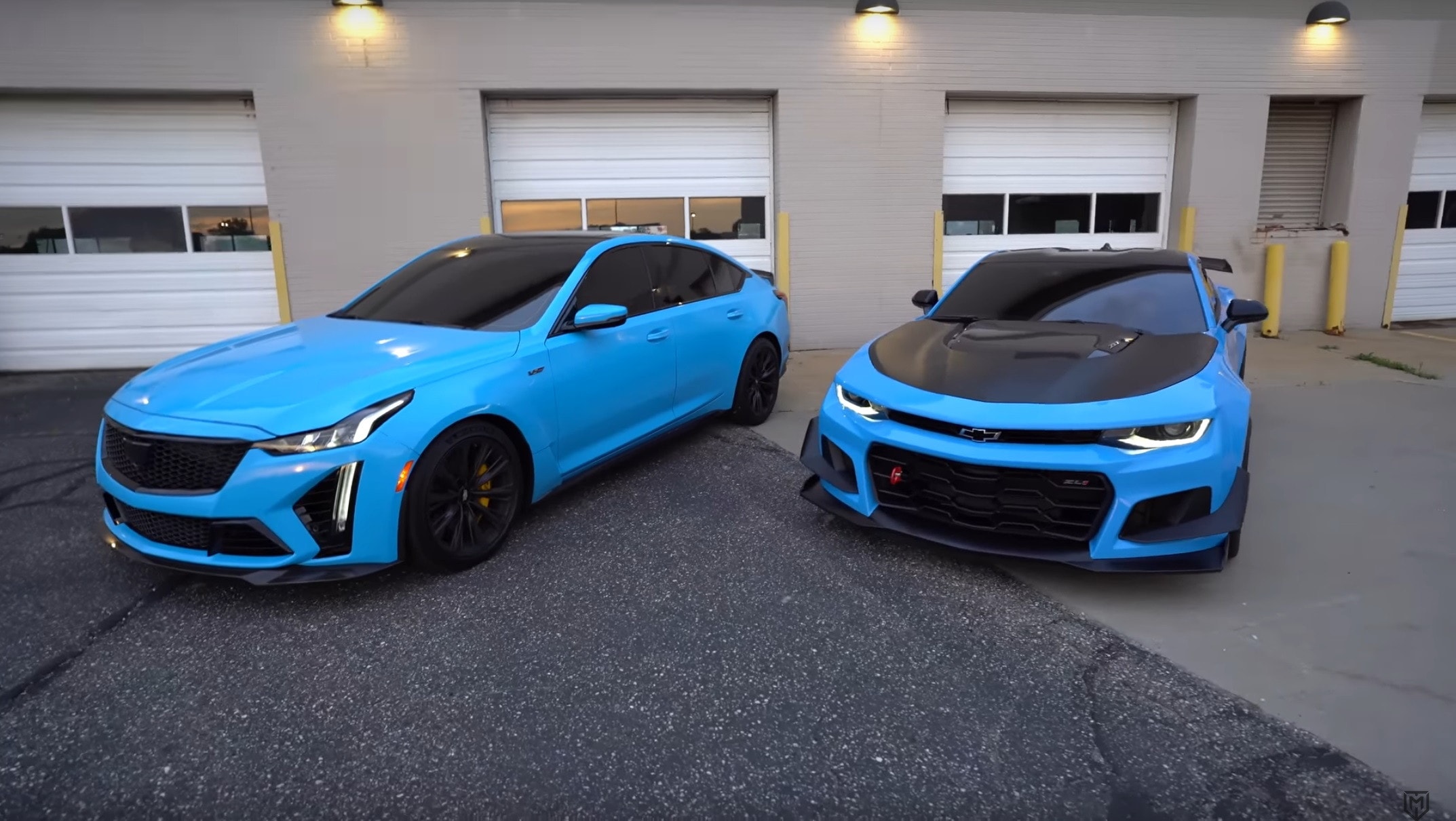
A central element of the reported plan involves the use of a shared platform that will also underpin the next-generation Cadillac CT5. This architecture is expected to support multiple vehicle types, including a new Buick sedan, which would mark the brand’s return to a segment it has not occupied in recent years. By aligning these products under a single engineering foundation, General Motors can reduce development costs while maintaining distinct identities for each model.
Platform sharing is not a new concept within the automotive industry, but its importance has increased as vehicles become more technologically advanced. Modern cars require substantial investment in software, safety systems, powertrain integration, and regulatory compliance.
By using a common structure, manufacturers can distribute these costs across several products, making lower-volume vehicles such as sports cars more financially viable. For the Camaro, this strategy could mean adopting elements traditionally associated with premium sedans, including improved ride quality, refined interior materials, and advanced driver assistance systems.
While maintaining its performance focus, the next-generation model may offer a more balanced driving experience that appeals to a broader audience. This could be an important factor in sustaining sales within a segment that has faced declining demand.
The involvement of a Buick sedan in the same programme adds another dimension to the plan. Buick has largely moved away from traditional sedans in recent years, focusing instead on crossover vehicles. A return to a four-door model suggests that General Motors sees an opportunity to reposition the brand within certain markets, possibly including regions where sedans continue to perform well.
Production for these vehicles is expected to take place at facilities already familiar with sedan manufacturing. The current Grand River Assembly plant, where Cadillac models are built, could play a central role in this effort. With production of the smaller CT4 nearing its conclusion, maintaining efficient use of manufacturing capacity becomes an important consideration.
Also Read: Mercedes Recalls 144,065 Vehicles in the U.S.
Production Strategy and Market Positioning
Reports indicate that General Motors is targeting a combined production volume of approximately 60,000 to 70,000 units annually for the Camaro and CT5. This figure reflects a measured approach, balancing demand expectations with the realities of the current automotive market. Sports coupes have experienced declining sales in recent years, as consumer preferences have shifted toward sport utility vehicles and trucks.
Despite this trend, performance-oriented vehicles continue to hold cultural and brand value. They serve as halo products that influence public perception and attract attention to the broader lineup. For Chevrolet, the Camaro has historically played this role, standing alongside models such as the Corvette in representing performance credentials.
Positioning the next-generation Camaro will require careful consideration. Pricing, performance specifications, and design direction will all influence its reception. If the vehicle shares substantial engineering components with the CT5, it may benefit from improved structural rigidity and advanced suspension systems. This could enhance both handling precision and everyday usability.
At the same time, maintaining a distinct identity will be essential. Buyers expect the Camaro to deliver a driving experience that reflects its heritage as a muscle car. This includes strong acceleration, engaging handling, and a design that communicates performance intent. Balancing these expectations with modern requirements such as fuel efficiency and emissions compliance will be a central challenge for engineers.
The production timeline also suggests that the vehicle will enter the market during a period of transition within the industry. Electrification continues to gain momentum, with many manufacturers investing heavily in battery-powered vehicles.
It remains unclear whether the new Camaro will incorporate hybrid technology or retain a purely internal combustion configuration. This decision will likely depend on regulatory developments and market demand at the time of launch.
Also Read: Ford on Track to Break Its Own Recall Record
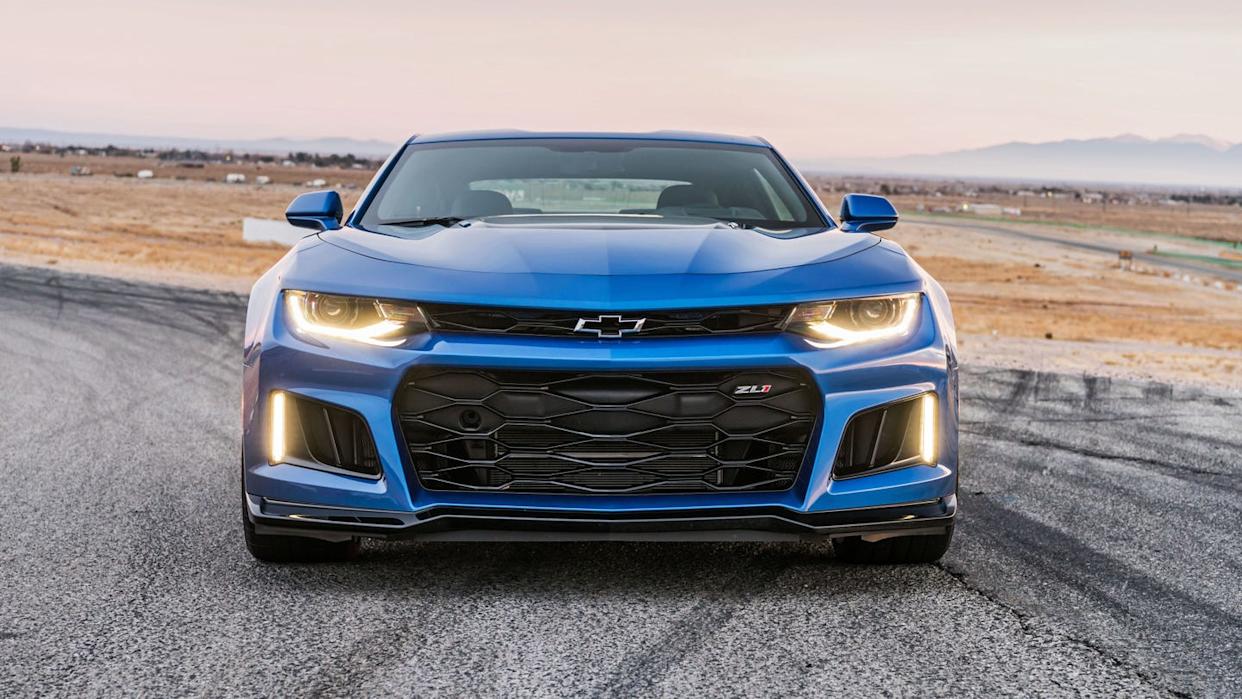
Challenges and Opportunities for the Camaro’s Return
Bringing back the Camaro presents both opportunities and risks for General Motors. On one hand, the model’s strong brand recognition and loyal following provide a solid foundation for renewed interest. A well-executed return could generate enthusiasm among existing lovers and followers while attracting new buyers seeking a distinctive performance vehicle.
However, the business case for sports coupes remains challenging. Sales volumes are relatively limited compared to mainstream segments, and development costs continue to rise. This is where the shared platform strategy becomes critical. By aligning the Camaro with other models, General Motors can reduce financial exposure while still offering a product that enhances its brand image.
Another factor to consider is competition. The segment has become increasingly specialised, with fewer direct rivals but higher expectations in terms of performance and technology. Any new Camaro will need to deliver competitive specifications while maintaining reliability and practicality for everyday use.
Consumer expectations have also advanced. Modern buyers often prioritise connectivity, safety features, and interior quality alongside performance. Integrating these elements without diluting the character of the Camaro will require careful design and engineering decisions.
The possibility of a Buick sedan emerging from the same platform programme adds further strategic value. It allows General Motors to address multiple market segments simultaneously, increasing the likelihood of achieving a sustainable return on investment. This coordinated approach reflects a broader industry trend toward efficiency and resource optimisation.
As anticipation continues to grow, official confirmation from General Motors will be needed to clarify the details. Until then, the reported plans offer insight into how the company might approach reviving a historic model. If executed well, the 2028 Camaro could strike a careful balance between heritage and modern engineering, helping the name stay relevant in a rapidly evolving automotive industry.
