
Adaptive Cruise Control has evolved from a luxury-only feature into one of the most important safety and convenience technologies available in modern sedans. Drivers today expect more than just basic cruise control that keeps a vehicle at a fixed speed.
Modern Adaptive Cruise Control systems use advanced radar sensors, front-facing cameras, and intelligent software to monitor traffic ahead and automatically adjust vehicle speed in real time. This allows the car to maintain a safe following distance while reducing the stress associated with highway commuting and long-distance travel.
In recent years, automakers have significantly improved the accuracy and responsiveness of these systems. Earlier generations of Adaptive Cruise Control sometimes struggled with abrupt braking, delayed acceleration, or inconsistent traffic detection. However, the latest systems found in 2025 and 2026 sedans are much smoother and more reliable.
Some vehicles can now handle stop-and-go traffic, maintain lane position, and even assist with steering inputs on highways. These features work together to create a semi-automated driving experience that improves safety and comfort without fully replacing the driver.
One reason Adaptive Cruise Control has become so popular is the growing amount of time people spend driving in congested traffic conditions. Constantly adjusting speed during traffic jams can become exhausting, especially during daily commutes.
A well-tuned ACC system can reduce driver fatigue by automatically slowing down, stopping, and accelerating as traffic conditions change. This creates a calmer driving experience and allows drivers to focus more on road awareness rather than repetitive pedal inputs.
Manufacturers have also started making these systems available in affordable sedans rather than limiting them to expensive luxury vehicles. Cars such as the Honda Accord, Toyota Camry, Hyundai Sonata, and Nissan Altima now offer highly capable ACC systems across several trims.
Luxury sedans like the Mercedes-Benz C-Class and Lexus ES continue pushing the technology further with smoother responses and more advanced sensor integration. Electric vehicles such as the Tesla Model 3 have also changed expectations by relying heavily on software-based driver assistance systems that improve over time through updates.
Choosing the right sedan with Adaptive Cruise Control is not only about technology specifications. Real-world usability matters just as much. Some systems react too aggressively, while others leave excessively large gaps in traffic. The best systems balance safety, comfort, and responsiveness in a way that feels natural to the driver.
This article examines eight sedans that deliver genuinely effective Adaptive Cruise Control systems in everyday driving situations. Each model included here has earned recognition for offering reliable highway assistance, practical stop-and-go functionality, and a user-friendly driving experience that works well in real traffic conditions.
Also Read: 10 Cars With Insurance Premiums Lower Than a Compact Sedan
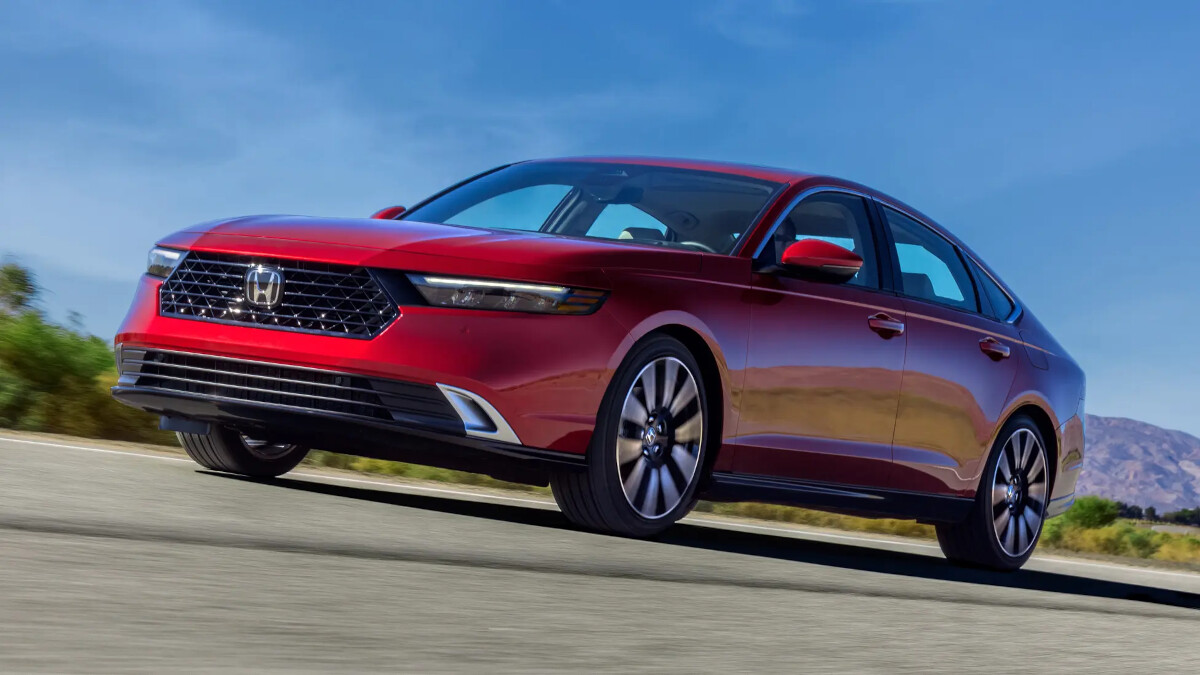
1. Honda Accord
The Honda Accord has consistently ranked among the best midsize sedans because it combines comfort, reliability, efficiency, and advanced technology in a balanced package. One of the biggest strengths of the modern Accord is the Honda Sensing driver assistance suite, which includes a highly refined Adaptive Cruise Control system.
Honda has spent years improving the responsiveness and smoothness of this technology, and the latest versions found in recent Accord models perform exceptionally well in both highway and urban driving environments. Unlike older systems that often felt robotic or unpredictable, the Accord’s Adaptive Cruise Control behaves in a natural and confident manner that closely matches real human driving behavior.
One reason the Accord’s ACC system receives praise from drivers and automotive reviewers is its smooth acceleration and braking characteristics. Some Adaptive Cruise Control systems can feel jerky when adjusting speed, especially when traffic suddenly slows down or speeds up. The Accord avoids this issue by using gradual braking inputs and measured acceleration responses.
This creates a much more comfortable experience for passengers during long drives. The vehicle reacts early to changing traffic conditions instead of waiting until the last second to reduce speed. As a result, the driving experience feels safer and more refined. Drivers who spend hours on highways especially appreciate how the system reduces fatigue while maintaining a relaxed driving rhythm.
Another important factor contributing to the Accord’s strong reputation is reliability. Honda’s radar and camera systems are generally dependable in various weather and traffic conditions. While heavy rain or fog can temporarily reduce effectiveness, the system performs consistently during everyday driving.
Honda has also simplified the controls, allowing drivers to adjust following distance and speed settings easily through steering wheel buttons. The straightforward user interface ensures that even drivers unfamiliar with advanced safety systems can quickly learn how to use the technology comfortably.
The Accord’s interior environment further enhances the Adaptive Cruise Control experience. The cabin is quiet at highway speeds, the seats are supportive, and the suspension tuning absorbs road imperfections effectively. These factors work together with the ACC system to create a relaxing driving atmosphere.
Rather than constantly reacting to traffic conditions, the driver can focus more on situational awareness and long-distance comfort. This combination of technology refinement, cabin quality, and predictable performance explains why the Honda Accord continues to be one of the most recommended sedans with Adaptive Cruise Control.
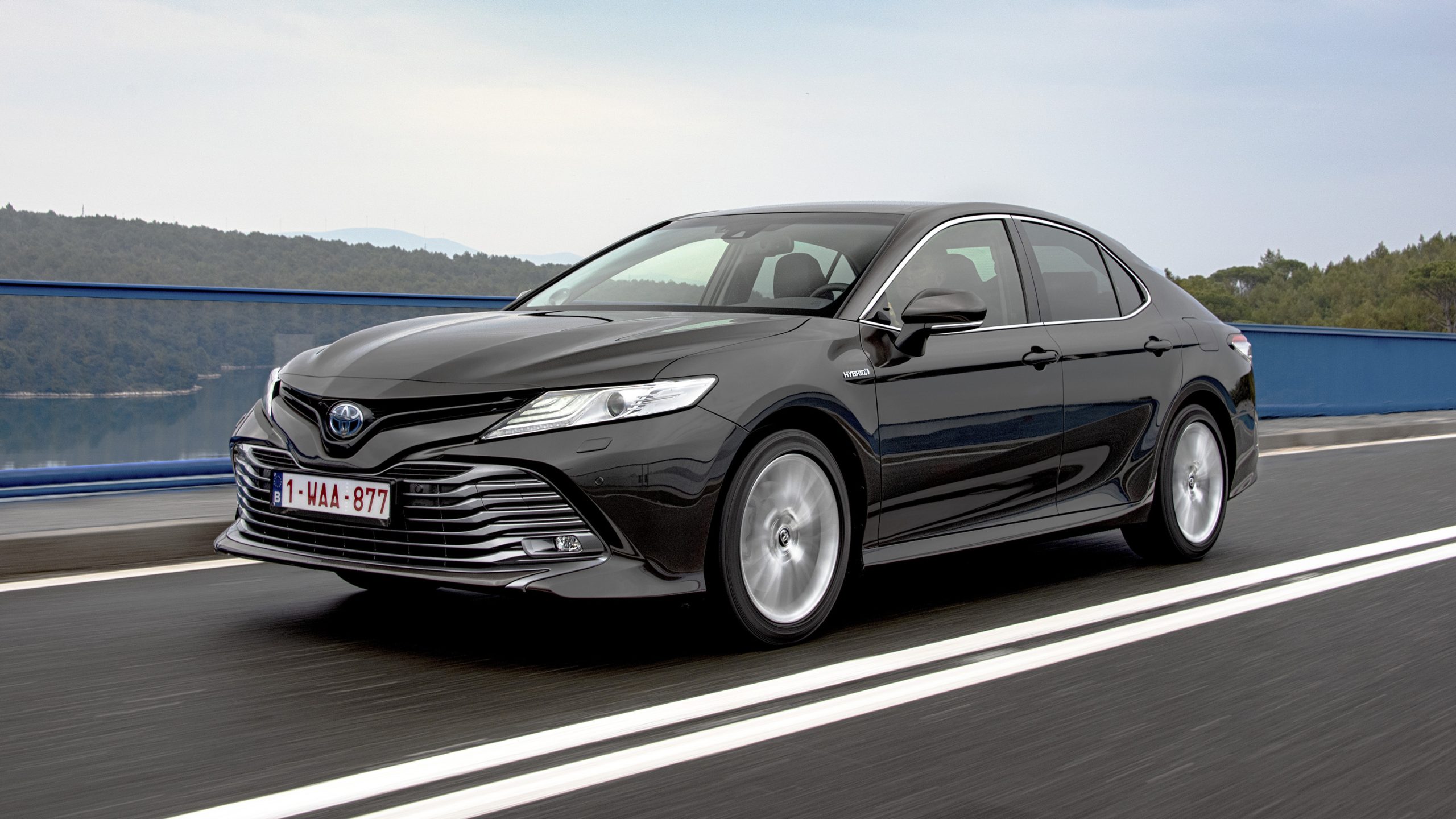
2. Toyota Camry
The Toyota Camry has built a reputation over decades as one of the most dependable and practical sedans in the automotive market. In recent years, Toyota has strengthened the Camry’s appeal by equipping it with increasingly advanced safety and driver assistance technologies.
The latest Toyota Safety Sense 3.0 package includes a highly capable Adaptive Cruise Control system that performs effectively across a wide range of driving conditions. Toyota’s approach emphasizes safety, predictability, and comfort, making the Camry an excellent choice for drivers who prioritize reliability and ease of use.
One of the most impressive qualities of the Camry’s Adaptive Cruise Control system is its predictive driving behavior. Rather than reacting aggressively to vehicles ahead, the system gradually adjusts speed in anticipation of changing traffic flow.
This creates smoother transitions that feel more comfortable for both drivers and passengers. Sudden braking events are minimized because the system continuously analyzes traffic conditions ahead and responds early. This proactive behavior helps maintain stable traffic flow and reduces the stress associated with highway commuting.
Toyota has also refined the stop-and-go functionality in the Camry, making it highly practical for daily urban driving. In heavy traffic situations, the vehicle can automatically slow down to a complete stop and resume movement when traffic begins moving again.
Although the system tends to leave slightly larger following distances compared to some competitors, many drivers appreciate this conservative calibration because it enhances safety and reduces the likelihood of abrupt braking. Toyota’s engineering philosophy clearly prioritizes predictable and cautious behavior over aggressive traffic maneuvering.
Another strength of the Camry’s system is its integration with lane tracing assist technology. When activated together, the vehicle can maintain lane position while simultaneously controlling speed and following distance. This significantly reduces driver fatigue during long highway journeys.
The steering corrections are smooth and subtle, avoiding the unnatural feeling sometimes associated with lower-quality lane assistance systems. Drivers often report that the Camry’s highway assistance features create a calm and stable driving experience that inspires confidence rather than anxiety.
Fuel efficiency also plays a role in how Toyota calibrates its Adaptive Cruise Control system. The Camry is known for strong fuel economy, especially in hybrid variants, and the ACC system supports this efficiency-focused approach by avoiding unnecessary acceleration and harsh braking.
Smooth speed adjustments help optimize energy consumption while maintaining passenger comfort. This is especially beneficial for drivers who travel long distances regularly and want to maximize fuel savings without sacrificing convenience.
The Camry also benefits from Toyota’s long-standing reputation for durability and low maintenance costs. Buyers who invest in a Camry with Adaptive Cruise Control often feel confident that the system will remain dependable over years of ownership.
Combined with a comfortable interior, quiet cabin, and refined suspension, the Camry delivers one of the most balanced and trustworthy Adaptive Cruise Control experiences available in the midsize sedan segment.
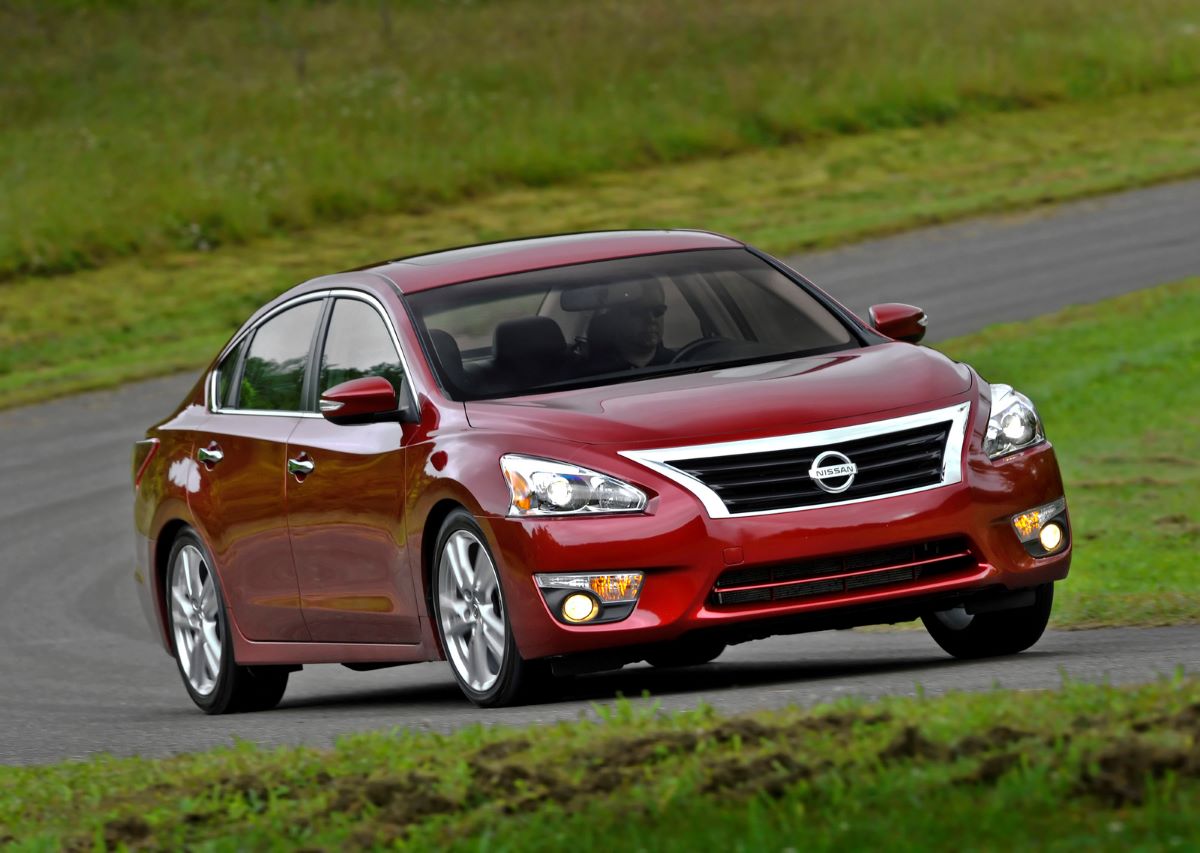
3. Nissan Altima
The Nissan Altima stands out in the midsize sedan category because of its advanced ProPILOT Assist technology, which combines Adaptive Cruise Control with steering assistance to create a more comprehensive highway driving experience.
Nissan designed this system to reduce driver fatigue during commuting and long-distance travel while maintaining a natural and predictable driving feel. Over multiple generations, Nissan has refined ProPILOT Assist into one of the more approachable semi-autonomous driving systems available in mainstream sedans.
The stop-and-go functionality is another major advantage of ProPILOT Assist. In congested traffic, the Altima can slow to a complete stop and resume movement when traffic begins moving again. The transition between stopping and accelerating feels relatively natural, and the system maintains a comfortable following distance.
Drivers in busy urban environments often find this feature especially useful because it reduces stress during slow-moving traffic conditions. Nissan has tuned the system carefully to avoid overly aggressive acceleration after stops, helping maintain passenger comfort.
Another reason the Altima performs well in this category is Nissan’s emphasis on accessibility. Unlike some competitors that reserve advanced driving assistance systems for expensive trims, Nissan has made ProPILOT Assist available on several Altima configurations.
This allows more buyers to access advanced safety and convenience technology without entering the luxury sedan market. The value proposition becomes even stronger when considering the Altima’s competitive pricing and efficient powertrain options.
Real-world reliability is equally important, and the Altima’s Adaptive Cruise Control system generally performs consistently in varying traffic conditions. The radar and camera systems effectively detect vehicles ahead, and the software logic handles most situations smoothly.
While no driver assistance system is perfect, Nissan’s implementation strikes a strong balance between convenience, responsiveness, and driver confidence. This makes the Altima one of the most practical midsize sedans for buyers specifically seeking dependable Adaptive Cruise Control functionality.
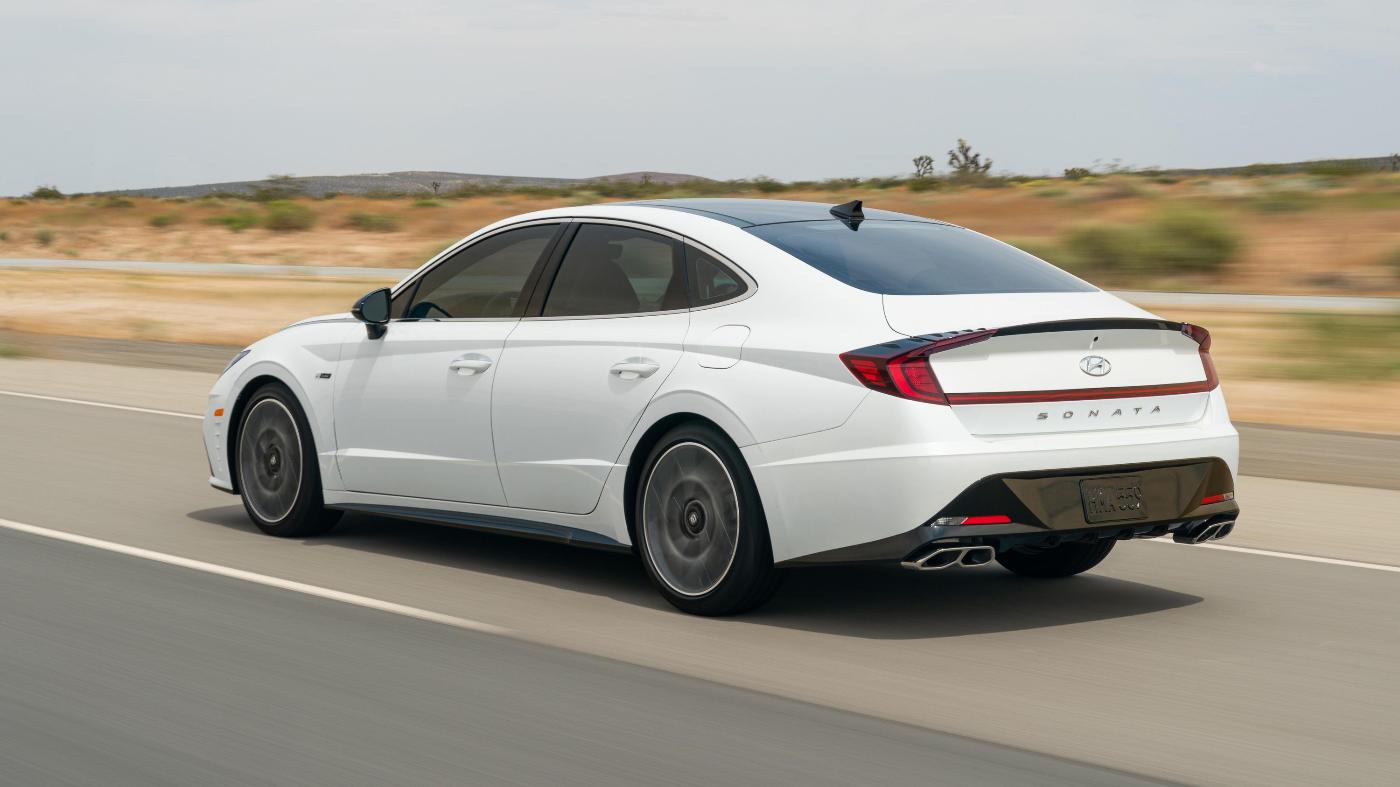
4. Hyundai Sonata
The Hyundai Sonata has transformed dramatically over the past decade, evolving from a budget-focused sedan into one of the most technologically advanced vehicles in its class. Hyundai’s SmartSense driver assistance suite includes an impressive Adaptive Cruise Control system that competes directly with systems found in more expensive sedans.
The Sonata combines advanced technology, attractive styling, strong value, and practical everyday usability, making it one of the best choices for drivers seeking affordable yet capable driving assistance features.
The Sonata performs especially well in stop-and-go traffic situations. The system can automatically slow the vehicle to a complete stop and resume movement when traffic starts moving again. For drivers dealing with dense urban congestion or daily commuting, this feature significantly reduces stress and physical fatigue.
Instead of constantly managing brake and accelerator inputs, the driver can allow the system to handle repetitive traffic adjustments. Hyundai’s smooth braking calibration ensures passengers do not experience uncomfortable jolts during traffic transitions.
Another major advantage of the Sonata is the integration between the Adaptive Cruise Control and lane following technologies. When activated together, the system can maintain both speed and lane position on highways with impressive stability.
The steering assistance feels confident without becoming overly intrusive, helping drivers remain centered within their lane during long journeys. This integrated driving assistance creates a more premium experience that rivals more expensive sedans from luxury brands.
Value remains one of the Sonata’s strongest selling points. Hyundai offers advanced driving assistance features at price levels that undercut many competitors. Buyers can access high-quality Adaptive Cruise Control technology without paying luxury vehicle prices.
This affordability has helped Hyundai gain significant attention among consumers seeking modern safety features in practical daily drivers. When considering technology, comfort, reliability, and price together, the Sonata stands out as one of the strongest value-oriented sedans with working Adaptive Cruise Control.
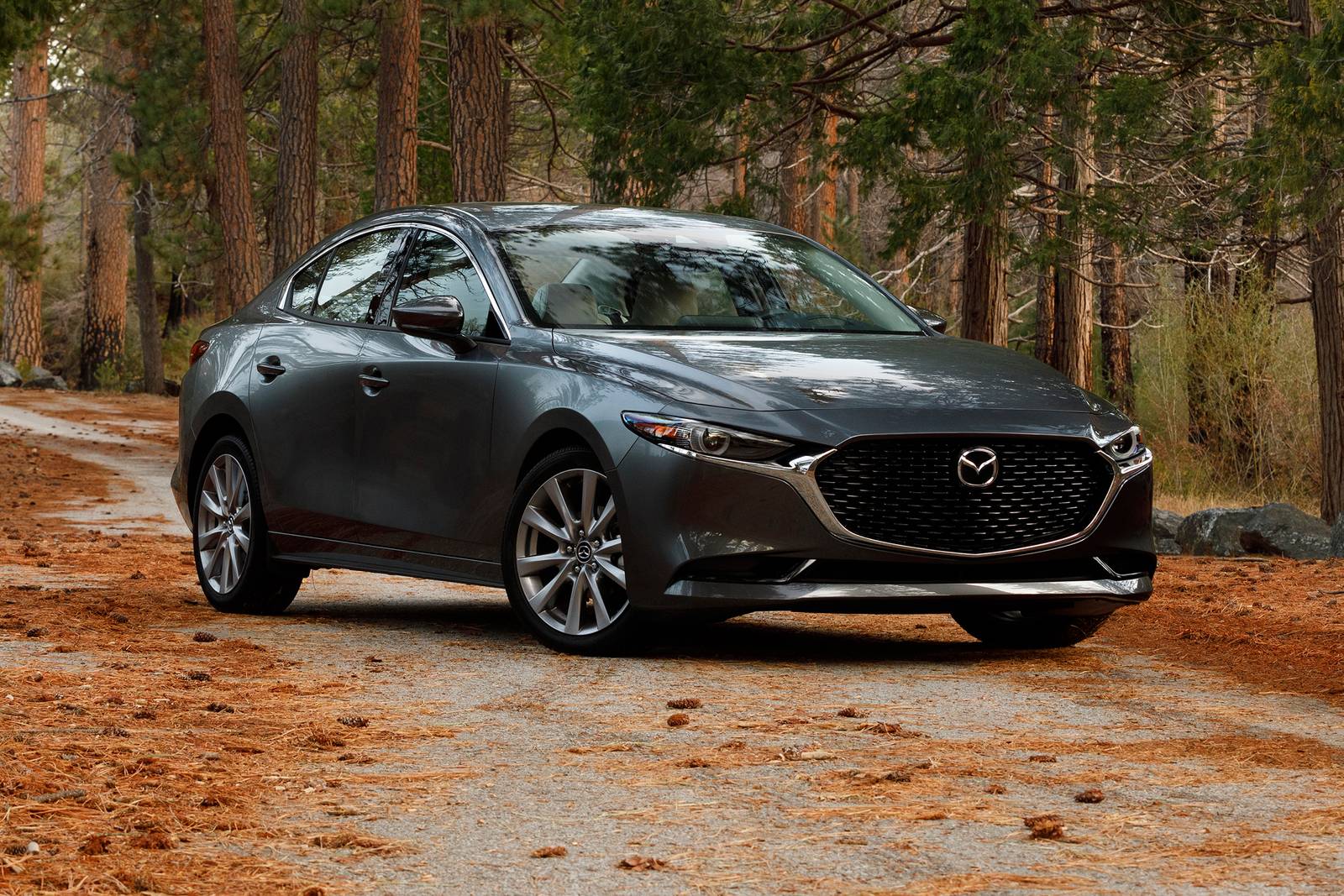
5. Mazda3
The Mazda3 Sedan occupies a unique position in the compact sedan market because it blends sporty driving dynamics with premium-level interior refinement and advanced safety technologies. Mazda approaches vehicle engineering differently from many mainstream manufacturers by emphasizing driver engagement alongside comfort and practicality.
This philosophy extends to the Mazda3’s Adaptive Cruise Control system, which is part of the company’s i-Activsense safety suite. Rather than feeling detached or overly automated, the system is designed to support the driver while preserving the responsive character that Mazda vehicles are known for.
During long-distance highway driving, the Mazda3 provides a relaxed experience without sacrificing driver confidence. The combination of stable handling, accurate steering, and smooth ACC operation creates a sophisticated driving environment that feels more premium than many competitors in the same segment.
Stop-and-go functionality further improves the Mazda3’s usability in daily commuting situations. In congested traffic, the system can slow the car to a complete stop and resume movement when traffic flow returns. Mazda has tuned the acceleration behavior carefully so that the car does not surge forward aggressively after stopping.
This smoothness helps maintain passenger comfort and reduces fatigue during repetitive urban driving conditions. Commuters who regularly encounter traffic congestion benefit significantly from this feature because it minimizes the physical workload associated with constant pedal inputs.
Mazda also integrates lane keep assistance alongside Adaptive Cruise Control to improve highway stability. When both systems are active, the vehicle can maintain lane position while managing speed and following distance. The steering corrections feel subtle and refined rather than abrupt or mechanical.
Drivers still need to remain fully attentive, but the reduced steering workload contributes to a calmer and more controlled driving experience. This integrated assistance is especially beneficial during long journeys where fatigue can impact concentration.
In terms of value, the Mazda3 competes effectively against both mainstream and entry-level premium sedans. Buyers receive advanced safety features, refined driving manners, premium cabin quality, and dependable Adaptive Cruise Control performance in a compact and efficient package.
This combination makes the Mazda3 Sedan one of the most well-rounded options for drivers seeking a practical vehicle with engaging road manners and genuinely effective driver assistance technology.
Also Read: 10 Cars That Survive Being Used as Daily Uber Vehicles
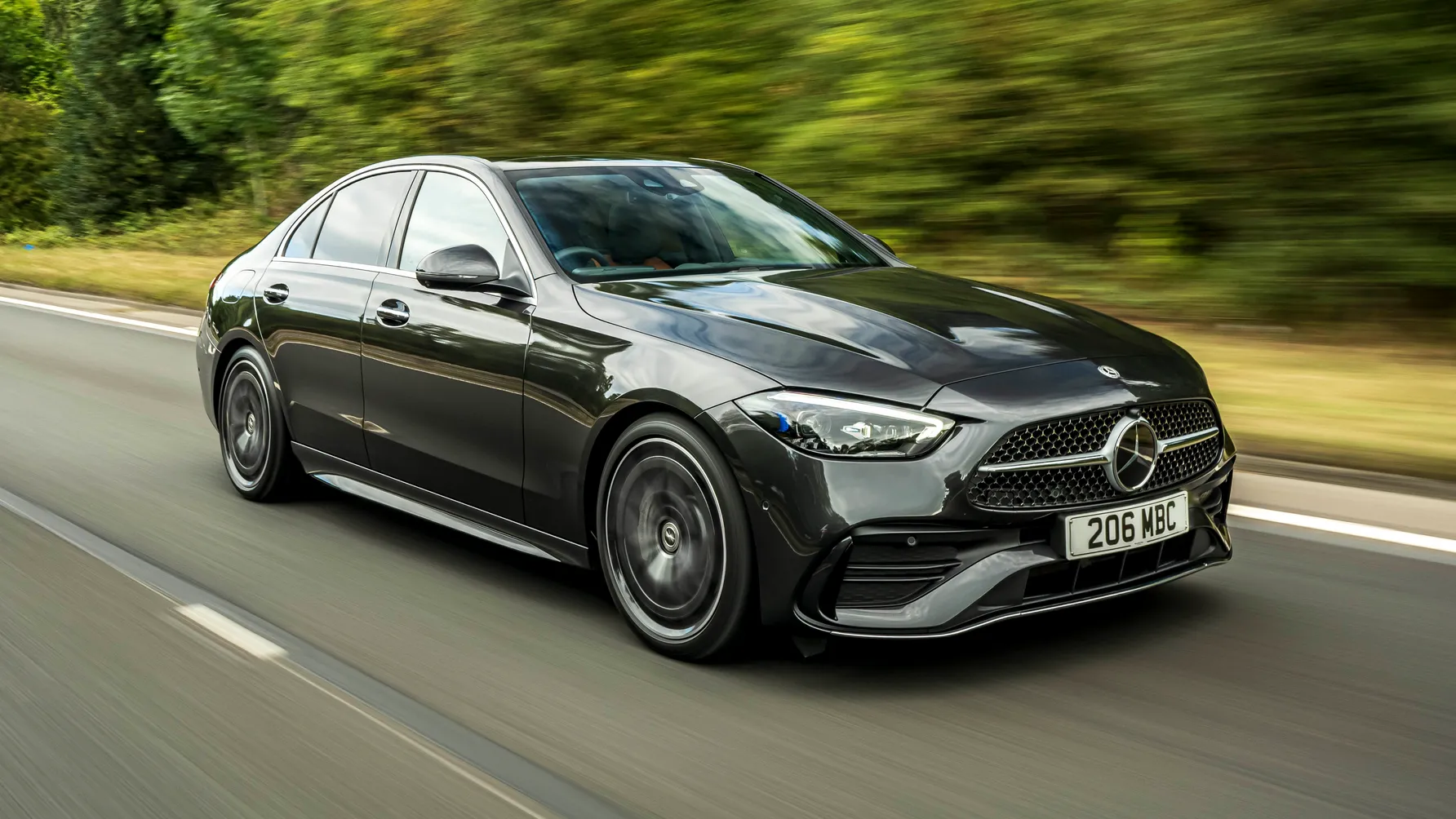
6. Mercedes-Benz C-Class
The Mercedes-Benz C-Class has long represented one of the benchmarks for luxury compact sedans, combining advanced engineering, premium comfort, and cutting-edge driver assistance technology. Among its most impressive features is the DISTRONIC Adaptive Cruise Control system, which has consistently ranked among the most refined and sophisticated ACC systems available in the automotive industry.
Mercedes-Benz has spent years perfecting this technology, and the result is a system that feels remarkably smooth, intelligent, and confidence-inspiring in real-world driving conditions. Unlike many mainstream systems that focus purely on maintaining distance and speed, DISTRONIC creates a more seamless and semi-autonomous driving experience that emphasizes both comfort and precision.
The stop-and-go traffic capability in the C-Class is particularly advanced. In congested urban traffic conditions, the system can bring the vehicle to a complete stop and resume movement automatically when traffic begins moving again. This feature dramatically reduces driver fatigue during long commutes or slow-moving traffic jams.
Mercedes-Benz has designed the system to operate with minimal disruption, making transitions between stopping and accelerating feel extremely fluid. Drivers often report that using DISTRONIC in heavy traffic transforms stressful commuting into a far more relaxed experience.
Mercedes-Benz also equips the C-Class with highly advanced sensor technology that improves the accuracy and reliability of DISTRONIC. The system uses a combination of radar sensors, cameras, and intelligent software algorithms to monitor surrounding traffic conditions continuously.
This allows the vehicle to respond quickly and effectively to changing situations, including sudden speed reductions from vehicles ahead. The system performs particularly well on highways where traffic flow is relatively consistent, although it remains dependable in most everyday driving environments as well.
Another important factor is Mercedes-Benz’s focus on driver confidence and system transparency. The digital instrument cluster provides clear visual feedback regarding following distance, active lane assistance, and vehicle detection.
Drivers can easily monitor what the system is doing at any given moment, which helps build trust in the technology. Adjustable following distance settings also allow users to tailor the driving behavior according to their preferences and traffic conditions.
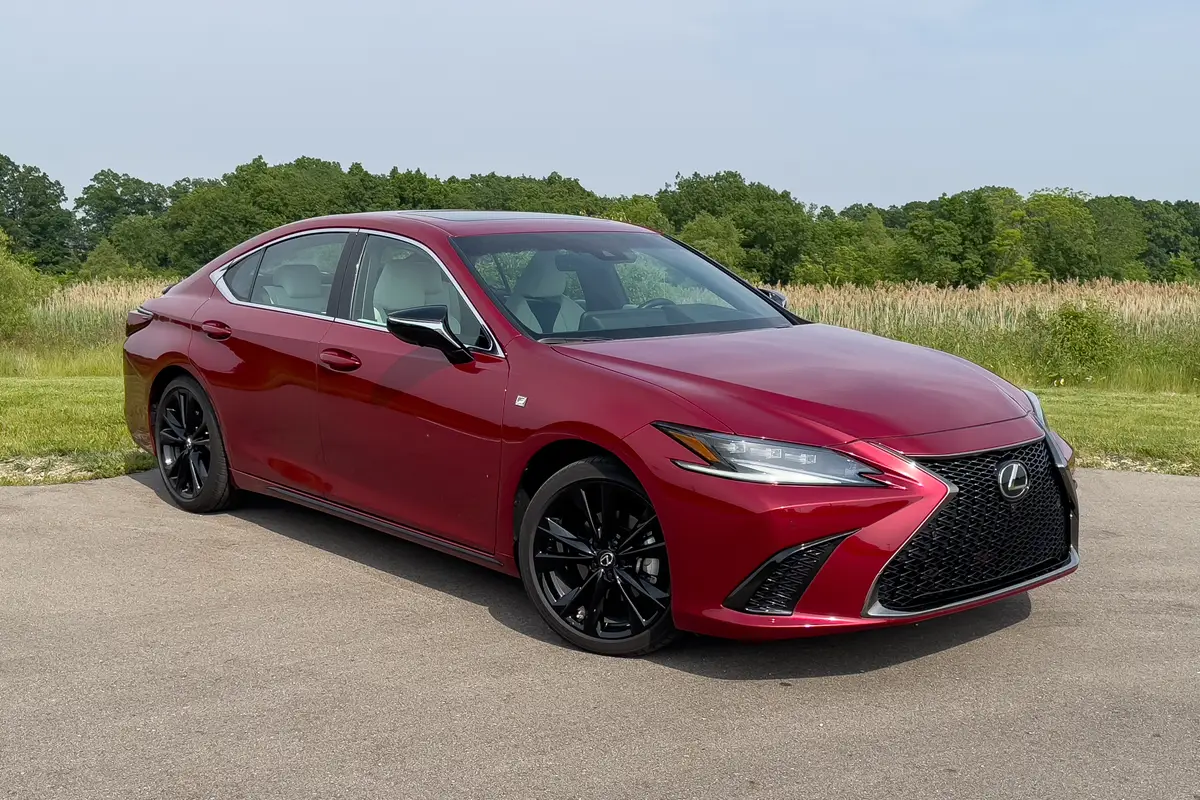
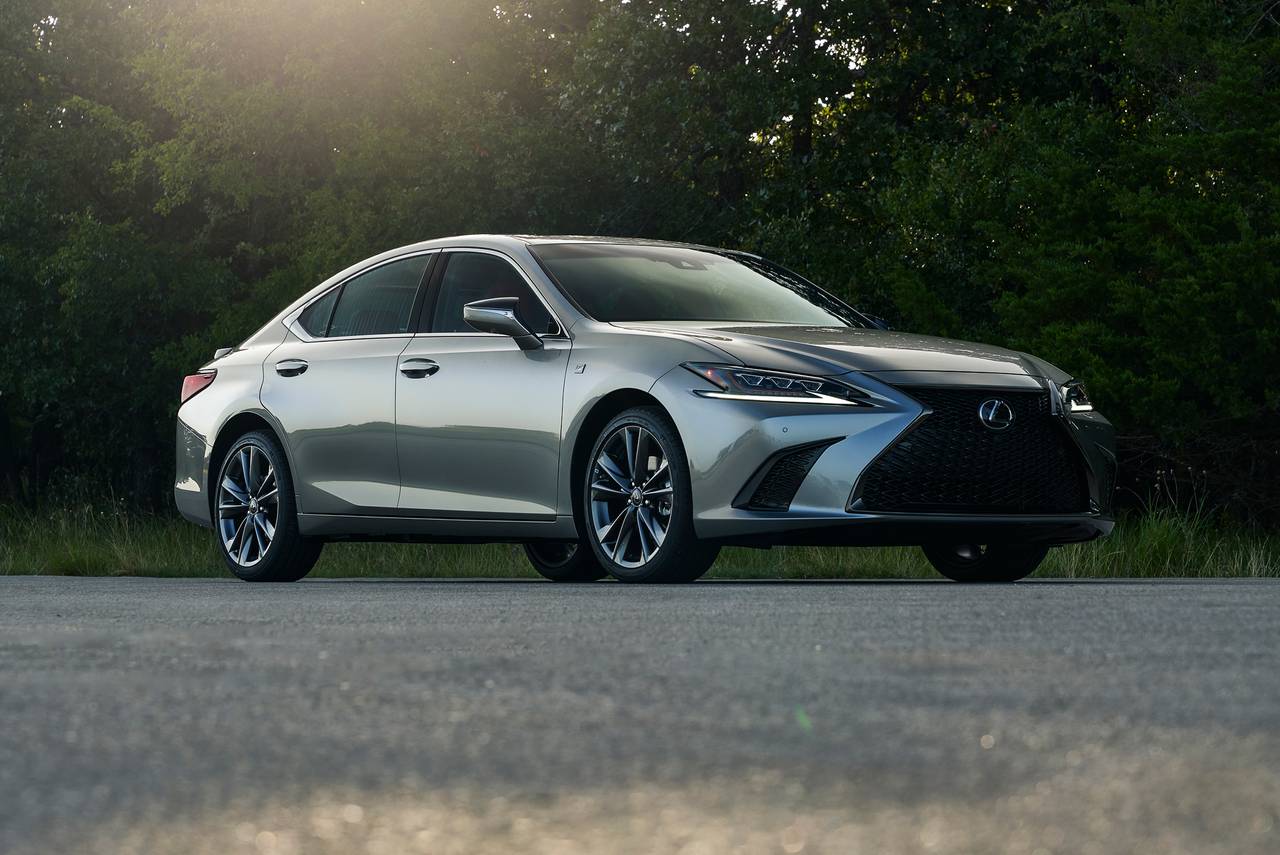
7. Lexus ES
The Lexus ES has earned a reputation as one of the most comfortable and reliable luxury sedans available today. While many luxury vehicles emphasize sportiness or aggressive performance, the ES focuses primarily on refinement, ride comfort, quietness, and stress-free driving.
These qualities align perfectly with the sedan’s Adaptive Cruise Control system, which is included as part of the Lexus Safety System+ package. Lexus has carefully engineered this technology to prioritize smoothness, predictability, and passenger comfort, creating one of the most relaxing highway driving experiences in the midsize luxury sedan segment.
Stop-and-go functionality is also integrated effectively into the Lexus ES. In congested traffic conditions, the system can bring the vehicle to a complete stop and resume movement when traffic begins moving again. The transitions between stopping and accelerating are impressively smooth, reflecting Lexus’ broader focus on ride quality and passenger comfort.
Urban commuters benefit significantly from this capability because it reduces the repetitive physical effort associated with managing slow-moving traffic. The quiet cabin environment further enhances this experience, making heavy traffic feel less stressful than in many competing sedans.
Lexus also combines Adaptive Cruise Control with lane tracing assistance to improve highway stability and reduce driver fatigue. When both systems are active, the ES can maintain lane position while controlling speed and following distance simultaneously.
The steering inputs are subtle and controlled, helping the car remain centered within the lane without creating an artificial or intrusive sensation. Drivers remain fully responsible for vehicle operation, but the system significantly reduces the amount of constant steering correction needed during long highway journeys.
For drivers seeking a luxury sedan that prioritizes comfort, smoothness, reliability, and stress-free commuting, the Lexus ES stands out as one of the best choices available.
Its Adaptive Cruise Control system may not be the most aggressive or technologically flashy, but it excels at delivering exactly what many luxury sedan buyers value most: a calm, refined, and highly comfortable driving experience that reduces fatigue and enhances long-distance travel comfort.
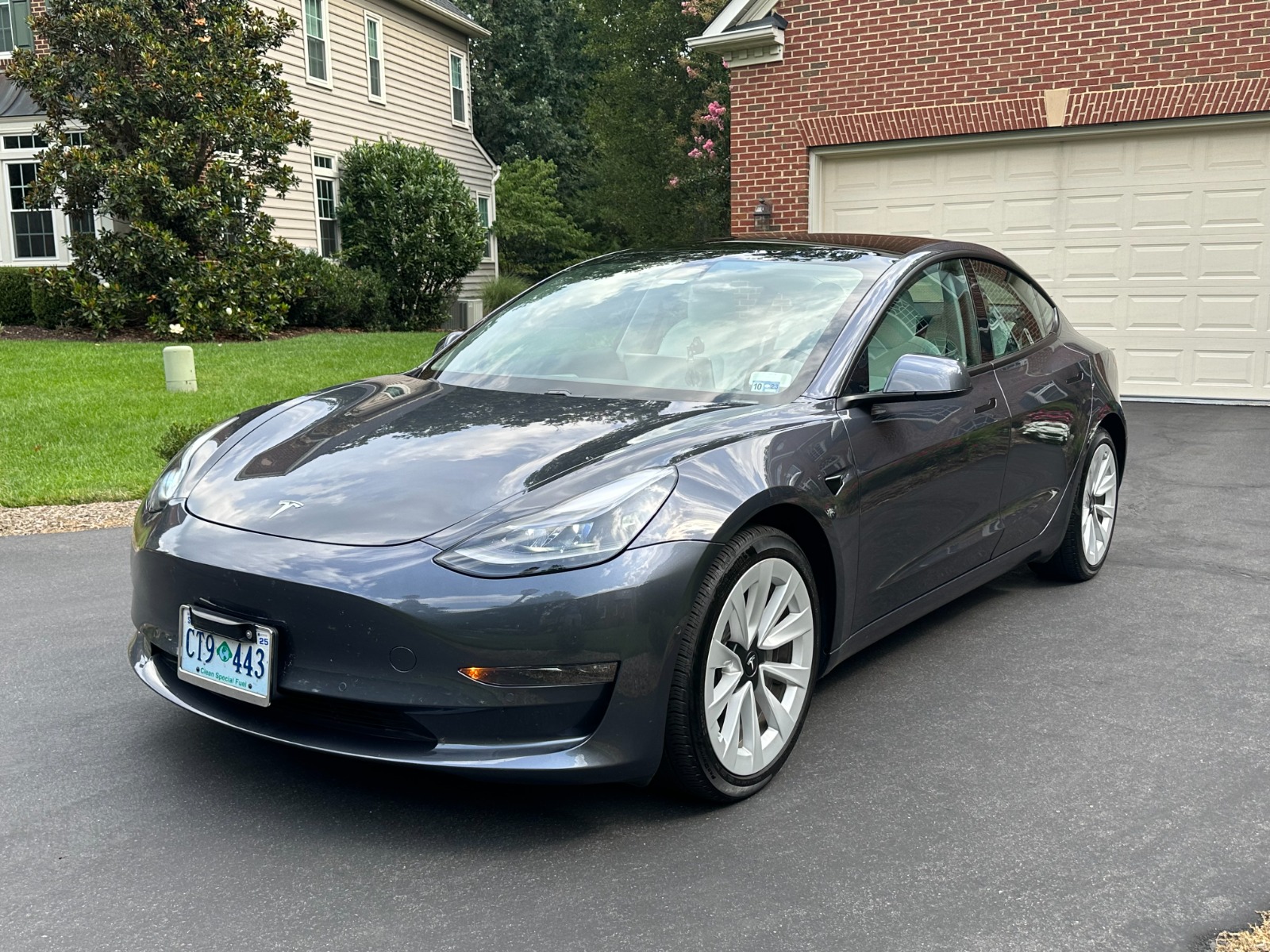
8. Tesla Model 3
The Tesla Model 3 has played a major role in redefining modern driver assistance technology and public expectations surrounding semi-autonomous driving systems. Unlike many traditional automakers that evolved slowly from basic cruise control systems, Tesla approached the concept from a software-first perspective.
The Model 3’s Traffic-Aware Cruise Control system forms the foundation of Tesla’s broader Autopilot platform, integrating speed management, traffic monitoring, and advanced vehicle awareness into a highly digital driving experience. As a result, the Model 3 offers one of the most technologically advanced Adaptive Cruise Control systems currently available in the sedan market.
Tesla also integrates Traffic-Aware Cruise Control with lane centering and steering assistance features through its Autopilot system. When activated on highways, the vehicle can maintain lane position while automatically adjusting speed and following distance according to surrounding traffic conditions.
The steering assistance feels confident and stable, particularly on well-marked highways. While drivers must remain attentive and ready to take control at all times, the reduction in driving workload is substantial during long highway journeys.
The minimalist interior design of the Model 3 contributes to the futuristic nature of the driving experience. Tesla has eliminated many traditional controls and centralized most vehicle functions within a large touchscreen interface.
This clean and technology-focused cabin environment reinforces the sense that the car operates differently from traditional sedans. Adaptive Cruise Control settings, lane assistance features, and traffic visualizations are all displayed digitally, giving drivers detailed real-time feedback regarding surrounding vehicles and system behavior.
The Tesla Model 3 represents one of the most advanced interpretations of Adaptive Cruise Control in a modern sedan. Its software-driven architecture, AI-based traffic monitoring, smooth electric driving characteristics, and seamless integration with broader Autopilot features create a highly sophisticated driving assistance experience.
For technology-focused buyers who value innovation, responsiveness, and future-oriented automotive design, the Model 3 stands out as one of the strongest sedan options with working Adaptive Cruise Control available today.
