
For decades, Toyota has built its reputation on one core strength that matters more to many buyers than horsepower numbers or flashy interiors.
Reliability. In a market where vehicles are becoming increasingly complicated with advanced electronics, turbocharged engines, and expensive technology packages, Toyota continues to produce models that can survive years of commuting, family road trips, rough weather, neglected maintenance, and high mileage without turning ownership into a financial nightmare.
That consistency is why Toyota products regularly dominate long-term dependability studies and reliability rankings from major automotive research organizations.
The company’s strongest vehicles are not always the fastest or most luxurious in their segments. Instead, they succeed because they deliver something buyers value deeply after the excitement of a new purchase fades.
They start every morning, require fewer surprise repairs, maintain strong resale value, and often continue running smoothly long after competitors begin showing serious mechanical wear.
For many owners, reliability is not simply about avoiding inconvenience. It directly affects monthly budgets, insurance decisions, family transportation needs, and long-term satisfaction with ownership.
Toyota’s success in reliability rankings is also tied to engineering philosophy. Rather than chasing radical redesigns every few years, the company tends to improve proven systems gradually.
Engines, transmissions, and hybrid systems are refined carefully instead of being replaced constantly with untested ideas. That patient development process has produced some of the most trusted vehicles on roads around the world.
The models on this list represent some of Toyota’s strongest achievements in durability and dependability. These vehicles earned places among the top reliability rankings because they consistently satisfied owners and survived real-world driving conditions better than many rivals.
Some are family sedans, others are SUVs or trucks, but all share the same reputation for lasting far beyond expectations. Here are eight Toyota models that made the top 10 reliability list and why each one continues to stand out in a crowded automotive industry.
Also Read: 10 Cars With the Coldest AC Out of the Factory
1. Toyota Corolla
The Toyota Corolla has spent decades proving that simplicity and consistency can create one of the most dependable cars ever built. While many compact sedans attempt to attract buyers with aggressive styling or sporty performance, the Corolla has traditionally focused on dependable transportation first.
That decision helped transform it into one of the highest-selling vehicles in automotive history and one of the most trusted names in reliability rankings.
A major reason behind the Corolla’s success is Toyota’s refusal to overcomplicate the formula. The engines used in recent Corolla generations are engineered for longevity rather than maximum output.
Many owners report driving well beyond 200,000 miles with only routine maintenance such as oil changes, brake replacements, and fluid service. The naturally aspirated four-cylinder engines avoid the excessive stress that can come with heavily turbocharged competitors, allowing components to last longer under daily use.
Another strength comes from the Corolla’s predictable ownership costs. Repair bills tend to remain manageable because replacement parts are widely available and mechanics are familiar with the platform.
This matters significantly for buyers planning long-term ownership. A reliable vehicle becomes far more valuable when it is also inexpensive to maintain year after year.
The interior may not feel luxurious compared to some rivals, but durability inside the cabin is another hidden advantage. Seats, switches, climate controls, and infotainment systems generally age well even after years of commuting and heavy family use.
Owners often describe older Corollas as vehicles that simply refuse to quit despite constant driving abuse.
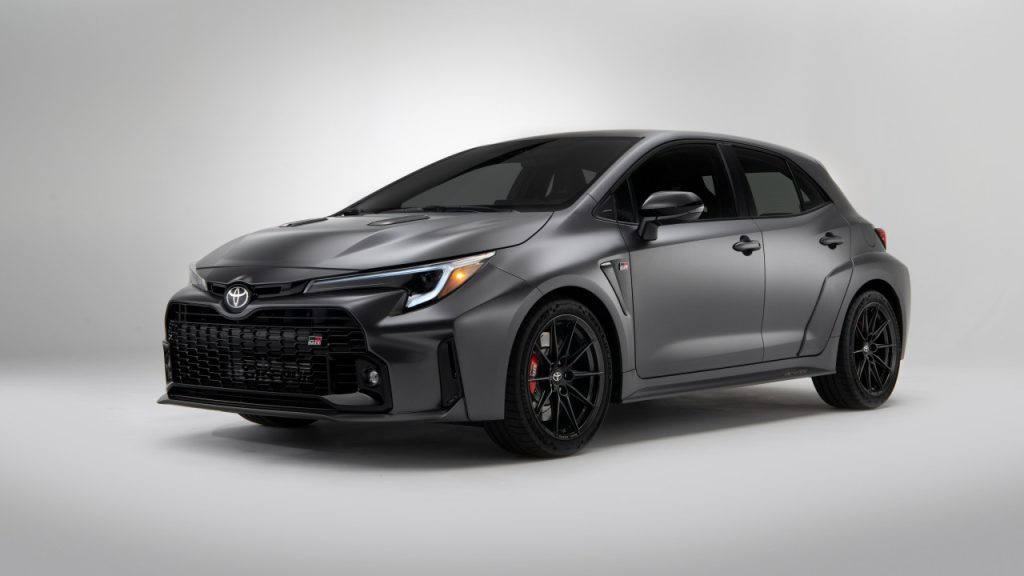
Fuel efficiency also contributes to the Corolla’s dependable image. Efficient engines place less strain on mechanical systems during regular operation, helping extend the life of major components. Combined with Toyota’s strong manufacturing standards, the result is a compact sedan that repeatedly earns top reliability scores.
Many manufacturers have produced economical compact cars, but few have achieved the Corolla’s balance of durability, affordability, efficiency, and low-stress ownership. That combination continues to keep it near the top of reliability rankings generation after generation.
2. Toyota Camry
The Toyota Camry became one of America’s most successful midsize sedans because it mastered the art of dependable daily transportation.
While some competitors chased sportier handling or dramatic styling changes, the Camry developed a reputation as the vehicle families could trust for years without major mechanical headaches. That reputation still shapes the model’s standing in modern reliability studies.
One reason the Camry performs so well in dependability rankings is the strength of its powertrain lineup. Toyota has historically paired the car with durable four-cylinder and V6 engines that are designed to handle long-term use with minimal drama.
Even high-mileage Camrys frequently maintain smooth engine operation and stable transmission performance when serviced properly. Taxi fleets and rideshare drivers often favor the Camry because it tolerates constant operation better than many rivals.
Toyota’s conservative engineering approach benefits the Camry tremendously. Instead of introducing risky technology before it is fully proven, Toyota usually refines systems over several production cycles.
That reduces the likelihood of widespread failures involving electronics, transmissions, or engine components. Buyers may not always receive the newest innovations first, but they often gain a far more dependable ownership experience.
Road comfort also contributes to customer satisfaction. The Camry is designed to absorb daily commuting stress with quiet cabin insulation and suspension tuning that prioritizes comfort. A vehicle that remains comfortable and mechanically stable after years of ownership naturally earns stronger long-term reviews from drivers.
Resale value is another indicator of the Camry’s reliability reputation. Used car buyers consistently seek older Camrys because they believe the cars still have many dependable years remaining. That demand keeps resale prices strong compared to many midsize sedan competitors.
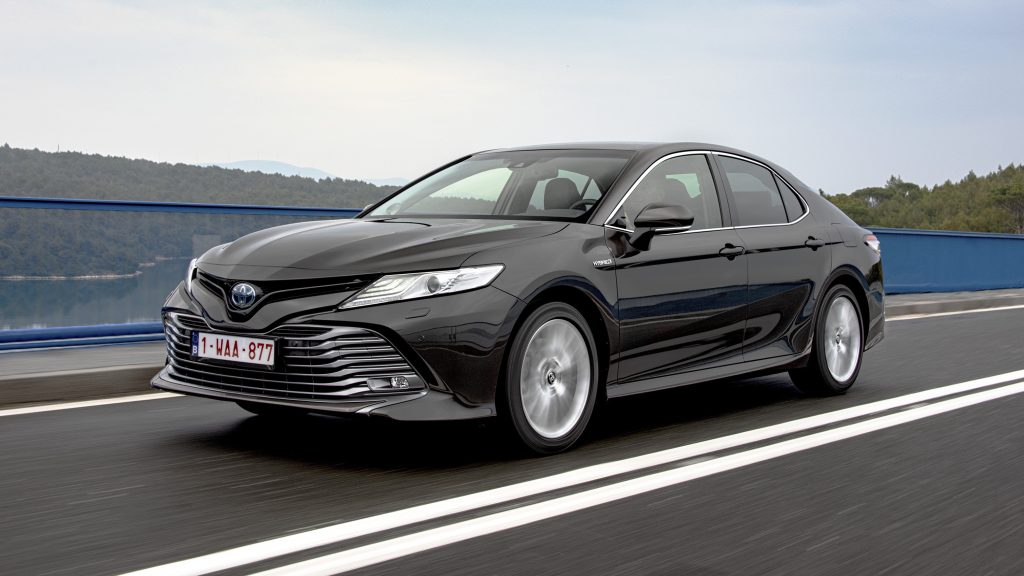
The hybrid versions strengthened the Camry’s reliability image even further. Toyota’s hybrid systems are considered among the most trusted in the industry, with battery packs and electric components regularly lasting far longer than skeptics once predicted. Owners often report exceptional fuel economy without sacrificing durability.
The Camry may not generate excitement in the same way as sports sedans or luxury vehicles, but reliability rankings reward consistency more than flashiness. Few midsize cars have delivered dependable transportation to as many owners for as many years as the Toyota Camry.
3. Toyota Prius
When the Toyota Prius first arrived, many buyers questioned whether hybrid technology could survive long-term ownership without expensive failures. More than two decades later, the Prius has answered those doubts by becoming one of the most dependable hybrid vehicles ever produced.
Its strong reliability rankings are especially impressive because hybrid systems are more complex than traditional gasoline-powered cars. Yet Toyota engineered the Prius with durability as a priority from the beginning.
One of the most important reasons behind the Prius’s dependability is the maturity of Toyota’s hybrid technology. Rather than rushing updates into production, Toyota refined its hybrid system carefully over multiple generations.
The electric motor, battery pack, regenerative braking system, and gasoline engine work together smoothly without placing excessive strain on individual components. That balance has helped countless Prius models survive extremely high-mileage use.
The Prius gained particular respect among taxi companies and rideshare drivers. Many examples have accumulated hundreds of thousands of miles while maintaining solid fuel economy and relatively low repair costs.
Such heavy usage acts as a real-world durability test, and the Prius consistently performed better than many conventional vehicles under the same demanding conditions.
Its braking system deserves special attention as well. Regenerative braking reduces wear on traditional brake components because the electric motor helps slow the vehicle. Owners often find that brake pads last significantly longer than those on non-hybrid cars. This lowers maintenance costs and contributes to the Prius’s reputation for economical ownership.
The cabin design may appear unconventional, but interior controls and materials generally hold up well over time. Toyota engineered the Prius for practical long-term use rather than luxury presentation.
Many older models still operate with functional electronics, reliable climate control systems, and durable seating surfaces despite years of constant commuting.
Fuel efficiency is naturally a major attraction, but the Prius succeeded because it combined efficiency with reliability. Some highly efficient vehicles save fuel while creating expensive maintenance concerns later. The Prius avoided that trap by proving its hybrid system could remain dependable over extended ownership periods.
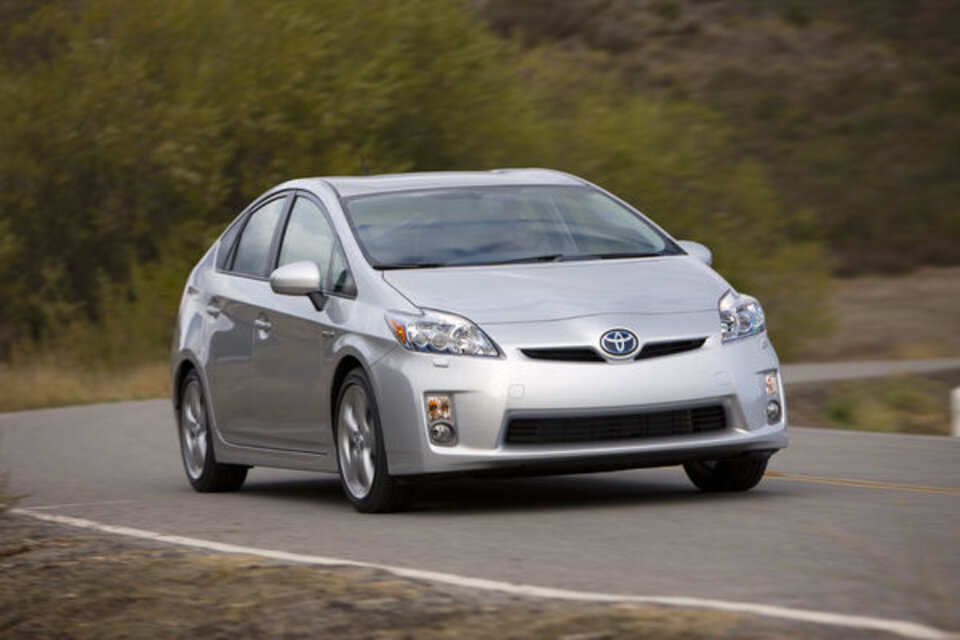
For buyers worried about unpredictable repair bills, the Prius became evidence that advanced technology does not automatically mean reduced durability. Toyota managed to make one of the automotive industry’s most fuel-efficient vehicles into one of its most trusted long-term performers as well.
4. Toyota Tacoma
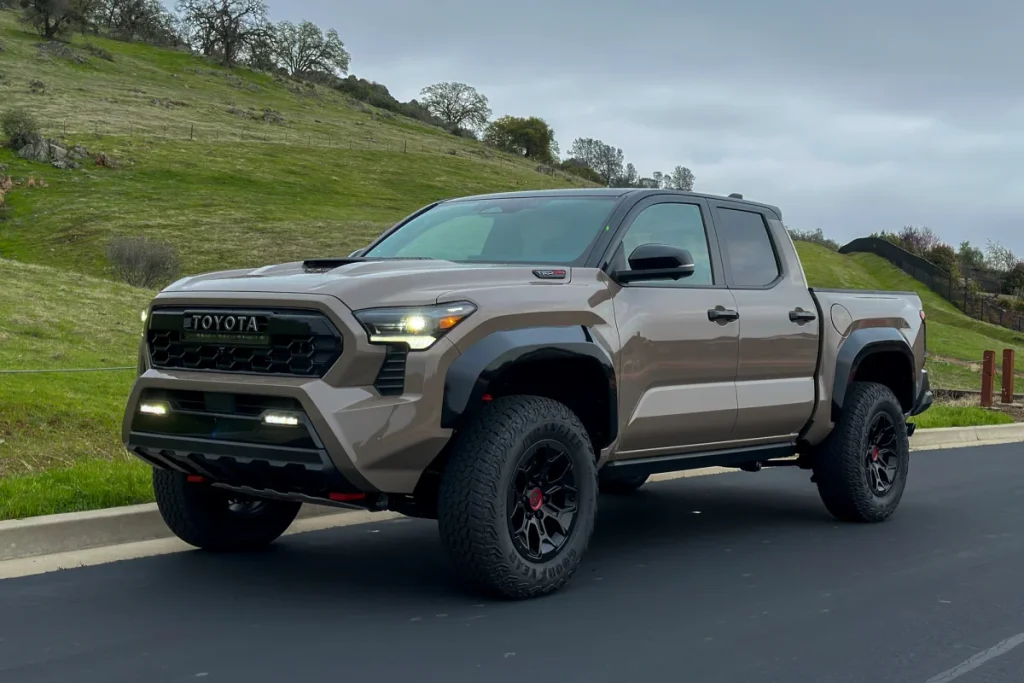
The Toyota Tacoma earned its reliability reputation in environments far harsher than ordinary commuting. Owners use Tacomas for construction work, off-road adventures, towing duties, mountain driving, and long-distance travel through punishing terrain.
Despite that abuse, the truck repeatedly appears near the top of dependability rankings because it continues functioning when many competitors begin showing serious wear.
One factor separating the Tacoma from rival midsize trucks is Toyota’s focus on durability instead of chasing maximum towing numbers or aggressive luxury features.
The Tacoma’s engines and transmissions are designed to survive long periods of demanding use. Owners frequently report extremely high-mileage examples that still retain strong drivability and dependable mechanical performance years after purchase.
Off-road capability also plays a role in the Tacoma’s legendary status. Trucks used away from paved roads endure suspension stress, underbody impacts, dirt exposure, and uneven terrain that can accelerate wear.
Yet the Tacoma’s rugged frame and suspension setup have proven remarkably resilient. Outdoor enthusiasts trust the vehicle because it consistently handles rough conditions without developing major reliability problems.
The truck’s resale value tells an important story. Used Tacomas often command unusually high prices even when they have significant mileage. Buyers willingly pay more because they believe the truck still has years of dependable service remaining. Few vehicles maintain value so strongly after heavy usage.
Toyota’s engineering philosophy again becomes visible in the Tacoma. Rather than introducing dramatic redesigns constantly, Toyota tends to refine proven mechanical systems carefully. Some critics call the Tacoma conservative compared to newer rivals loaded with advanced technology, but that restraint has helped preserve reliability.
Interior durability matters for truck owners as well. Work trucks experience muddy boots, tool hauling, rough handling, and daily wear that quickly damages weaker cabs. Tacoma interiors are built to tolerate abuse without falling apart. Switchgear, seats, and controls generally remain functional even after years of demanding use.
The Tacoma also benefits from a loyal owner community and widespread aftermarket support. Mechanics know the platform well, replacement parts are accessible, and maintenance procedures are straightforward. Those factors reduce ownership stress and help the truck remain practical long after purchase.
Many trucks advertise toughness, but the Tacoma built its reputation through real-world endurance. Whether used on job sites, mountain trails, or long highway commutes, it consistently proves capable of handling difficult conditions while maintaining the dependability Toyota is famous for.
5. Toyota RAV4
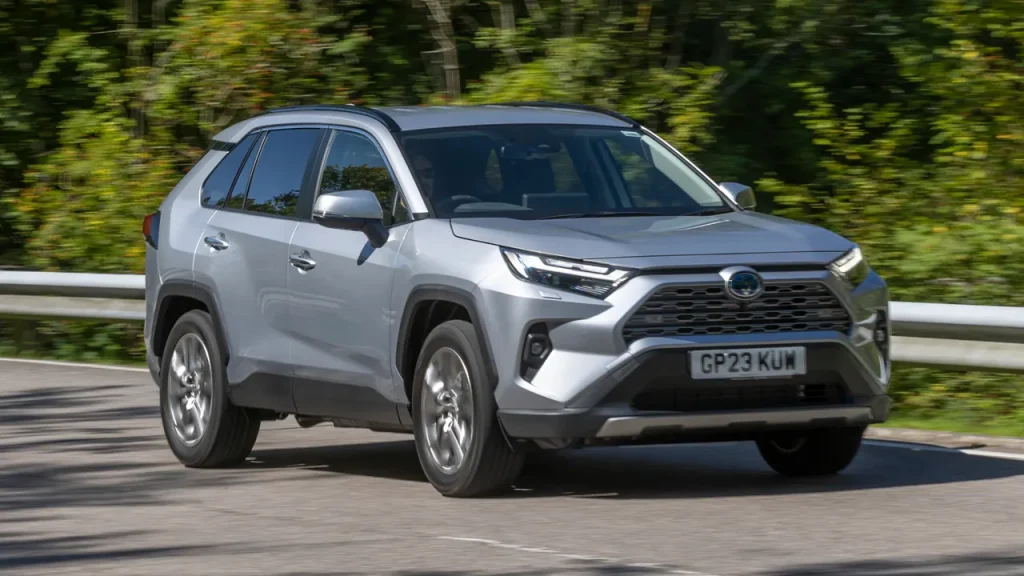
The Toyota RAV4 succeeded by understanding exactly what modern families wanted from a compact SUV. Buyers needed practicality, fuel efficiency, manageable ownership costs, and dependable long-term performance. Toyota combined those priorities into a vehicle that steadily climbed reliability rankings while becoming one of the best-selling SUVs in the world.
One of the RAV4’s greatest strengths is its balance. Many SUVs excel in one area while sacrificing another. Some provide strong performance but develop costly maintenance issues later. Others maximize interior space while suffering from poor fuel economy.
The RAV4 avoids those extremes by delivering consistent competence in nearly every category. That balanced approach has made it attractive to commuters, parents, retirees, and first-time SUV buyers alike.
Toyota’s naturally aspirated engines played a major role in the model’s reliability success. These engines are engineered to operate efficiently without excessive mechanical strain. Combined with smooth automatic transmissions and proven all-wheel-drive systems, the RAV4 maintains a reputation for dependable everyday operation even after years of use.
Owners frequently praise the SUV’s low maintenance demands. Routine service intervals are straightforward, replacement parts are easy to source, and unexpected repair costs tend to remain lower than those of many competitors in the compact SUV segment.
For households managing tight budgets, that predictability matters just as much as fuel economy or cargo space.
The RAV4 hybrid strengthened Toyota’s position further. Hybrid SUVs once carried concerns about battery longevity and repair complexity, but Toyota’s experience with hybrid systems allowed the RAV4 Hybrid to achieve strong dependability ratings. Many owners discovered they could enjoy excellent fuel savings without sacrificing reliability.
Cabin practicality contributes heavily to customer satisfaction. The seating layout, cargo capacity, and user-friendly controls make the RAV4 easy to live with daily. More importantly, those interior components generally age well. Buttons, touchscreen systems, and seat materials hold up better than many rivals exposed to years of family use.
Safety technology integration also helped upgrade the model’s appeal. Toyota introduced driver assistance features carefully without overwhelming the vehicle with glitch-prone electronics. That measured approach reduced reliability complaints involving advanced safety systems.
The RAV4 may not be the flashiest SUV in its category, but it consistently delivers dependable transportation with very few unpleasant surprises. That reliability has made it one of Toyota’s strongest performers in long-term ownership satisfaction and one of the most trusted compact SUVs on the road today.
6. Toyota Highlander
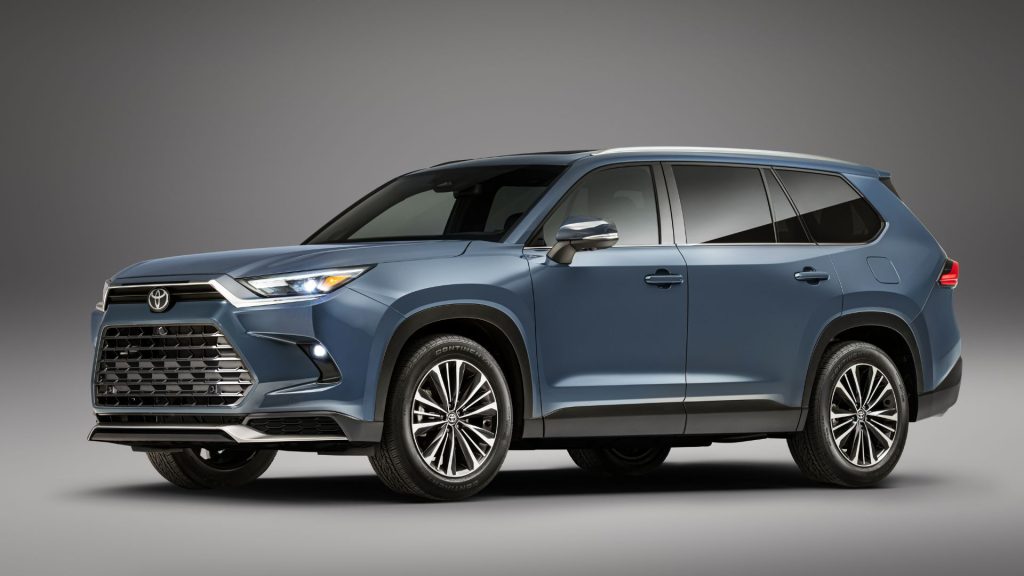
The Toyota Highlander earned its place among the most reliable vehicles by serving families who needed comfort, space, and peace of mind during long-term ownership. Three-row SUVs often face intense daily demands, including school runs, road trips, cargo hauling, and constant stop-and-go traffic. Despite those pressures, the Highlander developed a reputation for remaining dependable year after year.
One reason the Highlander performs so strongly in reliability rankings is Toyota’s careful mechanical engineering. The SUV has historically used proven powertrains instead of experimental setups that could create future maintenance concerns.
Its V6 engines became especially respected for smooth operation and durability, allowing many Highlanders to accumulate high mileage without major drivetrain failures.
Family-oriented vehicles must withstand heavy interior wear, and the Highlander handles that challenge well. Multiple passengers entering and exiting daily can quickly damage cheaper cabins, but Toyota designed the Highlander’s interior with durability in mind.
Seats, climate controls, storage compartments, and infotainment systems generally maintain functionality even after years of active family use.
Ride quality is another factor behind the Highlander’s popularity. Rather than emphasizing aggressive, sporty handling, Toyota tuned the suspension for comfort and stability.
Families spending hours on highways appreciate a vehicle that remains quiet and composed over long distances. A comfortable driving experience often influences how owners judge long-term satisfaction.
The Highlander hybrid also deserves recognition for proving that fuel-efficient family SUVs can remain highly dependable. Toyota’s hybrid expertise helped create a system capable of reducing fuel expenses without introducing widespread reliability concerns.
Many buyers viewed the hybrid Highlander as a practical way to lower operating costs while retaining Toyota’s durability.
Safety reputation has strengthened the SUV’s image as well. Families often choose vehicles based on trust, and the Highlander consistently scores well in safety evaluations while maintaining strong reliability ratings. That combination creates confidence among parents seeking dependable transportation for daily life.
Unlike some large SUVs that become expensive to maintain as they age, the Highlander typically remains manageable financially. Owners frequently report lower repair frequency than expected for vehicles in the three-row segment. This contributes to excellent resale values and strong demand in the used vehicle market.
The Highlander’s success comes from delivering exactly what many families prioritize most. Dependability, comfort, predictable ownership costs, and long-lasting quality. Those strengths helped secure its place among Toyota’s most reliable models.
7. Toyota 4Runner
The Toyota 4Runner occupies a unique place in today’s SUV market because it stayed loyal to old-school durability while many competitors shifted toward softer crossover designs.
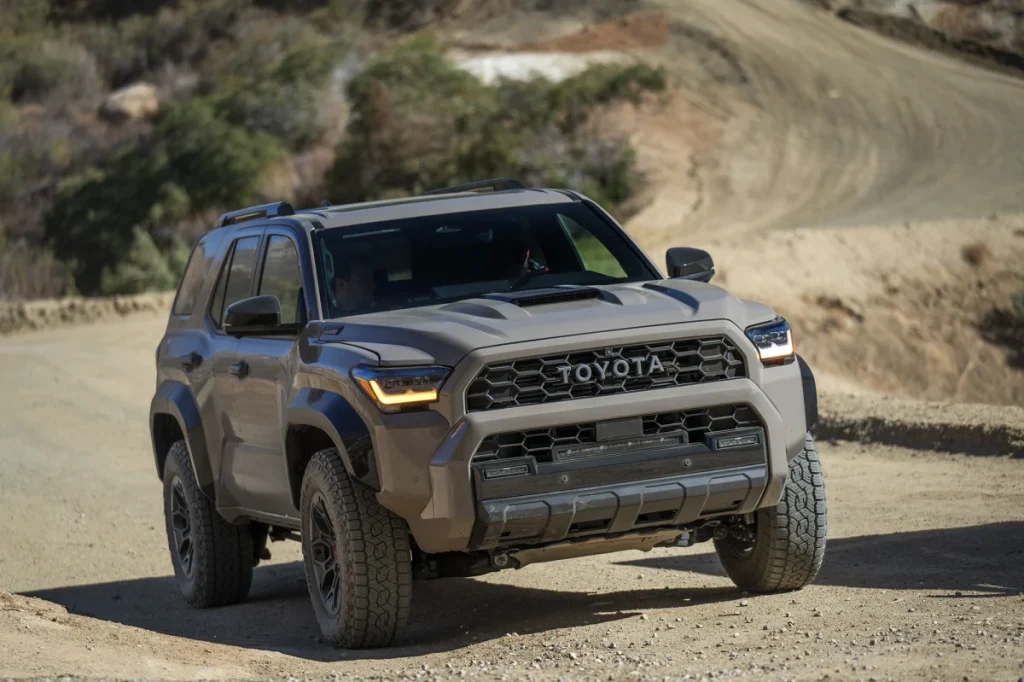
Built with body-on-frame construction and genuine off-road capability, the 4Runner became famous for surviving extreme conditions that would wear down less rugged vehicles. That toughness helped it secure a strong position in reliability rankings year after year.
Unlike many modern SUVs focused mainly on urban commuting, the 4Runner was engineered to handle punishment. Owners routinely drive these vehicles through rocky trails, deep snow, desert heat, muddy backroads, and remote mountain routes.
Those harsh environments reveal weaknesses quickly, yet the 4Runner developed a reputation for continuing to operate dependably long after rivals begin experiencing serious mechanical fatigue.
Part of the SUV’s success comes from Toyota’s willingness to keep proven components in production for extended periods. Some critics argued the 4Runner evolved slowly compared to more modern competitors, but that conservative strategy reduced the likelihood of widespread mechanical defects.
Engines, transmissions, and four-wheel drive systems were refined gradually instead of being replaced constantly with untested designs.
The 4Runner’s durability extends far beyond the powertrain. Suspension components, chassis construction, and underbody protection are built for demanding use. Many owners modify their vehicles with off-road tires, roof racks, camping equipment, and towing accessories, yet the platform continues handling abuse remarkably well.
Interior quality follows a different philosophy from luxury-focused SUVs. Rather than emphasizing delicate materials or overly complicated electronics, the 4Runner prioritizes functionality and longevity.
Controls are straightforward, seating materials resist wear effectively, and cabin components generally remain reliable after years of outdoor activity and heavy use.
Another reason buyers trust the 4Runner is its proven resale value. Even older examples with high mileage frequently command strong prices in the used market. Buyers understand these SUVs are capable of surviving far beyond 200,000 miles when maintained properly, making them desirable even after long ownership periods.
The vehicle’s loyal following also contributes to its legendary reputation. Owners often describe their 4Runners as machines built for decades rather than short ownership cycles. Stories of cross-country travel, off-road adventures, and extremely high-mileage examples reinforce the SUV’s image as one of Toyota’s toughest products.
At a time when many SUVs prioritize style over substance, the 4Runner continues to stand out as a rugged, dependable machine engineered for endurance first. That focus on long-term toughness keeps it near the top of reliability discussions.
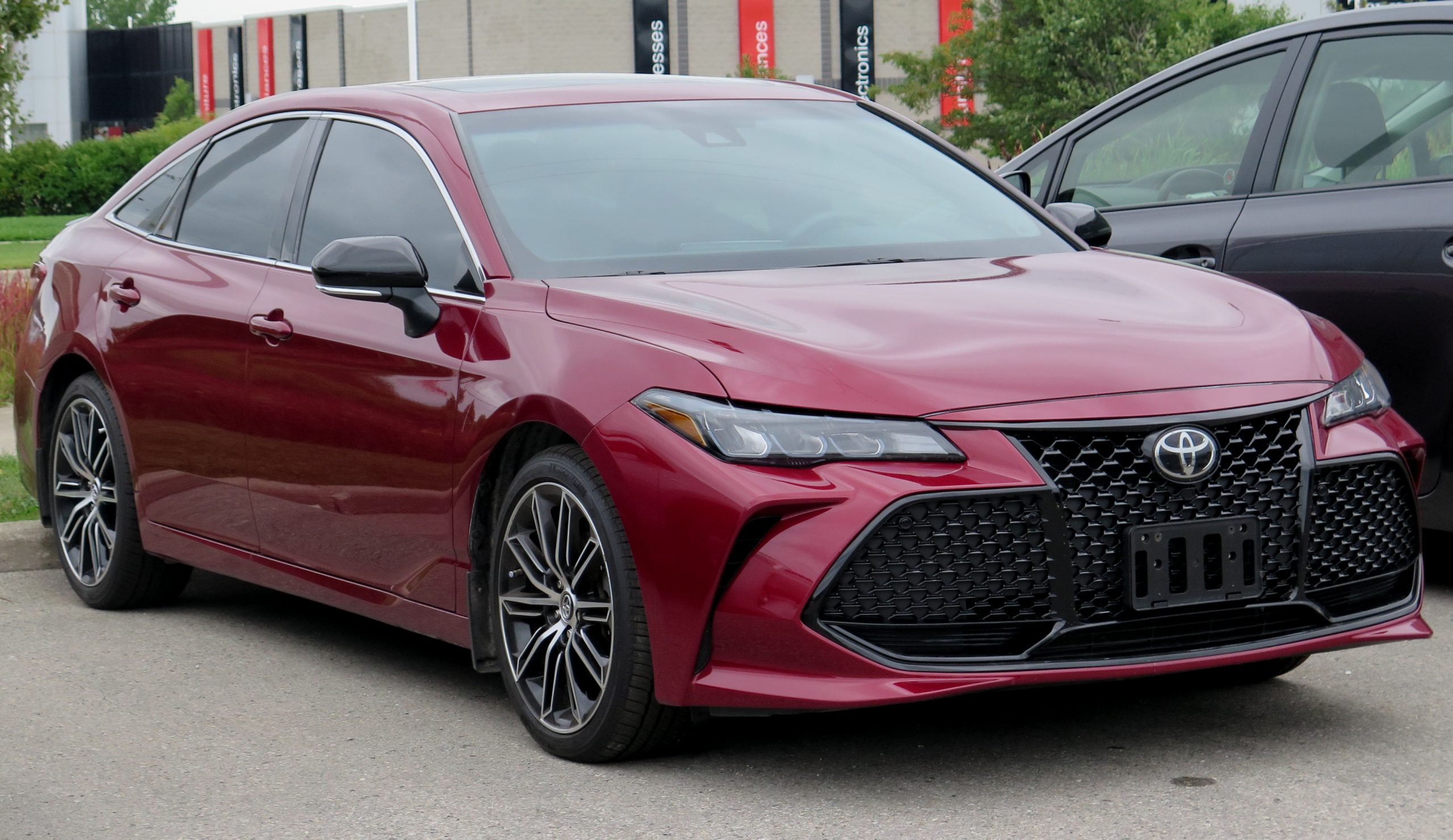
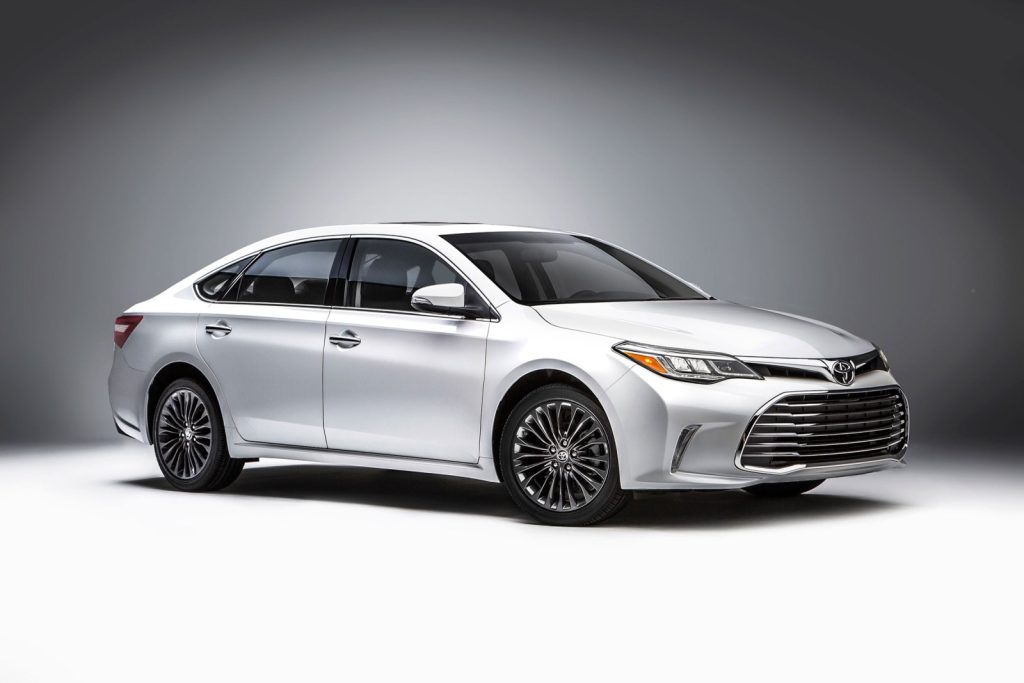
8. Toyota Avalon
The Toyota Avalon proved that reliability and comfort could exist together in a full-size sedan without requiring luxury brand ownership costs.
While smaller Toyota models built reputations through affordability and efficiency, the Avalon targeted buyers seeking a smoother, quieter, and more premium driving experience while maintaining the dependability Toyota was known for.
One of Avalon’s strongest qualities was refinement. Toyota engineered the sedan to provide a calm and comfortable ride that appealed particularly to long-distance drivers and older buyers wanting stress-free transportation.
The suspension absorbed rough pavement effectively, road noise remained low, and the cabin delivered a sense of relaxation missing from many competitors.
Underneath that comfort-focused personality was a remarkably durable mechanical package. The Avalon commonly used Toyota’s respected V6 engines, which developed a reputation for smooth power delivery and long-term reliability.
Owners regularly reported trouble-free operation for years with only standard maintenance requirements. Even high-mileage Avalons often retained quiet engine performance and stable transmission behavior.
The interior design reflected Toyota’s attention to durability. While the Avalon offered more upscale materials than many mainstream sedans, it avoided excessive complexity that could create reliability concerns later. Buttons, infotainment systems, climate controls, and seating surfaces generally aged gracefully even after extended use.
The Avalon also benefited from Toyota’s careful integration of technology. Advanced safety systems and convenience features were introduced thoughtfully rather than overloaded with experimental electronics. This helped reduce the frustrating software glitches and electrical issues that affected some competing full-size sedans.
Passenger comfort became one of the vehicle’s defining strengths. Rear seat space was generous, making the Avalon popular among families and drivers who regularly transported adults on long trips. The quiet cabin and smooth highway behavior made it particularly effective as a road trip vehicle.
Resale value remained strong because buyers trusted the Avalon’s long-term durability. Even discontinued models continue attracting used car shoppers looking for reliable full-size transportation without premium brand repair costs.
The Avalon never aimed to be flashy or aggressively sporty. Instead, it focused on delivering dependable comfort, mechanical stability, and a relaxed ownership experience. That formula helped it earn recognition as one of Toyota’s most reliable sedans and secured its place among the company’s strongest long-term performers.
Toyota’s dominance in reliability rankings is not the result of a single successful model. It comes from decades of consistent engineering choices centered around durability, practical ownership costs, and gradual improvement instead of risky experimentation.
From compact cars like the Corolla to rugged SUVs like the 4Runner and hardworking trucks like the Tacoma, Toyota created vehicles capable of earning owner trust across many different driving needs.
These eight models represent different categories, different buyers, and different purposes, yet they all share one defining characteristic.
They continue working dependably long after many competitors begin showing serious wear. That reputation keeps Toyota firmly connected with reliability in the minds of millions of drivers around the world.
Also Read: 9 SUVs Where the AC Struggles in Summer Heat
