
Air conditioning can completely change the driving experience, especially in places where summer temperatures become unbearable. A powerful AC system is not simply a luxury anymore.
For many drivers, it determines whether daily commuting feels comfortable or exhausting. Some vehicles leave passengers sweating for several minutes before cool air finally arrives, while others blast freezing air almost immediately after startup. Those fast cooling systems become unforgettable in regions with brutal heat and humidity.
Automakers approach climate control differently depending on vehicle size, target market, and engineering priorities. Certain brands focus heavily on cabin cooling performance because they understand how important it is in warm climates.
Larger compressors, better airflow design, stronger blower motors, and highly efficient cabin insulation all contribute to colder air coming from the vents. In some cases, vehicles become famous among owners specifically because the AC feels stronger than the competitors’ in the same category.
Cold air performance matters even more in SUVs and trucks with large interiors. Cooling a spacious cabin quickly requires serious engineering effort. Compact cars can often cool down faster because of their smaller interiors, but some manufacturers still manage to make larger vehicles feel ice cold within minutes.
Drivers also notice differences in how long a vehicle maintains cooling efficiency during stop-and-go traffic. Weak systems may struggle once outside temperatures rise above 100 degrees, particularly when the car sits under direct sunlight. Stronger systems continue delivering freezing air even in heavy traffic with several passengers on board.
The following vehicles earned reputations for having some of the coldest factory air conditioning systems available.
Owners consistently praise these models for rapid cooldown times, impressive vent temperatures, and the ability to keep passengers comfortable even during punishing summer conditions.
From rugged SUVs to luxury sedans and dependable pickups, these vehicles stand out because their climate systems perform exceptionally well straight from the factory.
Also Read: 10 SUVs With the Best Crash Test Scores in 2026
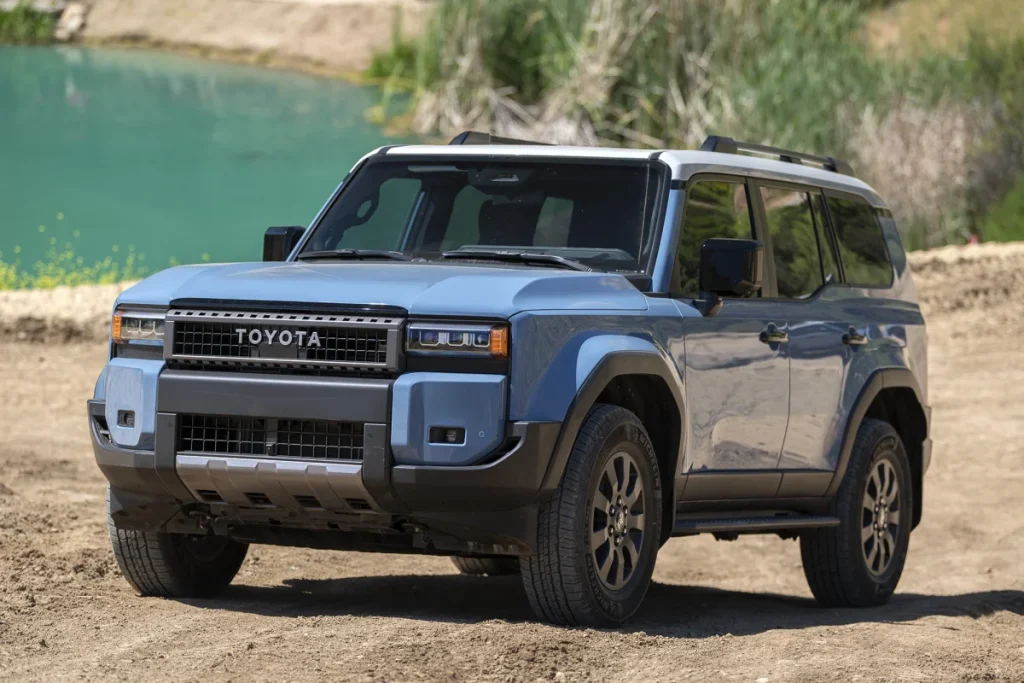
1. Toyota Land Cruiser
The Toyota Land Cruiser has long been associated with durability and extreme climate capability, and its air conditioning system plays a major role in that reputation.
In desert regions across the Middle East, Africa, and Australia, drivers often praise the Land Cruiser for producing intensely cold air even during scorching afternoons. Few factory systems manage to cool such a large cabin so quickly.
Toyota engineered the climate system with harsh environments in mind. The SUV’s powerful compressor and high-airflow vents allow cold air to spread through all three rows rapidly.
Even after sitting under direct sunlight for hours, the cabin begins feeling noticeably cooler within moments of startup. Rear passengers benefit almost as much as those in front because ceiling-mounted vents distribute airflow efficiently across the interior.
Many owners describe the AC as almost excessive at maximum settings. On long highway drives, passengers sometimes reduce the fan speed because the airflow becomes uncomfortably cold after the cabin stabilizes.
This is particularly impressive considering the Land Cruiser’s large windows and expansive interior space, both of which typically make cooling more difficult.
The vehicle’s insulation also helps maintain lower cabin temperatures. Once cooled, the interior stays comfortable without forcing the compressor to work constantly. Drivers traveling through desert conditions appreciate how stable the cooling remains even when outside temperatures climb to dangerous levels.
Another factor behind the Land Cruiser’s strong reputation is consistency. Some vehicles cool well initially but weaken during traffic or extended idling. The Land Cruiser continues delivering strong cold airflow regardless of driving conditions.
Families using the SUV for summer road trips often mention that passengers in all seating rows remain comfortable without complaints about uneven temperatures.
Toyota clearly prioritized reliability in the AC system’s design as well. Many older Land Cruisers continue to produce extremely cold air after years of heavy use.
That long-term dependability strengthened the SUV’s image as one of the best hot-weather vehicles ever produced. For drivers living in regions where summer heat becomes relentless, the Land Cruiser’s factory air conditioning system remains one of its most admired features.
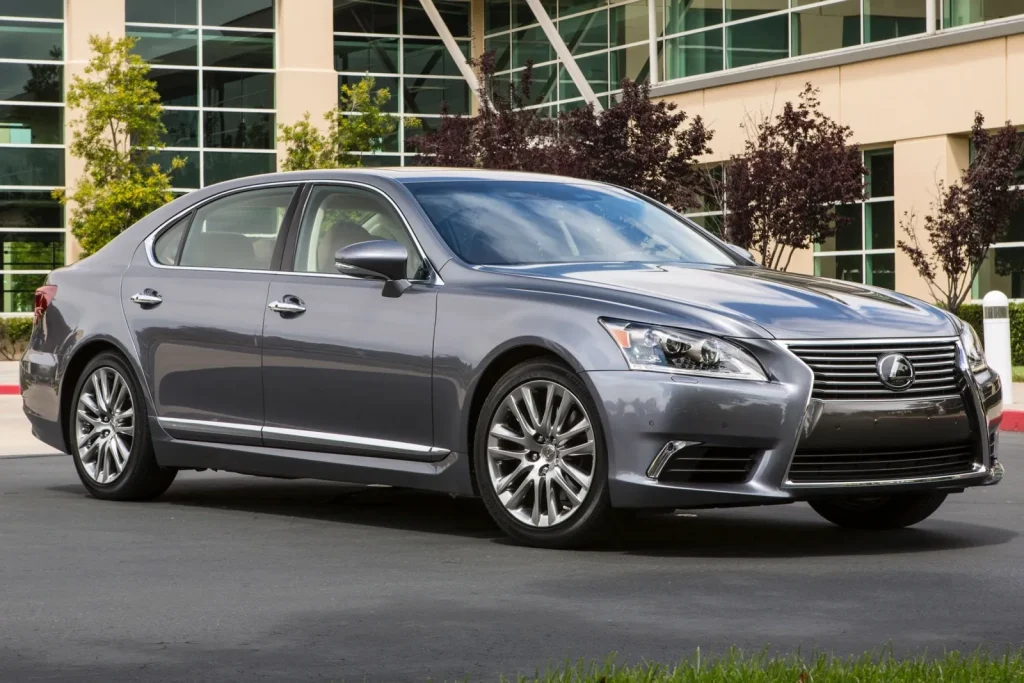
2. Lexus LS 460
Luxury sedans are expected to deliver refined comfort, but the Lexus LS 460 gained particular recognition because of how aggressively effective its air-conditioning system feels in hot weather.
Drivers frequently describe the cabin as refrigerator-like once the climate system reaches full operation. The cooling performance became one of the sedan’s quiet strengths among long-distance travelers and executives spending hours behind the wheel.
Lexus approached climate comfort with remarkable attention to detail. The LS 460 uses highly efficient automatic climate management paired with powerful airflow distribution throughout the cabin.
Instead of concentrating cold air only near the front dashboard vents, the system creates balanced cooling around all occupants. Rear seat passengers receive substantial airflow as well, making the car especially comfortable for chauffeured travel.
The first thing many owners notice is how quickly the sedan cools down after startup. Even when parked in direct sunlight, the interior temperature drops rapidly once the AC activates. Leather seats that initially feel unbearably hot during summer afternoons become comfortable far sooner than expected.
The sedan’s insulated cabin contributes heavily to its performance. Thick glass, sound-deadening materials, and tight cabin sealing prevent outside heat from overwhelming the cooling system. Because less hot air enters the vehicle, the climate control can maintain lower temperatures with less strain.
Lexus also calibrated the blower system carefully. Instead of harsh, noisy airflow, the vents deliver strong cooling smoothly and quietly. This creates a more refined experience than many vehicles that rely on loud fan speeds to compensate for weaker cooling efficiency.
Passengers sitting in the back often benefit from separate climate controls, allowing individual temperature adjustments without sacrificing cooling power. During long summer drives, this feature helps maintain comfort for everyone inside the vehicle, regardless of sunlight exposure or seating position.
One reason the LS 460 became so respected in warm climates is its reliability. Owners consistently report strong AC performance even after years of use.
While some luxury cars develop expensive climate-related issues over time, the Lexus system developed a reputation for dependable operation alongside freezing vent temperatures. That combination of durability and powerful cooling helped the LS 460 stand apart among premium sedans.
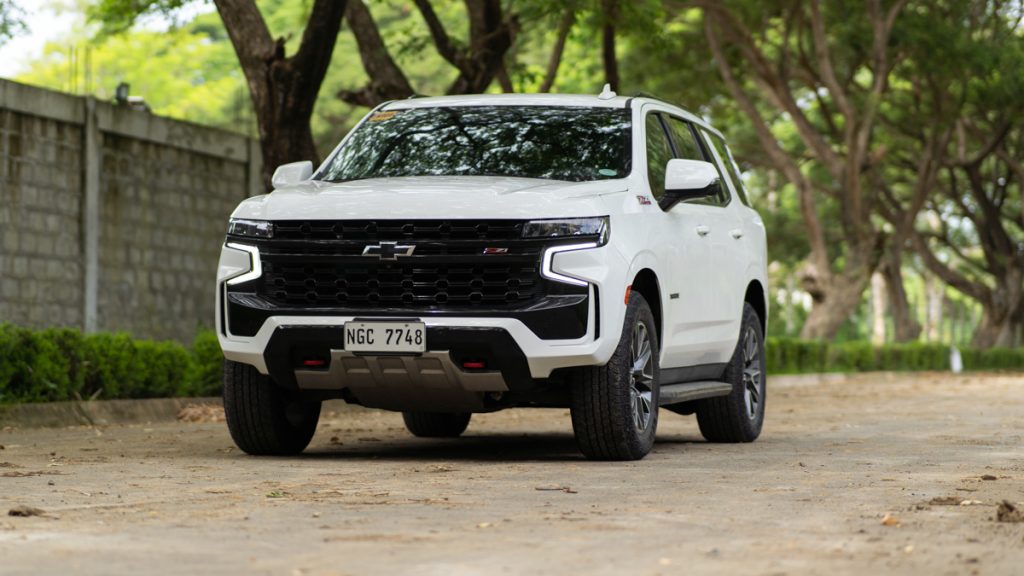
3. Chevrolet Tahoe
The Chevrolet Tahoe was built to carry large families, haul cargo, and survive long highway journeys, but one feature owners constantly praise during summer is the brutally effective air conditioning system. In places where temperatures soar well above 100 degrees, the Tahoe’s cooling ability becomes more than a convenience. It feels essential.
Chevrolet designed the Tahoe with large cabin demands in mind. Cooling a three-row SUV is not easy, especially when sunlight pours through wide windows and heats every surface inside. Yet the Tahoe handles that challenge impressively well.
Drivers frequently report that cold air begins flowing strongly within seconds of startup, even after the SUV has been parked outside all day.
What separates the Tahoe from many competitors is the strength of airflow reaching the rear rows. Numerous large SUVs cool front passengers adequately while third-row occupants continue sweating.
The Tahoe avoids this problem through well-positioned, roof-mounted vents and high-capacity rear climate controls. Children and passengers sitting in the back receive nearly the same cooling comfort as those in front.
The system also performs exceptionally during idle conditions. Heavy traffic, long drive-through lines, and extended parking lot waits do not weaken the cooling output significantly. This consistency becomes important in urban summer driving, where stop-and-go traffic can overwhelm weaker systems.
Another reason owners admire the Tahoe’s AC lies in its rapid recovery ability. Every time doors open, large SUVs lose substantial cooled air instantly. The Tahoe restores cabin temperature quickly after passengers climb inside, making it particularly useful for families making frequent stops during road trips.
Chevrolet paired the powerful cooling hardware with an interior designed to manage airflow effectively. Large vents, strong blower motors, and straightforward controls help distribute cold air evenly instead of concentrating it near certain seats only. Drivers rarely complain about hot spots within the cabin.
Long-term durability also contributes to the Tahoe’s reputation. Many older models continue producing extremely cold air despite years of family use, towing duties, and summer travel.
In hotter American states, owners often consider strong air conditioning one of the SUV’s greatest strengths. The Tahoe may be large and heavy, but when outside temperatures become unbearable, its factory climate system proves remarkably capable.
4. Honda Accord
The Honda Accord rarely receives attention for flashy features, yet its air conditioning system has quietly earned admiration from drivers living in brutally hot climates. Unlike some sedans that require several minutes to cool the cabin properly, the Accord delivers cold air almost immediately and maintains it with impressive consistency.
One reason the Accord stands out is its efficiency. Honda engineered the climate system to cool the cabin quickly without placing excessive strain on the engine. Drivers often notice a sharp temperature drop within moments after starting the car, even when it has been sitting under direct summer sunlight for hours.
The airflow design deserves much of the credit. Dashboard vents are positioned to spread cool air rapidly across the front cabin rather than focusing it narrowly toward the driver alone. Rear passengers also benefit from strong circulation, especially in newer generations equipped with dedicated rear vents.
What impresses owners most is reliability during extreme heat. Some sedans begin losing cooling performance when outside temperatures climb aggressively, especially in slow traffic conditions. The Accord continues pushing strong cold air regardless of whether the car is parked, idling, or moving slowly through crowded city streets.
Honda also paid attention to cabin insulation and heat management. The Accord’s interior materials resist heat buildup better than many economy-focused rivals, allowing the AC system to stabilize temperatures faster after startup. Once cooled, the cabin remains comfortable without forcing the fan to operate at maximum speed constantly.
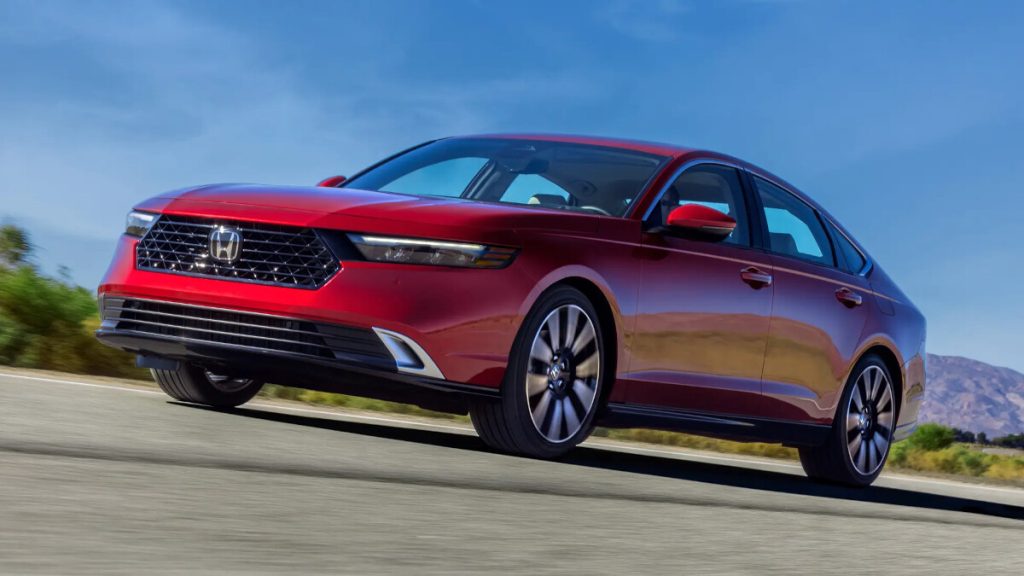
Another advantage appears during long drives. The Accord maintains stable temperatures without sudden fluctuations or weak airflow. Drivers travelling hundreds of miles during the summer often praise how fatigue stays lower because the climate system works so effectively in the background.
The simplicity of the controls also matters. Instead of overly complicated menus or confusing touch-sensitive adjustments, the Accord typically provides straightforward climate management that allows drivers to adjust cooling quickly while keeping attention on the road.
Over many generations, Honda developed a reputation for dependable AC systems, and the Accord became one of the brand’s strongest examples. Even older models frequently continue producing remarkably cold air after years of ownership.
That consistency helped the sedan become especially popular in warmer states where strong factory air conditioning can make daily commuting far more bearable.
5. Cadillac Escalade
The Cadillac Escalade combines a massive cabin with luxury-focused comfort, and its factory air conditioning system has to match those expectations.
Cadillac understood that buyers spending premium money on a large SUV would demand instant relief from summer heat. As a result, the Escalade developed a reputation for delivering some of the coldest and strongest airflow found in any three-row luxury vehicle.
Cooling such a huge interior is difficult. The Escalade’s cabin includes large glass surfaces, wide seating areas, and substantial cargo space behind the third row.
Lesser systems often struggle to maintain consistent temperatures in vehicles this size. Cadillac solved the problem with a high-capacity compressor, aggressive airflow tuning, and extensive rear climate support.
Drivers frequently mention how quickly the Escalade transforms from unbearably hot to refreshingly cool after startup. Even after hours under direct sunlight, the front vents begin pushing icy air almost immediately.
Rear passengers do not feel neglected either. Ceiling-mounted vents and dedicated rear climate controls allow cold air to circulate efficiently throughout all rows.
The SUV’s seats also contribute heavily to comfort during hot weather. Ventilated seating paired with strong cabin cooling creates a noticeable luxury experience during long drives. Passengers stepping inside after walking through intense summer heat often notice how rapidly the interior becomes comfortable.
Cadillac engineered the cabin insulation carefully as well. Thick doors, acoustic glass, and premium sealing help trap cooled air inside while blocking outside heat.
This reduces strain on the system once the desired temperature is reached. Instead of constantly fighting rising cabin temperatures, the Escalade maintains stability with impressive ease.
Another strength appears during crowded city driving. Many large SUVs lose cooling intensity when idling for extended periods in traffic. The Escalade’s system continues delivering powerful cold airflow without dramatic performance drops.
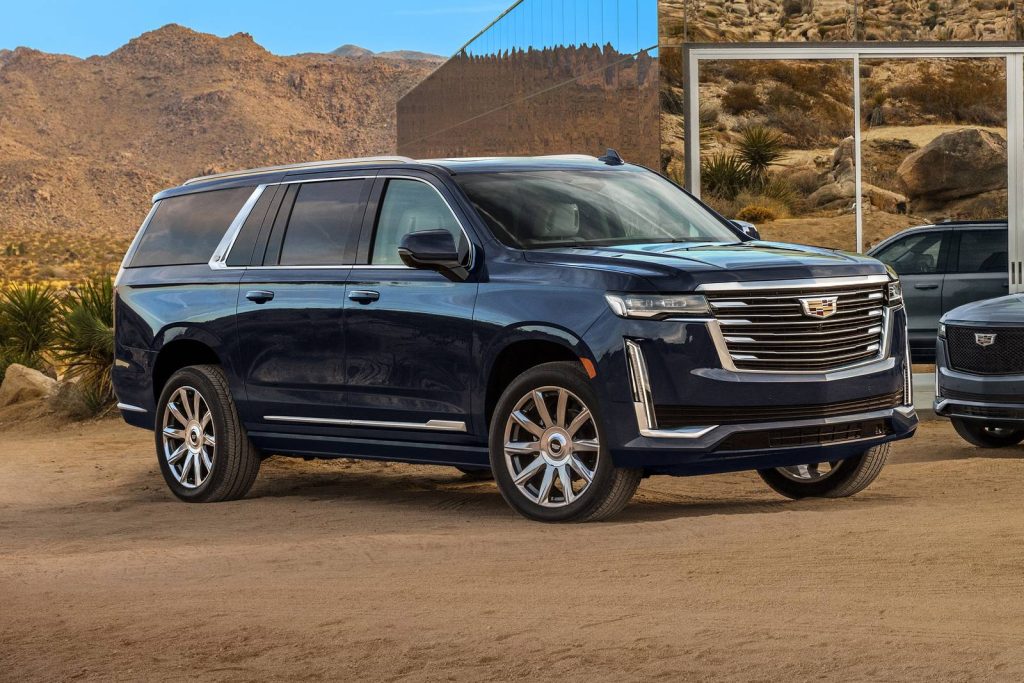
Families traveling during summer vacations appreciate this consistency because the cabin remains comfortable even during slow-moving highway congestion.
Owners in southern states often rank the Escalade among the best luxury SUVs for climate comfort. Beyond leather seating and technology features, the AC system itself becomes a major selling point. In extreme heat, the vehicle feels designed specifically to isolate passengers from uncomfortable outside temperatures.
6. Toyota Camry
The Toyota Camry has built its reputation around reliability and practicality, though one feature many owners quietly appreciate is its exceptionally strong factory air conditioning.
The Camry may not advertise its climate system aggressively, but drivers in hot regions frequently praise how quickly and effectively the sedan cools down during brutal summer afternoons.
Toyota approached the Camry’s climate system with simplicity and durability in mind. Rather than relying on overly complicated cooling strategies, the sedan uses a well-balanced setup that delivers immediate cold airflow with very little delay. Drivers often feel chilled air from the vents within seconds of startup, even after the car has been sitting in a parking lot for hours.
The sedan’s cabin size helps cooling efficiency significantly. Because the interior is not excessively large, the AC system can lower temperatures rapidly without needing enormous hardware. Toyota paired this advantage with strong blower performance, allowing cold air to spread evenly throughout the cabin.
One area where the Camry consistently impresses owners is steady performance during extreme heat. Temperatures above 100 degrees can overwhelm weaker systems, especially in stop-and-go traffic.
The Camry remains remarkably stable under those conditions. Many drivers mention that the air becomes almost too cold after several minutes, forcing them to reduce fan speed or raise temperature settings.
Rear passengers benefit from solid airflow as well. While some midsize sedans prioritize front-seat comfort only, the Camry circulates cooled air effectively enough to keep the entire cabin comfortable during long drives.
Toyota’s reputation for reliability extends directly into the AC system. Older Camry models frequently continue producing freezing cold air after many years with minimal maintenance. That durability helped the sedan earn trust among drivers living in extremely hot climates where dependable air conditioning becomes essential.

The controls themselves also remain easy to use. Drivers can adjust settings quickly without navigating distracting menus or complicated touchscreen layouts. This straightforward approach appeals strongly to commuters who simply want powerful cooling without unnecessary complications.
In many warm regions around the world, mechanics and longtime owners regularly mention the Camry as one of the safest choices for dependable summer comfort. The sedan may appear modest beside luxury rivals, but its factory air conditioning performance consistently exceeds expectations year after year.
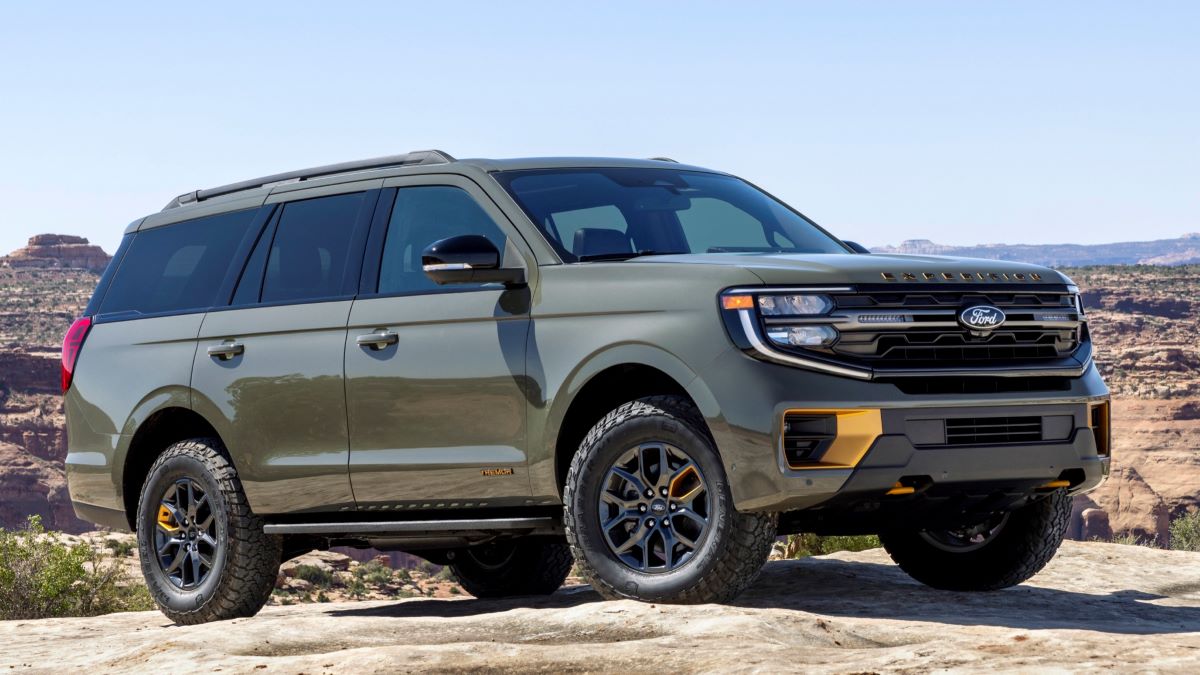
7. Ford Expedition
The Ford Expedition was designed for families, towing duties, and long highway travel, which meant Ford had to engineer an air conditioning system capable of cooling an enormous interior quickly.
The result became one of the strongest factory climate systems in the large SUV segment. In punishing summer weather, the expedition regularly earns praise for how rapidly it turns a heat-soaked cabin into a comfortable environment.
Large SUVs often struggle with cooling consistency because of their cabin volume. The Expedition avoids that weakness through aggressive airflow and powerful rear climate integration.
Front passengers feel cold air almost immediately after startup, while second- and third-row occupants benefit from dedicated roof-mounted vents that circulate air efficiently throughout the vehicle.
Many owners mention how useful the system becomes during family road trips. With several passengers onboard, body heat alone can overwhelm weaker climate systems.
The Expedition continues delivering stable cooling even when every seat is occupied. This makes a major difference during summer vacations or long, traffic-filled drives through hot regions.
Ford also tuned the system to recover cabin temperature quickly after doors open repeatedly. Families loading groceries, sports equipment, or luggage constantly allow hot air inside. The expedition responds by restoring cool temperatures rapidly instead of leaving passengers waiting for relief.
Another strength lies in idle performance. Some large SUVs produce excellent cooling while moving but weaken noticeably in slow traffic. The expedition maintains strong vent temperatures even during long stoplights or highway congestion.
Drivers in southern climates frequently point out this advantage because traffic jams during extreme heat can quickly become miserable in lesser vehicles.
Interior layout contributes heavily to airflow quality as well. The vents are large, strategically placed, and capable of directing substantial airflow across all seating areas. Rear passengers rarely complain about hot spots or uneven temperatures inside the cabin.
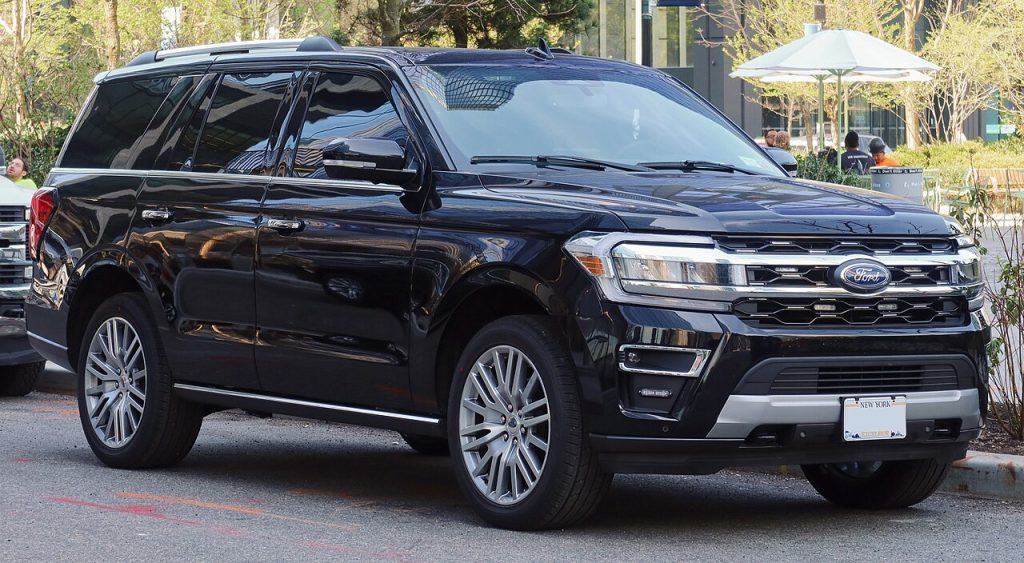
The Expedition also benefits from strong insulation and thick glass that help block outside heat. Once the interior reaches a comfortable temperature, the system does not need to work excessively hard to maintain it. That creates a quieter and more relaxed cabin during extended summer driving.
For drivers needing a full-size SUV that handles intense heat without compromise, the Expedition developed a reputation as one of Ford’s strongest performers in factory AC capability.
8. Mercedes-Benz S-Class
The Mercedes-Benz S-Class represents comfort at the highest level, and its climate control system reflects that philosophy perfectly. Mercedes engineered the S-Class to isolate occupants from the outside world completely, including oppressive summer temperatures.
The air conditioning system does far more than cool the cabin. It creates an environment that feels calm, controlled, and consistently refreshing regardless of outside conditions.
From the moment the engine starts, the sedan begins lowering cabin temperatures with remarkable speed. Owners frequently describe stepping into a heat-soaked S-Class and feeling relief within seconds. The system quietly pushes cold air through multiple carefully positioned vents without producing excessive noise or harsh airflow.
Mercedes paid enormous attention to cabin sealing and insulation. Thick acoustic glass and advanced thermal materials prevent external heat from invading the interior. Because the cabin remains isolated so effectively, the climate system can maintain lower temperatures with minimal effort once the cooling stabilizes.
Rear passengers receive special attention as well. Many S-Class models include advanced multi-zone climate controls that allow each seating area to maintain independent comfort settings. Even passengers seated in direct sunlight can adjust airflow and temperature precisely without affecting others inside the vehicle.
Another detail that separates the S-Class from ordinary sedans is airflow refinement. Instead of blasting air aggressively, the system distributes cooling smoothly across the cabin. The sensation feels natural rather than mechanical, which contributes to the luxurious atmosphere Mercedes aimed to create.
During extended summer drives, the S-Class remains impressively consistent. High outside temperatures, traffic congestion, and repeated stops do little to weaken the cooling performance. Passengers continue receiving strong chilled airflow without noticeable fluctuations.
Ventilated seats further enhance comfort. Combined with the powerful climate system, they prevent leather surfaces from becoming uncomfortable during hot weather. Drivers spending long hours behind the wheel often mention reduced fatigue because the cabin remains perfectly regulated.
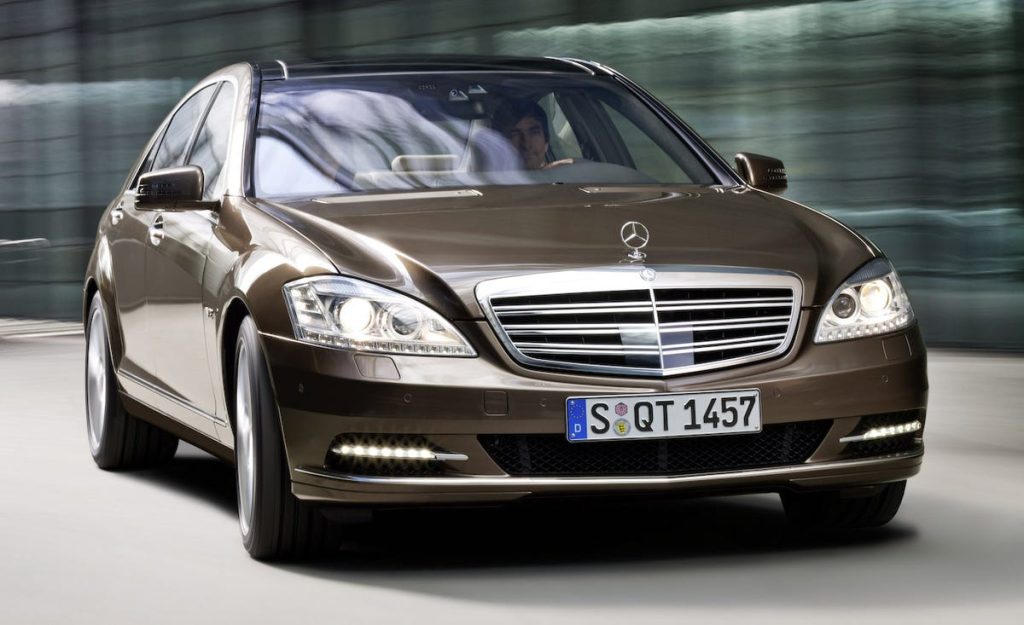
The S-Class became especially admired in regions with extreme heat because it combines icy-cold airflow with total cabin refinement.
Rather than merely cooling passengers, the car creates an environment that feels separated from harsh outdoor conditions. Few factory climate systems deliver that level of comfort so effortlessly.
9. Nissan Armada
The Nissan Armada surprises many drivers with how aggressively cold its factory air conditioning feels during intense summer heat.
The SUV carries a large body and spacious three-row interior, yet the climate system handles the cabin with impressive competence. Owners living in desert climates often describe the Armada as one of the quickest cooling full-size SUVs they have experienced.
Part of the reason comes from the SUV’s powerful airflow setup. Large dashboard vents push cold air strongly through the front cabin, while roof-mounted rear vents help distribute cooling toward passengers sitting farther back. Even third-row occupants receive meaningful airflow instead of weak traces of cool air.
The Armada also performs well during long idle periods. Heavy traffic and crowded parking lots do not weaken the AC noticeably, which becomes extremely important during peak summer months. Drivers frequently mention that the cabin stays comfortable even while waiting in slow-moving urban congestion under direct sunlight.
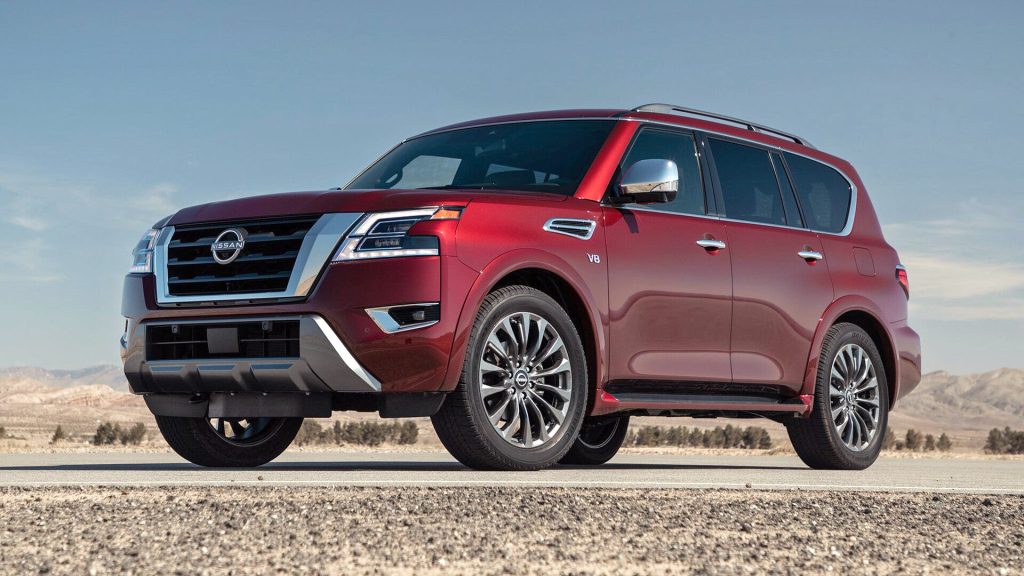
Another advantage involves cabin recovery speed. When passengers repeatedly open doors during errands or family trips, hot air enters quickly. The Armada responds by lowering interior temperatures again within minutes. This gives the SUV a practical edge for larger families traveling in hot regions.
Nissan paired the system with solid cabin insulation, helping cooled air remain trapped inside once temperatures stabilize. The result is a large SUV that rarely feels overwhelmed by outside heat.
10. Kia Telluride
The Kia Telluride earned widespread praise for comfort and practicality, though its air conditioning system deserves just as much recognition. Kia engineered the Telluride to handle family use in difficult climates, and the cooling performance reflects that goal clearly.
The SUV cools rapidly despite its roomy cabin. Drivers often report feeling cold airflow almost instantly after startup, even during extremely hot afternoons. Rear seat passengers benefit from dedicated vents that circulate air efficiently across all three rows.
One area where the Telluride stands out is balance. The system delivers strong cooling without excessive fan noise, creating a calmer driving experience during long trips. Families traveling during summer vacations frequently praise how evenly the cabin temperature stays distributed from front to back.
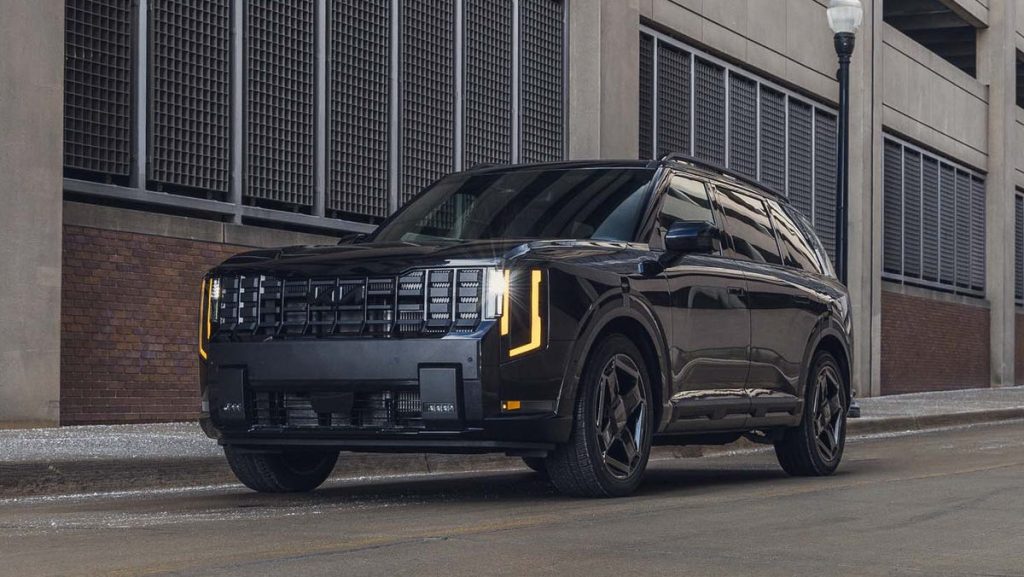
The Telluride also performs consistently during stop-and-go traffic. Many midsize SUVs lose cooling intensity while idling for long periods, but the Kia maintains strong vent temperatures with little fluctuation. This becomes especially valuable in crowded urban environments during heat waves.
Interior insulation helps significantly as well. Once the cabin cools down, the SUV holds comfortable temperatures effectively without forcing the system to work constantly at maximum settings.
For many buyers, the Telluride’s strong factory AC became an unexpected highlight. Combined with spacious seating and smooth ride quality, the cooling system helped establish the SUV as one of the most comfortable family vehicles for hot weather driving.
Also Read: 6 Maintenance Items That Become Critical at 100,000 Miles
