
The 1980s were a strange and transitional time for American performance cars. The glory days of the late 1960s muscle car wars had faded, emissions regulations tightened dramatically, insurance costs climbed, and fuel economy concerns reshaped the automotive industry.
Many enthusiasts look back at the decade as a weak era filled with reduced horsepower numbers and flashy graphics covering cars that could no longer back up their aggressive appearance with serious performance. Yet that reputation only tells part of the story.
Hidden beneath the criticism were several fascinating muscle cars that carried performance culture through a difficult period. Automakers experimented with turbocharging, fuel injection, lightweight platforms, and aerodynamic styling while slowly rebuilding horsepower after the industry’s difficult emissions era.
Some cars succeeded commercially, while others disappeared quietly after short production runs. A few gained cult followings, but many faded into obscurity despite offering memorable engines, unique styling, or surprisingly strong driving experiences.
The 1980s also produced muscle cars with huge personalities. Bold decals, digital dashboards, T-tops, louvres, hood scoops, and dramatic body kits defined the decade’s automotive identity.
These cars embraced excess and attitude in ways modern performance vehicles rarely attempt. Even when horsepower figures looked modest on paper, the cars still felt exciting because they captured the rebellious spirit associated with American muscle culture.
Today, collectors are beginning to reexamine forgotten 1980s performance cars more seriously. Nostalgia plays a major role, especially among enthusiasts who grew up during the era. Many of these vehicles were once inexpensive used cars that suffered neglect, modifications, or junkyard endings, making clean survivors increasingly rare.
The decade may not have produced the raw brute force of earlier muscle car legends, but it delivered machines filled with character, experimentation, and unmistakable style. Some of these forgotten cars deserve far more recognition than they usually receive.
Here are eight muscle cars from the 1980s that quietly slipped out of the spotlight despite helping keep American performance alive during a challenging automotive era.
Also Read: 10 Vehicles With the Slowest Heat Output in Winter
1. Dodge Shelby Charger
The Dodge Shelby Charger represented one of the most unusual muscle car experiments of the 1980s. Instead of relying on a giant V8 engine and rear-wheel-drive layout, Dodge teamed up with Carroll Shelby to create a lightweight front-wheel-drive performance machine that captured the aggressive attitude of the decade in a completely different form.
While traditional muscle car fans often overlooked it, the Shelby Charger developed a personality all its own.
At first glance, the car looked like a product of pure 1980s excess. Bold stripes, aggressive decals, aerodynamic bodywork, and Shelby branding gave it far more presence than ordinary economy coupes of the period. Dodge wanted younger buyers to see the Charger as rebellious and exciting rather than practical transportation, and visually, the strategy worked.
Performance improved significantly after Shelby became involved. Turbocharged versions especially transformed the lightweight coupe into a genuinely quick machine for its time. The combination of low weight and turbo power created strong acceleration that surprised drivers expecting another underpowered front-wheel-drive compact.
The Shelby Charger also reflected a major shift happening in American performance culture during the decade. Automakers were moving away from massive engines toward smaller turbocharged setups capable of meeting stricter emissions regulations.
While some enthusiasts resisted the change, cars like the Shelby Charger showed performance could survive through new engineering approaches.
Driving the car today feels wonderfully tied to the era. Turbo lag, firm suspension tuning, and lively front-wheel-drive behavior create an experience very different from modern hot hatches. It feels raw, mechanical, and energetic in ways newer performance cars often completely smooth over.
Another reason the Shelby Charger faded from public memory involves rarity. Many examples were driven hard, modified heavily, or simply discarded once values dropped. Finding clean original cars now is surprisingly difficult, especially turbocharged versions with intact Shelby-specific details.
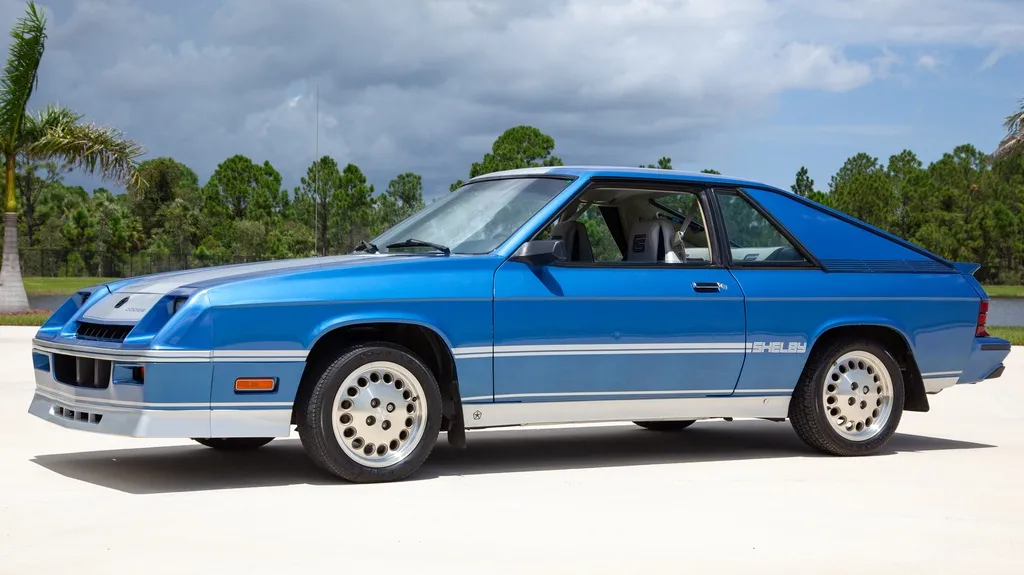
The interior perfectly captured 1980s performance aesthetics, as well. Sport seats, graphic-heavy gauges, and angular dashboard shapes gave the cabin a youthful atmosphere that matched the car’s extroverted styling. Nothing about it felt subtle.
The Shelby Charger may never achieve the legendary status of classic V8 muscle cars, but it remains an important reminder that American performance culture adapted creatively during difficult years. Its mix of turbocharged excitement, bold design, and Shelby influence makes it one of the most overlooked performance cars of the decade.
2. Mercury Capri RS
The Mercury Capri RS lived in the shadow of the Fox-body Ford Mustang for most of its existence, which is exactly why many enthusiasts forgot about it.
Yet beneath the unique sheet metal sat one of the most entertaining American performance platforms of the 1980s. The Capri RS offered V8 power, rear-wheel-drive balance, and unmistakable styling at a time when true muscle car spirit was slowly rebuilding itself.
What separated the Capri from the Mustang visually was its dramatic bubble-hatch rear design. The rounded glass hatch gave the car a futuristic appearance compared to the sharper Mustang profile. Some buyers loved it while others preferred the Mustang’s cleaner look, but the Capri definitely stood out on the street.
Performance versions equipped with the 5.0 liter V8 delivered the kind of torque and sound enthusiasts desperately wanted during the 1980s.
As horsepower slowly returned after the difficult emissions era, the Capri RS helped prove that affordable American V8 performance was far from dead. The car felt lightweight, loud, and eager in ways many modern performance cars no longer replicate.
The Fox platform also contributed heavily to the car’s fun factor. These cars responded well to modifications, making them favorites among street racers and weekend drag racers. Suspension upgrades, intake modifications, and exhaust changes could wake the Capri up dramatically without requiring huge budgets.
Unfortunately, the Mustang’s popularity completely overshadowed the Capri in collector conversations for decades. Many buyers viewed the Mercury as simply the strange cousin nobody really wanted. Because of that, countless examples disappeared through neglect, racing accidents, or parts swapping over the years.
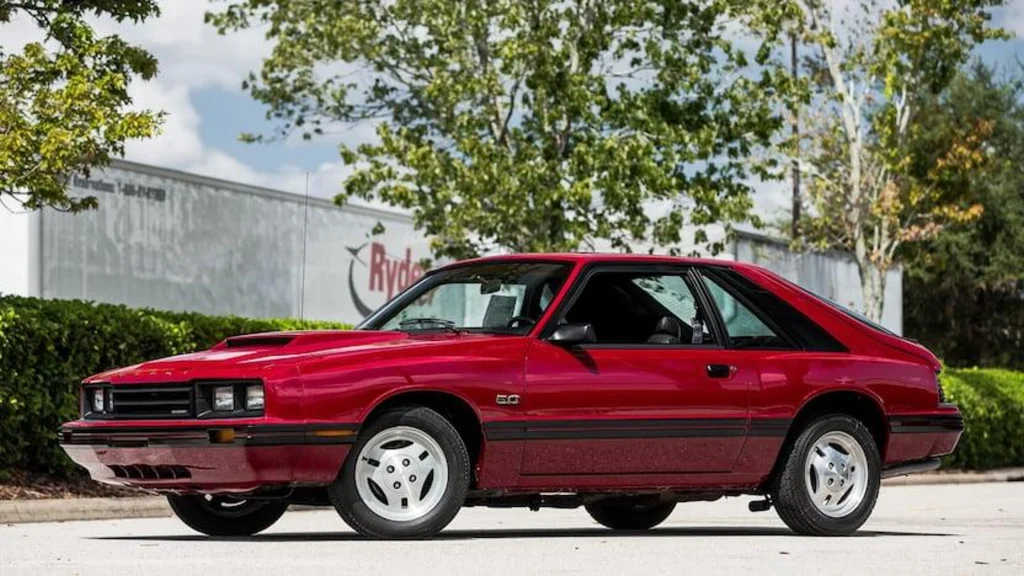
Today, surviving Capri RS models attract growing interest precisely because they are uncommon. Enthusiasts who already know the Fox body Mustang experience appreciate owning something more distinctive while still enjoying the same mechanical strengths underneath.
The interior also captured the classic 1980s muscle car atmosphere beautifully. Square dashboards, deep bucket seats, sporty gauges, and simple controls created an environment focused more on driving excitement than luxury comfort. It felt youthful and rebellious in the best possible way.
Driving a Capri RS today instantly transports enthusiasts back to a period when American performance was clawing its way back from the industry’s difficult transition years. The V8 rumble, lightweight chassis, and analog driving feel create a level of personality impossible to ignore.
The Mercury Capri RS may have spent decades forgotten beside the Mustang, but its rarity and authentic 1980s performance character are finally earning it the appreciation it always deserved.
3. Pontiac Firebird Formula 350
The Pontiac Firebird Formula 350 occupied a fascinating position during the 1980s muscle car landscape. While buyers often focused on the flashy Trans Am models with giant decals and dramatic styling packages, the Formula quietly delivered serious V8 performance in a more understated package.
Because it lacked the instant celebrity status of the Trans Am, the Formula 350 slowly faded into the background despite being one of the strongest performance bargains of its era.
Under the hood sat Pontiac’s respected 5.7-liter V8, giving the car the kind of low-end torque and muscular character enthusiasts still craved during the decade. The Formula emphasized performance more directly than visual theater, which appealed to drivers who wanted speed without excessive graphics or attention-grabbing extras.
One reason the Formula 350 deserves more recognition is its balance. The lighter, less heavily optioned setup often made the car feel sharper and more responsive than some fully loaded Trans Am variants. Combined with rear-wheel drive and a low seating position, the Firebird created a genuinely engaging driving experience for its time.
Styling still carried an unmistakable 1980s personality. Hidden headlights, aggressive hood lines, wide fenders, and sleek aerodynamic proportions gave the Formula real road presence even without oversized decals. The long hood and low roofline preserved the classic American pony car silhouette beautifully.
The Formula also represented Pontiac’s commitment to maintaining a performance identity during a difficult automotive period. While emissions regulations continued limiting output compared to earlier muscle car eras, Pontiac engineers steadily improved drivability, fuel injection systems, and chassis refinement throughout the decade.
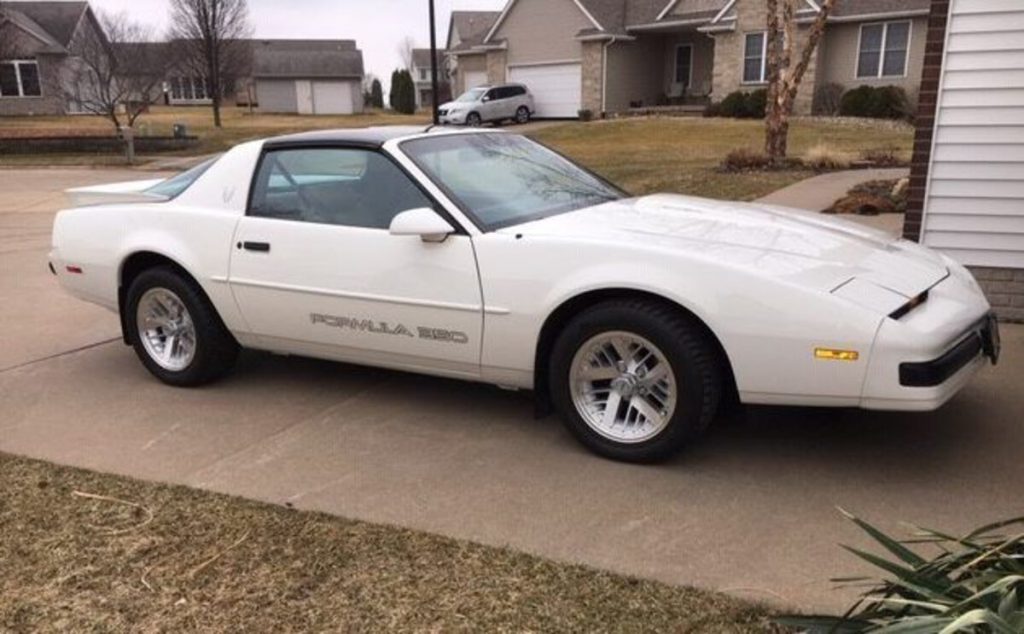
Unfortunately, many Formula 350 models disappeared because buyers treated them as ordinary used sports cars once resale values dropped. Hard driving, neglect, rust, and modification culture claimed large numbers of surviving examples. Clean, factory-correct cars are now significantly harder to locate than many people realize.
The cabin reflected late 1980s GM performance design perfectly. Deep dashboard layouts, aircraft-inspired gauges, sporty steering wheels, and angled center consoles created a cockpit atmosphere that still feels nostalgic today. Driving at night with the gauges illuminated captures a uniquely retro muscle car mood.
Collectors are finally beginning to appreciate the Formula 350 because it offers authentic V8 American performance without the inflated prices attached to more famous nameplates. It remains one of the hidden gems of the third-generation F-body era.
The Firebird Formula 350 may have lived quietly beside the louder Trans Am, but that subtlety is exactly what makes surviving examples feel special now. It carried genuine muscle car spirit through the 1980s with style, torque, and unmistakable Pontiac character.
4. Chevrolet Monte Carlo SS Aerocoupe
The Chevrolet Monte Carlo SS Aerocoupe looked unlike almost anything else Detroit produced during the 1980s. Chevrolet created the car primarily for NASCAR homologation purposes, giving it a unique sloped rear window and revised aerodynamic profile designed to improve high-speed racing performance.
At the time, many buyers viewed the Aerocoupe as strange-looking compared to ordinary Monte Carlo models. Today, that unusual design is exactly why enthusiasts find it fascinating.
The AeroCoupe arrived during an era when NASCAR still heavily influenced American performance car culture. Manufacturers wanted street cars connected visually to their race machines, and the Monte Carlo SS Aerocoupe embodied that philosophy perfectly.
The redesigned rear glass and elongated rear deck immediately separated it from regular G-body coupes.
Underneath the special bodywork sat Chevrolet’s well-known 305 cubic inch V8 paired with rear-wheel drive. While horsepower numbers may not sound impressive by modern standards, the car delivered the kind of smooth V8 cruising character muscle car fans still appreciated during the decade.
The exhaust note, long hood proportions, and body-on-frame construction gave the Aerocoupe an authentic American performance personality.
Another reason the Aerocoupe remained forgotten for years involves timing. During the late 1980s, many enthusiasts were chasing smaller turbocharged imports or focusing on newer fuel-injected performance platforms. The Monte Carlo SS felt tied to an older muscle car tradition that some buyers considered outdated at the time.
Today, however, collectors value exactly those old-school characteristics. The Aerocoupe represents one of the final chapters of traditional rear-wheel-drive V8 personal coupes before front-wheel-drive layouts took over much of the American market.
The car’s rarity also plays a huge role in growing interest. Chevrolet produced far fewer Aerocoupes than standard Monte Carlo SS models, and many disappeared through neglect or racing abuse. Finding clean surviving examples with original body panels and factory equipment has become increasingly challenging.
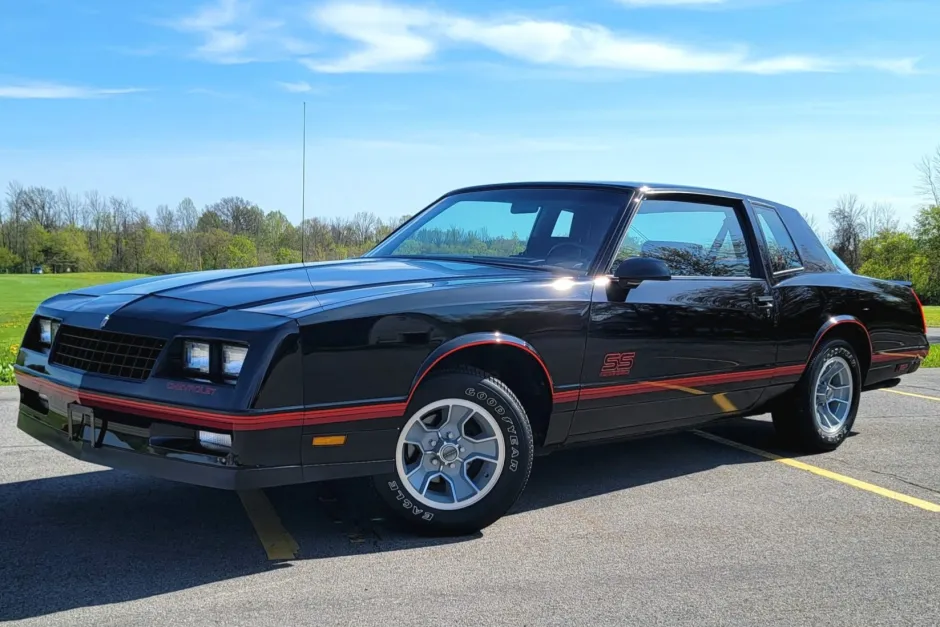
Inside, the Aerocoupe reflected classic GM 1980s performance style. Plush bucket seats, square dashboards, sporty gauges, and thick steering wheels created a cabin atmosphere focused on comfort mixed with muscle car attitude. It felt more like a highway cruiser than a precision sports machine, which suited the car perfectly.
Driving an AeroCoupe today feels deeply nostalgic because the experience remains unapologetically analog. Soft suspension movement, V8 rumble, and rear-wheel-drive behavior combine to create a relaxed but charismatic personality modern performance cars rarely capture.
The Monte Carlo SS Aerocoupe spent decades as an overlooked curiosity from NASCAR history. Now, enthusiasts increasingly recognize it as one of the most distinctive and collectible forgotten muscle cars of the 1980s.
5. Buick Regal T-Type
The Buick Regal T-Type proved that muscle cars during the 1980s did not need giant V8 engines to intimidate competitors. Buick shocked enthusiasts by using turbocharged V6 power to create one of the quickest American performance cars of the decade.
While the latter Grand National usually receives most of the attention, the Regal T-Type quietly delivered much of the same excitement while remaining overlooked for years.
What made the T-type special was its unexpected personality. From the outside, many examples looked restrained compared to louder sports coupes of the era.
Yet under the hood sat a turbocharged engine capable of producing surprising acceleration. The sudden surge of boost gave the car a completely different character from traditional naturally aspirated muscle machines.
The Regal T-Type also represented an important turning point in American performance engineering. Automakers were searching for ways to create speed while meeting stricter emissions and fuel economy standards. Buick answered by embracing turbocharging at a time when many competitors still relied heavily on old formulas.
Driving the T-type today feels unique because the car combines luxury coupe comfort with genuine straight-line performance. Soft seats, smooth highway manners, and quiet cruising behavior contrast sharply with the aggressive acceleration available once the turbo spools up. That dual personality became one of the car’s greatest strengths.
Another reason the Regal T-Type faded into obscurity involves its more famous sibling. The Grand National became a cultural icon, leaving the T-type largely ignored despite sharing much of the same mechanical DNA. Because of that, many enthusiasts overlooked how capable the T-type truly was.
Collectors now appreciate surviving examples because they represent a fascinating experimental era for American muscle. Clean cars with factory turbocharged setups are becoming harder to find after decades of modifications and neglect.
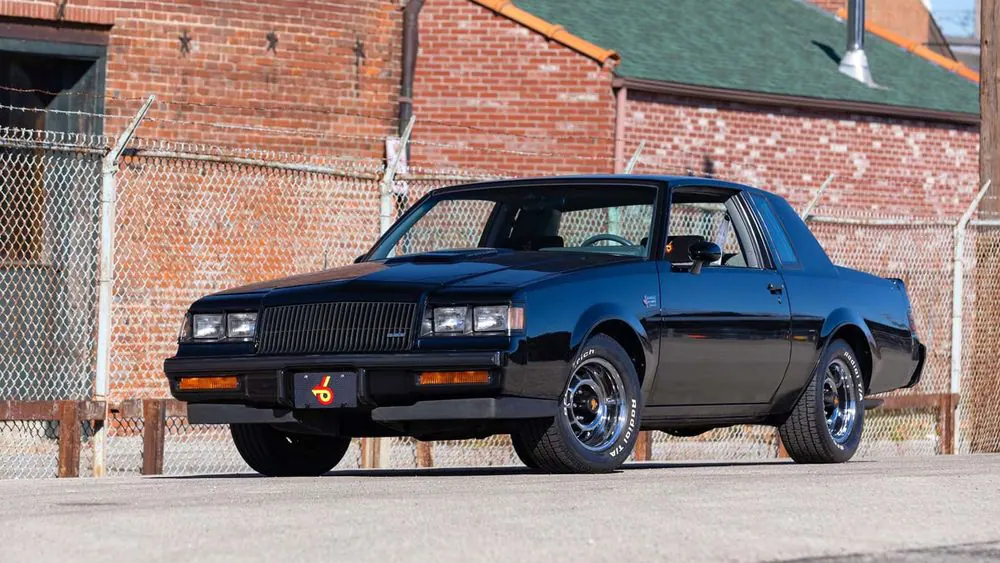
The Regal T Type may not carry the same fame as some 1980s performance legends, but its blend of turbocharged power, sleeper styling, and unmistakable Buick personality makes it one of the decade’s most underrated muscle cars.
6. Ford Thunderbird Turbo Coupe
The Ford Thunderbird Turbo Coupe approached performance differently from traditional American muscle cars. Instead of focusing purely on V8 power, Ford created a sophisticated turbocharged coupe blending speed, technology, and comfort into one distinctive package.
During the 1980s, it stood out as one of the most advanced domestic performance cars, yet many enthusiasts eventually forgot how impressive it really was.
Ford equipped the Turbo Coupe with a turbocharged four-cylinder engine that delivered strong midrange performance and surprisingly modern driving manners. The car also featured advanced suspension tuning, aerodynamic styling, and technology features uncommon for the era, helping it feel far more refined than many rivals.
Visually, the Thunderbird looked sleek and futuristic. Flush headlights, smooth body lines, and wide proportions gave it a dramatic road presence without relying on oversized decals or exaggerated styling tricks. It captured the aerodynamic obsession dominating automotive design during the late 1980s perfectly.
The Turbo Coupe also offered something many muscle cars struggled with at the time. Balance. It could cruise comfortably on highways, handle corners competently, and still deliver exciting acceleration when pushed hard. That versatility made it appealing to buyers wanting performance without sacrificing daily usability.
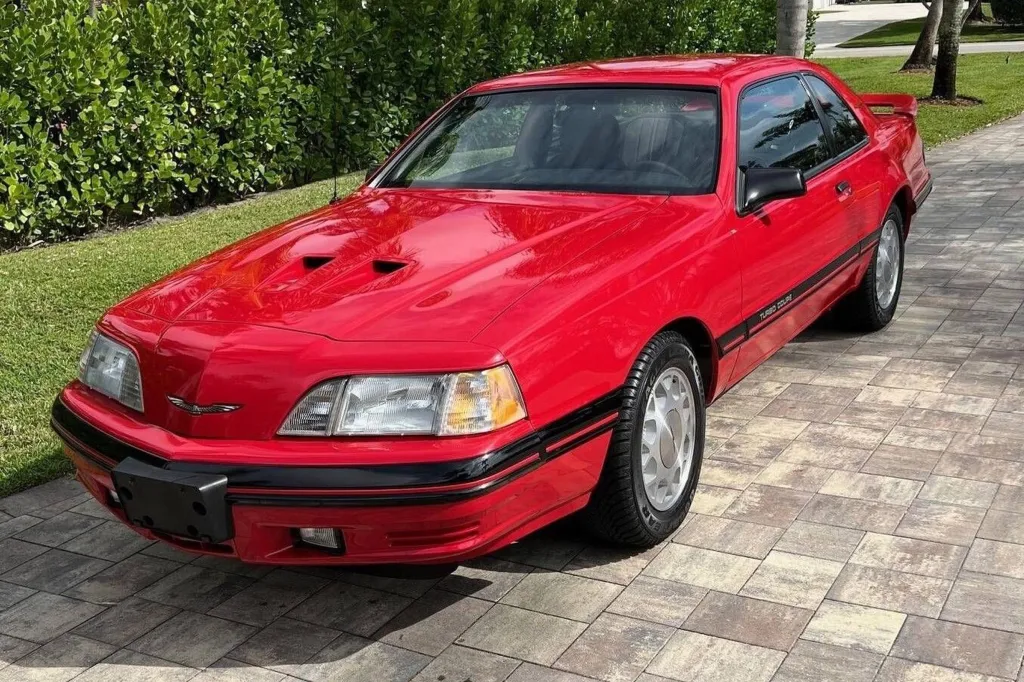
Unfortunately, the car slowly disappeared from mainstream enthusiast conversations because it did not fit traditional muscle car expectations. Turbocharged four-cylinder power confused buyers who associated American performance strictly with V8 engines.
Today, enthusiasts are beginning to appreciate the Thunderbird Turbo Coupe as an important example of how American automakers experimented creatively during the decade. Its combination of technology, turbocharged performance, and sleek styling now feels deeply connected to the spirit of 1980s automotive culture.
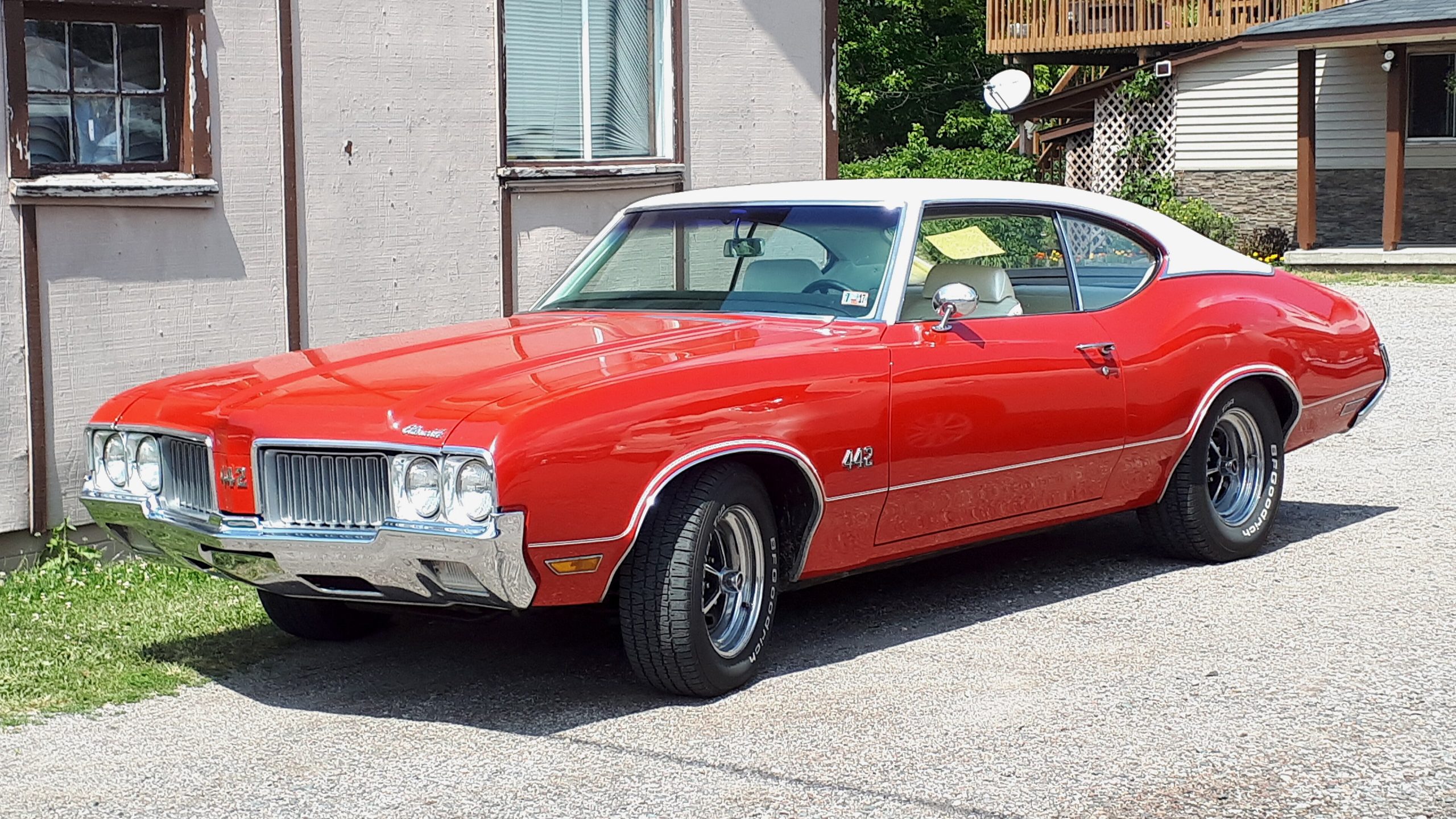
7. Oldsmobile 442
The Oldsmobile 442 name carried enormous muscle car history from the late 1960s and early 1970s, which made its 1980s return especially interesting. By that point, the automotive world had changed dramatically.
Horsepower levels were lower, emissions regulations shaped engine design, and traditional muscle car formulas were fading away. Even so, the 1980s 442 still managed to preserve part of the aggressive spirit associated with the legendary badge.
Built on the rear-wheel-drive G-body platform, the 442 shared much of its structure with other General Motors performance coupes of the era.
What separated it visually was the bold Oldsmobile styling, including distinctive striping, sporty wheels, spoilers, and an aggressive stance. The car looked muscular without becoming cartoonish, which gave it a classy but confident personality.
Performance came from a V8 engine paired with a suspension package designed to deliver sharper handling than ordinary personal luxury coupes.
While it could not match the brutal acceleration of earlier 442 legends, the car still provided satisfying rear-wheel-drive balance and traditional American torque. During the early 1980s, that combination remained appealing to enthusiasts determined to keep muscle car culture alive.
One fascinating aspect of the 1980s 442 is how much it reflected the transition period happening inside Detroit. Automakers were trying to modernize performance while still honoring classic muscle car traditions. The result created cars that blended old-school design cues with newer engineering approaches.
The interior carried unmistakable 1980s GM character. Thick steering wheels, square gauges, plush bucket seats, and chrome-accented controls gave the cabin a sporty but comfortable atmosphere. Driving at night with the illuminated instrument cluster creates a nostalgic feeling that instantly transports enthusiasts back to the decade.
For years, the 442 remained overlooked because collectors focused on earlier Oldsmobile muscle icons instead. Many examples disappeared through neglect, rust, or modification after resale values collapsed. Clean surviving cars are now becoming noticeably rarer.
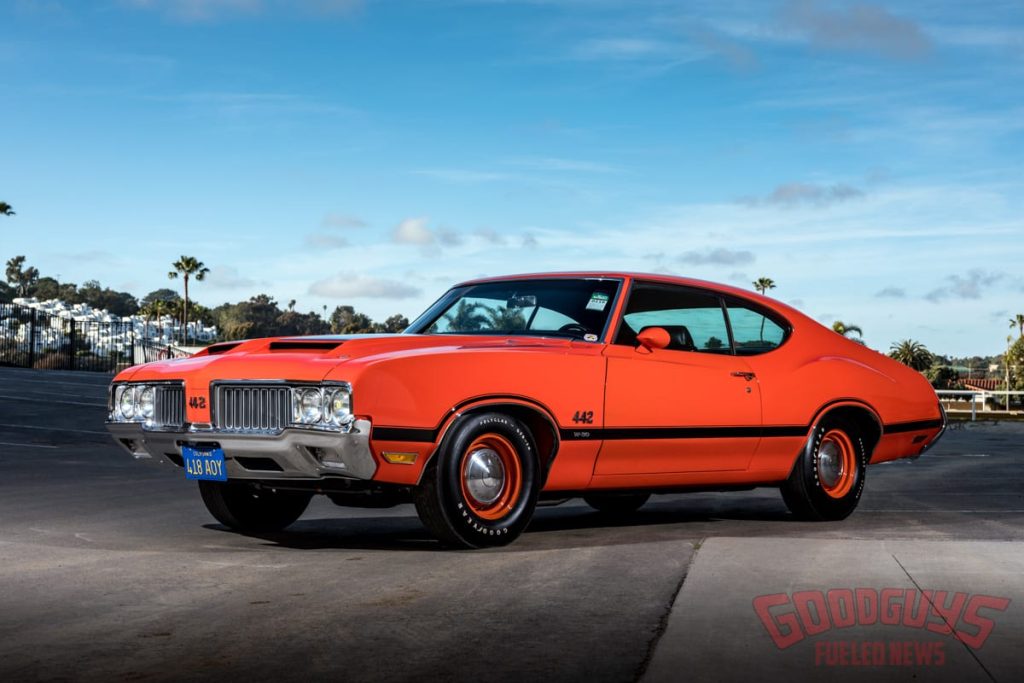
Enthusiasts who drive these cars today often appreciate their honesty. The V8 rumble, rear-wheel-drive layout, and analog steering feel create a raw experience modern vehicles rarely duplicate.
The 1980s Oldsmobile 442 may not receive the same attention as its legendary ancestors, but it still deserves recognition as an important bridge between classic muscle heritage and the changing automotive world of the 1980s.
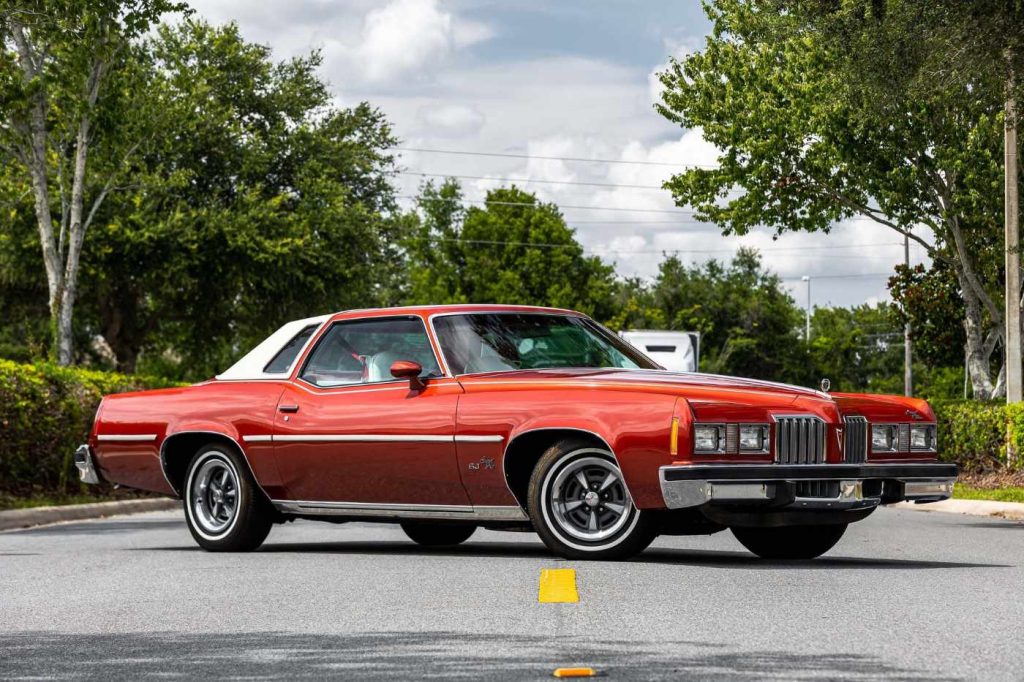
8. Pontiac Grand Prix 2+2
The Pontiac Grand Prix 2+2 stands as one of the strangest and most forgotten muscle-oriented cars of the 1980s. Built primarily to satisfy NASCAR homologation requirements, the 2+2 featured a radically redesigned aerodynamic rear window and extended nose treatment that made it look dramatically different from ordinary Grand Prix coupes.
At the time, many buyers were confused by its unusual appearance. Today, that exact uniqueness makes the car fascinating to collectors.
Pontiac created the 2+2 during an era when NASCAR influence still shaped showroom vehicles heavily. Automakers wanted aerodynamic advantages on the racetrack, and those changes often carried directly into production cars.
The Grand Prix 2+2 became one of the clearest examples of racing technology influencing street car design during the decade.
Under the hood sat a traditional V8 engine delivering smooth American performance character. Like many 1980s muscle-inspired coupes, the car focused more on torque, highway cruising, and visual presence than pure speed numbers.
Still, the rear-wheel-drive platform and V8 soundtrack preserved much of the spirit enthusiasts associated with classic American performance.
The styling remains impossible to ignore even decades later. The huge sloping rear glass, stretched rear deck, and aerodynamic nose created a silhouette unlike anything else from General Motors at the time. Some people considered it awkward, while others admired its futuristic ambition.
Because production numbers remained limited, surviving examples are uncommon today. Many owners treated the cars as ordinary used coupes once values dropped, causing large numbers to disappear through neglect or junkyard scrapping. Finding a well-preserved 2+2 with original equipment has become surprisingly difficult.
The interior reflected the era’s love for sporty comfort. Soft seating, deep dashboards, digital-style graphics, and driver-focused layouts created a cabin atmosphere that balanced muscle car attitude with long-distance cruising comfort.
Driving the Grand Prix 2+2 today feels wonderfully tied to 1980s automotive culture. The V8 sound, soft suspension tuning, and dramatic body styling create an experience full of personality and nostalgia.
The car may have spent decades forgotten beside more famous Pontiac performance machines, but the Grand Prix 2+2 deserves recognition for embracing bold design and NASCAR-inspired engineering during one of the most experimental periods in American automotive history.
The 1980s may not have matched the raw horsepower battles of earlier muscle car eras, but the decade still produced several memorable performance machines that helped keep American enthusiasm alive during difficult industry changes.
Cars like the Dodge Shelby Charger, Mercury Capri RS, Pontiac Firebird Formula 350, and Chevrolet Monte Carlo SS Aerocoupe showed how automakers experimented with turbocharging, aerodynamics, lightweight platforms, and evolving V8 technology.
Many of these vehicles disappeared from mainstream collector conversations because they lived in the shadows of more famous performance icons.
Others suffered from years of neglect, heavy modifications, or low resale values that caused surviving examples to become increasingly rare. Today, enthusiasts are beginning to appreciate these forgotten machines for their bold styling, analog driving feel, and unmistakable 1980s personality.
Whether powered by turbocharged engines or traditional V8s, these cars captured a transitional moment in automotive history when Detroit was rebuilding its performance identity while adapting to a rapidly changing industry.
Also Read: 10 Forgotten Muscle Cars From 1960 to 2000
