
Winter driving becomes far more frustrating when the cabin refuses to warm up. Drivers expect modern vehicles to produce heat quickly, especially during freezing mornings when visibility is low, and comfort matters most.
Yet some vehicles are notorious for taking an unusually long time to deliver warm air through the vents. In many cases, the issue is not a faulty heater but the design of the engine itself.
Small turbocharged motors, highly efficient hybrids, and diesel-powered vehicles often conserve so much energy that very little waste heat is produced during cold weather. That leaves passengers waiting far longer than expected before the interior becomes comfortable.
The problem becomes more noticeable in regions with harsh winters. A car that feels acceptable in mild climates can become irritating in sub-zero temperatures. Owners often report driving several miles before the cabin reaches a usable temperature.
Thick jackets stay on, steering wheels remain icy, and windows can take longer to defrost. Some vehicles even cycle cold air through the vents during idle periods because the engine temperature drops too quickly in traffic.
Manufacturers have attempted to reduce the problem with heated seats, heated steering wheels, and electric supplemental heaters. Still, these features cannot fully replace strong cabin heat coming from the climate control system. Drivers who prioritize winter comfort frequently avoid certain models because of their weak heat output.
Not every slow-warming vehicle is poorly built. Many are efficient, durable, and excellent in other areas. However, heating performance remains one of their biggest complaints among owners living in colder regions.
From hybrids designed for maximum fuel economy to diesel SUVs built around efficiency, some vehicles simply struggle to generate warmth rapidly during winter driving.
Below are ten vehicles known for producing slow cabin heat in freezing conditions, along with the reasons drivers continue to complain about their cold-weather behavior.
Also Read: 10 Brands Where Average Repair Bills Cross $9,000 for Major Jobs
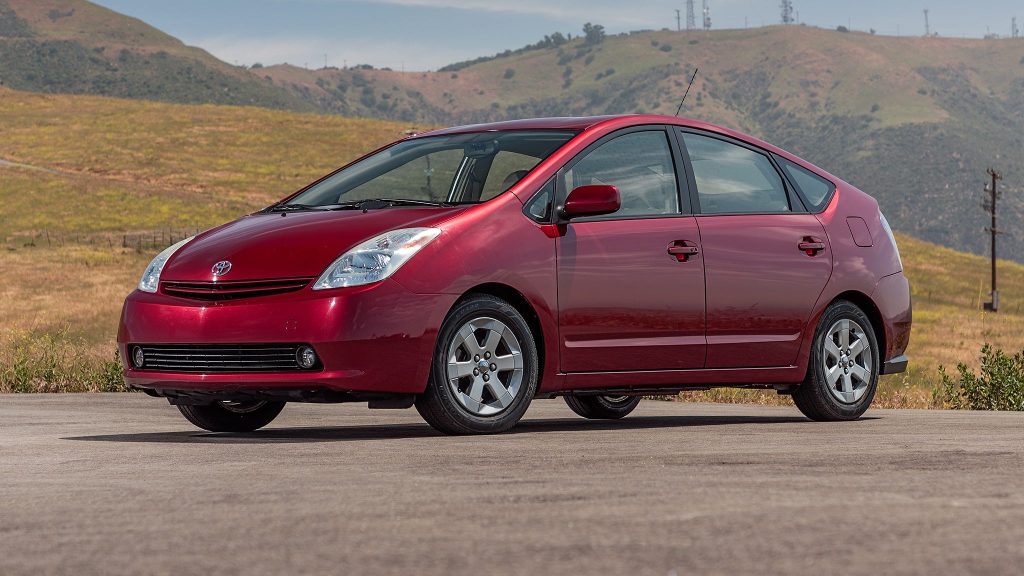
1. Toyota Prius
The Toyota Prius has spent decades building a reputation for exceptional fuel economy, but winter comfort has never been one of its strongest traits. Drivers living in northern climates often describe the first fifteen minutes of a cold morning commute as uncomfortably chilly because the heater takes a long time to produce meaningful warmth.
The issue comes from the hybrid system itself. Since the gasoline engine shuts off frequently to save fuel, there is less continuous heat available for the cabin.
Cold weather magnifies the weakness. When temperatures drop below freezing, the Prius prioritizes efficiency and emissions control before passenger comfort. The engine may idle briefly, warm slightly, then shut off again at traffic lights.
During that period, the cabin can start losing heat almost immediately. Owners frequently mention that highway driving warms the car faster than city driving because the engine stays active longer under steady load.
Toyota added heated seats in higher trims to compensate for the slow climate system response, yet the vents can still push lukewarm air for an extended period. Defrosting also becomes slower compared with traditional gasoline sedans.
Frosted windshields may require several extra minutes before visibility fully clears. This creates frustration for commuters rushing to work on icy mornings.
Another reason the Prius struggles in winter is its tiny, highly efficient engine. Efficient engines waste less energy as heat, which benefits fuel consumption but hurts cabin warming speed. Traditional larger engines naturally create more excess warmth, giving heaters stronger performance much sooner after startup.
Despite this drawback, Prius owners remain loyal because the vehicle excels in reliability and fuel savings. Still, drivers moving from conventional sedans are often surprised by how slowly the interior reaches a comfortable temperature.
In extremely cold areas, some owners even install aftermarket engine block heaters to reduce warm-up times before driving.
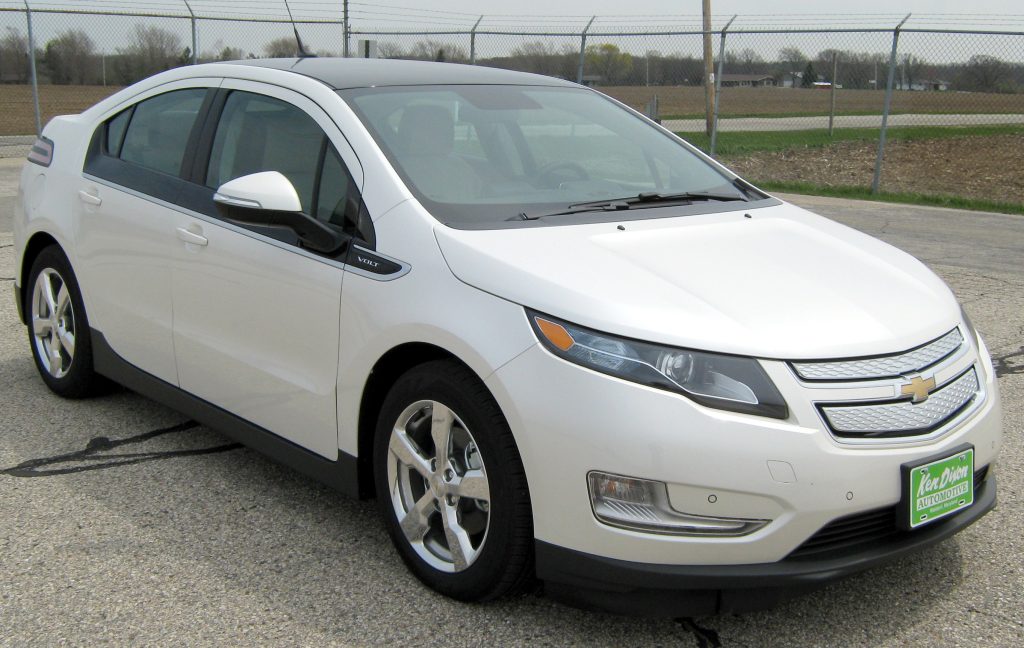
2. Chevrolet Volt
The Chevrolet Volt approaches winter heating differently than many hybrids, yet it still earns criticism for weak cabin warmth during freezing weather.
Because the Volt is primarily engineered around electric driving efficiency, the climate system behaves conservatively to preserve battery range. That tradeoff becomes painfully noticeable during cold mornings.
In electric mode, the Volt uses resistance-based heating rather than relying completely on engine warmth. Resistance heaters consume large amounts of battery power, so the vehicle carefully limits energy use unless the driver increases climate settings aggressively.
Even then, the cabin can take several minutes before feeling truly warm. Owners regularly complain that the first part of winter drives feels cold despite the fan running loudly.
Things become more complicated when outside temperatures plunge further. In severe cold, the gasoline engine may activate simply to help generate heat and maintain battery condition. While this improves cabin temperature eventually, the transition is not immediate. The vehicle still takes longer to warm up than most traditional sedans or crossovers.
Passengers in the rear seats tend to notice the problem most. Front occupants may benefit from heated seats, but airflow reaching the back of the cabin often remains weak and cool during short trips. Families using the Volt in snowy regions have frequently noted that children sitting in the back remain uncomfortable long after the drive begins.
The Volt’s aerodynamic design and insulated cabin help retain warmth once the interior finally heats up. However, getting to that point can require patience. Drivers who frequently take short winter trips rarely give the system enough time to stabilize at a pleasant temperature.
Chevrolet attempted to improve cold-weather usability through remote start features and preconditioning systems. When plugged in overnight, the Volt can warm the cabin before departure using external electricity instead of battery power.
Owners who rely on this feature tend to have a better experience, while those without charging access often face much slower heat delivery during daily winter driving.
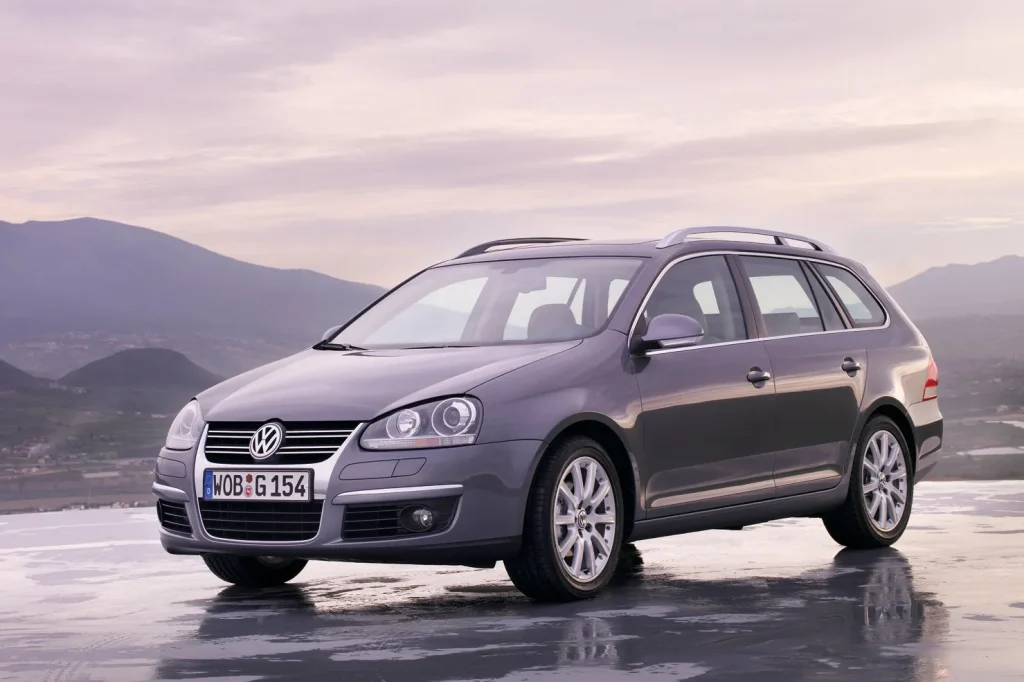
3. Volkswagen Jetta TDI
The Volkswagen Jetta TDI became popular for its impressive highway fuel economy and strong torque, yet winter drivers discovered one persistent annoyance almost immediately. Cabin heat arrives painfully slowly during freezing temperatures.
Diesel engines naturally operate differently from gasoline engines, and that difference creates a major disadvantage when cold weather settles in.
Unlike traditional gasoline motors that generate substantial waste heat soon after startup, the Jetta TDI’s diesel engine runs with remarkable thermal efficiency. Less wasted energy means less heat available for the climate system.
On icy mornings, owners often report driving several miles before the vents begin pushing genuinely warm air. During short city commutes, some drivers barely experience comfortable cabin temperatures before reaching their destination.
The situation worsens during extended idling. While waiting in traffic or sitting at railroad crossings, engine temperatures can actually fall enough to reduce heater effectiveness again.
Drivers sometimes notice the airflow turning cooler even after the cabin has started warming. This creates an irritating cycle where the heater struggles to maintain consistency in stop-and-go winter traffic.
Volkswagen attempted to reduce complaints with supplemental electric heating systems in certain versions, but the difference still falls behind many gasoline competitors. Defrosting speed also remains a weak point. Thick windshield frost can linger longer than expected, forcing drivers to spend additional time scraping ice manually before departing.
Interestingly, highway travel improves the experience significantly. Sustained engine load allows the diesel motor to maintain higher operating temperatures, which finally produces stronger cabin warmth. Unfortunately, that does little for urban commuters who spend most winter drives below highway speeds.
Owners who truly understand diesel behavior often accept the tradeoff because the Jetta TDI rewards them with excellent fuel efficiency and long-range capability.
Yet newcomers transitioning from gasoline vehicles are frequently shocked by the slow heater response. In northern states and Canadian provinces, the vehicle developed a reputation for needing patience during winter mornings, especially when temperatures dropped far below freezing.
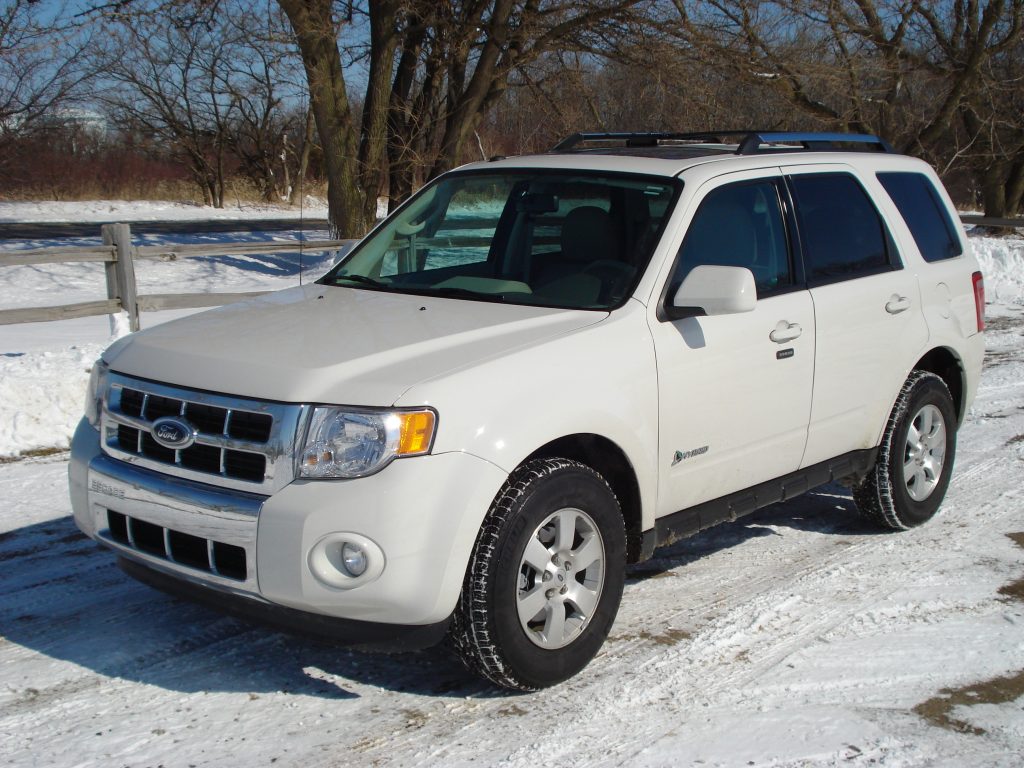
4. Ford Escape Hybrid
The Ford Escape Hybrid promised the practicality of an SUV combined with impressive fuel savings, but cold weather revealed one of its most frustrating characteristics. Drivers expecting quick warmth from a family-oriented crossover instead encountered sluggish heater performance that often struggled during shorter winter trips.
At first glance, many people assume an SUV should naturally provide stronger heating than a compact hybrid hatchback.
The Escape Hybrid proves otherwise. Its gasoline engine frequently shuts down at low speeds to conserve fuel, limiting the amount of continuous heat flowing into the climate system. That interruption becomes extremely noticeable when outside temperatures are near or below zero.
Morning school runs became a common complaint among owners in colder climates. Parents reported that children in rear seats remained cold long after departure because the cabin simply failed to warm quickly enough.
The larger interior volume compared with smaller hybrids also works against the vehicle. More cabin space requires more heat energy, yet the hybrid drivetrain produces limited excess warmth during light driving.
Ford equipped many versions with heated front seats, which improved driver comfort somewhat. Still, heated seats cannot solve cold airflow coming from vents or icy side windows that take too long to clear.
Drivers often turned climate settings to maximum just to achieve moderate warmth, which sometimes forced the gasoline engine to stay active more frequently and reduced fuel economy.
Another frustration appears during idle periods. Waiting at traffic signals or sitting in parking lots often allows cabin temperatures to drop because the engine cycles off repeatedly.
Some owners noticed the heater fan continuing to blow while the air itself became gradually cooler. This constant fluctuation made the climate system feel inconsistent during winter use.
Longer highway drives produced better results because the engine remained active under a heavier load. Once properly warmed, the Escape Hybrid could maintain acceptable cabin temperatures.
The problem centered mainly on the lengthy delay before reaching that stage. Drivers living in regions with severe winters frequently described the vehicle as efficient and practical, yet disappointing when rapid warmth was needed most.
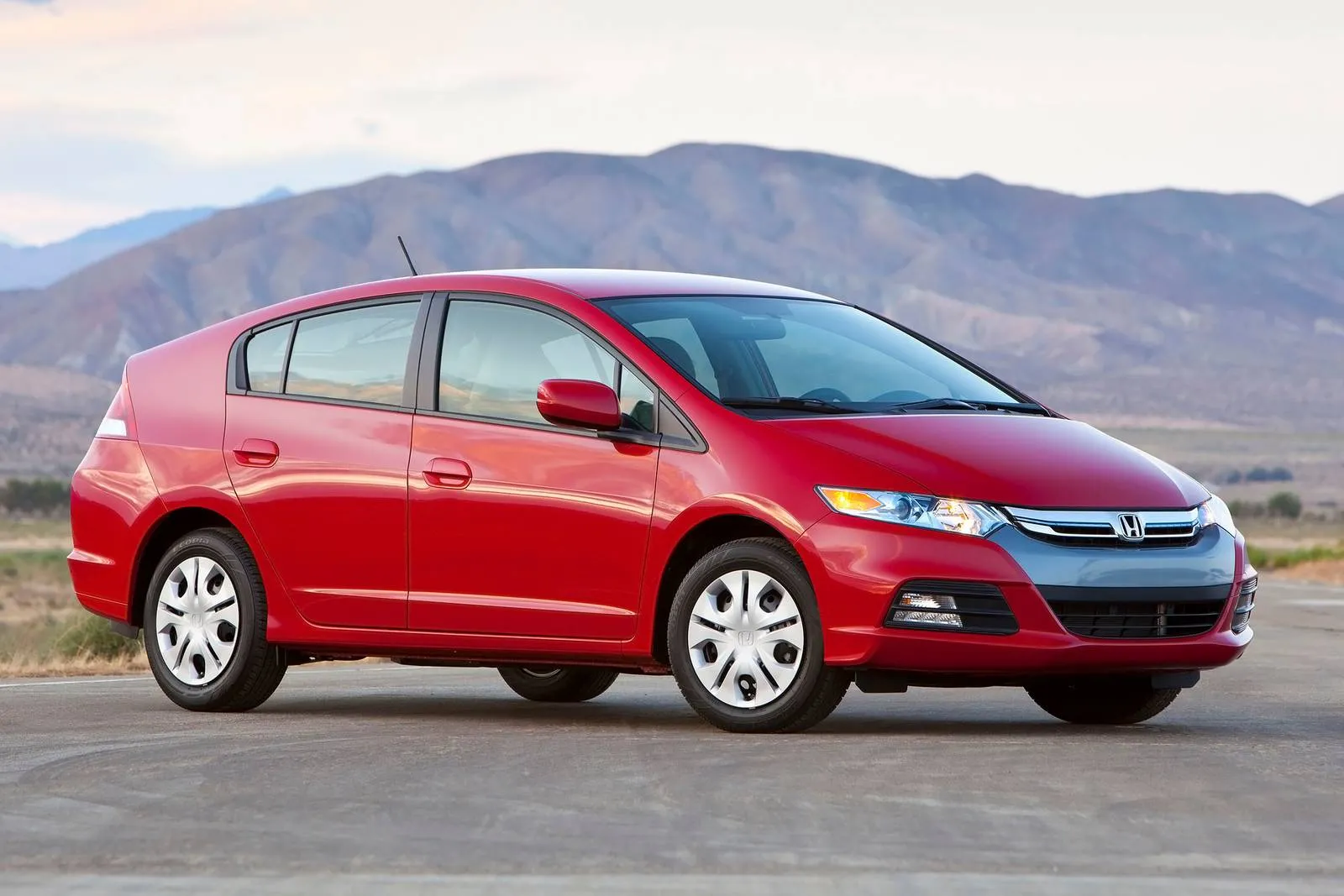
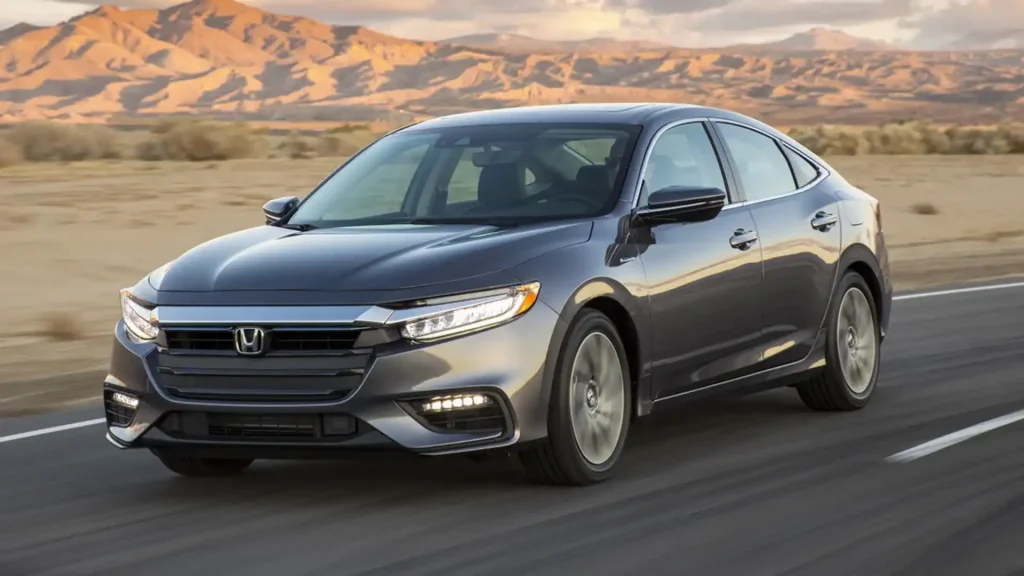
5. Honda Insight
The Honda Insight entered the hybrid market with efficiency as its primary mission, and that focus shaped nearly every part of the car’s behavior during winter.
While owners appreciated the outstanding fuel savings, many quickly realized the heater performance could feel frustratingly weak once temperatures dropped. The cabin often remained cold far longer than drivers expected from a modern sedan.
Part of the issue comes from the Insight’s highly efficient gasoline engine. Efficient engines waste very little energy, which sounds beneficial until winter arrives and passengers need warmth.
The hybrid system constantly attempts to reduce fuel consumption by limiting engine operation, especially during slower city driving. Because the engine shuts down so often, heat generation becomes inconsistent.
Drivers frequently describe a strange pattern during freezing weather. The heater may begin producing mild warmth after several minutes, only for the airflow to cool again when the engine temporarily powers down at stoplights.
That constant change in temperature creates an unpleasant driving experience on short commutes. Some owners say the climate system never fully stabilizes unless the trip lasts more than twenty minutes.
Honda included heated seats in upper trims, though they mainly help front passengers. Rear occupants receive less benefit because warm airflow reaching the back of the cabin remains limited during the early stages of driving.
Families using the Insight during winter road trips often mention that passengers in the rear seats stay bundled in coats much longer than expected.
The windshield defroster also receives criticism in icy climates. Since the cabin takes time to heat up, frost and condensation can linger on glass surfaces longer than in conventional sedans.
Drivers sometimes compensate by letting the vehicle idle in the driveway before departure, though that partially defeats the fuel-saving philosophy behind hybrid ownership.
Interestingly, the Insight performs much better once fully warmed. During extended highway drives, the heater becomes more effective, and the cabin stays comfortable.
The real frustration lies in the first portion of winter travel, particularly during short urban trips where the engine never remains active long enough to build strong heat reserves. Owners who value fuel efficiency above everything else usually accept the compromise, but winter comfort clearly was not the car’s strongest priority.
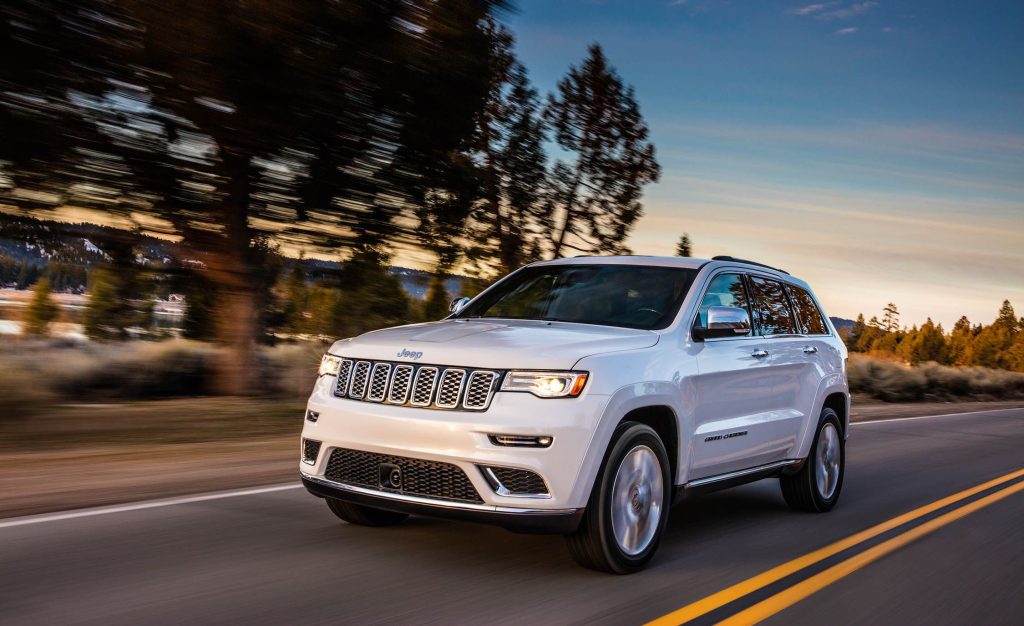
6. Jeep Grand Cherokee EcoDiesel
The Jeep Grand Cherokee EcoDiesel looks like the kind of SUV that should blast warm air moments after startup, especially given its size and premium positioning. Yet many owners discover the opposite during harsh winters.
The EcoDiesel variant became known for taking an unexpectedly long time to heat its cabin, particularly in extremely cold environments.
Diesel engines are largely responsible for the sluggish behavior. The EcoDiesel powertrain extracts energy very efficiently, producing less waste heat than a comparable gasoline V6 or V8.
In practical terms, that means the heater core receives less warmth during the early minutes of driving. Large SUVs already require more energy to heat their interiors because of greater cabin volume, and the diesel engine struggles to meet that demand quickly.
Drivers in northern regions often complain about cold starts where the vents continue blowing chilly air well into the commute. The problem becomes even more noticeable during idle periods. Sitting in traffic or warming the vehicle in a driveway may produce surprisingly little cabin heat because diesel engines warm very slowly in low-load conditions.
Jeep attempted to offset this issue with heated seats and heated steering wheels in many trims. Those features improve direct comfort for the driver but do little to warm the air circulating throughout the cabin. Rear passengers frequently notice the delay most because warm airflow reaches the back rows gradually.
Another challenge appears during extreme cold snaps. Some owners report that the engine temperature gauge itself climbs slowly during subzero weather, delaying effective heater operation further. Thick winter jackets and gloves often remain necessary much longer than drivers expect in a luxury-leaning SUV.
What frustrates buyers most is the contrast between expectation and reality. A rugged, upscale sport utility vehicle suggests strong winter capability, yet the slow-heating system feels more like a compact economy diesel.
Once the engine finally reaches proper operating temperature, the Grand Cherokee EcoDiesel can maintain comfortable warmth without issue. The early stages of winter driving, however, remain a weak spot that many owners continue to mention after years of ownership.
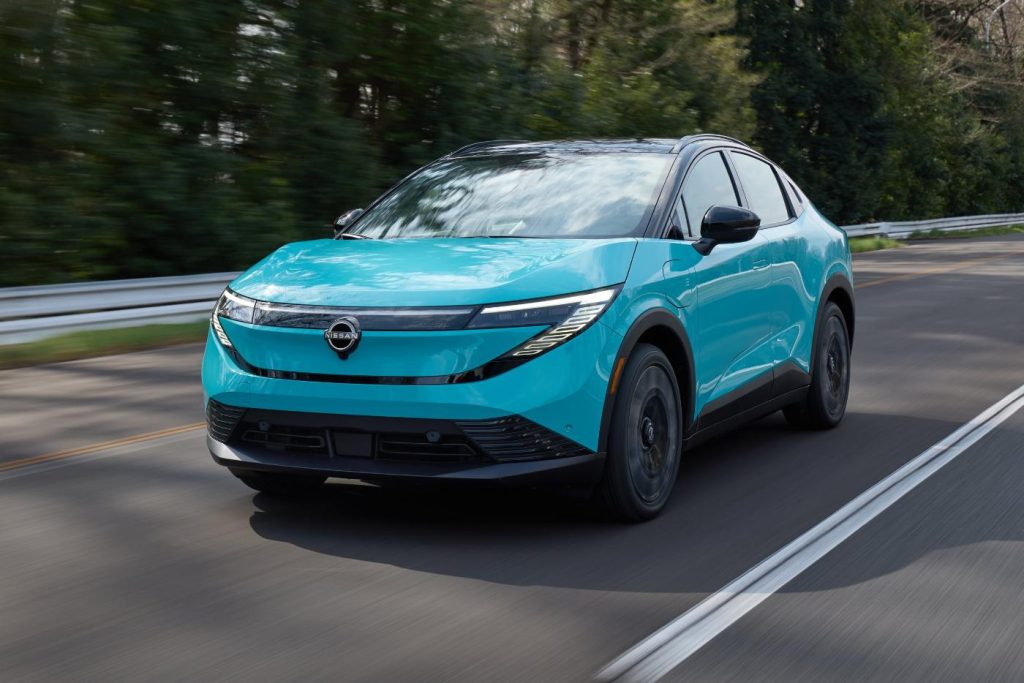
7. Nissan Leaf
The Nissan Leaf changed the electric vehicle market by offering affordable battery-powered transportation to ordinary drivers, but winter heating became one of its biggest weaknesses in colder climates.
Unlike gasoline vehicles that rely on engine heat, the Leaf must generate cabin warmth entirely through electric systems. That creates a difficult balancing act between passenger comfort and battery preservation.
Early versions of the Leaf were especially criticized for sluggish heat output during freezing weather. Drivers often noticed that the heater consumed energy aggressively while still struggling to warm the cabin quickly.
Instead of immediate warmth, the vents could blow cool or barely lukewarm air for several minutes. In severe cold, the situation became even worse because low temperatures reduced battery efficiency at the same time.
Owners frequently faced a frustrating choice during winter drives. Running the heater at higher settings improved comfort slightly but reduced driving range noticeably.
Some drivers intentionally lowered climate settings just to preserve enough battery power for daily commuting. That compromise left many passengers sitting in chilly interiors despite owning a modern vehicle.
The leaf’s cabin design also contributed to the problem. Its relatively open interior requires more time to trap and circulate warm air effectively. Rear passengers often complained about remaining cold during shorter trips because most available warmth was concentrated near the front seats.
Nissan introduced heat pump technology in later versions to improve winter performance. Heat pumps operate more efficiently than traditional resistance heaters, helping the cabin warm faster while using less electricity. Even with these improvements, however, the Leaf still trails many gasoline-powered vehicles in rapid heat delivery during icy mornings.
One area where the Leaf performs better is preconditioning. Drivers can warm the cabin remotely while the vehicle remains plugged into a charger.
This feature helps eliminate the uncomfortable first few minutes of driving and reduces battery drain once the trip begins. Owners with garage charging setups generally report a far better winter experience than those parking outdoors without charging access.
Despite its heating limitations, the Leaf remains popular for urban commuting and low operating costs. Yet drivers living in regions with brutal winters continue to view the climate system as one of the car’s least satisfying characteristics.
The quiet electric drivetrain and efficient engineering succeed in many ways, but rapid cabin warmth remains difficult for the vehicle to deliver consistently.
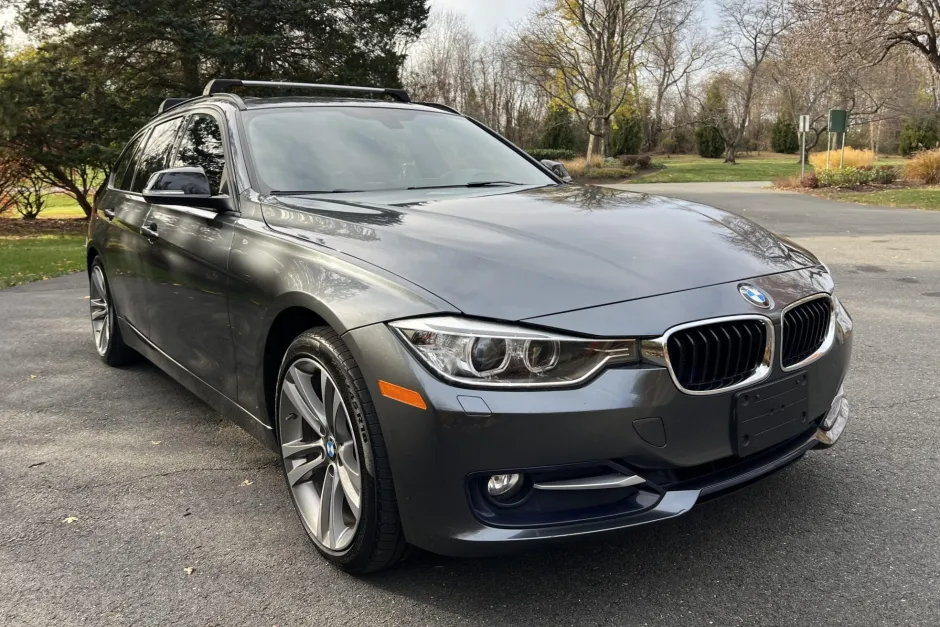
8. BMW 328d
The BMW 328d combines premium comfort with diesel efficiency, though winter owners quickly discover that luxury branding does not guarantee fast cabin heating. In fact, the 328d gained a reputation among drivers in cold climates for taking much longer to warm up than its gasoline-powered BMW counterparts.
The root of the issue lies in the diesel engine’s thermal behavior. Diesel motors produce less waste heat because they operate more efficiently than gasoline engines.
While that efficiency improves fuel economy dramatically, it limits how quickly the heater core receives enough warmth to heat the cabin. During bitter winter mornings, the 328d may continue blowing cool air well after startup.
What makes the experience more surprising is the contrast with driver expectations. Buyers entering a luxury sports sedan anticipate immediate comfort, especially in a premium German vehicle.
Instead, many owners report that the interior remains cold during the first several miles of driving. Heated leather seats soften the discomfort, but they cannot fully compensate for icy cabin air and cold windows.
The vehicle performs particularly poorly during low-speed urban commuting. Stop-and-go traffic prevents the diesel engine from generating enough sustained heat, allowing cabin temperatures to fluctuate constantly. Drivers sometimes notice that warm airflow weakens again during prolonged idling or traffic congestion.
BMW engineers equipped the 328d with advanced climate controls and insulation, which help retain warmth once the car finally heats up.
Highway driving improves conditions substantially because the engine operates under greater load and maintains higher temperatures. Long-distance commuters often experience fewer complaints than city drivers for this reason.
Defrosting also becomes slower compared with gasoline-powered luxury sedans. Thick frost buildup may linger on windshields longer than expected, forcing drivers to rely more heavily on manual scraping before departure. In especially cold regions, owners commonly install engine heaters to reduce warm-up times overnight.
Ironically, the same engineering that makes the 328d appealing in terms of fuel economy directly contributes to its winter heating weakness.
Drivers who prioritize efficiency and long-range touring often tolerate the slow heater response, but anyone expecting instant warmth from a premium sedan can end up disappointed once winter temperatures arrive.
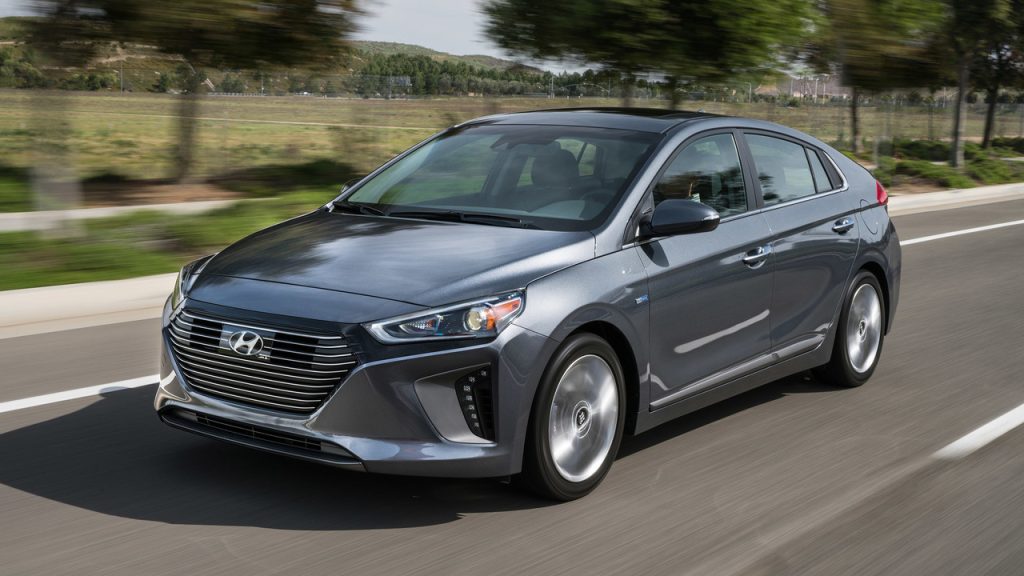
9. Hyundai Ioniq Hybrid
The Hyundai Ioniq Hybrid was designed with one clear mission in mind: maximizing efficiency. That strategy helped the car achieve impressive fuel economy numbers, though winter driving revealed a compromise many owners did not anticipate.
Cabin heat can take an unusually long time to build, especially during short commutes in freezing weather.
Unlike larger gasoline-powered sedans that naturally generate substantial engine warmth, the Ioniq Hybrid uses a compact and highly efficient powertrain that wastes very little energy. From an engineering perspective, this is excellent for fuel savings. From a comfort perspective, it creates problems once temperatures begin falling below freezing.
Drivers often describe the first several minutes inside the Ioniq as surprisingly cold. Even with the fan operating at moderate speed, the vents may continue blowing cool air long after startup. The hybrid system repeatedly shuts the gasoline engine off to conserve fuel, which interrupts heat generation before the cabin reaches a comfortable temperature.
Some owners attempt to force quicker warmth by raising the climate settings aggressively, but that can cause the engine to remain active more frequently and reduce efficiency. This creates a frustrating contradiction. The vehicle achieves its best fuel economy when heating demand stays low, yet passengers need strong heat during harsh winter conditions.
The Ioniq’s lightweight construction and aerodynamic shape also influence cabin comfort. While the design helps efficiency tremendously, the car does not retain heat as effectively as heavier vehicles with larger engines that constantly produce warmth.
During brief errands around town, the interior may never fully stabilize at a comfortable temperature.
Hyundai equipped many trims with heated seats and steering wheels, which became essential features for owners in colder states and provinces. Front passengers generally remain more comfortable because of those additions, while rear occupants may continue waiting for warmer airflow from the vents.
Long highway journeys improve the experience considerably. Sustained engine operation eventually allows the heater system to function properly, and the cabin can stay warm once fully heated.
The complaints mainly come from drivers making shorter trips where the hybrid system prioritizes fuel savings over rapid warmth.
For commuters living in milder climates, the issue may feel minor. In snowy regions with long winters, however, the slow heat output becomes one of the vehicle’s most commonly discussed cold-weather drawbacks.
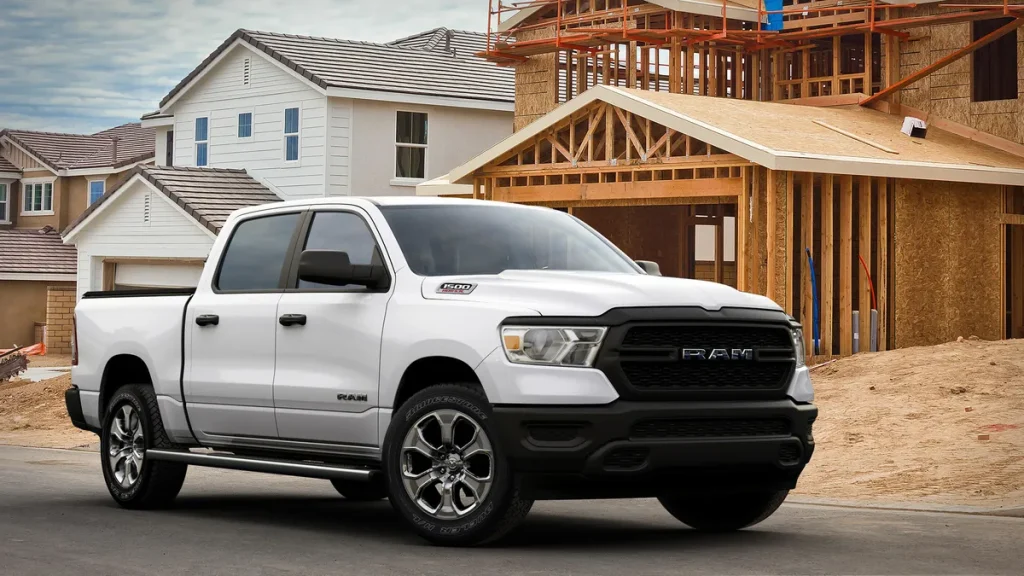
10. Ram 1500 EcoDiesel
The Ram 1500 EcoDiesel delivers strong towing capability and excellent highway efficiency for a large truck, but winter heating performance often disappoints owners expecting traditional pickup toughness.
Many drivers assume a full-size truck will produce powerful cabin heat almost instantly. The EcoDiesel version proves that assumption wrong during extremely cold mornings.
Diesel efficiency once again sits at the center of the problem. The EcoDiesel engine conserves energy so effectively that it generates far less waste heat than a large gasoline V8. As a result, the heater system receives limited warmth during the first stages of driving. In subzero weather, the truck can take far longer to warm up than older gasoline-powered pickups.
The issue becomes especially noticeable because of the Ram’s spacious interior. Crew cab models contain a huge amount of air that must be heated before passengers feel comfortable. Rear seat occupants frequently experience the slowest warming because airflow takes time to circulate throughout the cabin.
Truck owners in northern climates often report that idling alone does little to accelerate cabin heating. The diesel engine warms slowly unless placed under load, meaning the vehicle may continue producing weak heat even after several minutes sitting in a driveway. Some drivers become frustrated after remote starting the truck only to enter a cabin that still feels icy.
Ram equipped higher trims with heated seats, heated steering wheels, and advanced climate features to improve winter comfort. Those additions help direct body warmth but cannot fully replace strong hot airflow from the ventilation system. Defrosting thick windshield ice can also require additional patience compared with gasoline tankers.
Interestingly, the EcoDiesel behaves much better during long highway drives or towing situations. Under heavier engine load, temperatures rise more effectively, and the heater becomes substantially stronger. The weakness appears mainly during lighter daily driving and short winter trips around town.
Despite these complaints, many owners continue choosing the EcoDiesel because they value torque, fuel economy, and long-distance cruising range. Yet when temperatures plunge deep into winter territory, the truck’s slow heating response stands out as one of its biggest comfort-related compromises.
Also Read: 10 Engines With Timing Chain Tensioners That Never Require Replacement
