
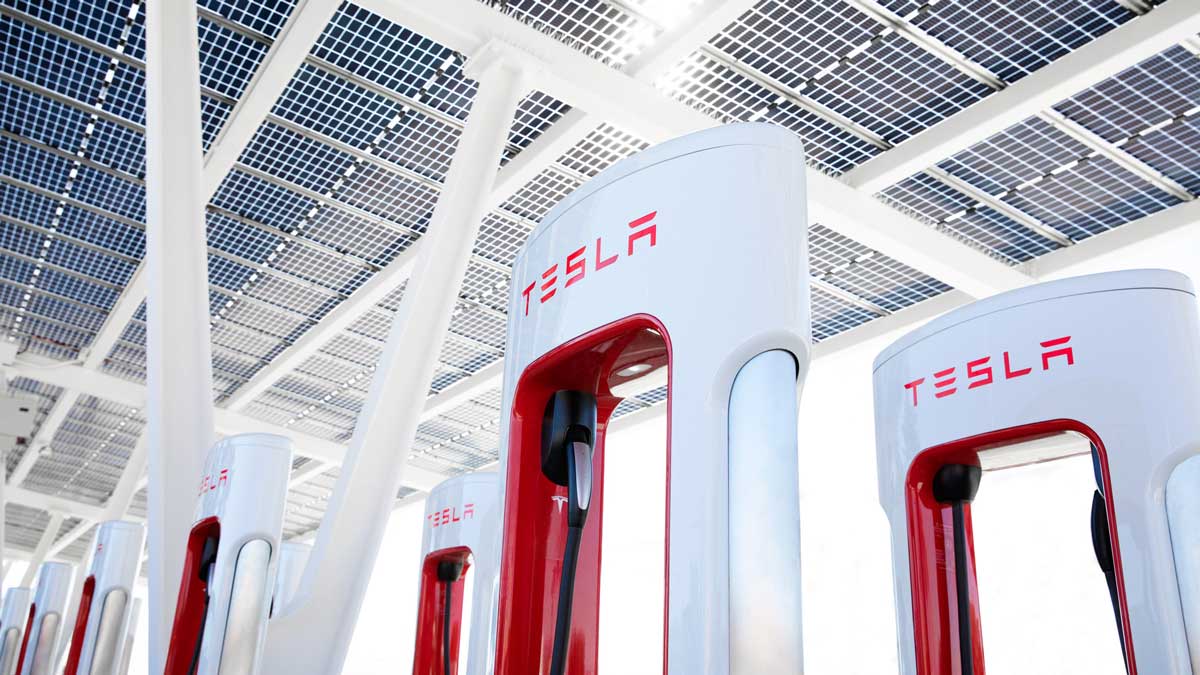
Tesla has finally started testing a virtual waitlist system for crowded Supercharger stations, more than a year after public disputes between drivers pushed the company to address growing congestion at charging locations. The pilot programme is now active at five Supercharger stations across California and New York, giving Tesla owners the ability to join a digital queue through their vehicle interface and the Tesla mobile app instead of physically waiting in line at charging stalls.
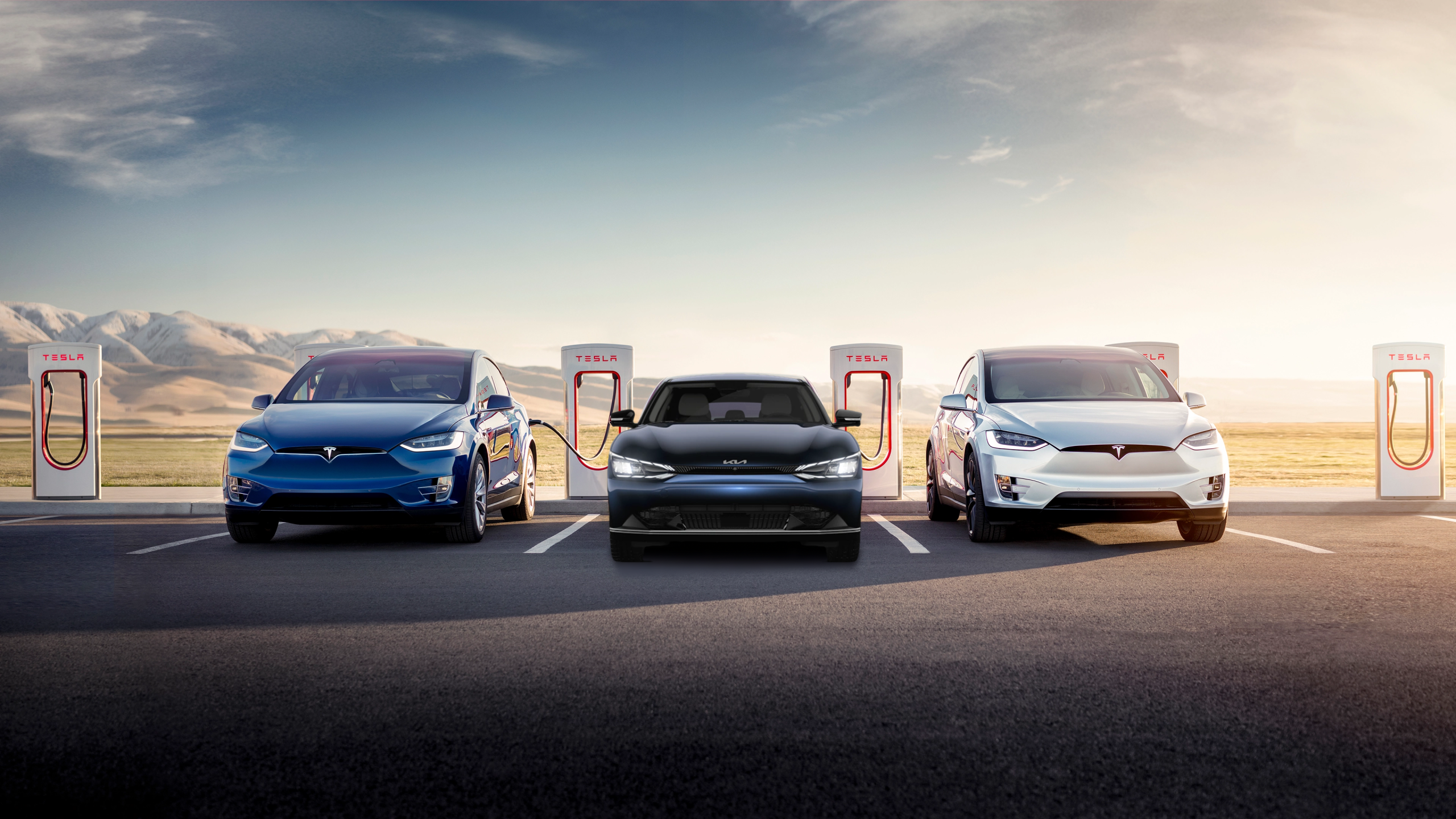
The move follows years of complaints from electric vehicle owners who struggled with overcrowded charging stations during holidays, weekend travel periods, and peak commuting hours. As Tesla expanded Supercharger access to drivers from other automotive brands such as Ford, General Motors, Rivian, Hyundai, and Lucid, pressure on certain stations increased sharply.
While Tesla still operates the largest and most reliable charging network in the United States, congestion at busy locations has become more common than it was several years ago. Public frustration surrounding charger access reached a wider audience in early 2025 after a video showing two Tesla owners fighting over charging priority spread rapidly across social media platforms.
The footage became symbolic of a larger issue facing electric vehicle infrastructure in busy urban areas. Shortly after the incident gained attention online, Tesla confirmed that it would begin developing a virtual queuing system intended to reduce confusion and prevent disputes at packed charging stations.
Now, after months of software testing and code discoveries within Tesla’s mobile app, the company has launched a real-world pilot programme involving selected charging locations in Los Gatos, Mountain View, San Francisco, San Jose, and the Bronx. The trial represents Tesla’s first public attempt to organise charging demand digitally rather than relying on informal parking lot etiquette.
How Tesla’s Virtual Queue System Works
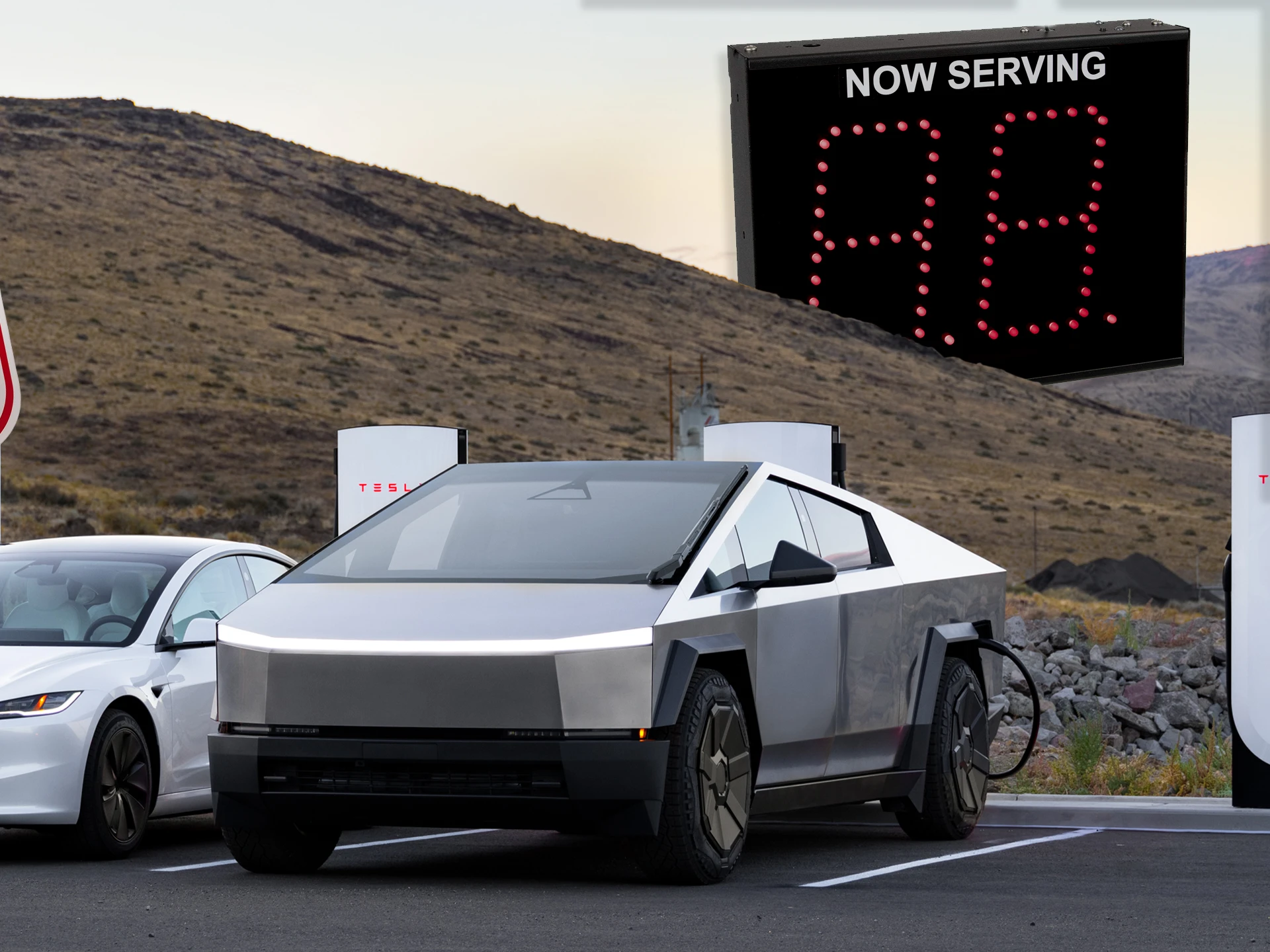
Tesla’s new waitlist feature activates automatically when a driver is traveling toward a Supercharger location where every charging stall is already occupied. Once the system detects congestion, the vehicle informs the driver that a virtual queue is available. Drivers can then join the waitlist directly through the car’s infotainment screen or the Tesla mobile application.
After joining the queue, users receive information showing how many vehicles are ahead of them and an estimated waiting period before a charging stall becomes available. Tesla says the system is intended to remove uncertainty from crowded charging stations, particularly in locations where drivers previously had to determine queue order manually.
Tesla has also included a “Leave the waitlist” option for drivers who decide not to remain in line. That feature could become useful in situations where nearby charging stations have shorter waiting periods or when drivers choose to continue their journey instead of waiting.
At present, Tesla has not fully explained every operational detail of the pilot system. Questions remain about how long a reserved charging position stays active if a driver fails to plug in immediately after receiving notification. It is also unclear whether Tesla will eventually restrict charging access for drivers who bypass the digital queue and plug in directly without joining the waitlist first.
Early demonstration videos shared online show that the system relies heavily on driver cooperation rather than strict enforcement. That means queue-jumping may still occur if drivers ignore the process completely and connect their vehicles to open chargers before their assigned turn arrives.
Some Tesla owners have already suggested that the company should temporarily block unauthorised charging sessions until the assigned vehicle connects to the designated stall. Tesla appears to be gathering feedback during this limited pilot before deciding whether broader deployment across its charging network is practical.
Also Read: Hyundai’s IONIQ V Debuts with Sleek Design and 600 km Range
Rising Congestion at Supercharger Stations
The introduction of virtual waitlists reflects a larger challenge facing the electric vehicle market in North America. Charging infrastructure has expanded steadily during the past several years, yet electric vehicle adoption has grown rapidly at the same time.
This imbalance has created pressure at busy charging sites, particularly in states such as California, where EV ownership rates remain among the highest in the country. Unlike petrol stations, where drivers typically queue directly behind fuel pumps, electric vehicle charging stations often operate differently.
Drivers may park in separate areas while waiting for stalls to become available, creating confusion regarding arrival order. At busy locations, drivers sometimes rely on memory, verbal agreements, or visual observation to determine who should charge next. During crowded periods, this system can break down quickly.
Tesla itself previously stated that waiting occurs in only a small percentage of charging sessions. Even so, complaints from drivers have become more frequent as more non-Tesla electric vehicles have gained access to the Supercharger network.
Some Reddit users discussing the pilot programme described waiting periods exceeding one hour during holidays and major travel weekends in parts of New York and New Jersey. California remains one of the busiest regions for Tesla charging demand because of the large concentration of Tesla vehicles on the road.
Four of the five pilot locations are located within the San Francisco Bay Area, which serves as a practical testing ground due to its heavy traffic. Tesla likely selected these locations because they regularly experience congestion and queue disputes.
Long charging times also contribute to the problem. While Tesla Superchargers are among the fastest public chargers available, charging still requires much more time than filling a petrol tank. Drivers may occupy charging stalls for twenty to forty minutes, depending on battery level, weather conditions, and charger speed. During peak periods, queues can build rapidly even at larger stations with numerous stalls.
Also Read: Nearly 19K Audi EVs Recalled Due to Brake Connection Issue
Questions and Challenges Still Facing the System
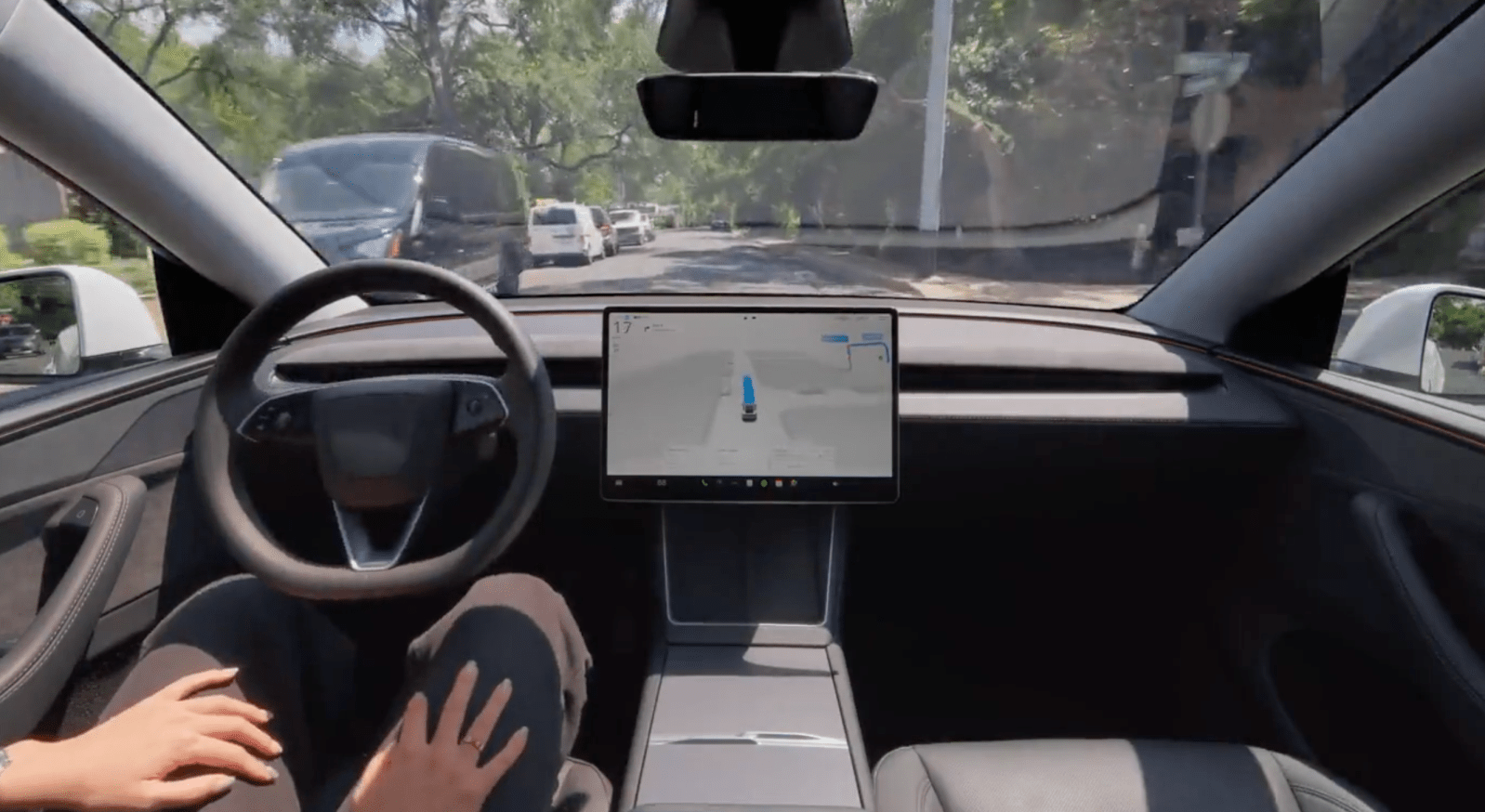
Although the virtual queue pilot addresses a genuine problem, several uncertainties remain regarding how effective the system will become in practice. One major issue involves non-Tesla electric vehicles that now use the Supercharger network through Tesla’s charging agreements with rival manufacturers.
Tesla confirmed that non-Tesla drivers can join the queue using the Tesla app. However, those drivers may not receive the same integrated notifications available within Tesla vehicles themselves. This creates the possibility of uneven user experiences between Tesla owners and drivers from other brands.
Another concern relates to enforcement. If a driver ignores the waitlist completely and plugs directly into an available charger, the current pilot does not appear to prevent the session automatically. Several online discussions surrounding the pilot have focused on whether Tesla should reserve chargers digitally for specific vehicles or introduce penalties for queue-jumping behaviour.
There are also practical concerns involving battery preconditioning. Tesla vehicles automatically prepare battery temperature for fast charging when drivers drive toward Superchargers. Some owners argue that remaining in a virtual queue for extended periods could waste battery energy preparing for high-speed charging while the vehicle is still waiting.
Despite these concerns, the pilot programme represents an acknowledgement from Tesla that charging congestion is becoming harder to ignore as electric vehicle adoption increases. The company continues expanding its Supercharger network, adding stations and charging stalls each year, but software-based queue management may become equally important in crowded urban regions and busy travel corridors.
Whether Tesla’s virtual waitlist becomes a permanent nationwide feature will likely depend on customer feedback gathered during this early testing phase. If the system succeeds in reducing confusion and preventing disputes at busy charging locations, it could become a standard part of the electric vehicle charging experience in the years ahead.
