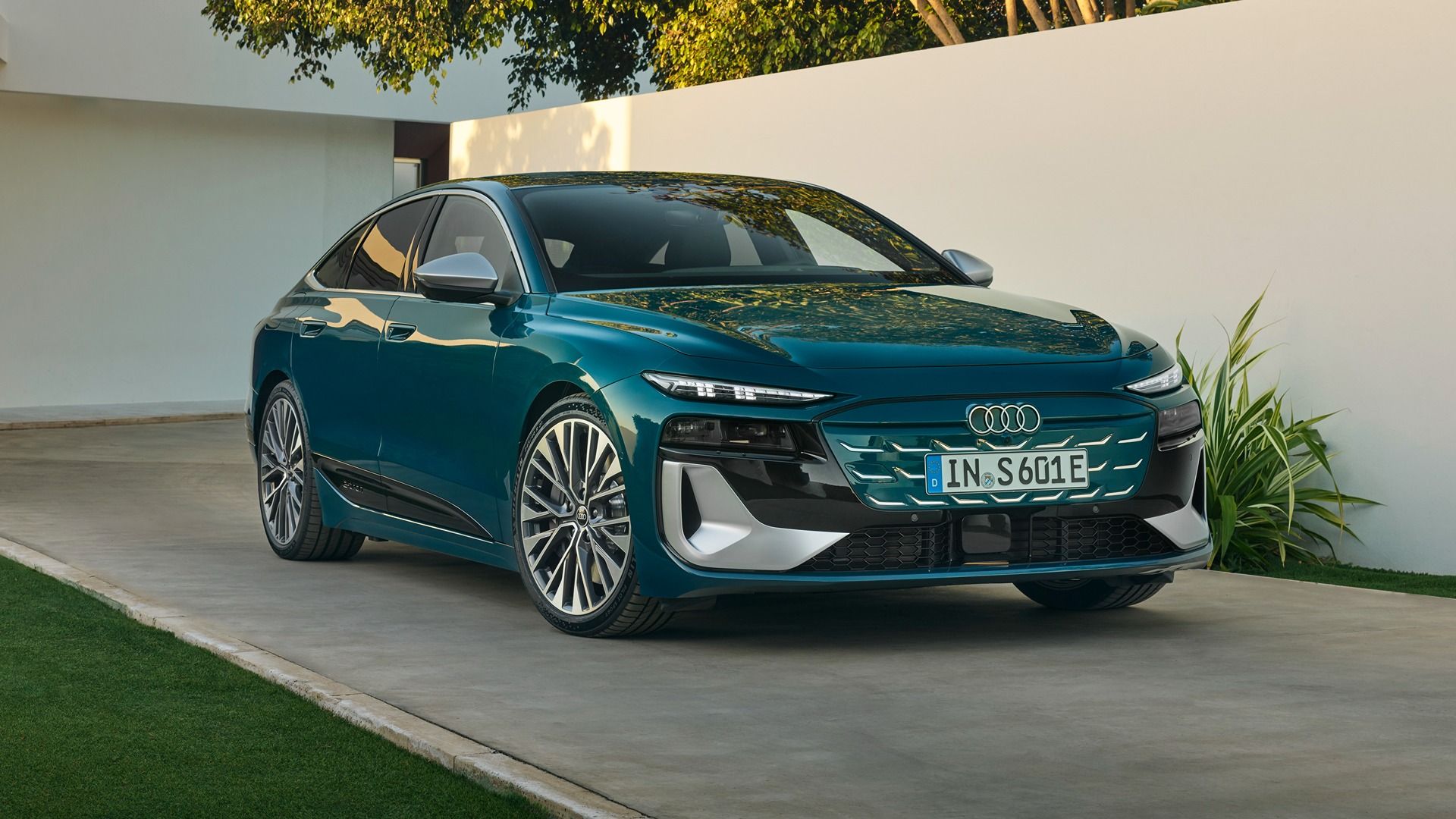
Audi has issued a significant recall affecting its early-generation electric SUVs in the United States, citing a defect in the braking system that could compromise vehicle safety. The campaign covers 18,853 units, including 2019 to 2024 Audi e-tron models and 2020 to 2024 e-tron Sportback variants, and centers on a mechanical fault that may reduce normal braking performance.
According to the company, the issue originates from a fastening point within the brake system assembly. A screw connection linking the brake pedal mechanism to the brake booster may not have been tightened to the correct torque specification during production.
If that connection loosens over time or separates entirely, the driver could experience a loss of standard braking assistance. In such a scenario, the vehicle would rely on its secondary or emergency braking capability, which requires significantly greater pedal effort and increases stopping distance.
The defect has been traced to a supplier-related manufacturing process, where improper torque application occurred at a specific stage in assembly.
Audi initially identified a limited number of affected components but later expanded the recall after determining that a broader production range could be impacted. This escalation reflects a cautious approach to safety, ensuring that all potentially affected vehicles are inspected and corrected.
Despite the seriousness of a braking-related defect, Audi has stated that it is not aware of any crashes, injuries, or fatalities linked to this issue. That said, regulators and manufacturers typically treat any compromise to braking systems as a high-priority concern, given their direct role in vehicle control and accident prevention.

To address the problem, Audi dealers will inspect the affected vehicles and verify the integrity of the connection. In most cases, the remedy involves tightening the fastening component to the proper specification.
If any parts are found to be damaged or improperly installed, they will be replaced as necessary. The repair is expected to be relatively straightforward and will be carried out at no cost to owners.
The recall applies specifically to Audi’s e-tron lineup, which represents the brand’s early push into fully electric vehicles. These models introduced a range of new systems, including regenerative braking and electronic brake blending, which work alongside traditional mechanical components.
While the defect itself is mechanical rather than software-related, it underscores the complexity of integrating conventional hardware with modern EV architectures.
From an industry perspective, the recall highlights the continued importance of quality control in an era of rapid electrification. Automakers are under pressure to scale production of electric vehicles while simultaneously introducing new technologies and supply chains.
This environment increases the risk of manufacturing inconsistencies, particularly when components are sourced from multiple suppliers across different regions.
For Audi, maintaining customer confidence in its electric lineup is critical as it continues to expand its EV portfolio. The company has committed to a long-term transition toward electrification, with multiple new models planned in the coming years. Ensuring reliability and safety in early products like the e-tron is therefore essential to sustaining brand credibility.
Owners of affected vehicles will be notified and instructed to schedule service appointments with authorized dealerships. In the meantime, drivers are generally advised to remain attentive to any unusual brake feel, such as increased pedal travel or reduced responsiveness, and to seek inspection promptly if such symptoms occur.
While recalls are a routine part of the automotive industry, those involving braking systems carry particular weight due to their direct impact on safety. Audi’s response, including the expansion of the recall and provision of a clear remedy, reflects standard industry practice in addressing such risks.
However, it also serves as a reminder that even as vehicles become more technologically advanced, fundamental mechanical integrity remains a critical factor in safety.