
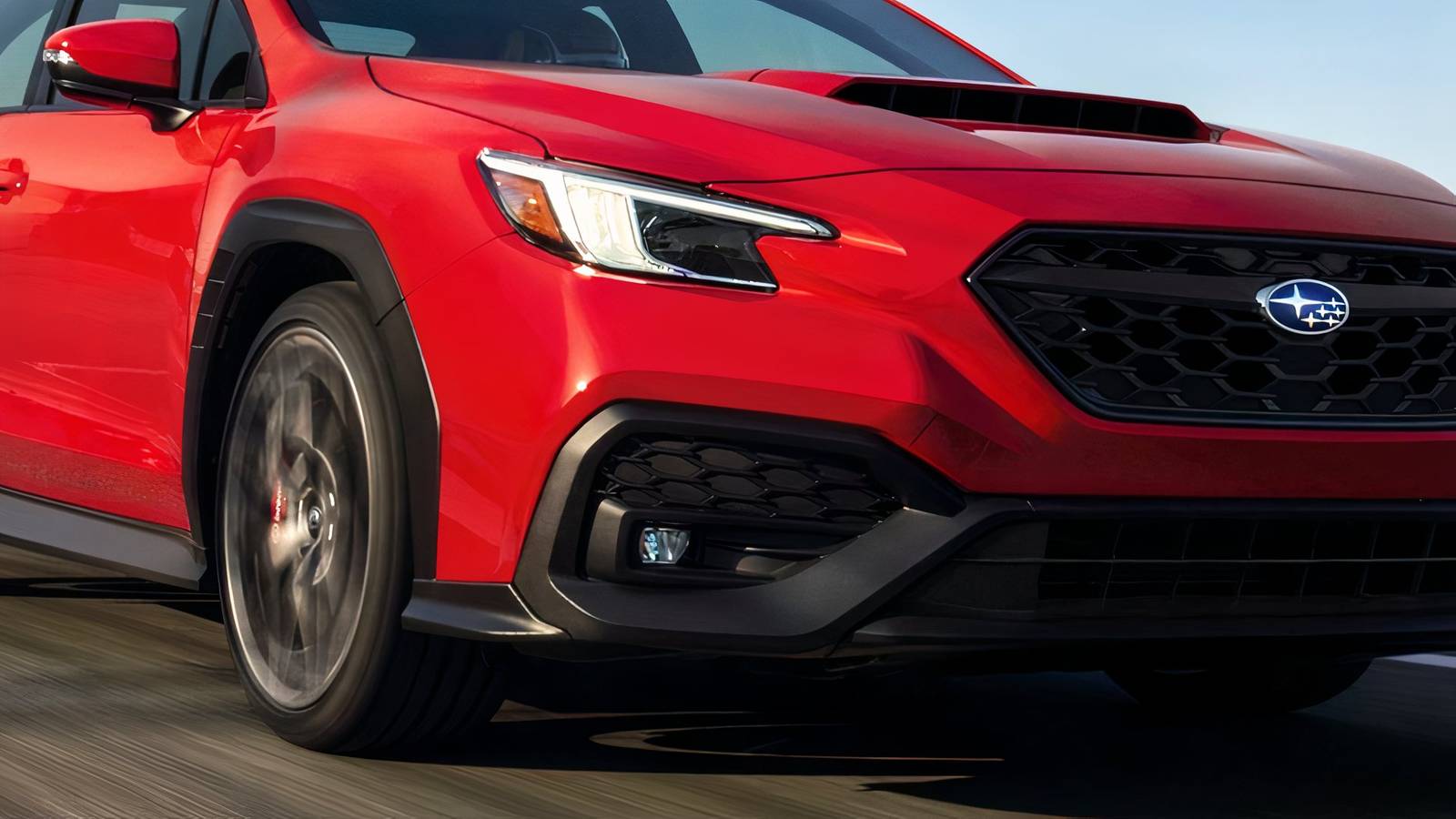
The performance car market has been under pressure in recent years, squeezed by rising interest rates, higher insurance costs, and a general move toward crossovers and electric vehicles. In that environment, even established nameplates have struggled to maintain steady demand. That makes the recent move a move toward crossovers and electric vehicles.
In that environment, even established nameplates have struggled to maintain steady demand. That mSubaru is particularly interesting. By cutting the price of the 2026 Subaru WRX by more than $5,000 across several trims, the company has taken a direct approach to reigniting interest in one of its most recognisable performance models.
Early indicators suggest the strategy is working. Buyers who may have hesitated at earlier price points are returning, and dealers are reporting renewed attention around the WRX lineup. While the car itself remains largely unchanged from a mechanical standpoint, the revised pricing structure has altered its position in the market in a meaningful way.
A Pricing Reset That Changes the Conversation
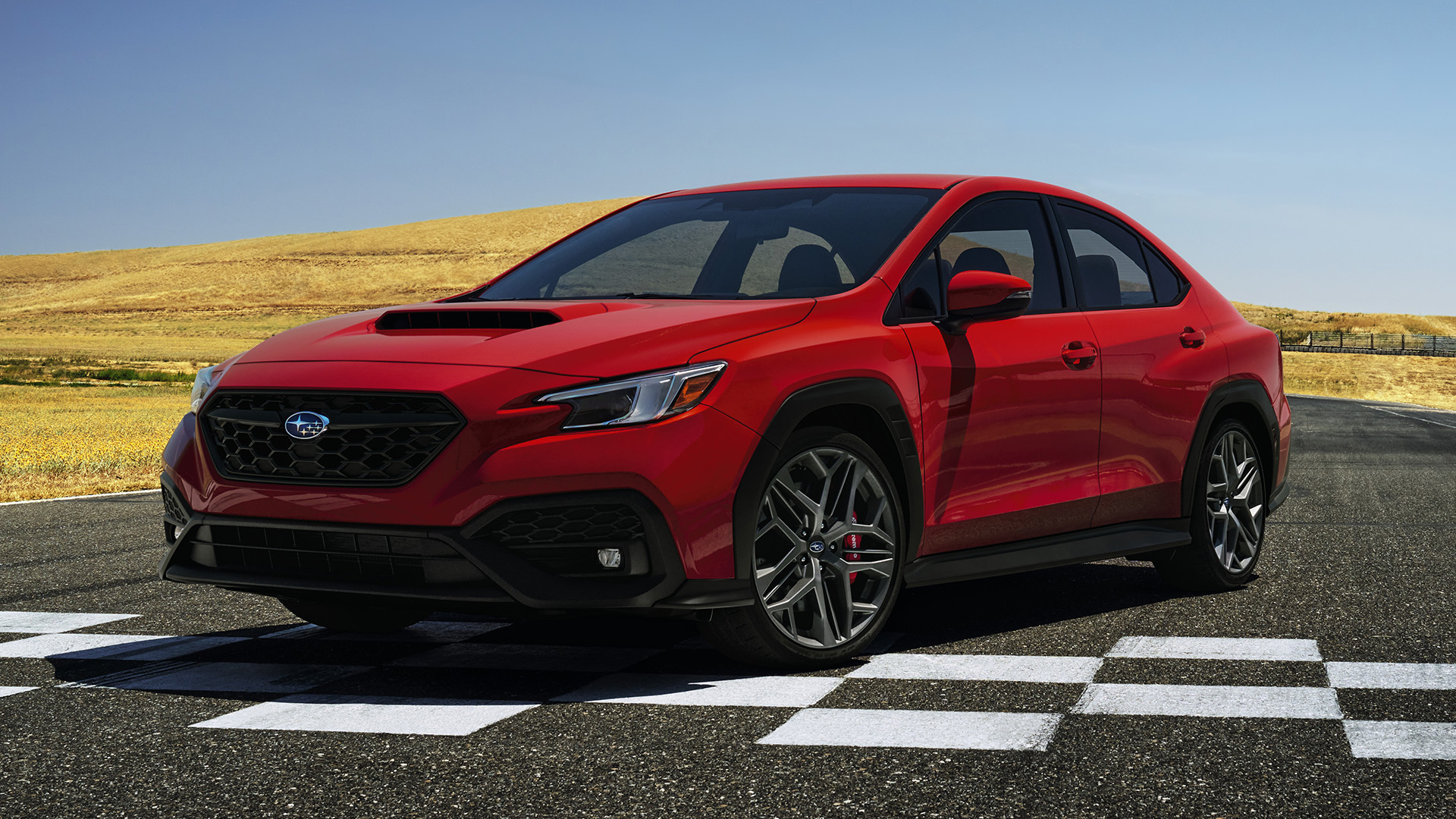
Price plays a decisive role in how performance cars are perceived, especially in a segment where buyers often compare value as closely as horsepower. For 2026, Subaru has reintroduced the base WRX trim at $32,495, a figure that undercuts the previous year’s entry point by a wide margin.
In 2025, the lineup effectively began with the Premium trim at $37,750, leaving a noticeable gap for buyers seeking a more affordable entry into the WRX experience. That gap has now been filled, and the effect is immediate. The Premium trim drops to $33,995, while the Limited, GT, and tS variants also receive meaningful reductions.
Even at the higher end, pricing now sits below where it stood just a year earlier. This repositioning brings the WRX closer to rivals that have traditionally competed on value, while still offering a performance-focused identity. From a buyer’s perspective, the difference is not just numerical.
A lower starting price changes how the vehicle is evaluated during cross-shopping. Instead of being seen as a stretch purchase, the WRX begins to feel attainable again. That psychological adjustment matters in a market where financing costs have made monthly payments a central concern.
Dealers are likely to benefit as well. A more accessible price point increases showroom traffic, which can lead to stronger sales performance. For a model that had experienced a slowdown, this kind of reset provides a practical way to regain momentum without requiring a full redesign.
Also Read: Ford Ranger and Bronco Seat Recall Notice Issued to Owners
Familiar Performance, Now at a Better Value
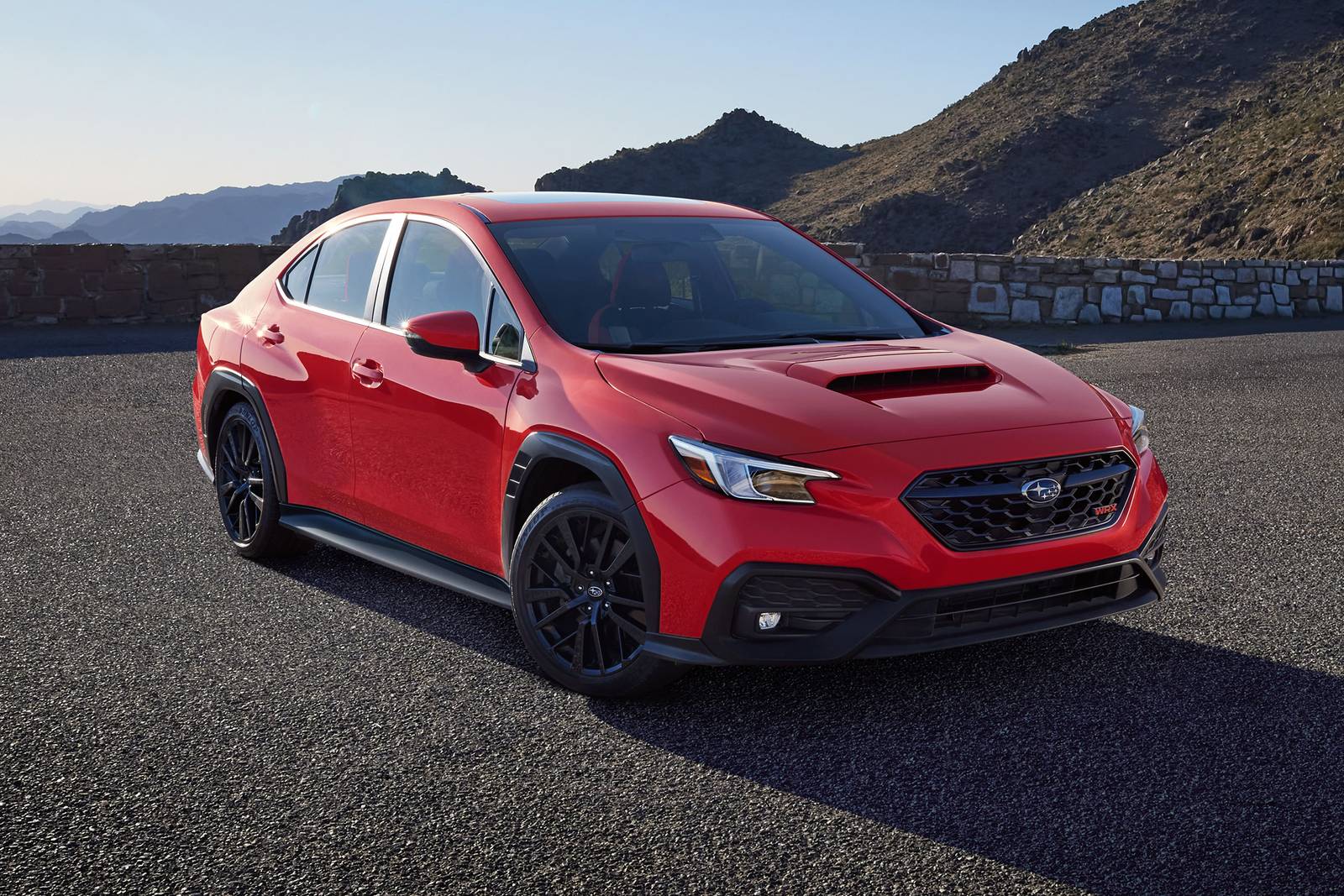
Mechanically, the 2026 WRX remains consistent with the version introduced for the 2022 model year. Under the bonnet sits a 2.4-litre turbocharged boxer engine producing 271 horsepower, paired with either a six-speed manual transmission or a continuously variable automatic option in select trims. The all-wheel-drive system, long associated with Subaru’s identity, continues to deliver confident traction in varied driving conditions.
What changes is the value equation. At the new pricing levels, the same performance package now feels more competitive. Acceleration, handling balance, and everyday usability were never in question with the WRX. The challenge had been justifying the cost relative to alternatives. With the revised pricing, that argument becomes easier to make.
The driving experience remains engaging without being overwhelming. Steering feedback is direct, and the suspension strikes a balance between sportiness and daily comfort. This makes the WRX suitable not only for enthusiastic driving but also for routine commuting. Buyers who want a car that can handle both roles without compromise are likely to find the package appealing.
Fuel economy and running costs remain in line with expectations for a turbocharged performance sedan. While not class-leading in efficiency, the WRX offers a level of practicality that offsets its fuel consumption. Rear seat space and boot capacity are sufficient for daily use, which broadens its appeal beyond traditional performance car buyers.
Features, Trims, and What Buyers Get for Less
Beyond pricing, Subaru has made subtle adjustments to equipment levels across the lineup. Even the reintroduced base model includes features that were previously reserved for higher trims. Eighteen-inch alloy wheels, keyless access with push-button start, and performance-oriented tyres are now part of the entry-level package.
Moving up the range, the Premium trim adds comfort-focused features such as heated front seats, heated mirrors, and a windshield wiper de-icer. These additions are particularly relevant in regions where Subaru vehicles are popular due to winter driving conditions. Interior materials also receive attention, with upgraded upholstery and additional charging ports enhancing everyday usability.
The Limited trim builds on this with a more refined interior environment. A premium audio system, sunroof, and power-adjustable seating are included, along with advanced lighting features that improve visibility during night driving. For buyers seeking a more upscale feel without stepping into luxury-brand pricing, this trim offers a balanced option.
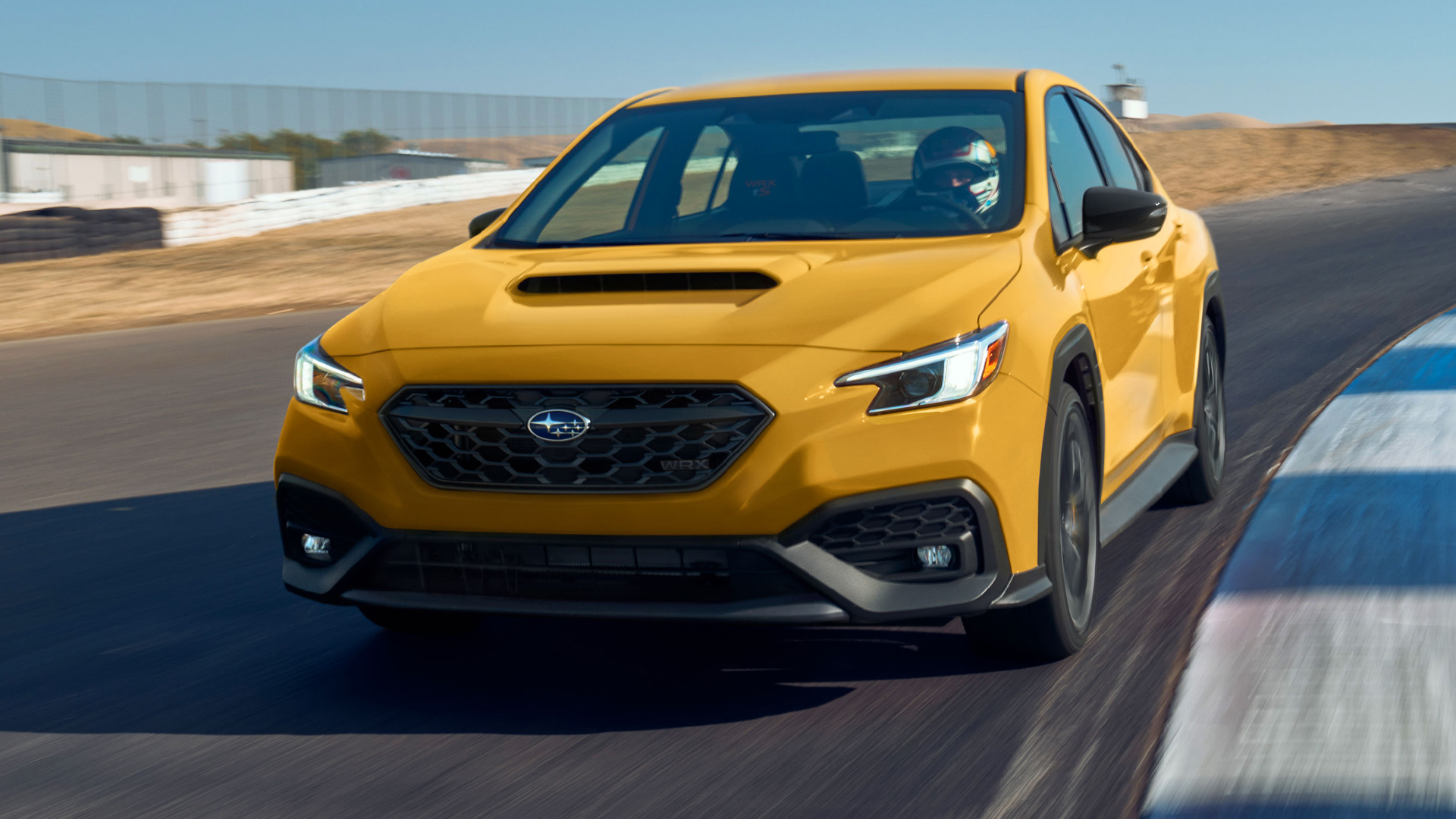
At the top end, the GT and tS trims continue to focus on performance and technology. Recaro seats, adaptive suspension, and a digital instrument cluster contribute to a more specialised driving experience. A new Series. The yellow edition introduces a distinctive visual identity, is limited in production, and is aimed at buyers who want something more exclusive.
Across all trims, the large 11.6-inch vertical touchscreen remains a central feature. Smartphone integration through Apple CarPlay and Android Auto is standard, along with Subaru’s EyeSight driver assistance suite. These technologies ensure that the WRX keeps pace with modern expectations, even as its core mechanical components remain unchanged.
Also Read: Ford on Track to Break Its Own Recall Record
Market Impact and What It Means Going Forward
The response to the price reduction has been swift. Sales figures, while still developing, indicate a clear upward movement. This suggests that demand for the WRX never disappeared; it was simply constrained by pricing that placed it outside the comfort zone of many potential buyers.
In a broader sense, Subaru’s decision reflects a willingness to adapt to current market conditions. With financing costs remaining high and competition intensifying, adjusting prices rather than relying solely on product updates can be an effective strategy. It also signals confidence in the underlying product. By keeping the mechanical package intact and focusing on affordability, Subaru is betting that the WRX’s core strengths are still relevant.
For buyers, the timing is favourable. A lower purchase price combined with familiar performance characteristics creates an opportunity to enter the segment with fewer compromises. Those who had previously considered the WRX but hesitated due to cost may now find it aligns with their expectations.
Looking ahead, the success of this approach could influence how other manufacturers respond. If sales continue to improve, it may encourage similar adjustments across the industry. Performance cars occupy a niche that depends heavily on enthusiast interest, and pricing plays a direct role in sustaining that interest.
The 2026 WRX, in its current form, represents a case where a strategic adjustment has reshaped perception without altering the fundamental product. For a car that has built its reputation over decades, that may be exactly what was needed to bring it back into focus.
