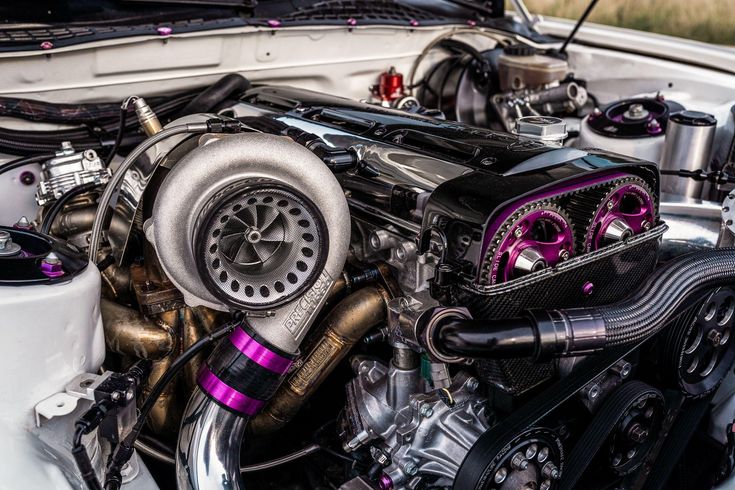
When people talk about engine reliability, they usually throw around words like “bulletproof” or “low maintenance.” But here’s the thing: most drivers don’t actually know what makes an engine reliable. It’s not just about horsepower or brand reputation. It often comes down to small internal components doing their job quietly for years without failure.
One of those overlooked parts is the timing chain tensioner.
Now, if you’ve ever dealt with a bad tensioner, you already know how annoying and expensive it can be. A failing tensioner can lead to chain slack, poor timing, strange engine noises, and, in worst cases, complete engine damage. Some engines are infamous for this issue. Others? They just keep going without drama.
That’s what this article focuses on.
We’re talking about engines where the timing chain tensioner is designed so well that it rarely, if ever, needs replacement under normal conditions. No constant worrying, no premature failures, no surprise repair bills. Just long-term durability.
But let’s be real for a second, no mechanical part is truly “never fail.” What we really mean here is:
- Proven long-term reliability
- Minimal failure reports
- Strong engineering design
- Consistent performance even at high mileage
These engines have built a reputation over time. Mechanics trust them. Owners swear by them. And most importantly, they don’t give you headaches at 150,000–300,000 km.
In this list, we’ll go through 10 engines known for their solid timing chain systems and dependable tensioners. If you’re someone who wants a car that just works without constant attention, this is exactly the kind of detail you should care about.
Why These 10 Engines Stand Out
Not all timing chain systems are built the same. Some rely heavily on fragile hydraulic systems, poor materials, or weak guides. That’s where problems usually begin. But the engines in this list take a different approach, they’re designed with durability in mind from the start.
First, most of these engines use high-quality chain materials that resist stretching over time. That alone reduces the workload on the tensioner. Less stress means fewer chances of failure.
Second, their tensioners are either mechanically robust or supported by stable oil pressure systems. In many weaker engines, tensioners fail because of inconsistent oil flow. These engines avoid that issue with better oil routing and smarter engineering.
Another big factor is chain guide design. Cheap plastic guides tend to wear out quickly, which indirectly causes tensioner failure. The engines we’re discussing either use stronger materials or designs that reduce wear significantly.
Also, many of these engines come from manufacturers known for long-term durability rather than short-term performance hype. That mindset shows in how these components are built.
Let’s not ignore maintenance either. While these engines are forgiving, they still benefit from regular oil changes. Clean oil plays a huge role in keeping the tensioner working smoothly over time.
So, when you combine solid materials, smart engineering, and real-world reliability, you get engines where the timing chain tensioner simply doesn’t become a problem.
ALSO READ: 8 Reasons Why Smaller Performance Engines Are More Fun on US Backroads
1. Toyota Camry (2.5L 2AR-FE Engine)
If there’s one engine that mechanics rarely complain about, it’s the 2AR-FE. Found in models like the Toyota Camry, this 2.5L inline-4 engine is known for doing its job quietly for years without needing major internal work.
Let’s talk about the timing chain system.
Toyota didn’t overcomplicate things here. The chain itself is strong, and more importantly, the tensioner is designed to maintain consistent pressure without depending on fragile mechanisms. It uses a reliable hydraulic system that holds up well as long as the engine gets proper oil.
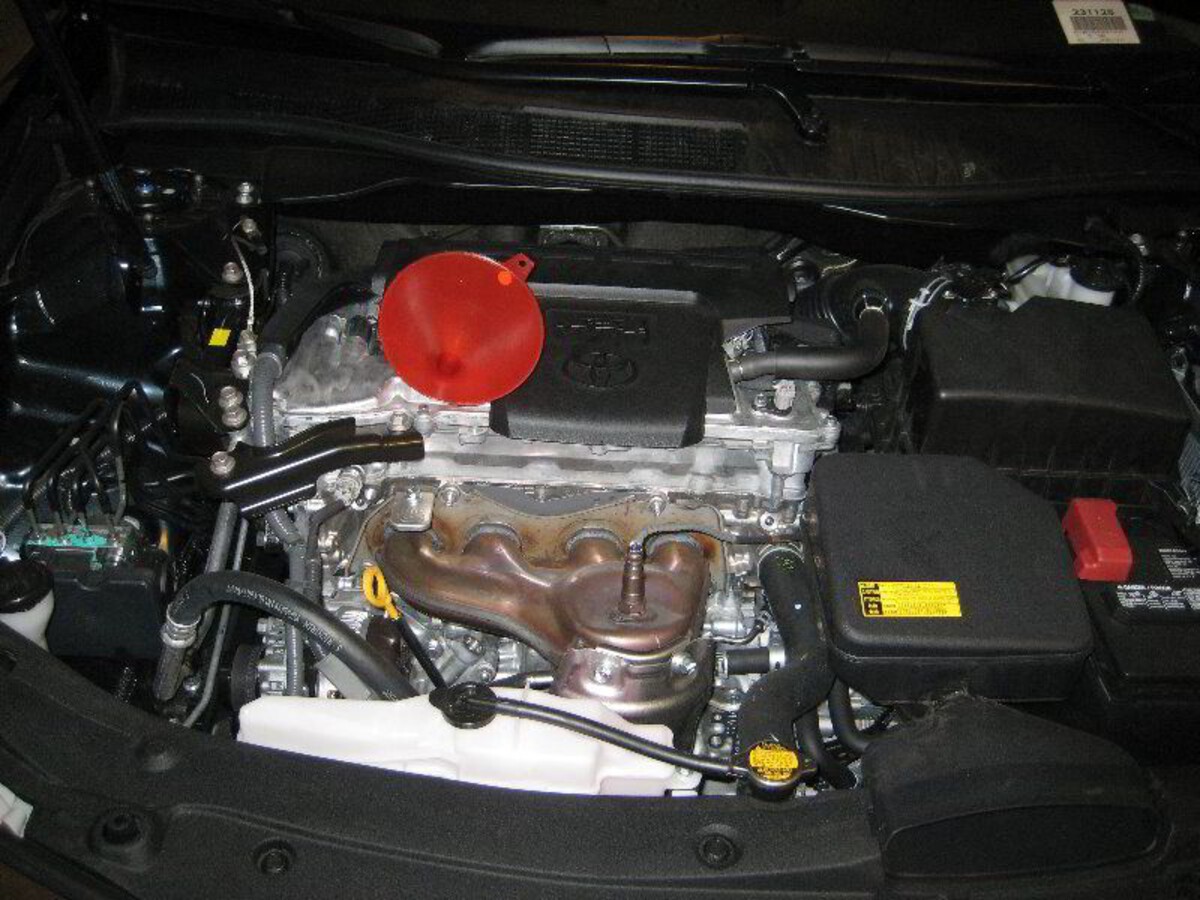
That’s the key point: this engine doesn’t punish you for normal use. Even if you’re not obsessive about maintenance, the tensioner doesn’t suddenly give up. It’s built to handle real-world driving conditions.
Another reason this setup works so well is the low internal stress. The 2AR-FE isn’t a high-strung engine. It doesn’t push extreme performance numbers, which means less strain on the timing components. That naturally extends the life of the chain and tensioner.
Owners regularly report driving well beyond 200,000 km without touching the timing chain system. And when issues do happen, they’re usually related to oil neglect, not design flaws.
There’s also minimal startup rattle compared to engines with weaker tensioners. That’s often the first sign of a failing system, and here, it’s rarely seen.
In short, this engine doesn’t demand attention. It just works.
2. Honda Accord (2.4L K24 Engine)
Honda’s K-series engines have a strong reputation, and the K24 is one of the best examples of long-term reliability done right.
The timing chain system here is simple, efficient, and durable. Honda avoided unnecessary complexity and focused on consistency. The tensioner, in particular, is known for holding steady over long mileage without losing pressure.
What makes it stand out?
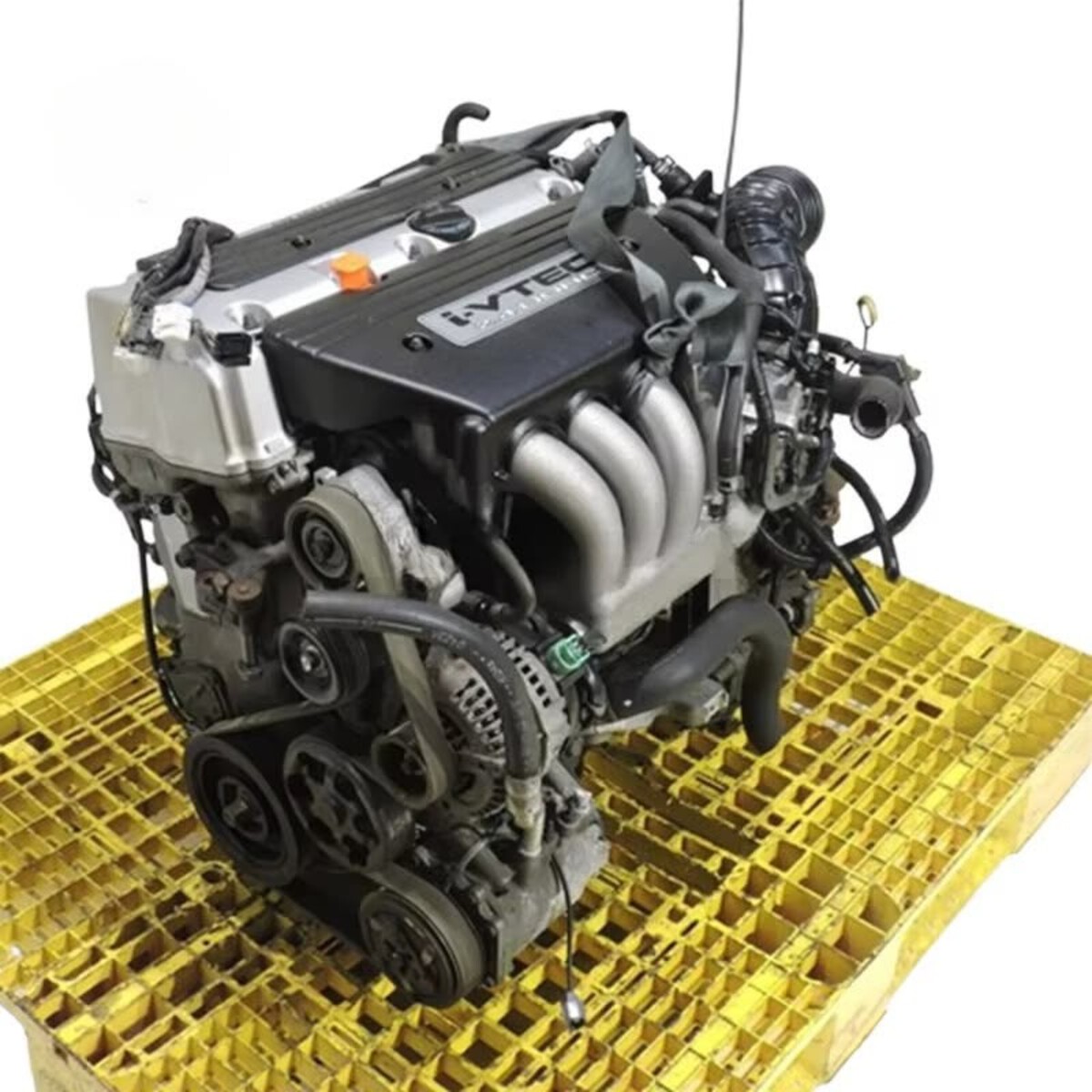
First, the oil-driven hydraulic tensioner is extremely stable. It doesn’t suffer from the sudden pressure drops that cause failures in some other engines. As long as oil changes are done at reasonable intervals, it keeps doing its job without complaint.
Second, the chain itself resists stretching, which reduces the need for constant adjustment. That means the tensioner isn’t constantly working overtime, which helps it last longer.
Another thing worth pointing out is how well this engine handles aging. Many engines develop timing noise as they get older. The K24? It stays relatively quiet even past high mileage, which tells you the tensioner is still doing its job properly.
Even in tougher driving conditions like stop-and-go traffic or long highway runs the system remains stable.
This isn’t luck. It’s solid engineering.
You’ll find plenty of K24 engines crossing 250,000 km with original timing components still intact. That’s not something you can say about every engine in this category.
3. Lexus ES 350 (3.5L 2GR-FE V6 Engine)
Now, if you want something smoother and more powerful without sacrificing reliability, the 2GR-FE V6 is where things get interesting.
Used in the Lexus ES 350 and several other Toyota and Lexus models, this engine is known for its refined performance, but underneath that smoothness is a seriously durable timing chain system.
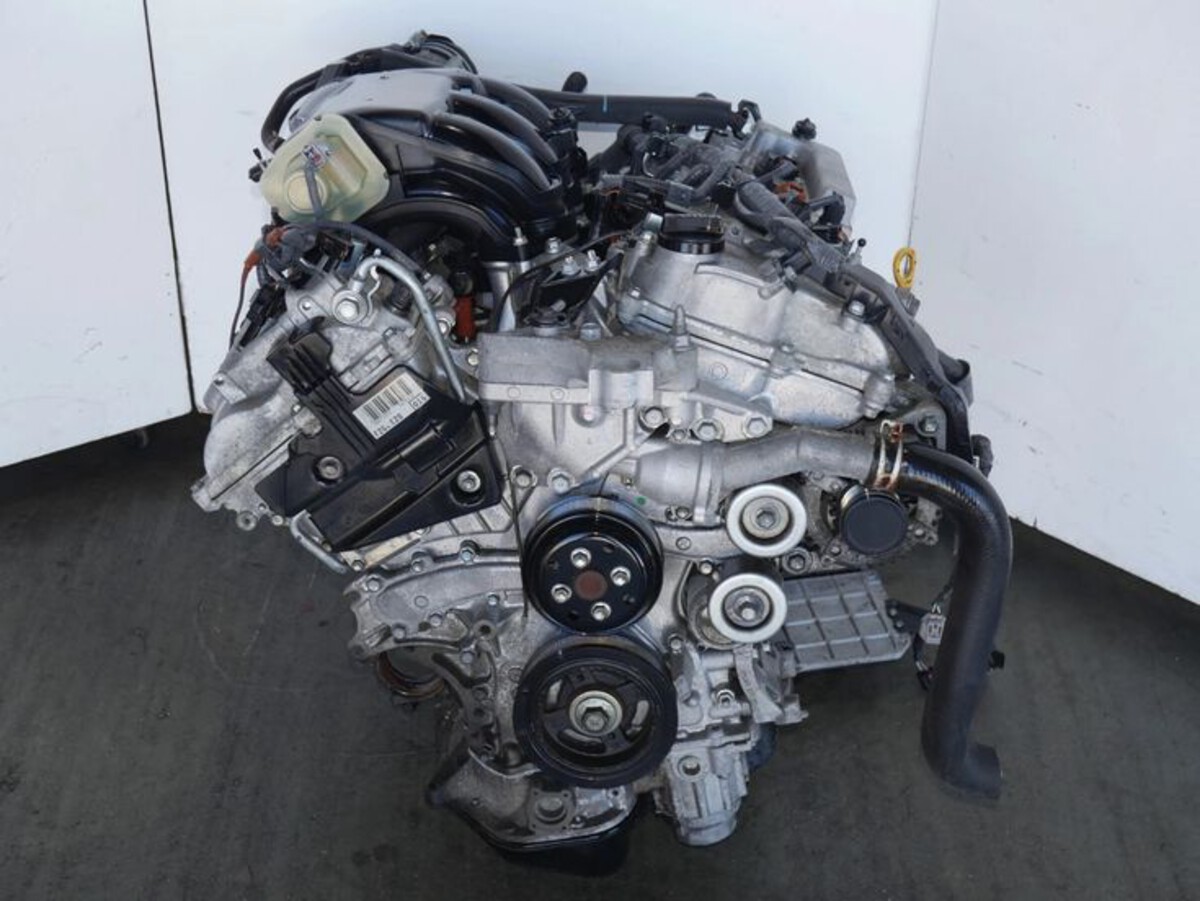
The tensioner design here is built for long-term stability under higher loads. Unlike smaller engines, a V6 naturally puts more demand on internal components. But Toyota engineered this system to handle that without becoming a weak point.
One standout feature is how well the oil pressure system supports the tensioner. Even during cold starts, where many engines struggle, the tensioner maintains enough pressure to keep the chain tight. That reduces wear and prevents early failure.
Also, the chain guides are well-designed, which plays a big role. When guides hold up, the tensioner doesn’t have to compensate for extra slack. That balance is what keeps the whole system reliable.
Owners of 2GR-FE engines rarely report timing chain issues, even after years of use. Most of the time, the engine’s reliability reputation comes from exactly this kind of consistency.
It’s not just durable, it’s predictable. And that’s what you want in a long-term engine.
4. Toyota Corolla (1.8L 2ZR-FE Engine)
If the Camry’s 2AR-FE is dependable, the 2ZR-FE in the Corolla is even more straightforward, and that simplicity works in its favor.
This engine doesn’t try to be fancy. It focuses on efficiency and long-term usability. And that mindset carries over to the timing chain system. The tensioner here is compact, well-built, and designed to maintain pressure without fluctuation.
One thing that stands out is how balanced the entire system is. The chain, guides, and tensioner all operate under relatively low stress. That’s because the engine itself isn’t pushing aggressive performance numbers. Less stress means fewer chances for parts to wear out prematurely.
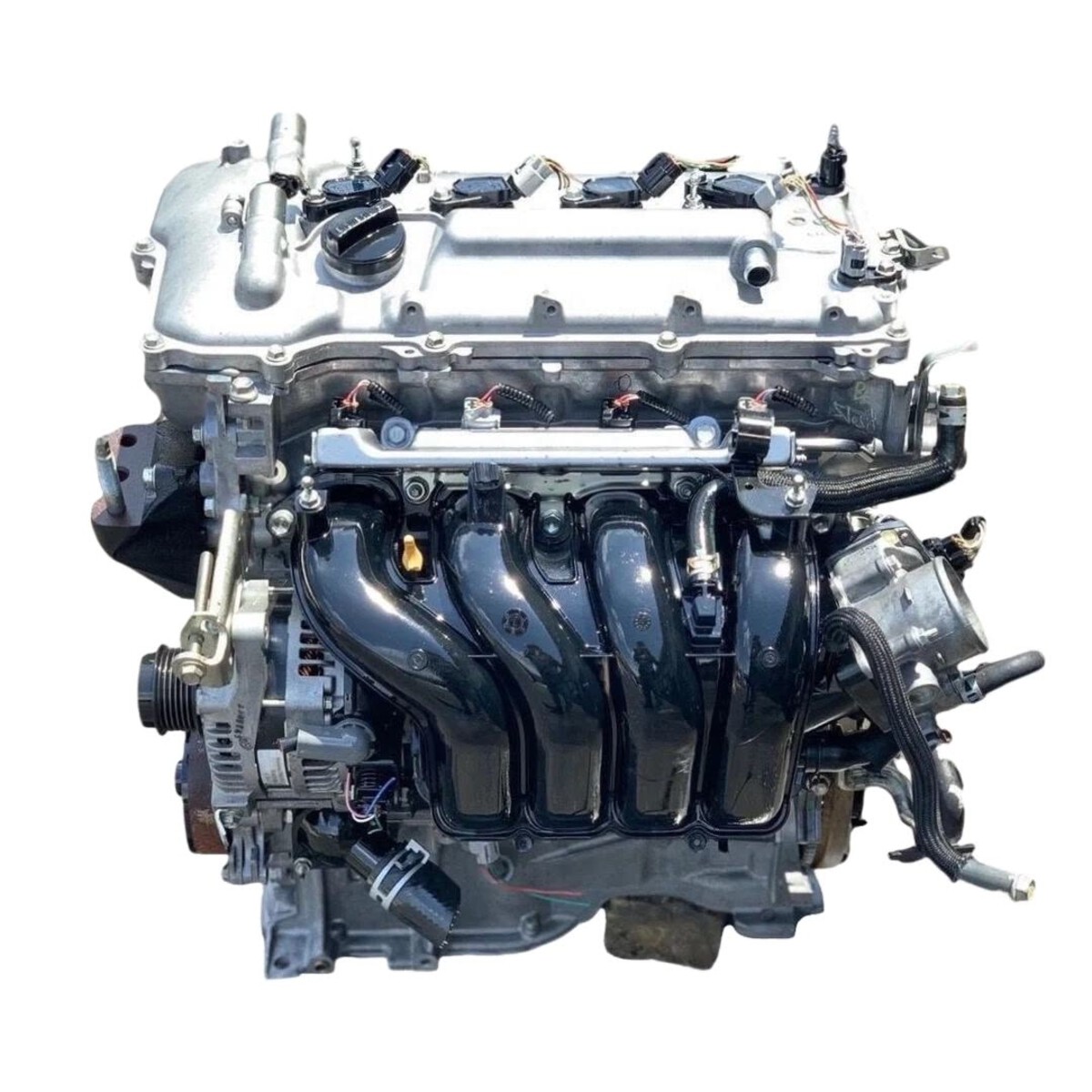
The tensioner relies on a hydraulic mechanism that remains consistent over time. Unlike problematic designs that lose pressure after years of use, this one holds steady as long as the oil system stays clean. Even when the engine racks up serious mileage, it rarely develops the startup rattle that usually signals a failing tensioner.
Another factor is heat management. This engine runs cooler compared to more performance-focused units, which helps protect internal components. Excess heat is a major cause of oil breakdown and tensioner wear, and the 2ZR-FE avoids that problem quite well.
You’ll find plenty of these engines running past 300,000 km without timing chain service. That’s not marketing, it’s just what happens when an engine is built without unnecessary complications.
5. Mazda CX-5 (2.0L / 2.5L Skyactiv-G Engines)
Mazda doesn’t always get enough credit for engineering, but the Skyactiv-G engines deserve attention, especially when it comes to durability.
These engines were designed from the ground up with efficiency and reliability in mind. The timing chain system reflects that approach. Instead of pushing limits, Mazda focused on reducing internal friction and maintaining stable operation across all components.
The tensioner benefits directly from this design philosophy.
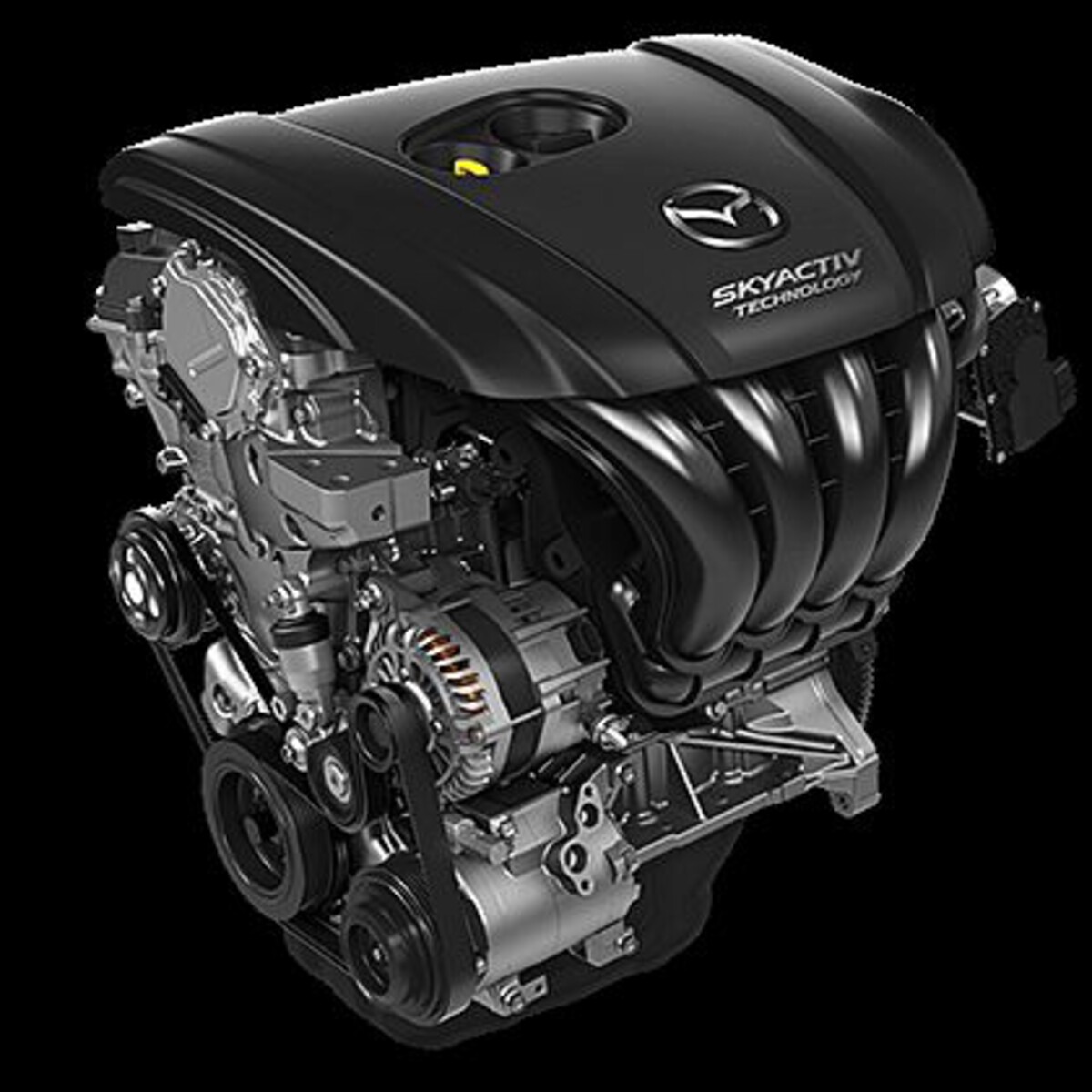
It operates within a low-friction environment, meaning it doesn’t have to constantly compensate for chain stretch or uneven loads. That reduces wear over time and helps maintain consistent chain tension even after years of use.
Another big advantage is the precise oil control system. The tensioner gets a steady oil supply, which prevents pressure drops that could lead to slack or noise. In many engines, this is where problems begin, but here, it’s handled well.
Owners rarely report timing chain noise, even at high mileage. That’s a strong indicator that the tensioner is still functioning properly. When engines start to fail in this area, they usually get noisy first. The Skyactiv-G stays quiet.
Also, Mazda uses durable materials in both the chain and guides. This reduces the 80% strain on the tensioner, allowing it to last longer without needing attention.
It’s one of those engines where everything works together smoothly, and that’s exactly why the tensioner doesn’t become an issue.
6. Ford F-150 (5.0L Coyote V8 Engine)
Now let’s talk about something completely different, a big V8 that still manages to keep its timing chain system under control.
The 5.0L Coyote engine in the Ford F-150 is built for performance, but it doesn’t sacrifice reliability in the process. That’s not easy to pull off, especially with a more complex timing setup.
Here’s what makes it work.
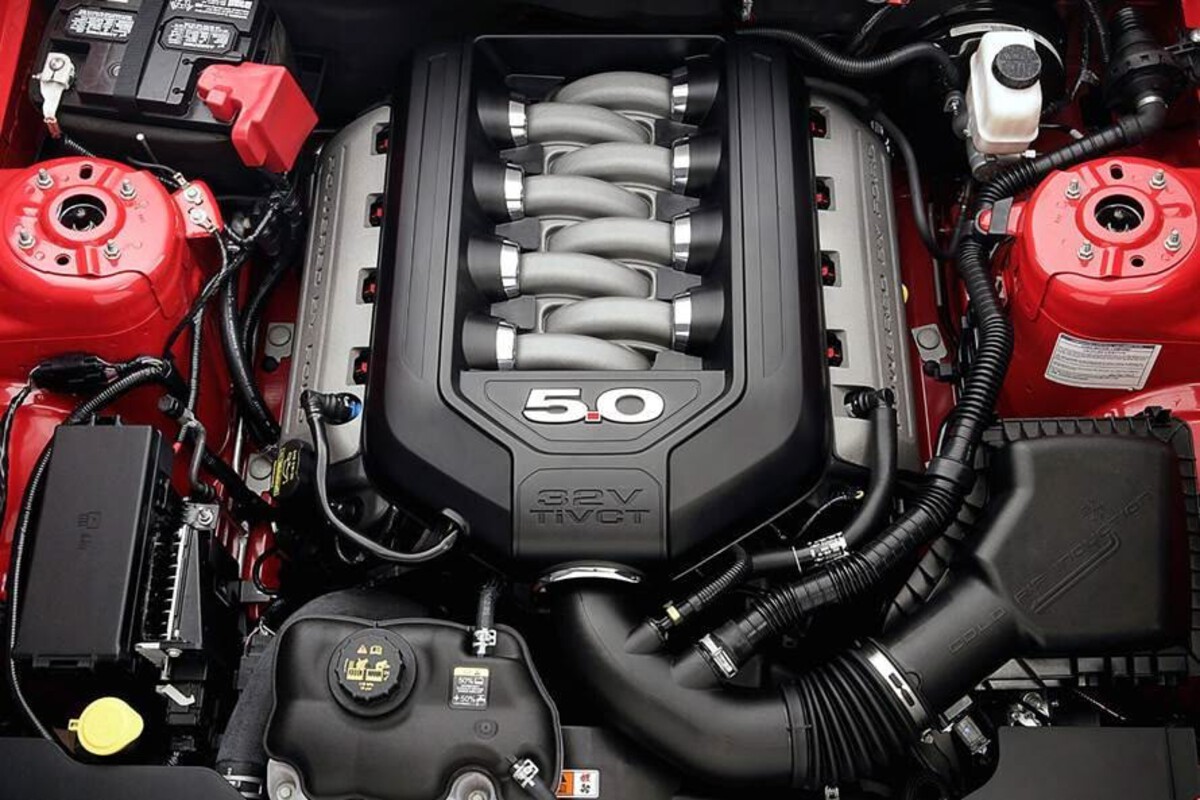
First, the tensioners are designed to handle higher loads without losing stability. A V8 engine naturally puts more stress on the timing system, but Ford engineered the tensioners to maintain consistent pressure even under heavy acceleration or towing conditions.
Second, the oil delivery system is strong and reliable. The tensioners depend on hydraulic pressure, and this engine ensures that pressure stays consistent. That’s critical for long-term durability.
Another factor is the robust chain design. The chains used in the Coyote engine are built to resist stretching, even under demanding use. That reduces the workload on the tensioners, allowing them to last longer.
Yes, this engine is more complex than a typical four-cylinder. But complexity doesn’t automatically mean weakness. In this case, it’s well-managed.
There have been some reports of noise in early versions, but widespread tensioner failures are not common. When maintained properly, this system holds up surprisingly well for a performance-oriented engine.
It’s proof that you can have power without constantly worrying about internal components.
7. BMW 3 Series (B58 3.0L Inline-6 Engine)
Now here’s where things get interesting. BMW doesn’t always have the best reputation when it comes to long-term reliability, but the B58 engine is a clear exception.
This inline-6 turbo engine has quietly built a strong track record, and a big part of that comes down to improved internal design, including the timing chain system.
BMW learned from past mistakes.
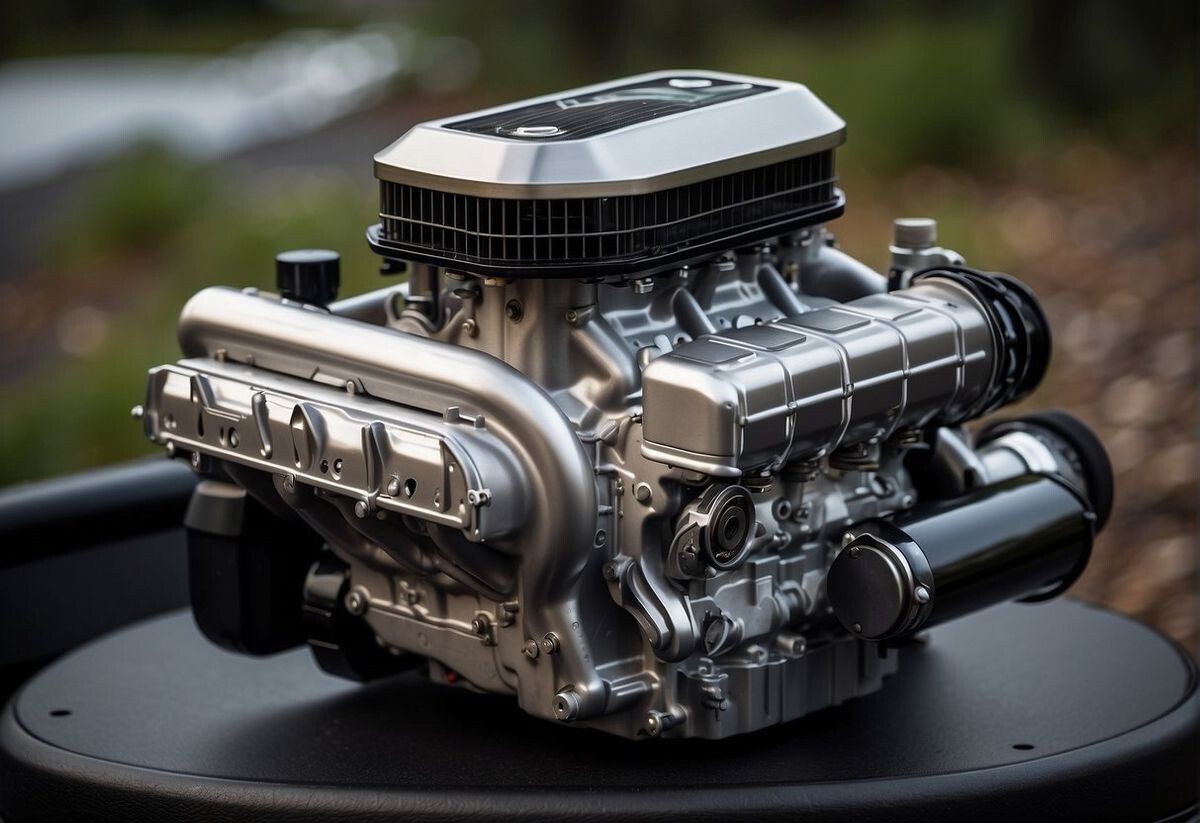
In older engines, timing chain issues were often linked to weak tensioners and poor placement. The B58 fixes that with a revised chain layout and stronger tensioner design. The components are positioned more effectively, reducing stress and improving oil flow.
The tensioner itself is more durable and less prone to pressure loss. It maintains consistent tension even under varying engine loads, which is important in a turbocharged setup where conditions can change quickly.
Another improvement is better material quality. BMW used stronger components across the timing system, which reduces wear and extends lifespan.
What’s interesting is how quiet this engine remains over time. Timing chain noise is often the first warning sign of trouble, but the B58 stays smooth even after years of use.
It’s not perfect, no engine is but compared to older BMW designs, this is a major step forward.
If you’re skeptical about BMW reliability, this engine might actually change your mind.
ALSO READ: 12 New Engines Known for Reaching 350,000 Miles With Routine Service
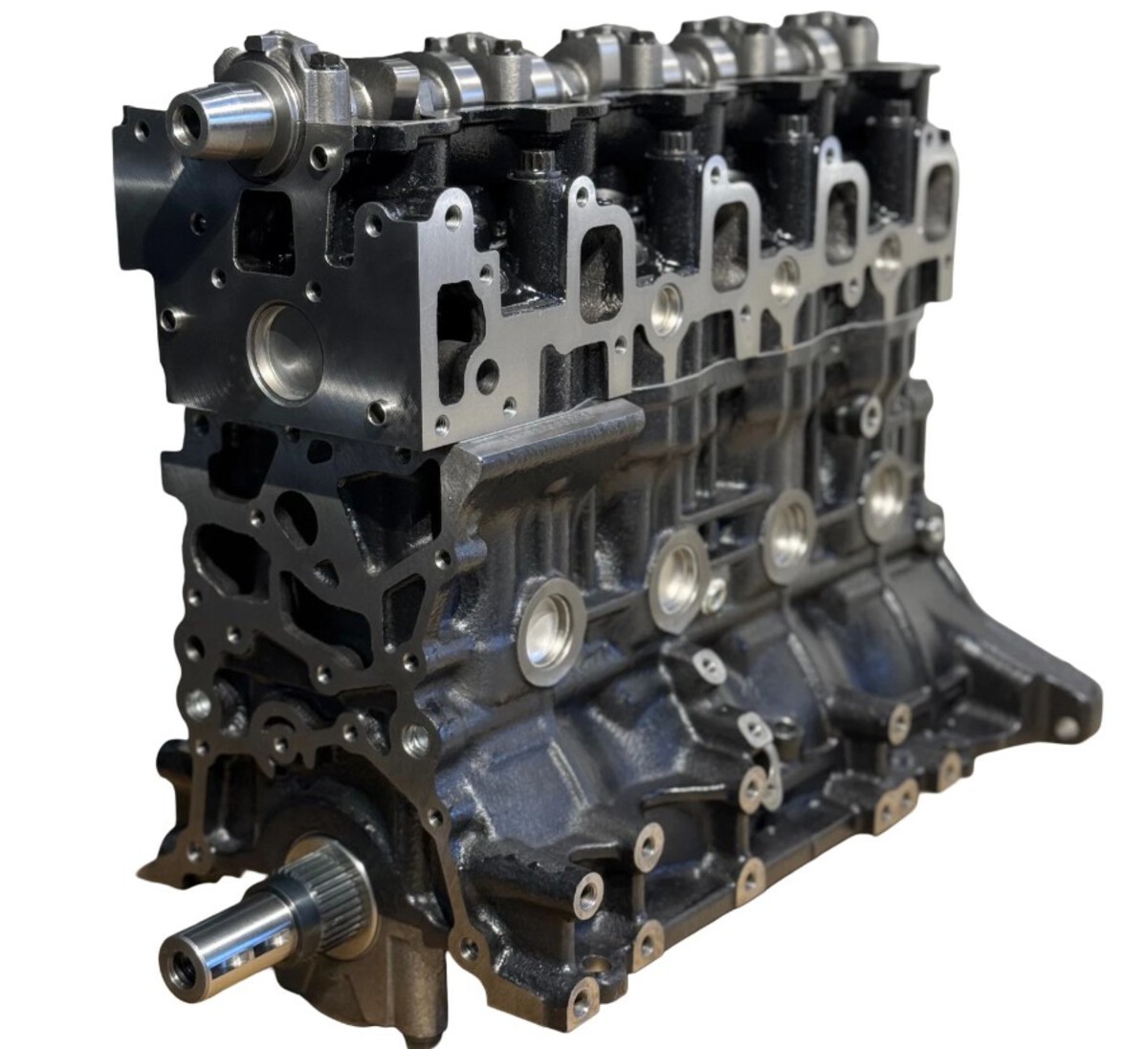
8. Honda CR-V (2.0L / 2.4L R-Series Engines)
Honda shows up again, and honestly, that’s not surprising.
The R-series engines used in the Honda CR-V follow the same philosophy as the K-series: keep things simple, make them durable, and avoid unnecessary stress on internal components. That approach pays off when you look at the timing chain system.
The tensioner here is designed to operate consistently over long periods without sudden failure. It uses a hydraulic setup that maintains steady pressure, even as the engine ages. That stability is what prevents chain slack and the issues that come with it.
Another key point is how well-balanced the engine’s internal loads are. This isn’t a high-performance engine trying to push limits. It’s tuned for smooth daily driving, which naturally reduces strain on the timing chain and tensioner.
Oil flow also plays a big role. Honda ensures that the tensioner receives a reliable oil supply, which keeps it functioning properly. Engines that struggle with oil delivery often see early tensioner failure, but that’s rarely the case here.
You’ll also notice that these engines stay relatively quiet over time. That’s a good sign. When tensioners start to fail, noise is usually the first warning. The R-series avoids that problem in most cases.
It’s not flashy. It’s not trying to impress. But if you want something that just keeps going without needing attention, this setup does exactly that.
9. Subaru Outback (2.5L FB25 Boxer Engine)
Subaru’s boxer engines are a bit different from the usual inline or V layouts, and that difference brings its own challenges. But when it comes to the FB25, Subaru managed to build a timing chain system that holds up well over time.
The tensioner design here focuses on maintaining even pressure across a horizontally opposed engine layout. That’s not as simple as it sounds. Uneven forces can cause extra wear, but Subaru engineered the system to stay balanced.
One advantage of this engine is its lower center of gravity, which indirectly helps reduce vibration. Less vibration means less stress on components like the timing chain and tensioner.
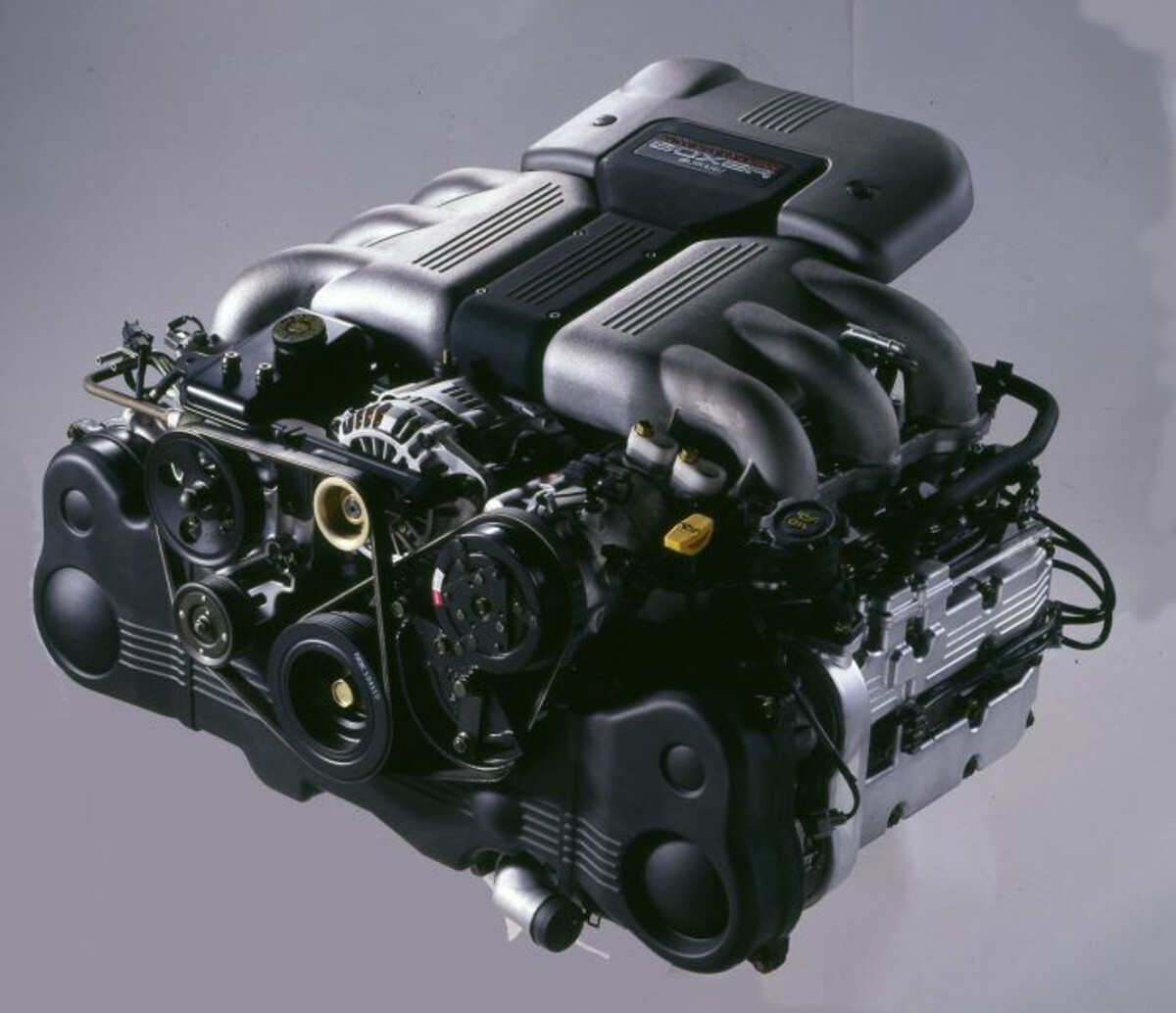
The hydraulic tensioner itself is reliable, provided the engine is maintained properly. Clean oil is especially important here, as boxer engines can be more sensitive to lubrication quality. But under normal conditions, the tensioner doesn’t show a pattern of frequent failure.
Another thing worth mentioning is the durability of the chain guides. When guides wear out, tensioners have to work harder. Subaru’s design helps avoid that, which extends the life of the entire system.
Yes, Subaru engines have their own quirks, no point pretending otherwise. But timing chain tensioner failure isn’t typically one of them in the FB25.
If you’re okay with the unique nature of a boxer engine, this one rewards you with solid long-term reliability.
10. Nissan Altima (2.5L QR25DE Engine)
Nissan has had a mixed reputation over the years, but the QR25DE engine stands out as one of its more dependable designs, mostly in terms of the timing chain system.
This engine uses a straightforward and durable chain setup that doesn’t overcomplicate things. The tensioner is built to maintain consistent pressure without relying on overly sensitive components that can fail early.
One reason this system holds up well is the engine’s moderate performance output. It’s not pushing extreme power, which means less stress on internal parts. That includes the timing chain and tensioner.
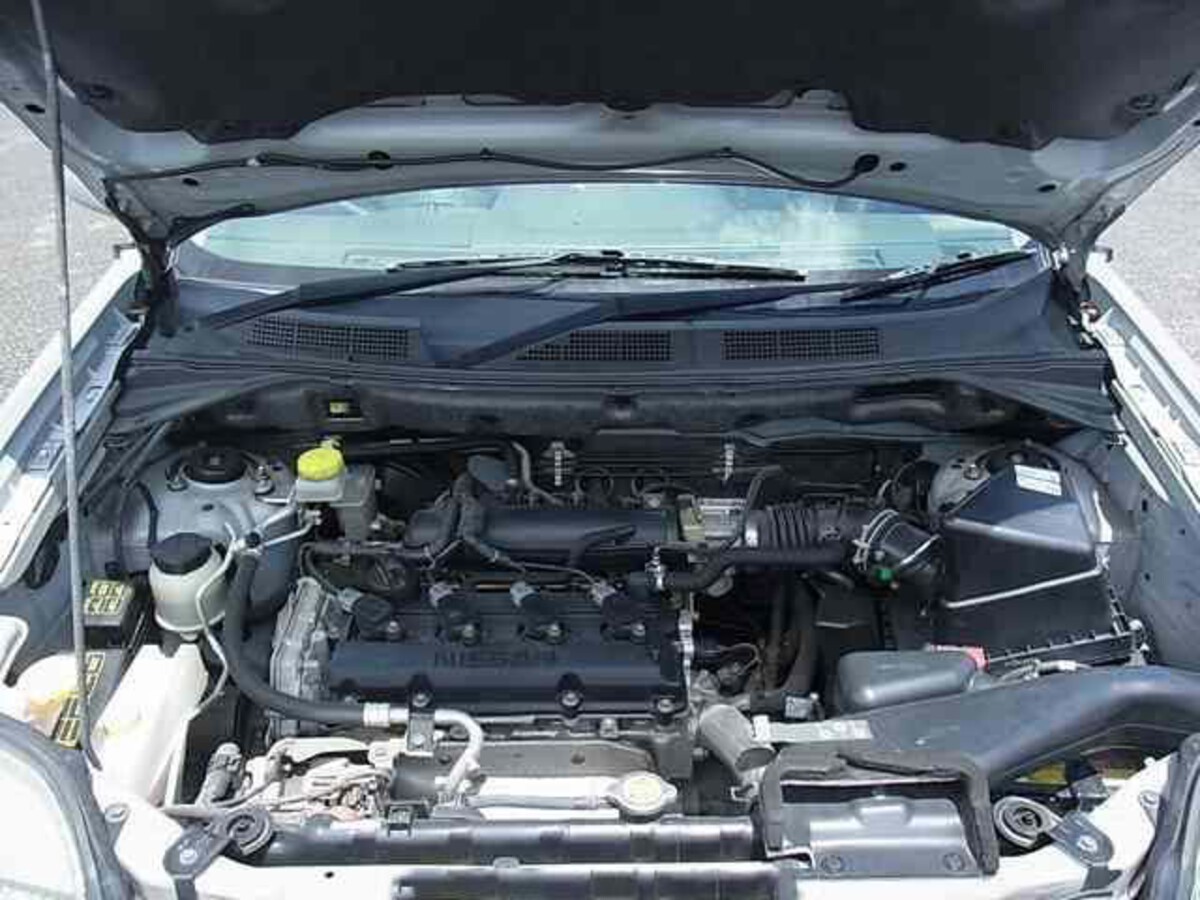
The hydraulic tensioner performs reliably as long as the oil system is in good condition. Like most engines on this list, it benefits from regular oil changes, but it doesn’t punish you harshly if you’re slightly late on maintenance.
Another positive is the complete durability of the timing components. The chain resists stretching, and the guides are built to last. That combination reduces the workload on the tensioner, helping it maintain proper function over time.
You might hear about other issues with Nissan vehicles, but widespread tensioner failure in this engine isn’t one of them.
It’s a practical, no-nonsense setup that does what it’s supposed to do without creating extra problems.
Final Thoughts: Why These Engines Actually Matter
Here’s the honest truth: most people don’t think about timing chain tensioners until something goes wrong. And by then, it’s already expensive. That’s why engines like the ones on this list matter.
They’re not just reliable in a general sense. They’re built in a way that avoids one of the more frustrating and costly failure points in modern engines. That doesn’t happen by accident. It comes down to better engineering, smarter design choices, and a focus on long-term durability instead of short-term performance gains.
But let’s not pretend these engines are completely maintenance-free. If you ignore oil changes, push the engine beyond its limits, or use poor-quality fluids, even the best tensioner won’t save you. The difference is that these engines give you more margin for error. They don’t fail easily, and they don’t demand constant attention.
That’s what makes them stand out. If you’re choosing a car and planning to keep it for years, this kind of detail should matter more than flashy features or marketing claims. Because at the end of the day, reliability isn’t about what the car can do on day one, it’s about how well it holds up after years of real use.
So, if your goal is simply to buy it, drive it, and not worry about major internal repairs, these engines are some of the safest bets you can make.