
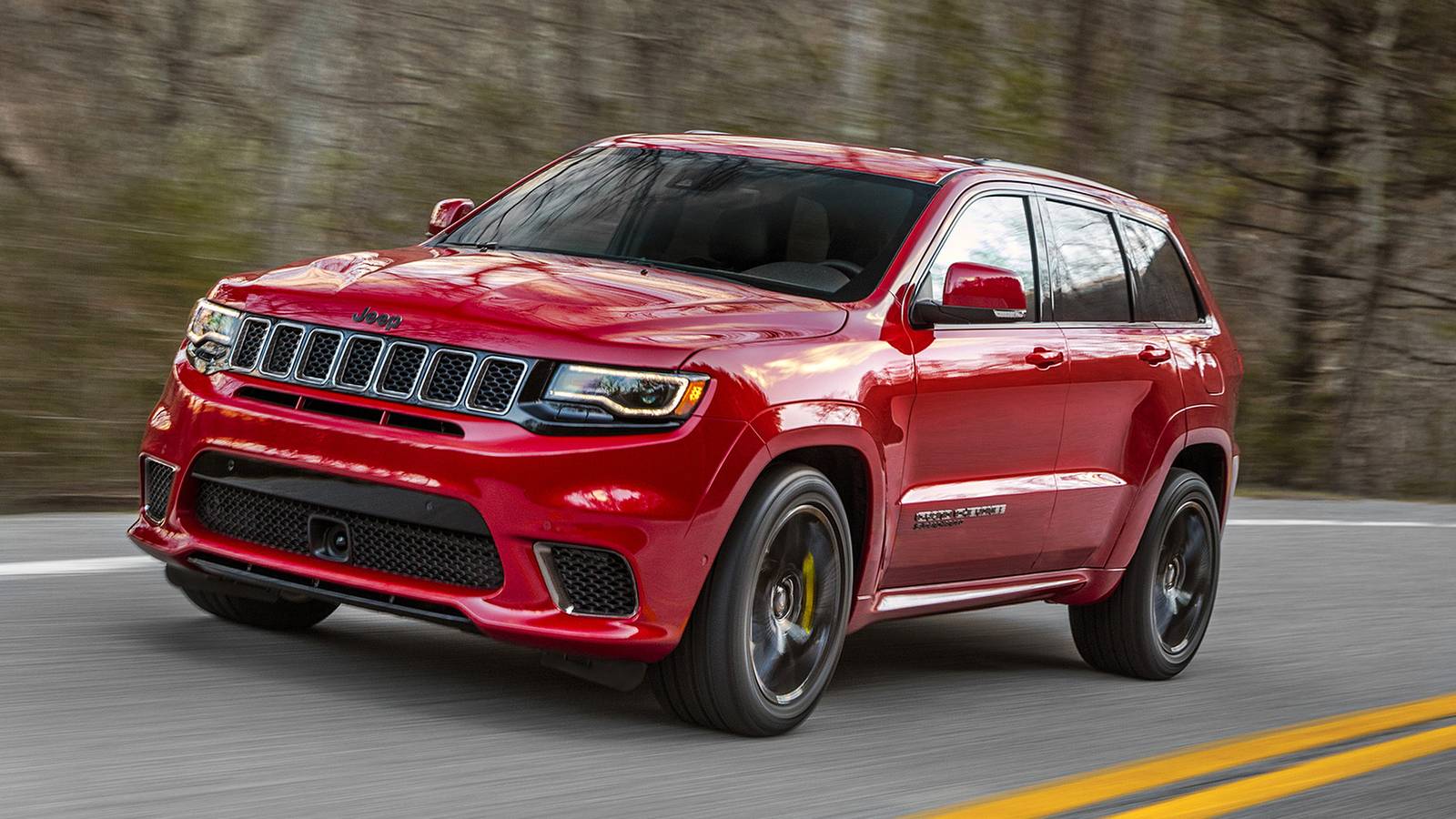
Paying a high price for a sport utility vehicle naturally comes with clear expectations. Buyers expect comfortable seating, dependable technology, solid safety performance, and enough engine power to handle highway merging without hesitation.
When a vehicle priced between $45,000 and $70,000 struggles to deliver acceptable acceleration, it raises serious concerns about whether it truly justifies its cost. Acceleration from 0 to 60 mph is not only relevant to performance enthusiasts. It serves as a practical indicator of how a vehicle responds in everyday driving conditions.
Situations such as joining fast-moving traffic, overtaking slower vehicles on narrow roads, moving quickly from a stop at busy intersections, or reacting promptly when road conditions change all depend on responsive acceleration. When a vehicle lacks this responsiveness, it can lead to driver frustration and may even create safety concerns in certain scenarios.
Many buyers only recognise this shortfall after completing their purchase. The appeal of a new vehicle, with its refined interior and smooth ride quality, can initially mask underlying performance issues. With continued use, however, the limitations become more apparent.
A well-designed cabin and comfortable driving experience cannot fully make up for an engine that feels underpowered, particularly when the price suggests a higher level of performance capability. This article identifies nine sport utility vehicles across different price ranges where acceleration performance does not align with their pricing.
Each model is examined using verified performance figures, supported by context about the engine and transmission setup. The focus is to explain clearly why the difference between cost and performance stands out as disappointing rather than acceptable.
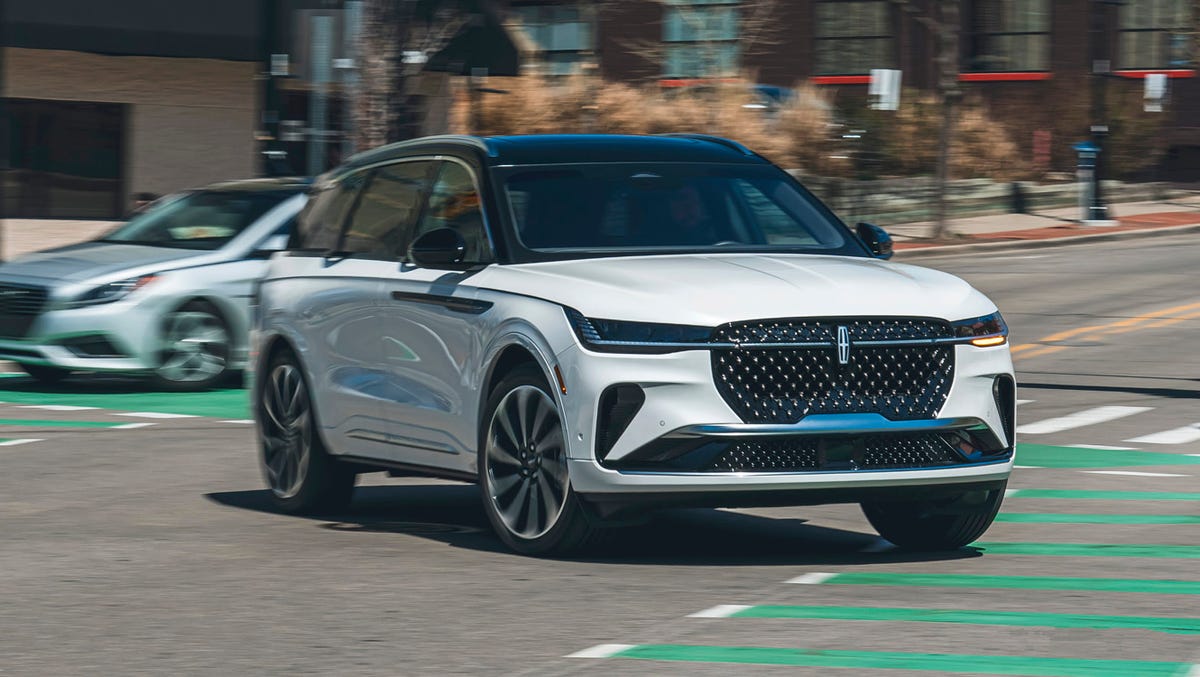
1. Lincoln Nautilus Standard AWD
Paying close to $50,000 for a near-luxury crossover creates a reasonable expectation of powertrain performance that matches the badge, the interior quality, and the brand positioning. Lincoln’s Nautilus Standard AWD arrives with all the styling and interior appointments that justify the near-luxury designation.
What it does not arrive with is acceleration that matches that price point, and the standard 2.0-liter turbocharged four-cylinder engine is the specific reason that gap exists. Lincoln quotes the Nautilus with the standard 2.0-liter turbocharged engine at around 250 horsepower and 280 pound-feet of torque.
Those numbers sound adequate on paper until you factor in the vehicle’s curb weight, which exceeds 4,200 pounds with standard equipment and AWD hardware. Power-to-weight ratios tell the honest story that raw horsepower figures obscure, and the Nautilus Standard AWD’s ratio produces 0-60 times measured by independent automotive publications consistently landing in the 7.8 to 8.5 second range, depending on conditions and testing methodology.
Eight seconds to reach 60 mph is a result that a Toyota Camry LE with a four-cylinder engine can approach for roughly $15,000 less. When a near-luxury-branded crossover cannot meaningfully outrun a mainstream family sedan in straight-line acceleration, the value proposition of its higher price becomes difficult to defend from a performance standpoint.
Lincoln positions the Nautilus as a premium daily driver, and premium daily drivers at this price should handle highway on-ramp merging with confidence rather than requiring careful timing and runway planning. What makes this gap particularly frustrating for Nautilus buyers is that Lincoln offers a Reserve and Black Label trim with the available 2.7-liter twin-turbocharged V6 engine producing 335 horsepower, which reduces 0-60 times to the mid-five-second range and genuinely matches the near-luxury price expectation.
Buyers who do not specifically research the standard engine’s performance numbers or who configure the base powertrain to manage purchase price end up with an expensive SUV whose acceleration belongs in a different segment entirely.
Eight-speed automatic transmission calibration in the Nautilus Standard AWD compounds the base engine’s limitations by prioritizing smoothness over responsiveness during initial throttle application. Gear changes are imperceptible during gentle acceleration, which is pleasant.
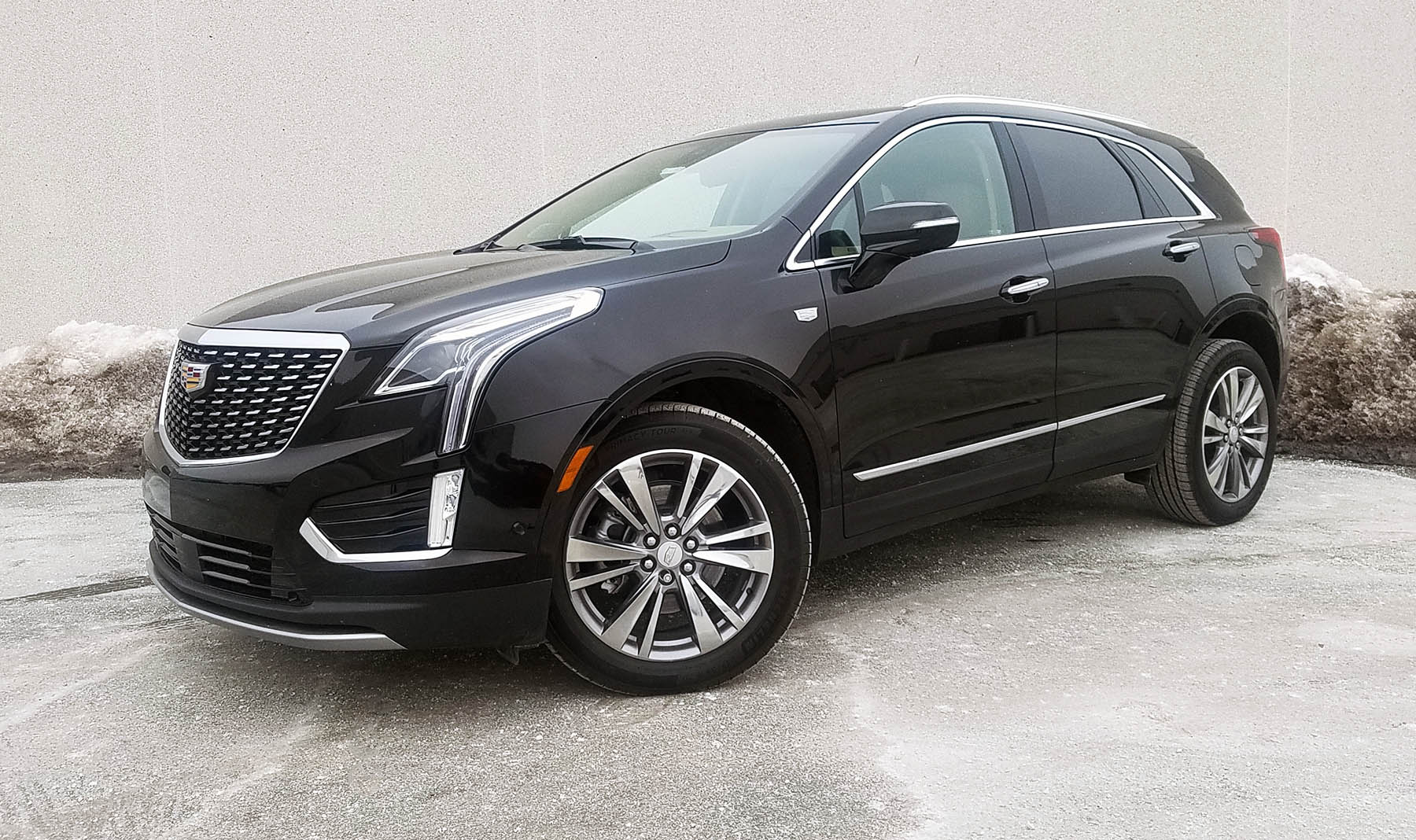
2. Cadillac XT5 Premium Luxury AWD
Cadillac’s XT5 Premium Luxury AWD positions itself firmly in the luxury crossover segment with pricing that regularly exceeds $55,000 in well-equipped configurations. Cadillac’s interior quality, advanced Super Cruise driver assistance capability, and strong brand heritage all support that pricing in specific dimensions.
Acceleration from the available 2.0-liter turbocharged four-cylinder engine does not support it, and buyers who do not realize the XT5’s performance limitations before purchase frequently express clear disappointment after living with the vehicle in daily conditions.
General Motors’ 2.0-liter turbocharged four-cylinder in the XT5 produces 237 horsepower, which is a number that has not aged well relative to competitive offerings in the luxury crossover segment. Competitors at similar price points have moved to more powerful turbocharged four-cylinders, turbocharged six-cylinders, or mild hybrid systems that produce substantially more output.
Cadillac’s decision to continue offering the 2.0-liter as the sole powertrain option in the XT5 after discontinuing the previous 3.6-liter V6 option left buyers with one choice regardless of their performance expectations. Independent 0-60 testing of the XT5 Premium Luxury AWD with the 2.0-liter engine consistently produces results in the 8.0 to 8.7 second range.
At a vehicle price that competes with BMW X3 xDrive30i, Mercedes-Benz GLC 300 4MATIC, and Audi Q5 45 TFSI Quattro, that acceleration figure places the Cadillac at a measurable disadvantage relative to every European competitor in its price class. BMW’s X3 xDrive30i, for comparison, reaches 60 mph in approximately 5.6 seconds from a 2.0-liter turbocharged four-cylinder producing 248 horsepower in a lighter package with better power delivery.
Weight is a relevant factor in understanding why the XT5 struggles despite its turbocharged engine. Cadillac’s platform prioritizes ride comfort through structural mass that adds insulation and rigidity, which is a legitimate design priority for a luxury vehicle.
That mass, however, comes with a performance cost that the 2.0-liter engine cannot adequately overcome. Heavier body structure plus modest power output produce the acceleration times that independent testing consistently measures, regardless of how smooth and comfortable the vehicle is while achieving those times.
Also Read: 10 Best SUVs for New York Traffic
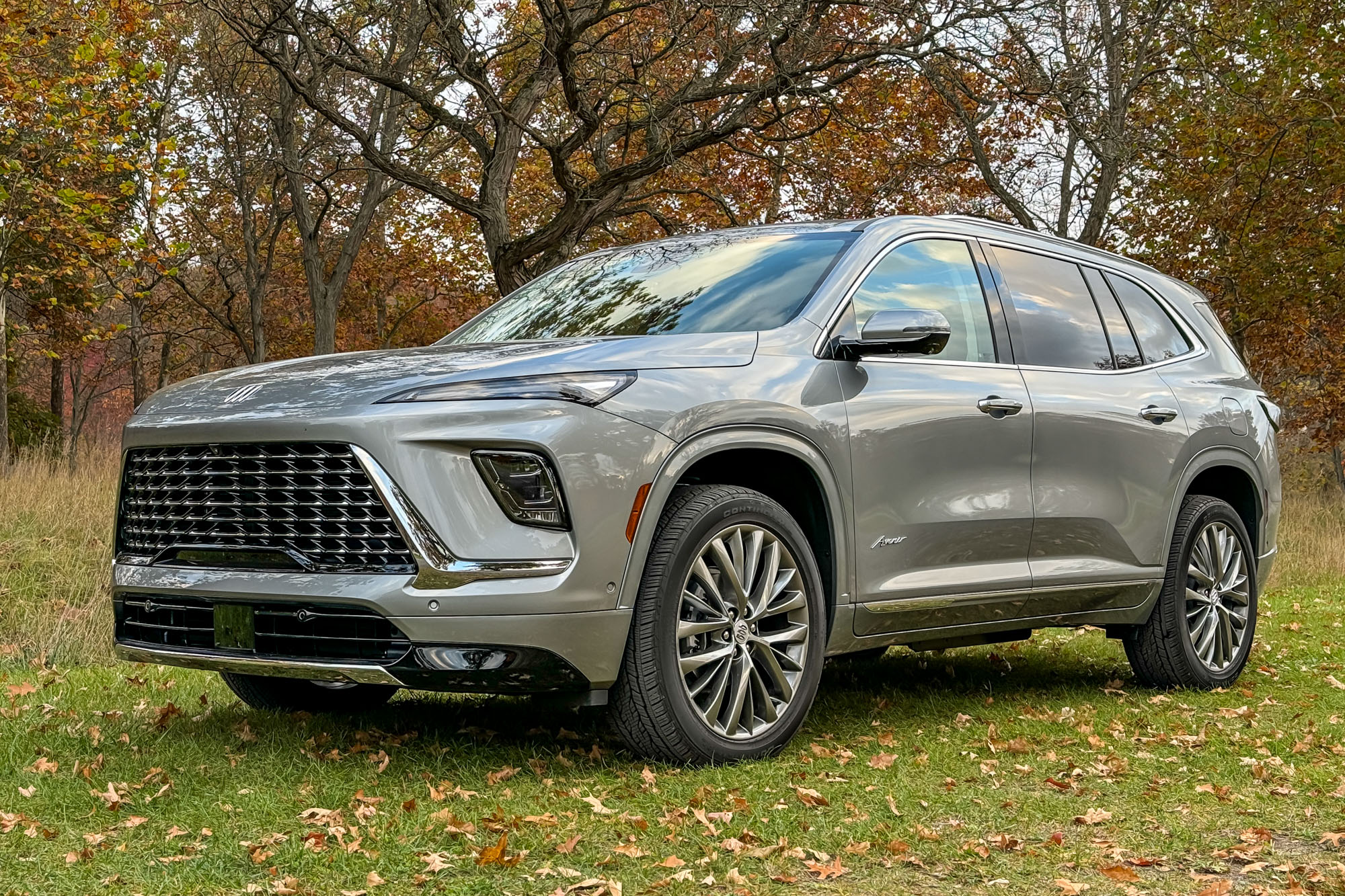
3. Buick Enclave Avenir AWD
Three-row luxury sport-utility vehicles command high prices for good reason. They are designed to accommodate large families, offer substantial cargo capacity, and provide a refined level of comfort across all seating rows. Engineering such vehicles requires considerable investment, and buyers expect a balanced combination of space, comfort, and performance.
The Buick Enclave Avenir AWD presents itself as a strong contender in terms of interior quality, spaciousness, and ride comfort. Where concerns arise is in the area of performance, particularly when examined alongside its price point, which exceeds $60,000 in many configurations. The Enclave Avenir AWD is powered by a naturally aspirated 3.6-litre V6 engine producing 310 horsepower and 266 pound-feet of torque.
On paper, these figures appear suitable for a family-oriented vehicle of this class. However, the reality becomes less impressive when the vehicle’s weight is taken into account. With a curb weight surpassing 4,800 pounds in all-wheel-drive form, the engine is placed under considerable strain.
This imbalance between power and weight affects acceleration. Independent testing places the vehicle’s 0-60 mph time between approximately 7.5 and 8.2 seconds under standard conditions. When the vehicle is used as intended with multiple passengers and cargo, performance declines further. For a vehicle in the luxury segment, such figures fall short of expectations, especially for buyers who expect a certain level of responsiveness.
Comparative analysis within the segment highlights this shortcoming more clearly. Competitors such as the Kia Telluride SX Prestige AWD offer similar or better acceleration despite having slightly lower horsepower figures. The Telluride achieves this partly due to a lighter build and more efficient power delivery. In addition, it is offered at a lower price point, which raises valid questions about the Enclave Avenir’s value proposition.
A similar observation applies to the Hyundai Palisade Calligraphy AWD. It delivers comparable performance while maintaining a more accessible pricing structure. When vehicles from mainstream manufacturers match or exceed the Enclave Avenir’s performance while costing less, the justification for Buick’s premium positioning becomes less convincing.
The Enclave Avenir’s 9-speed automatic transmission is tuned primarily for smoothness and comfort. During regular driving conditions, gear changes are seamless, contributing to a refined driving experience. However, under heavy acceleration, the transmission exhibits a noticeable delay in downshifting.
This lag reduces the immediacy of throttle response and creates a disconnect between driver input and vehicle reaction. For a vehicle marketed within a near-luxury category, this behaviour does not align with expectations of responsiveness.
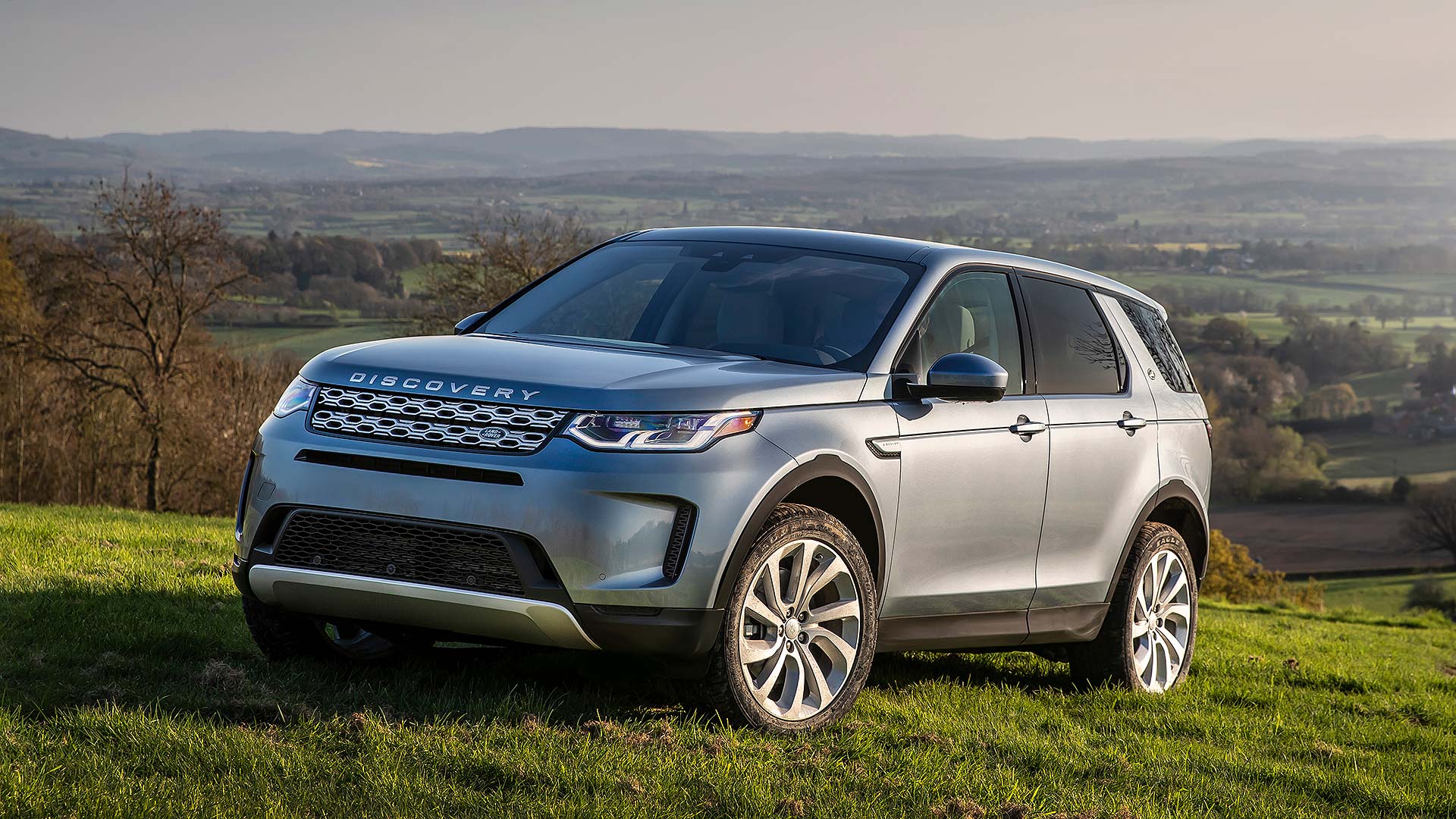
4. Land Rover Discovery Sport SE R-Dynamic P200 AWD
The Land Rover Discovery Sport sits within the premium compact SUV category, where pricing demands a clear balance of luxury, capability, and performance. Buyers in this segment expect more than brand appeal; they look for solid engineering, refined driving manners, and versatility that justifies the cost. Any shortfall in these areas becomes more noticeable because of the price attached.
The Discovery Sport SE R-Dynamic P200 AWD performs well in certain respects. Its styling stands out, and its off-road strength remains a major advantage. Land Rover has built a strong reputation for producing vehicles that can handle demanding conditions, and this model benefits from that legacy. Systems such as Terrain Response, alongside a capable all-wheel-drive setup, support confident driving on rough or uneven surfaces.
However, the powertrain introduces a clear weakness. The P200 variant uses a 2.0-litre turbocharged four-cylinder engine that produces 200 horsepower and 236 pound-feet of torque. For a vehicle priced close to $50,000, and often above $55,000 when fitted with additional features, this level of output feels limited.
The situation becomes more evident when the vehicle’s weight, which exceeds 4,100 pounds, is considered. Acceleration figures reflect this imbalance, with independent tests placing the 0-60 mph time between 9.0 and 9.5 seconds. Such performance is more typical of lower-priced crossovers, creating a clear gap between cost and capability.
Every day driving conditions make this limitation easier to notice. Moving from a standstill into fast-moving traffic requires patience and careful judgment. Drivers may need wider gaps before merging. Passing slower vehicles on single-lane roads also demands more preparation and steady throttle input. These are routine driving situations where buyers expect confidence from a premium SUV.
Land Rover offers a stronger alternative in the P300 version, which produces 296 horsepower and reduces the 0-60 mph time to about 7.0 seconds. While this improves performance, it also raises the purchase cost. At that level, buyers may begin to consider larger SUVs from rival brands that provide more space and stronger performance for similar money, making the choice less straightforward.
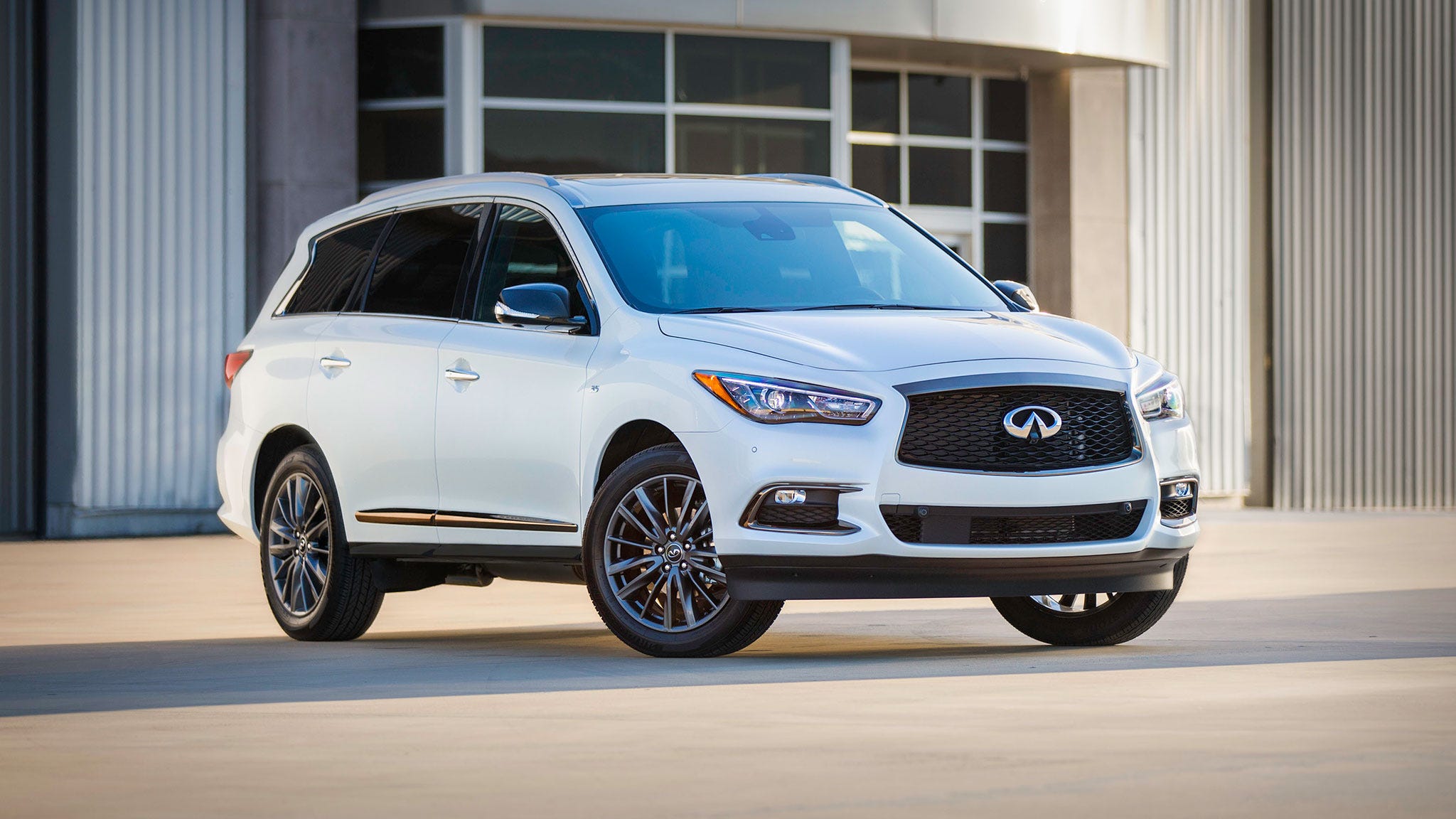
5. Infiniti QX60 Luxe AWD
Infiniti’s QX60 Luxe AWD sits in the near-luxury three-row segment alongside Acura MDX, Lincoln Aviator, and Cadillac XT6, competing on interior quality, technology features, and brand prestige. At a starting price approaching $50,000 and typical transaction prices well above that figure, the QX60 Luxe AWD promises a premium ownership experience.
What buyers frequently discover is that the powertrain’s performance does not match that premium promise. Infiniti’s 3.5-liter naturally aspirated V6 in the QX60 Luxe produces 295 horsepower, which sounds adequate until the continuously variable transmission enters the picture.
CVT behavior under hard acceleration produces the characteristic rubber-band sensation where engine speed climbs quickly while vehicle speed builds more gradually. This sensation is familiar to buyers who have experience with CVT-equipped vehicles and frustrating to buyers who expected the smooth, decisive acceleration of a stepped automatic or a dual-clutch transmission. At near-luxury prices, CVT-associated sensations feel particularly out of place.
Independent 0-60 testing of the QX60 Luxe AWD produces results consistently in the 6.5 to 7.2 second range, which is not catastrophically slow but sits at the slower end of the near-luxury three-row segment. Acura MDX with the same starting price range delivers 0-60 times approximately one full second faster through better powertrain integration.
Kia Telluride SX, at a meaningfully lower price, approaches similar acceleration times without the CVT sensation that buyers notice and frequently mention in ownership reviews. Fuel economy from the naturally aspirated V6 and CVT combination should theoretically benefit from the CVT’s ability to hold the engine at optimal RPM for efficiency.
Real-world combined fuel economy results for QX60 Luxe AWD owners average around 21 to 23 miles per gallon, which represents a modest efficiency benefit that does not compensate for the performance compromise most buyers experience as more consequential in daily driving.
Infiniti introduced a nine-speed automatic transmission option in subsequent QX60 model year updates that meaningfully improved powertrain character, reducing the rubber-band sensation and improving both performance and perceived responsiveness.
Buyers shopping the QX60 Luxe AWD should specifically identify whether the vehicle they are considering carries the CVT or the nine-speed automatic, as the ownership experience differs considerably between the two configurations. Paying near-luxury prices for CVT performance in a heavy three-row SUV is a combination that most buyers with alternatives available should avoid.
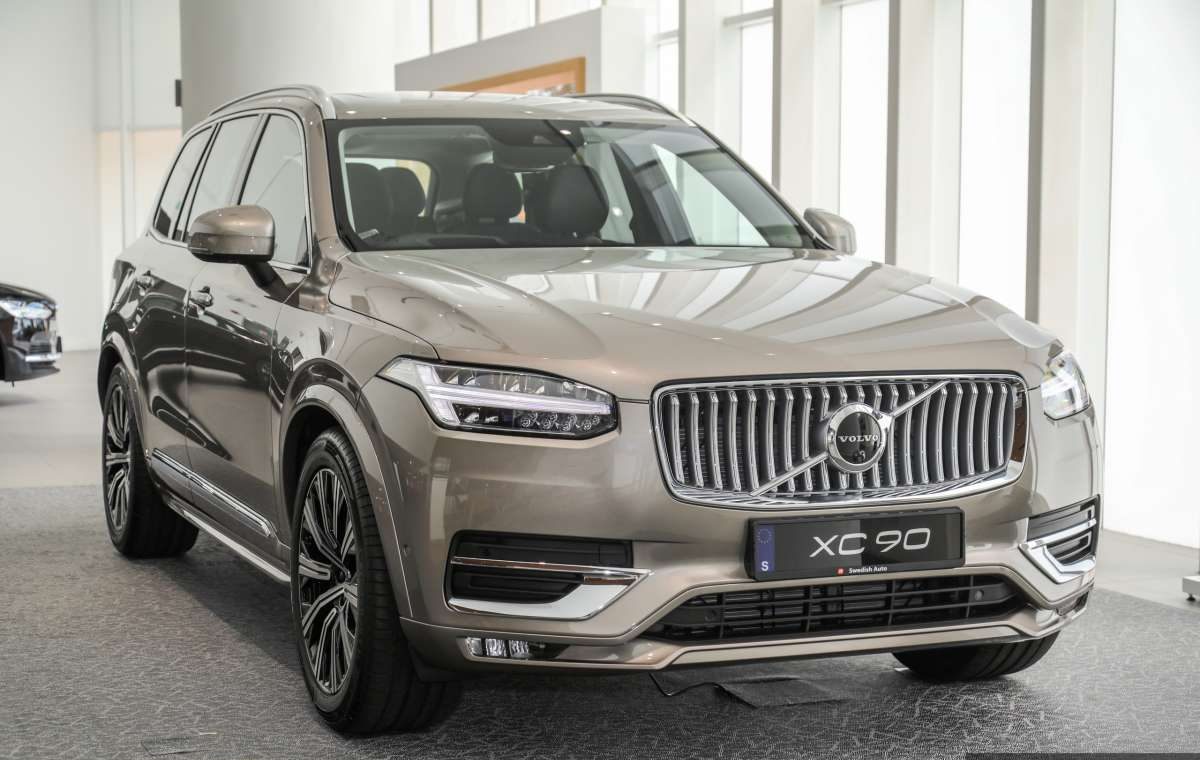
6. Volvo XC90 B5 AWD Momentum
Volvo’s XC90 is a genuinely excellent luxury three-row SUV in most dimensions that matter to premium buyers. Interior design is exceptional. Safety technology is industry-leading. Build quality reflects genuine Scandinavian craftsmanship rather than surface-level premium pretense. Where the XC90 B5 AWD Momentum configuration falls short of its price expectations is in straight-line acceleration from a mild hybrid four-cylinder powertrain that was not designed with performance as its primary objective.
B5 designation on the XC90 identifies the 2.0-liter turbocharged four-cylinder engine with 48-volt mild hybrid assistance, producing 247 horsepower and 258 pound-feet of torque. Mild hybrid assistance provides a brief torque supplement during initial acceleration that reduces the turbo lag characteristic of the base engine but does not fundamentally transform the powertrain’s performance character.
At a vehicle price that regularly exceeds $60,000 in Momentum trim and climbs above $70,000 with common option packages, 247 horsepower moving a curb weight above 4,600 pounds produces 0-60 times measured consistently in the 7.4 to 8.0 second range.
Direct competitors at comparable prices deliver meaningfully faster acceleration. BMW X5 xDrive40i with a 3.0-liter turbocharged inline-six reaches 60 mph in approximately 5.5 seconds at a similar price point. Mercedes-Benz GLE 350 4MATIC delivers comparable times from an equivalent configuration.
Audi Q7 45 TFSI Quattro, a true three-row competitor, reaches 60 mph in the 6.0-second range from a more powerful turbocharged engine. Against that competitive field, the XC90 B5 AWD Momentum’s acceleration numbers create a gap that buyers discover after cross-driving multiple vehicles during the purchase process.
Volvo offers the XC90 Recharge as a plug-in hybrid alternative with substantially more power and dramatically faster acceleration in the low five-second range for 0-60. That powertrain genuinely matches the XC90’s price and positioning. Buyers who are considering the XC90 and have any performance expectations should investigate the Recharge variant’s pricing before settling for the B5 configuration’s performance limitations at near-equivalent cost.
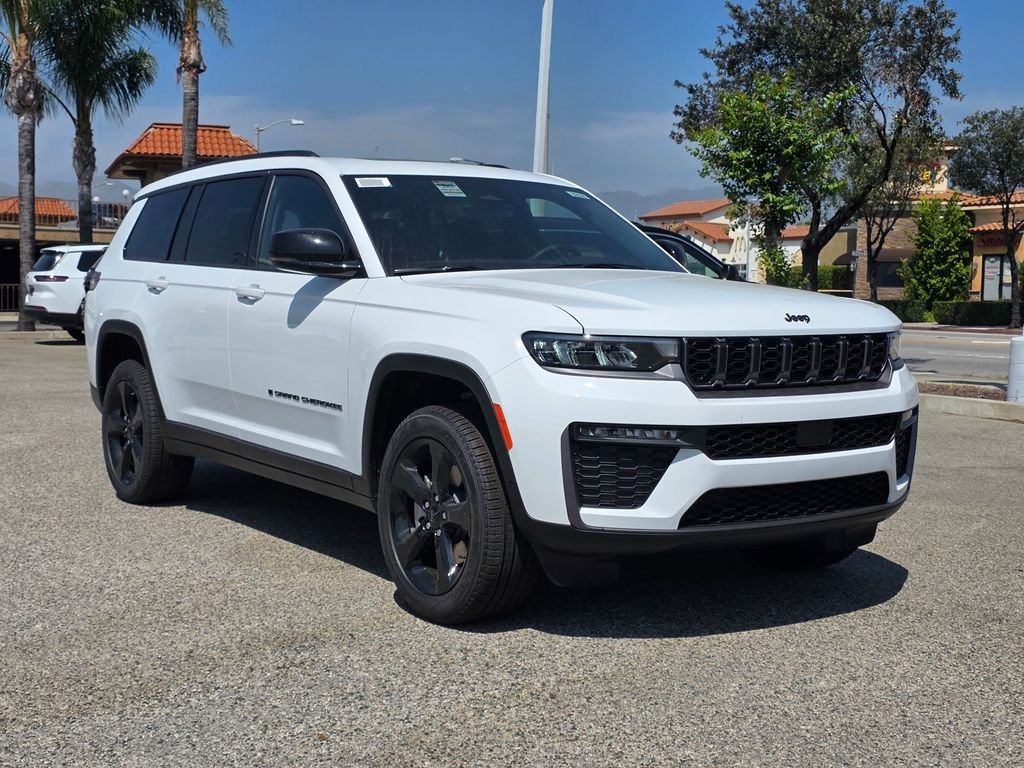
7. Jeep Grand Cherokee L Limited 4WD
The Jeep Grand Cherokee L represents an important expansion of the Grand Cherokee line, introducing a three-row configuration aimed at family buyers who require additional seating and practicality. In Limited 4WD form, with pricing starting from about $50,000, the vehicle presents itself as a well-equipped option combining comfort, utility, and the brand’s recognised off-road ability.
While these attributes are present, the standard engine configuration raises concerns when examined against expectations tied to its price bracket. The base engine offered in the Grand Cherokee L Limited 4WD is the 3.6-litre Pentastar V6, producing 293 horsepower. This engine has earned a strong reputation for durability and dependability across several Jeep, Dodge, and Chrysler models.
Its long service history supports confidence in reliability. However, durability alone does not address performance expectations in a modern three-row sport utility vehicle weighing above 5,100 pounds in four-wheel-drive form. When matched with this weight, the Pentastar V6 delivers acceleration figures that fall below what many buyers anticipate.
Independent testing places the 0-60 mph time within a range of approximately 7.8 to 8.6 seconds. For a vehicle positioned within a premium price category, such performance is modest. It places the Grand Cherokee L Limited among the slower options in its class when measured purely by straight-line acceleration.
Comparison with similarly priced alternatives highlights this limitation clearly. Vehicles such as the Kia Telluride SX AWD achieve quicker acceleration despite producing slightly less power. This is largely due to a lighter construction and efficient power delivery.
The Hyundai Palisade Calligraphy AWD also delivers comparable results, maintaining a competitive advantage in both pricing and responsiveness. Even the Volkswagen Atlas SEL Premium 4MOTION, a direct competitor in the three-row segment, manages to outperform the Grand Cherokee L Limited in acceleration tests at a similar price level.
Jeep does offer a more powerful 5.7-litre HEMI V8 as an optional upgrade, which improves acceleration considerably. However, this option adds a noticeable cost to an already expensive trim level. Buyers seeking stronger performance must therefore be prepared to exceed their initial budget, which affects the value proposition of the base configuration.
The eight-speed automatic transmission fitted to the Grand Cherokee L Limited operates smoothly during light driving conditions and routine commuting. Gear changes are refined, supporting a comfortable ride suitable for family use.
Under heavy throttle, particularly when the vehicle is fully loaded with passengers and luggage, the combined effect of engine output and transmission response produces acceleration that feels strained. The vehicle does not deliver the level of confidence expected when quick acceleration is required, such as during highway merging or overtaking.
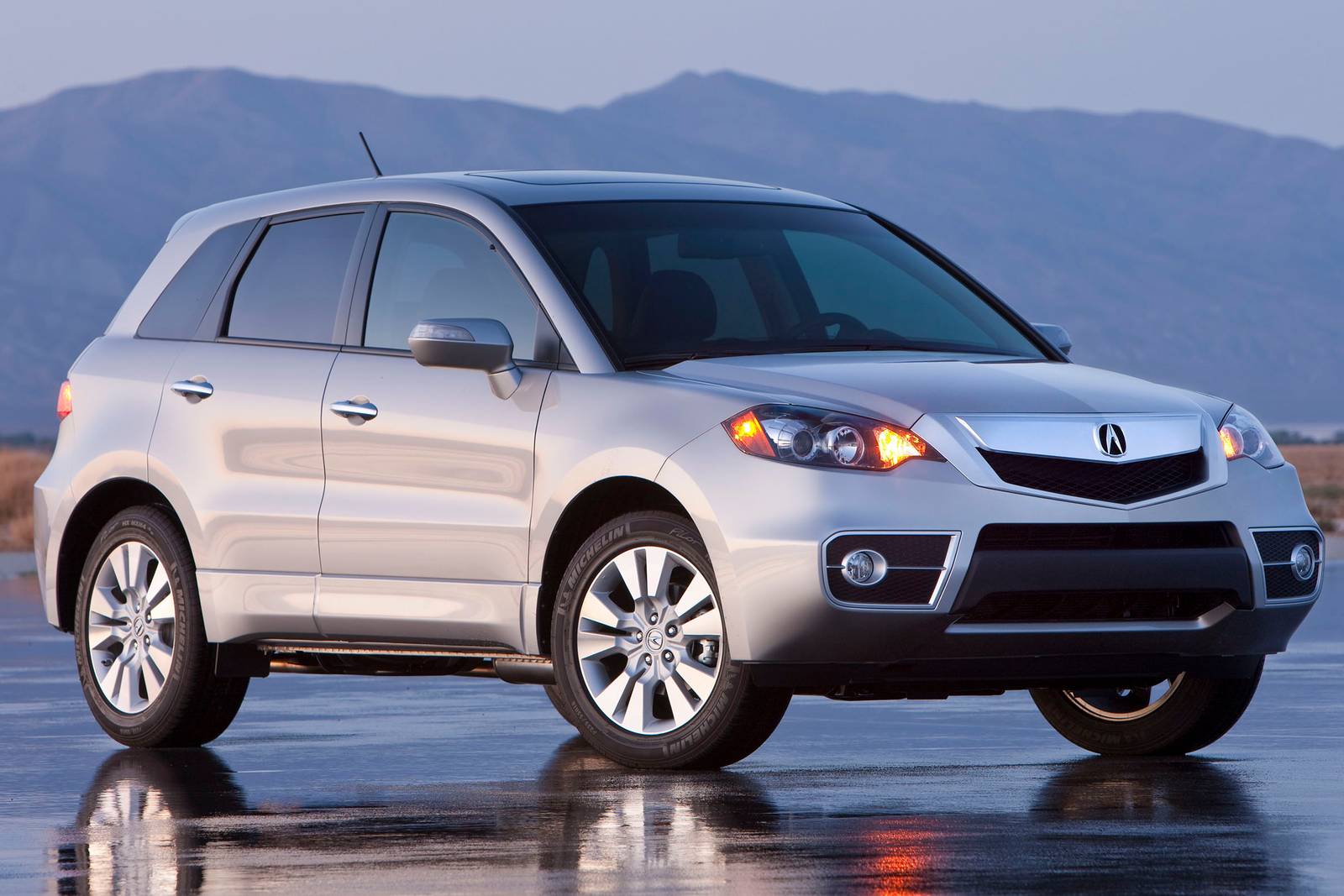
8. Acura RDX Technology Package SH-AWD
The Acura RDX has built a strong reputation as a premium compact sport utility vehicle that blends advanced technology, distinctive interior design, and an engaging driving experience. Equipped with the Technology Package and SH-AWD system, and priced around $50,000, it positions itself as a refined option for buyers seeking a balance between luxury and performance.
While the vehicle delivers in several areas, its powertrain characteristics present limitations that merit close examination. The RDX is powered by a 2.0-litre turbocharged VTEC four-cylinder engine producing 272 horsepower and 280 pound-feet of torque.
These figures suggest a capable engine, especially within the compact luxury segment. However, the manner in which this power is delivered affects the driving experience more than the raw numbers might indicate. A primary concern is the presence of turbo lag.
When the driver applies full throttle, there is a noticeable delay before the engine delivers peak power. This hesitation interrupts the flow of acceleration, particularly during situations such as overtaking slower vehicles or merging onto high-speed roads. Buyers at this price level often expect an immediate response, and the delay can diminish driving confidence.
Acceleration testing places the RDX Technology Package SH-AWD within the range of approximately 6.0 to 6.5 seconds from 0 to 60 mph. While this is acceptable for many driving scenarios, it falls behind several competitors within the same price bracket.
For instance, the BMW X3 xDrive30i achieves quicker acceleration at a similar cost. The Audi Q5 45 TFSI Quattro also delivers faster results, offering a more immediate and linear power response. The Genesis GV70 2.5T AWD presents another strong comparison.
It combines competitive pricing with acceleration figures around 5.9 seconds, while delivering power in a smoother and more predictable manner. Against these alternatives, the RDX appears less competitive in terms of straight-line performance, despite its strengths in other areas.
The ten-speed automatic transmission in the RDX is designed to manage the engine’s characteristics effectively. It performs well during normal driving, providing smooth and timely gear changes. The transmission also attempts to compensate for turbo lag by anticipating acceleration demands and selecting appropriate gears in advance. While this strategy improves responsiveness to some extent, it does not eliminate the initial delay inherent in the engine’s design.
Also Read: 8 SUVs Built for Worst-Case Side Impact
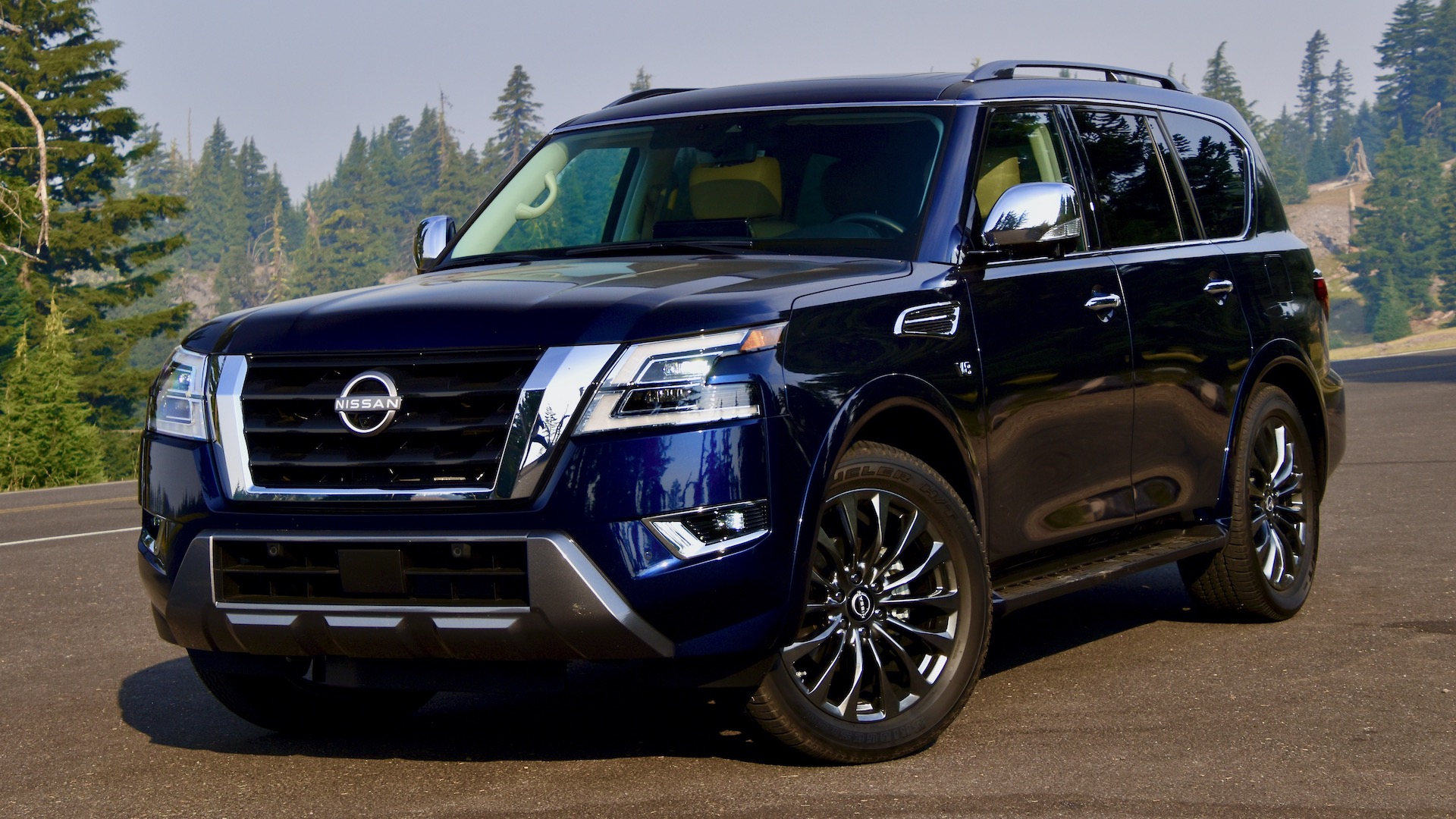
9. Nissan Armada Platinum 4WD
Full-size body-on-frame SUVs carry substantial price tags and substantial curb weights, and the relationship between those two facts determines whether the powertrain is pulling its weight. Nissan Armada Platinum 4WD, priced above $65,000 in top-trim configuration, presents a specific case where a V8 engine that would be adequate in a lighter vehicle becomes genuinely underwhelming when matched against the full-size platform’s mass and the buyer’s reasonable expectations for the price paid.
Nissan’s 5.6-liter Endurance V8 in the Armada produces 400 horsepower and 413 pound-feet of torque. Those output figures sound substantial until the Armada Platinum 4WD’s curb weight enters the calculation at approximately 5,900 pounds.
Moving nearly three tons of vehicle with 400 horsepower produces 0-60 mph times independently measured in the 6.8 to 7.5 second range, which places the Armada Platinum among the slower full-size SUVs in its price class despite having a large-displacement V8.
Direct competitors with V8 engines and comparable prices demonstrate what the segment can deliver. Ford Expedition Platinum 4WD with the 3.5-liter twin-turbocharged EcoBoost V6 reaches 60 mph in approximately 6.0 seconds despite producing less displacement and similar horsepower.
Chevrolet Tahoe High Country 4WD with the 6.2-liter V8 achieves 0-60 in approximately 5.7 seconds. Jeep Wagoneer Series III 4WD delivers comparable times at equivalent pricing. Against those results, the Armada Platinum’s 7.0-plus-second range creates a measurable disadvantage that buyers paying premium prices for a full-size SUV should not have to accept.
The seven-speed automatic transmission in the Armada manages the V8’s torque distribution with adequate smoothness during relaxed driving and reasonable response during moderate acceleration. At full throttle from a standing start, transmission calibration and engine response combine to produce the measured times that independent testers document consistently.
Nissan has not updated the Armada’s powertrain meaningfully across recent model years, while competitors introduced turbocharged engines and more sophisticated transmission calibrations that improved both efficiency and performance simultaneously.
