Choosing the right SUV for a small family often comes down to more than just fuel economy or styling. Car seat installation, rear legroom, and everyday usability can make or break the ownership experience.
Some crossovers are engineered with generous space, wide door openings, and easy-to-access LATCH systems that simplify life for parents, while others prioritize compact size or design efficiency at the expense of rear-seat comfort. This comparison of “4 Crossovers for Small US Families vs. 4 That Lack Car-Seat Space” highlights both ends of the spectrum.
On one side are vehicles that make child-seat installation straightforward and stress-free, offering flexibility for growing families and long road trips. On the other side are smaller crossovers that struggle with tight interiors, limited seat spacing, and awkward access points. Understanding these differences helps families choose a vehicle that truly fits their daily routines rather than just their budget or brand preference.
4 Crossovers for Small US Families
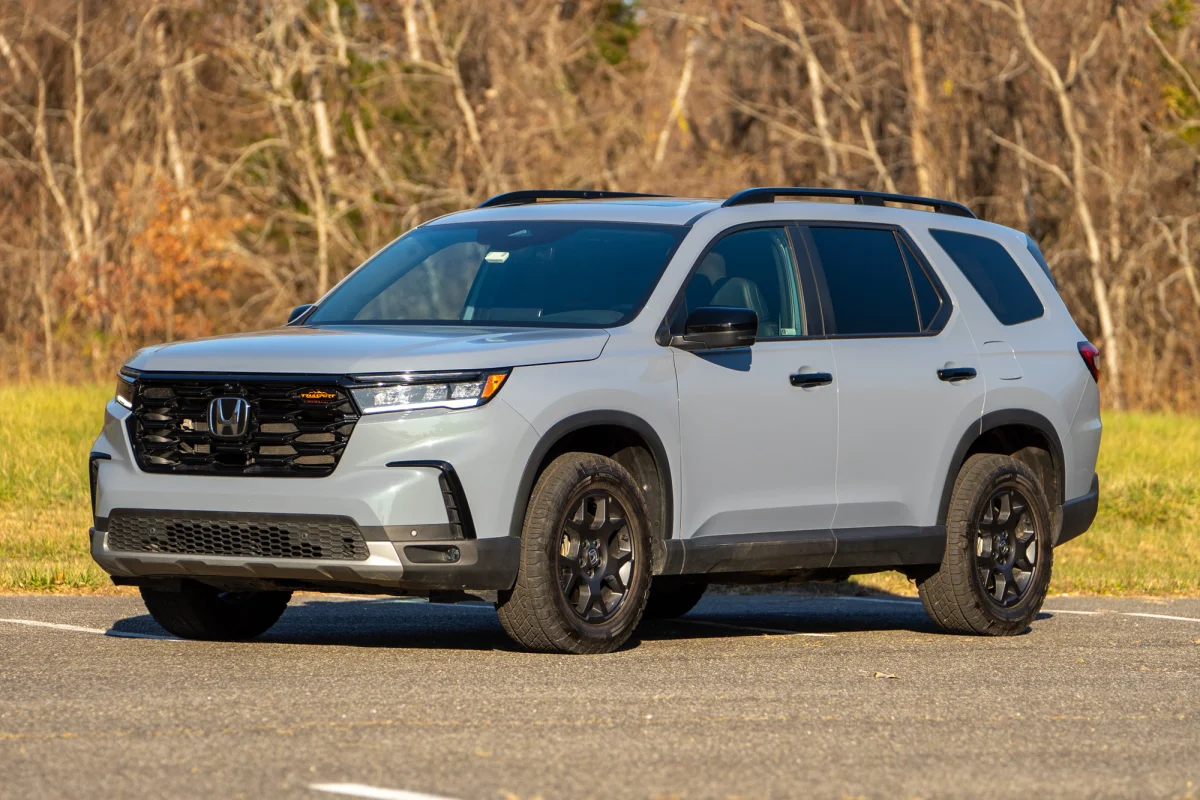
1. 2024 Honda Pilot
For families in need of a practical and spacious SUV, the 2024 Honda Pilot offers a well-balanced mix of comfort, capability, and safety. Built to handle everyday errands as well as long road trips, this three-row midsize SUV emphasizes interior flexibility, user-friendly features, and dependable performance, making it a strong contender in its segment.
A defining feature of the Pilot is its roomy and adaptable interior. With seating for up to eight passengers, it provides generous legroom across all rows, particularly in the second row, where bulky rear-facing child seats can fit without restricting front-seat space. Families benefit from easy-to-use LATCH anchors and wide rear doors, which simplify installing and removing child seats. The vehicle’s ability to accommodate up to three car seats across the second row further enhances its practicality for households with young children.
Cargo space is another area where the Pilot excels. It offers 21.8 cubic feet of storage behind the third row, expanding to a maximum of 111.8 cubic feet with seats folded down. This ample space allows families to carry everything from groceries and strollers to sports equipment and travel luggage. Compared to rivals like the Toyota Highlander, the Pilot often delivers superior interior and cargo room, reinforcing its reputation as a family-focused SUV.
Performance-wise, the Pilot is powered by a 3.5-liter V6 engine producing 285 horsepower, paired with a smooth 10-speed automatic transmission. While not designed for high-speed performance, it provides steady acceleration, refined handling, and reliable braking. Front-wheel drive is standard, with optional all-wheel drive available for improved traction. For those seeking adventure, the TrailSport trim adds off-road capability with all-terrain tires, skid plates, and a raised suspension.
The SUV also offers competitive towing capacity, reaching up to 5,000 pounds with all-wheel drive, comparable to other midsize SUVs like the Kia Telluride. Fuel efficiency is rated at up to 19 mpg in the city and 27 mpg on the highway, aligning with expectations for V6-powered vehicles in this class.
Inside, the Pilot prioritizes comfort and convenience. Higher trims include flexible seating configurations, removable second-row seats, and numerous storage compartments, including large cupholders. The infotainment system features a standard 7-inch touchscreen with Apple CarPlay and Android Auto, while upgraded trims provide a larger 9-inch display, wireless connectivity, and a premium Bose sound system.
Safety is a standout aspect of the 2024 Pilot. It has received top ratings from the Insurance Institute for Highway Safety and the National Highway Traffic Safety Administration. Every model comes equipped with Honda Sensing, a comprehensive suite of driver-assistance technologies, including automatic emergency braking, adaptive cruise control, lane-keeping assist, and blind-spot monitoring.
The 2024 Honda Pilot delivers a reliable and family-friendly driving experience. With its spacious interior, strong safety credentials, and versatile performance, it remains an excellent choice for families seeking a dependable midsize SUV.
2. 2024 Nissan Pathfinder
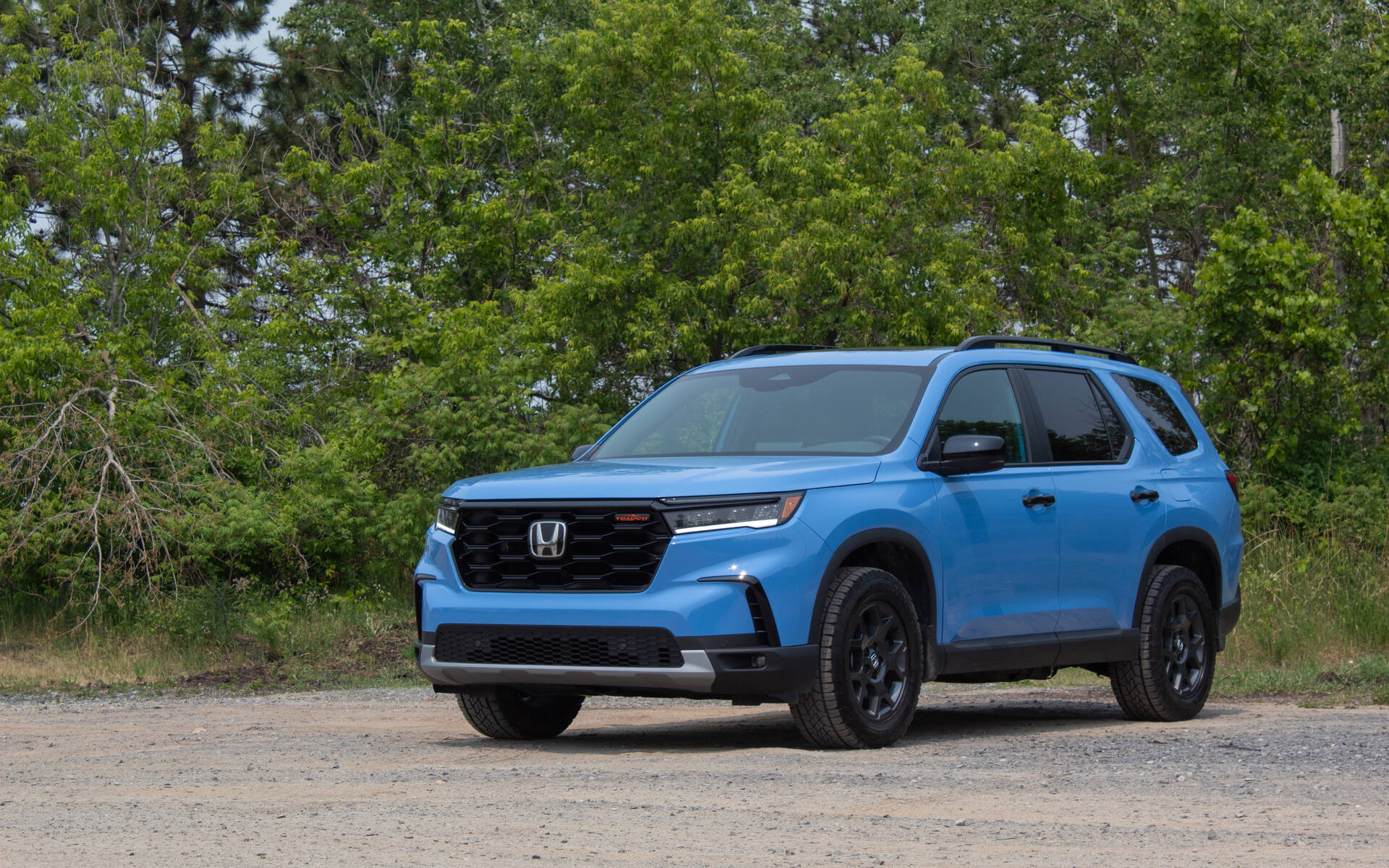
Families looking for a practical and comfortable three-row SUV will find plenty to like in the 2024 Nissan Pathfinder. Built with everyday usability in mind, it combines spacious seating, smart interior features, and dependable performance. Its design focuses on making family travel easier, especially for those with young children and active lifestyles.
One of the Pathfinder’s most useful features is its EZ FLEX® seating system. This allows the second-row seats to tilt and slide forward even when a child seat is installed, making access to the third row far more convenient than in many rivals. The cabin is wide enough to reduce crowding between seats, which helps when installing multiple child seats or buckling passengers. The LATCH system is easy to use, and tether anchors are placed thoughtfully, making the entire process simpler for parents.
The interior can accommodate up to eight passengers, with the option to switch to second-row captain’s chairs for a seven-seat layout. There is also plenty of cargo space, with up to about 80 cubic feet available when the rear seats are folded. This gives families room for groceries, strollers, sports gear, or travel luggage. Storage compartments throughout the cabin add to the vehicle’s everyday practicality, while higher trims offer upgraded materials and added comfort features.
Performance is handled by a 3.5-liter V6 engine producing 284 horsepower, paired with a 9-speed automatic transmission. This setup provides smooth and steady acceleration, along with a quiet and comfortable ride. Front-wheel drive is standard, and all-wheel drive is available for better traction in different driving conditions.
Models equipped with all-wheel drive also include multiple drive modes for snow, sand, and other terrains. The Rock Creek version adds extra capability for light off-road driving. The Pathfinder also offers a strong towing capacity of up to 6,000 pounds, making it suitable for hauling trailers or small boats.
Fuel economy is competitive for its class, with ratings of up to 21 mpg in the city and 27 mpg on the highway. This makes it efficient enough for daily commuting while still capable of handling longer road trips.
Technology features are designed to keep families connected and comfortable. The SUV includes a standard 8-inch infotainment system, with a larger screen available on higher trims. Apple CarPlay and Android Auto come standard, and upper trims offer wireless connectivity, a Bose sound system, and a Wi-Fi hotspot. Tri-zone climate control helps maintain comfort for passengers in all rows, while features like Rear Door Alert add convenience and peace of mind.
Safety is a major focus in the Pathfinder. Every model comes with Nissan Safety Shield® 360, which includes automatic emergency braking, blind-spot monitoring, and lane-departure warning. Higher trims also offer ProPilot Assist, which adds advanced driver assistance for highway driving.
The 2024 Nissan Pathfinder provides a balanced mix of space, safety, and versatility, making it a strong option for families seeking a reliable and easy-to-use SUV.
3. 2024 Volkswagen Atlas
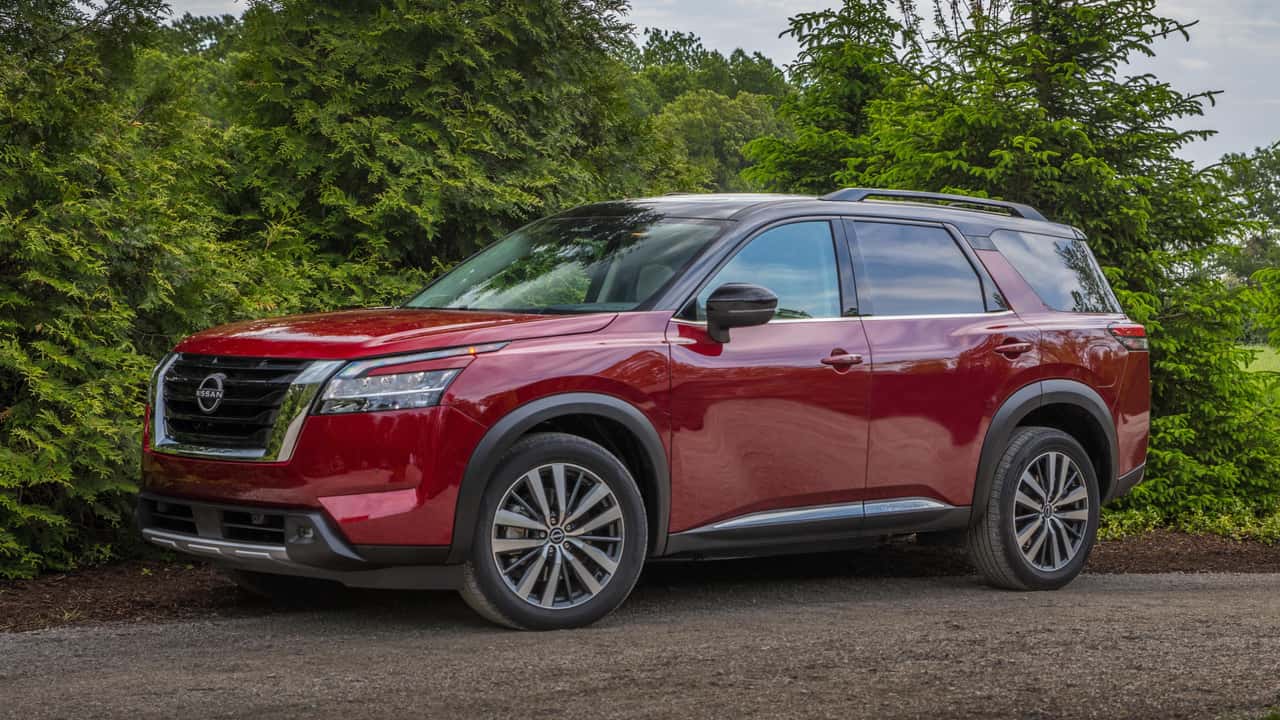
For families that prioritize interior room and everyday practicality, the 2024 Volkswagen Atlas offers a highly functional three-row SUV experience. Its boxy design is not just about looks; it directly contributes to a spacious cabin that simplifies car seat installation and maximizes passenger comfort.
One of the Atlas’s biggest advantages is how easy it is to install and manage child seats. The wide second row, flat seat surfaces, and easily accessible LATCH anchors make setup far less frustrating compared to many rivals. It is especially effective for fitting three car seats across, something that can be difficult in narrower SUVs. Large rear door openings and a sliding second row also make it easier to load children and access the third row, even when car seats are already in place.
The Atlas excels in interior space. It comfortably seats up to seven passengers and features one of the most accommodating third rows in its class, with enough legroom for adults. Cargo capacity is equally impressive, starting at 20.6 cubic feet behind the third row and expanding to 96.8 cubic feet when the rear seats are folded. This makes it well-suited for transporting strollers, groceries, sports gear, or luggage for longer trips.
Powering the 2024 model is a 2.0-liter turbocharged four-cylinder engine producing 269 horsepower, paired with an eight-speed automatic transmission. This updated engine delivers improved responsiveness and smoother acceleration compared to previous versions.
The Atlas is not designed for sporty driving, but it offers a stable and comfortable ride, making it ideal for highway cruising and daily commuting. Buyers can choose between front-wheel drive and all-wheel drive, depending on their needs. The SUV also supports towing up to 5,000 pounds, allowing it to handle trailers or recreational equipment.
Fuel economy is competitive within the segment, with front-wheel-drive models achieving up to 20 mpg in the city and 27 mpg on the highway. All-wheel-drive versions see a slight decrease but remain practical for family use.
Inside, the cabin is designed for convenience and ease of use. The layout is simple and functional, with plenty of storage compartments and cupholders throughout. The 2024 update brings improved materials and modern technology, including a standard 12-inch infotainment touchscreen and a digital instrument display. Apple CarPlay and Android Auto come standard, along with multiple USB-C ports and wireless charging capabilities.
Safety is another key strength. The Atlas has received high ratings from the Insurance Institute for Highway Safety and includes a wide range of driver-assistance features. Standard systems include forward-collision warning, automatic emergency braking, blind-spot monitoring, and rear cross-traffic alert. Additional features, such as adaptive cruise control, provide extra support during longer drives.
The 2024 Volkswagen Atlas stands out for its spacious interior, ease of use, and family-focused design, making it a strong option for households that need room, comfort, and convenience in a three-row SUV.
Also read: 12 Cars That Fundamentally Changed How American Families Travel
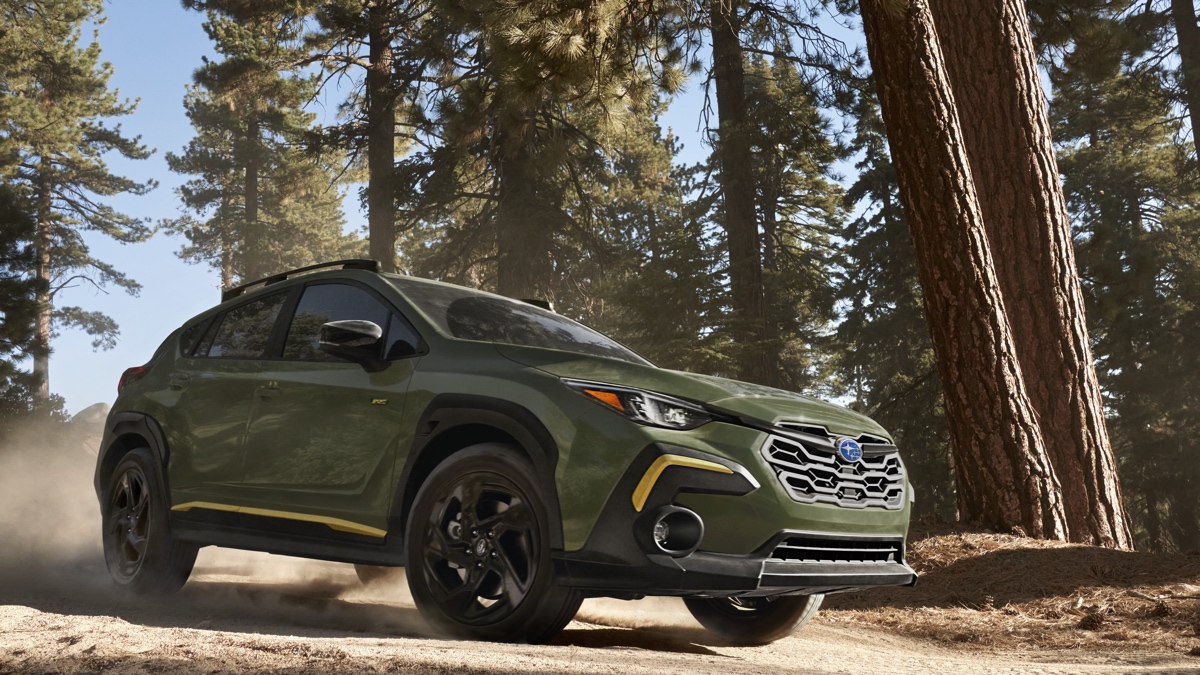
4. 2025 Subaru Crosstrek
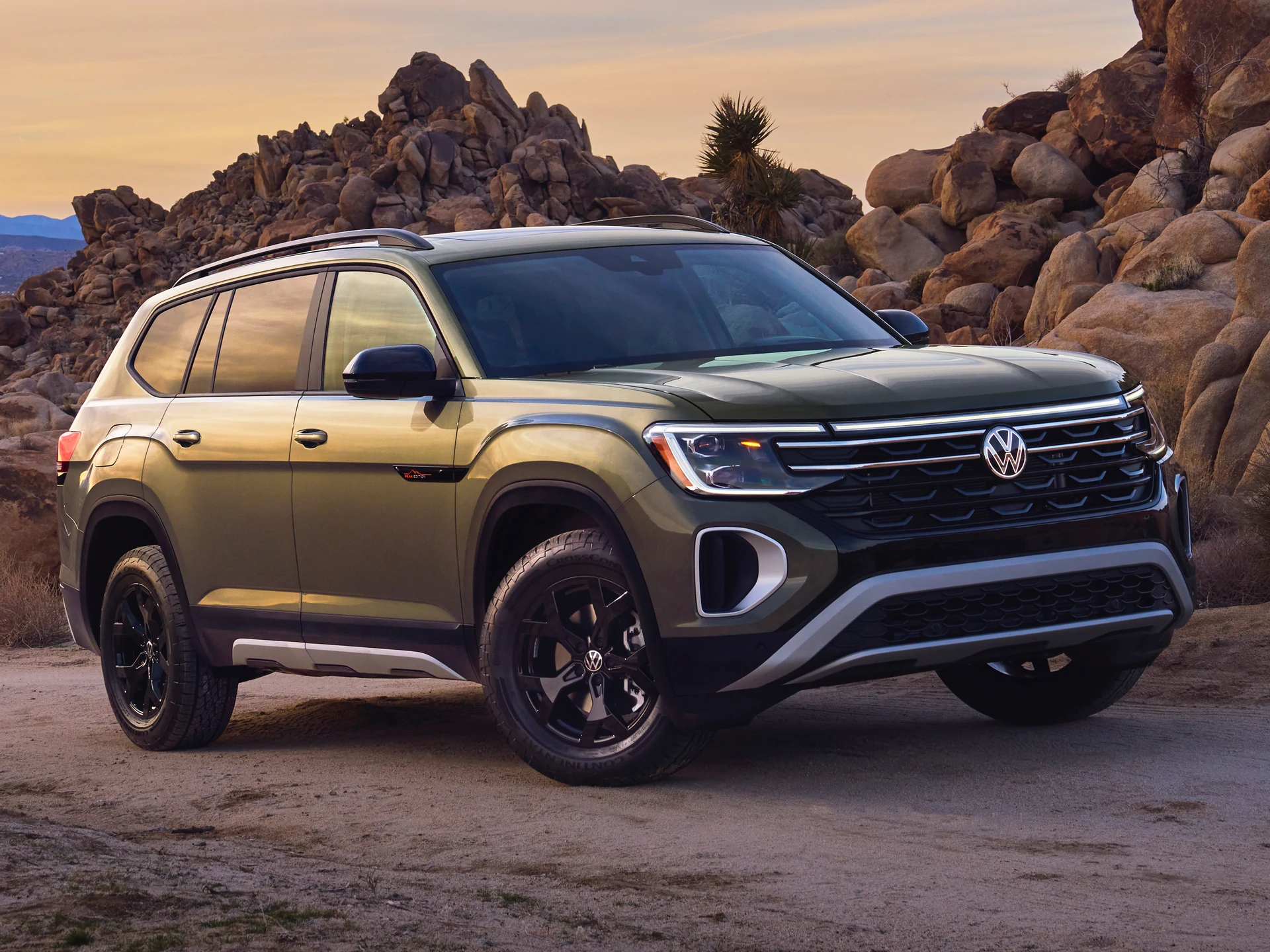
For families who prefer a smaller, easy-to-handle vehicle without giving up essential features, the 2025 Subaru Crosstrek offers a smart and practical solution. It combines compact dimensions with thoughtful design, strong safety features, and reliable capability, making it ideal for daily use and occasional outdoor trips.
One of its biggest advantages is how simple it makes installing and using child seats. The LATCH anchors are clearly marked and easy to access, reducing the usual hassle during setup. Rear doors that open nearly 90 degrees provide extra room when placing a child inside, which is especially helpful for parents handling infants or bulky car seats. Despite its compact size, the Crosstrek uses its vertical space efficiently, allowing rear-facing seats to fit without greatly affecting front-seat comfort.
Safety remains a key strength. Subaru includes EyeSight® Driver Assist Technology as standard, which brings features like automatic emergency braking, adaptive cruise control, and lane-keeping assist. The Crosstrek has earned strong ratings from the Insurance Institute for Highway Safety, including high marks for crash prevention. These systems help add confidence for families during everyday driving.
Performance is steady and dependable. Buyers can choose between a 2.0-liter engine with 152 horsepower or a more capable 2.5-liter engine producing 182 horsepower. Both come with a continuously variable transmission and Subaru’s standard all-wheel-drive system, which improves traction in different conditions. The ride is smooth and comfortable, and the vehicle’s ground clearance allows it to handle rough roads and light off-road situations, especially in the Wilderness trim.
Fuel efficiency is another advantage, with ratings reaching up to 27 mpg in the city and 34 mpg on the highway. Even the more powerful engine maintains similar efficiency, which helps keep running costs manageable for families.
Inside, the cabin is designed for practicality. Passenger space is generous for a subcompact SUV, and the rear seats fold in a 60/40 split to increase cargo flexibility. It offers about 20 cubic feet of cargo space behind the rear seats and up to 55 cubic feet when folded, enough for groceries, gear, or weekend luggage. While the interior styling is simple, it focuses on durability and everyday usability.
Technology features include a standard infotainment system with Apple CarPlay and Android Auto, with higher trims offering a larger 11.6-inch touchscreen. Additional storage areas and thoughtful design touches make daily use more convenient.
The Crosstrek delivers a balanced combination of safety, efficiency, and versatility in a compact form, making it a strong option for families who want practicality without stepping up to a larger SUV.
Also read: 5 Cars Built for Beach Cities Like San Diego vs. 5 That Wear Out Faster
4 That Lack Car-Seat Space
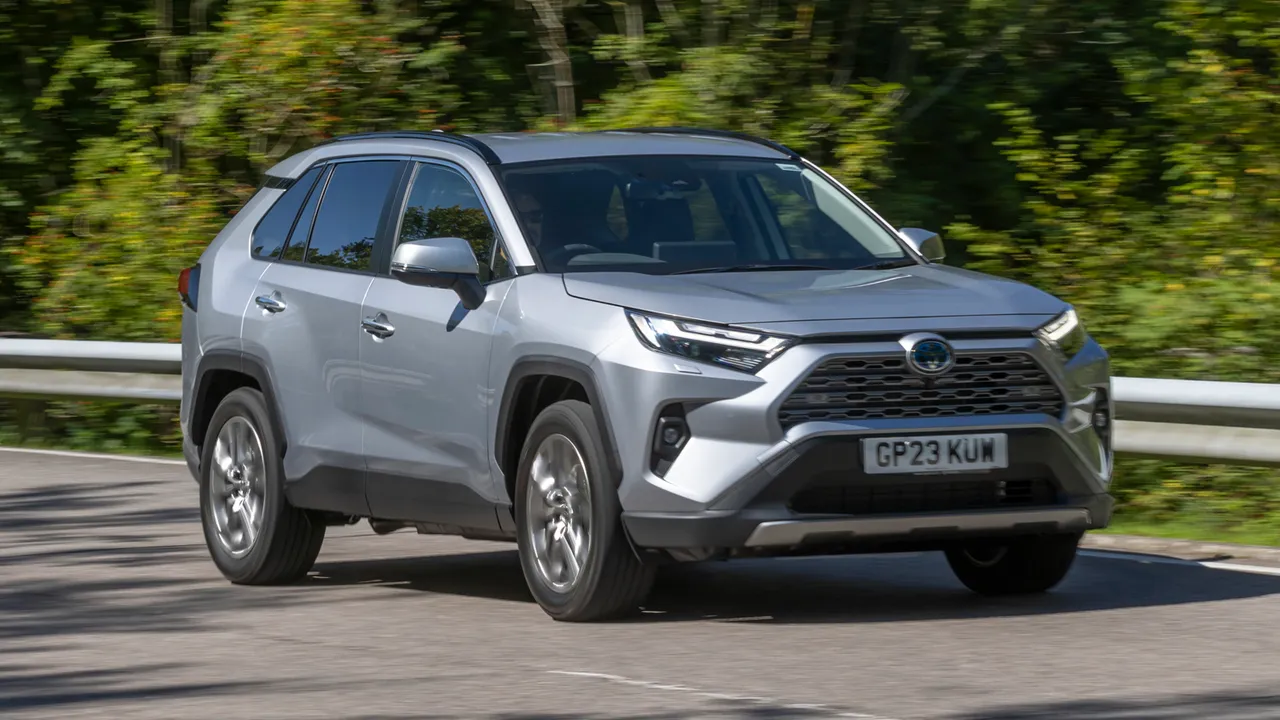
1. Toyota RAV4
Families often choose this compact SUV for its reputation for reliability and strong resale value, but its interior layout can make car seat use more challenging than expected. While it remains a popular option in its class, its design prioritizes efficiency over maximum passenger space.
Car seat installation is one of the main pain points. The rear bench design, combined with LATCH anchors that sit deep in the cushions, can make securing child seats less convenient. Rear-facing infant and convertible seats also take up a significant amount of room, often forcing the front passenger seat to move far forward. This reduces comfort for taller adults sitting in the front row.
The cabin’s shape adds another layer of difficulty. The rear doors and sloping roofline create a tighter opening, which limits the space available when lifting a child in or out. This can make loading and unloading more awkward, especially with sleeping infants or bulkier car seats, increasing the chance of contact with the door frame.
Space across the second row is also limited when multiple car seats are involved. Although three seats can technically fit, it usually requires narrow or specially designed models to make it work. The middle seat is particularly tight, which reduces flexibility and makes proper spacing more difficult for families with more than one child.
Even with these drawbacks, it still performs well in other important areas. It offers strong cargo space for a compact SUV, dependable safety features, and a long-standing reputation for durability. Many families with one or two children find it practical enough, especially in newer models that have improved seatbelt layout and usability.
Compared to competitors like the Honda CR-V, second-row legroom is more restricted, which becomes more noticeable with larger car seats installed. While it remains a trusted and widely used option, its tighter interior design makes it less ideal for families who prioritize maximum comfort and easy car seat installation.
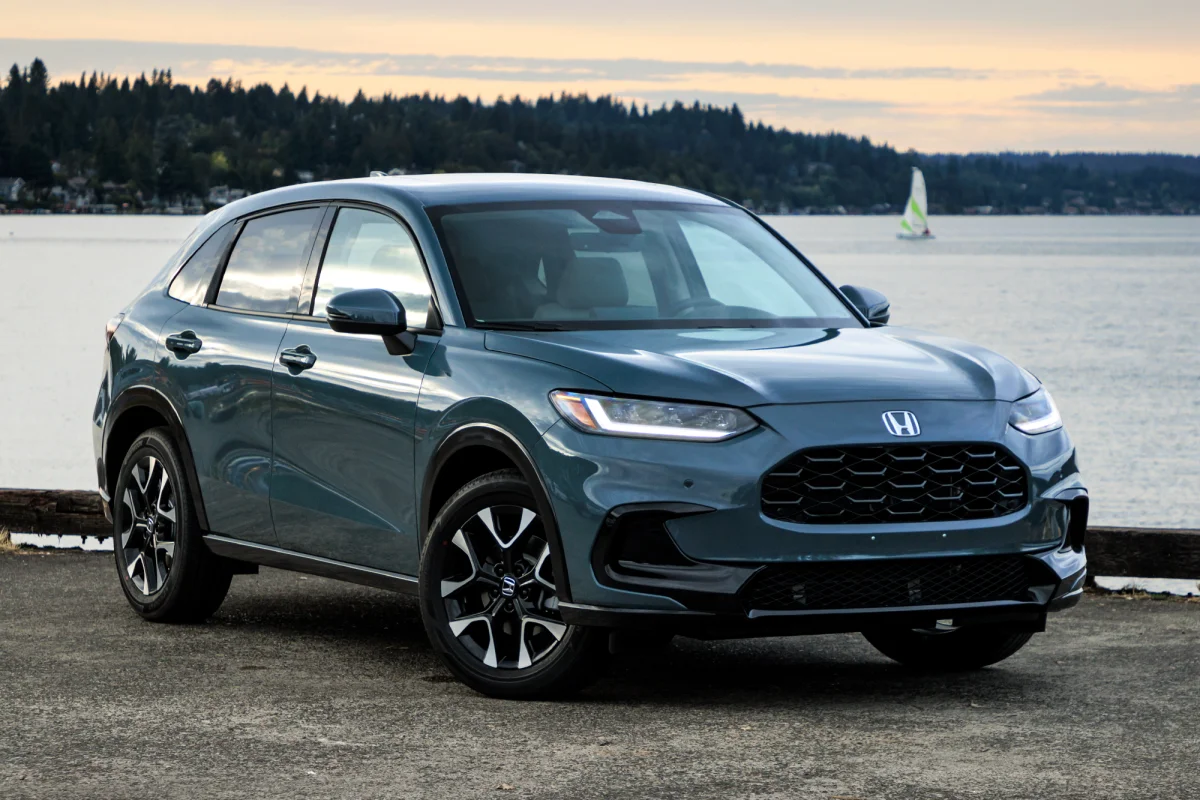
2. Honda HR-V
Space efficiency is a key strength in the Honda HR-V, but its narrow cabin and compact rear seating area create clear challenges for families using modern car seats. While the rear row can comfortably handle adult passengers for short trips, space becomes restrictive once child seats are installed.
Rear-facing car seats tend to create the biggest limitation. When positioned behind the front seats, they often push the driver or front passenger seat forward, reducing legroom and making it harder for taller occupants to maintain a comfortable driving position. This can affect daily usability, especially for families with infants or toddlers.
Three-across seating is also difficult to achieve. The narrow width of the rear bench means fitting two car seats alongside a third passenger is rarely practical. In most real-world situations, the layout is better suited for one or two child seats, which limits flexibility for families with multiple young children.
Installation convenience can vary depending on trim and seat design. Lower LATCH anchors are sometimes positioned in a way that makes them harder to access, increasing the time and effort required to secure car seats properly. Earlier versions also lacked a center tether anchor, which restricted safe installation options in the middle seat.
The shape of the rear seats can add another complication. Some car seats may not sit perfectly flat due to seat contouring, requiring additional adjustments to achieve a secure and stable fit. This can make installation less straightforward compared to larger SUVs designed with family use in mind.
Although newer models improved interior size and comfort, they replaced the earlier “Magic Seat” system with a more conventional layout. This change improved simplicity but reduced flexibility for arranging seats and cargo together.
For families with one or two children, the vehicle can still be a practical and efficient option. However, households needing easier multi-seat installation or more front-row comfort with rear-facing seats often find larger SUVs like the Honda CR-V better suited for long-term family use.
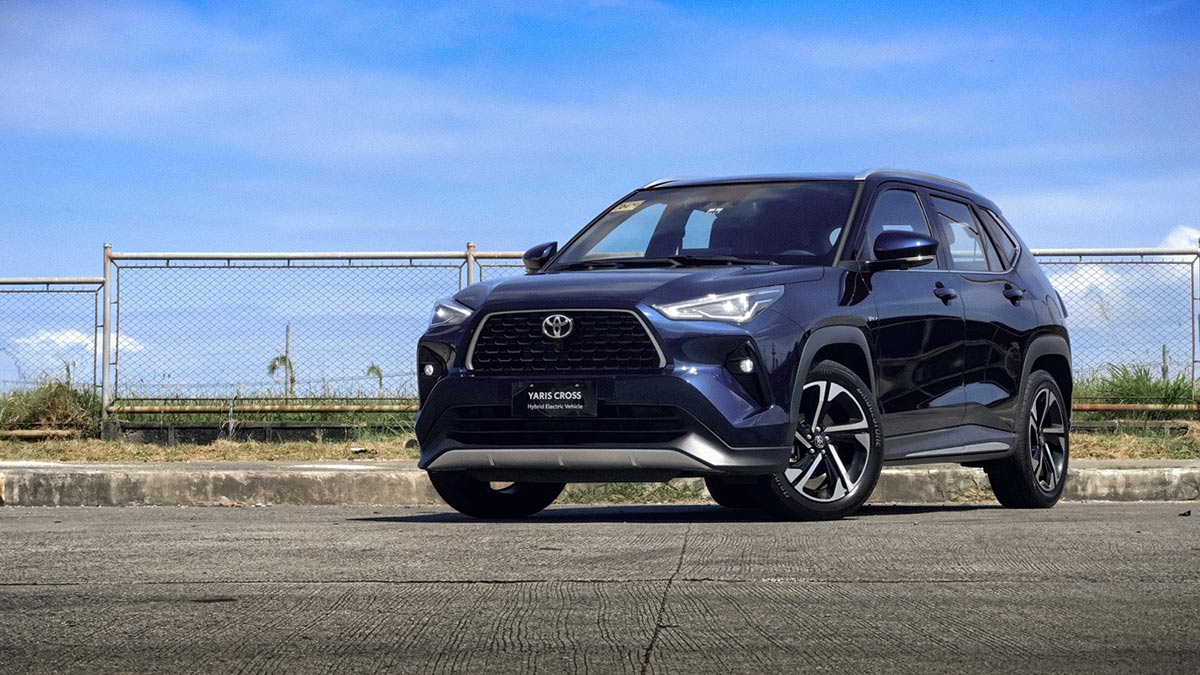
3. Toyota Yaris Cross
A subcompact crossover like the Toyota Yaris Cross is designed with efficiency and city driving in mind, but its compact interior creates clear challenges for families using car seats. The focus on small dimensions and fuel economy comes at the expense of rear passenger space.
Rear-facing car seats are especially difficult to accommodate. The distance between the back seat and front seat is minimal, which often forces the front passenger seat far forward when a child seat is installed. This reduces comfort for adults in the front row and can make longer trips less practical for families with infants.
Access to the rear seating area can also be inconvenient. Smaller door openings make it harder to lift and position heavier car seats, especially infant carriers. This can turn an everyday installation into a physically awkward task compared to larger SUVs with wider rear entry points.
Installation points add another limitation. ISOFIX or LATCH anchors are available but positioned tightly between seat cushions, which makes them less accessible. This tight spacing can increase installation time and may also lead to added wear on the seat fabric over time.
Rear seat width is another constraint. While two car seats can usually fit, adding a third passenger or attempting three-across seating is extremely difficult. The narrow bench effectively limits the rear row to two child seats in most practical situations.
Although cargo space is efficient for its class, it comes at the cost of passenger comfort and flexibility. The design clearly prioritizes storage and urban maneuverability over family-oriented seating space.
While it works well as a compact commuter vehicle, it is less suited for typical family demands in larger markets where interior space is a priority. This is also why it is not commonly offered in the U.S., where buyers often prefer more spacious alternatives like the Toyota Corolla Cross.
4. Mitsubishi XForce
A subcompact crossover built mainly for dense city driving markets prioritizes size efficiency over interior spaciousness, and the Mitsubishi XForce reflects that tradeoff. While it offers modern styling and seating for five, its smaller cabin creates noticeable limitations for families using larger car seats.
Rear-seat depth is one of the main concerns. The cushion is relatively shallow, which can cause bulky car seats to extend beyond the seat base. This overhang can make installations feel less secure and more difficult to position properly compared to wider family-focused SUVs.
Cabin width is also limited, reducing flexibility across the rear row. Two child seats can fit in most cases, but adding a third passenger or attempting three-across seating becomes very difficult. This restricts adaptability for families with multiple young children or changing seating needs.
Tether anchor placement adds another challenge. Some anchors are positioned in tighter or less accessible areas, making installation more time-consuming and less convenient for everyday use. Combined with the narrow seating layout, this reduces ease of use for frequent car seat adjustments.
Front seat positioning can further affect comfort. Higher-mounted front seats, designed for better visibility in urban driving conditions, reduce rear knee room when a rear-facing car seat is installed behind them. This creates additional space constraints for both front and rear passengers.
Although the interior may feel roomy for its class in certain international markets, it remains smaller than typical U.S. family SUVs like the Honda CR-V or Toyota RAV4. Its design emphasizes maneuverability, compact size, and tight turning radius rather than expanded passenger comfort.
For occasional child seat use or smaller families, it can function adequately. However, limited rear space, shallow seating, and reduced flexibility make it less suitable for households that frequently install car seats or require more adaptable rear seating arrangements.
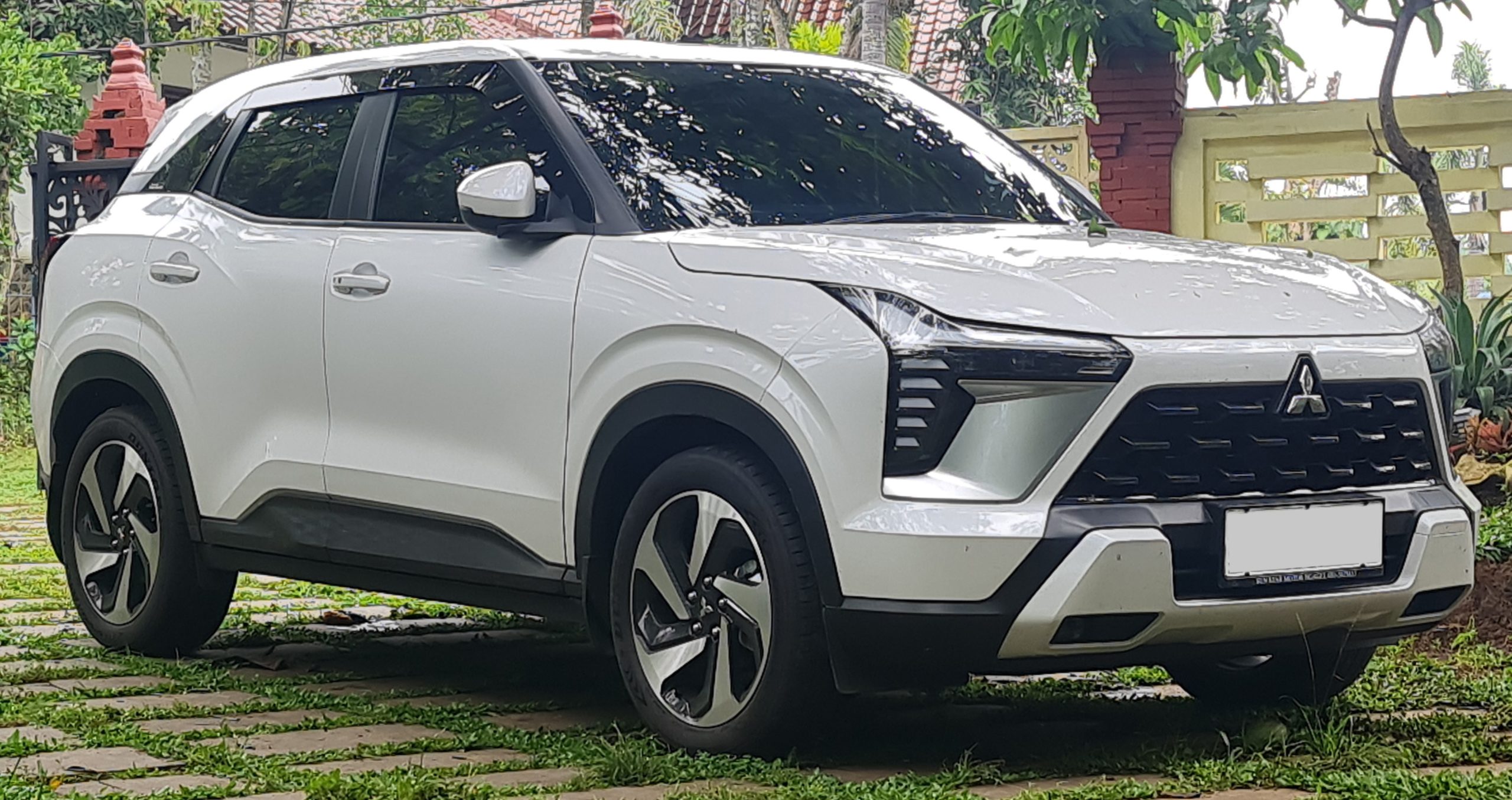
The contrast between these two groups of crossovers shows how much design priorities shape family usability. Larger, family-focused SUVs deliver wide cabins, thoughtful LATCH placement, and flexible seating that can comfortably handle multiple car seats without sacrificing front-row comfort.
They also provide easier access through wide door openings and more forgiving interior layouts, which reduce daily frustration for parents. In comparison, smaller crossovers tend to emphasize compact dimensions, fuel efficiency, and urban maneuverability, but those advantages often come with tighter rear seats, limited three-across capability, and more difficult car seat installations.
While they may still work for families with one child or older kids, they can quickly feel restrictive as needs grow. Ultimately, the right choice depends on how often car seats are used and how much space a family truly requires. For many households, prioritizing interior flexibility over compact size leads to a more comfortable and practical long-term ownership experience.
Also read: 10 Cars With Windshields That Don’t Show Glare At Sunset