
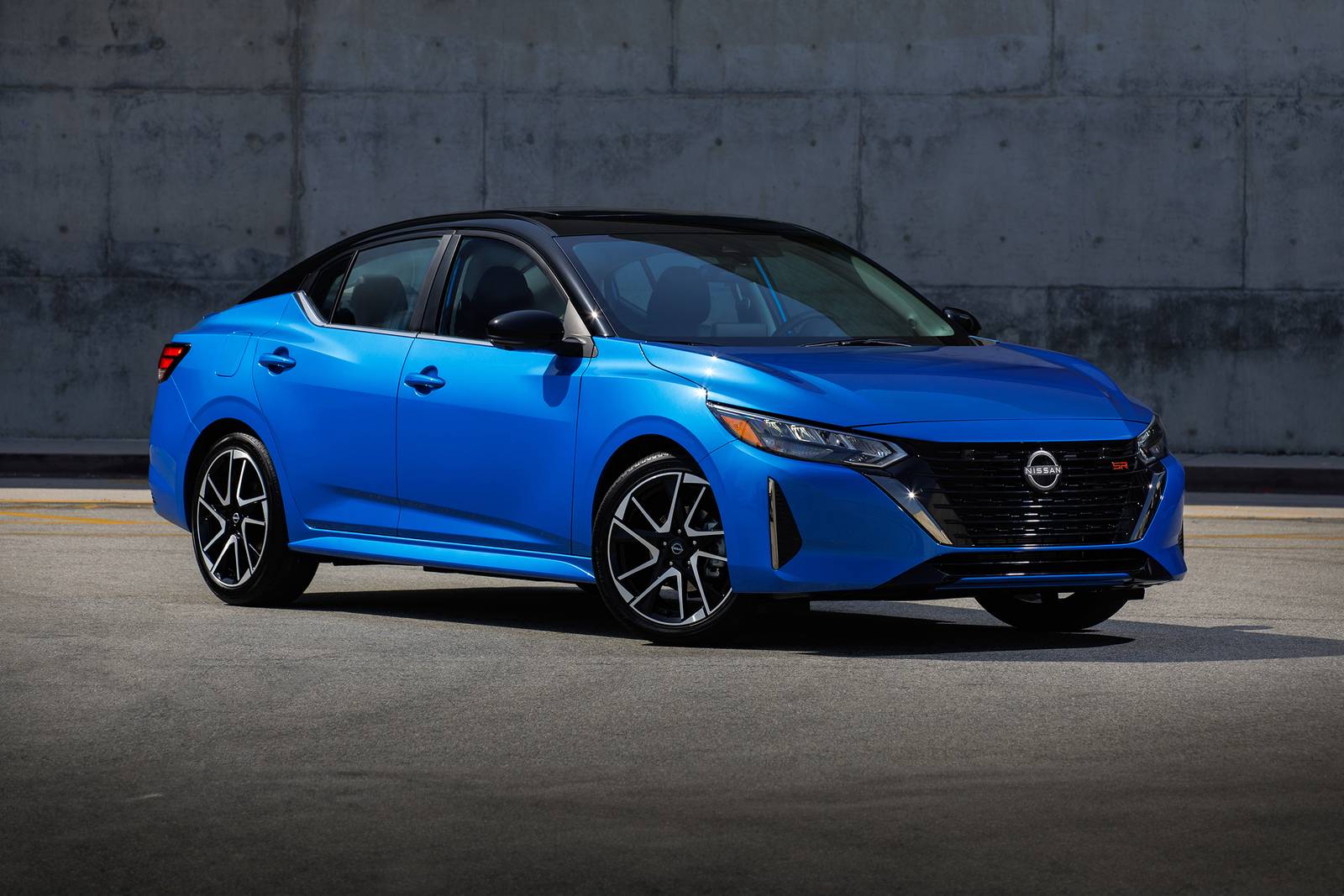
Buying a new car in America has become dramatically more expensive than it was just a few years ago, and for millions of middle-class buyers, the market is beginning to feel increasingly out of reach.
According to new data released by Kelley Blue Book, the average price of a new vehicle now sits roughly $8,000 higher than it did in 2021, highlighting how quickly affordability has deteriorated across the auto industry. At the same time, lower-priced vehicles are disappearing at an astonishing pace.
Sales of new vehicles priced below $25,000 have reportedly collapsed by 78 percent in just five years. Even more striking, only four new vehicle models now remain available under that price point in the United States, compared with 36 models available six years ago.
Meanwhile, automakers have nearly doubled the number of vehicles priced above $60,000, reflecting a massive shift toward premium products, luxury trims, and high-profit SUVs. The numbers reveal a growing divide inside the automotive market.
Manufacturers are building more expensive vehicles than ever before, while affordable transportation options continue to shrink rapidly.
For consumers struggling with inflation, high interest rates, rising insurance costs, and household budget pressure, the disappearance of entry-level cars is becoming one of the biggest economic challenges in modern vehicle ownership.
What was once considered a normal middle-class purchase is increasingly beginning to resemble a luxury expense.
Also Read: Nissan CEO Says Turnaround Has Finally Pushed Automaker Back Into Growth Mode
The Affordable Car Market Has Nearly Collapsed
Just a decade ago, buyers shopping for basic transportation had dozens of inexpensive new cars to choose from. Compact sedans, hatchbacks, and small commuter vehicles formed an important part of the market, particularly for younger drivers, first-time buyers, and families seeking practical, low-cost transportation.
The situation has shifted significantly. Over the past several years, automakers have gradually moved away from smaller, budget-friendly cars in favor of larger SUVs, upscale crossovers, and feature-packed trucks that deliver much higher profit margins. As a result, truly affordable new vehicles have become increasingly difficult to find.
The latest Kelley Blue Book figures illustrate how severe the shift has become. A drop from 36 affordable models to just four under the $25,000 threshold represents one of the most dramatic transformations the American car market has seen in decades.
Buyers who once had wide choices among small cars from multiple brands now face extremely limited options, often forcing them either toward used vehicles or much more expensive financing commitments.
The disappearance of lower-priced cars has happened gradually enough that many consumers did not fully notice the scale of the change until monthly payments started becoming unmanageable. Now, the numbers are impossible to ignore.
Automakers Prioritising High-Profit Vehicles
One major reason affordable cars are vanishing is simple economics. Automakers make significantly more money selling expensive trucks, SUVs, and luxury-oriented crossovers than they do producing basic economy cars with thin profit margins.
As consumer demand for SUVs increased over the last decade, manufacturers shifted resources toward larger vehicles that generated stronger financial returns. That strategy became even more aggressive after the pandemic.
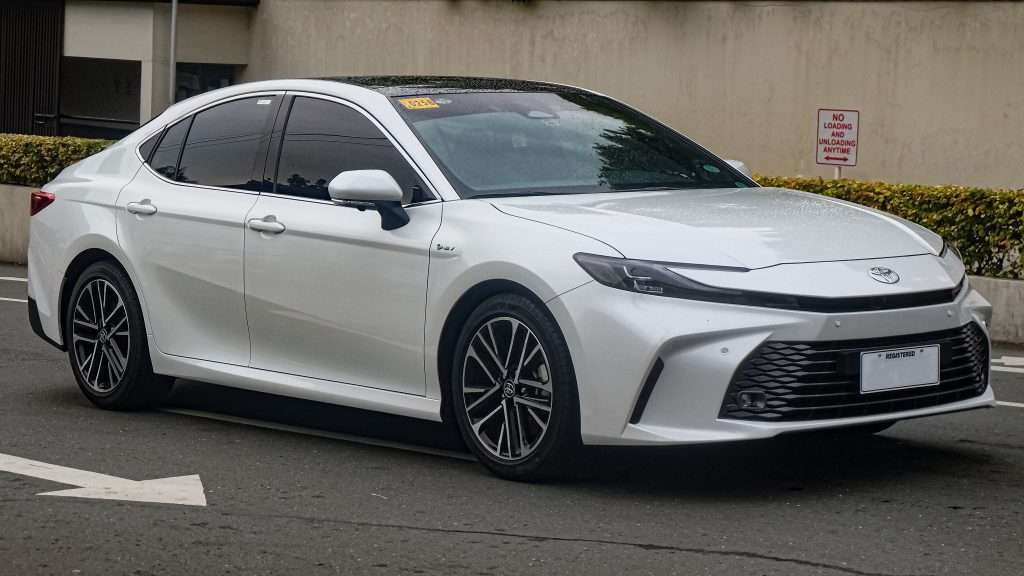
Supply chain disruptions and semiconductor shortages forced automakers to prioritise production carefully, and many companies focused heavily on high-margin models rather than inexpensive entry-level vehicles.
Even after supply chains improved, manufacturers largely continued following the same formula because profits remained stronger. The market today reflects that decision clearly.
Luxury trims, oversized pickups, premium interiors, giant touchscreen systems, and expensive technology packages now dominate showroom floors across America. At the same time, smaller commuter-focused vehicles have steadily disappeared from many brands entirely.
Several automakers eliminated compact sedans and hatchbacks in favour of crossovers.
Ford exited the traditional passenger car market in North America almost completely, except for the Mustang. General Motors reduced its small car presence sharply. Chrysler no longer offers affordable sedans.
Even brands historically known for economy cars have increasingly shifted toward more upscale positioning. The result is an industry now heavily dependent on expensive products.
Rising Interest Rates Have Made the Situation Worse
Higher vehicle prices alone would already create financial pressure for buyers, but rising interest rates have made affordability concerns far more severe.
Monthly payments on new vehicles have climbed sharply during the past several years because consumers are financing larger amounts of money at higher borrowing costs. Even buyers willing to stretch budgets are now facing payment levels that would have seemed unrealistic only a few years ago. For many households, the math no longer works comfortably.
A vehicle costing $40,000 or $50,000 may technically qualify for financing, but monthly obligations combined with insurance, fuel, maintenance, and registration expenses can quickly overwhelm family budgets. Buyers are therefore keeping older vehicles longer or turning toward the used market whenever possible.
That shift is also pushing up used vehicle prices. As affordable new cars disappear, demand for inexpensive used transportation increases, making it harder even for lower-income consumers to find reliable budget-friendly options. The ripple effect spreads across nearly the entire automotive market.
Industry analysts warn that the long-term consequences could become serious. When younger buyers cannot enter the new vehicle market affordably, automakers risk losing future brand loyalty and shrinking their customer base over time.
First-time buyers historically formed an important pipeline into larger and more profitable vehicles later in life. That pathway is becoming harder to maintain.
SUVs and Trucks Now Dominate the market.
The explosion of SUVs and trucks has played a massive role in driving average transaction prices higher.
Consumers increasingly favor large vehicles for practicality, comfort, cargo space, and higher seating positions, encouraging automakers to continue expanding those segments aggressively. But larger vehicles naturally cost more.
Modern full-size pickups regularly exceed $70,000 or even $80,000 in high trim levels, while luxury SUVs can approach six-figure pricing surprisingly quickly. Even mainstream crossovers that once targeted middle-class buyers now frequently start above $35,000 before additional options are added.
Manufacturers have embraced that trend because profit margins remain extremely strong. The number of vehicles priced above $60,000 has nearly doubled in recent years, reflecting how heavily the industry now depends on premium sales.
Many automakers discovered consumers were willing to pay more for upscale interiors, advanced technology, larger screens, and luxury-inspired features.
As a result, companies increasingly design products around higher-spending customers rather than entry-level affordability. That creates a difficult environment for buyers who simply want basic transportation without luxury pricing attached.
EVs and Technology Have Added More Cost Pressure
The industry’s push toward electrification and advanced technology has also contributed to rising prices.
Electric vehicles generally remain more expensive to build than traditional gasoline-powered cars because of battery costs, software integration, and advanced electronics. Even though automakers continue investing heavily in EV development, many electric models still target higher-income buyers rather than budget-conscious consumers.
At the same time, modern safety regulations and technology expectations have added substantial cost to nearly every vehicle.
Large infotainment screens, advanced driver assistance systems, digital dashboards, cameras, sensors, connectivity features, and stricter crash safety requirements all increase manufacturing expenses. While many of these technologies improve safety and convenience, they also make it difficult to produce truly inexpensive new vehicles.
Consumers today expect features that were once considered luxury options. Automakers argue that many price increases reflect those changing expectations as well as rising material and labor costs.
Critics, however, believe companies have intentionally abandoned affordability in pursuit of higher profits from wealthier buyers. The truth likely involves both factors simultaneously.
Middle-Class Buyers Are Feeling Increasingly Shut Out
Perhaps the biggest consequence of rising vehicle prices is the growing frustration among ordinary buyers who feel new cars are no longer built with them in mind.
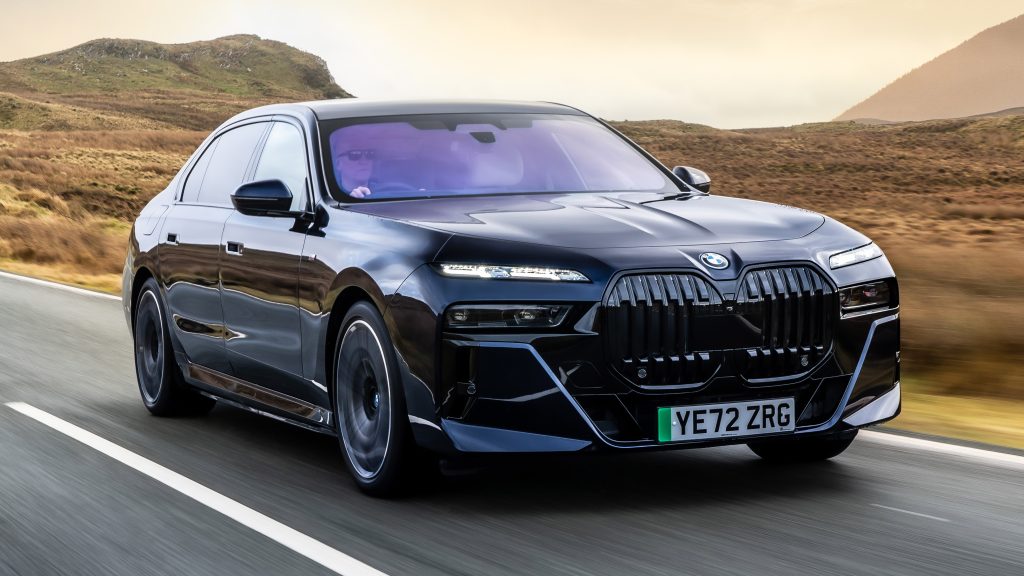
Middle-class consumers once formed the foundation of the American automotive market. Affordable sedans, compact hatchbacks, and practical commuter cars allowed millions of families to purchase reliable transportation without taking on overwhelming financial risk.
That sense of accessibility is fading quickly. Today, many buyers walk into dealerships only to discover that even modestly equipped vehicles now carry price tags far beyond what they expected. Financing terms have stretched longer, monthly payments have climbed, and insurance costs continue rising alongside vehicle values.
The emotional impact is becoming noticeable. Consumers increasingly describe new vehicles as unattainable rather than aspirational. Younger buyers, especially, are delaying purchases, sharing vehicles, or relying on aging used cars because entering the new market feels financially unrealistic.
Automakers may eventually face pressure to respond. If affordability continues deteriorating, manufacturers risk shrinking the pool of future customers while encouraging buyers to keep older vehicles longer. Some companies have already hinted at renewed interest in smaller, lower-cost models as concerns about pricing intensify.
For now, however, the American auto market remains heavily tilted toward expensive vehicles. The latest Kelley Blue Book numbers make one reality painfully clear: affordable new cars are no longer disappearing slowly. They are vanishing almost entirely.
Also Read: Unifor Targets Ford in Canadian Auto Contract Talks, Setting Stage for US Negotiations
