
After nearly a decade marked by shrinking sales, leadership instability, factory restructuring, and mounting financial pressure, Nissan now believes it may finally be turning a corner.
CEO Ivan Espinosa announced this week that the Japanese automaker’s long-running turnaround strategy has pushed the company back into what he described as “growth mode,” signaling a potentially important shift for one of the world’s most recognizable automotive brands.
The statement arrives after years of difficult headlines for Nissan, a company that once stood among the strongest global players in the industry before entering a prolonged period of decline.
According to company figures and industry reports, Nissan saw sales contract in seven of the last eight years, reflecting a combination of aging products, uneven market strategy, supply chain problems, and fierce competition across major regions, including North America, Europe, and China.
Now, however, company leadership appears increasingly confident that the worst may finally be over. Espinosa reportedly pointed to improving sales trends, stronger hybrid demand, reduced tariff exposure in the United States, and a more focused product strategy as evidence that Nissan’s recovery is beginning to gain traction.
For investors, dealers, and longtime Nissan supporters, the comments represent one of the clearest signs yet that the automaker believes it is entering a more stable chapter after years of uncertainty.
Also Read: Gas Prices Spike to $4.52 National Average, Squeezing U.S. Drivers
Nissan Has Spent Years Trying to recover.
Nissan’s problems did not emerge overnight. The company has spent much of the past decade attempting to recover from a series of overlapping crises that damaged both financial performance and brand confidence.
The fallout surrounding former chairman Carlos Ghosn created enormous instability inside the company, triggering leadership changes and strategic confusion during a period when the global auto industry was already facing rapid technological transformation.
At the same time, Nissan struggled with an aging lineup in several key markets while competitors moved aggressively into hybrids, crossovers, and advanced technology segments. Sales gradually weakened across multiple regions.
In the United States, Tesla, especially Nissan, lost momentum as rivals introduced fresher products with more modern interiors, stronger fuel economy, and updated hybrid systems.
Several Nissan models remained competitive on pricing, but critics argued the company relied too heavily on incentives and fleet sales rather than strong product desirability. That approach eventually hurt profitability and brand perception.
By the early 2020s, Nissan was working to rebuild credibility while also dealing with semiconductor shortages, inflation pressures, changing emissions regulations, and the costly shift toward electrification.

The company announced several restructuring measures during that period, including production adjustments, cost reductions, and revised global priorities. For years, progress appeared slow and inconsistent. Now, Nissan leadership believes the strategy is finally starting to produce visible results.
Hybrids Are Becoming Central to Nissan’s Recovery
One of the most important parts of Nissan’s turnaround appears to involve a stronger focus on hybrid technology, particularly in markets where consumers remain hesitant to adopt fully electric vehicles.
For much of the EV boom, Nissan carried an unusual position in the industry. The company was actually one of the earliest mainstream electric vehicle pioneers thanks to the Nissan Leaf, which launched long before many competitors seriously entered the segment.
However, while rivals later expanded aggressively with newer EV platforms and hybrid systems, Nissan struggled to maintain momentum. The company now appears to be recalibrating its approach.
Instead of focusing almost entirely on aggressive EV expansion, Nissan is placing greater emphasis on hybrids and practical electrified vehicles capable of appealing to a broader range of consumers.
That strategy aligns with changing market realities, especially in North America, where many buyers still worry about charging infrastructure, battery costs, and long-term EV ownership concerns.
Hybrid demand has increased sharply over the past year as fuel prices fluctuate and consumers search for better efficiency without fully abandoning gasoline engines.
Nissan believes it can benefit from that shift. The company’s ePower hybrid system has already attracted attention in several international markets because it delivers an electric-like driving experience while still relying on a gasoline engine to recharge the battery.
Analysts believe Nissan plans to expand hybrid offerings more aggressively in the United States as part of its recovery strategy.
That move could help the brand compete more effectively against Toyota and Honda, both of which continue dominating hybrid sales.
Tariff Reductions Are Also Helping Nissan Financially
Espinosa reportedly highlighted reduced tariff-related costs in the United States as another major factor improving Nissan’s outlook. Trade policies and import expenses have created significant challenges for automakers operating globally, especially companies balancing production between North America, Japan, Mexico, and other international markets.
Nissan spent years dealing with rising manufacturing and logistics costs that placed pressure on profitability.
Adjustments involving sourcing, production strategy, and regional manufacturing operations now appear to be easing some of those financial burdens. Lower tariff exposure gives Nissan greater flexibility in pricing, investment planning, and product competitiveness within the American market.
That matters because the United States remains one of Nissan’s most important regions globally.
The company cannot achieve a meaningful long-term recovery with stabilizing performance in North America, particularly in segments like crossovers, compact SUVs, and midsize family vehicles, where competition remains intense.
Reduced costs also help Nissan invest more confidently in future products, technology upgrades, and dealer support after years of aggressive budget tightening.
Nissan’s Brand Image Still Needs Repair
Even though the company now sees signs of improvement, Nissan still faces major challenges rebuilding its reputation with consumers.
Years of declining sales and aging products damaged the brand’s standing in several important markets. Some buyers who once viewed Nissan as a strong alternative to Toyota and Honda gradually shifted toward competitors offering newer designs, better interiors, stronger reliability scores, or more advanced hybrid systems.
The company’s image also suffered because of heavy discounting during difficult periods. While lower prices helped maintain sales volume temporarily, aggressive incentives sometimes weakened perceptions of long-term quality and resale value.
Nissan now faces the difficult task of improving profitability while also convincing buyers that the brand deserves renewed attention.
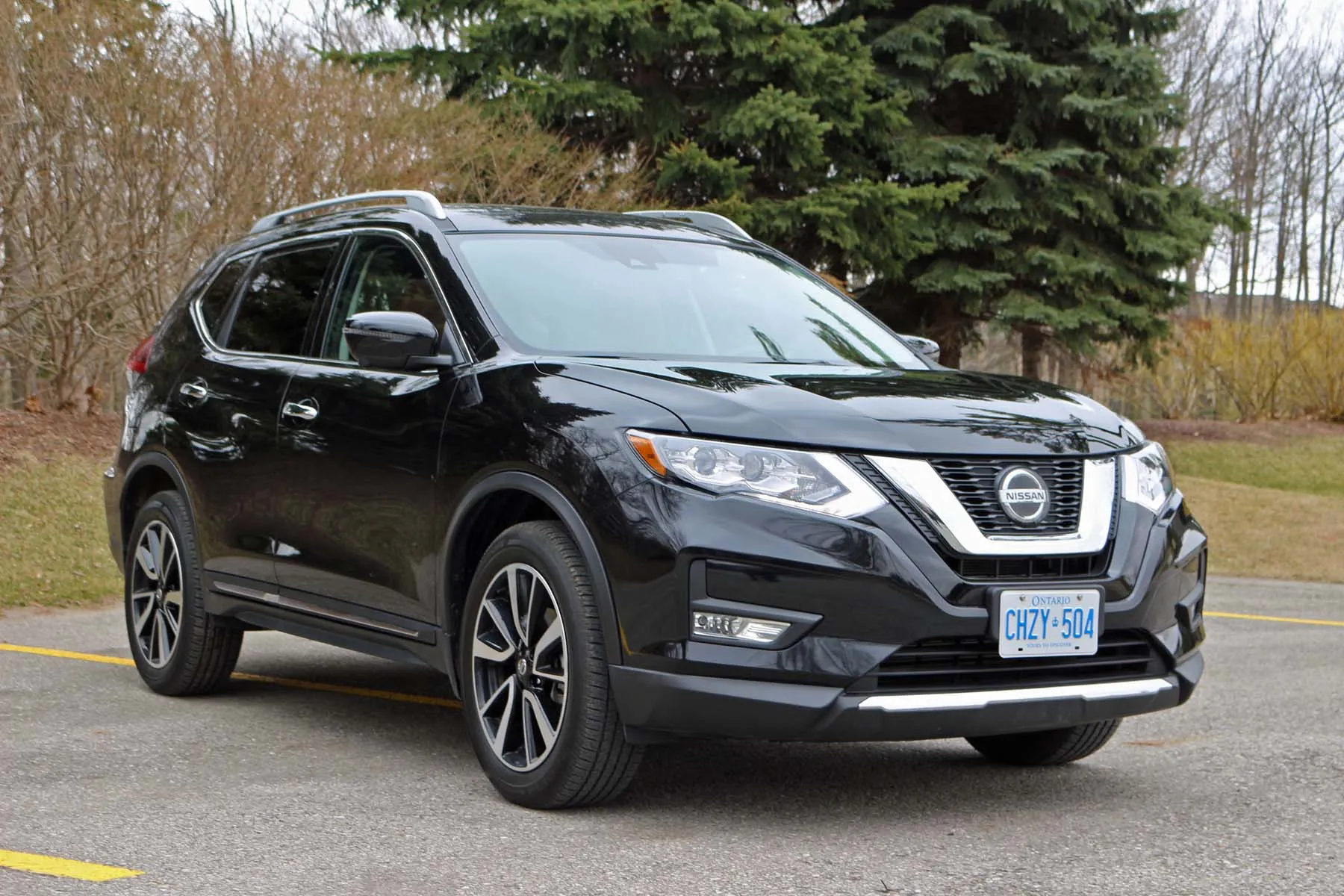
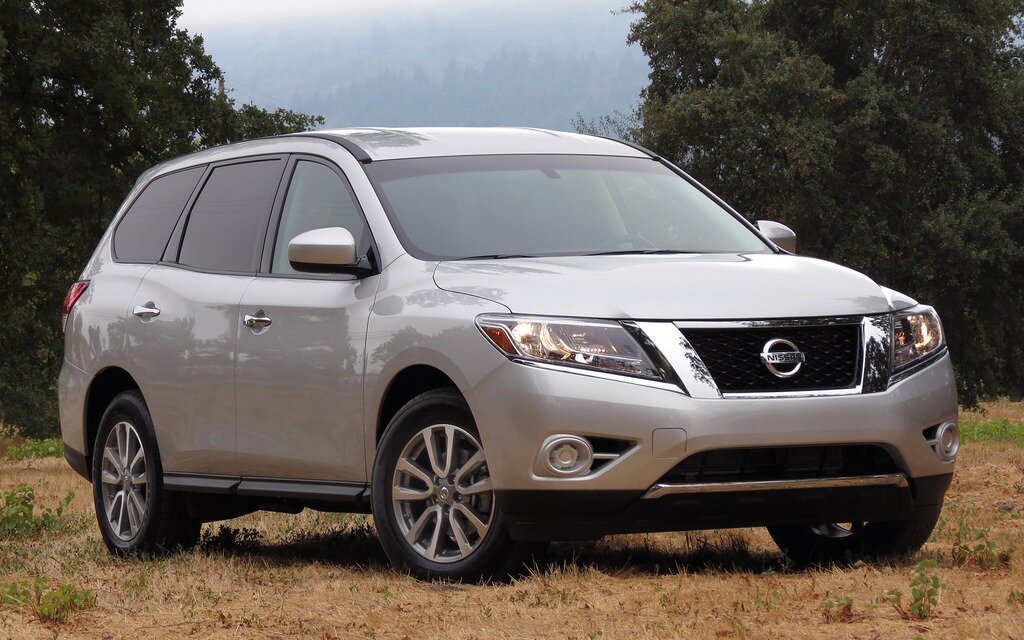
The recovery strategy, therefore, depends heavily on product quality and customer confidence. Vehicles like the redesigned Rogue, Pathfinder, and Frontier have already shown signs of improvement in styling, technology, and refinement compared with earlier Nissan efforts.
The company hopes future hybrid and electrified products can continue that momentum. Dealers are also watching closely.
Many Nissan retailers endured difficult years as inconsistent product cycles and declining consumer interest hurt showroom traffic. Signs of stronger growth could improve dealer confidence significantly, especially if the company delivers more competitive hybrid models at a time when fuel efficiency is becoming increasingly important to buyers.
The Industry’s Changing Direction May Benefit Nissan
Ironically, some of the broader industry changes that once created problems for Nissan may now work in the company’s favor.
Several automakers have recently slowed aggressive EV timelines after realizing consumer adoption remains uneven across different markets and price ranges. Buyers continue showing strong interest in hybrids, affordable gasoline vehicles, and practical crossovers rather than fully committing to all-electric transportation immediately.
Nissan’s adjusted strategy fits that environment more naturally than its earlier EV-heavy positioning.
The company no longer appears focused on chasing headlines about rapid electrification alone. Instead, Nissan is emphasising balanced growth through hybrids, efficiency improvements, and broader product competitiveness. That approach may prove more sustainable financially.
Analysts say consumers increasingly want flexibility rather than extreme technological shifts. Many buyers appreciate electrification benefits but still value the convenience and familiarity of gasoline-powered systems. Hybrid vehicles offer a compromise that feels practical rather than disruptive.
Nissan’s renewed confidence suggests the company believes it finally understands that balance better than before.
Nissan’s Recovery Is Still in Its Early Stages
Despite the optimistic tone from leadership, industry experts caution that Nissan’s turnaround remains a work in progress rather than a completed success story.
The company still faces intense competition globally, especially from Chinese automakers expanding rapidly into electric vehicles and affordable transportation. Toyota, Hyundai, Honda, and Ford also continue investing heavily in hybrids and crossover segments, where Nissan hopes to regain strength.
Economic uncertainty presents another challenge. Higher interest rates, fluctuating fuel prices, and slowing global demand could complicate recovery efforts for nearly every automaker during the next several years. Nissan, therefore, needs consistent execution rather than short-term momentum alone.
Still, the latest comments from Espinosa mark an important shift in tone. For years, Nissan discussions centred mostly around restructuring, decline, and survival. Now, the company is beginning to speak publicly about growth again.
Whether that optimism ultimately proves justified will depend on how successfully Nissan converts its revised strategy into stronger products, healthier profits, and renewed customer loyalty. But after nearly a decade of setbacks, the automaker finally appears to believe its comeback may actually be underway.
Also Read: Chrysler Reportedly Planning a Sub-$25K “Pronto” to Revive Its Faded Lineup
