
New York City is one of the most challenging places to drive. Its streets are narrow, its traffic is relentless, and its parking spaces feel like they were designed for bicycles.
Every day, millions of commuters battle gridlock on the BQE, crawl through Midtown Manhattan, and squeeze through the tight lanes of the boroughs. Choosing the wrong vehicle for this environment can turn a simple grocery run into a two-hour ordeal.
An ideal SUV for New York traffic must balance size with capability. It needs to be compact enough to go through the tight intersections yet spacious enough to handle the demands of daily life.
Fuel efficiency matters enormously in stop-and-go conditions. Advanced safety technology becomes essential when pedestrians, cyclists, and double-parked delivery trucks appear around every corner.
The good news is that the 2025 and 2026 SUV market has evolved dramatically. Hybrid powertrains, smart driver-assist systems, and urban-friendly dimensions have made modern SUVs better than ever for city life. Whether you are a professional commuter, a family hauler, or a weekend warrior heading upstate, there is a perfect SUV for your needs. Here are the ten best SUVs built to conquer New York traffic.
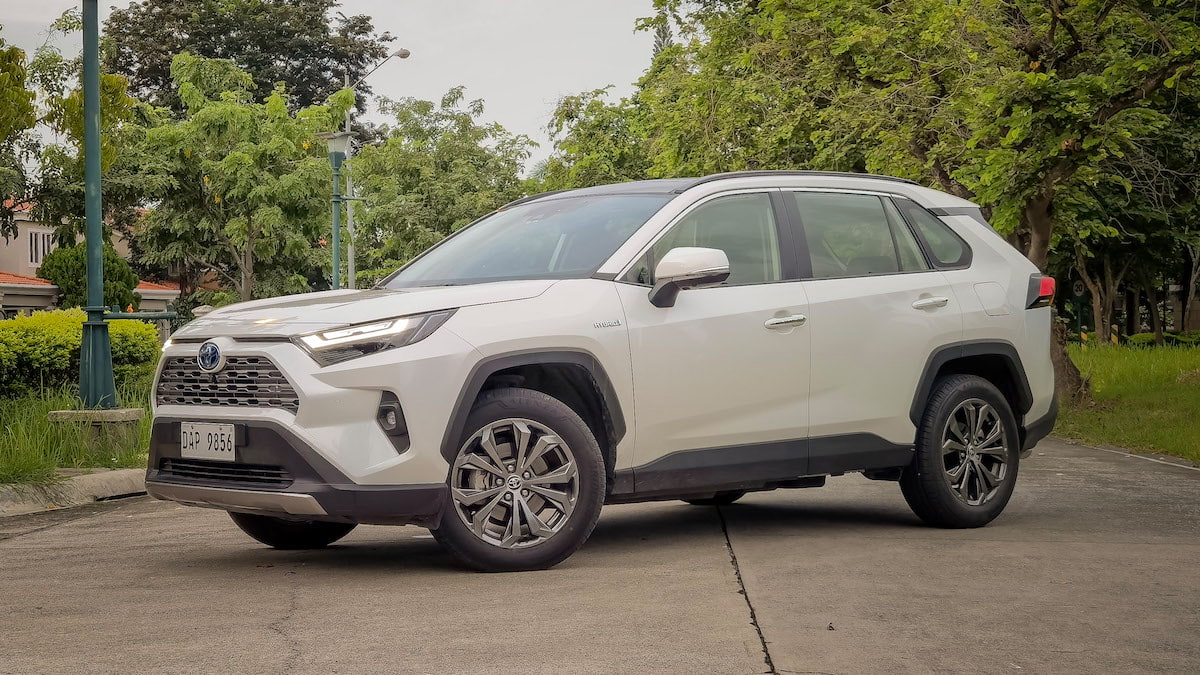
1. 2026 Toyota RAV4 Hybrid
The 2026 Toyota RAV4 Hybrid has been completely redesigned, and it arrives stronger than ever. Every trim now comes standard with a hybrid powertrain, making it one of the most fuel-efficient mainstream SUVs on the road.
For New York traffic, the hybrid system is a game-changer. In stop-and-go city driving, the RAV4 Hybrid achieves an impressive 41 miles per gallon in the city. That level of efficiency saves New York drivers hundreds of dollars a year at the pump.
The RAV4 Hybrid produces a combined system output of 236 horsepower. That power is more than enough to merge confidently onto the FDR Drive or accelerate through a yellow light on Fifth Avenue.
Its exterior dimensions remain practical for city driving. The RAV4 measures about 180 inches in length, making parallel parking possible on most Brooklyn side streets. The turning radius is tight enough to go through the U-turns in Midtown without a three-point maneuver.
Inside, the RAV4 Hybrid offers up to 37.8 cubic feet of cargo space behind the rear seats. That expands to 70.4 cubic feet with the seats folded, giving you room for everything from IKEA hauls to weekend ski trips to the Catskills.
Toyota’s Safety Sense suite comes standard on every trim. It includes adaptive cruise control, lane departure warning, automatic emergency braking, and traffic sign recognition. These features reduce driver fatigue on the endless stop-and-start commutes through the Lincoln Tunnel corridor.
The all-wheel drive system is standard, which matters during New York winters. Whether you are going through a slushy Queens boulevard or a snow-covered ramp in Staten Island, the RAV4 provides confident traction. The 2026 redesign also brought updated infotainment with wireless Apple CarPlay and Android Auto, keeping city drivers connected without fumbling with cables.
Reliability is another pillar of the RAV4’s appeal. Toyota’s reputation for long-term dependability means fewer unexpected repair bills. For a city where unexpected expenses are already the norm, that peace of mind is priceless.
Starting at a competitive price point below the Honda CR-V, the 2026 RAV4 Hybrid offers exceptional value. It wins on fuel economy, power, and towing among compact hybrid rivals. For most New Yorkers, it is simply the smartest choice on the market.
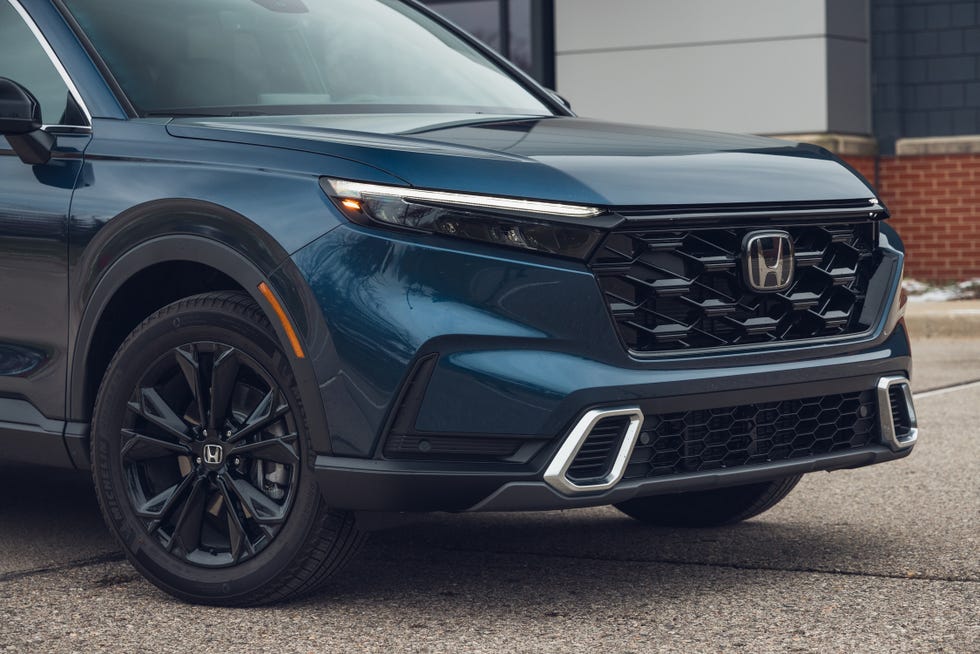
2. Honda CR-V Hybrid
The 2026 Honda CR-V Hybrid consistently ranks among the top compact SUVs in America. It earns particular praise for its refined ride quality and premium interior, two qualities that make a meaningful difference in New York’s punishing traffic.
The CR-V Hybrid produces 204 total system horsepower. While it trails the RAV4 slightly in raw output, it compensates with polished, confidence-inspiring steering that city drivers will appreciate. Honda engineers tuned its steering for precision, making lane changes on the Cross Bronx Expressway feel controlled and effortless.
Fuel economy is excellent for urban driving. The CR-V Hybrid achieves around 38 miles per gallon in city conditions. That figure keeps fuel costs manageable even for drivers who clock significant daily mileage across the five boroughs.
Cargo space is a genuine advantage of the CR-V over most rivals. It offers more naturally spacious interior dimensions than the RAV4. New York families will appreciate the legroom and the thoughtful storage compartments throughout the cabin.
The CR-V’s front seats are among the most comfortable in its class. Long commutes on the Long Island Expressway or up the West Side Highway become significantly less fatiguing. Honda designed the cabin to minimize road noise intrusion, a blessing when the city itself provides enough audio stimulation.
Safety technology is comprehensive and standard across all trims. Honda Sensing includes collision mitigation braking, adaptive cruise control, lane-keeping assist, and road departure mitigation. These systems work seamlessly together in the chaotic choreography of New York traffic.
The 2026 CR-V also features an available hands-free power tailgate. Loading groceries after a trip to Whole Foods or Trader Joe’s becomes completely effortless. Small conveniences like this define the ownership experience in a city where time and energy are always in short supply.
The CR-V Hybrid is available in a plug-in hybrid configuration as well. The PHEV version can travel short distances on pure electric power. For New Yorkers with access to home or garage charging, this variant dramatically reduces fuel costs.
In head-to-head comparisons, the CR-V wins on interior quality, seat comfort, and cargo capacity. The RAV4 edges it on fuel economy and acceleration. For city drivers who prioritize refinement and daily comfort above all, the CR-V Hybrid is the wiser pick.
3. Tesla Model Y
The Tesla Model Y is the best-selling electric SUV in America, and New York’s growing charging infrastructure makes it increasingly practical. For city drivers who can charge at home or at their parking garage, it represents an entirely different driving experience.
The Model Y achieves an equivalent of 134 MPGe in city conditions. That is an extraordinary efficiency figure that leaves every gas-powered SUV in the dust. Electricity costs in New York are significantly lower than gasoline on a per-mile basis, making the Model Y cheap to operate daily.
Performance is immediately striking. The base Model Y produces 295 horsepower. Acceleration from zero to sixty in around five seconds gives it a confident, almost startling surge off the line at city stoplights.
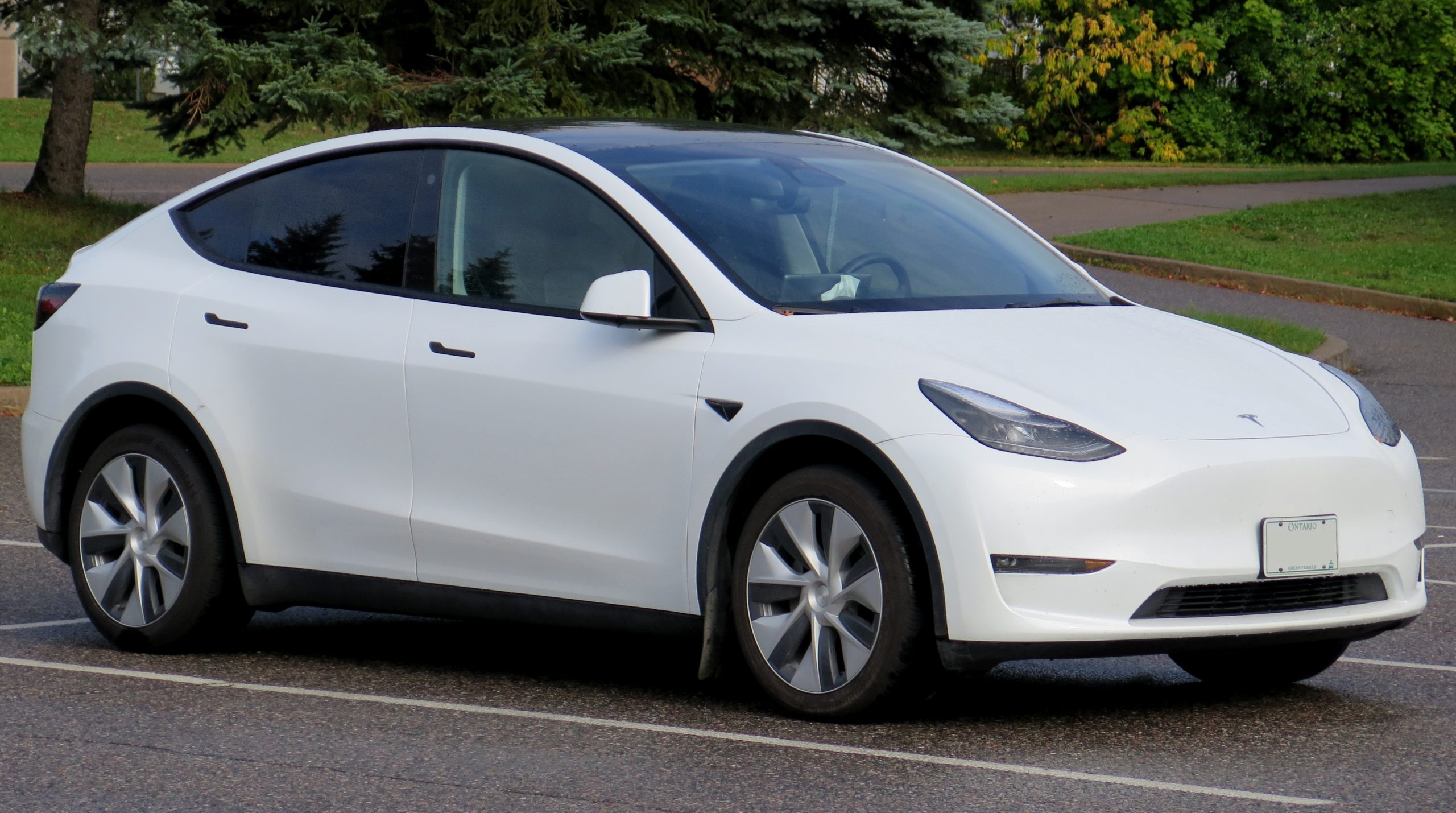
The Model Y’s compact crossover dimensions fit New York streets reasonably well. At roughly 187 inches in length, it is manageable in most parking situations. The low center of gravity from its floor-mounted battery pack gives it a planted, stable feel in tight lane changes.
Tesla’s Autopilot system provides semi-autonomous driving capability. On predictable highway stretches like the New Jersey Turnpike approach to the Holland Tunnel, the system reduces driver fatigue significantly. In city stop-and-go, it assists with following distance management.
The minimalist interior is centered around a 15.4-inch touchscreen. All vehicle controls are managed through that display, which takes adjustment for new owners. Once mastered, the system is intuitive and elegant.
Regenerative braking is a standout feature for New York driving. The Model Y slows itself as you lift off the accelerator, converting kinetic energy back into battery charge. Over thousands of daily city stops, this dramatically extends range and reduces brake wear.
The Supercharger network across the New York metro area has expanded significantly. Charging stations are available in Manhattan parking garages, at highway rest stops, and in suburban areas for weekend trips. Over-the-air software updates mean the car continuously improves without a dealership visit.
One practical consideration is range anxiety for drivers without reliable home charging. New York apartment dwellers may rely on public charging, which requires planning. For those with garage access, however, the Model Y is arguably the ultimate New York city SUV.
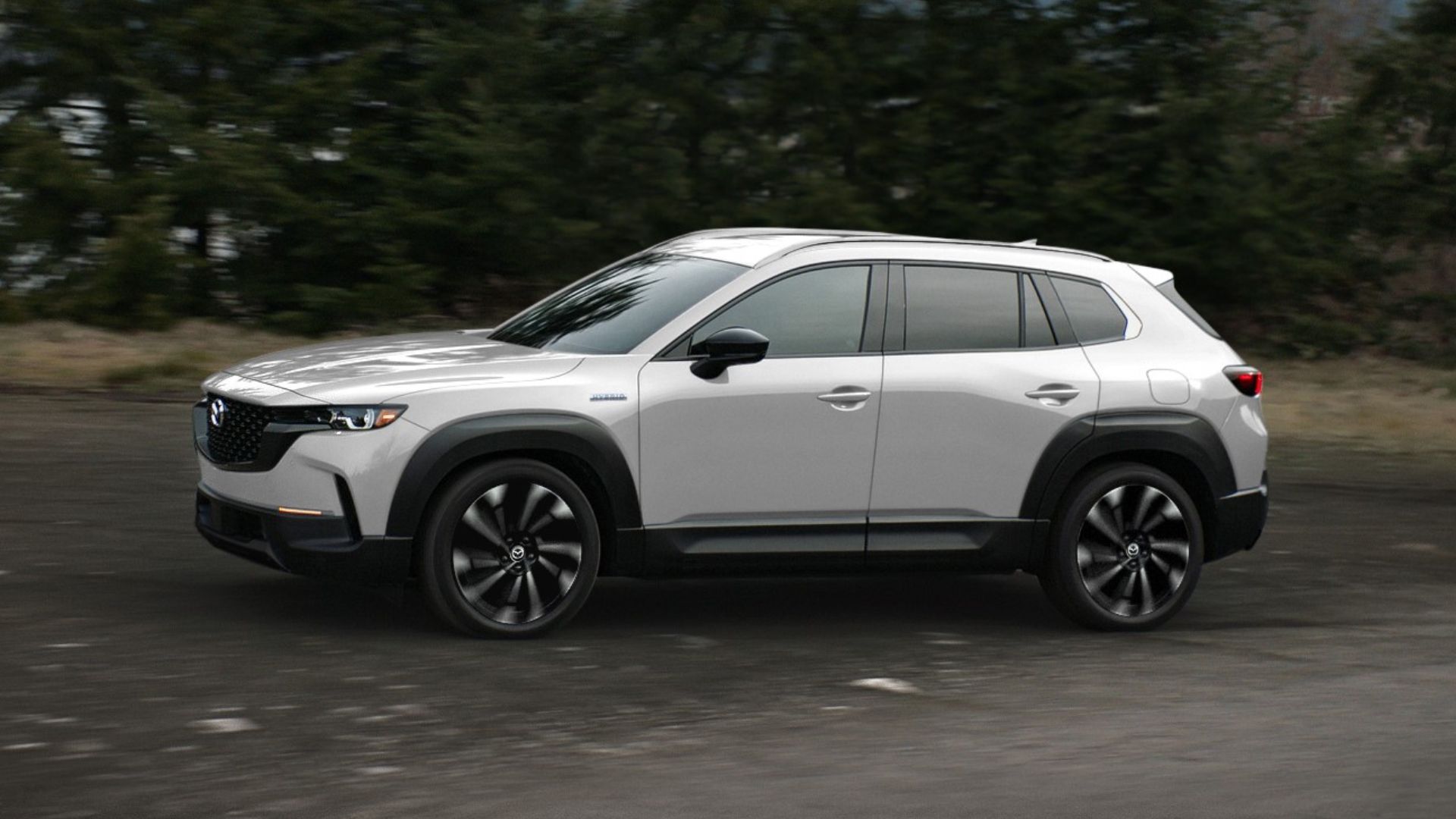
4. Mazda CX-5
The Mazda CX-5 stands apart from its competitors with a level of interior quality that punches well above its price point. In the crowded compact SUV segment, it offers a genuine luxury feel without the luxury sticker price.
Mazda’s “Kodo” design philosophy gives the CX-5 a sleek, sculpted exterior. It looks sophisticated parked on a Brooklyn street or in a Manhattan garage. The design is timeless rather than trend-chasing, which means it will look good years from now.
The CX-5’s turbocharged engine option produces 227 horsepower. That output provides effortless merging and responsive acceleration throughout the city’s variable speed demands. The standard naturally aspirated engine offers 187 horsepower for drivers who prefer a calmer daily experience.
Fuel efficiency is competitive for the segment. The standard engine returns around 28 miles per gallon in city driving. The turbo variant is slightly less efficient but still reasonable given its raised performance output.
Mazda’s i-Activsense safety suite is comprehensive and standard. It includes forward collision warning with automatic braking, blind spot monitoring, and rear cross-traffic alert. Blind spot monitoring is particularly valuable when going through the dense traffic lanes of the Grand Concourse or Jamaica Avenue.
The CX-5’s interior is genuinely impressive for its class. Soft-touch materials, premium stitching, and an upscale dashboard layout create an environment that feels more like an Audi than a typical crossover. The seats are well-bolstered and supportive for longer commutes.
The infotainment system is controlled through a rotary dial rather than a touchscreen while driving. Mazda made this deliberate choice to minimize driver distraction. In a city where every distraction carries risk, this design philosophy makes real-world sense.
All-wheel drive is available across multiple trims. New York winters demand that capability, and Mazda’s i-Activ AWD system continuously monitors road conditions and adjusts power distribution accordingly. Snow-covered roads across Long Island or upstate become far more manageable.
Cargo space is slightly smaller than rivals like the CR-V. The CX-5 offers about 31 cubic feet behind the rear seats. For solo commuters or couples without extensive cargo needs, this limitation rarely becomes a practical issue.
The CX-5 starts at around $30,000 and tops out around $40,000 in higher trims. That pricing makes it one of the best value propositions in the premium-adjacent compact SUV market. New Yorkers who want luxury feel without luxury costs will find it deeply satisfying.
Also Read: 7 Hidden Costs of Owning an EV Nobody Talks About
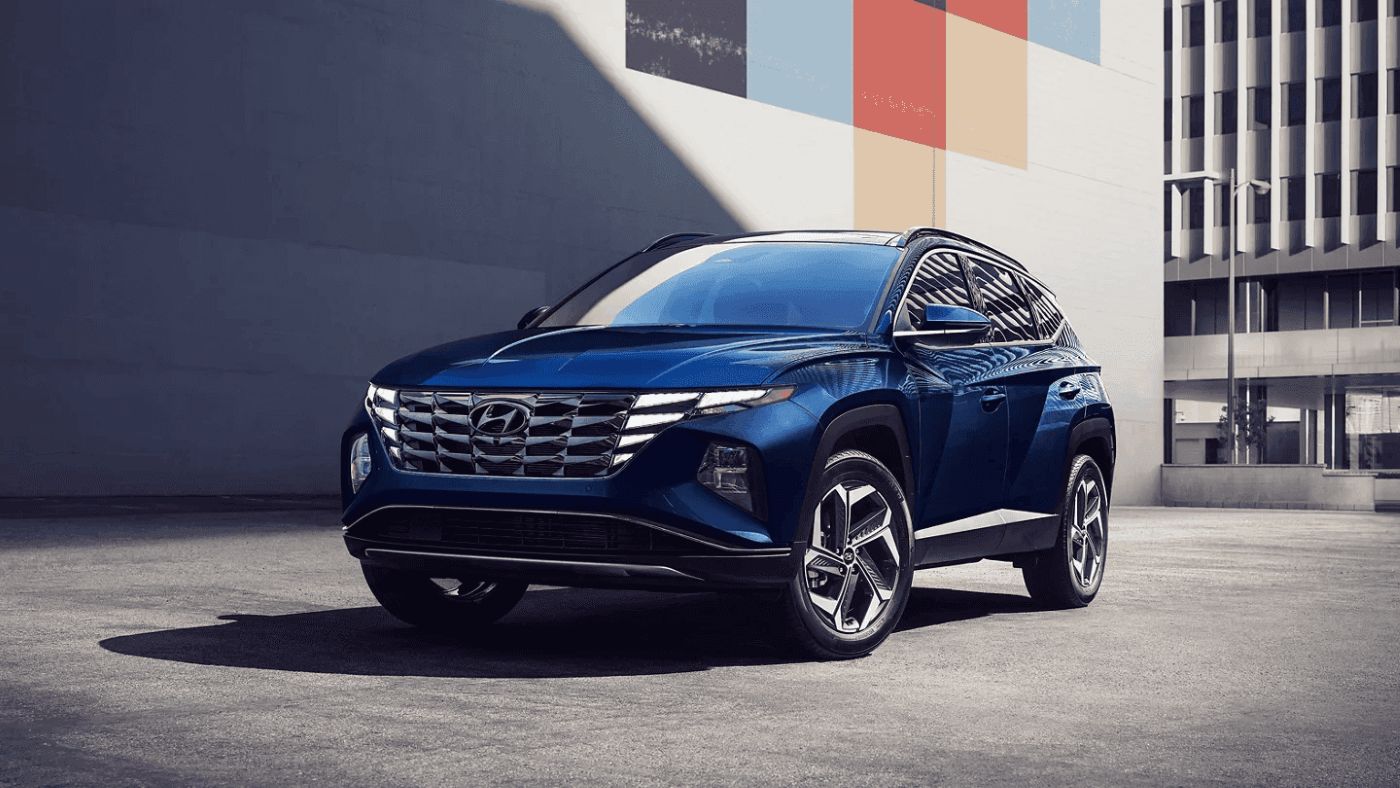
5. Hyundai Tucson Hybrid
The Hyundai Tucson Hybrid has quietly become one of the most well-rounded compact SUVs available. It combines strong fuel efficiency, thoughtful technology, and an attractive price into a genuinely compelling package for New York commuters.
The Tucson Hybrid produces 226 combined system horsepower. It delivers smooth, seamless power transitions between electric and gasoline modes. In stop-and-go traffic, the transitions are virtually imperceptible, making the drive feel effortless and composed.
City fuel economy is around 38 miles per gallon. That figure rivals the best hybrid SUVs in its segment. For a New Yorker covering daily distances across the boroughs, the fuel savings accumulate quickly and meaningfully.
The exterior dimensions are city-friendly. The Tucson measures about 182 inches in length. It fits comfortably in standard parking spaces and handles tight corners in residential neighborhoods without requiring elaborate maneuvers.
Hyundai’s Highway Driving Assist is a standout feature. It combines lane centering with adaptive cruise control for a semi-autonomous experience on highways. Commuters regularly traveling on I-87 or Route 9 will find this feature significantly reduces fatigue.
The interior is modern and spacious. The dual curved display setup, combining a digital instrument cluster with a large infotainment screen, gives the Tucson a futuristic feel. Wireless Apple CarPlay and Android Auto are standard, eliminating cable clutter.
The Tucson Hybrid also comes with a plug-in hybrid option. The PHEV version offers meaningful electric-only range for short city trips. New Yorkers who charge overnight can potentially handle their entire city commute on electricity alone.
Safety ratings from both NHTSA and IIHS are excellent. The Tucson earns top marks across most crash test categories. That safety assurance is invaluable in a city where accidents are a daily statistical reality.
Hyundai backs the Tucson with a 10-year, 100,000-mile powertrain warranty. That warranty is among the best in the entire industry. For budget-conscious New Yorkers wary of repair costs, that coverage provides extraordinary peace of mind.
The starting price is around $33,000 for the hybrid. It represents genuine value when you consider the level of technology, efficiency, and warranty coverage included. The Tucson Hybrid deserves far more attention than it typically receives in mainstream rankings
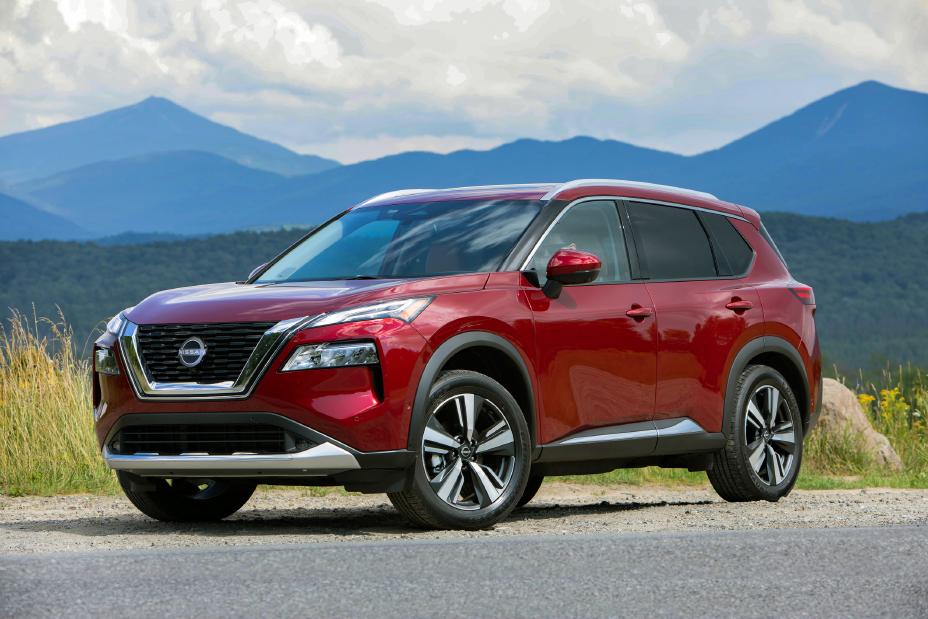
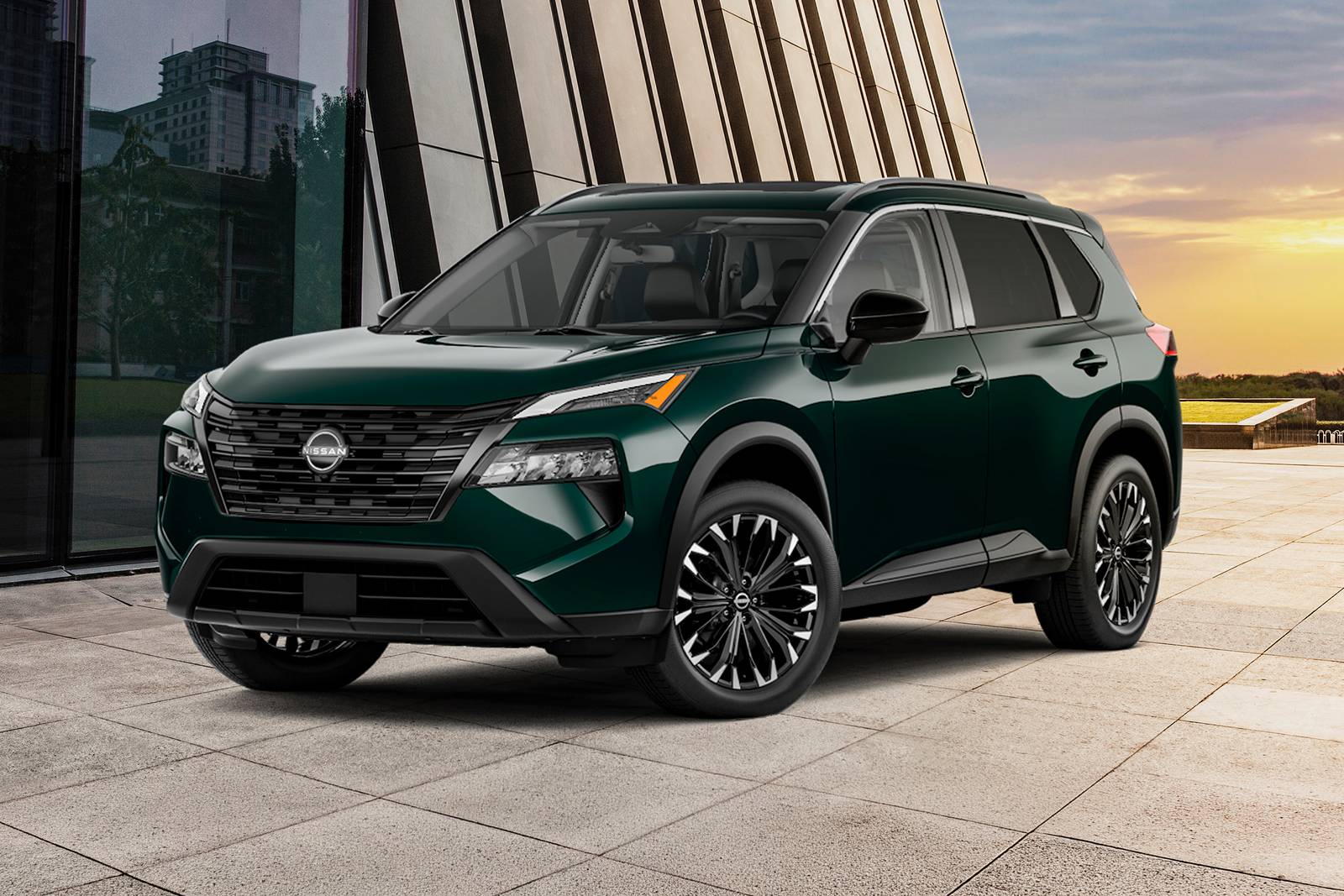
6. Nissan Rogue
The Nissan Rogue has consistently been one of America’s best-selling SUVs, and its urban credentials are well-earned. It combines a compact footprint with an impressive safety technology package that makes it ideally suited for New York’s chaotic streets.
The Rogue comes equipped with Nissan Safety Shield 360 as standard. This comprehensive suite includes automatic emergency braking, blind spot warning, rear cross-traffic alerts, and lane departure warning. In New York traffic, these systems earn their keep every single day.
City fuel economy sits at approximately 29 miles per gallon. That figure is solid for a non-hybrid vehicle in its class. Given the Rogue’s accessible starting price, the cost of ownership remains very competitive.
The Rogue’s exterior length is around 181 inches. That compact measurement makes it genuinely maneuverable on New York’s crowded streets. Parallel parking in Astoria or Carroll Gardens feels manageable rather than anxiety-inducing.
Google Automotive Services are built directly into the infotainment system. Google Maps is available on the vehicle’s screen without needing to mirror a phone. For going through New York’s complex street grids, bridge closures, and constant construction detours, that navigation capability is invaluable.
Cargo capacity is generous at 36.5 cubic feet with seats up. It expands to 74.1 cubic feet with the rear seats folded flat. New York families will appreciate the ability to load everything from strollers to flat-pack furniture without compromise.
The ProPILOT Assist system provides semi-autonomous driving on highways. It combines lane centering with adaptive cruise control. On long New York commutes from the suburbs, this system meaningfully reduces fatigue during rush hour crawls.
The Rogue’s ride quality is tuned for comfort over performance. It absorbs New York’s legendary potholes and crumbling asphalt with impressive composure. Passengers experience a smooth, settled ride regardless of what lies beneath the wheels.
A hybrid variant of the Rogue, called the Rogue Hybrid, is available in select markets. For New York drivers seeking improved efficiency, it offers a meaningful upgrade over the standard powertrain. Nissan’s hybrid system is simple and reliable, adding minimal complexity to ownership.
At a starting price around $30,000, the Rogue delivers exceptional feature content per dollar. It may not be the most exciting SUV on this list. But in a city where practicality, safety, and reliability matter most, the Rogue consistently delivers.
7. Kia Sportage Hybrid
The Kia Sportage Hybrid has transformed its reputation from budget alternative to genuine competitor. The current generation features bold exterior design, premium interior materials, and impressive hybrid efficiency in a city-friendly package.
The Sportage Hybrid produces 227 combined system horsepower. That output gives it confident city performance without feeling overwrought. Acceleration is brisk and smooth, with the hybrid system filling in any gaps from the gasoline engine.
City fuel economy hovers around 38 to 40 miles per gallon depending on trim. Those figures are among the best in the compact hybrid segment. New York commuters will notice a genuine reduction in weekly fuel costs compared to non-hybrid rivals.
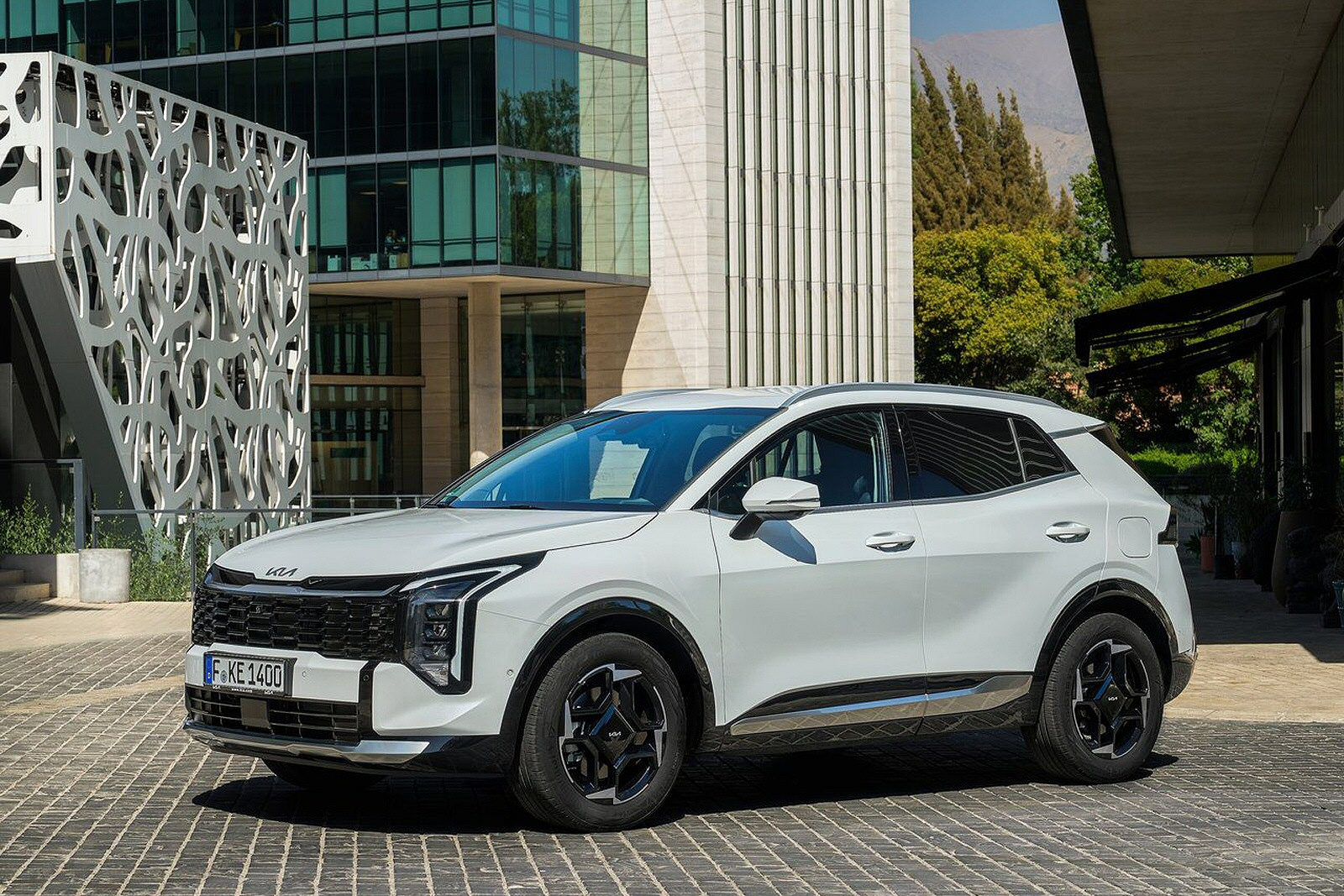
The exterior design is genuinely striking. The Sportage’s angular bodywork and available two-tone paint options give it a premium, eye-catching appearance. It stands out visibly in the sea of silver and gray crossovers on the BQE.
Kia backs all models with a 10-year, 100,000-mile powertrain warranty. This warranty is shared with sibling brand Hyundai and represents a powerful ownership argument. Long-term reliability concerns virtually disappear with that level of coverage in place.
The cargo area offers approximately 38 cubic feet behind the rear seats. That figure is competitive in the segment and accommodates daily New York errands comfortably. The dual-zone climate control keeps all passengers comfortable through New York’s temperature extremes.
Starting around $30,000 for the base hybrid, the Sportage competes aggressively on value. It offers technology and style that would have cost significantly more just five years ago. For New York buyers seeking maximum features at an accessible price, the Sportage Hybrid is a compelling choice.
8. Ford Mustang Mach-E
The Ford Mustang Mach-E brings the American attitude to the electric SUV segment. It combines genuinely engaging driving dynamics with practical electric range and a bold design identity that stands apart from more conservative rivals.
The Mach-E is available in multiple configurations with varying power and range. The base model produces around 266 horsepower. The GT Performance Edition jumps to an extraordinary 480 horsepower, though the standard version is more than adequate for city driving.
City efficiency is exceptional, as with all-electric vehicles. The Mach-E achieves over 100 MPGe in city conditions. New York’s stop-and-go traffic actually benefits electric vehicles through regenerative braking, making urban driving more efficient than highway cruising.
Extended range battery options provide up to approximately 300 miles of total range. For the average New York commuter covering less than 50 miles daily, even the standard battery is more than sufficient. Range anxiety is a minimal concern for typical city use patterns.
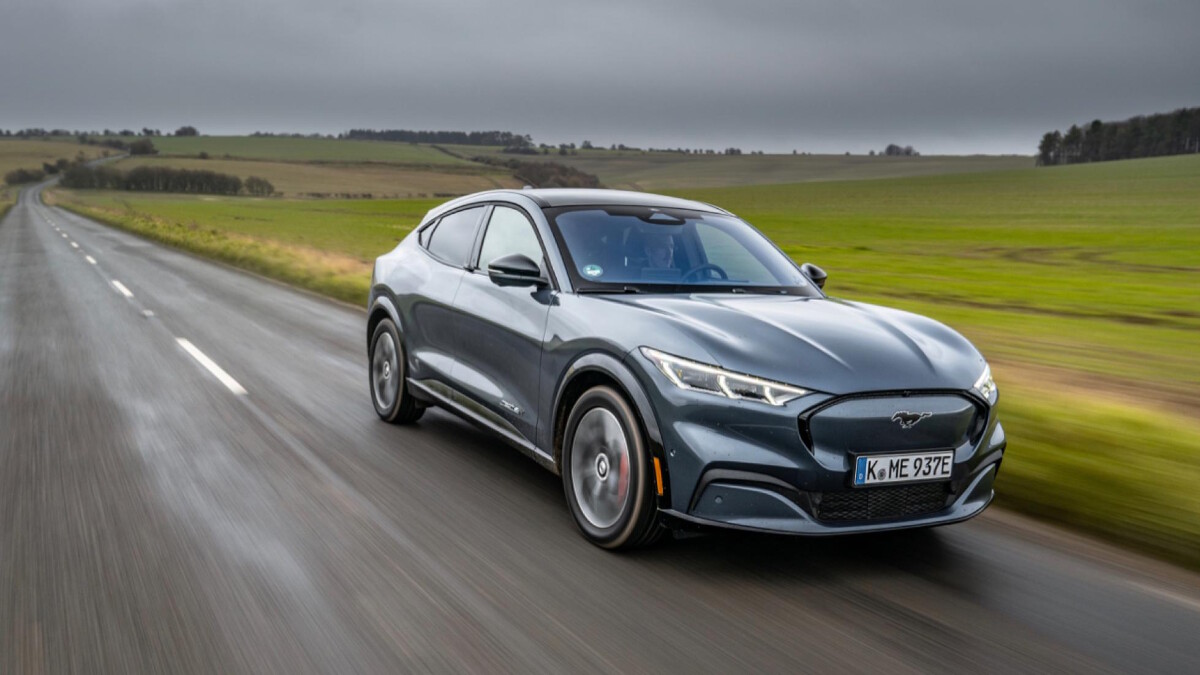
Ford’s BlueCruise hands-free driving system is available on the Mach-E. It enables true hands-free highway driving on pre-mapped roads. The New York-New Jersey corridor includes extensive BlueCruise-capable roadways for comfortable commuting.
The Mach-E’s interior is thoughtfully laid out, centered around a large 15.5-inch touchscreen. Key functions remain easy to access through physical controls, eliminating the need to scroll through multiple menus. Ford achieves a well-judged balance between modern digital design and everyday practicality.
Starting around $42,000 before incentives, the Mach-E occupies a compelling middle ground between mainstream and premium. It delivers electric performance, American character, and practical ownership costs in one cohesive package. New York’s growing charging infrastructure makes it more viable today than ever before.
9. Subaru Forester
The Subaru Forester may not generate the flashy headlines of electric rivals, but it earns its place through sheer practicality and all-weather capability. For New York drivers who venture beyond the city into upstate terrain or suburban snow, it is extraordinarily capable.
Standard symmetrical all-wheel drive is a Subaru hallmark. Every Forester, from the base trim to the top-spec Touring, comes with AWD at no extra cost. That permanent capability provides genuine confidence through New York winters and wet autumn roads.
The Forester’s fuel economy is around 29 miles per gallon in the city. That figure is acceptable without being exceptional for the segment. The hybrid-enhanced e-Boxer variant improves efficiency somewhat for buyers who prioritize fuel costs.
Visibility from the Forester’s cabin is exceptional. Large windows all around and a high seating position give the driver an excellent view of surrounding traffic. In New York’s densely packed streets where pedestrians and cyclists appear unexpectedly, that visibility advantage has real safety value.
Cargo space is one of the Forester’s strongest attributes. It offers 28.9 cubic feet behind the rear seats, expanding to 74.2 cubic feet with seats folded. That generous cargo capacity makes it ideal for families, dog owners, and anyone who regularly hauls equipment.
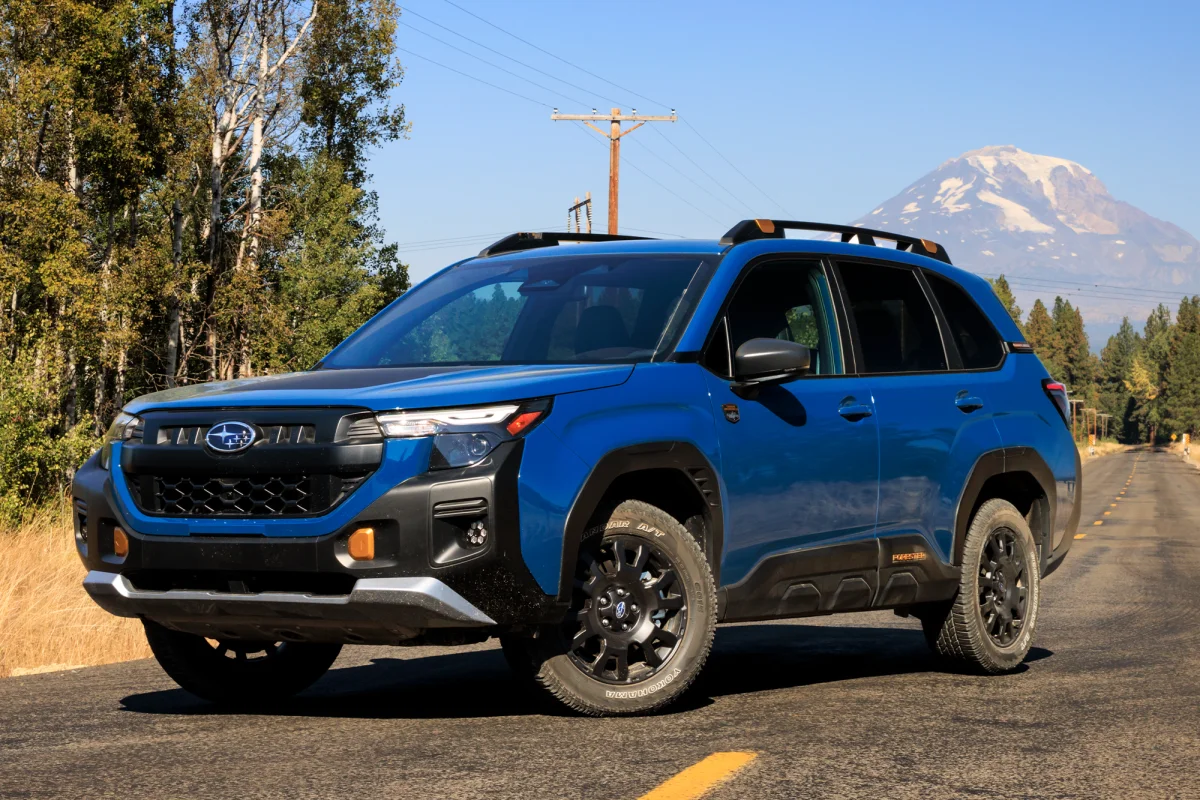
Subaru’s EyeSight driver assist technology is standard. It covers pre-collision braking, adaptive cruise control, lane sway and departure warning, and lead vehicle start alert. The system is one of the most comprehensive in its price category.
The Forester’s 182-inch length is well-suited to New York’s parking requirements. It is compact enough to fit comfortably in standard street parking spaces. The high ride height also provides a good view of parking obstacles.
Starting around $29,000, the Forester is one of the most affordable AWD SUVs available. It offers genuine capability, reliable technology, and outstanding cargo space. For practical-minded New York drivers who prioritize function over fashion, the Forester remains a timeless choice.
10. Lexus UX
The Lexus UX closes this list as the premium choice for New York drivers who want genuine luxury in an urban-friendly package. It is the smallest SUV in the Lexus lineup, and that compact size is precisely what makes it exceptional for city life.
The UX measures around 177 inches in length. That makes it one of the most compact luxury SUVs on the market. Parallel parking on crowded Manhattan streets becomes a genuinely manageable task rather than a stressful ordeal.
The UX Hybrid powertrain produces around 181 horsepower combined. While not powerful by modern standards, it delivers smooth, linear performance entirely appropriate for city speeds. Fuel economy reaches an impressive 39 miles per gallon in city driving, exceptional for a luxury vehicle.
Lexus interiors are renowned for exceptional build quality. The UX cabin features premium materials, precise fit and finish, and an atmosphere of quiet refinement. The NVH (noise, vibration, harshness) suppression is outstanding, creating a sanctuary from New York’s constant ambient chaos.
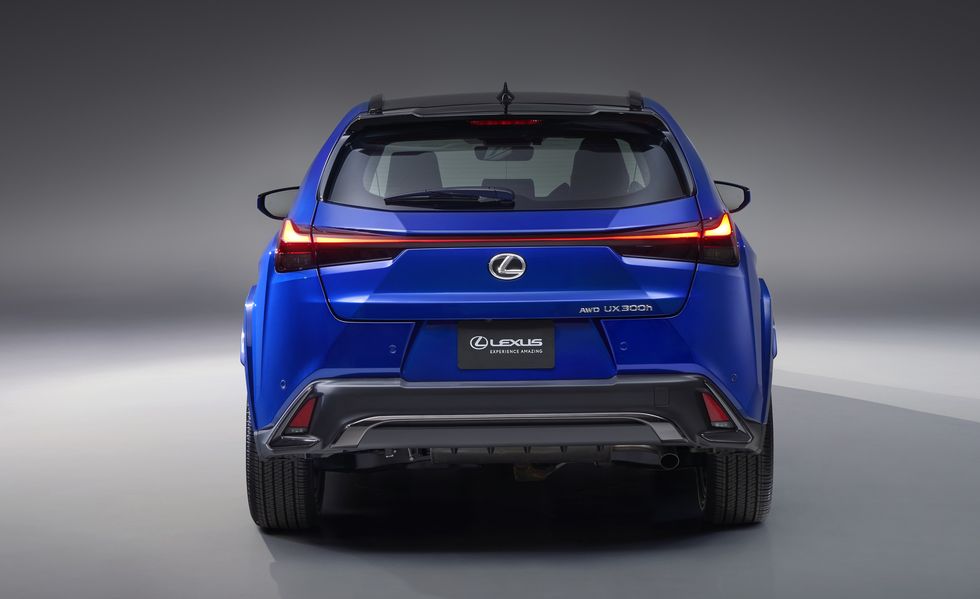
The Mark Levinson premium audio system is available in upper trims. It transforms the commute into a concert experience. When traffic is standing still on the Williamsburg Bridge, quality sound makes a meaningful difference.
Starting around $42,000, the UX sits at the entry point of the luxury SUV market. For New York professionals who want a vehicle that reflects their success without the unwieldy bulk of larger luxury SUVs, the Lexus UX strikes a perfect balance. It proves conclusively that luxury and urban practicality are not mutually exclusive.
