

For decades, automakers believed sedans would always dominate sales because they offered better practicality, easier rear-seat access, and a stronger appeal for families. Coupes traditionally occupied a smaller niche aimed at younger buyers or enthusiasts who cared more about style than convenience.
Yet automotive history includes several surprising exceptions where the coupe version became more desirable and commercially successful than the sedan sharing the same platform.
These situations usually happened when manufacturers gave the coupe stronger styling, better performance options, or a more exciting image than the four-door model. Buyers often saw the coupe as the “real” version of the car, while the sedan felt like an afterthought created mainly to expand the lineup.
In some cases, the coupe attracted enthusiasts through motorsports success, aggressive advertising, or customization culture that made it far more visible than its sedan counterpart.
Market timing also played an important role. During periods when sporty compact cars gained popularity, buyers frequently prioritized design and personality over rear-seat practicality.
A sleek roofline, two long doors, and performance-focused branding sometimes outweighed the usefulness of extra passenger space. Younger drivers especially helped certain coupes become cultural icons, while sedan variants quietly faded into the background.
Another interesting factor is emotional connection. Coupes often generated stronger identities because they looked more distinctive and carried fewer compromises in design. Sedans built from the same foundations occasionally appeared bland or conservative by comparison.
This imbalance caused dealerships to sell dramatically more coupes even though logic suggested the four-door models should have appealed to broader audiences.
This list highlights nine cars where the coupe version managed to outsell the sedan sibling despite the sedan’s practical advantages. Some became legends in tuning culture, while others dominated sales charts through sharp styling and memorable performance.
These vehicles proved that buyers do not always choose practicality first. Sometimes, excitement, appearance, and personality matter far more than having two extra doors.
Also Read: 6 Cars Cabbies Trust for a Million Miles vs 6 That Don’t Make 300,000
1. Honda Civic Coupe
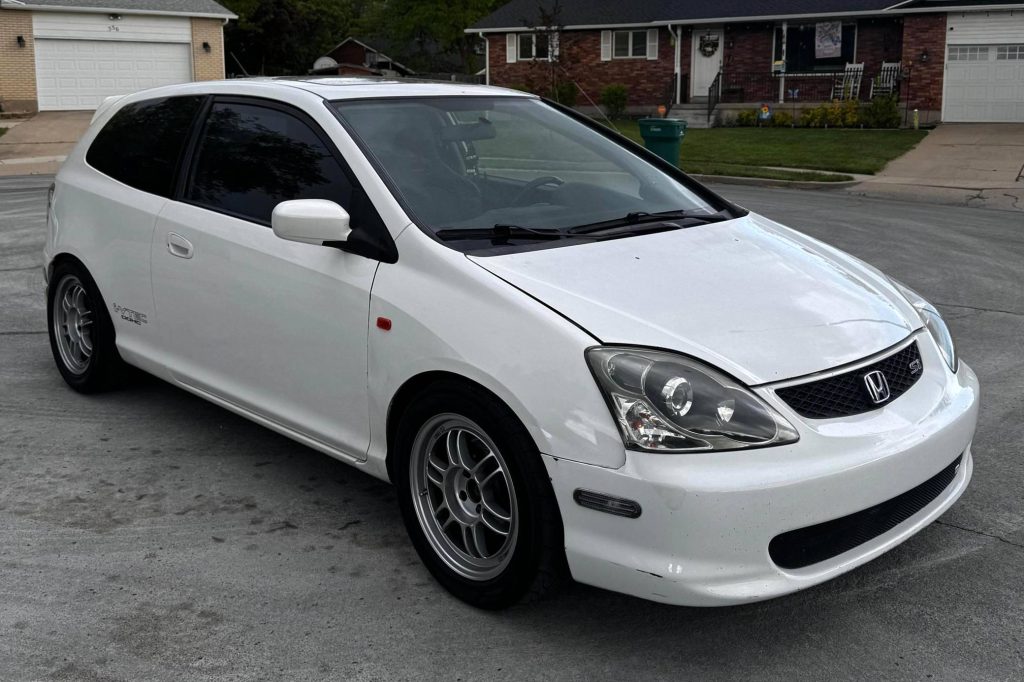
The Honda Civic Coupe became one of the clearest examples of a sporty compact car, overshadowing its sedan counterpart. During the late 1990s and early 2000s, the coupé version gained enormous popularity among younger buyers who wanted reliable transportation with a more aggressive appearance.
Although the sedan remained practical and dependable, the coupe generated far more enthusiasm and cultural visibility.
Part of the coup’s success came from styling. Honda gave the two-door Civic a lower, sleeker profile that looked sportier even in basic trims. The longer doors and flowing roofline created a cleaner design that appealed strongly to buyers interested in customization and street performance culture. Sedans, by comparison, often looked conservative and less exciting.
The coupe also became deeply connected to the tuner movement. Modified civics filled magazines, movies, and car meets throughout the early 2000s.
Owners installed body kits, aftermarket wheels, upgraded suspension systems, and turbochargers, transforming the coupe into one of the defining cars of import performance culture. This popularity dramatically increased showroom interest in the two-door version.
Performance trims strengthened the coupe’s image further. Models like the Civic Si coupe attracted enthusiasts looking for lightweight handling and high-revving engines at affordable prices. Honda marketed these trims aggressively, helping the coupe establish a stronger identity than the sedan.
Another reason for the coupe’s sales success involved demographics. Many Civic buyers during this era were students or young professionals without children, meaning rear-seat access mattered less than appearance and driving feel. The coupe delivered enough practicality while still looking far more stylish than the four-door alternative.
Even insurance costs and fuel economy remained reasonable, making the coupe an attainable sporty car for first-time buyers. That accessibility helped Honda sell enormous numbers of two-door Civics during the model’s peak years.
The Civic coupe eventually disappeared as buyer tastes shifted toward crossovers, but for a long period, it clearly captured more excitement and attention than the sedan version, sharing its mechanical foundations.
2. Chevrolet Monte Carlo
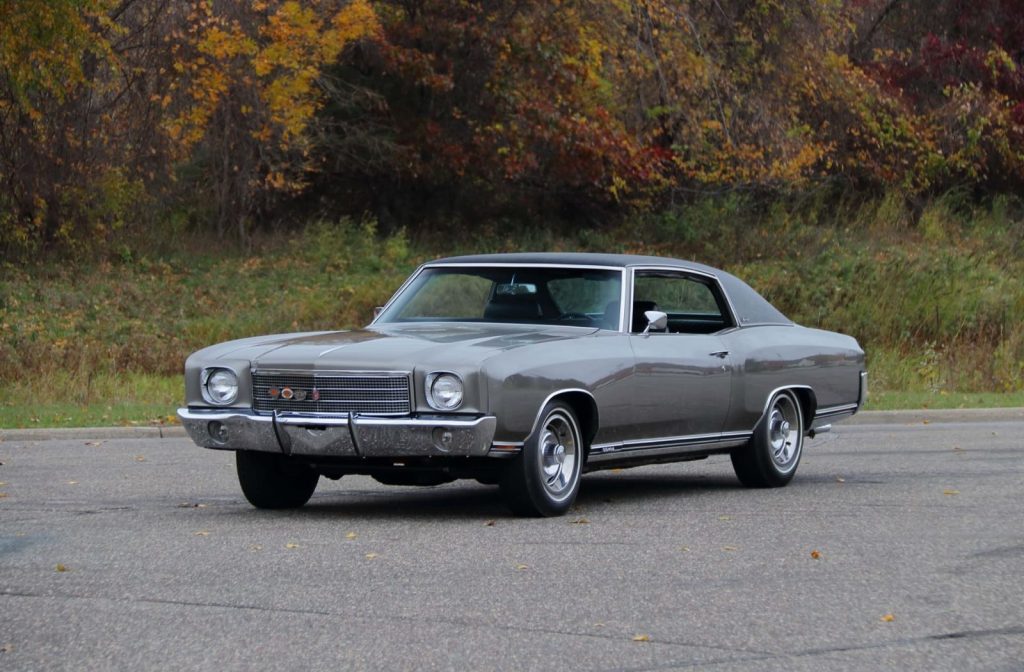
The Chevrolet Monte Carlo achieved sales success partly because its sedan counterpart never carried the same emotional appeal. While Chevrolet produced sedans using related platforms during various generations of the Monte Carlo’s lifespan, the coupe consistently attracted stronger public attention thanks to its sporty styling and personal luxury image.
The Monte Carlo thrived during an era when American buyers loved large coupes that balanced comfort with performance-inspired looks.
Chevrolet marketed the car as stylish yet attainable, giving buyers the feeling of driving something more special than an ordinary family sedan. Long hoods, sweeping rooflines, and aggressive front-end styling helped the coupe stand apart immediately.
NASCAR involvement also played a massive role in the Monte Carlo’s popularity. Chevrolet linked the coupe heavily with stock car racing, which boosted its performance image even among buyers who never intended to drive aggressively.
Sedans sharing similar engineering lacked that motorsports identity and, therefore, struggled to create the same emotional connection.
Another advantage came from buyer perception. The Monte Carlo looked purpose-built, while related sedans often appeared designed primarily for practicality.
During the 1970s, 1980s, and even into the early 2000s, many American drivers still valued two-door cars as symbols of style and individuality. The Monte Carlo benefited directly from that cultural preference.
Interior presentation also helped. Chevrolet frequently gave the coupe sportier trim, bucket seats, and more dramatic dashboard designs compared with conservative family sedans from the same period. Buyers entering dealerships often viewed the Monte Carlo as more exciting despite sharing many mechanical components underneath.
The coupe additionally appealed to a wide audience because it balanced comfort and affordability effectively. It provided spacious seating and smooth highway manners while still looking athletic enough to attract younger drivers. That broad appeal helped sales remain strong across multiple generations.
Although changing market trends eventually ended the Monte Carlo’s production, its long commercial success demonstrated how much styling and branding can influence buyers. The coupe consistently generated stronger enthusiasm than the sedans connected to its platform, proving personality sometimes matters more than practicality.
3. BMW 3 Series Coupe
The BMW 3 Series Coupe often attracted more attention and stronger desirability than the sedan versions sharing the same engineering. While the four-door 3 Series remained one of the world’s most successful luxury sedans, the coupe built a more emotional identity that frequently pushed buyers toward the two-door configuration instead.
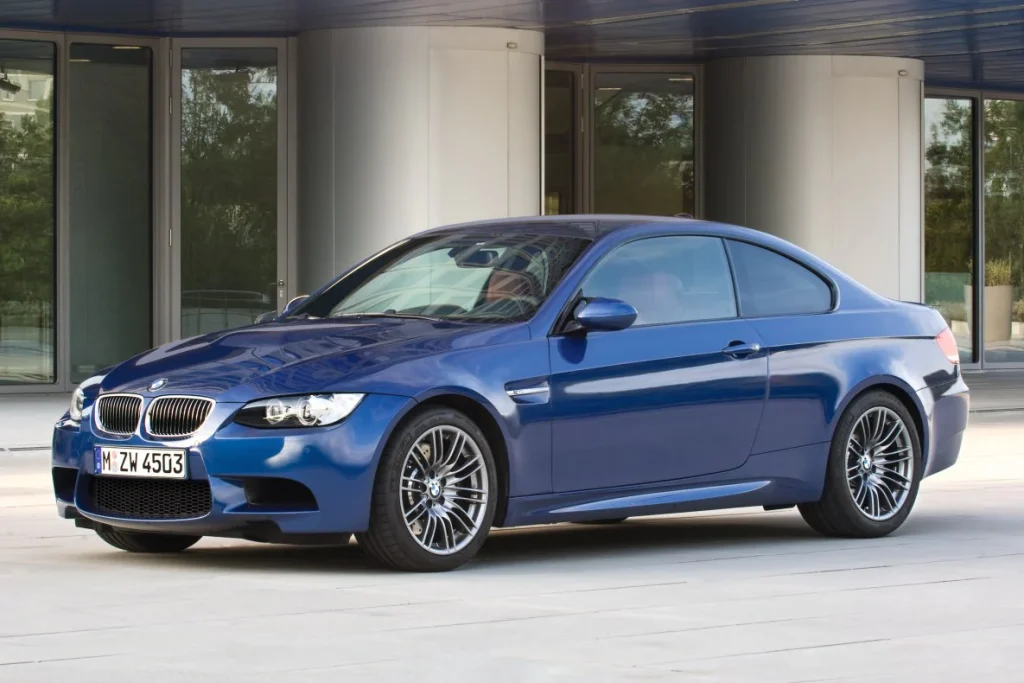
BMW designed the coupe with noticeably sharper proportions. The roofline sat lower, the side profile looked cleaner, and the wider stance gave the car a more athletic presence. Even parked beside the sedan, the coupe appeared more performance-focused despite sharing many of the same engines and chassis components underneath.
Driving enthusiasts became especially loyal to coupe versions like the E46 and E92 generations. These cars developed reputations for balanced handling, responsive steering, and excellent road feel.
Buyers seeking the purest version of BMW’s “ultimate driving machine” philosophy often viewed the coupe as the better expression of the brand’s sporty character.
Another factor helping the couple outperform expectations involved prestige. In many markets, owning the coupe carried slightly more exclusivity because fewer practical buyers selected it. Younger professionals and enthusiasts gravitated toward the sleeker body style because it projected style and performance more strongly than the sedan.
BMW also gave the coupe several unique design touches that increased its appeal. Frameless windows, longer doors, and sportier trim packages made the car feel more premium and distinctive. High-performance M3 coupe models elevated the body style even further, becoming icons among enthusiasts worldwide.
The sedan remained practical and commercially successful, but the coupe generated far more emotional excitement. Automotive magazines, enthusiast forums, and tuning communities focused heavily on the two-door variants, strengthening their cultural visibility and helping boost demand.
Eventually, BMW separated the coupe into the dedicated 4 Series lineup because the body style had developed such a strong independent identity. That decision alone showed how powerful the coupe’s popularity became compared with the original sedan platform from which it evolved.
4. Acura Integra Coupe
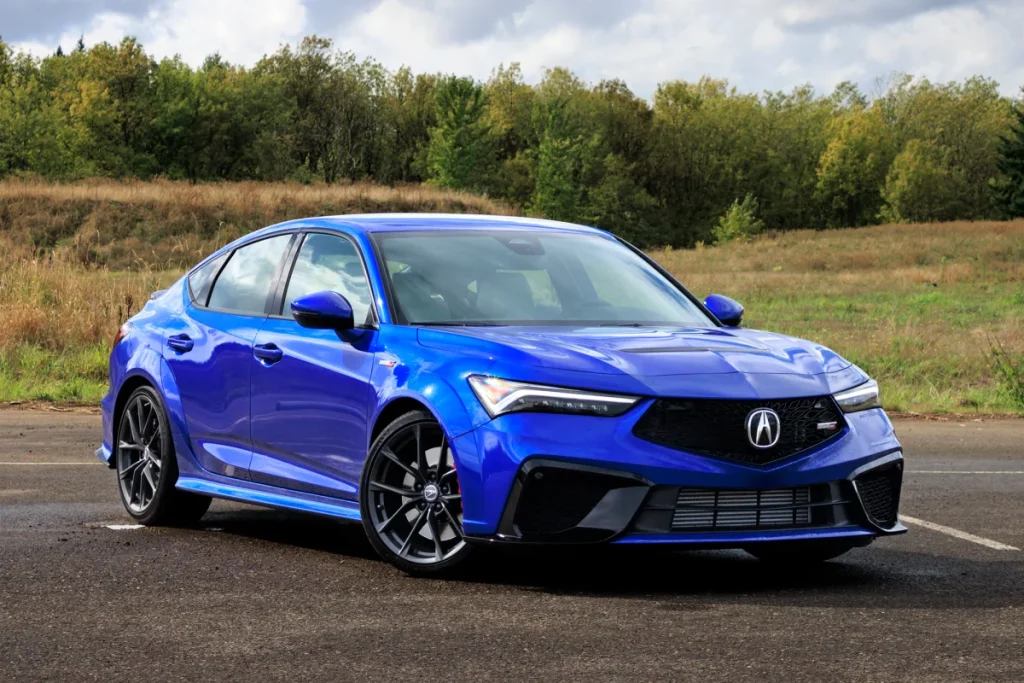
The Acura Integra coupe became far more famous than its sedan sibling because it captured the perfect mix of affordability, reliability, and sporty character during the height of import performance culture.
Although Acura offered practical four-door versions, the coupe dominated public attention and became one of the defining Japanese sport compacts of the 1990s and early 2000s.
Styling played a huge role in the coup’s success. Acura designed the Integra coupe with a low profile, sharp lines, and a distinctly aggressive appearance that appealed strongly to younger buyers. The sedan looked competent and practical, but the coupe carried much more visual personality and instantly fit the growing tuner scene.
Performance variants increased the coupe’s reputation dramatically. Models like the Integra GS-R and Type R became legends among enthusiasts because of their lightweight construction, high-revving engines, and exceptional handling balance.
These trims were strongly associated with the coupe body style, making the two-door version far more desirable than the sedan.
The Integra coupe also benefited from motorsports and media exposure. Tuners modified them heavily for street racing, autocross events, and show car culture. Movies, magazines, and video games featured the couple constantly, helping it become a recognizable symbol of the import performance movement.
Another advantage involved buyer demographics. Many Integra customers during this era were young enthusiasts who valued sporty styling more than family practicality. Since rear seat access mattered less to them, the coupe felt like the obvious choice.
Acura kept the coupe attainable as well. Buyers could get strong fuel economy, Honda reliability, and entertaining performance without paying luxury sports car prices. That affordability made the car extremely popular among first-time performance enthusiasts.
Even decades later, the coupe remains much more celebrated than the sedan. Clean examples command strong prices, especially Type R models that achieved near-mythical status in collector circles.
The Integra coupe succeeded because it delivered style and excitement at exactly the right moment in automotive culture, leaving the sedan version largely overshadowed in public memory.
5. Ford Mustang
The Ford Mustang became such a dominant automotive icon that its sedan equivalent never truly had a chance to compete in the public imagination.
Throughout its history, Ford experimented with related sedan platforms and mechanically similar family cars, yet the Mustang coupe consistently outsold and overshadowed them because buyers viewed it as the authentic performance machine within Ford’s lineup.
The Mustang succeeded because it offered something emotional rather than purely practical. Long hoods, short rear decks, and muscular proportions gave the coupe a dramatic appearance that instantly separated it from ordinary sedans.
Even base models projected excitement and individuality in ways family four doors simply could not match.
Performance also played a central role. V8-powered Mustang GT models attracted buyers wanting affordable American muscle, while later generations introduced increasingly capable suspension setups and strong acceleration. Enthusiasts embraced the coupe because it delivered real performance at prices far below exotic sports cars.
Another reason the Mustang dominated involved cultural influence. The car became deeply tied to American automotive identity through movies, racing, television appearances, and decades of enthusiast loyalty. Sedans sharing certain engineering roots never developed anything close to the same emotional connection with buyers.
Ford’s marketing strategy reinforced this gap further. Advertisements highlighted freedom, speed, and youthful energy, making the Mustang feel aspirational even for people who did not consider themselves car enthusiasts. The coupe transformed into a lifestyle symbol rather than simple transportation.
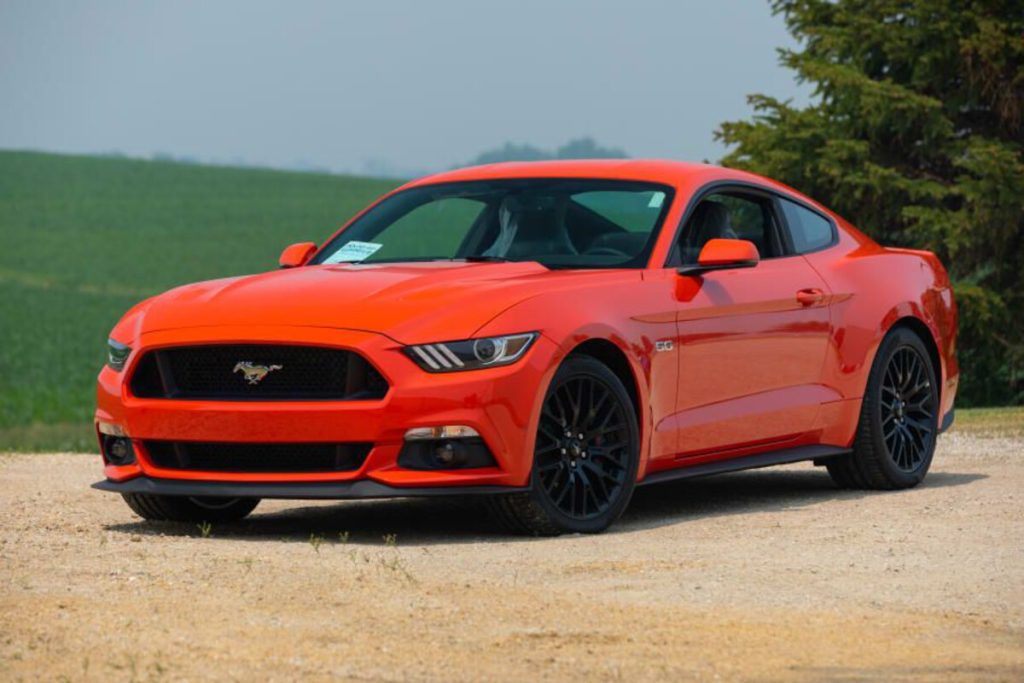
Customization culture strengthened sales as well. Owners modified Mustangs heavily with exhaust systems, wheels, superchargers, and suspension upgrades. This thriving aftermarket scene kept the coupe highly visible at car meets and motorsports events, continuously attracting new buyers.
Even practical concerns failed to hurt demand significantly. Many customers willingly sacrificed rear-seat comfort and cargo space because the coupe offered far more personality than comparable sedans. Drivers wanted the experience and image associated with Mustang ownership.
Generations came and went, yet the Mustang coupe consistently remained one of Ford’s most recognizable and successful vehicles. Its dominance proved that a compelling performance identity can easily outweigh practicality in the minds of enthusiastic buyers.
6. Mercedes-Benz CLK Coupe
The Mercedes-Benz CLK-Class managed to attract more excitement and desirability than the sedan platforms connected to it because Mercedes positioned the coupe as a stylish grand touring car rather than just a two-door version of an executive sedan.
During the late 1990s and 2000s, the CLK became especially popular among buyers wanting luxury with a stronger sense of elegance and individuality.
Mercedes gave the CLK a sleek and flowing design that immediately distinguished it from the more formal sedans sharing its mechanical foundations.
The coupe featured frameless windows, graceful rooflines, and a cleaner side profile that projected sophistication without appearing overly aggressive. Buyers seeking style often preferred it instantly over traditional four-door alternatives.
The coupé also carried a more exclusive image. While E-Class and C-Class sedans were common sights in business districts and suburban neighborhoods, the CLK felt more personal and expressive. Many customers purchased it because it balanced luxury comfort with sporty visual appeal in a way sedans rarely achieved.
Performance versions further elevated the coupe’s popularity. AMG variants transformed the CLK into a genuine high-performance machine with powerful engines and dramatic styling. These models gained strong enthusiast followings and reinforced the coupe’s sporty reputation.
Interior presentation played another important role. Mercedes often equipped the CLK with upscale trim materials and comfort-focused features that made it feel special from the moment drivers entered the cabin. Buyers appreciated that the car delivered luxury without the bulky appearance of larger sedans.
The coupe additionally became associated with aspirational lifestyles. Mercedes advertisements frequently highlighted scenic drives, upscale destinations, and relaxed elegance, positioning the CLK as more than simple transportation.
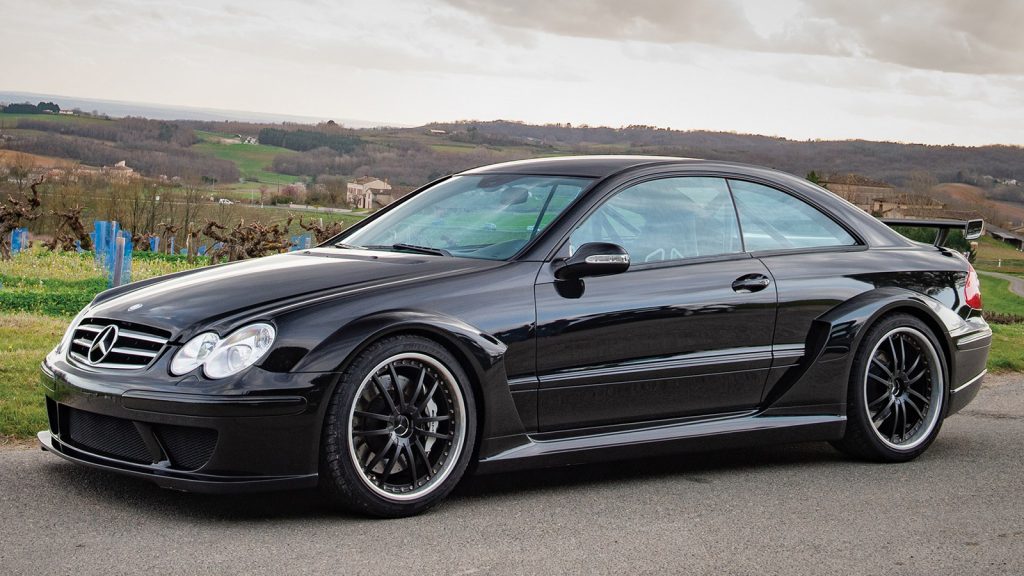
This emotional branding helped create stronger buyer attachment compared with practical executive sedans.
Even though sedans remained essential to Mercedes sales globally, the CLK coupe generated a level of style-driven demand that consistently gave it a stronger emotional appeal. Many buyers willingly accepted reduced practicality because the coupe delivered a far more memorable ownership experience.
7. Infiniti G35 Coupe
The Infiniti G35 Coupe quickly became more popular and recognizable than its sedan counterpart because it delivered an ideal combination of performance, luxury, and aggressive styling during the early 2000s sports coupe boom.
While the G35 sedan remained practical and respected, the coupe captured far more attention from enthusiasts and younger buyers searching for something exciting without entering exotic car territory.
Infiniti gave the coupe a dramatic shape that instantly separated it from the sedan. Wide rear fenders, a lower roofline, and muscular proportions created a far sportier appearance. The car looked fast even when standing still, which made it especially attractive to buyers who cared heavily about design and street presence.
The powerful V6 engine also helped the coupe establish a stronger identity. Rear-wheel-drive balance combined with solid horsepower figures gave the G35 coupe genuine performance credentials. Drivers appreciated that it delivered engaging acceleration and responsive handling while remaining comfortable enough for everyday use.
Another reason the coupe gained stronger popularity involved timing. The early 2000s saw enormous interest in import performance culture, and the G35 coupe arrived at exactly the right moment.
Tuners embraced the platform because it responded well to modifications, helping the car gain visibility at automotive events and across enthusiast communities.
The coupe additionally benefited from its connection to the Nissan Skyline heritage through shared platform engineering. Enthusiasts viewed the G35 coupe as a more accessible interpretation of Japanese rear-wheel-drive performance tradition, which increased its desirability significantly compared with the sedan.
Inside the cabin, Infiniti balanced luxury and sportiness effectively. The coupe felt upscale without becoming isolated or overly formal. Drivers enjoyed supportive seats, driver-focused controls, and a more intimate atmosphere than the four-door version offered.
Media attention further strengthened the coup’s image. Automotive magazines and reviewers consistently highlighted the G35 coupe as one of the best affordable luxury sports cars available, while the sedan received less emotional praise.
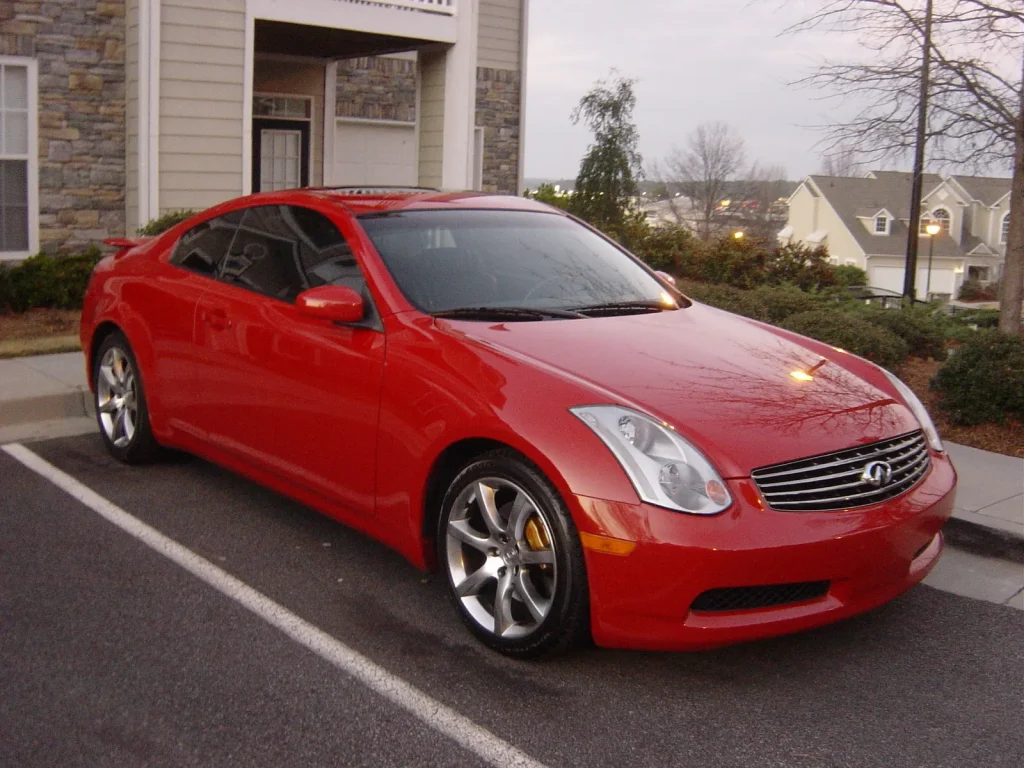
The G35 coupe succeeded because it looked bold, drove confidently, and arrived during a period when sporty Japanese luxury cars were becoming increasingly influential in enthusiast culture.
8. Honda Accord Coupe
The Honda Accord Coupe achieved something unusual by making a normally conservative midsize car feel genuinely stylish and sporty.
Although the Accord sedan remained extremely successful worldwide, there were periods when the coupe generated stronger excitement and often became the more desirable version among younger buyers and enthusiasts.
Honda approached the coupe differently from many manufacturers that simply removed two doors from an existing sedan.
The Accord coupe received distinct body panels, sleeker proportions, and a much more dramatic roofline that gave it a completely separate personality. Buyers immediately recognized it as the sportier and more emotional member of the Accord family.
Performance options strengthened this image further. V6-powered Accord coupes delivered impressive acceleration for their class, especially when paired with manual transmissions.
These combinations attracted drivers wanting practical reliability mixed with legitimate driving enjoyment. The sedan remained comfortable and dependable, but the coupe felt more energetic and engaging.
Another factor helping the couple outperform expectations involved buyer demographics. Many Accord coupe customers were younger professionals or college graduates who wanted maturity and reliability without driving something visually bland. The coupe delivered Honda dependability while still looking modern and athletic.
The design aged exceptionally well, too. Several Accord coupe generations became admired for clean lines and balanced proportions that remained attractive years after release. Sedans often blended into traffic, while the coupes stood out more naturally.
Customization culture also embraced the Accord coupe. Owners modified suspension setups, wheels, exhaust systems, and audio equipment extensively. This visibility helped the coupe maintain a stronger enthusiast presence compared with the sedan version.
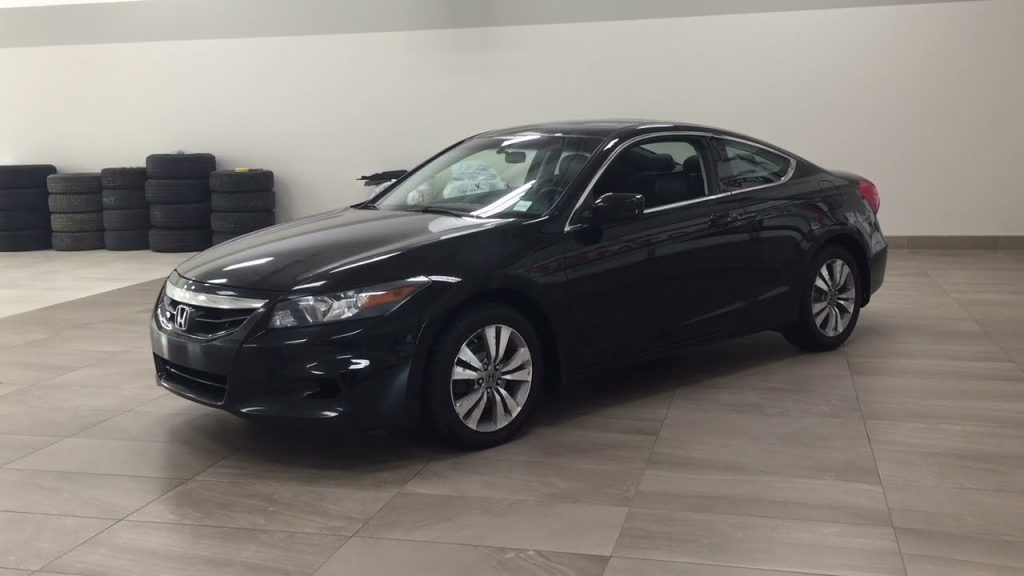
Honda advertisements frequently emphasized the coupe’s sporty character, reinforcing its identity as more than just transportation. Buyers viewed it as a practical alternative to dedicated sports cars rather than simply a two-door family vehicle.
Even after the coupe disappeared from Honda’s lineup, many enthusiasts continued praising it as one of the most underrated Japanese two-door cars of its era. Its success showed that smart styling and balanced performance could make a midsize coupe far more emotionally appealing than its sedan counterpart.
9. Cadillac Eldorado
The Cadillac Eldorado spent decades proving that a dramatic coupe could attract more attention and stronger buyer loyalty than traditional luxury sedans.
While Cadillac produced numerous four-door models throughout the Eldorado’s lifespan, the coupe consistently became the emotional centerpiece of the brand because it represented style, prestige, and personal luxury in a way sedans struggled to match.
From its earliest generations, the Eldorado carried a bold design philosophy. Long bodies, sweeping lines, hidden headlights, and massive chrome details made the coupe look expensive and exclusive.
Buyers wanting to stand out often preferred the Eldorado because it projected confidence and individuality far more strongly than Cadillac’s formal sedans.
The coup also benefited from cultural timing. During the 1960s, 1970s, and even into the 1980s, personal luxury coupes became status symbols in America.
Drivers wanted cars that looked elegant and powerful without necessarily focusing on practicality. The Eldorado fit that market perfectly, helping it achieve a stronger emotional appeal than many of Cadillac’s sedans.
Interior presentation further separated the coupe from ordinary luxury cars. Plush seating, premium trim materials, and dramatic dashboard styling gave the Eldorado a special atmosphere. Owners often described the car as feeling like a private luxury lounge rather than simple transportation.
Performance and engine size also played important roles throughout several generations. Large V8 engines delivered smooth acceleration and quiet highway cruising, reinforcing the coupe’s grand touring personality. Even though handling was not sports-car sharp, buyers appreciated the effortless driving experience.
Cadillac marketed the Eldorado aggressively as a flagship lifestyle vehicle. Advertisements focused on prestige, comfort, and glamour, helping the coupe develop a stronger public identity than practical four-door alternatives. Celebrities and public figures frequently drove Eldorados as well, increasing the car’s visibility and desirability.
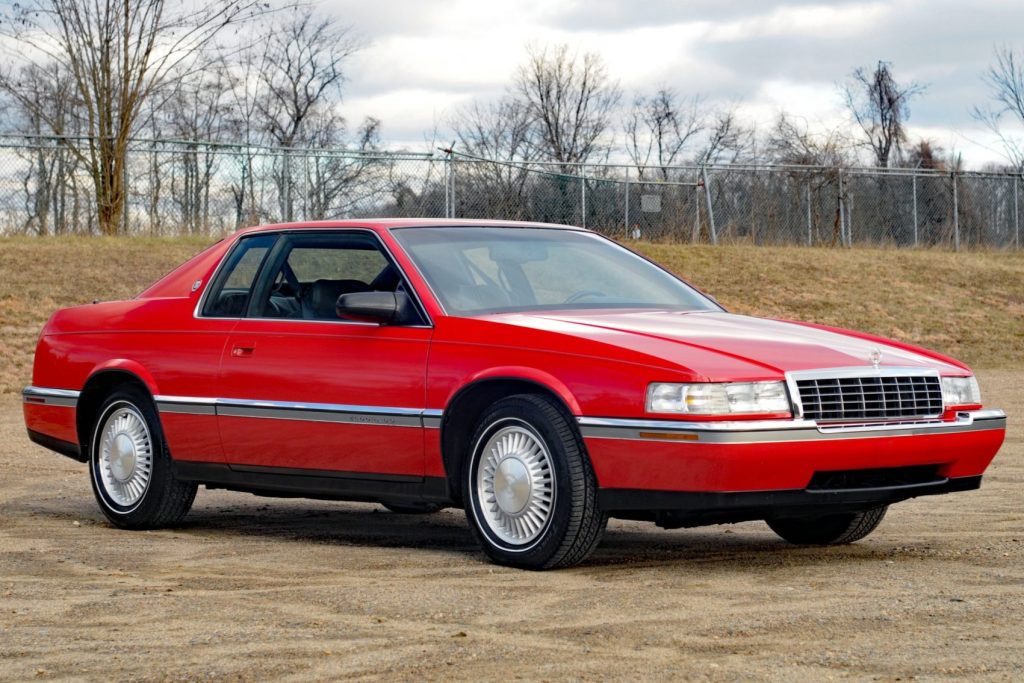
Another reason the couple remained dominant involved emotional attachment. Buyers often purchased Eldorados because they wanted something memorable rather than sensible. The car succeeded by making owners feel special every time they drove it.
Even after market trends shifted away from large luxury coupes, the Eldorado remained one of Cadillac’s most iconic vehicles. Its popularity demonstrated that distinctive design and an aspirational image could easily overpower the practical advantages offered by sedans.
Coupes occasionally achieved greater success than their sedan counterparts because buyers connected more strongly with style, performance, and personality than with practicality.
Cars like the Honda Civic Coupe, Ford Mustang, and Infiniti G35 Coupe became cultural icons through aggressive styling, enthusiast appeal, motorsports influence, and customization culture. Many of these coupes offered stronger emotional experiences while remaining affordable and usable daily.
Sedans may have provided extra doors and convenience, but the coupes captured attention, created loyal fan bases, and generated excitement that helped them outsell or overshadow their four-door siblings in automotive history.
Also Read: 5 Pickups Built for Rural Mail Routes vs 5 That Fall Apart
