
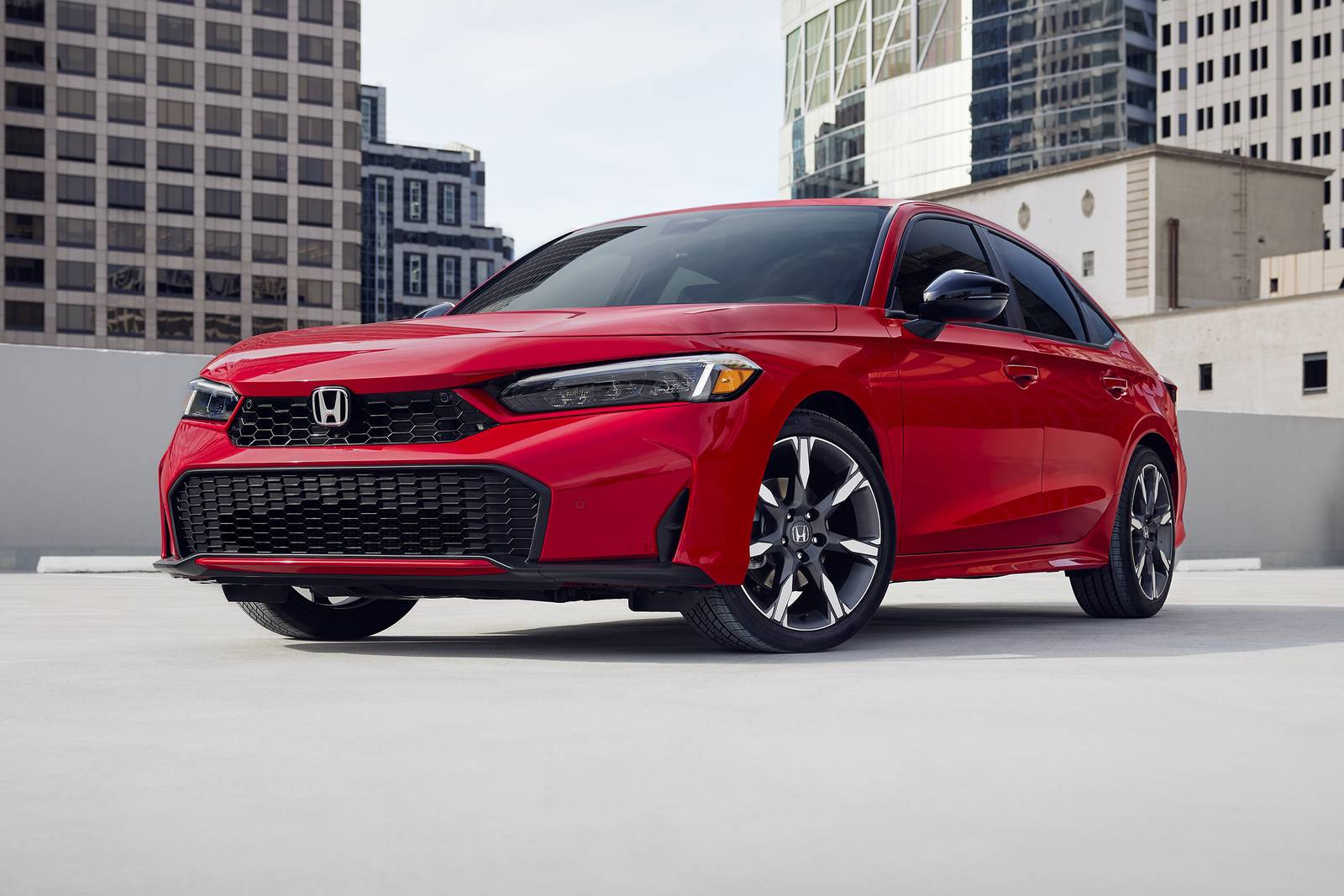
Compact cars continue proving that buyers do not need massive SUVs or luxury sedans to enjoy comfortable daily transportation. A well-built compact car can save money at the gas station, fit easily into crowded parking spaces, and still provide enough room for commuting, shopping trips, weekend travel, and small families. Smart engineering turned this category into one of the most practical parts of the auto market.
That said, not every compact car deserves praise. Some models deliver years of dependable service with low ownership costs and strong resale value. Others frustrate owners with weak transmissions, cramped cabins, rough rides, or reliability issues that drain bank accounts long after the excitement of purchase day disappears.
Modern buyers also expect more from smaller vehicles than ever before. Fuel economy alone is no longer enough. Drivers want advanced safety features, comfortable seating, solid technology, smooth driving manners, and interiors that avoid feeling cheap after only a few years.
Fortunately, several compact cars manage to balance affordability and quality extremely well. A handful of models continue standing above the crowd because they provide real value instead of relying purely on marketing hype.
Below are five compact cars worth serious consideration for buyers wanting reliability, comfort, and smart long-term ownership. After that, another section covers five compact cars that disappoint once the honeymoon phase fades and the repair bills begin showing up.
5 Compact Cars With Big Value
1. Honda Civic Touring
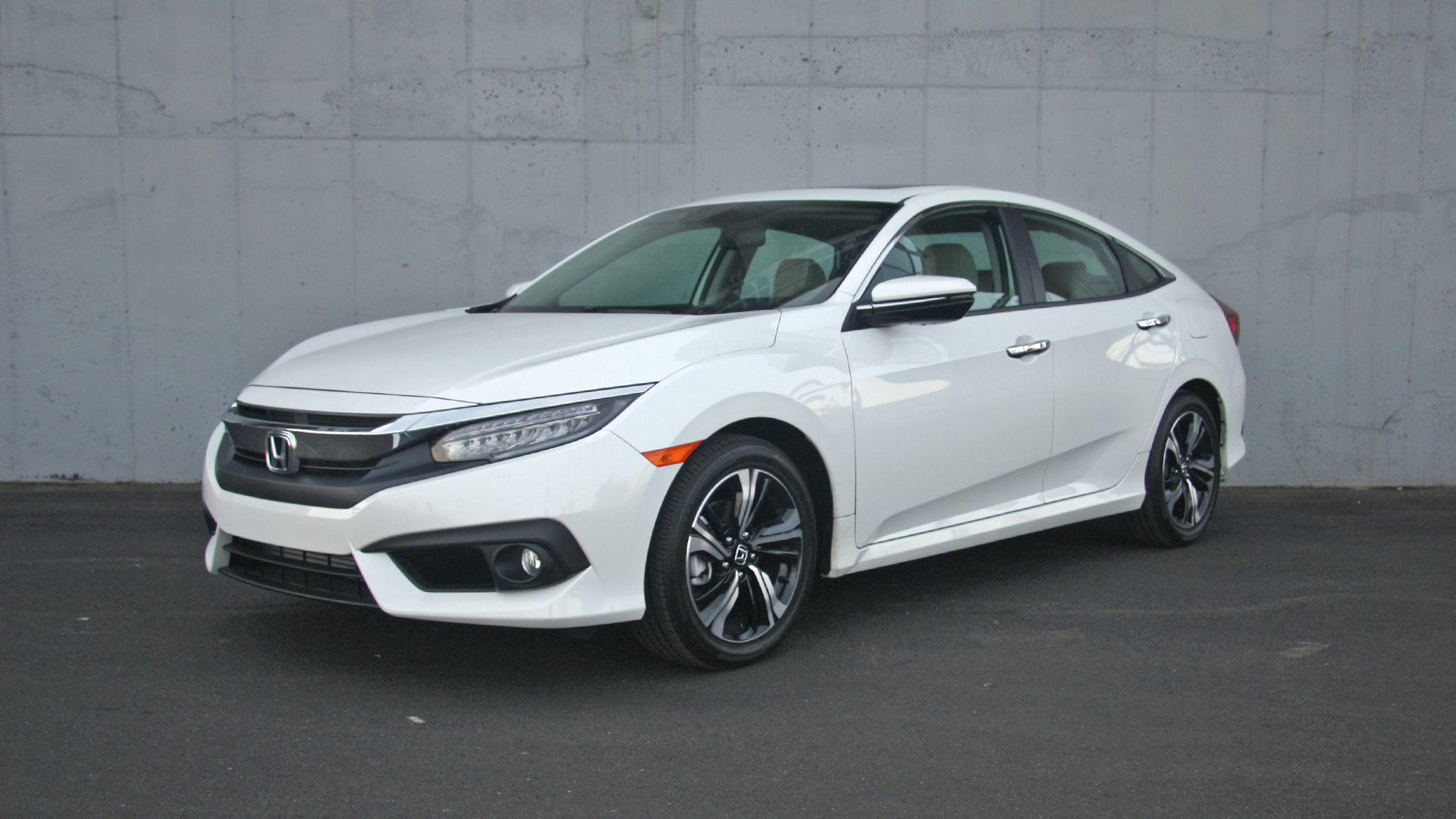
Honda has spent years perfecting the Civic, and the Honda Civic Touring shows exactly why the car remains one of the most trusted compact sedans on the road. Everything about it feels carefully thought out for real daily use. From commuting through traffic to weekend highway drives, the Civic handles almost every situation comfortably without feeling boring or overly basic.
First impressions matter, and this car delivers one quickly. The exterior looks clean and modern without trying too hard to appear aggressive. Inside, the cabin feels far more upscale than most buyers expect from a compact sedan. Soft materials, supportive seats, and a simple dashboard layout help create a relaxing atmosphere. Long drives feel easier because the seating position feels natural and visibility remains excellent from almost every angle.
Technology inside the Civic Touring avoids becoming frustrating. The touchscreen system reacts quickly, smartphone connectivity works smoothly, and physical buttons still exist for important controls. Drivers do not need to spend days learning complicated menus just to adjust simple settings.
Fuel economy continues to be one of the Civic’s biggest strengths. Drivers covering long distances every week can save a surprising amount of money at the gas station. City driving stays efficient, while highway mileage remains impressive during road trips.
Driving manners also help the Civic stand out from several compact rivals. Steering feels sharp without becoming heavy, suspension tuning keeps the ride comfortable, and highway stability feels solid even at higher speeds. Smaller cars sometimes feel noisy or cheap during long drives, though the Civic avoids that problem well.
Passenger space adds another pleasant surprise. Adults fit comfortably in the rear seats, while the trunk offers enough room for groceries, luggage, backpacks, or daily errands. Honda managed to create a compact sedan that feels practical without sacrificing comfort, making the Civic Touring one of the strongest all-around choices in its class.
2. Mazda3 Premium Sedan
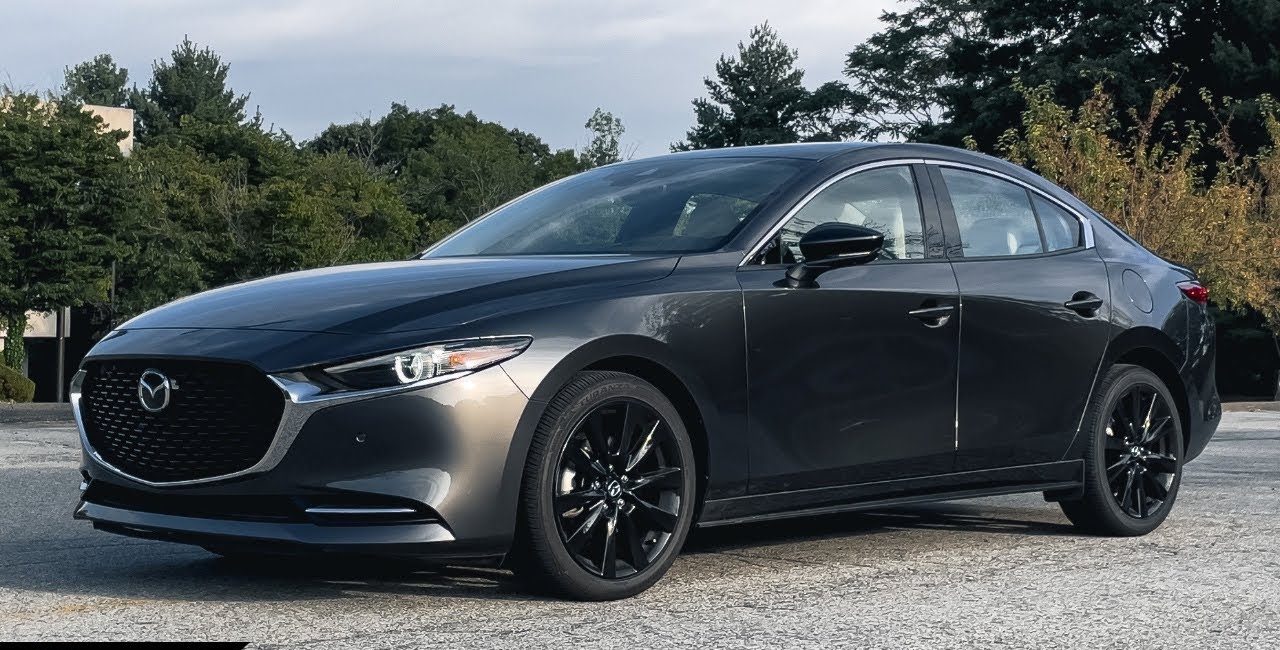
Some compact cars focus purely on fuel savings and practicality, though the Mazda3 Premium Sedan brings something extra to the table. Mazda designed this car for people who still enjoy driving, even during simple daily commutes. From the moment the engine starts, the Mazda3 feels more refined and engaging than many competitors in the same price range.
Exterior styling gives the car an upscale appearance that immediately stands apart. Smooth body lines, sleek lighting, and a clean front end help the Mazda3 look more expensive than it really is. Buyers wanting a compact sedan with a little personality often appreciate how polished the design feels without becoming flashy.
Interior quality might be the biggest surprise. Mazda created a cabin that feels close to a luxury level in certain areas. Soft materials cover much of the dashboard, seats remain comfortable during long drives, and the entire layout feels organized and driver-focused. Road noise also stays fairly controlled, helping the car feel calm during highway travel.
Driving experience remains one of the Mazda3’s strongest qualities. Steering feels precise, corners feel stable, and suspension tuning gives the car a confident personality without ruining ride comfort. Plenty of compact sedans feel dull after a few minutes behind the wheel. The Mazda3 keeps drivers more connected to the road in a way that feels enjoyable rather than tiring.
Engine performance feels smooth and responsive during both city and highway driving. Acceleration stays strong enough for passing slower traffic confidently, while fuel economy remains respectable for a car with this level of driving enjoyment.
Technology inside the Premium trim adds even more value. Smartphone connectivity works well, displays look modern, and available premium audio systems sound excellent. Rear seat space may not lead the class, though comfort remains perfectly acceptable for most passengers.
Drivers searching for a compact sedan that blends style, comfort, and a rewarding driving feel should seriously consider the Mazda3 Premium Sedan.
Also Read: 10 Cars With Insurance Premiums Lower Than a Compact Sedan
3. Toyota Corolla Hybrid XLE
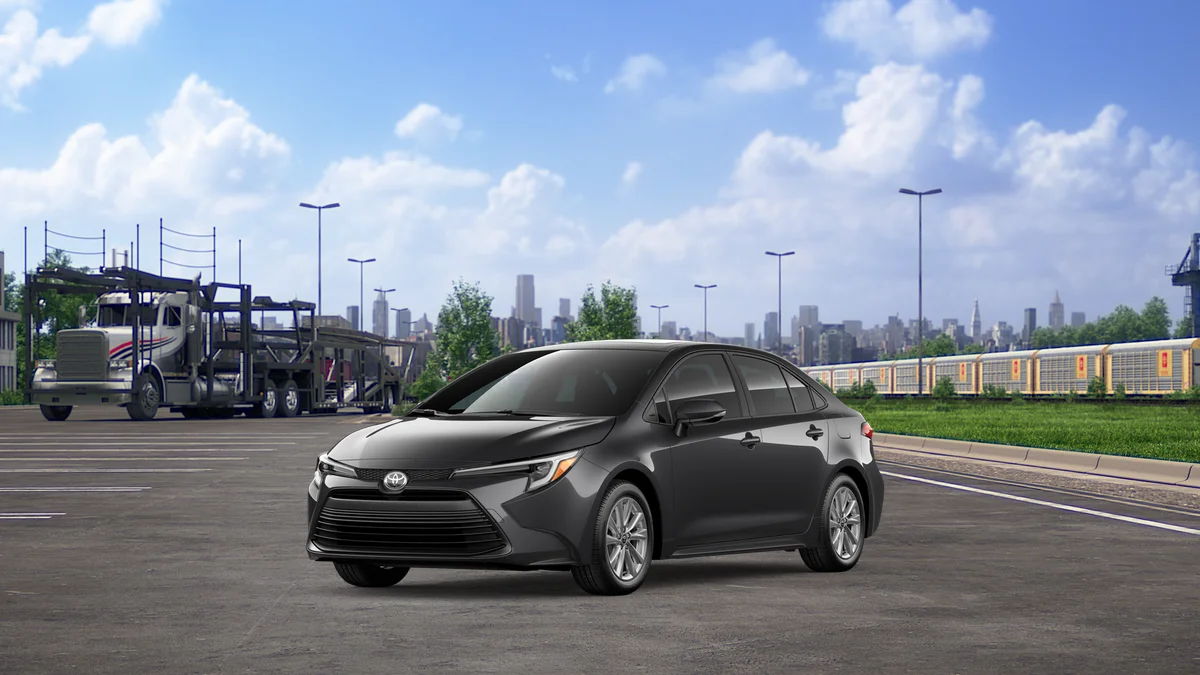
Fuel savings remain a huge reason buyers choose the Toyota Corolla Hybrid XLE, though efficiency represents only part of this car’s appeal. Toyota managed to create a compact sedan that feels dependable, comfortable, and easy to live with during everyday driving.
Reliability continues to stand as one of the Corolla’s strongest qualities. Toyota spent decades building trust with buyers looking for transportation that simply works year after year without creating financial headaches. The Corolla Hybrid follows that tradition closely, making it attractive for commuters, students, retirees, and families alike.
Hybrid technology helps reduce fuel expenses dramatically. City driving especially benefits from the electric assistance system, allowing owners to spend less time and money at gas stations. Drivers handling long commutes often notice the savings quickly.
Cabin design focuses more on practicality than flashy styling, though the XLE trim adds enough upscale touches to prevent the interior from feeling cheap. Seats remain comfortable during extended drives, controls stay simple to use, and visibility around the vehicle feels excellent.
Ride comfort also deserves recognition. Toyota tuned the suspension to absorb rough pavement effectively, helping daily commuting feel smoother and less tiring. Highway driving remains calm and predictable, another trait that appeals to buyers wanting stress-free transportation.
Technology integration feels straightforward. Smartphone connectivity works well, touchscreen controls respond quickly, and safety systems operate without becoming intrusive. Toyota included enough modern features to keep the Corolla competitive while avoiding unnecessary complications.
Passenger space remains respectable for the compact class. Rear seat passengers receive decent legroom, while trunk space handles groceries, luggage, and work bags without difficulty. Clever packaging helps the cabin feel more spacious than some buyers expect.
Safety ratings strengthen the Corolla’s reputation even further. Driver assistance systems such as adaptive cruise control, lane departure warning, and automatic emergency braking help create additional peace of mind during daily travel.
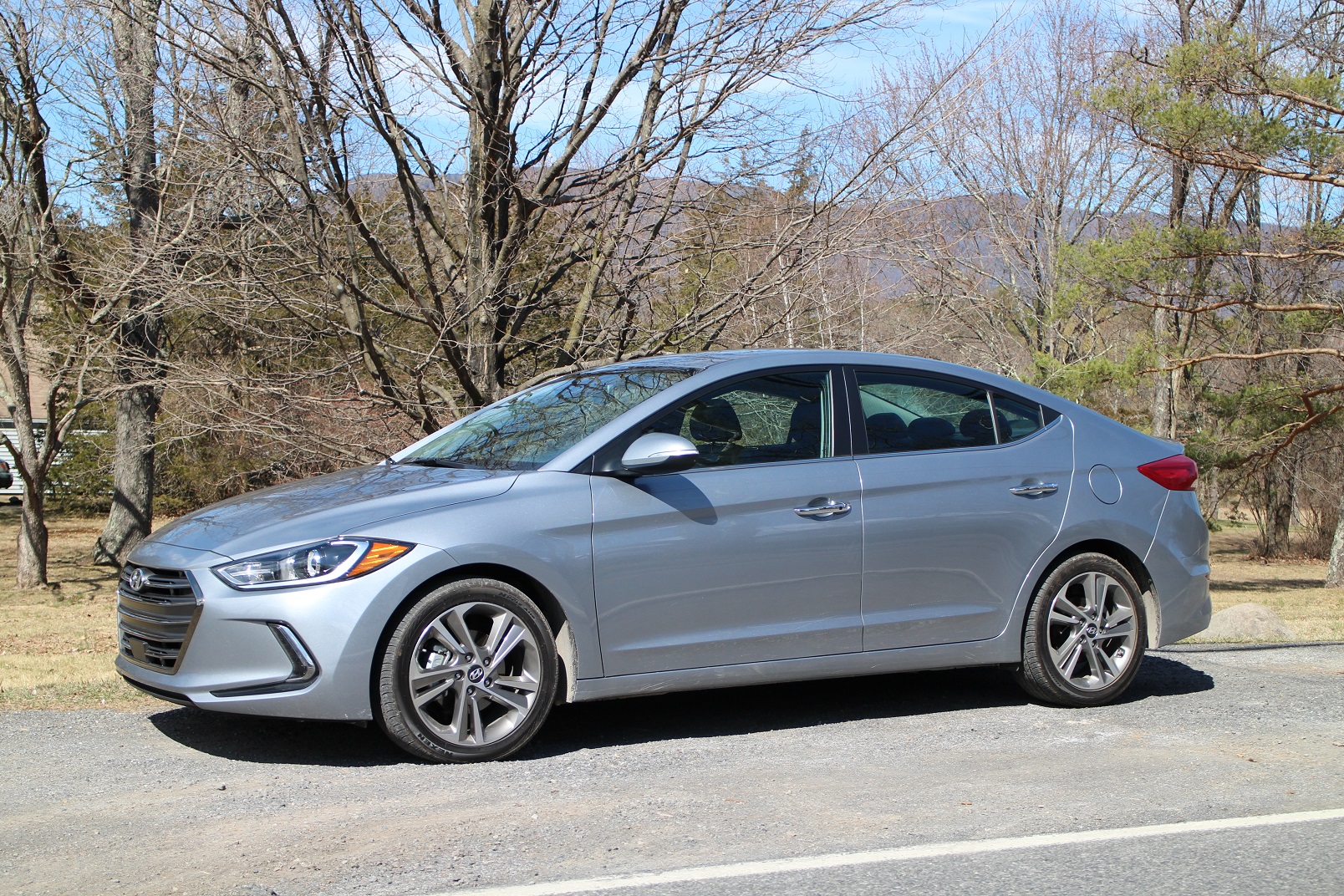
4. Hyundai Elantra Limited
Bold styling helped the Hyundai Elantra Limited grab attention quickly, though the real strength of this compact sedan goes far beyond exterior appearance. Hyundai transformed the Elantra into a far more refined and competitive vehicle during recent years, giving buyers strong value without demanding luxury car money.
Interior quality surprises plenty of first-time drivers. Dashboard materials feel modern, seating remains supportive, and cabin design carries a cleaner appearance than several rivals in the same price range. Hyundai also packed the interior with technology that feels genuinely useful rather than flashy for advertising purposes.
Large digital displays respond smoothly, smartphone integration works well, and available convenience features help daily commuting feel easier. Heated seats, premium audio options, wireless charging, and advanced driver assistance systems create a more upscale ownership experience without forcing buyers into expensive luxury brands.
Fuel economy stays competitive, especially for drivers spending hours commuting every week. Owners receive the benefit of strong efficiency while still enjoying enough power for confident highway travel. Acceleration feels responsive enough for merging and passing situations without excessive engine noise.
Ride comfort leans toward softness, helping rough pavement feel less harsh during city driving. Cabin insulation also improved greatly compared with older Hyundai compact cars, making highway trips quieter and more relaxing.
The passenger room deserves praise because the Elantra uses its compact footprint effectively. Rear seat passengers receive respectable legroom, while trunk capacity handles shopping bags, luggage, and daily errands comfortably.
Warranty coverage remains one of Hyundai’s biggest strengths. Buyers worried about repair expenses often appreciate having lengthy factory protection included with the purchase. That extra reassurance can make ownership feel far less stressful during the first several years.
Reliability perceptions surrounding Hyundai changed dramatically during the last decade. Older models struggled to earn strong trust, though newer products demonstrate far better engineering quality and interior durability. The Elantra Limited reflects how much progress the brand has achieved.
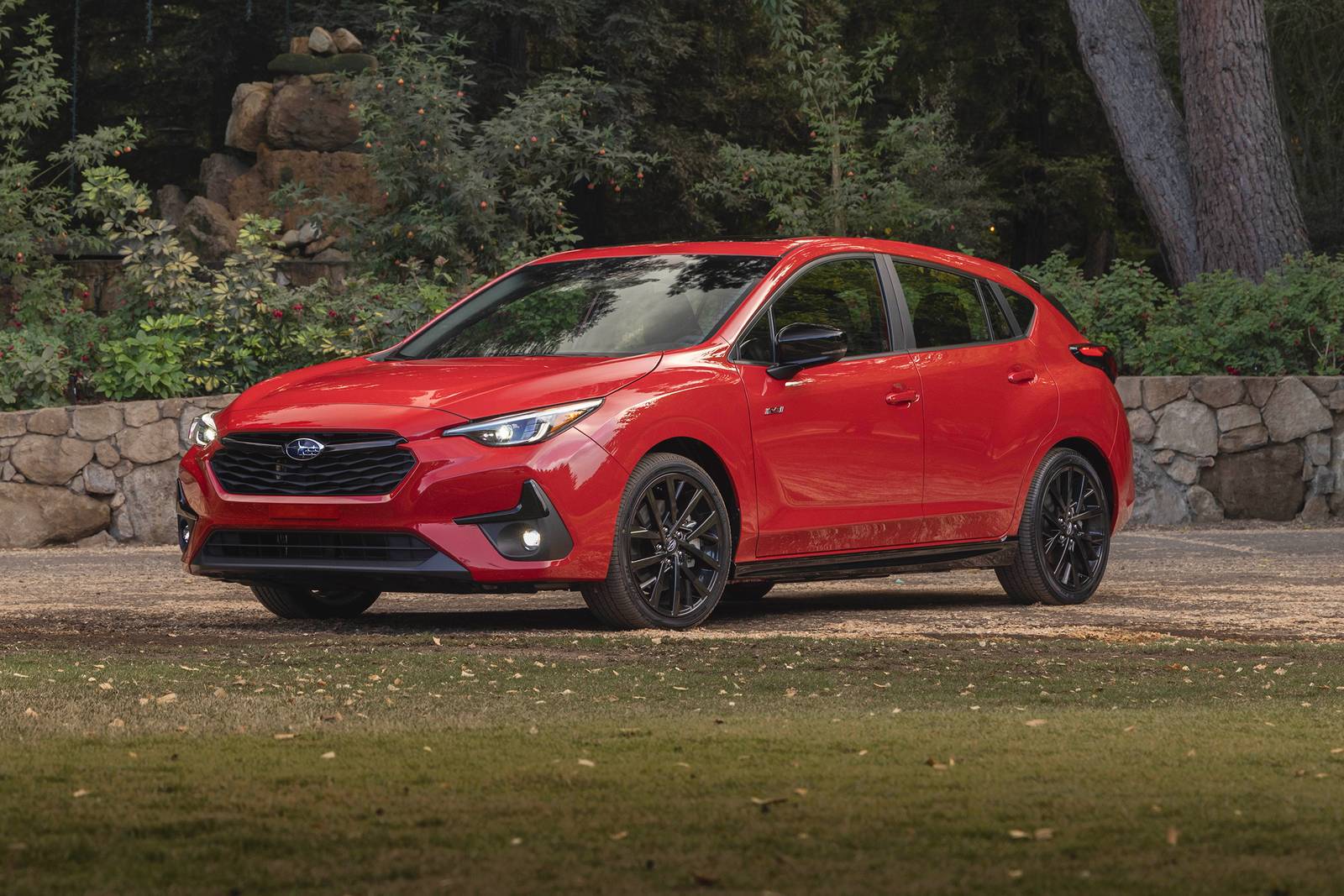
5. Subaru Impreza Limited
All Wheel Drive gives the Subaru Impreza Limited an advantage few compact cars can match at this price point. Buyers living in areas with rain, snow, or rough winter conditions often appreciate having extra traction without moving into SUV territory. Subaru built the Impreza for drivers who want practicality mixed with confidence during difficult weather, and that personality shapes the entire ownership experience.
Exterior styling remains clean and mature without trying too hard to appear sporty. Subaru avoided exaggerated body lines and oversized design elements, which helps the Impreza age gracefully compared with trend-focused rivals. Buyers wanting a compact car that still looks good years later often appreciate that restraint.
Step inside, and the cabin feels functional and comfortable. Controls stay simple to understand, seating feels supportive during long drives, and visibility around the vehicle ranks among the best in the compact class. Large windows and a sensible driving position make city traffic and parking far less stressful.
Ride quality deserves praise because the Impreza handles rough roads calmly without feeling soft or disconnected. Highway driving stays stable, while suspension tuning absorbs bumps effectively during daily commuting. Drivers covering long distances often notice how relaxed the car feels after several hours behind the wheel.
Subaru’s boxer engine design creates a lower center of gravity, helping the Impreza feel balanced during corners. Steering response remains predictable, giving drivers confidence during bad weather or winding roads. While it may not feel aggressively sporty, the car still delivers enough engagement to avoid boredom.
Fuel economy stays respectable considering the standard All Wheel Drive setup. Several competitors only offer Front Wheel Drive, making Subaru’s efficiency numbers more impressive than they first appear. Owners receive added traction without suffering extreme fuel penalties.
Technology inside the Limited trim adds strong value. Large touchscreen displays, smartphone integration, heated seats, premium audio systems, and modern safety features help the Impreza feel competitive with newer rivals. Subaru also includes advanced driver assistance systems that support safer daily driving.
Passenger space works well for a compact car. Rear seat room remains comfortable enough for adults during road trips, while the hatchback design available on certain Impreza versions adds extra cargo flexibility. Grocery runs, luggage, sports gear, and small furniture items fit easier than expected.
5 Compact Cars That Disappoint
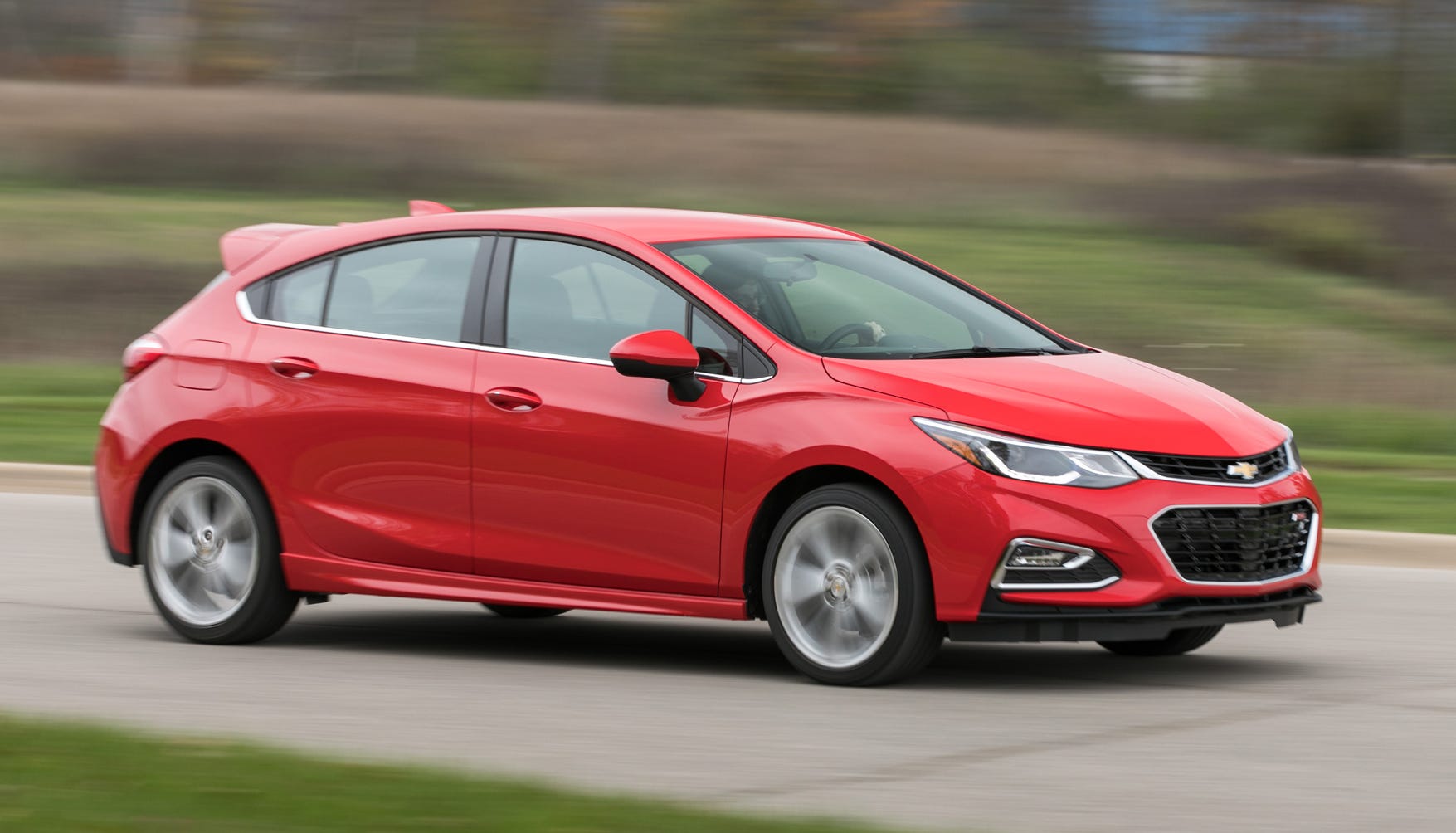
1. Chevrolet Cruze LT
Early excitement surrounded the Chevrolet Cruze LT because buyers hoped it would challenge long-established compact sedan leaders from Japan. At first glance, the car appeared promising. Styling looked modern for its time, fuel economy numbers attracted commuters, and pricing stayed competitive enough to bring attention from budget-minded shoppers. Unfortunately, long-term ownership exposed several weaknesses that damaged the Cruze’s reputation badly.
Mechanical reliability became one of the largest complaints attached to this car. Owners frequently reported issues involving turbochargers, coolant leaks, water pumps, and electrical systems. Small problems often turned into larger repair bills once mileage started climbing. Drivers expecting affordable transportation sometimes discovered the savings at purchase disappeared through repeated repair shop visits.
Interior quality also failed to age gracefully. Certain trim pieces felt fragile from the start, while rattles and squeaks became common after regular daily use. Cabin materials looked acceptable during showroom visits, though years of commuting and family errands revealed wear much faster than several competing compact cars.
Driving manners rarely stood out positively. Steering felt numb, road noise entered the cabin too easily, and suspension tuning lacked the balanced feel buyers found in stronger rivals like the Honda Civic or Mazda3. Long highway drives could become tiring because the cabin never felt particularly refined or isolated from rough pavement.
Fuel economy looked decent on paper, though real-world efficiency sometimes disappointed owners dealing with turbo-related issues or inconsistent engine performance. Some drivers also experienced hesitation during acceleration, which hurt confidence during highway merging and passing situations.
Rear seat space remained merely average. Adults sitting in the back during longer trips often complained about limited comfort, while trunk space failed to deliver anything class-leading. Families needing extra practicality usually discovered better options elsewhere.
Technology inside older Cruze models aged quickly as competitors introduced sharper screens and more responsive infotainment systems. Certain systems also developed glitches that frustrated owners trying to use navigation, Bluetooth, or touchscreen controls consistently.
Resale value weakened once reliability concerns spread across the used market. Buyers became cautious about purchasing high-mileage Cruze models because repair histories and mechanical failures became widely discussed online and in owner communities. Depreciation hit hard, leaving many owners disappointed by trade-in values after only a few years.
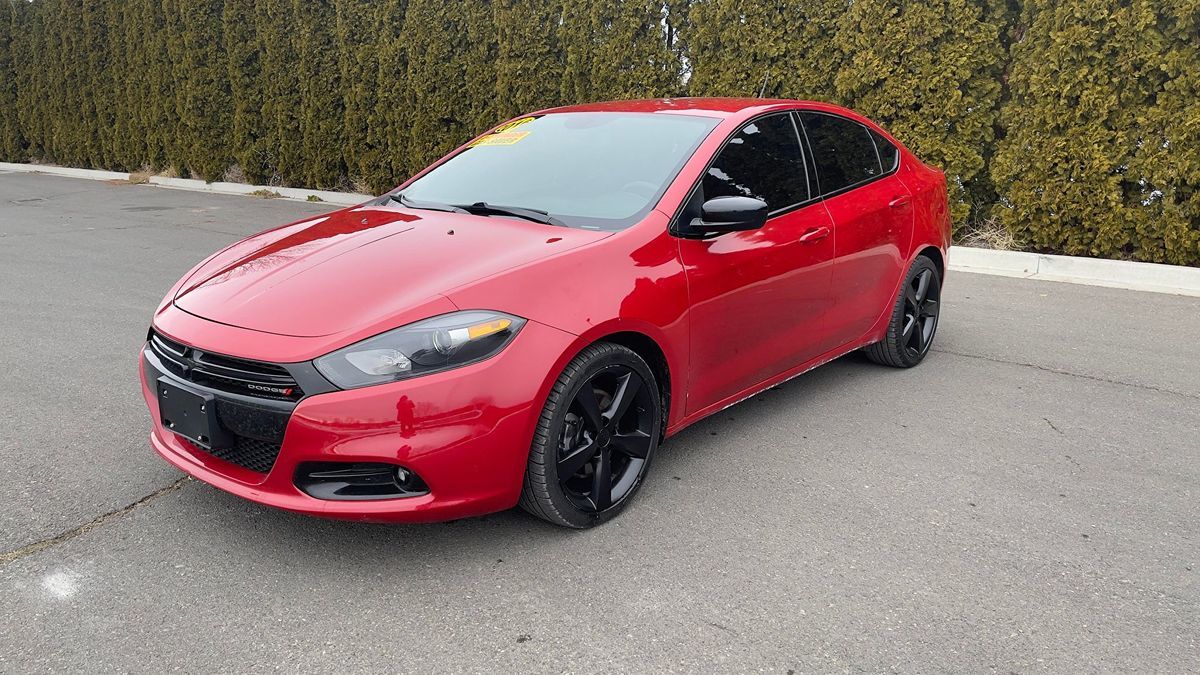
2. Dodge Dart SXT
Reviving the Dodge Dart name created excitement among buyers hoping for a sporty and affordable compact sedan. Dodge marketed the Dart SXT as a stylish alternative to mainstream rivals, and the car certainly looked sharp enough to grab attention in parking lots. Sadly, appearance alone could not hide the deeper issues that hurt the ownership experience.
Engine performance became an early disappointment for many drivers. Base powertrains felt weak during highway acceleration, while certain transmission setups delivered clumsy shifting behavior that made the car feel unfinished. Drivers expecting a sporty personality often walked away frustrated after spending time behind the wheel.
Interior space also created problems. Front seats felt decent enough for short trips, though rear seat legroom disappointed taller passengers. Trunk space remained usable, yet the cabin never felt as cleverly packaged as stronger compact competitors.
Build quality concerns surfaced quickly after launch. Owners reported electrical glitches involving touchscreens, sensors, dashboard lights, and climate controls. Minor electronic failures may sound small individually, though repeated problems create frustration during daily ownership.
Ride quality lacked consistency. Some roads exposed excessive cabin noise, while suspension tuning struggled to balance comfort and handling properly. Instead of feeling refined or sporty, the Dart frequently landed awkwardly between both categories.
Fuel economy numbers also failed to impress compared with several compact rivals offering better efficiency and stronger reliability. Drivers shopping for affordable commuting transportation usually expected lower operating costs than what the Dart consistently delivered.
Interior materials looked attractive initially, though durability became questionable after years of use. Trim pieces loosened, surfaces wore down quickly, and certain controls developed a cheaper feel than buyers anticipated from showroom impressions.
Reliability concerns followed the Dart throughout much of its production run. Transmission issues became especially common discussion points among owners. Some drivers experienced rough shifting, hesitation, or expensive repairs after relatively modest mileage.
Resale value suffered badly because buyer confidence weakened quickly. Used car shoppers often preferred safer choices from Toyota, Honda, or Mazda rather than gambling on the Dart’s uncertain reliability record. Depreciation hit the vehicle hard, leaving owners with disappointing trade-in numbers.
3. Nissan Sentra SR Turbo
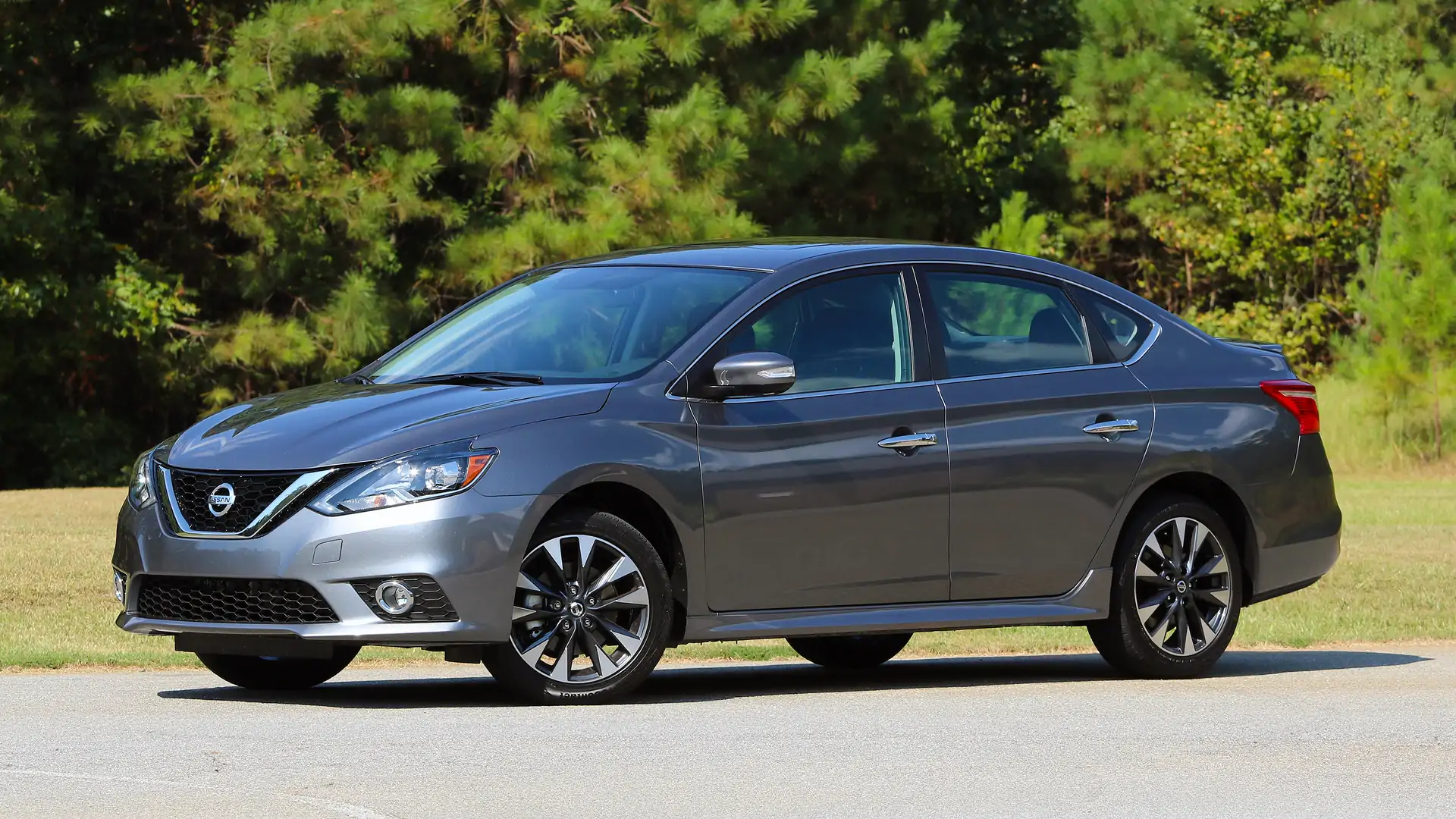
Nissan tried to give the Sentra SR Turbo a sporty image, and at first glance, it looked like a solid idea. The sharp exterior styling, aggressive front grille, and turbocharged badge made the car seem more exciting than the average compact sedan. Buyers hoping for affordable performance were naturally interested. Sadly, the ownership experience often failed to match that early promise.
Driving the Sentra SR Turbo never felt as exciting as the marketing suggested. Straight line speed was decent enough for daily commuting, though the car lacked the sharp handling and confident steering drivers expected from something wearing a sporty trim name. During corners, the suspension felt average rather than athletic, and the steering lacked feedback. Instead of feeling fun, the car often felt like a regular commuter sedan trying too hard to appear sporty.
Transmission issues became one of the biggest reasons owners lost confidence in the vehicle. Nissan’s CVT problems were already becoming widely discussed during those years, and the Sentra SR Turbo ended up carrying that same reputation. Some owners dealt with hesitation during acceleration, jerking at lower speeds, or costly transmission repairs that appeared much earlier than expected.
Inside the cabin, things looked acceptable at first, though the quality did not hold up especially well after a few years. Hard plastics covered much of the interior, and certain trim pieces developed rattles during daily driving. Technology also started feeling outdated quickly as competitors introduced cleaner screens and faster infotainment systems.
Passenger space remained decent for shorter trips, though rear seat comfort felt tighter than several rivals. Highway noise also became noticeable during longer drives, making road trips less relaxing than expected. Low used prices may attract some shoppers today, though the Sentra SR Turbo carries enough reliability concerns to make buyers think carefully before committing to ownership.
4. Ford Focus Titanium
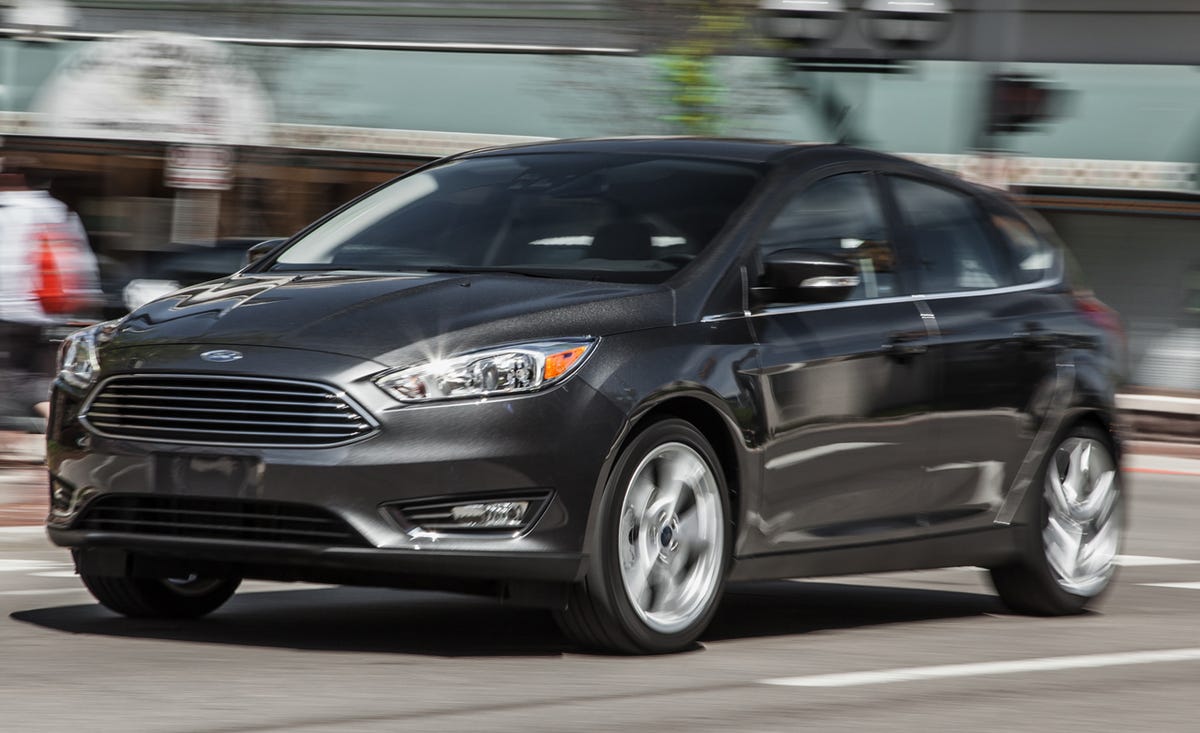
Ford gave the Focus Titanium plenty of qualities that looked appealing on paper. Stylish exterior design, responsive steering, and a comfortable cabin helped the car receive strong attention when it first arrived. During short test drives, many buyers came away impressed. Unfortunately, long-term ownership told a much different story.
The biggest issue centered around the automatic transmission. Ford used a dual clutch setup that created endless frustration for many owners. Shuddering during acceleration, rough shifting, hesitation in traffic, and sudden jerking became extremely common complaints. Daily commuting often turned irritating because the transmission rarely felt smooth or predictable.
Several owners brought their vehicles back to dealerships multiple times, hoping software updates or repairs would solve the issue. In plenty of cases, the problems either returned later or never disappeared completely. That constant uncertainty damaged trust in the car very quickly.
Away from the transmission trouble, the Focus Titanium actually had a few strengths. Steering felt sharper than several compact rivals, giving the car a more connected feel during corners. Ride quality also balanced comfort and control reasonably well, which helped the car feel stable on highways.
Interior design looked modern during its release years, though some materials aged poorly after regular use. Certain controls felt cheap after a long period of time, and infotainment systems occasionally responded slowly or froze unexpectedly. Rear seat room also disappointed taller passengers, limiting comfort during longer trips.
Fuel economy remained respectable, though savings at the gas station rarely made up for the stress tied to transmission repairs and repeated dealership visits. Resale value also dropped heavily once the transmission issues became widely known.
Buyers searching for a used compact car often see attractive prices on the Ford Focus Titanium. Cheap pricing alone, though, does not erase the reliability concerns that continue following this car years after production ended.
Also Read: 8 Compact Cars That Survived Three Generations Of Owners In 2026
5. Mitsubishi Lancer ES
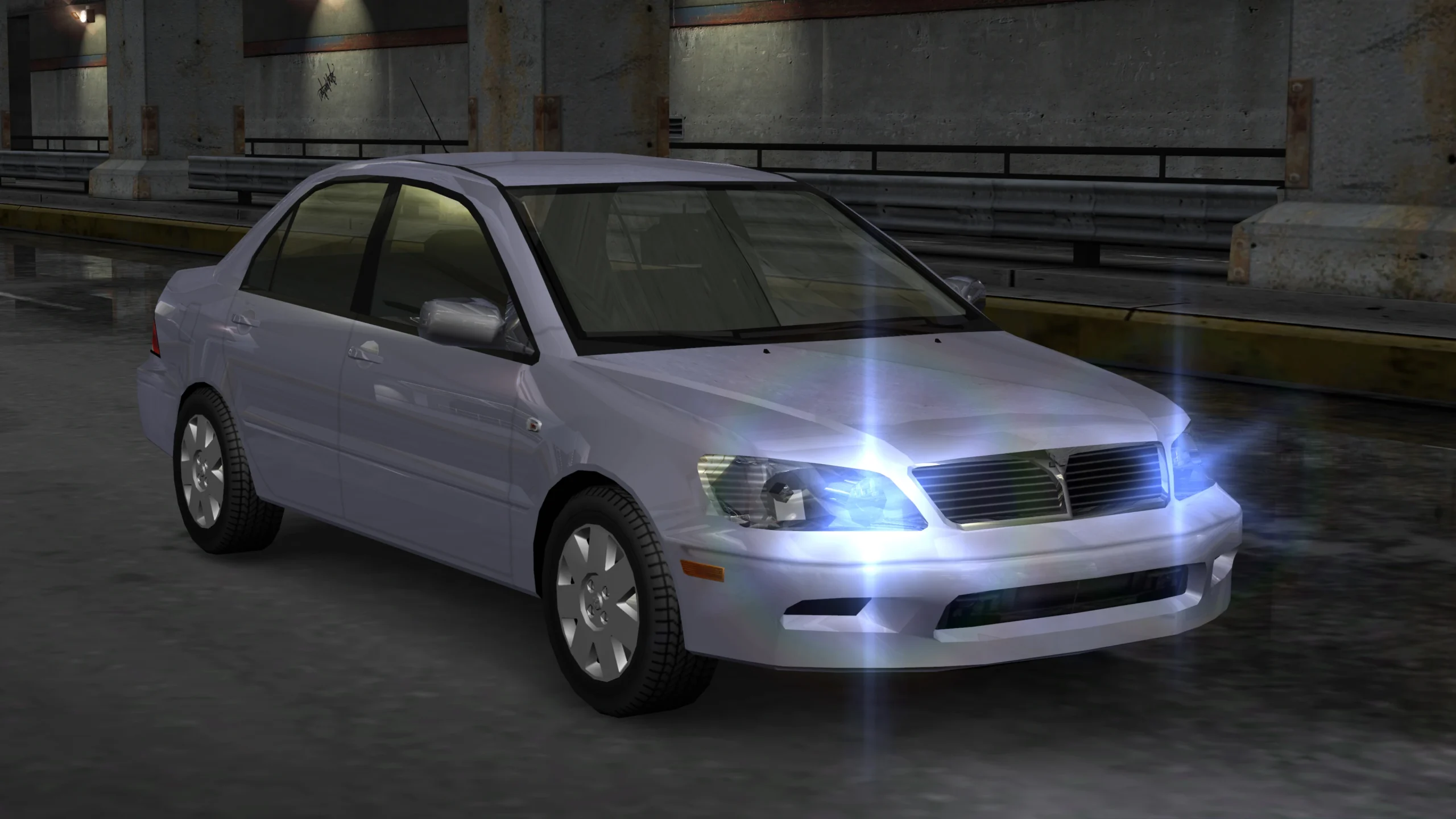
Aggressive styling gave the Mitsubishi Lancer ES a sporty image that attracted younger buyers searching for affordable transportation with a little attitude. Wide front grilles, sharp body lines, and rally-inspired marketing created excitement around the model during its stronger sales years. Sadly, the ownership experience rarely matched the energetic appearance.
Interior quality quickly became one of the biggest disappointments. Cabin materials felt cheap compared with rivals from Honda, Mazda, and Hyundai. Hard plastics covered much of the interior, while seats lacked the comfort buyers expected during longer drives. After several years of use, many cabins aged poorly, with rattles and visible wear appearing sooner than expected.
Engine performance remained average at best. Acceleration felt uninspiring during highway merging, and the driving experience lacked the excitement suggested by the exterior styling. Buyers expecting sporty energy similar to performance-oriented Lancer Evolution models often realized the standard ES trim delivered a completely different personality.
Ride quality also struggled to impress. Suspension tuning sometimes felt stiff on rough pavement without delivering truly sharp handling in return. Instead of balancing comfort and agility successfully, the car landed awkwardly between both goals.
Fuel economy failed to stand out strongly against competing compact sedans. Drivers shopping for affordable daily commuting transportation often found better efficiency from rivals offering stronger reliability and more refined cabins.
Technology inside the Lancer ES aged rapidly. Infotainment systems looked outdated quickly, while cabin design remained mostly unchanged for too many years. Buyers stepping inside newer competitors usually noticed how old-fashioned the Mitsubishi felt almost immediately.
Passenger space created another weakness. Rear seat comfort remained limited for taller adults, and trunk space felt merely average for the class. Families needing practical daily usability generally discovered better alternatives elsewhere.
Reliability stayed inconsistent depending on maintenance history and driving habits. Some owners reported acceptable experiences, though others dealt with transmission concerns, suspension wear, and electrical problems earlier than expected.
