
Buying an SUV feels like a smart investment, you get space, power, and the confidence to handle any road. But some of these vehicles come with a hidden price tag that only reveals itself after the warranty expires. Certain SUVs are notorious for mechanical failures that result in repair bills stretching well beyond $8,000. These costs often catch owners completely off guard.
The problems range from catastrophic engine failures to transmission meltdowns and complex electrical faults. Many of these issues are tied to poor engineering decisions, rushed production timelines, or the use of substandard components. When these SUVs break down, they don’t just cost money, they cost time, trust, and peace of mind.
What makes matters worse is that some of these vehicles carry prestigious brand names or high price points, yet still manage to deliver painful ownership experiences. Luxury badges don’t always mean bulletproof reliability. In fact, some of the most expensive SUVs on the road are also the most expensive to fix.
This guide takes a hard look at nine SUVs that have earned a reputation for eye-watering repair costs. Each entry draws on owner reports, reliability surveys, and mechanical data to explain exactly what goes wrong and why it costs so much. Whether you’re shopping for an SUV or already own one, this is essential reading before your next trip to the dealership or the repair shop.
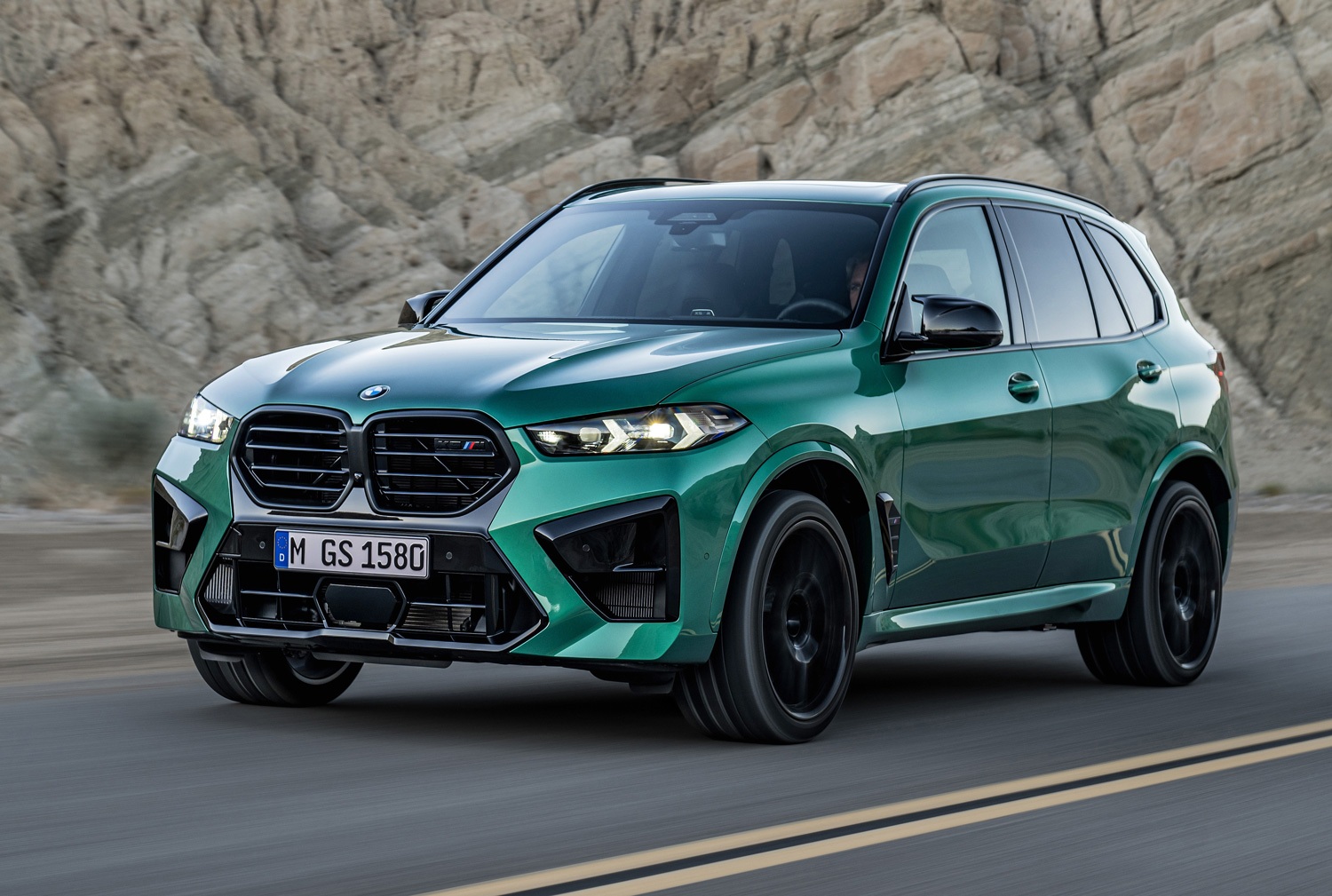
1. BMW X5
The BMW X5 is one of the most popular luxury SUVs on the market. It promises a perfect blend of performance, comfort, and technology. But beneath that sleek exterior lies a complex web of systems that love to fail, and they fail expensively.
The most dreaded repair on the X5 is the timing chain replacement. The N63 and N54 engines are particularly prone to this issue. The timing chain can stretch prematurely, sometimes before the vehicle even reaches 80,000 miles. When it snaps or skips, it causes catastrophic engine damage that can cost between $8,000 and $12,000 to repair.
The N63 engine also suffers from excessive oil consumption. Owners regularly report burning through quarts of oil between oil changes. BMW even issued a service bulletin acknowledging the problem, but many owners still ended up paying out of pocket for engine rebuilds exceeding $10,000.
The X5’s cooling system is another weak point. The water pump, thermostat, and expansion tank are all made of plastic components. These parts degrade with heat cycles and tend to fail together. Replacing the entire cooling system on an X5 can cost anywhere from $1,500 to $4,000, depending on how far the damage has spread.
Electrical gremlins are also a constant companion on older X5 models. The iDrive system, VANOS solenoids, and various sensors can all malfunction without warning. Diagnosing these issues alone can cost hundreds of dollars, since the car requires specialized BMW software to read fault codes properly.
Suspension repairs are frequent as well. The X5 uses an air suspension or adaptive damper system in many trims. When these components fail, the ride becomes dangerously unpredictable. Replacing the entire air suspension system can cost $3,000 to $6,000 at a dealership.
Add it all together, timing chain, engine work, cooling system, suspension, and electrical, and a high-mileage BMW X5 can easily rack up over $20,000 in repair costs in a single ownership period. The performance and prestige come with a steep maintenance tax that many buyers simply don’t anticipate.
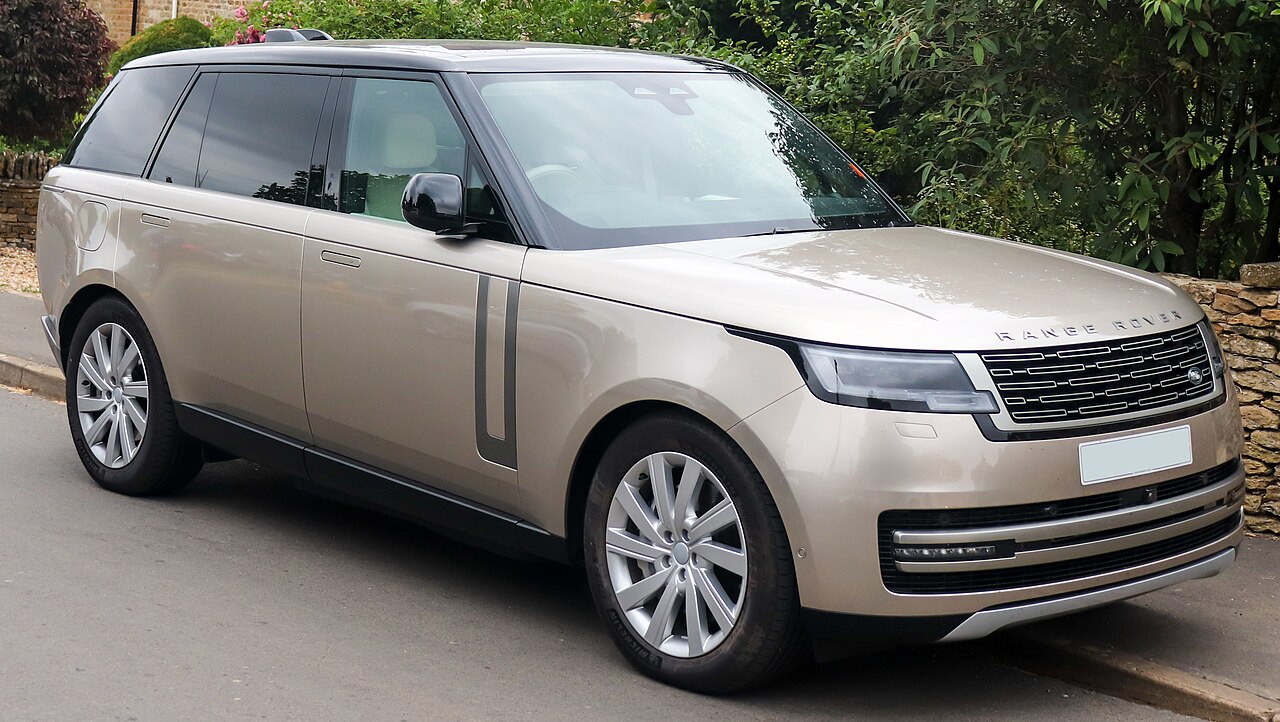
2. Land Rover Range Rover
The Range Rover is the pinnacle of luxury off-road capability. It exudes wealth and sophistication in every trim level. But it has also earned a legendary and not flattering reputation for reliability failures that drain bank accounts with alarming regularity.
Air suspension failures are among the most common and costly problems on the Range Rover. The airbags, compressor, and height sensors all wear out over time. Replacing the full air suspension system typically costs between $4,000 and $8,000. Some owners have reported quotes exceeding $10,000 at Land Rover dealerships.
The Range Rover’s engines, particularly the supercharged V8, are prone to severe overheating. A cracked or warped cylinder head is a common result of cooling system failures. Head gasket replacement on a Range Rover supercharged V8 can cost $9,000 to $15,000, depending on the damage and whether the heads need machining or replacement.
The transfer case and differentials are also notoriously unreliable. Off-road use accelerates wear significantly, but even city-driven Range Rovers have reported transfer case failures. Replacing the transfer case assembly can cost upward of $6,000 in parts and labor.
The ZF 8-speed transmission used in many Range Rovers develops shudder and hesitation issues over time. Transmission rebuilds or replacements typically run $5,000 to $9,000. Even a fluid and software update visit can cost several hundred dollars.
Electrical systems on the Range Rover are among the most complex and failure-prone in the industry. Multiple control modules can fail simultaneously. Diagnosing the root cause often requires days at the dealership, with diagnostic fees alone reaching $500 or more.
Surveys from reliability organizations consistently place the Range Rover among the worst vehicles for dependability. Consumer Reports has repeatedly ranked it at or near the bottom of its category. Owning a Range Rover long-term without a substantial repair budget is a financial gamble that most owners eventually lose.
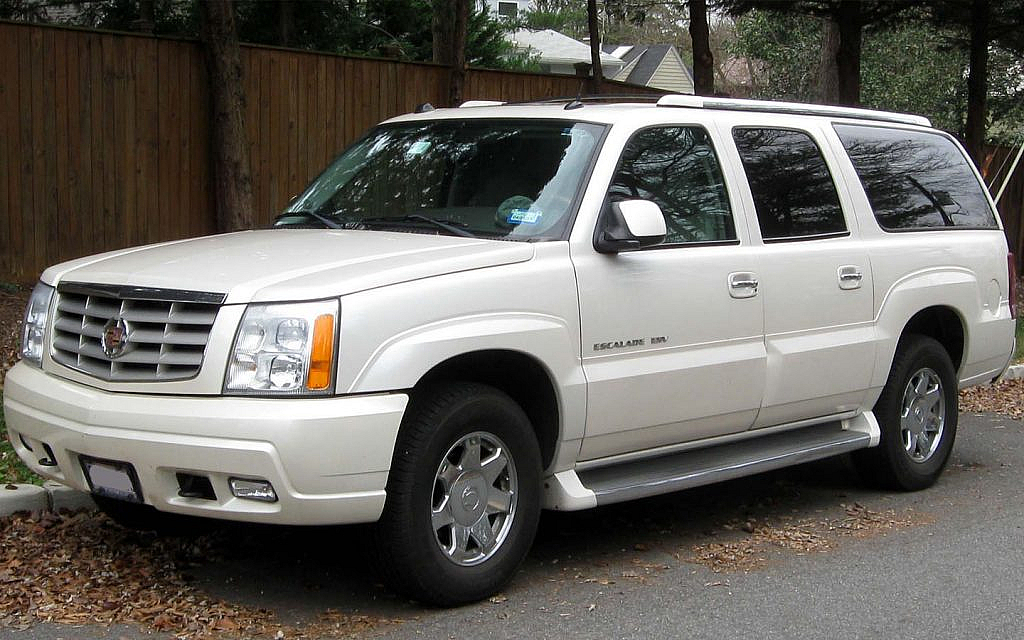
3. Cadillac Escalade (Older Generation)
The Cadillac Escalade is an American icon of luxury and presence. For decades, it has dominated driveways and red carpets alike. But pre-2021 Escalades, particularly those from the 2007–2014 generation, carry a well-documented history of expensive mechanical failures.
The most notorious problem in these Escalades is the Active Fuel Management (AFM) system. This cylinder deactivation system was designed to save fuel, but it instead causes engine damage. The lifters collapse, oil consumption spikes, and the engine eventually requires a full rebuild or replacement. This repair can cost anywhere from $8,000 to $14,000.
The 6L80 transmission used in the Escalade is another major concern. It develops pressure issues, delayed engagement, and eventual clutch pack failure. A full transmission rebuild or replacement costs $4,000 to $8,000. Many owners discover this issue right after the powertrain warranty expires.
Rear air suspension is standard on most Escalade trims. The rear air bags and compressor fail with some regularity, particularly after 80,000 miles. Replacing the rear suspension system costs $2,500 to $5,000, depending on whether original OEM or aftermarket parts are used.
Transfer case failures are a repeat offender in the Escalade’s reliability story. The NVG246 transfer case develops bearing wear and actuator problems. Repair costs range from $1,500 for minor fixes to over $4,500 for a full replacement.
Timing chain stretch is also a documented issue in the 5.3L and 6.2L V8 engines. When the timing chain fails, it can destroy other engine components. Repairs typically start at $2,000 but can climb past $6,000 if secondary damage is involved.
Combined with heating and cooling system failures common to this generation’s intake manifold design, a used Escalade with high mileage can require $15,000 or more in total repairs.
Buyers who purchased these vehicles cheaply on the secondary market have often found themselves upside down on repair costs almost immediately.
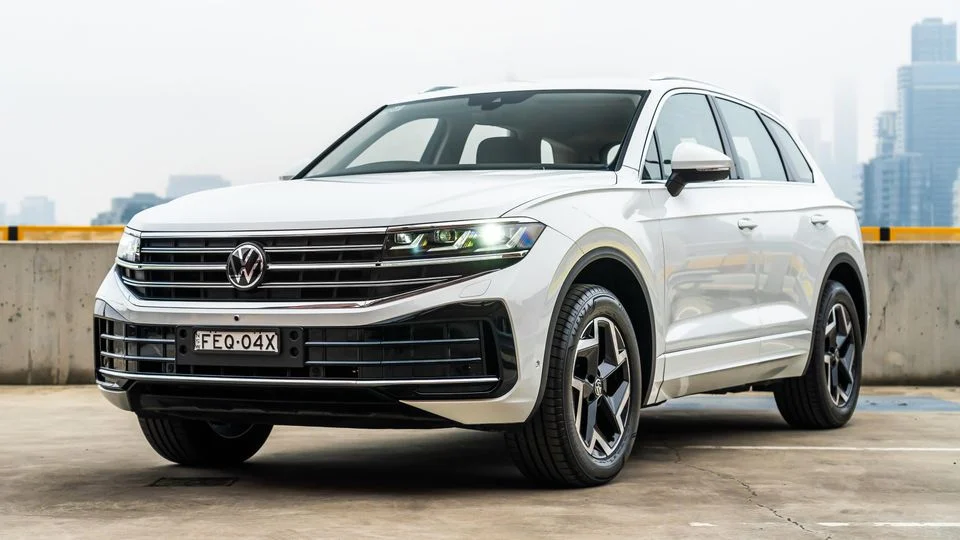
4. Volkswagen Touareg
The Volkswagen Touareg is a mid-size luxury SUV that punches above its weight in terms of engineering complexity. It shares its platform with the Porsche Cayenne and the Audi Q7. That level of shared sophistication comes with shared repair costs that can shock unsuspecting owners.
The Touareg’s air suspension is one of its most praised features in new condition and one of its most hated failures down the road. The air struts, compressor, and control modules tend to wear out together. A full suspension overhaul on a Touareg can cost $6,000 to $10,000 at a dealership.
The V6 diesel engine used in earlier Touareg models developed a reputation for injector and high-pressure fuel pump failures. These components are expensive individually, but when they fail together, which they often do, the repair bill easily surpasses $8,000. Sourcing parts for the diesel version adds to the complexity and cost.
Timing chain tensioner failures are documented in both the V6 gasoline and diesel variants. A timing chain job on the Touareg requires significant engine disassembly due to the transversely mounted engine configuration. Labor alone can run $3,000 to $5,000, bringing the total repair cost past $8,000.
The Haldex or Torsen all-wheel-drive system requires regular fluid servicing. When neglected, the differentials and transfer case develop wear that leads to expensive drivetrain repairs. Full AWD system repairs can run $3,000 to $6,000, sometimes requiring proprietary VW diagnostic equipment.
Electrical issues in the Touareg are legendary. The SAM (signal acquisition module) and control unit failures can trigger multiple warning lights simultaneously. Diagnosing these issues without dealer-level VCDS software is nearly impossible. Electrical repairs and module replacements can accumulate costs exceeding $5,000 over time.
Used Touareg prices look very attractive on the secondary market. But experienced mechanics warn that the real cost of the vehicle comes after purchase. A Touareg with 100,000 miles can easily need $10,000 to $15,000 in mechanical attention before it’s truly reliable again.
Also Read: 9 Vehicles With the Weakest Engines for Their Price
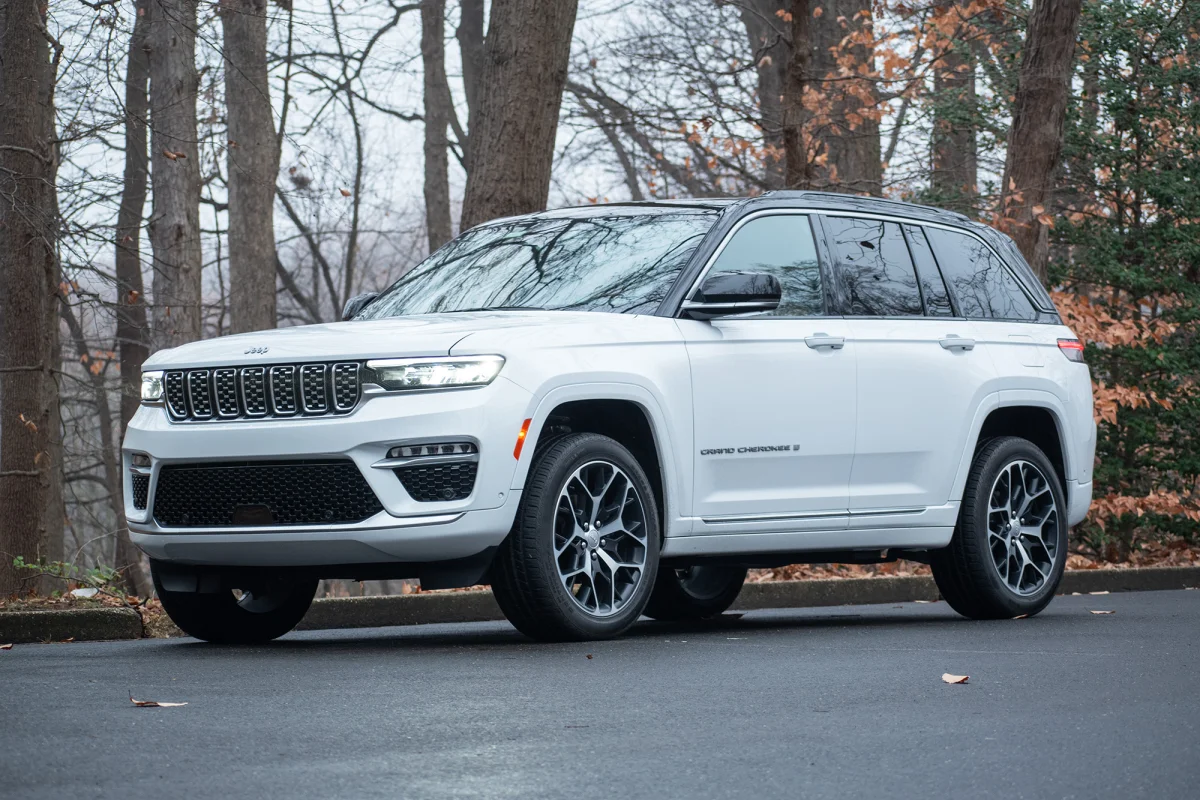
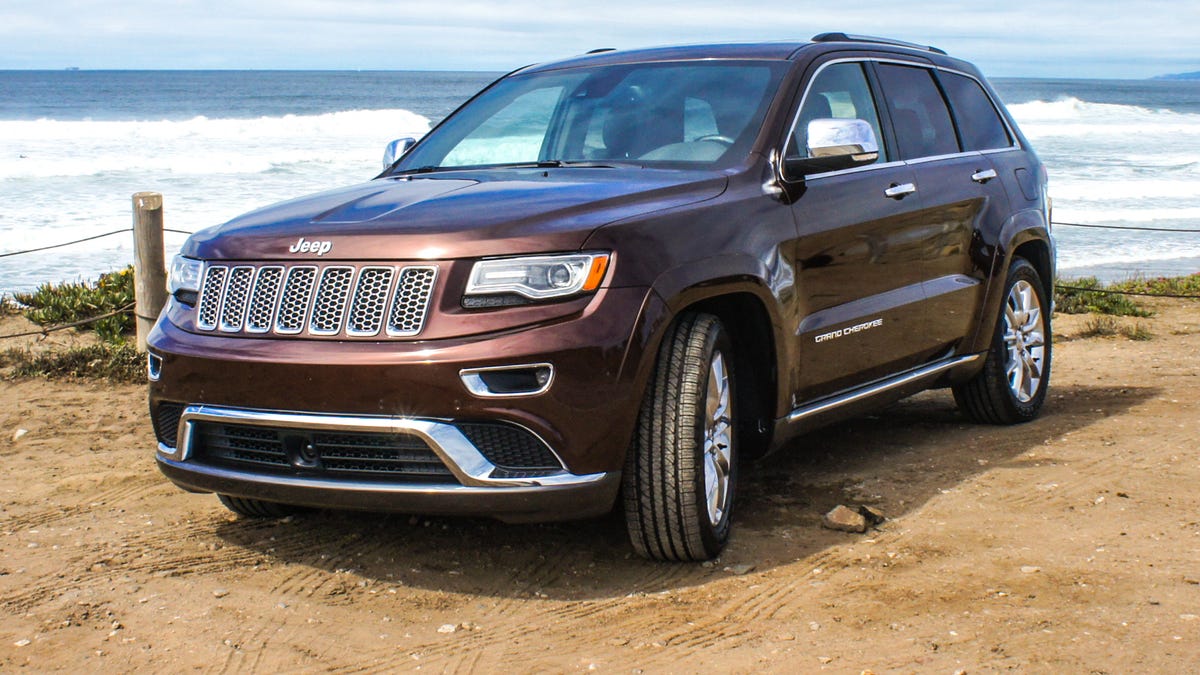
5. Jeep Grand Cherokee (3.0L EcoDiesel)
The Jeep Grand Cherokee is one of America’s best-loved SUVs. The addition of the 3.0L EcoDiesel V6 engine was supposed to give it world-class fuel economy and torque. Instead, this engine became one of the most costly drivetrain choices Jeep owners could make.
The EcoDiesel engine was plagued from the start by issues with its emissions equipment. The EGR (exhaust gas recirculation) system and EGR cooler are prone to failure, causing coolant contamination and engine misfires. Replacing the EGR system and associated components can cost $3,000 to $6,000.
The high-pressure fuel pump on the EcoDiesel has a documented failure pattern. When it fails, metal shavings circulate through the fuel system, contaminating the injectors and fuel rail. In severe cases, the entire fuel system must be flushed and rebuilt. This repair can cost $8,000 to $14,000 when full contamination occurs.
The injectors themselves are expensive to replace on this engine. A single injector can cost $500 to $800 in parts alone. Replacing all six injectors, which is often recommended when one fails, brings the total parts cost close to $5,000 before labor is even considered.
Turbocharger failures are another common issue with the EcoDiesel. Carbon buildup from low-quality diesel fuel accelerates turbo wear. A replacement turbocharger and associated hardware can cost $3,000 to $5,000 installed.
Fiat Chrysler (now Stellantis) did face regulatory action over emissions cheating on this engine, which further complicated the ownership experience. Many owners participated in buyback programs, but those who held onto their vehicles found themselves managing an expensive, high-maintenance diesel powertrain.
The irony is that the EcoDiesel was supposed to save money on fuel. For many owners, any fuel savings were quickly consumed by the engine’s appetite for expensive repairs. Choosing the EcoDiesel version of the Grand Cherokee remains one of the most financially risky new-car decisions of the last decade.
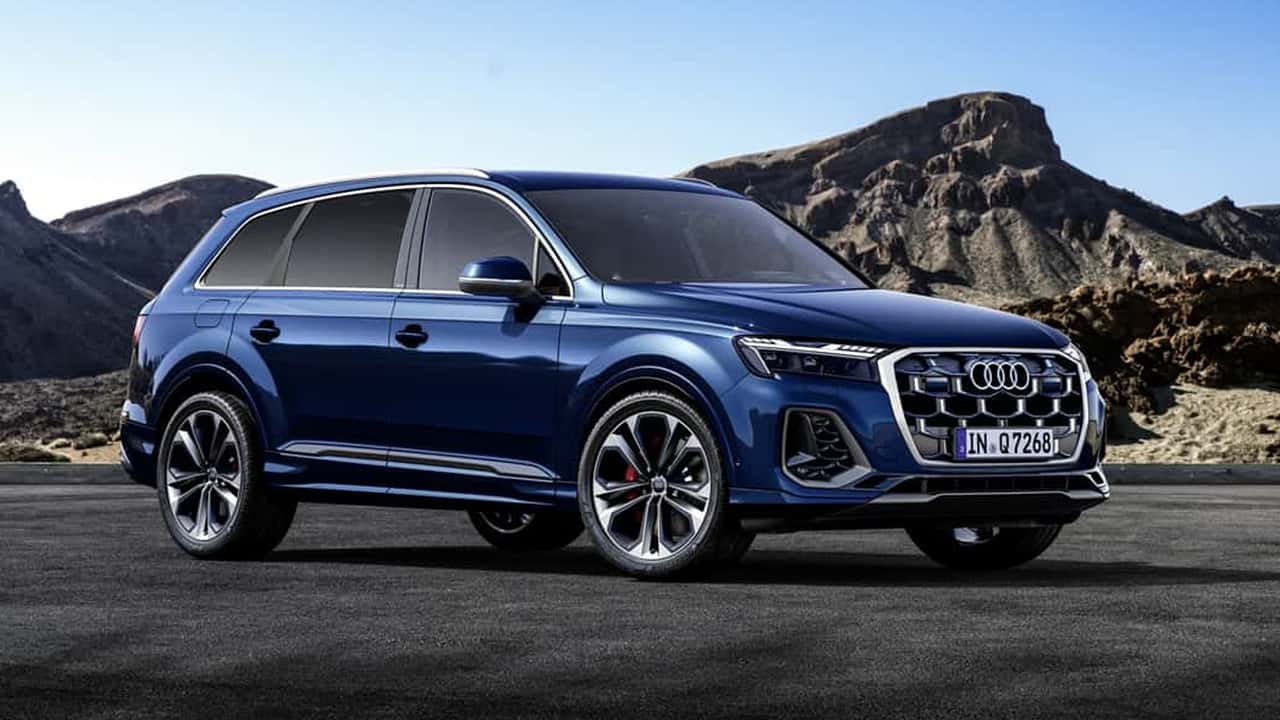
6. Audi Q7
The Audi Q7 is a three-row luxury SUV that delivers a genuinely premium experience. The interior is exquisite, the technology is cutting-edge, and the ride quality is superb. However, the Q7 shares much of its complexity with the Volkswagen Touareg, and the repair costs reflect that shared DNA.
The 3.0L TFSI supercharged V6 engine found in older Q7 models is prone to oil consumption issues. The piston rings fail to seat properly, causing excessive oil burning. An engine rebuild to address oil consumption can cost $8,000 to $12,000. Some owners opt for a replacement engine instead, which can cost even more.
Timing chain stretch is a documented problem in the 3.0L TDI diesel variant of the Q7. The timing chain can skip at higher mileages, bend valves, and cause significant internal engine damage. A full timing chain replacement with associated repairs can cost $10,000 to $15,000, depending on secondary damage.
The air suspension system on the Q7 is electronically controlled and highly complex. When the compressor or individual air struts fail, the vehicle sags uncomfortably and becomes unsafe to drive. A full air suspension replacement at an Audi dealership can cost $6,000 to $10,000.
The DSG (Direct Shift Gearbox) transmission used in some Q7 models develops clutch pack wear and mechatronic unit failures. A transmission rebuild costs $5,000 to $9,000. The mechatronic unit alone can cost $2,500 to $3,500 to replace.
Audi’s MMI (Multi Media Interface) infotainment system is notoriously prone to failure in older Q7 models. The MMI control unit and display can malfunction, requiring replacement. Parts and labor for MMI repairs can easily reach $3,000 to $5,000.
Carbon buildup on the intake valves is a universal issue with direct-injection Audi engines. Regular walnut blasting (intake valve cleaning) costs $600 to $1,200 and is needed every 40,000 to 60,000 miles. Neglecting this service accelerates engine wear and ultimately leads to more expensive problems.
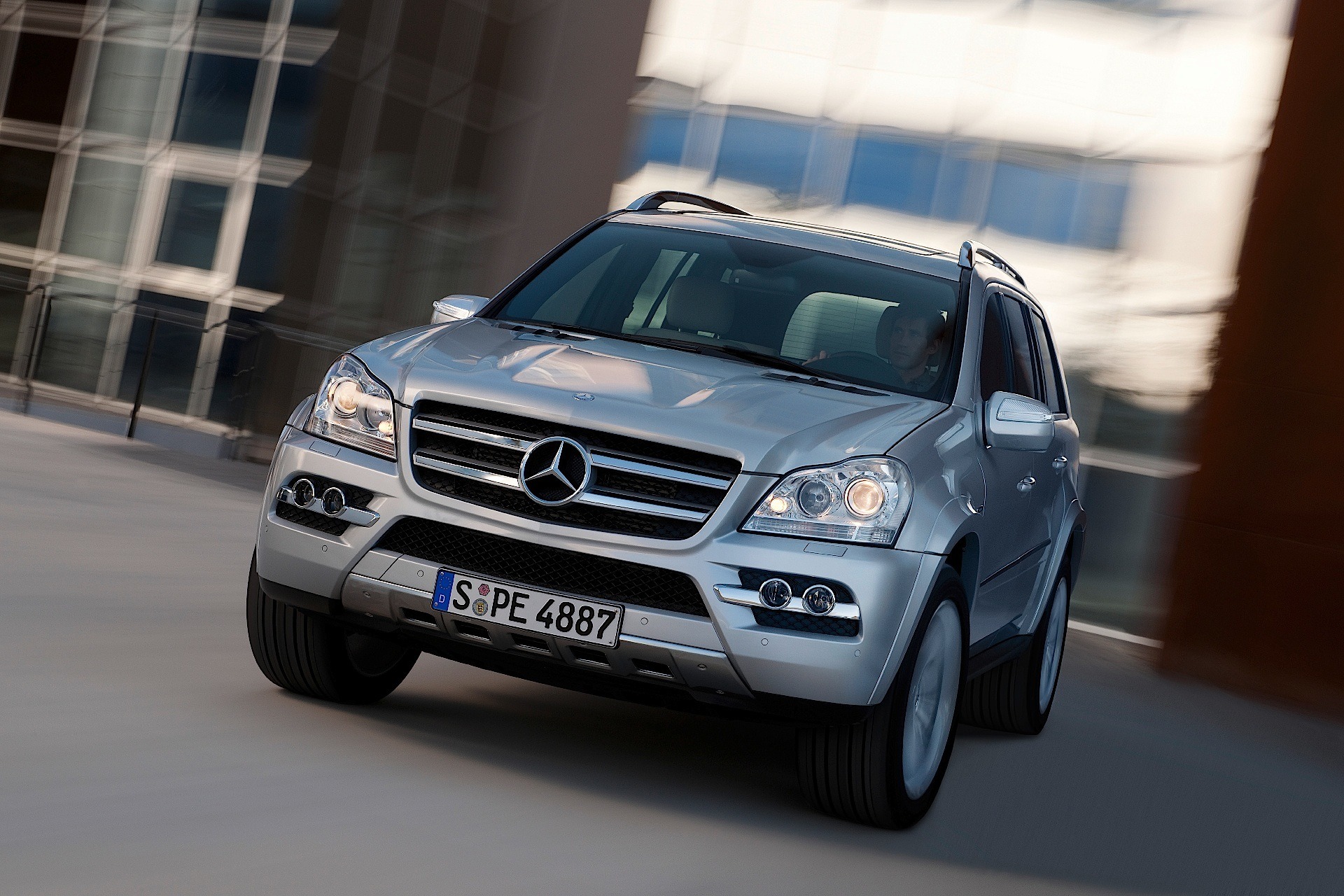
7. Mercedes-Benz GL-Class (X164 Generation)
The Mercedes-Benz GL-Class, sold as the GLS today, is a full-size luxury SUV that seats seven in supreme comfort. The X164 generation (2007–2012) in particular developed a reputation for expensive repairs that made long-term ownership a serious financial commitment.
The most catastrophic failure associated with this generation is the transfer case cracking or complete failure. The NVG (New Venture Gear) transfer case used in the GL450 and GL550 is known to develop cracks in its housing. When it fails, it can dump fluid onto the exhaust system, creating a fire risk. Transfer case replacement costs $6,000 to $10,000.
The air suspension on the GL-Class is complex and expensive to maintain. The front and rear air struts, compressor, and ride-height sensors all degrade over time. Replacing the full air suspension system can cost $5,000 to $9,000. Some owners have converted to coilover systems to avoid the recurring expense.
The 5.5L V8 biturbo engine used in the GL550 is powerful but demanding to maintain. Spark plugs, coil packs, and ignition components in this engine are difficult to access and expensive to replace. A routine tune-up on this engine can cost $1,500 to $3,000. When turbocharger failures occur, and they do, repair costs jump to $7,000 or more per turbo.
The 7-speed 7G-Tronic transmission can develop valve body issues and solenoid failures. Transmission service is critical and often skipped by previous owners. A transmission rebuild or replacement on the GL-Class runs $5,000 to $8,000.
AIRMATIC (air suspension) and ABC (Active Body Control) system failures are recurring expenses. The hydraulic pumps, accumulators, and control modules in the ABC system fail regularly on high-mileage vehicles. A full ABC system overhaul can cost $8,000 to $15,000 at a Mercedes dealership.
Buying a used GL-Class requires a comprehensive pre-purchase inspection and a significant maintenance reserve. Mechanics who specialize in German vehicles consistently warn that a GL-Class with deferred maintenance can require more repairs than its purchase price. The luxury experience comes with luxury-level bills.
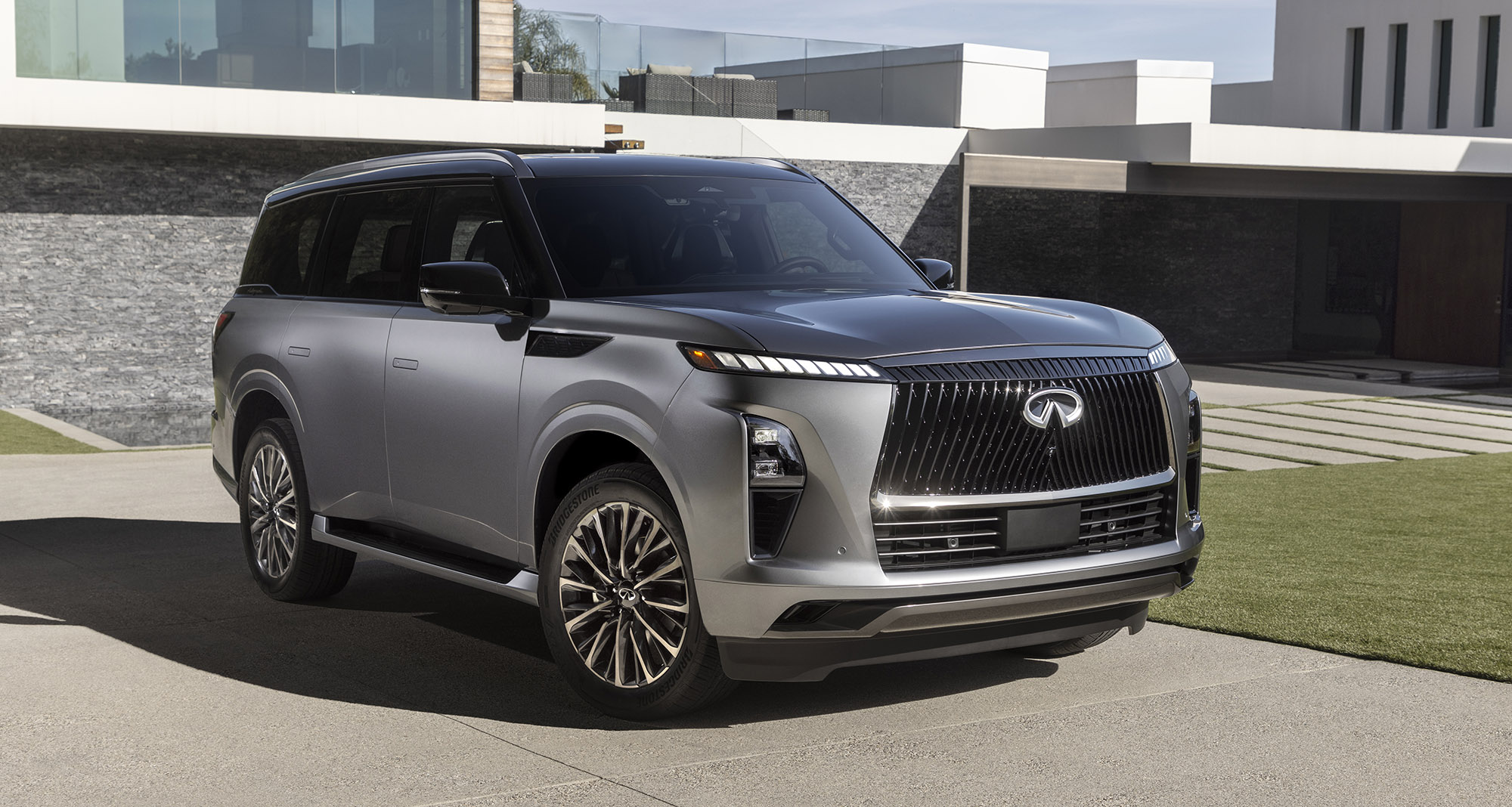
8. Infiniti QX80
The Infiniti QX80 is a full-size luxury SUV built on a platform shared with the Nissan Armada. It has powerful V8 performance, a plush interior, and genuine towing capability. But the QX80, particularly models from the 2014–2020 era, has developed a concerning reputation for one very specific and very expensive problem.
The most notorious issue affecting the QX80 is timing chain failure on the VK56VD 5.6L V8 engine. The secondary timing chains stretch prematurely, causing a rattling noise at startup.
If ignored, the chains can jump timing or snap entirely, resulting in catastrophic internal engine damage. A full timing chain replacement on the QX80 requires removing the engine from the vehicle, making it an extremely labor-intensive job. Total repair cost typically ranges from $8,000 to $14,000.
Infiniti acknowledged the timing chain problem and issued Technical Service Bulletins (TSBs) related to it. However, many owners found that their vehicles were just outside warranty coverage when the failure occurred. The cost burden fell entirely on the owner, creating significant customer frustration and legal action.
Beyond the timing chain, the QX80 suffers from differential and transfer case issues. The all-wheel-drive system can develop vibration and grinding noises related to differential wear. Replacing the rear differential can cost $3,000 to $5,000. Transfer case replacement adds another $3,000 to $4,500 to potential repair bills.
Fuel injector failures are also documented in higher-mileage QX80 engines. Fuel injection issues compound the timing chain problem when they occur simultaneously. Replacing the injectors on the VK56 engine costs $2,000 to $4,000 in parts and labor.
Brake system wear rates are high on the heavy QX80. The brake rotors and pads wear faster than on smaller vehicles due to the SUV’s significant curb weight. Annual brake service can cost $600 to $1,500, depending on whether rotors need replacement.
The QX80 is not a bad SUV by any measure. It provides a genuinely impressive luxury experience at a price below its European competitors. But the timing chain issue alone represents an $8,000 to $14,000 sword hanging over every owner’s head, one that can drop without much warning.
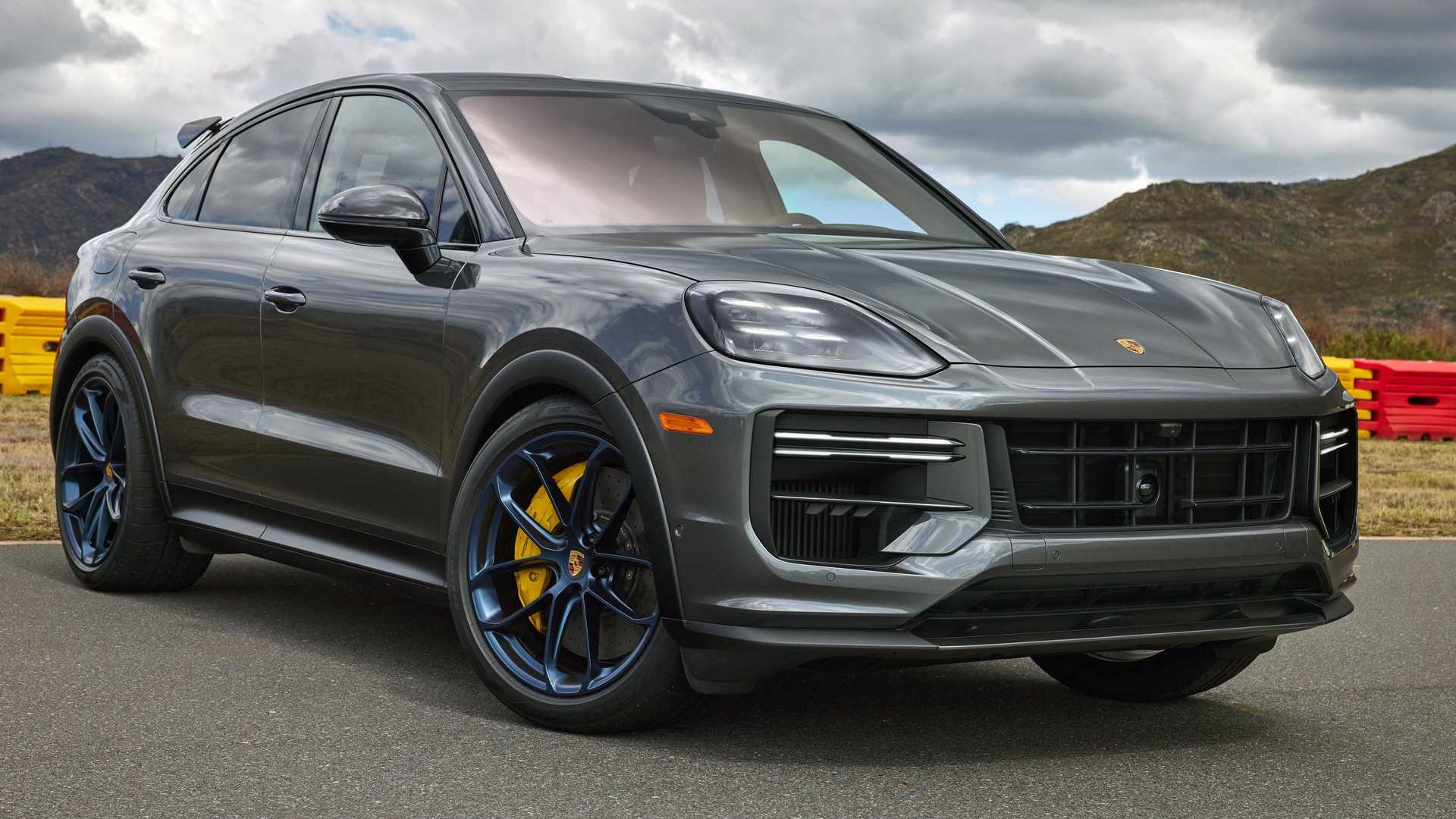
9. Porsche Cayenne (First Generation)
The first-generation Porsche Cayenne (2003–2010) was a revolutionary vehicle for the brand. It brought Porsche into the SUV segment and delivered genuine sports car performance in a practical package. But it also brought a set of mechanical problems that remain some of the most expensive in the SUV segment.
The single most feared failure on the first-gen Cayenne is the coolant pipe and coolant system failure. The coolant crossover pipe under the intake manifold, made of plastic, is prone to cracking with age.
When it cracks, coolant can enter the engine and cause hydrolocking or warped cylinder heads. The repair requires removing the intake manifold and costs $2,000 to $4,000 for the pipe job alone. If engine damage has occurred, total costs can reach $10,000 to $20,000.
The V8 engine variants in the Cayenne, particularly the 4.5L and 4.8L units, have documented issues with bore scoring on the cylinder walls. This is caused by low-quality or degraded engine oil and affects the sealing of piston rings against the cylinder walls. An engine rebuild to address bore scoring typically costs $12,000 to $20,000.
The intermediate shaft (IMS) bearing issue, more famous in Porsche’s Boxster and 911, also affected some Cayenne variants. When the IMS bearing fails, it can send metal debris through the engine oil, causing rapid internal wear. An IMS bearing replacement costs $2,500 to $4,000. Engine replacement after failure can cost $15,000 or more.
Transmission failures in the Cayenne are expensive due to the vehicle’s unique drivetrain setup. The Tiptronic S automatic transmission requires regular fluid changes. When neglected, the torque converter and valve body fail. Transmission rebuilds cost $5,000 to $9,000.
Air suspension problems are common on all Cayenne variants. The Porsche Active Suspension Management (PASM) system uses electronically controlled dampers that fail at higher mileages. Replacing all four adaptive dampers costs $4,000 to $7,000 at a Porsche dealership.
The first-gen Cayenne is now affordable on the used market some examples sell for under $10,000. But mechanics consistently warn that buying one cheaply is simply shifting the cost from the purchase price to the repair budget. A poorly maintained first-gen Cayenne can require more in repairs than the average buyer paid for it, making it one of the most deceptively expensive SUVs you can own.
Also Read: 9 Cars With Climate Systems That Underperform in Hot Climates
