
Buying a new car is one of the most significant financial decisions a person can make. Consumers expect to get strong performance, reliable power, and genuine value when spending their hard-earned money. Yet the automotive industry has a long history of selling vehicles with surprisingly underwhelming engines at prices that simply do not justify the lack of power under the hood.
Engine output is one of the most important factors in determining a vehicle’s value. A weak engine does not just affect acceleration. It impacts highway merging, towing capacity, fuel efficiency under load, and long-term mechanical reliability.
Some manufacturers prioritize styling, interior features, or brand prestige over delivering adequate powertrain performance. This leaves buyers feeling shortchanged once they experience the vehicle in real-world driving conditions. The gap between showroom promise and road reality can be enormous.
Price does not always guarantee performance. Certain vehicles command premium prices based on brand name, marketing, or luxury trimmings, while quietly offering engines that feel woefully inadequate for daily driving demands.
This article examines nine such vehicles. Each one carries a price tag that sets certain expectations. Each one fails to deliver the engine performance those expectations demand. Buyers deserve to know the truth before signing on the dotted line.
1. Jeep Wrangler (Base 3.6L Pentastar V6, Starting Around $35,000)
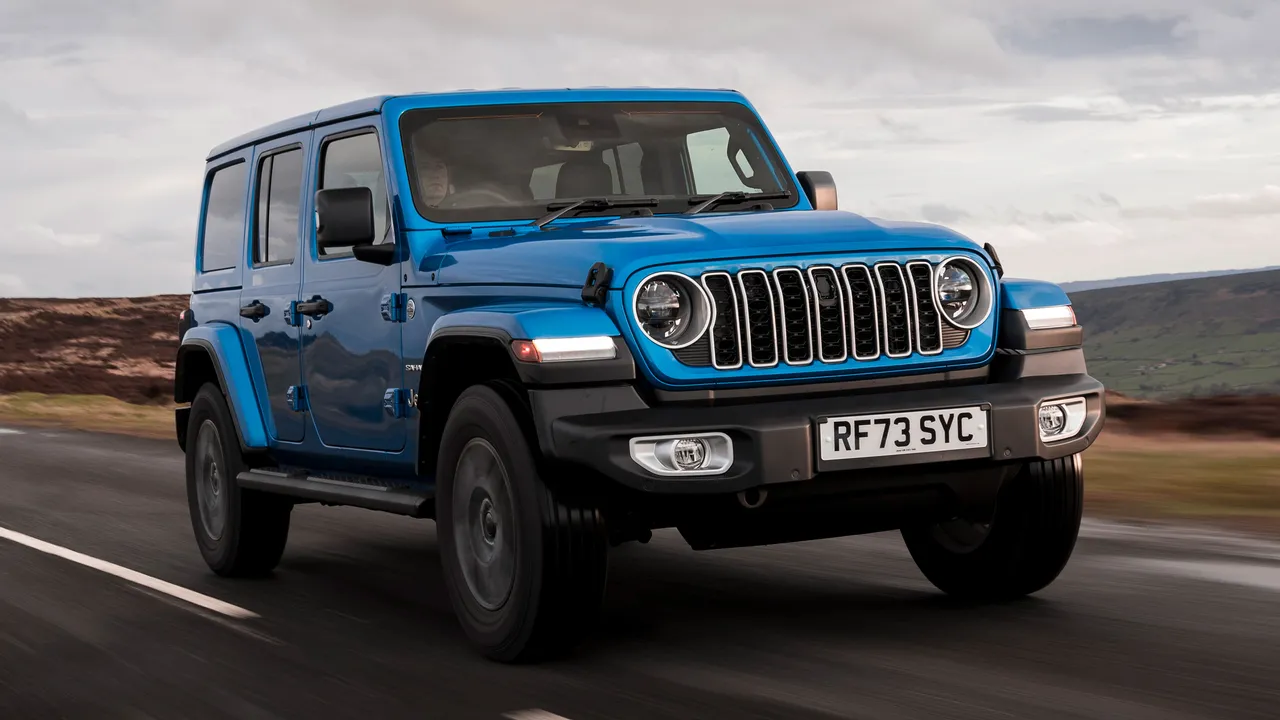
The Jeep Wrangler is one of the most iconic and recognizable vehicles on American roads. Its rugged boxy styling, open-air capability, and legendary off-road reputation have made it a cultural symbol for decades. People pay a significant premium simply to own the Wrangler badge. However, once buyers look beyond the image, the base engine tells a different story.
The standard 3.6-liter Pentastar V6 produces 285 horsepower and 260 lb-ft of torque. Those numbers sound acceptable on paper. But the Wrangler weighs nearly 4,500 pounds in its four-door Unlimited configuration, which means the engine is constantly working harder than it should.
The power-to-weight ratio of the base Wrangler is genuinely poor for its price bracket. Competing SUVs at similar price points offer turbocharged four-cylinder or V6 engines that deliver more usable torque at lower RPMs. The Wrangler’s naturally aspirated V6 feels strained during everyday highway driving situations.
Merging onto a busy freeway in a loaded Wrangler is a genuinely anxious experience. The engine revs high and responds slowly, leaving drivers searching for acceleration that simply does not arrive quickly enough. Passing maneuvers on two-lane roads require significant planning and patience.
Off-road performance complicates the picture even further. The Wrangler excels in technical terrain thanks to its solid axles, locking differentials, and impressive approach angles. But the engine’s low torque output means drivers must rely heavily on lower gear ratios to maintain momentum on steep climbs.
The 2.0-liter turbocharged four-cylinder option produces a similar horsepower figure but delivers noticeably better low-end torque. This suggests Jeep itself acknowledges the V6’s limitations. Yet many buyers default to the V6 without understanding the performance trade-offs involved.
Fuel economy from the V6 is also disappointing given its output. The EPA rates the base Wrangler Unlimited at around 17 mpg city and 22 mpg highway. That is mediocre performance for a vehicle that does not compensate with exceptional power delivery in return.
At a starting price exceeding $35,000, and with popular trims pushing well past $45,000, buyers expect more from the powertrain. The Wrangler charges a massive brand premium. Its loyal customer base continues to pay it without demanding better base engine performance.
Jeep introduced the 392 HEMI V8 as an option, which proves the platform can handle much greater power. That engine transforms the driving experience entirely. The fact that the base engine feels so inadequate only highlights how significant the gap between entry-level and top-tier Wrangler powertrains really is.
2. Volkswagen Tiguan (2.0T TSI, Starting Around $34,000)
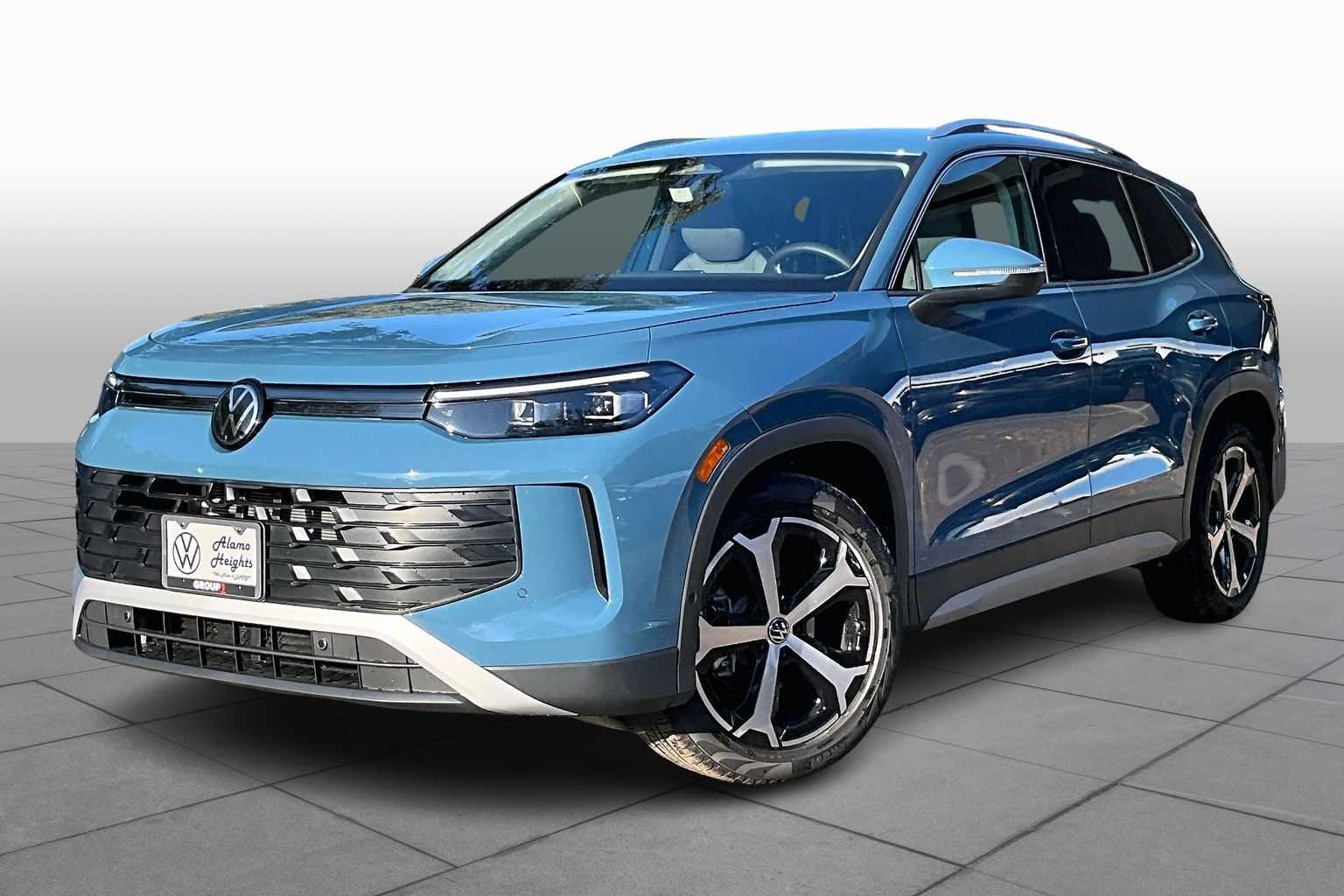
The Volkswagen Tiguan presents itself as a sophisticated European compact SUV. Its interior quality, available third-row seating, and refined styling justify a premium over many domestic competitors in buyers’ minds. Volkswagen has built a strong reputation around engineering quality and driving dynamics. The Tiguan, unfortunately, does not fully deliver on that powertrain promise.
The sole engine option is a 2.0-liter turbocharged four-cylinder producing just 184 horsepower and 221 lb-ft of torque. In a vehicle that weighs approximately 4,100 pounds, this output is genuinely underwhelming. The Tiguan’s engine is one of the weakest in its competitive segment relative to price.
Competitors like the Honda CR-V, Mazda CX-5, and Hyundai Tucson offer more horsepower and similar or better torque at lower starting prices. The Tiguan’s European badge adds cost but does not add power. Buyers are essentially paying a premium to drive a slower vehicle than the alternatives.
Acceleration from 0 to 60 mph takes approximately 8.5 seconds in standard testing. That figure would have been acceptable in the early 2000s. In today’s compact SUV segment, it places the Tiguan near the bottom of the performance rankings. Every day driving situations expose this deficit regularly.
Highway passing requires the transmission to downshift aggressively and the engine to rev considerably. Even then, the acceleration response is sluggish and lacks confidence. Drivers accustomed to more powerful SUVs will find the Tiguan’s behavior frustrating during real-world driving scenarios.
Towing capacity is limited to just 1,500 pounds with the base powertrain configuration. Many competitors in this price range offer towing capacities of 3,500 pounds or more. Buyers who need any meaningful towing ability will find the Tiguan entirely inadequate for that purpose.
Fuel economy does not offset the power deficit meaningfully. The Tiguan achieves around 23 mpg city and 30 mpg highway. Those numbers are decent but not class-leading. Rivals deliver comparable efficiency with noticeably more power, undermining the Tiguan’s value proposition further.
The eight-speed automatic transmission does its best to manage the engine’s limited output. It hunts for gears frequently in hilly terrain. The driving experience lacks the sporting character Volkswagen’s branding often implies and buyers expect at this price level.
The Tiguan’s third-row seating is a notable feature, but those seats are extremely cramped and impractical. Adding passengers back there further burdens the already-struggling powertrain. The combination of weak performance and limited practicality makes the Tiguan a difficult recommendation at its current asking price.
3. Chevrolet Trax (1.2T Turbo Three-Cylinder, Starting Around $21,000)
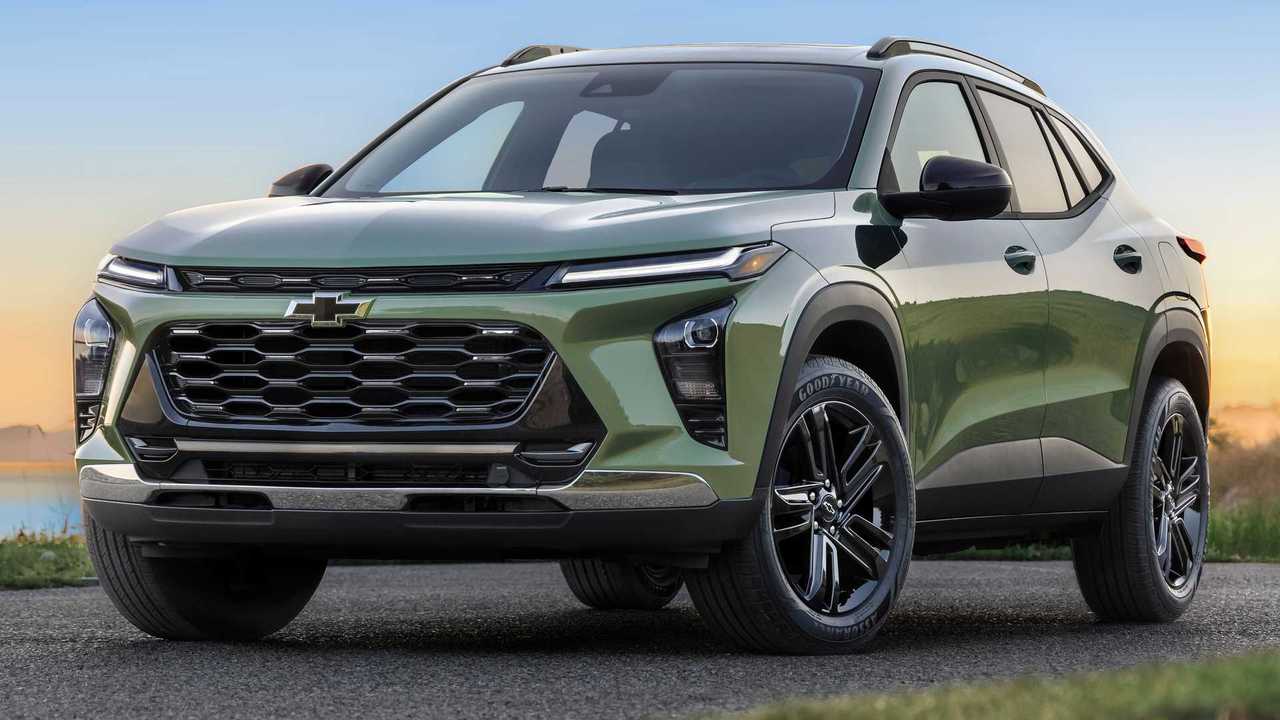
The Chevrolet Trax was completely redesigned for the 2024 model year. General Motors gave it a bold new exterior design, a dramatically improved interior, and a genuinely competitive starting price. On the surface, the new Trax represents tremendous value in the subcompact SUV segment. However, its engine is the critical weak point that undermines the package.
The Trax is powered by a 1.2-liter turbocharged three-cylinder engine producing 137 horsepower and 162 lb-ft of torque. That output might seem reasonable for a small urban runabout. But the Trax is marketed and priced as a capable compact crossover for families and daily commuters seeking versatility.
Three-cylinder engines have improved dramatically in recent years. Modern examples from BMW and Ford can be genuinely impressive. But the Trax’s 1.2-liter unit feels strained under anything other than light throttle input. The engine’s character does not inspire confidence during spirited or demanding driving.
Acceleration is adequate for city traffic but becomes problematic at highway speeds. Merging onto interstates or climbing grades with passengers aboard reveals the engine’s limitations clearly. The continuously variable transmission amplifies the sense of powerlessness by holding the engine at high, droning RPMs.
Noise, vibration, and harshness levels are higher than expected for a modern vehicle. The three-cylinder’s inherent imbalance creates noticeable vibrations at idle and under hard acceleration. Buyers who prioritize refinement will find this aspect of the Trax experience particularly irritating over long drives.
The Trax weighs around 2,900 pounds, which is relatively light for an SUV. Yet the engine still struggles to move it with any enthusiasm. Heavier loads, roof cargo, or trailer weight make the situation considerably worse. The vehicle has no towing rating, which further limits its utility.
Competitors at similar price points offer more power. The Hyundai Venue, Kia Soul, and Nissan Kicks all provide comparable or better performance with smoother powertrains. The Trax’s fresh styling initially distracts buyers from the engine’s inadequacy, but real-world driving quickly reveals the truth.
Despite its shortcomings, the Trax sells well because of its eye-catching design and affordable pricing. GM made a deliberate choice to prioritize style and cabin space over powertrain performance. That trade-off may suit urban drivers who never venture onto highways, but it represents a genuine compromise for everyone else.
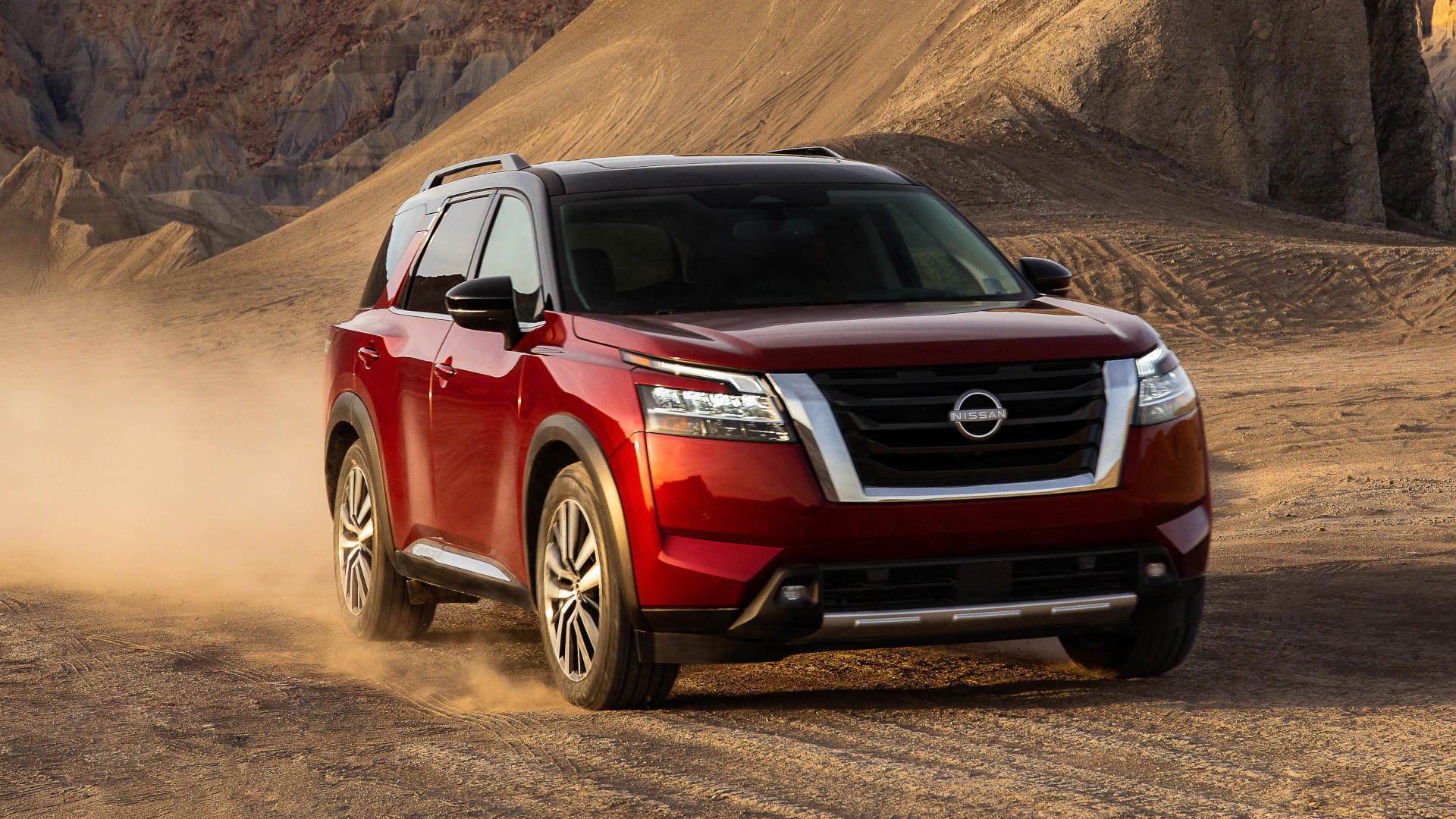
4. Nissan Pathfinder (3.5L V6, Starting Around $38,000)
The Nissan Pathfinder carries a name with decades of outdoor adventure heritage. It is positioned as a capable three-row family SUV designed to handle everything from school runs to camping trips. Its starting price of approximately $38,000 places it squarely in competitive mid-size SUV territory. The engine, however, tells a concerning story about priorities.
The Pathfinder is powered by a 3.5-liter naturally aspirated V6 producing 284 horsepower and 259 lb-ft of torque. Those figures appear reasonable until the vehicle’s curb weight of nearly 4,600 pounds enters the equation. Pushing that much mass with this engine creates a power-to-weight ratio that underperforms relative to price.
Turbocharged competitors like the Kia Telluride, Hyundai Palisade, and Ford Explorer offer more torque at lower RPMs. This translates to stronger real-world acceleration during everyday merging and passing situations. The Pathfinder’s naturally aspirated engine lacks the low-end grunt that modern family SUV drivers have come to expect.
Towing capacity stands at 6,000 pounds with the proper configuration. That number sounds competitive, but drivers towing near that limit will notice how hard the engine works. The V6 sounds strained and feels breathless when hauling significant loads on inclined roads or in hot weather conditions.
The nine-speed automatic transmission paired with this engine is a consistent source of frustration. It hesitates during initial acceleration from stops. It also hunts aggressively between gears in varied terrain. The combination makes the driving experience feel less composed than rivals in this competitive segment.
Fuel economy suffers as the engine works to move the Pathfinder’s considerable bulk. The EPA rates it at around 20 mpg city and 27 mpg highway in two-wheel-drive configuration. Those numbers are below the segment average. Turbocharged rivals often match or exceed these figures while delivering superior performance simultaneously.
The Pathfinder’s interior quality, seating for eight, and available features are genuinely competitive. Nissan has addressed many of the interior criticisms that plagued previous generations. But the powertrain remains the stubborn weak point that prevents the Pathfinder from being a complete recommendation.
Nissan has resisted adding a turbocharged engine option to the Pathfinder despite the segment trend. This decision prioritizes simplicity and reliability perception over outright performance. While naturally aspirated engines do have long-term reliability advantages, the performance deficit at this price level is simply too significant to overlook.
Also Read: How to Tell If a Used Car Was Repainted After a Crash
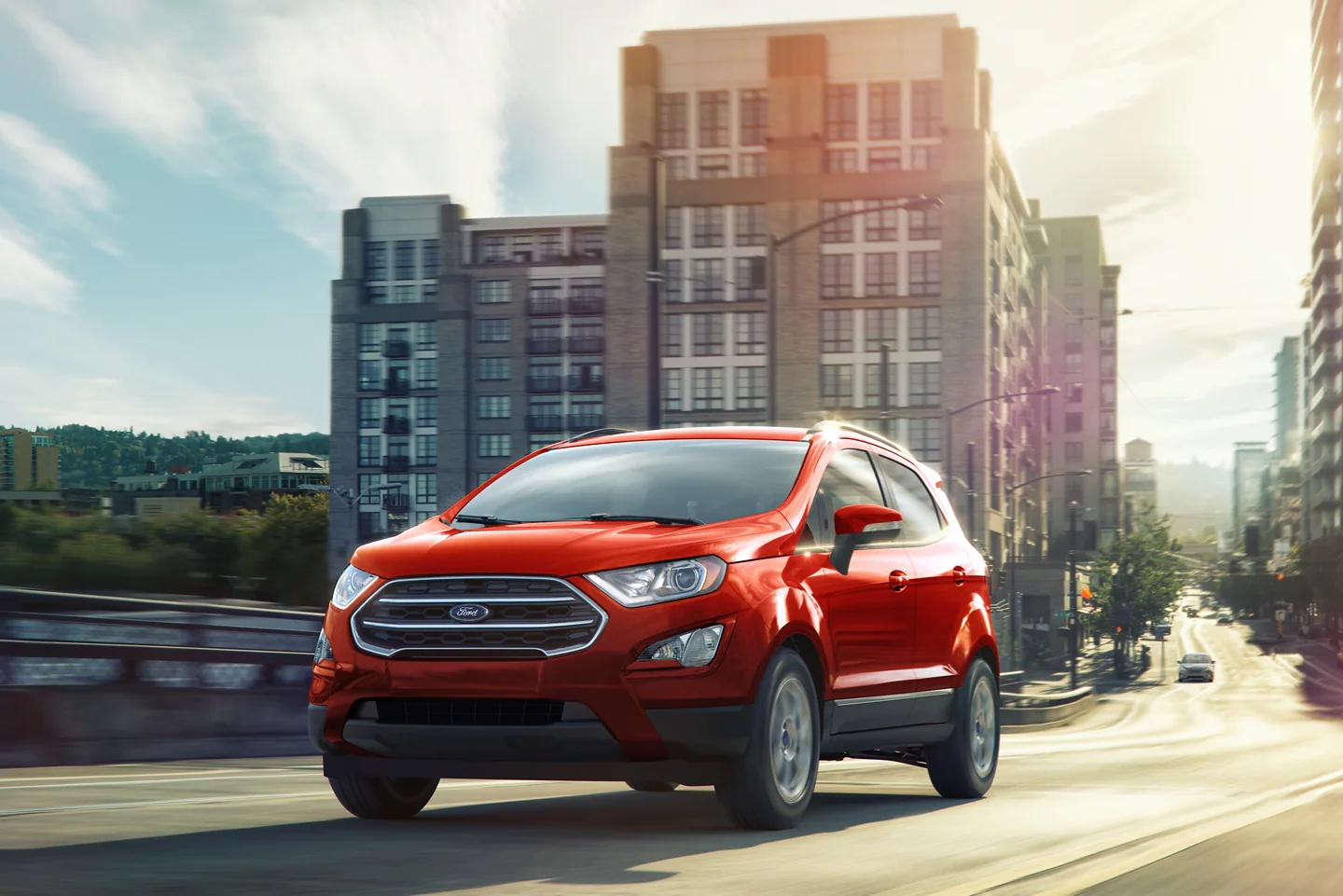
5. Ford EcoSport (1.0L EcoBoost Three-Cylinder, Starting Around $25,000)
The Ford EcoSport occupied a unique position in Ford’s lineup as an entry-level subcompact crossover. It targeted urban buyers seeking a small, maneuverable vehicle with crossover styling at an accessible price. Ford’s EcoBoost branding suggested the engine would deliver surprisingly strong performance in a small package. The reality was considerably more disappointing than the marketing implied.
The base EcoSport was equipped with Ford’s 1.0-liter three-cylinder EcoBoost engine, producing just 123 horsepower and 125 lb-ft of torque. Ford’s 1.0-liter engine has won awards in smaller, lighter European vehicles. But installed in the EcoSport for the American market, it struggled badly against the vehicle’s weight and expectations.
Acceleration was genuinely sluggish even by subcompact standards. Zero to sixty mph took over 11 seconds, which is exceptionally slow for any modern vehicle, regardless of size or price point. Drivers accustomed to even modestly powered vehicles found the EcoSport’s response to throttle inputs frustratingly slow.
Highway driving was particularly problematic with this powertrain. The engine was constantly working at or near maximum capacity during sustained freeway speeds. Passing other vehicles required dropping multiple gears and waiting for an extended period before meaningful acceleration arrived from the engine.
Wind noise and road noise combined with the engine’s labored sounds to create a fatiguing cabin environment at higher speeds. The three-cylinder’s acoustic character was not pleasant under sustained load conditions. Long-distance trips in the EcoSport became genuinely tiresome due to this combination of factors.
The 2.0-liter four-cylinder option offered significantly better performance and was the powertrain the EcoSport really needed as standard equipment. Ford made it an upgrade, however, meaning buyers had to pay more to get adequate power. The base pricing therefore, felt particularly misleading given the engine’s real-world limitations.
Cargo space was already compromised by the EcoSport’s small dimensions and awkward rear-opening tailgate design. Combining limited practicality with an underpowered engine created a vehicle that struggled to justify its existence in the American market. Sales figures reflected buyer dissatisfaction, and Ford eventually discontinued the EcoSport in the United States.
The EcoSport’s story serves as a cautionary tale about the importance of matching engine output to vehicle character and intended market. Ford’s excellent 1.0-liter engine deserved a better application. The EcoSport’s price, weight, and American market expectations demanded more displacement, more cylinders, and more performance.
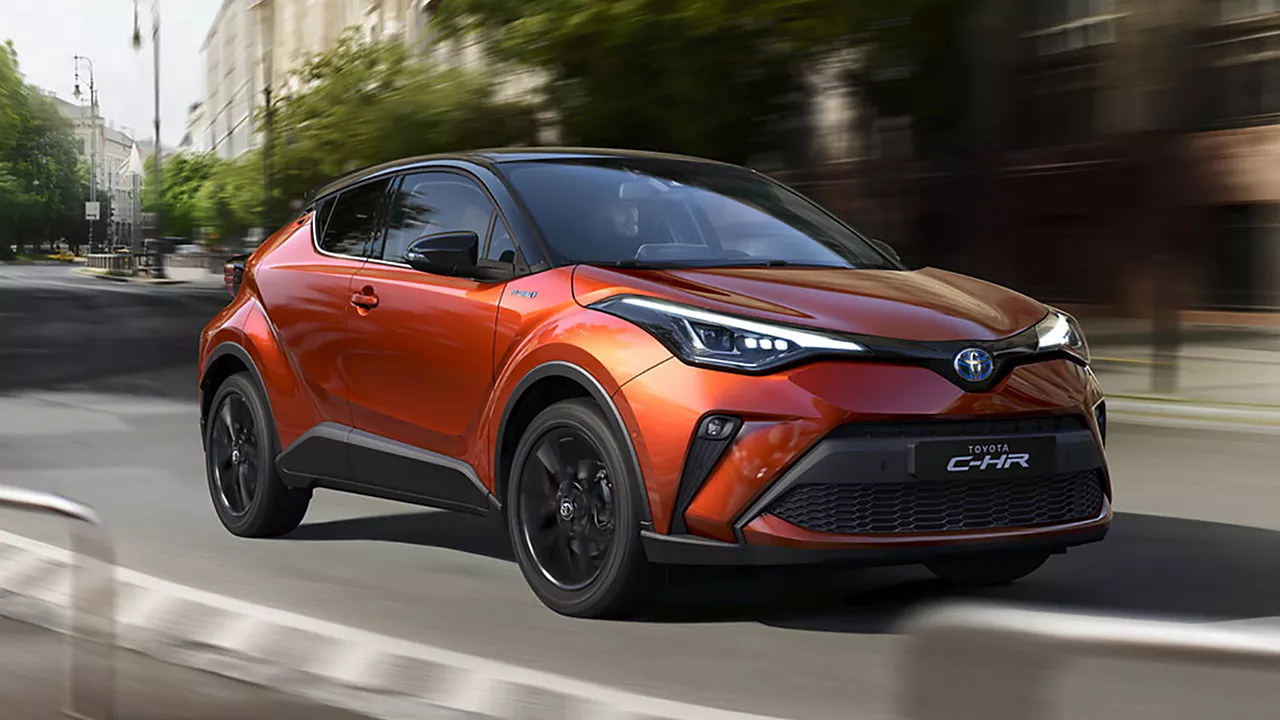
6. Toyota C-HR (2.0L Four-Cylinder, Starting Around $24,000)
The Toyota C-HR arrived in America with distinctive avant-garde styling that turned heads immediately. Its sharply sculpted exterior, dramatic roofline, and premium interior ambiance positioned it above typical subcompact crossover expectations. Toyota’s reliability reputation added further appeal for cautious buyers. The engine choice, however, represented a serious mismatch with the vehicle’s premium positioning.
The C-HR was equipped with a 2.0-liter naturally aspirated four-cylinder producing just 144 horsepower and 139 lb-ft of torque. For a vehicle weighing approximately 3,200 pounds and positioned stylistically above the competition, this output was thoroughly inadequate. The engine felt like it belonged in a much cheaper and simpler vehicle than the C-HR pretended to be.
Toyota deliberately offered no turbocharged engine option and no hybrid powertrain in the American market C-HR. This decision left buyers with a single underwhelming powertrain choice regardless of how much they were willing to spend. That lack of engine variety was a significant strategic mistake in a competitive segment driven by performance.
Acceleration was genuinely poor even by the standards of its class. The C-HR took approximately 9.5 to 10 seconds to reach 60 mph from rest. That placed it at or near the bottom of its segment for acceleration performance. Buyers attracted by the dramatic styling were often shocked by the mundane powertrain lurking beneath the hood.
Toyota’s CVT transmission paired poorly with the naturally aspirated engine’s narrow power band. The combination created a droning, unresponsive driving experience that felt completely at odds with the sporty visual identity of the vehicle. Style-conscious buyers who expected engaging performance were consistently disappointed by this fundamental mismatch.
The C-HR offered no all-wheel-drive option in the American market. Combined with the weak engine and CVT transmission, this limited the vehicle’s appeal to a very narrow band of buyers. Urban commuters seeking style over substance were essentially the only audience the powertrain could genuinely satisfy.
Toyota discontinued the C-HR in the United States after the 2022 model year. Weak sales driven partly by the powertrain’s inadequacy contributed to that decision. The model continued in global markets with hybrid powertrain options, confirming that Toyota knew a better engine was available and simply chose not to offer it to American buyers.
The C-HR’s story highlights a manufacturer prioritizing styling investment over powertrain development for a specific market. American buyers received a watered-down version of a vehicle that performed considerably better elsewhere. The price asked did not reflect the compromised nature of the American-market specification.
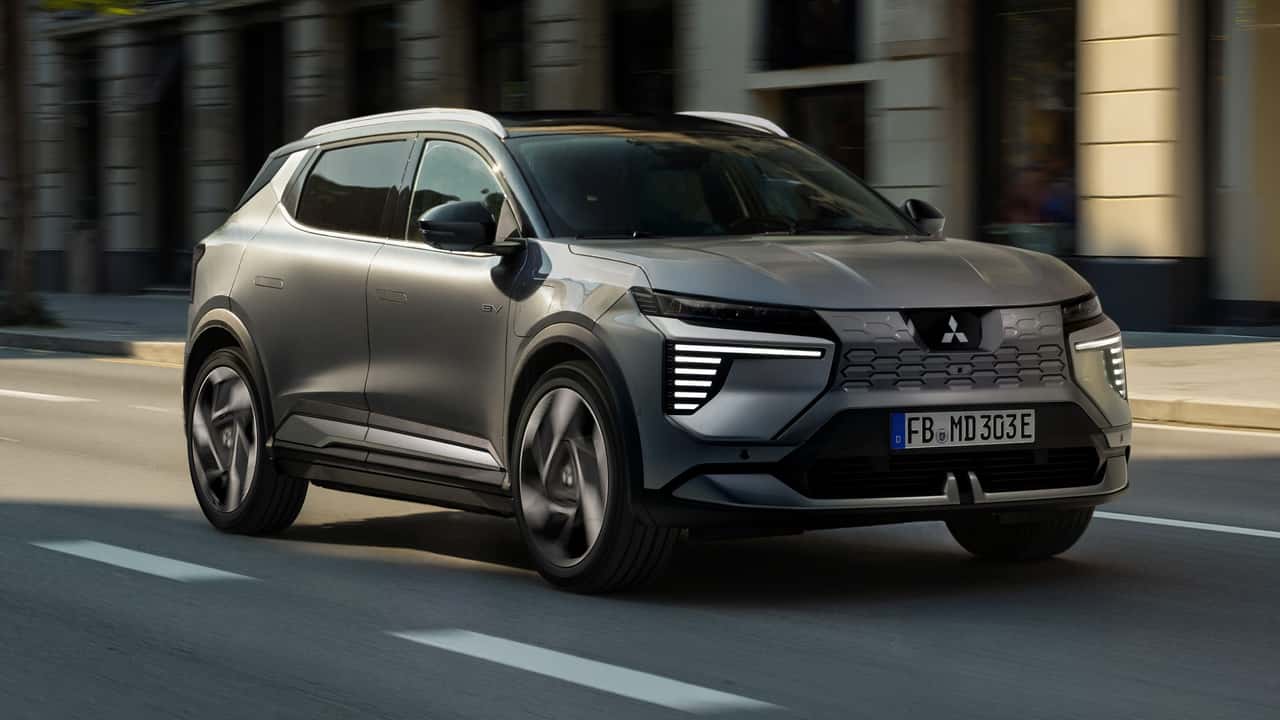
7. Mitsubishi Eclipse Cross (1.5T Turbo, Starting Around $27,000)
The Mitsubishi Eclipse Cross revived a legendary nameplate from Mitsubishi’s sporty heritage. The original Eclipse was a performance-oriented coupe that built genuine enthusiasm among driving enthusiasts in the 1990s. Buyers drawn by that storied name expected at least a hint of performance character from the modern crossover carrying it forward. What they found instead was profoundly disappointing.
The Eclipse Cross uses a 1.5-liter turbocharged four-cylinder engine producing 152 horsepower and 184 lb-ft of torque. Those figures might be acceptable in a smaller, lighter vehicle. But the Eclipse Cross weighs nearly 3,600 pounds and competes directly against crossovers offering significantly more power at comparable price points in the market.
The turbocharger offers little real-world benefit in everyday driving conditions. Turbo lag is noticeable during initial acceleration, creating a hesitation that undermines confidence in busy traffic. Once boost arrives, the power delivery is adequate but never exciting or particularly impressive for a vehicle carrying a sports-heritage badge.
The CVT transmission compounds the powertrain’s shortcomings significantly. Mitsubishi’s CVT is not among the better examples of the technology in the current market. It creates a disconnect between throttle input and vehicle response that feels particularly frustrating during acceleration events requiring quick, decisive power delivery.
All-wheel-drive is available and genuinely useful in poor weather conditions. Mitsubishi has decades of AWD experience from its rally heritage, and the system works well. However, AWD adds weight that further burdens the already-stretched engine. The combination creates a vehicle that struggles to feel composed during performance-oriented driving scenarios.
Fuel economy does not compensate for the performance deficit. The Eclipse Cross achieves approximately 25 mpg city and 28 mpg highway with AWD. Those figures are unremarkable and fail to justify accepting reduced power output. Turbocharged rivals achieve better efficiency numbers with considerably more power available.
Interior quality represents another area where the Eclipse Cross struggles to justify its price. Materials feel dated compared to Korean and Japanese competitors at similar price points. The infotainment system is behind current industry standards. A weak engine combined with a subpar interior creates a difficult value proposition.
Mitsubishi has struggled financially for years, limiting investment in new powertrain technology. The Eclipse Cross carries an iconic name but lacks the resources behind it to deliver a product worthy of that heritage. Buyers paying $27,000 or more deserve better engine options than what Mitsubishi currently offers in this vehicle.
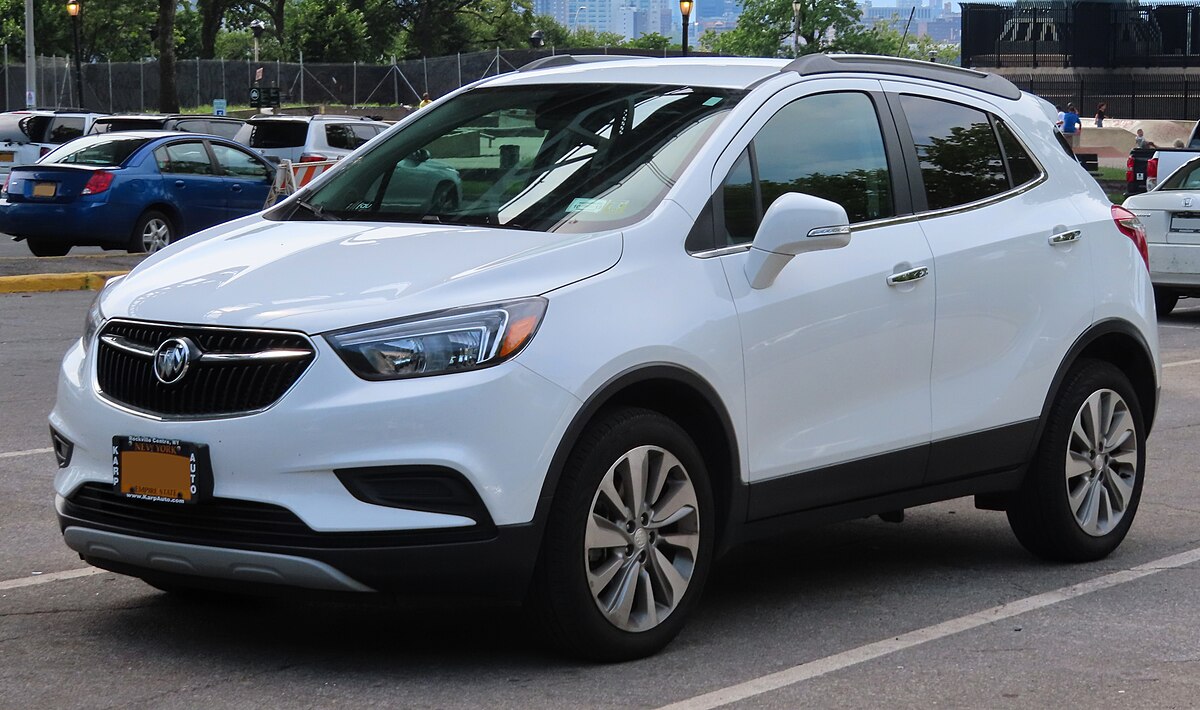
8. Buick Encore (1.4T Turbo, Starting Around $28,000)
The Buick Encore positioned itself as an accessible entry point into American luxury motoring. Its refined interior, premium badge, and upscale features attracted buyers who wanted near-luxury appointments without full luxury pricing. Buick successfully cultivated an image of understated sophistication with the Encore over multiple model generations. But the engine hidden under its elegant hood told a very different story.
The original Encore was powered by a 1.4-liter turbocharged four-cylinder producing just 138 horsepower and 148 lb-ft of torque in base trim. A slightly more powerful 155-horsepower version was available as an upgrade. Neither figure was adequate for a vehicle weighing over 3,000 pounds and wearing a luxury price tag of nearly $30,000.
For context, non-luxury subcompact crossovers at significantly lower price points matched or exceeded the Encore’s power output. The Honda HR-V, Mazda CX-3, and Hyundai Kona all offered competitive power without the luxury premium. Buick buyers were essentially paying extra for interior polish while receiving inferior engine performance.
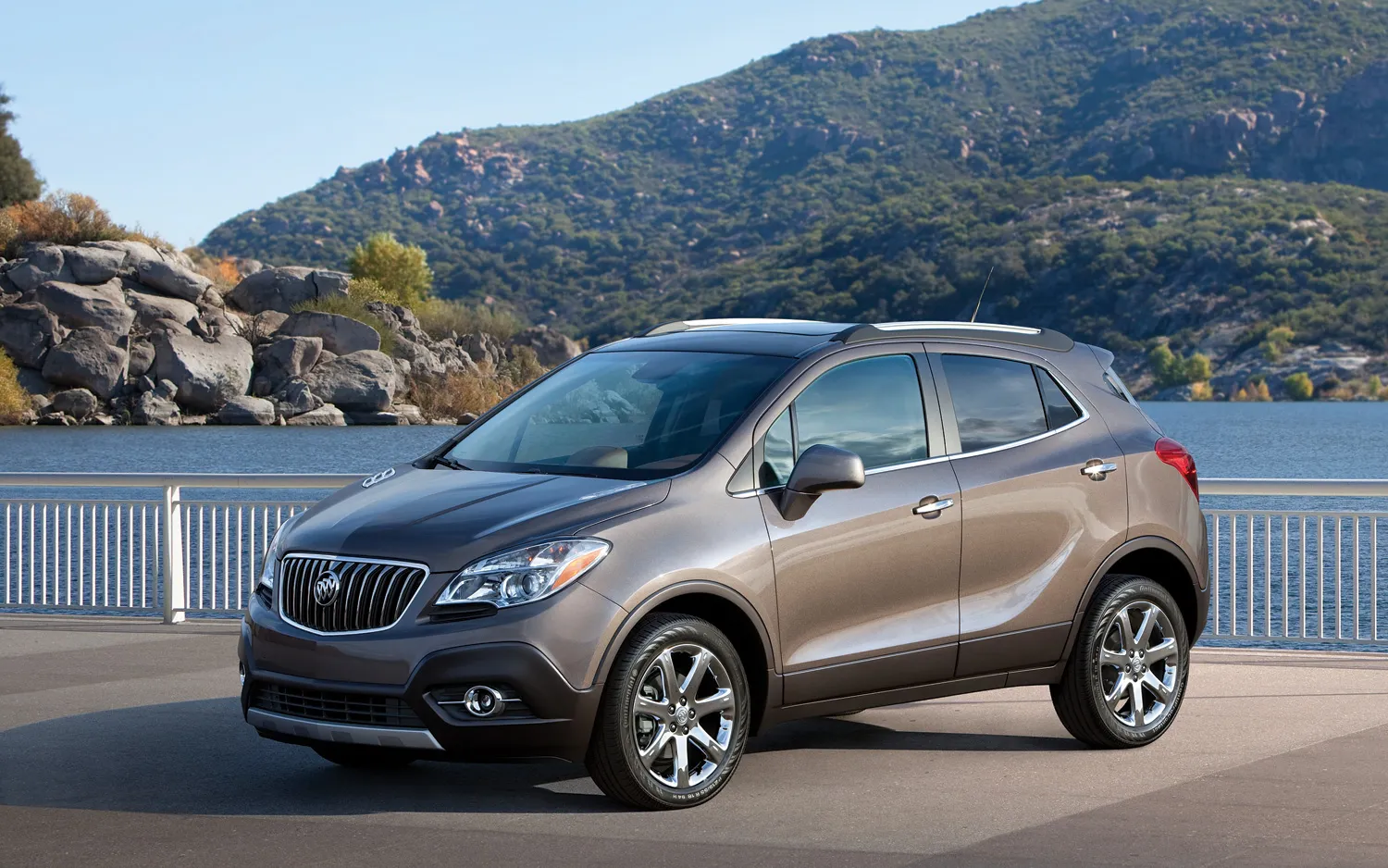
Acceleration was one of the Encore’s most significant weaknesses. The vehicle struggled to reach 60 mph in under 10 seconds under most real-world conditions. That figure was embarrassing for a premium-branded product regardless of segment size. Luxury buyers expect a minimum standard of performance competence that the Encore simply did not meet.
Highway performance was consistently inadequate for modern driving demands. Passing trucks or maintaining speed on mountain grades required the small turbo engine to strain noticeably. The sound it produced under hard acceleration was not the refined, cultured note buyers associated with the Buick brand’s premium positioning.
Buick eventually introduced the Encore GX as a larger, better-equipped sibling with improved powertrain options. The original Encore continued alongside it, essentially acknowledging its own inadequacy. The existence of the GX with a more capable engine made the base Encore’s powertrain situation appear even more dated and unacceptable.
Long-term reliability of the 1.4-liter turbocharged engine raised concerns among owners. Timing chain issues and oil consumption problems were reported more frequently than acceptable for a vehicle positioned as a refined luxury purchase. Reliability concerns combined with performance inadequacy created a troubling ownership proposition for buyers.
The Encore sold reasonably well, primarily because of its compact dimensions and Buick’s marketing effectiveness. Buyers valued the ease of parking and urban maneuverability. But the premium price combined with an underpowered, occasionally problematic engine made the Encore one of the clearest examples of badge premium defeating powertrain value in recent automotive history.
9. Ram 1500 Classic (3.6L Pentastar V6, Starting Around $37,000)
The Ram 1500 Classic represents one of the most blatant examples of a weak engine being sold at a price point that demands significantly more. Full-size pickup trucks are working tools for many buyers. They purchase these vehicles to tow boats, haul materials, and handle demanding jobs that require genuine powertrain capability and reserve power. The Ram 1500 Classic’s base V6 fails that test convincingly.
The 3.6-liter Pentastar V6 produces 305 horsepower and 269 lb-ft of torque in the Ram 1500 Classic. Those numbers appear reasonable in isolation. But in a truck weighing between 4,500 and 5,000 pounds, depending on configuration, this output is genuinely insufficient for anything beyond light-duty hauling and empty-bed commuting duties.
Towing capacity with the base V6 is rated at approximately 7,730 pounds. That figure sounds adequate on paper. But actually towing near that limit reveals how hard the engine works and how much composure the truck loses. V8-equipped competitors at similar price points tow more confidently with greater reserve power throughout the rpm range.
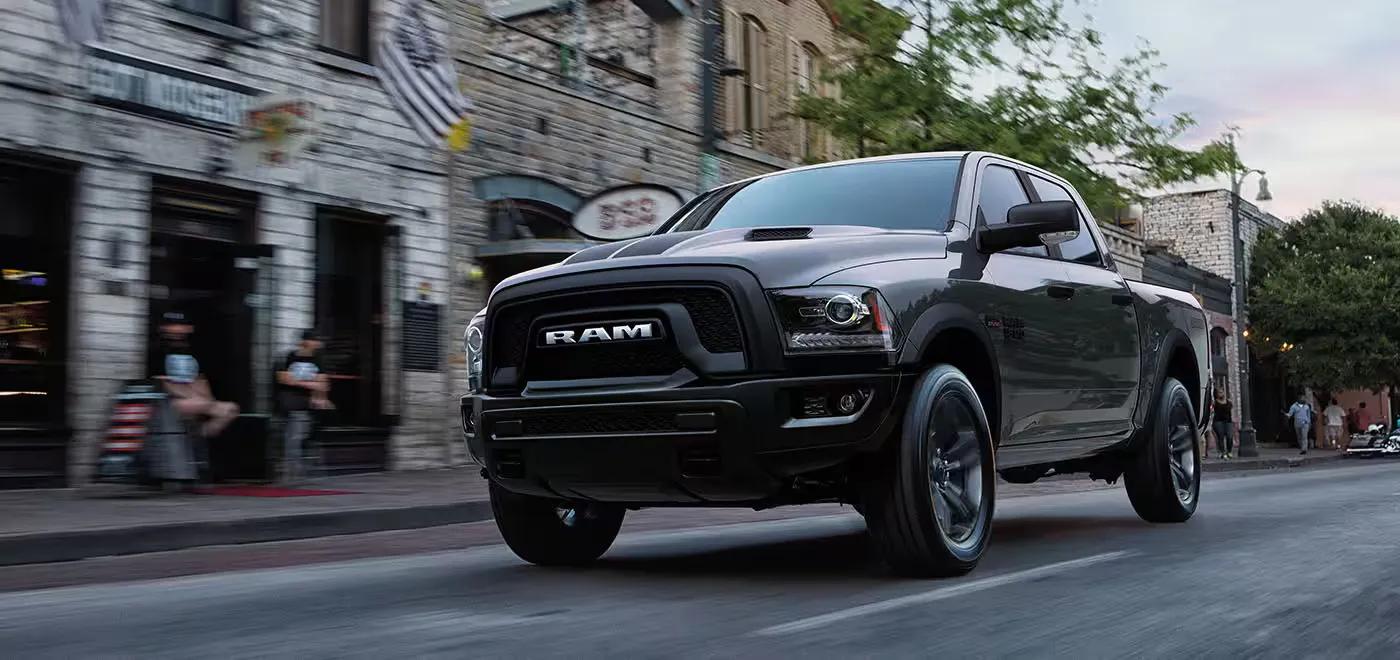
The eight-speed automatic transmission does help manage the V6’s limited output effectively. But no transmission can create power that the engine simply does not have available. Under maximum tow load on highway grades, the Ram Classic V6 sounds and feels like a stressed powertrain operating beyond its comfortable limits regularly.
Fuel economy is another area where the V6 fails to deliver value. The EPA rates the Ram Classic V6 at approximately 17 mpg city and 23 mpg highway. Those figures are nearly identical to V8-powered competitors in similar configurations. The efficiency benefit of choosing six cylinders over eight is essentially nonexistent in the real world.
The Ram 1500 Classic is essentially the previous-generation Ram truck kept in production alongside the newer Ram 1500. Ram offers it at a lower entry price to capture budget-conscious truck buyers. But that lower price still exceeds $37,000, which is an enormous sum for any vehicle with such a compromised powertrain offering.
EcoDiesel and HEMI V8 options transform the Ram 1500 platform into a genuinely capable truck. These engines deliver the torque and towing confidence that full-size truck buyers rightfully expect and deserve. The base V6’s inadequacy is thrown into even sharper relief when compared to what the same platform can accomplish with better powertrains.
Truck buyers are often brand loyal to an extreme degree. Many Ram buyers choose the Classic specifically because of its aggressive Ram styling and reputation. But loyalty should not excuse settling for an engine that is fundamentally inadequate for the category in which the vehicle competes and the price at which it is sold.
Also Read: 10 Cars With the Strongest Stock Engines Sold Today
