
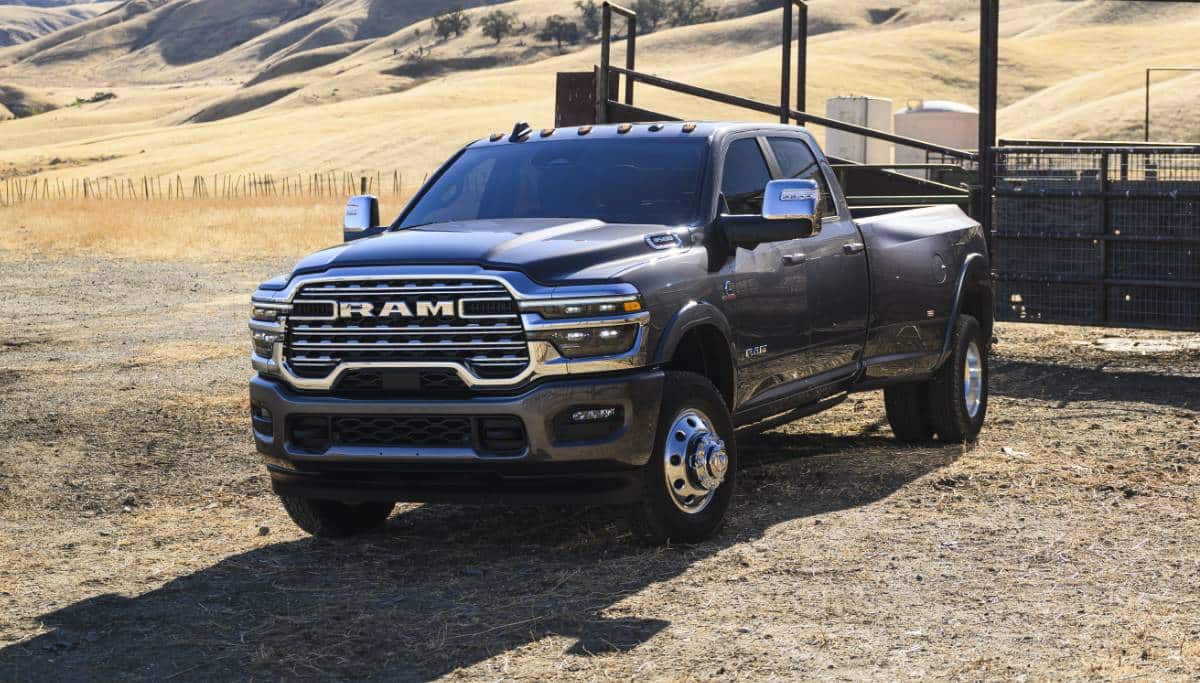
Many truck buyers assume a V8 engine will last hundreds of thousands of miles with only routine maintenance, especially when the badge on the hood carries a reputation for power and durability.
The Hemi V8 built that image for years. It delivered strong towing capability, effortless highway acceleration, and the kind of deep exhaust sound truck owners loved.
Yet behind the popularity of the 5.7-liter Hemi sits one mechanical issue that has become painfully familiar to mechanics and owners alike. Lifter failure can turn what begins as a faint ticking noise into a repair bill approaching $7,000 once camshaft damage spreads through the engine.
The problem usually starts quietly. Some owners first notice a soft tapping during cold starts. Others report rough idling, misfires, or sudden drops in power while towing.
By the time the issue becomes impossible to ignore, metal-on-metal wear inside the valvetrain may already be severe.
When a failed lifter destroys the camshaft lobes, the repair often requires major labor because so much of the engine must be disassembled to reach the damaged components. In certain cases, dealerships recommend complete engine replacement instead of rebuilding the upper valvetrain.
What makes the situation especially frustrating is that many of these trucks were marketed as long-lasting workhorses. Owners purchased them expecting reliability during heavy hauling, construction work, or daily commuting.
Instead, some discovered expensive mechanical trouble before reaching mileage figures commonly associated with major engine failures.
Not every Hemi truck develops the issue, and some run perfectly for years. Still, enough cases have surfaced that buyers now research lifter failure before purchasing used Ram trucks or Hemi-powered commercial models.
The following trucks have become particularly associated with repair bills that can quickly spiral once lifter damage appears under the valve covers.
Also Read: 10 Cars That Are Still Being Driven After Two Decades
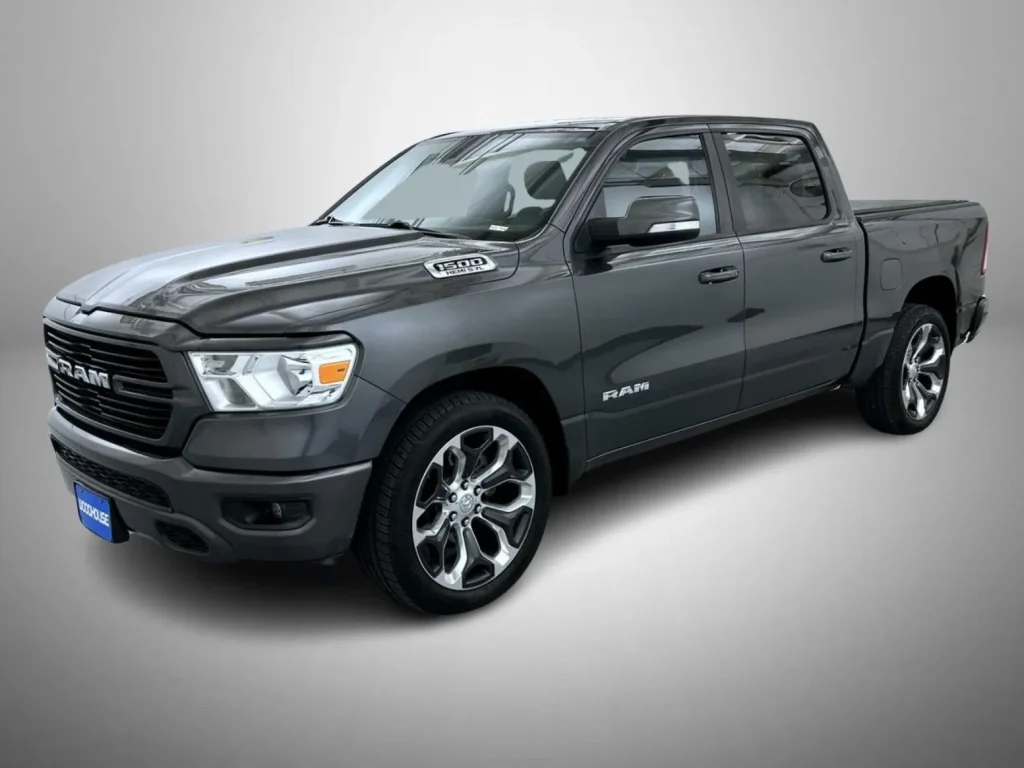
1. Ram 1500 Big Horn
The Ram 1500 Big Horn became one of the most common trucks associated with Hemi lifter complaints because it landed directly in the sweet spot of mainstream truck ownership.
Contractors bought them for job sites, families used them as daily transportation, and long-distance drivers piled on highway mileage rapidly. That wide ownership base meant huge numbers of 5.7-liter Hemi engines accumulated miles under every kind of driving condition imaginable.
One reason repair costs rise so dramatically on this truck involves how the failure spreads internally. A sticking lifter does not simply create a small, isolated issue. Once the roller bearing inside the lifter stops functioning correctly, the camshaft lobe begins wearing down aggressively.
Metal particles can circulate through the oiling system, and what initially sounds like a harmless tick can evolve into a major teardown requiring camshaft replacement, lifters, gaskets, bolts, seals, and extensive labor.
Owners frequently describe the problem appearing without much warning. Some trucks idle normally one week and suddenly develop loud ticking noises the next. Others throw misfire codes while still driving relatively smoothly.
That inconsistency often delays diagnosis because many drivers assume the sound is an exhaust manifold leak rather than internal valvetrain damage. Labor expenses also contribute heavily to the frightening repair estimate.
Mechanics must remove major engine components to access the failed parts. Of our four-wheel drive models, tighter engine bay packaging increases labor time even further.
Shops familiar with Hemis sometimes recommend replacing every lifter during repair rather than only the failed one because another weak lifter could fail later and repeat the entire disaster.
The Big Horn trim was extremely popular in fleet use as well. Trucks subjected to constant idling, stop-and-go traffic, or irregular oil-change intervals sometimes experienced accelerated wear.
Once the engine begins eating into the camshaft surface, owners often face repair quotes high enough to make trading in the truck seem like the smarter financial move.
2. Ram 1500 Laramie
Luxury and power came together in the Ram 1500 Laramie, which attracted buyers wanting premium comfort without giving up V8 performance.
Heated leather seats, advanced infotainment systems, and upscale cabin materials made the truck feel far more expensive than earlier Rams. Unfortunately, the refinement inside the cabin also made mechanical ticking noises easier to notice once lifter problems developed.
Many Laramie owners describe hearing faint valvetrain noise during quiet morning startups. Since the cabin insulation reduced outside sound, drivers often detected subtle engine irregularities sooner than owners of lower trims.
In several cases, technicians initially dismissed the ticking as normal Hemi behavior because these engines were never completely silent to begin with. That uncertainty sometimes allowed wear to continue until the camshaft suffered permanent scoring.
Repair costs balloon rapidly because dealerships frequently recommend a complete upper-engine refresh instead of replacing isolated damaged parts.
The repair may involve new lifters, camshaft assemblies, timing components, gaskets, head bolts, spark plugs, and fresh fluids. Once labor is added, the bill climbs into territory many owners never expected from a relatively modern truck.
The Laramie also became popular among towing enthusiasts. Boats, campers, enclosed trailers, and work equipment placed substantial stress on engines already dealing with heavy truck weight.
Long uphill pulls under load created high temperatures that some mechanics believe contributed to lubrication challenges around the valvetrain. Whether towing directly causes lifter failure remains debated, but heavily used trucks certainly appear often in repair discussions.
Another frustration for owners involves resale value. Trucks with noticeable Hemi ticking immediately raise suspicion among used car buyers.
Even if the noise has not yet caused catastrophic damage, shoppers familiar with the problem often negotiate aggressively or walk away entirely. That reality leaves some owners trapped between paying thousands for repairs or accepting a major loss during trade-in.
Despite the issue, many drivers still love the Laramie because the truck offers excellent ride quality and strong torque delivery. Yet once the lifter problem emerges, the premium ownership experience quickly changes into a stressful mechanical gamble centered around a very expensive repair estimate.
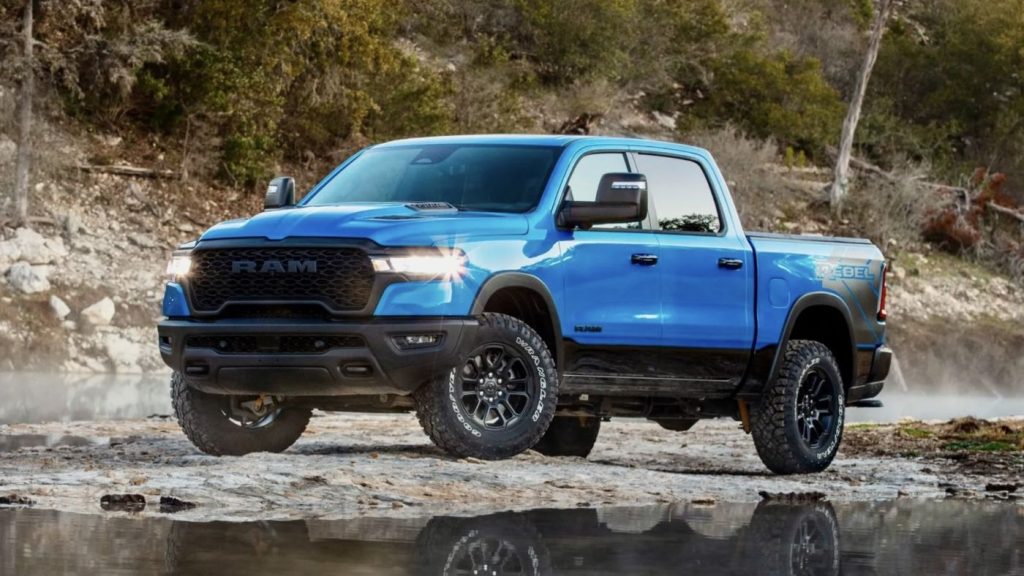
3. Ram 1500 Rebel
The Ram 1500 Rebel appealed to drivers who wanted aggressive styling and genuine off-road capability without stepping into the heavy-duty truck category. Lifted suspension components, larger tires, skid plates, and bold exterior details helped it stand apart from ordinary half-ton pickups.
Underneath that rugged image sat the familiar 5.7-liter Hemi, and for some owners, the engine eventually became the truck’s biggest weakness.
Unlike luxury-focused trims, Rebel owners often subjected their trucks to rough terrain, muddy trails, steep climbs, and long stretches of dusty driving conditions. That harder usage pattern sometimes amplified concerns surrounding engine wear.
Off-road enthusiasts frequently allow trucks to idle during camping trips, trail staging, or recovery situations, and prolonged idle time has repeatedly surfaced in discussions about Hemi lifter problems.
Many rebel owners first noticed something unusual during low-speed driving with the windows down. A metallic ticking echoing off the walls or parked vehicles became impossible to ignore.
At first, some assumed the sound came from aftermarket exhaust systems or all-terrain tire noise reflecting around the truck. Once mechanics inspected the engine more carefully, damaged lifters and worn cam lobes occasionally appeared underneath the valve covers.
What turns the repair into a financial shock is how quickly the parts list grows. One failed component rarely stays isolated. A proper fix can involve lifters, pushrods, camshaft replacement, timing hardware, oil pump inspection, fresh seals, and extensive labor hours.
Certain repair shops also recommend replacing the MDS components while the engine is apart to reduce the chance of future complications.
Because the Rebel carries a higher resale value than standard Ram trims, owners sometimes hesitate before selling a truck with developing engine noise. Unfortunately, experienced buyers familiar with Hemis recognize the ticking almost immediately.
Some owners attempt temporary solutions with oil additives or viscosity changes, but once physical wear begins inside the valvetrain, those measures rarely stop the progression permanently.
The irony surrounding the rebel is hard to ignore. Buyers chose it expecting durability in harsh conditions, yet a hidden engine weakness sometimes transformed an adventurous off-road truck into a vehicle sitting in a repair bay waiting for thousands of dollars in engine work.
4. Ram 2500 Tradesman
The Ram 2500 Tradesman was never built to be flashy. It existed for job sites, hauling equipment, towing heavy trailers, and surviving years of commercial punishment.
Construction companies, utility fleets, landscapers, and independent contractors bought these trucks because they needed dependable torque and a cabin durable enough to tolerate constant abuse. For many owners, the Hemi lifter issue felt especially frustrating because the truck’s purpose centered entirely around reliability.
Heavy-duty usage changes the ownership experience completely compared with a lightly driven personal pickup. Tradesman models often spend entire days running between worksites, idling during equipment loading, or towing massive payloads through city traffic.
That constant workload creates severe heat cycles and extended engine operating hours, even if the odometer itself does not appear extremely high.
When a lift failure strikes in a work truck, the consequences extend beyond the repair invoice. Downtime costs money. A contractor losing access to a truck for several weeks may miss jobs, delay deliveries, or rent replacement vehicles while waiting for repairs. Suddenly, the $7,000 engine bill becomes only part of the financial damage.
Drivers frequently describe the first warning signs as subtle power loss under acceleration. Some trucks develop rough-idle behavior before any loud ticking becomes obvious. Others begin triggering check engine lights tied to cylinder misfires.
Because commercial owners often prioritize keeping vehicles operational, many continue driving while scheduling repairs later. Unfortunately, continued use after lifter damage begins can destroy the camshaft rapidly.
Repair shops familiar with heavy-duty rams sometimes encounter additional complications during teardown. Trucks exposed to road salt, construction debris, or years of hard towing may contain seized fasteners and worn supporting components that increase labor time.
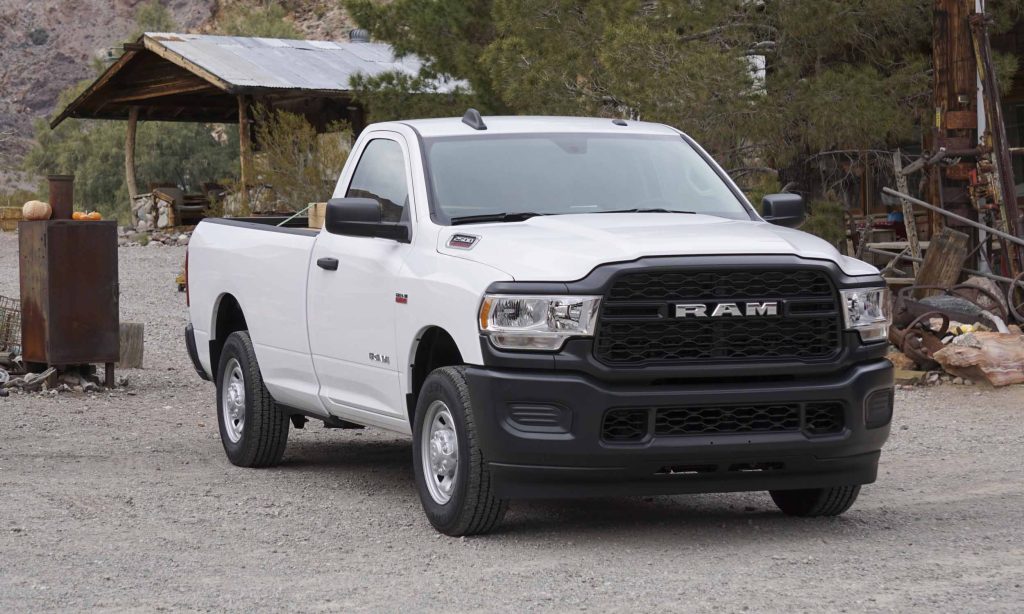
A repair originally quoted at one figure can grow substantially once technicians uncover deeper wear inside the engine.
The tradesman proves how devastating the Hemi issue can become when a truck serves as a business tool rather than a weekend vehicle. Owners purchased these pickups expecting durability measured in years of hard labor.
Instead, some found themselves facing repair decisions expensive enough to disrupt both transportation and income at the same time.
5. Ram 2500 Power Wagon
The Ram 2500 Power Wagon built its reputation around serious off-road capability combined with heavy-duty toughness. Locking differentials, disconnecting sway bars, specialized suspension tuning, and aggressive tires transformed it into one of the most capable factory off-road trucks available.
Buyers loved the idea of a full-size truck that could crawl through difficult terrain while still towing equipment and carrying gear. Yet beneath the rugged hardware sat the same Hemi engine architecture that developed a troubling reputation for expensive lifter failures.
Power Wagon owners tend to use their trucks differently from ordinary commuters. Many spend long weekends crawling through rocky trails, climbing steep inclines, or traveling deep into remote camping areas.
These driving conditions place unique demands on the engine because oil movement changes constantly during uneven terrain operation.
While the exact cause of hemi lifter failure remains debated, some mechanics believe prolonged low-speed crawling and extended idle time may contribute to lubrication inconsistencies around the valvetrain.
What makes the situation particularly stressful is where these trucks are often driven. Owners depend on them far from cities, repair shops, or cell service. Hearing an unfamiliar tick while miles away from civilization creates immediate anxiety.
Several drivers reported returning from trips only to discover the sound was not harmless injector noise but the beginning of lifter collapse and camshaft wear.
The Power Wagon also carries higher ownership costs from the start due to its specialized equipment. When lifter damage appears, owners already managing expensive tires, suspension maintenance, and fuel bills suddenly face another enormous repair expense.
Dealerships commonly recommend replacing multiple upper-engine components together because partial repairs can leave lingering risks inside the engine.
Some owners become frustrated because the truck itself often remains extremely capable in every other area. The suspension performs brilliantly off-road, the cabin stays comfortable during long trips, and the towing performance remains impressive.
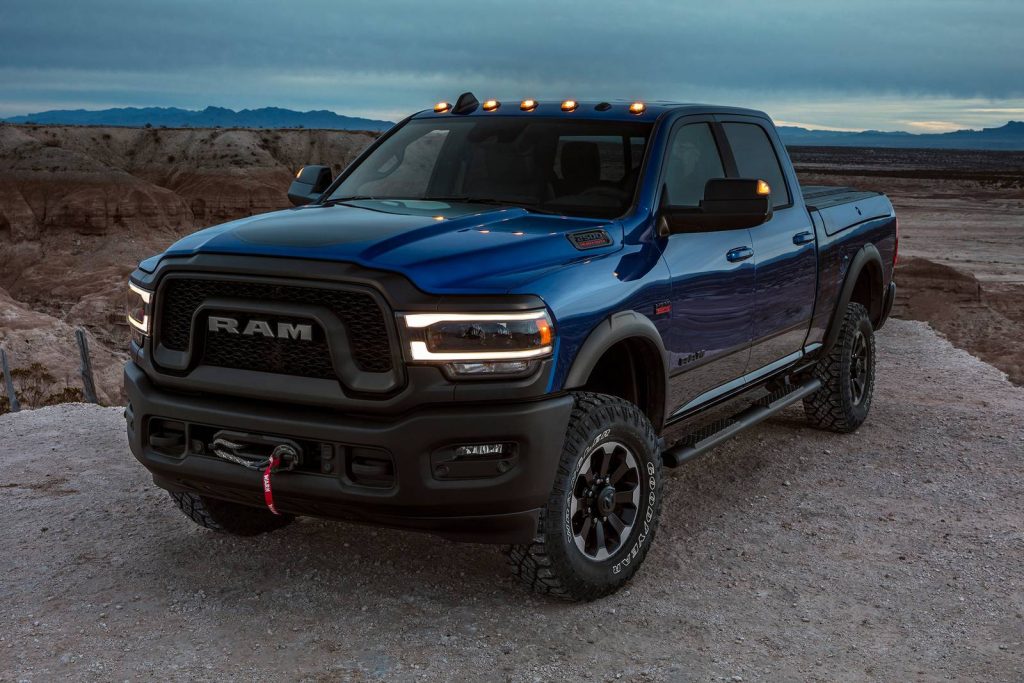
Then a ticking sound transforms the ownership experience into a nightmare centered around engine disassembly and massive labor costs.
Resale concerns hit Power Wagon owners hard as well. Enthusiast buyers know these trucks command premium prices, so engine noise immediately raises concerns.
A single suspicious leak can destroy buyer confidence, even if the truck still drives normally. For many owners, the fear of a looming $7,000 repair hangs over the vehicle long before catastrophic failure fully arrives.
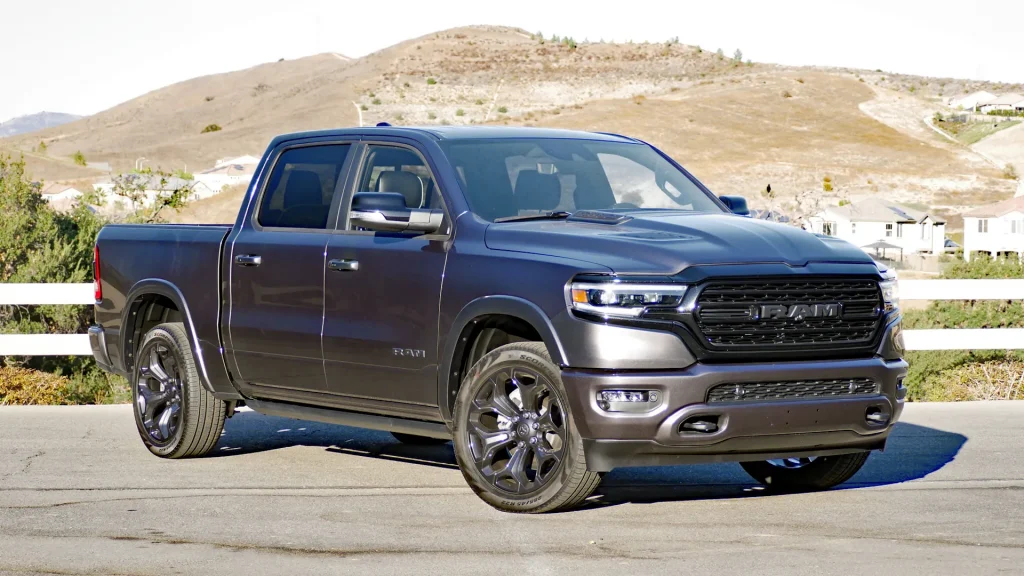
6. Ram 1500 Limited
The Ram 1500 Limited targeted buyers wanting near-luxury SUV comfort packaged inside a full-size pickup truck. Premium leather, massive touchscreens, advanced driver assistance systems, and upscale interior materials helped the truck compete against luxury vehicles costing a similar amount.
Customers expected refinement, silence, and smooth performance. That expectation made the Hemi lifter noise feel even more alarming when it appeared.
Unlike work-focused trims, limited models often lived relatively gentle lives. Many served as suburban family vehicles, highway cruisers, or executive transportation rather than construction-site workhorses.
Because of that lighter usage, some owners felt blindsided when serious engine problems surfaced despite careful maintenance histories and modest towing demands.
Drivers frequently describe hearing the issue during cold starts inside quiet garages. The insulated cabin and refined interior amplified awareness of mechanical irregularities.
A faint ticking that might go unnoticed in a louder truck suddenly became impossible to ignore in a vehicle marketed around comfort and premium driving manners.
The financial sting hits harder because the limited trim already carries expensive ownership costs. Once repair estimates include lifters, camshaft replacement, gaskets, fluids, labor, and possible electronic recalibrations, the final invoice can feel absurd for a truck that may still appear almost new cosmetically.
Some dealerships even recommend complete engine replacement depending on the severity of internal damage.
Another complication comes from owner expectations. Luxury-truck buyers are less prepared emotionally for major mechanical repairs than commercial fleet operators.
Someone purchasing a premium pickup for highway comfort rarely anticipates facing a repair associated with deep engine disassembly. That disconnect creates enormous frustration once warranty coverage expires.
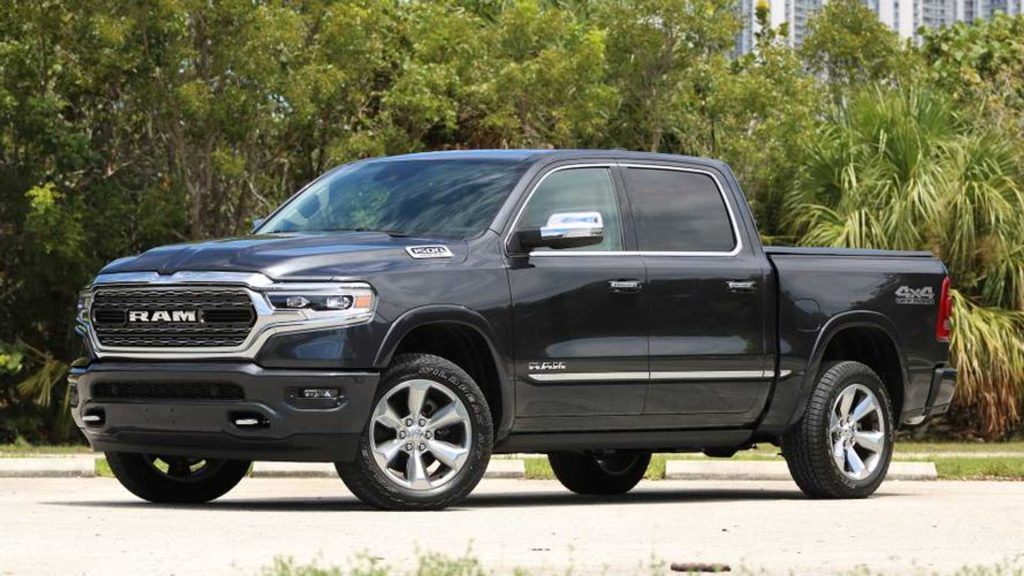
Unfortunately, some drivers delayed repairs, hoping the noise was harmless, only to discover worsening camshaft damage later.
The Ram 1500 Limited still delivers one of the nicest interiors in the truck market, and many owners remain fiercely loyal to the model. Yet the possibility of catastrophic lifter failure continues to shadow the ownership experience for buyers researching used examples equipped with the 5.7-liter Hemi.
7. Ram 1500 Sport
The Ram 1500 Sport attracted buyers who wanted a truck with a more aggressive street appearance instead of a pure work-focused personality.
Body-colored bumpers, upgraded wheels, sport hoods, and sharper styling details gave it a muscular presence that appealed to younger drivers and performance-minded owners.
The Hemi V8 fit the truck perfectly on paper because it delivered the quick acceleration and strong exhaust tone that many Sport buyers wanted from a full-size pickup.
A surprising number of these trucks spent their lives as commuter vehicles rather than heavy-duty work machines. Owners enjoyed the power during highway merges and city driving, but many did not subject the trucks to serious towing or construction-site abuse.
That is one reason lifter failure became so frustrating in the Sport trim. Drivers believed lighter usage would naturally protect the engine from major mechanical issues.
Instead, some owners began hearing ticking noises at mileage figures far lower than expected for catastrophic valvetrain damage. In certain cases, the sound appeared gradually over months. Others reported the engine suddenly becoming rough, accompanied by misfire warnings and reduced performance.
Because the Sport trim often attracted enthusiasts who modified exhaust systems, diagnosing the issue became complicated. Some drivers initially blamed aftermarket parts before realizing the ticking originated inside the engine itself.
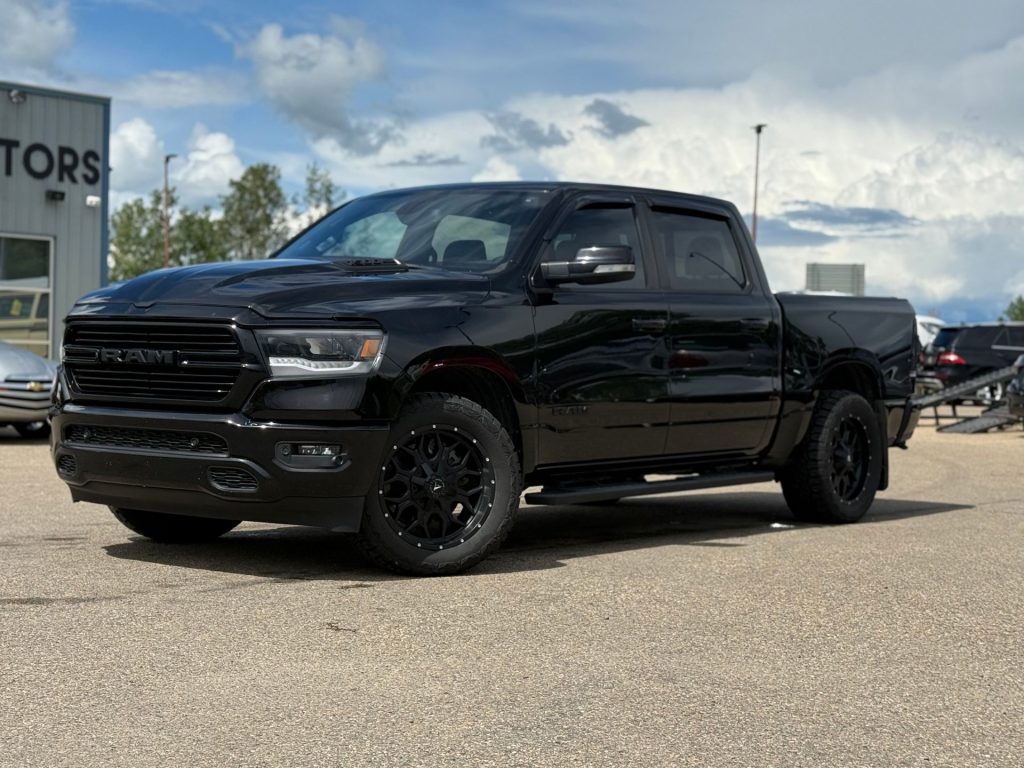
Repair costs frequently escalated because enthusiasts rarely stop at the minimum required fix. Once the engine comes apart, many owners decide to install upgraded camshafts, stronger lifters, performance tuning, or additional aftermarket components while labor is already being paid for. That can push the bill well beyond the typical $7,000 range associated with standard repairs.
The sport also became popular in warmer climates where stop-and-go traffic and high temperatures create harsh operating conditions. Long idle times combined with summer heat placed additional strain on engines already carrying known valvetrain concerns.
Mechanics who regularly work on Hemis often mention seeing Sport models arrive with heavily worn cam lobes despite otherwise clean and well-maintained appearances.
For many drivers, the most disappointing part is how well the truck performs before trouble begins. The combination of V8 power and sporty styling made the Ram 1500 Sport genuinely enjoyable to drive.
Yet once a lift failure enters the picture, owners quickly discover that the repair process involves far more than simply replacing a noisy component under the hood.
8. Ram 3500 SLT
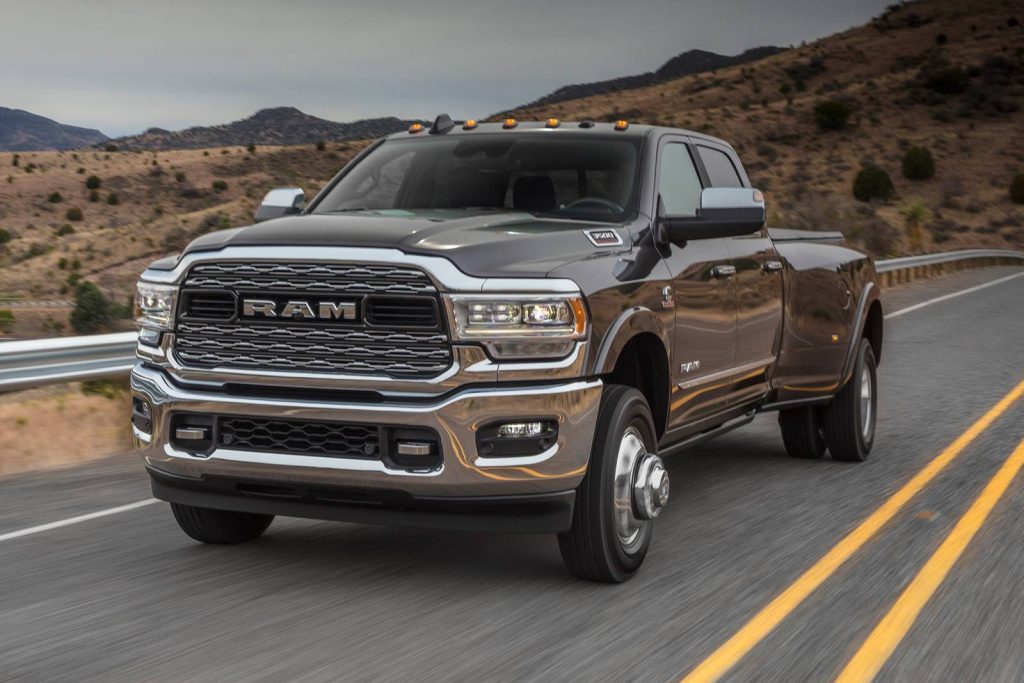
The Ram 3500 SLT served buyers needing serious towing and payload capability without stepping fully into luxury truck pricing. Farmers, horse trailer owners, contractors, and equipment hauliers depended on these trucks daily.
The Hemi-powered versions earned praise for their pulling strength and lower upfront costs compared with diesel alternatives, but lifter failure introduced a mechanical risk capable of sidelining even the hardest-working trucks.
Heavy-duty owners often accumulate engine hours faster than ordinary drivers realize. A truck may spend entire days towing livestock trailers, hauling machinery, or idling during loading operations.
Even when mileage appears moderate, the engine itself may have endured years of constant strain. That demanding workload becomes important because many lift failures seem tied not just to mileage but also to operating conditions over time.
Unlike half-ton trucks used primarily for commuting, the Ram 3500 SLT frequently carries responsibilities owners cannot easily postpone. When the engine develops ticking noise or misfire symptoms, people still need to transport trailers and equipment.
Some continue driving while monitoring the issue closely, hoping to delay repairs until work schedules calm down. Unfortunately, continued operation after lifter wear begins can accelerate camshaft destruction rapidly.
Repair shops familiar with heavy-duty rams often warn customers that the labor involved is extensive. These trucks are physically larger, tightly packaged, and built around components designed for serious towing demands.
Accessing the damaged valvetrain parts requires substantial disassembly, and costs rise quickly once technicians recommend replacing additional wear items discovered during teardown.
Another problem comes from the owner’s psychology. Many people purchasing a 3500 assume the truck is built to survive nearly anything. That expectation makes a valvetrain-related engine failure feel especially unacceptable.
Owners can tolerate suspension wear or brake replacement on a hard-working truck, but internal engine damage before extremely high mileage feels like a betrayal of the vehicle’s purpose.
The resale market also reacts strongly to any signs of Hemi ticking in heavy-duty models. Buyers shopping for two vehicles want confidence above everything else. Even a faint valvetrain noise can create immediate concerns about future reliability, causing potential buyers to negotiate aggressively or avoid the truck completely.
For owners depending on the Ram 3500 SLT to generate income or manage daily workloads, the infamous Hemi lifter issue becomes far more than a simple repair bill. It turns into a disruption capable of affecting transportation, schedules, and business operations simultaneously.
9. Ram 2500 Laramie
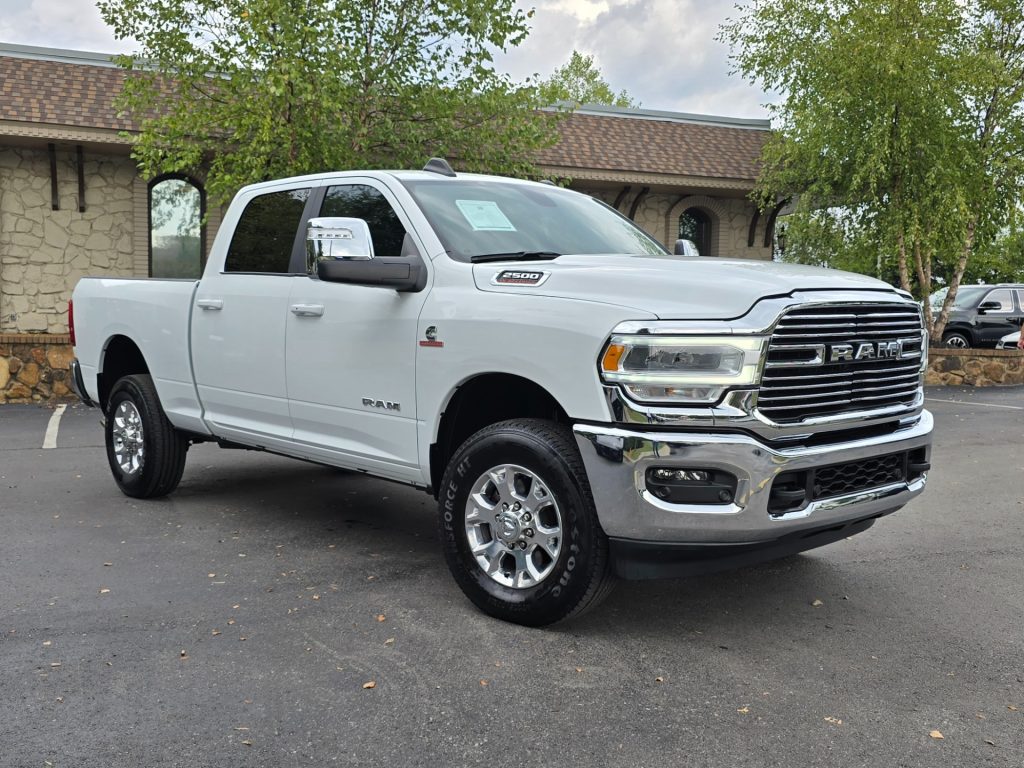
The Ram 2500 Laramie attempted to balance heavy-duty capability with premium comfort, creating a truck equally comfortable for towing large trailers or transporting a family across long highway distances.
Buyers appreciated the upscale interior, strong towing confidence, and smooth power delivery from the Hemi V8. For many owners, it felt like the perfect middle ground between a luxury vehicle and a serious work truck. Unfortunately, that polished image sometimes collapsed once the notorious lifter issue surfaced.
One reason repairs become so expensive on the 2500 Laramie involves the sheer complexity of modern heavy-duty trucks. The engine bay is packed tightly with cooling hardware, electronics, emissions systems, and towing-related components.
Reaching damaged lifters and worn camshaft lobes requires major labor hours, and technicians often recommend replacing multiple surrounding parts while everything is disassembled. By the time the estimate includes labor, fluids, gaskets, and fresh hardware, the invoice can climb toward shocking territory.
Many owners noticed the first signs while towing. Climbing grades with trailers exposed subtle hesitation or roughness that previously did not exist. Some drivers described a faint tapping sound under acceleration that gradually became louder over weeks.
Others only realized something was wrong after the check-engine light appeared alongside persistent cylinder misfires.
Because the Laramie trim catered to buyers expecting refinement, mechanical noise immediately stood out. The quiet cabin that once made highway travel relaxing suddenly amplified the owner’s anxiety once the ticking developed beneath the hood.
Drivers often spent weeks searching online forums trying to determine whether the sound represented harmless injector chatter or the beginning of catastrophic valvetrain damage.
In colder climates, several owners reported noisy startups becoming more frequent during winter mornings.
While not every ticking Hemi suffers lifter collapse, repeated cold-start noise creates concern because so many online repair stories follow a similar pattern before major engine damage appears. Some owners proactively replaced components early, hoping to avoid complete camshaft destruction later.
The most painful part for many drivers was the truck’s condition outside of the engine problem. Interiors remained beautiful, transmissions shifted properly, and towing capability stayed excellent.
A vehicle that still looked and felt valuable suddenly carried the possibility of a repair so expensive that it could completely disrupt long-term ownership plans.
The Hemi-powered Ram 2500 Laramie still has loyal fans who appreciate its blend of comfort and strength. Yet among used truck shoppers, the fear of lifter failure continues to shadow these models heavily.
A simple ticking sound can instantly transform excitement into caution because owners now understand how quickly a minor valvetrain issue can evolve into a repair bill approaching $7,000 or even higher.
