
Pickup trucks remain some of the most popular vehicles on the road because they promise versatility, toughness, towing capability, and everyday practicality in one package. Buyers often choose trucks, believing they are making the smartest long-term decision possible.
A pickup can haul equipment during the week, tow trailers on weekends, and handle rough weather conditions confidently. At least that is the expectation. Reality sometimes turns out very differently.
Owner regret in the truck world usually develops slowly rather than instantly. A truck may look impressive at the dealership with giant wheels, aggressive styling, and huge touchscreen displays.
Months later, owners begin noticing poor fuel economy, uncomfortable ride quality, weak reliability, expensive maintenance, cramped interiors, or disappointing towing behavior. In other cases, buyers realize they paid luxury vehicle money for a truck they barely use properly.
Modern pickups also became extremely expensive. High-trim models now cost as much as premium luxury SUVs while carrying complicated technology and increasingly complex powertrains. When expensive trucks develop mechanical issues or fail to meet expectations, frustration grows quickly because owners expected much more for the money.
Another major source of regret involves mismatched expectations. Some trucks advertise a rugged off-road personality but feel exhausting during daily commuting. Others promise strong capability yet struggle with payload, towing stability, or drivetrain refinement once owners begin using them seriously.
Fuel costs additionally became a major complaint for many truck buyers. Drivers who previously owned sedans or compact SUVs often underestimate how expensive large pickups can become during everyday commuting, especially when paired with oversized tires or powerful engines.
The trucks on this list developed reputations for producing higher levels of owner regret in 2026 for different reasons. Some suffer from reliability complaints, others disappoint through poor value, and a few simply fail to live up to the image created by aggressive marketing.
Not every owner dislikes these trucks, but enough frustration surfaced through ownership experiences that many buyers eventually admitted they would choose differently if given another chance.
Also Read: 10 Vintage Cars Whose Values Doubled In The Last 10 Years
1. Nissan Titan
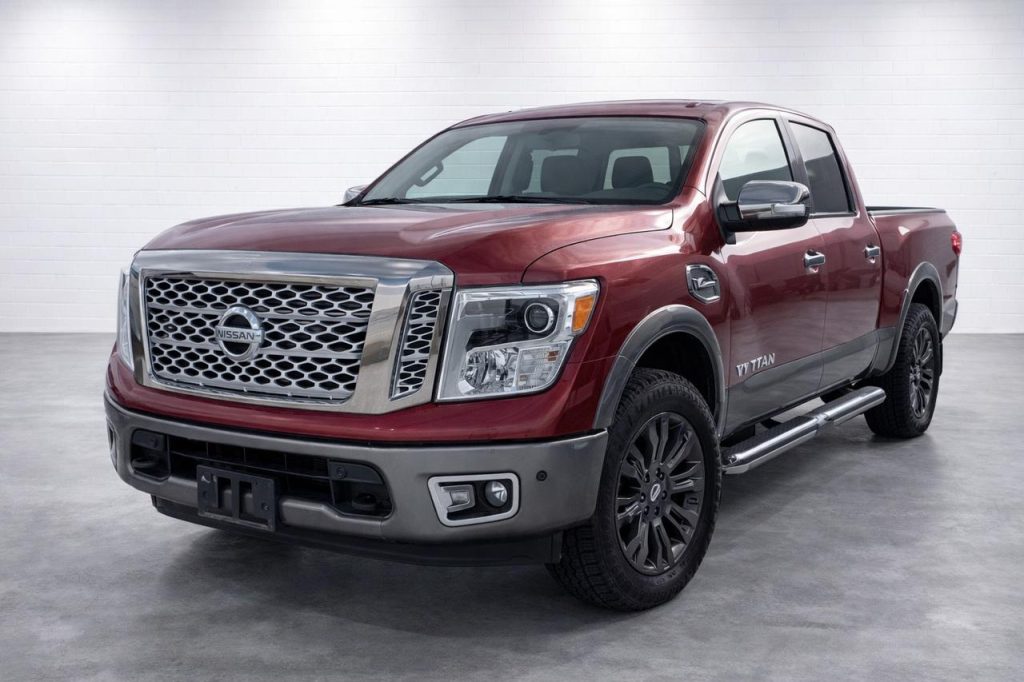
The Nissan Titan entered the full-size truck market with ambitious goals, but by 2026, it had become one of the pickups many owners regretted purchasing after extended ownership. The disappointment rarely came from one catastrophic flaw alone.
Instead, frustration built gradually because the truck struggled to compete strongly against rivals dominating the segment in terms of capability, refinement, and long-term value.
One major complaint involved fuel economy. The Titan’s large V8 engine delivered decent power, but many owners felt the truck consumed too much fuel without offering enough performance advantages in return.
Daily commuting quickly became expensive, especially compared to newer turbocharged competitors producing similar towing capability with better efficiency.
Another issue centered around resale value. Trucks from Ford, Chevrolet, GMC, and Ram generally retained stronger long-term demand, leaving Titan owners facing steeper depreciation than expected.
Buyers spending serious money on a full-size pickup often care heavily about future trade-in value, making this frustration particularly noticeable after a few years.
Interior quality also disappointed some owners. While newer Titans improved significantly compared to older generations, many buyers still felt the cabin lacked the polish and advanced technology available in competing trucks at similar prices.
Small details such as material quality, infotainment responsiveness, and storage solutions became increasingly frustrating during daily use.
The Titan additionally suffered from weak market momentum. Since Nissan struggled to maintain strong truck sales numbers, some owners worried about long-term support, dealership enthusiasm, and aftermarket availability compared to dominant American brands.
Towing and payload performance remained acceptable for casual use, yet serious truck buyers often discovered competitors simply handled demanding workloads more confidently. The Titan never fully established a reputation as the segment leader in heavy-duty capability or innovation.
Ride quality created mixed reactions as well. Some owners appreciated the traditional truck feel, while others found the suspension less refined than rivals’, better balancing comfort and utility.
Another source of regret came from expectations. Buyers choosing the Titan often hoped to receive comparable performance to major domestic trucks while standing out from the crowd. Over time, many realized the truck simply lacked a clear advantage strong enough to justify the compromises.
The Nissan Titan was not a terrible truck by any means. Reliability remained respectable for many owners, and the V8 offered straightforward mechanical simplicity.
Yet in a brutally competitive segment filled with stronger alternatives, too many buyers eventually felt they could have made a smarter long-term purchase elsewhere.
2. Jeep Gladiator
The Jeep Gladiator generated enormous excitement when it first arrived because it combined Wrangler styling and removable roof fun with pickup truck practicality.
Buyers imagined the perfect blend of adventure vehicle and everyday utility. By 2026, however, many owners admitted the reality often failed to match the fantasy after living with the truck for an extended period.
One of the biggest complaints involved ride quality. The Gladiator retained much of the Wrangler’s rugged, off-road-focused suspension setup, which helped on trails but created a tiring daily driving experience for many owners. Highway trips often felt noisy, bouncy, and less refined than buyers expected from such an expensive midsize truck.
Fuel economy also frustrated owners quickly. Even without aggressive off-road tires or modifications, the Gladiator consumed more fuel than many competing pickups while offering less towing refinement and on-road comfort. Drivers using the truck mainly for commuting frequently questioned whether the compromises made sense.
Another issue involved pricing. Well-equipped Gladiators became extremely expensive once buyers added popular options and trim packages. Many owners later realized they paid premium money for a truck with interior refinement and driving manners still closely related to the much older Wrangler platform.
Towing capability disappointed some buyers as well. While the Gladiator can technically tow respectable amounts depending on configuration, the truck often feels less stable under load compared to more traditional midsize pickups designed primarily around hauling and towing duties.
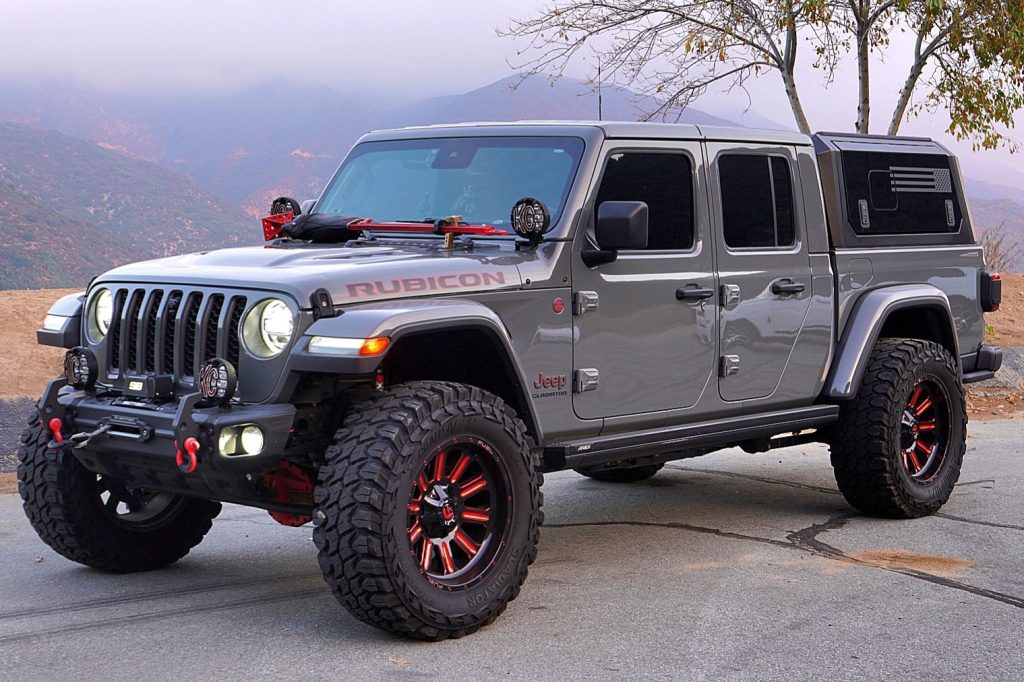
The removable roof and doors sounded exciting initially, but many owners discovered they rarely used those features after the novelty faded. What remained was a truck carrying extra compromises every single day for features used only occasionally.
Cabin noise became another major source of regret. Wind noise, road noise, and tire noise remain noticeably higher than those of rivals during highway driving. Long commutes can become exhausting compared to more refined pickups.
Reliability concerns also appeared for certain owners, particularly involving electronics and build quality consistency. While not every Gladiator experiences major problems, enough complaints surfaced to hurt confidence among long-term buyers.
The Gladiator absolutely excels off-road and delivers a unique personality few trucks can match. Yet many owners eventually realized they purchased an adventure lifestyle image rather than the most practical or comfortable truck for everyday life.
That mismatch between expectation and daily reality created significant owner regret for buyers who needed a pickup first and an off-road toy second.
3. Chevrolet Silverado 1500 2.7 Turbo
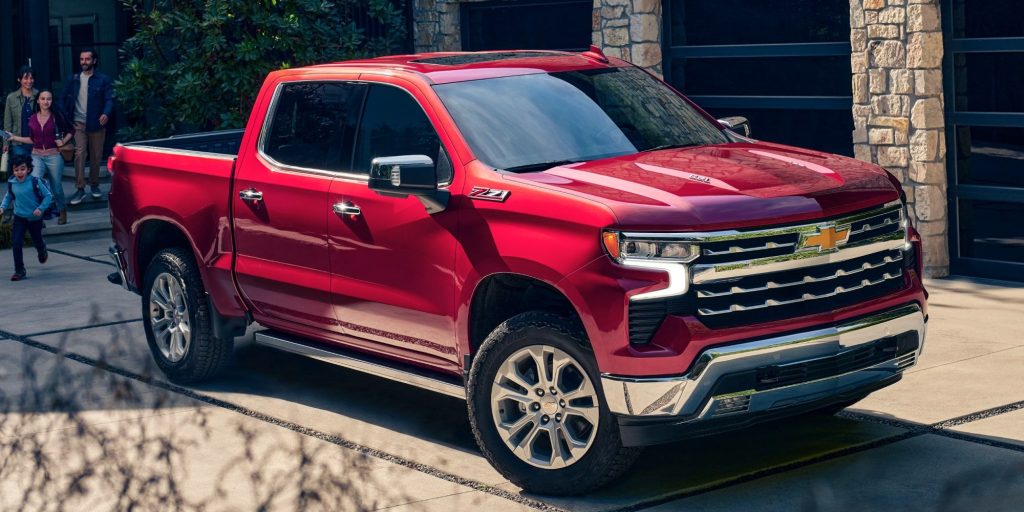
The Chevrolet Silverado 1500 equipped with the 2.7-liter turbocharged four-cylinder engine created a strong debate almost immediately after launch. Chevrolet promoted the engine as a modern solution, balancing towing capability, efficiency, and affordability.
By 2026, however, many owners expressed regret because the real-world experience often failed to match expectations associated with a full-size pickup truck.
One major issue involved perception versus reality. Buyers stepping into a large Silverado expected strong, effortless performance, especially during towing or highway driving.
While the turbocharged engine produced respectable torque figures on paper, many owners felt the truck lacked the smooth confidence traditionally associated with larger V8-powered pickups.
Another complaint centered around the engine character. The four-cylinder worked hard during acceleration, producing sounds and vibrations some truck buyers simply disliked. Owners accustomed to deep V8 power delivery often found the smaller engine less satisfying during daily use, even if actual acceleration numbers remained competitive.
Fuel economy also disappointed certain buyers. Chevrolet advertised efficiency advantages over larger engines, yet many owners discovered real-world savings were smaller than expected once towing, hauling, or highway driving entered the picture.
Drivers felt frustrated because they sacrificed traditional V8 refinement without receiving dramatic fuel cost benefits in return.
Towing performance created mixed reactions, too. The truck could technically handle respectable trailer weights, but some owners reported the engine felt strained under heavier loads compared to larger-displacement alternatives. Long uphill climbs and fully loaded situations exposed the limits more clearly.
The Silverado itself remained spacious and practical, but some buyers questioned whether the cheaper engine option truly represented strong long-term value. Many later admitted they wished they had upgraded to one of the larger powertrains despite the extra upfront cost.
Reliability concerns surrounding newer turbocharged truck engines also contributed to hesitation among long-term owners. Even when no serious problems occurred, some drivers worried constantly about durability under repeated heavy use.
The situation became more frustrating because competitors increasingly offered smoother hybrid systems, efficient six-cylinder, or traditional V8s delivering more natural, truck-like driving characteristics.
The Silverado 2.7 Turbo was not necessarily a failure mechanically, but it struggled emotionally with traditional truck buyers expecting a different type of ownership experience.
For many owners, the combination of limited fuel savings, questionable refinement, and underwhelming towing confidence created regret after the initial excitement faded.
4. Honda Ridgeline
The Honda Ridgeline has always occupied an unusual place in the pickup market. It behaves more like a comfortable crossover with an open cargo bed than a traditional body-on-frame truck. For certain buyers, that formula works perfectly.
For many others, regret develops within the first year because the truck simply does not satisfy expectations associated with pickup ownership.
One common complaint involves capability perception. Buyers initially appreciate the Ridgeline’s smooth ride, easy handling, and refined cabin. Then, real truck tasks begin appearing.
Towing heavy trailers, hauling construction materials, or handling rough terrain often reveals the truck’s limitations compared to more traditional midsize and full-size pickups.
The unibody construction helps comfort dramatically during commuting, but many owners eventually feel disconnected from the rugged truck image they originally wanted. The Ridgeline behaves calmly and predictably, yet lacks the heavy-duty confidence serious truck users expect during demanding work.
Another source of regret comes from styling. Compared to aggressive rivals from Ford, Toyota, and Chevrolet, the Ridgeline looks softer and less rugged. Some owners later admit they wanted the practicality but eventually missed the visual presence and personality of more traditional pickups.
Off-road capability also disappoints buyers expecting adventure-focused performance. While the all-wheel-drive system handles moderate weather and light trails competently, the Ridgeline was never designed for serious off-road use.
Owners attracted by pickup marketing sometimes realize too late that the truck prioritizes suburban comfort far more than rugged exploration.
Resale value creates mixed feelings, too. Honda reliability remains a major strength, but demand for the Ridgeline stays lower than for certain rivals because traditional truck buyers often dismiss it completely.
The naturally aspirated V6 delivers smooth performance, though some owners wish for stronger towing power or better fuel economy, considering the truck’s lighter-duty mission. It occupies an awkward middle ground where it never fully satisfies either hardcore truck buyers or efficiency-focused crossover shoppers.
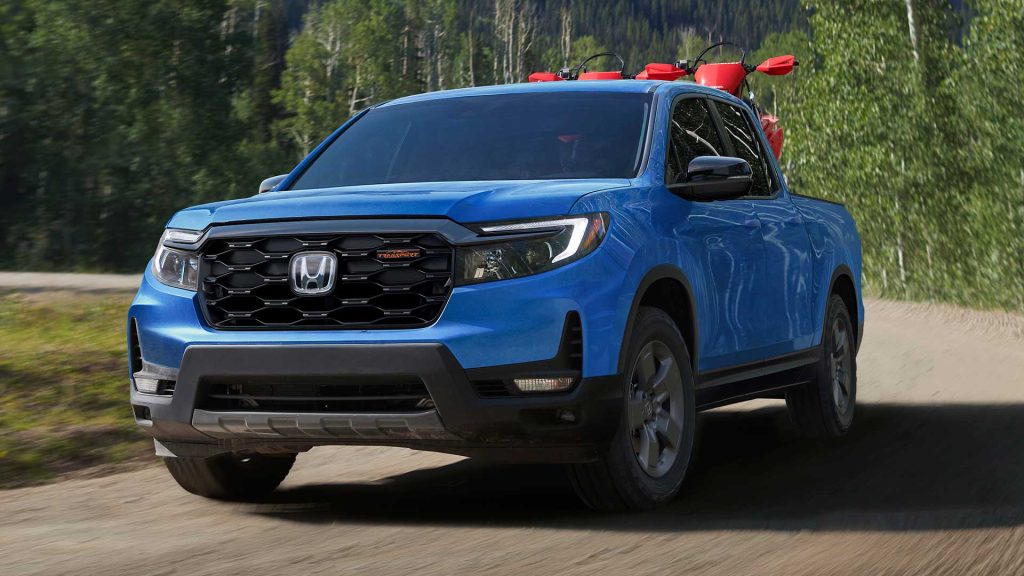
Interior comfort absolutely remains one of the Ridgeline’s strongest qualities. The cabin feels refined, practical, and user-friendly during everyday driving. Unfortunately, that same refinement sometimes reminds owners they purchased something less rugged than originally imagined.
The Honda Ridgeline succeeds brilliantly for a very specific audience. Yet many buyers eventually regret choosing it because they entered ownership expecting traditional truck capability instead of crossover-based practicality with a pickup bed attached.
5. Ram 1500 REV
The Ram 1500 REV arrived with massive expectations because buyers assumed it would combine the comfort and capability of the traditional Ram 1500 with the advantages of electric truck technology.
Early excitement focused on instant torque, quiet driving, and reduced fuel costs. By 2026, however, many owners began expressing regret after discovering the real-world compromises tied to full-size electric truck ownership.
One major frustration involved the towing range. While the truck delivered impressive acceleration and strong towing numbers on paper, battery drain increased dramatically once heavy trailers entered the picture. Owners planning long-distance towing trips quickly realized that charging stops became far more frequent and time-consuming than expected. The charging infrastructure itself created another problem. Drivers using the truck for work or travel in rural areas often struggled to find reliable fast charging stations convenient for large pickups pulling trailers. Even when charging, maneuvering a full-size truck with a trailer attached could become frustrating.
Weight also affected the driving experience more than some buyers expected. The battery pack made the truck extremely heavy, which influenced braking feel, tire wear, and handling characteristics. Certain owners missed the lighter and more natural road manners of gasoline-powered pickups.
Cold-weather performance became another complaint in some regions. Battery efficiency dropped noticeably during winter conditions, reducing driving range further and increasing charging frequency.
The truck still offered positives. Instant electric torque made unloaded acceleration feel extremely strong; the cabin remained quiet and comfortable, and owners commuting short distances often appreciated avoiding fuel stations completely.
Yet many buyers later admitted they purchased the truck based more on excitement about electric technology than on realistic daily needs. Once towing, road trips, and work usage became part of ownership, compromises started outweighing the advantages for some drivers.
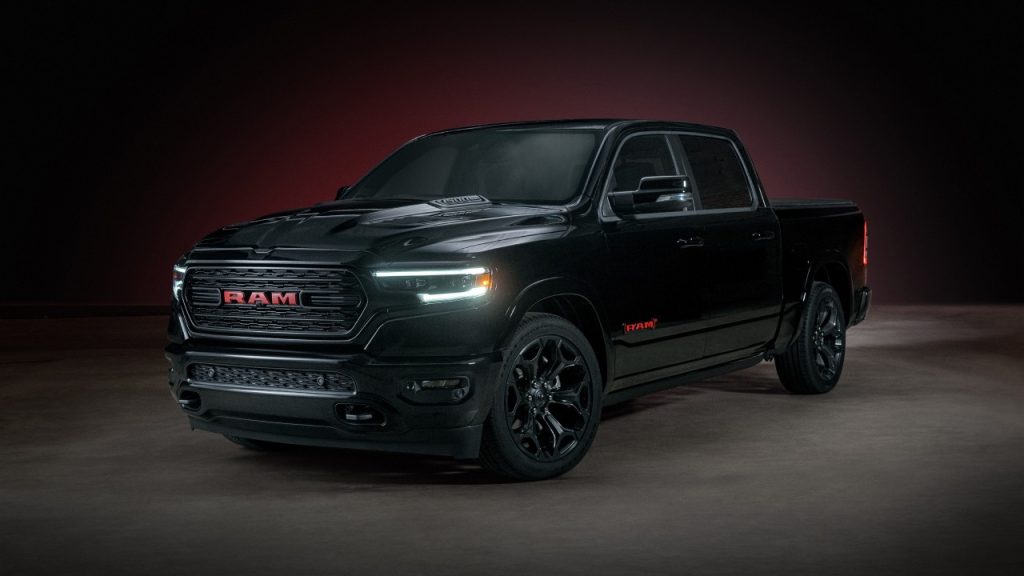
The Ram 1500 REV represented an ambitious step toward the future of trucks, but by 2026, many owners realized current electric truck technology still demanded lifestyle adjustments they had not fully considered before purchasing.
6. Toyota Tacoma
The Toyota Tacoma maintained one of the strongest reputations in the midsize truck market for years because of durability, resale value, and off-road credibility. Buyers often entered ownership expecting the perfect long-term pickup.
By 2026, however, many owners reported growing frustration after living with the truck daily, especially compared to increasingly refined competitors.
One major complaint involved ride quality. The Tacoma retained a stiff and truck-like character that helped durability and off-road performance, but many drivers found it tiring during commuting or long highway trips. Rough pavement and uneven roads could make the truck feel bouncy and unsettled compared to smoother-riding rivals.
Interior comfort became another source of regret. Earlier Tacoma generations especially suffered from awkward seating positions, limited rear passenger space, and cabins that felt outdated relative to price. Owners paying premium midsize truck money often expected a more comfortable and modern experience.
Fuel economy disappointed many buyers, too. Despite its modest size compared to full-size pickups, the Tacoma frequently delivered mileage figures not dramatically better than those of larger trucks offering more interior room and stronger towing capability.
The naturally aspirated V6 also created mixed reactions. Reliability remained a major strength, yet acceleration often felt sluggish during highway merging or towing situations. Transmission behavior received criticism as well, with some owners frustrated by gear hunting and delayed responses.
Another reason regret developed involved pricing. Tacomas became extremely expensive in higher trims, especially off-road-focused versions carrying aggressive styling and adventure marketing. After the excitement faded, some owners realized they rarely used the truck’s trail capability while still living with daily compromises tied to rugged suspension tuning.
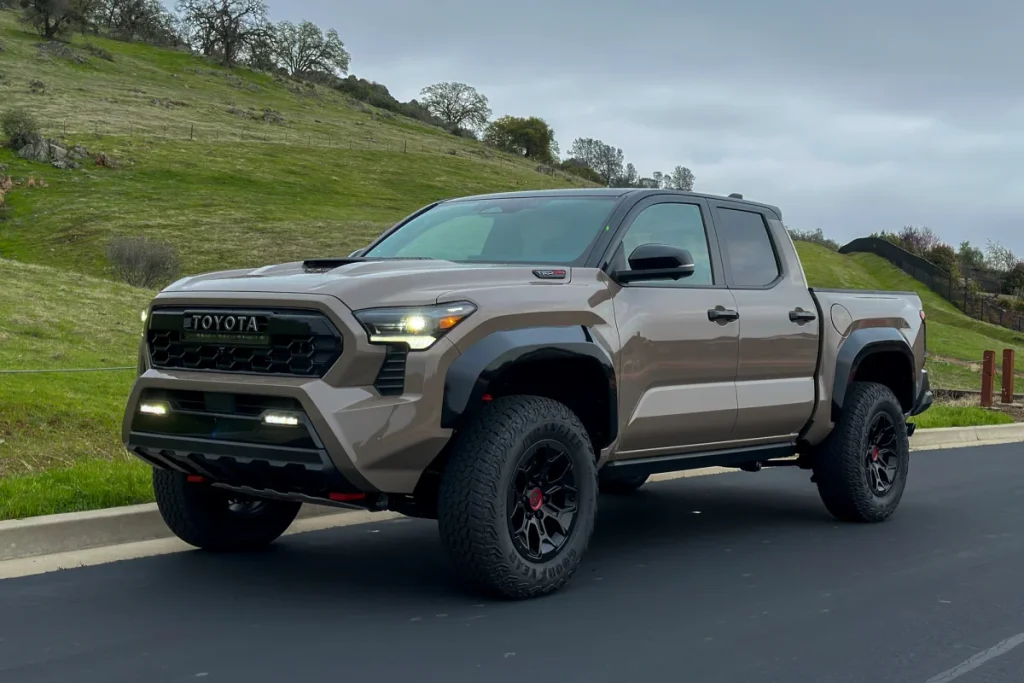
Road noise also became noticeable during longer drives. Compared to more refined modern competitors, the Tacoma sometimes felt less isolated and less comfortable for family transportation duties.
The truck still excelled in several important areas. Its reliability reputation remained outstanding, resale values stayed incredibly strong, and off-road enthusiasts continued respecting its durability.
Yet many ordinary buyers eventually admitted they purchased the Tacoma because of its reputation rather than actual needs. Once daily commuting, passenger comfort, and long-distance travel became priorities, the compromises started feeling harder to justify.
The Toyota Tacoma remained dependable and capable, but by 2026, many owners realized that durability alone could not eliminate regret when everyday comfort and refinement lagged behind the rapidly evolving midsize truck segment.
7. Ford Maverick Hybrid
The Ford Maverick Hybrid became an instant success because it offered something the truck market desperately lacked. Affordability, excellent fuel economy, and compact dimensions. Buyers rushed toward the small pickup, believing they had finally found the perfect practical daily truck.
By 2026, however, many owners began expressing regret after realizing the Maverick behaved more like a small crossover with a bed than a traditional pickup.
One major issue involved expectations. The Maverick’s styling and truck branding encouraged buyers to imagine versatile hauling and active lifestyles.
In reality, many owners discovered the truck’s limited towing capacity and smaller cargo bed restricted what they could comfortably do. Drivers who later purchased trailers, boats, or larger recreational equipment often found themselves disappointed quickly.
Another frustration came from interior refinement. While the cabin remained functional and cleverly packaged, some owners felt material quality and long-term durability did not fully match the growing transaction prices dealers charged after demand exploded.
The hybrid system itself delivered excellent fuel economy, but not every owner loved the driving experience. Acceleration could feel noisy and strained under heavy throttle, particularly during highway merging or fully loaded driving situations. Buyers transitioning from larger trucks often miss stronger power delivery and more confident towing behavior.
Ride quality created mixed opinions, too. The Maverick handled city driving comfortably enough, but some owners expected a more substantial truck feel during rough roads or highway travel.
Another source of regret involved availability and pricing. Many buyers initially entered the market, attracted by the low advertised starting price. Dealer markups and limited inventory often pushed actual transaction costs much higher, causing some owners to question whether the truck still represented exceptional value.
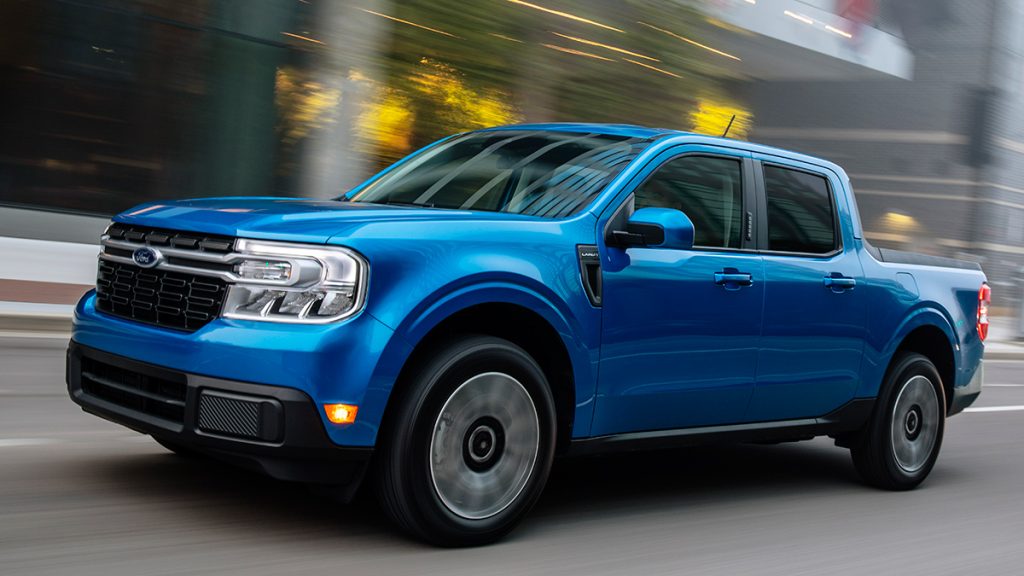
The Maverick Hybrid absolutely succeeds as efficient urban transportation with extra cargo flexibility. Unfortunately, many buyers later admitted they purchased the truck expecting true pickup versatility instead of compact commuter practicality with a small bed attached.
That mismatch between image and capability created disappointment for owners who eventually realized their needs exceeded what the Maverick Hybrid realistically handled comfortably.
8. GMC Hummer EV Pickup
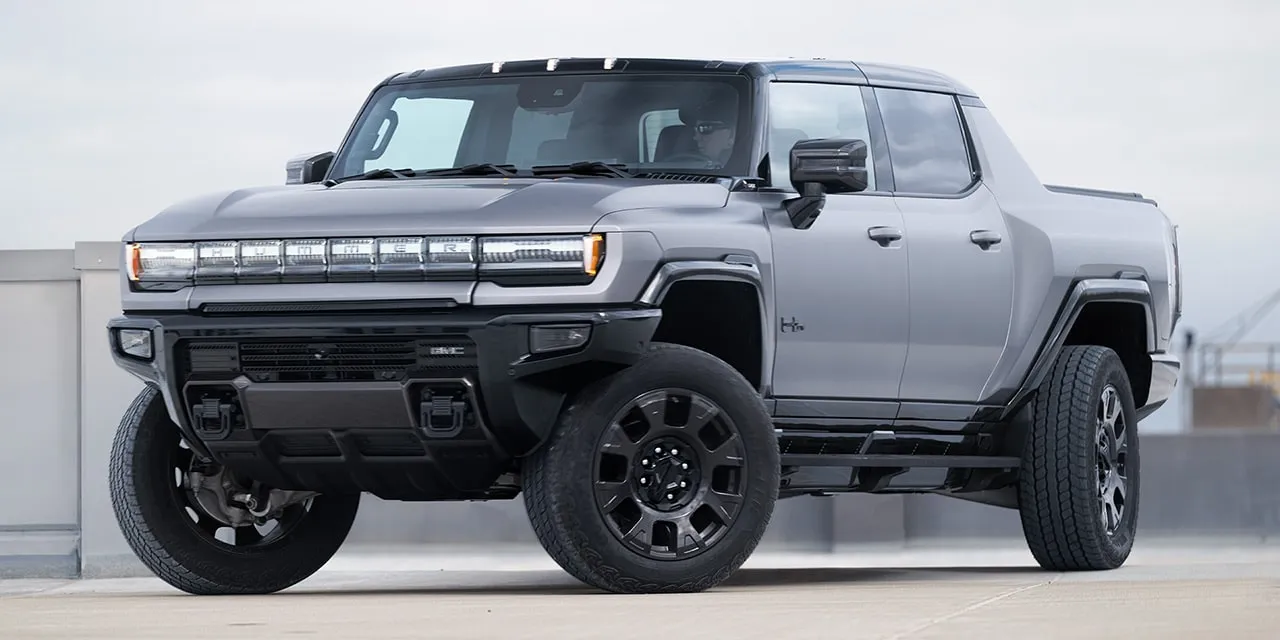
The GMC Hummer EV Pickup attracted enormous attention because it looked futuristic, aggressive, and outrageously powerful. Buyers loved the idea of an electric super truck capable of massive acceleration while carrying legendary Hummer styling into a new era.
After the excitement faded, many owners began regretting the purchase because daily ownership introduced challenges far beyond the glamorous marketing.
One of the biggest complaints involved size and weight. The Hummer EV is extremely large and incredibly heavy, making parking, maneuvering, and city driving frustrating in ordinary environments. Owners quickly realized the truck felt excessive for daily commuting or suburban errands.
Range anxiety became another major issue, especially during towing or colder weather conditions. The huge battery pack delivered impressive numbers under ideal circumstances, but real-world use often reduced range significantly. Charging times and charging station accessibility created additional stress during road trips.
The truck’s weight also affected tire wear and efficiency. Owners reported expensive replacement costs and rapid tree consumption because of the enormous mass combined with aggressive acceleration capability.
Another source of regret came from practicality. Despite the dramatic appearance and massive dimensions, some owners discovered the truck’s cargo functionality and bed utility did not justify the compromises required during everyday ownership.
Visibility created frustration, too. The high beltline and bulky proportions made the Hummer difficult to place confidently in tight areas despite the extensive camera systems designed to help drivers.
The acceleration remained undeniably impressive, and the removable roof panels added novelty value. Yet many buyers admitted the excitement wore off faster than expected once they faced charging logistics, parking challenges, and the realities of operating such a gigantic electric vehicle daily.
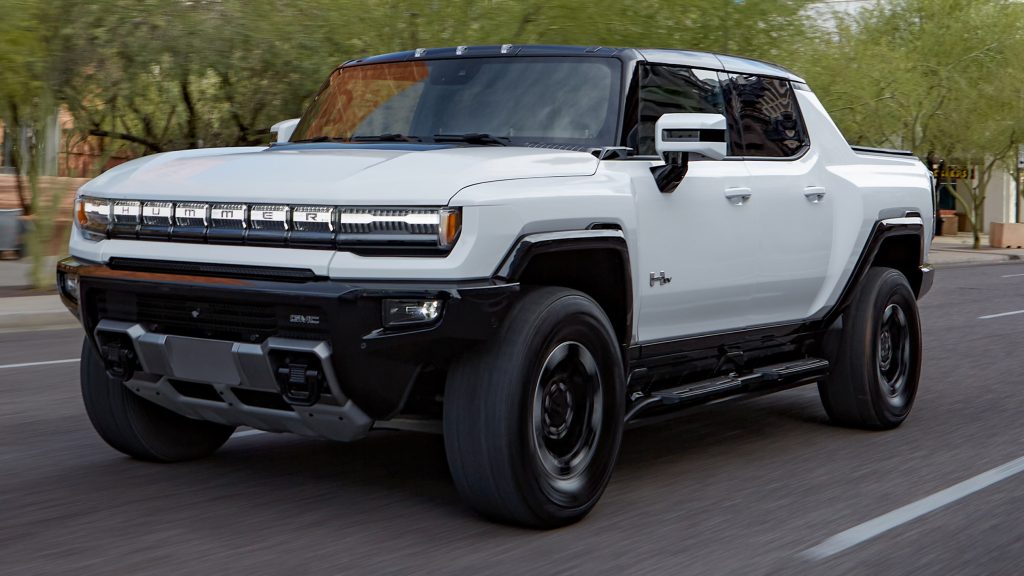
The Hummer EV Pickup became a classic example of buyers falling in love with a concept and image rather than considering how the truck would function in normal life long-term.
9. Rivian R1T
The Rivian R1T entered the truck market with enormous praise from automotive journalists and early adopters impressed by its innovation, performance, and adventurous image. At first glance, it appeared to solve many problems traditional trucks struggled with by combining electric efficiency, luxury interior quality, and serious off-road capability.
By 2026, however, certain owners began expressing regret after confronting the practical realities of living with an expensive electric lifestyle truck.
One common frustration involved charging infrastructure during travel. While the R1T performed beautifully in urban environments, owners using the truck for road trips, towing, or remote outdoor adventures sometimes discover that the charging options remained inconsistent in many areas.
Towing also created disappointment for some buyers. The truck possessed strong towing ratings and massive torque, but real-world range dropped sharply once trailers were attached. Drivers expecting effortless electric towing freedom often found themselves planning trips around charging locations constantly.
Repair and service access became another concern. Rivian’s newer dealership and service network remained less established compared to major truck manufacturers, causing frustration for owners living far from service centers.
Another source of regret involved pricing. Fully equipped R1T models reached luxury vehicle territory quickly, and some owners later questioned whether the advanced technology justified the enormous financial commitment once novelty faded.
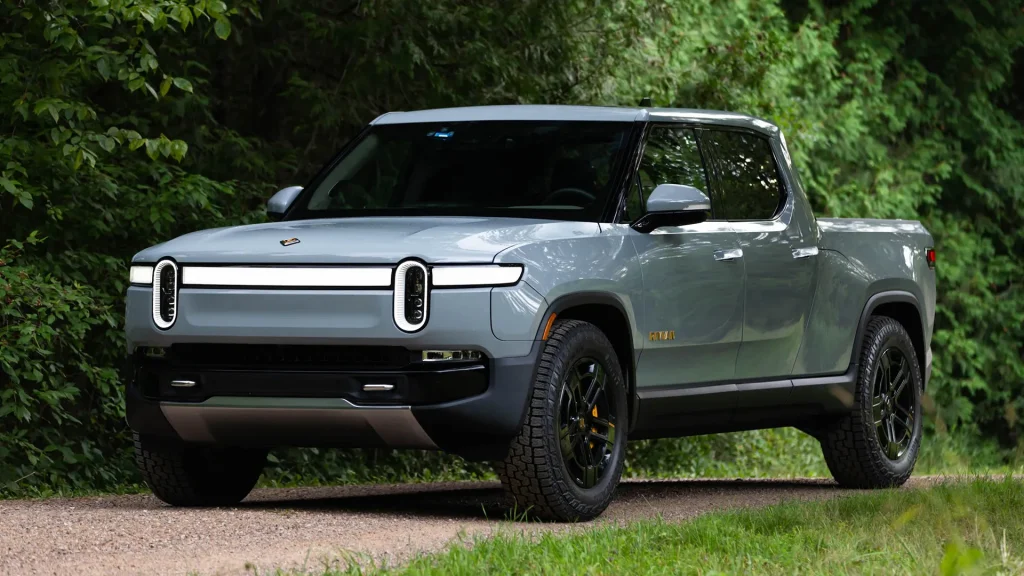
The truck itself drove extremely well. Acceleration felt astonishing, interior quality impressed many buyers, and off-road capability remained genuinely strong. Unfortunately, software issues, charging concerns, and ownership uncertainty surrounding newer electric brands created anxiety for some long-term owners.
Certain buyers additionally realized they rarely used the truck’s adventurous capabilities while still paying premium prices for technology and features designed around exploration-focused lifestyles.
The Rivian R1T represented an ambitious and highly innovative pickup, but some owners eventually learned that early adoption often comes with compromises traditional truck buyers never needed to consider before.
10. Chevrolet Colorado
The Chevrolet Colorado attracted buyers wanting midsize truck practicality without stepping into expensive full-size pickup territory. At first, the truck seemed like a smart balance between capability, manageable size, and affordability.
Over time, however, many owners developed regret because Colorado often struggled to deliver refinement and long-term satisfaction equal to newer competitors.
One common complaint involved interior quality. Certain trims felt outdated or inexpensive considering rising truck prices, and owners expecting modern comfort sometimes became disappointed after daily use. Cabin noise during highway driving also frustrated many drivers during longer commutes.
Ride quality created mixed reactions as well. While the Colorado handled basic truck duties competently, rough roads and uneven pavement could make the suspension feel unsettled compared to smoother rivals in the midsize segment.
Powertrain behavior became another issue for some owners. Depending on engine choice, acceleration and transmission response occasionally felt inconsistent or unrefined during towing and highway driving situations.
Reliability concerns added further frustration. Some owners reported electronic glitches and build quality complaints that reduced confidence over time.
The Colorado still offered more useful cargo flexibility and easier maneuverability than full-size pickups. Yet many buyers eventually realized that competitors provided stronger comfort, technology, and refinement without major sacrifices in capability.
The regret usually came from expectations. Buyers wanted a versatile everyday truck, but long-term ownership often revealed compromises they did not fully notice during the initial excitement of purchase.
Also Read: 8 Cars That Were Way Cooler When They Had Buttons
