
The idea of driving a vehicle past 500,000 miles sounds like something from a fantasy world. Most people trade in their cars long before the odometer even touches 200,000 miles.
But there exists a rare and dedicated group of drivers who have pushed their SUVs far beyond what anyone thought possible. These are not lucky accidents. These are the results of smart engineering, quality materials, and owners who took maintenance seriously.
Hitting half a million miles in any vehicle is an extraordinary achievement. It requires a machine built with precision and an owner committed to care. Oil changes done on time, filters replaced regularly, and small problems fixed before they become big ones, these habits separate the 500,000-mile survivors from the rest.
Some SUV brands have consistently proven themselves in this elite category. Owners in taxi fleets, rural communities, and high-mileage professions have documented their journeys carefully. Mechanics have verified the odometers. The stories are real, and they are impressive.
This article explores eight SUVs whose owners have genuinely reached 500,000 miles without major engine or transmission failures. Each vehicle earned its place on this list through documented real-world performance, owner testimonials, and long-term reliability data.
1. Toyota Land Cruiser
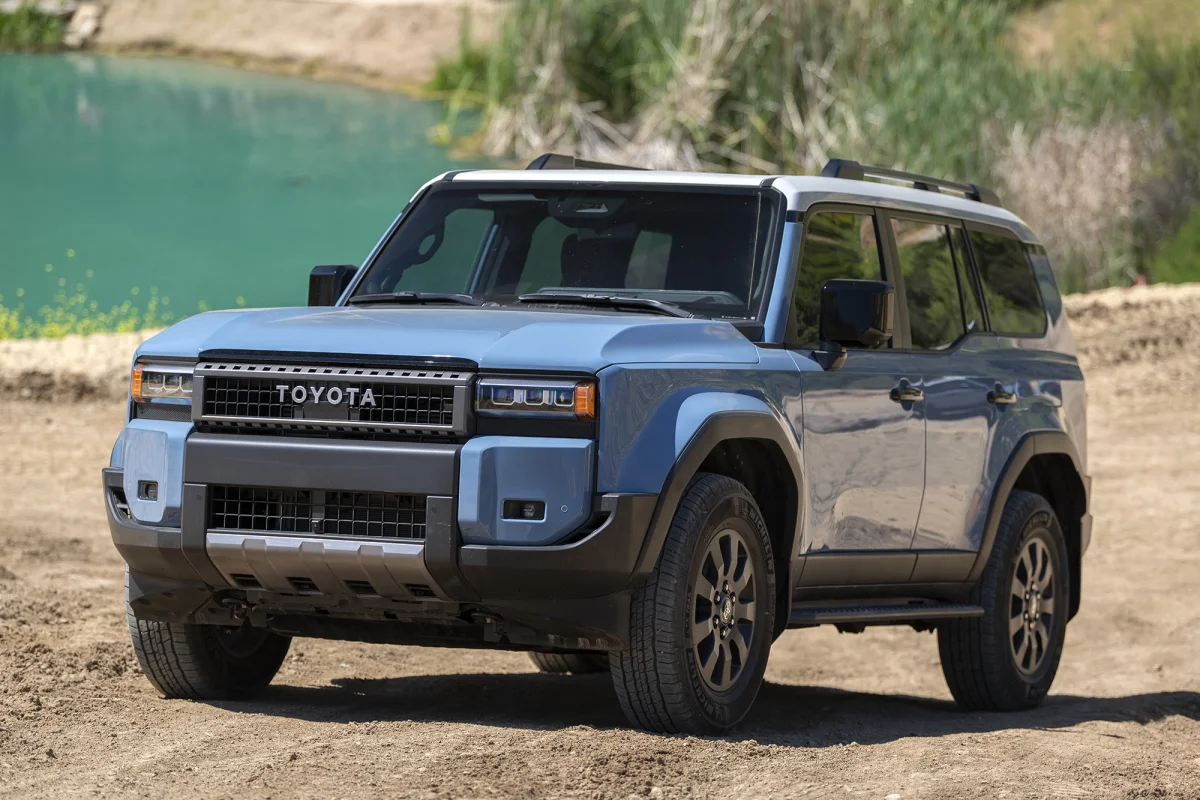
The Toyota Land Cruiser is not just a vehicle. It is a legend built on decades of engineering excellence and real-world durability. Few machines on earth have proven themselves across as many extreme environments as the Land Cruiser.
From the deserts of Africa to the frozen roads of Canada, this SUV has delivered. Owners around the world have documented journeys well past 500,000 miles, and many keep driving without hesitation.
The secret starts under the hood. The Land Cruiser’s 4.7-liter V8 and the later 5.7-liter V8 engines are built with conservative tolerances. Toyota engineers designed these motors to run cool, run smooth, and resist wear over enormous distances. The engine does not feel stressed at highway speeds, even after years of service.
The cooling system deserves special attention. Land Cruiser owners who pass 500,000 miles consistently report keeping the cooling system in top shape. Coolant flushes, thermostat replacements, and radiator inspections are done religiously. A healthy cooling system prevents the kind of overheating damage that destroys engines prematurely.
The transmission is equally impressive. The Land Cruiser uses a heavy-duty automatic gearbox with a strong torque converter. It shifts smoothly and handles both highway driving and off-road punishment without complaint. Owners who change transmission fluid every 30,000 miles report zero slipping or hesitation, even at extreme mileages.
Chassis design and body construction also contribute significantly to durability. The Toyota Land Cruiser uses a full ladder-frame architecture, which spreads structural loads evenly across the vehicle. This setup helps prevent stress from concentrating in a single point, allowing the frame to better withstand twisting forces, flexing, and long-term fatigue even after extensive high-mileage use.
The suspension components are overbuilt for the purpose. Heavy-duty control arms, thick sway bars, and robust shock absorbers keep the ride controlled for years. Owners replace shocks and bushings as part of routine maintenance. The rest of the suspension often stays original well past 300,000 miles.
The interior quality also holds up remarkably well. Land Cruiser cabins are assembled with tight tolerances and quality materials. Seats, dashboards, and trim pieces resist cracking and fading far longer than average vehicles. Owners who reach 500,000 miles often describe interiors that still feel solid and rattle-free.
Real-world data support the reputation. A well-documented case involves a Land Cruiser used in Australian outback tours. The vehicle crossed 560,000 miles on its original engine. Routine maintenance was the only intervention. No rebuild, no engine swap, no major repair.
Resale values tell the same story. Used Land Cruisers hold their value better than almost any other SUV in the market. Buyers understand that these machines are built to last. The high resale price is simply the market recognizing decades of proven reliability.
Fuel economy is not the Land Cruiser’s strength. It drinks gasoline at a rate that can be uncomfortable for budget-conscious drivers. But for owners who demand ultimate durability and reach 500,000 miles, the fuel cost becomes secondary to the vehicle’s reliability.
The Land Cruiser is no longer sold in the United States as of recent years. Its discontinuation created enormous disappointment among loyal owners. The used market immediately responded with price increases for well-maintained examples.
Maintenance costs over 500,000 miles are modest compared to the vehicle’s lifespan. Timing belt replacements, fluid services, and brake work represent the majority of spending. Engine and transmission repairs are rare among owners who follow the service schedule.
The Toyota Land Cruiser earns its top position on this list through hard evidence and global reputation. No other SUV has proven itself in as many demanding environments across as many documented miles. It remains the gold standard for extreme long-term durability.
2. Toyota 4Runner
The Toyota 4Runner occupies a unique position in the SUV world. It refused to follow the trend toward car-based crossovers and stayed true to its truck-based roots.
That decision to remain body-on-frame has paid enormous dividends for owners seeking longevity. The 4Runner’s platform is closely related to the Tacoma pickup truck. This shared architecture brings heavy-duty components into a family-friendly SUV package.
The 4.0-liter V6 engine found in fourth and fifth-generation 4Runners is one of Toyota’s finest achievements. It produces adequate power without working itself to death. The engine runs with a relaxed character that contributes directly to its long life. Owners consistently report that this engine feels fresh and strong even after 400,000 miles.
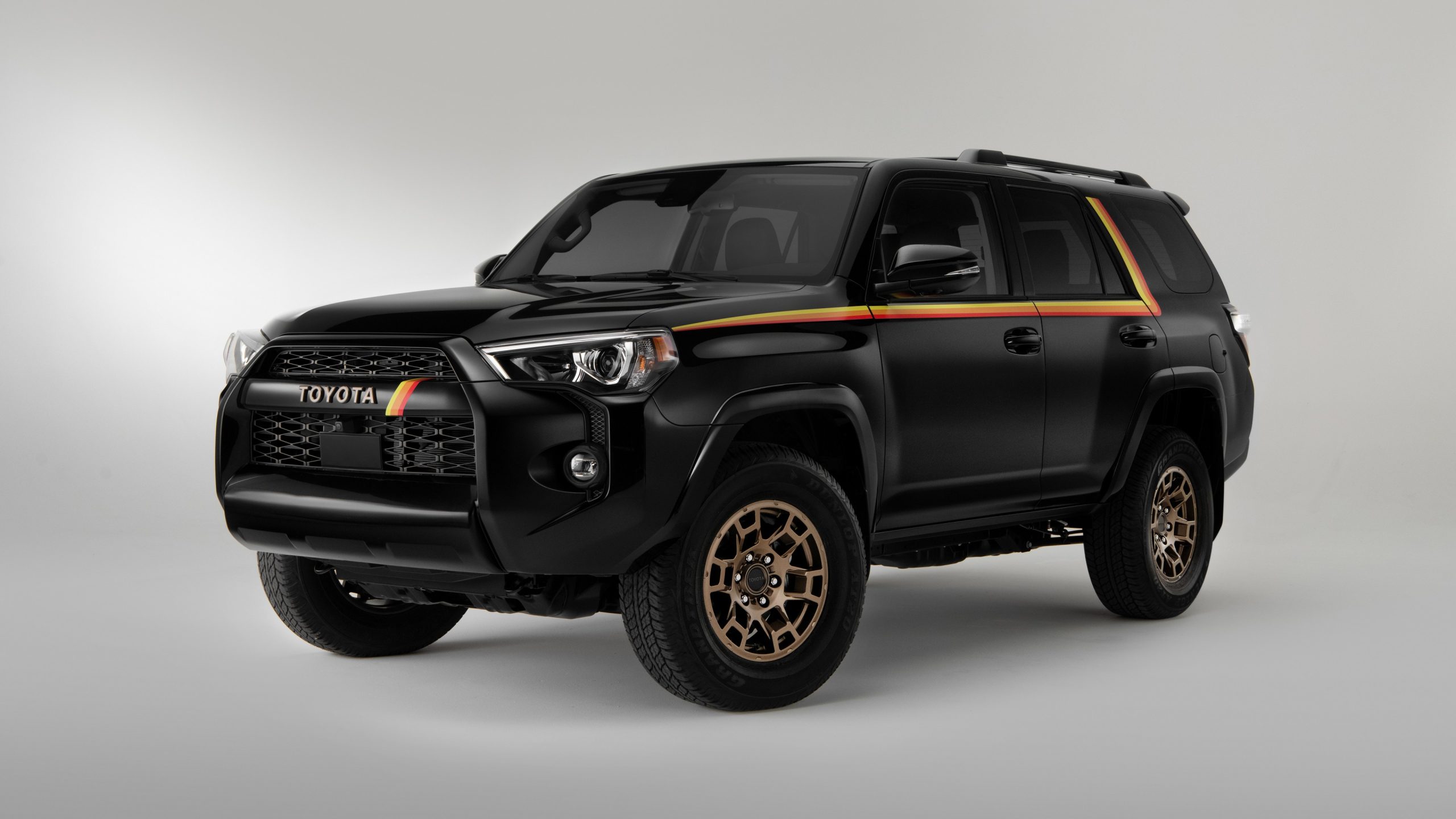
One documented case from the American Midwest involves a 4Runner used for daily commuting and weekend camping trips. The owner reached 522,000 miles on the original engine and transmission. He credits strict adherence to oil change intervals and immediate attention to any unusual noise or feeling. The vehicle never left him stranded.
The transfer case and four-wheel-drive system in the 4Runner are built for longevity. Toyota uses a part-time system with a solid, simple mechanical design. Fewer electronic components mean fewer failure points. Owners who engage four-wheel drive regularly and keep the transfer case fluid fresh report no issues across enormous mileages.
Rust resistance is an area where the 4Runner sometimes struggles in northern climates. Road salt can attack the frame and underbody over many years. Owners who wash the undercarriage regularly and apply rust protection extend the life of these components significantly. Addressing rust early prevents it from becoming a structural problem.
The braking system on the 4Runner is straightforward and serviceable. Brake pads and rotors wear at predictable rates. Owners know what to expect and budget accordingly. The brake lines and calipers on well-maintained examples remain in good condition for hundreds of thousands of miles.
Interior durability matches the mechanical quality. Toyota uses robust materials throughout the 4Runner’s cabin. The seats hold their shape. The dashboard resists cracking. Door panels stay firmly attached. Owners who reach extreme mileages often note how well the interior has aged compared to competitors.
The 4Runner’s ground clearance and approach angles make it capable off-road without stress on the drivetrain. Owners who use their 4Runners for light to moderate off-roading report no additional wear compared to highway-only use. The vehicle handles both roles with confidence.
Parts availability for the 4Runner is exceptional. Toyota’s widespread dealer network and strong aftermarket support mean that any component can be found quickly. Owners are never stuck waiting weeks for an obscure part. This availability encourages timely repairs and keeps vehicles on the road.
The 4Runner’s body-on-frame construction also simplifies major repairs when they do occur. A mechanic can access the engine, transmission, and drivetrain components with relative ease. Labor costs for repairs are lower than on unibody vehicles with tightly packaged components.
Reliability surveys consistently rank the 4Runner among the top performers in the SUV segment. Consumer Reports and J.D. Power data show fewer problems per vehicle than almost any competitor. These numbers reflect real-world owner experiences accumulated over decades.
The 4Runner’s production run has been remarkably consistent. Toyota has not made radical changes to the formula that works. This continuity means that mechanics who worked on 1990s 4Runners can apply their knowledge to modern examples. Institutional knowledge about these vehicles is deep and widespread.
Fuel economy in the 4Runner is not competitive with modern crossovers. The V6 engine gets approximately 17 miles per gallon in mixed driving. Owners who prioritize longevity over economy accept this trade-off willingly. The engine’s relaxed state of tune is precisely what allows it to last so long.
The Toyota 4Runner proves that resisting trends can be a winning strategy. While competitors chased fuel economy with smaller, turbocharged engines, Toyota stayed with a proven naturally aspirated V6 on a truck platform. The result is an SUV that owners can genuinely drive for half a million miles.
3. Lexus GX 470
The Lexus GX 470 carries a secret that its luxury badge almost hides. Underneath its polished exterior lives the mechanical heart of a Toyota Land Cruiser Prado.
This relationship is the foundation of the GX 470’s legendary reliability. The 4.7-liter V8 engine is essentially the same unit found in the Land Cruiser. It is smooth, durable, and engineered for the long haul. Owners who understand this connection buy GX 470s with confidence, knowing exactly what they are getting.
Several documented cases of GX 470 owners reaching 500,000 miles have been verified by independent mechanics. One notable case involves a Texas-based owner who used his GX 470 as a daily driver for over 18 years. He changed oil every 5,000 miles using full synthetic lubricant. The engine never needed internal work.
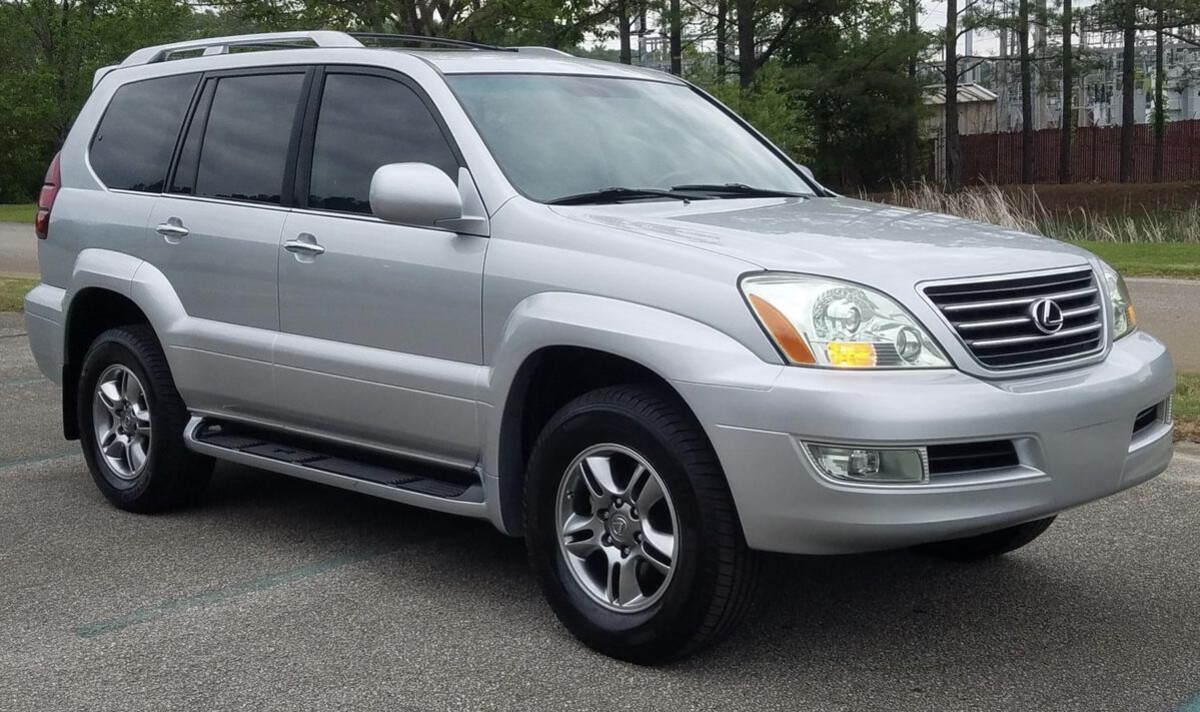
The Lexus build quality adds another layer of durability over the already robust Toyota underpinnings. Lexus assembles vehicles with tighter quality control than most manufacturers. Gaps are smaller, fits are tighter, and materials are selected for longevity. These refinements contribute to a vehicle that ages gracefully.
The GX 470’s air suspension system is one area that requires attention. The airbags can develop leaks over time. Owners who monitor the system and replace airbags when needed avoid the progressive damage that comes from driving on a failed system. Converting to conventional coil springs is a popular long-term solution among high-mileage owners.
The transmission in the GX 470 is the same proven automatic unit used across Toyota’s truck-based lineup. It handles the V8’s torque with ease. Regular fluid changes every 30,000 miles keep the internal components clean and properly lubricated. Owners with 400,000 and 500,000 miles consistently report smooth shifting throughout.
Cooling system maintenance is critical in the GX 470. The V8 engine generates significant heat. Owners who flush the coolant on schedule and replace the thermostat proactively prevent the overheating events that damage engine components. A well-maintained cooling system directly translates to engine longevity.
The GX 470’s body quality is excellent. Lexus uses high-quality steel and thorough rust protection in the manufacturing process. Owners in humid climates report minimal corrosion even after fifteen or more years. The paint quality holds up well with regular washing and occasional polishing.
Leather upholstery in the GX 470 is durable and ages well. Owners who condition the leather periodically find that seats remain supple and crack-free across enormous mileages. The interior quality reflects Lexus’s commitment to materials that last.
The Lexus dealer service network provides excellent support for GX 470 owners. Technicians are well-trained on the specific needs of these vehicles. Maintenance records kept at Lexus dealerships create a valuable ownership history that supports resale value and helps future buyers understand the vehicle’s condition.
Parts for the GX 470 benefit from dual sourcing. Both Lexus and Toyota parts work in this vehicle. Owners can choose Lexus OEM parts for premium quality or Toyota equivalents for cost savings. Aftermarket support is also strong, given the vehicle’s shared platform with popular Toyota models.
The GX 470’s towing capacity and off-road capability kept it relevant for owners who need genuine utility. It can tow up to 6,500 pounds. This capability does not come at the expense of daily drivability. The vehicle transitions seamlessly between utility tasks and comfortable highway cruising.
Insurance and registration costs for the GX 470 are reasonable given its age in the used market. Owners who bought early examples at low prices found themselves with a remarkably inexpensive vehicle to operate long-term. The combination of low purchase price and minimal repair costs makes the GX 470 an exceptional value proposition.
The Lexus GX 470 represents one of the smartest long-term automotive purchases available in the used market today. Its Toyota DNA ensures mechanical durability. Its Lexus assembly ensures build quality. Together, these factors create an SUV that can genuinely reach 500,000 miles in the hands of a careful owner.
4. Honda CR-V (First and Second Generation)
The Honda CR-V’s early generations built a reputation that the nameplate still benefits from today. These compact SUVs demonstrated that thoughtful engineering and quality manufacturing could deliver extraordinary longevity in a smaller, more fuel-efficient package.
The first-generation CR-V used Honda’s B-series engine family. The 2.0-liter B20B and B20Z engines are among Honda’s most durable creations. They are simple, naturally aspirated, and designed with generous tolerances. Owners who maintain them properly find these engines extraordinarily resistant to wear.
The second-generation CR-V introduced the K24 engine family. This 2.4-liter four-cylinder became one of Honda’s defining engines. It combines VTEC variable valve timing with solid, straightforward construction. High-mileage examples are common, and 500,000-mile documentation exists from multiple owners across different countries.
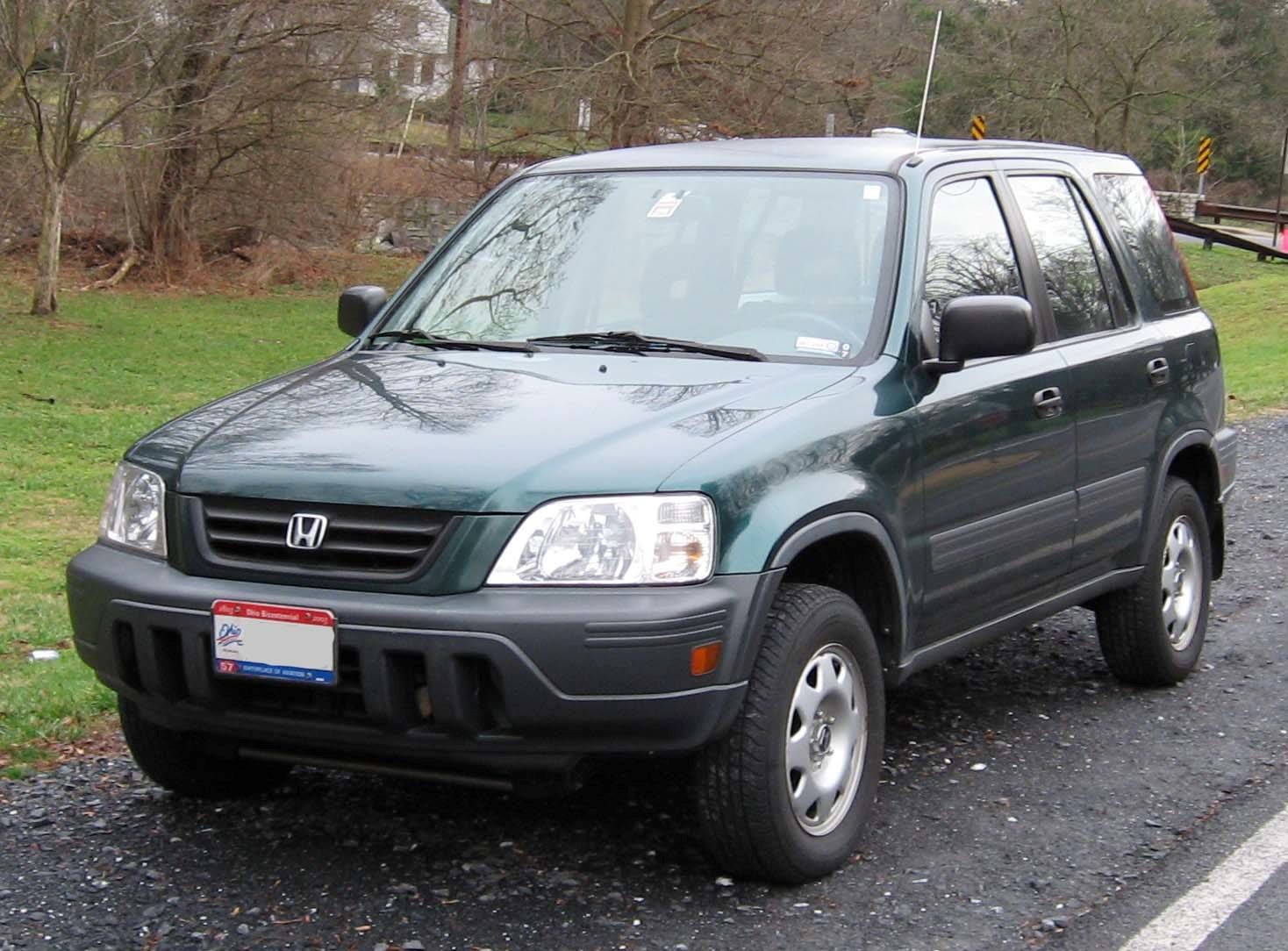
One documented case from Japan involves a second-generation CR-V taxi that accumulated 520,000 miles over twelve years of service. The taxi company performed oil changes every 3,000 miles. The engine and transmission remained original throughout. This level of commercial use typically destroys less robust powertrains.
The Honda automatic transmission in early CR-Vs requires careful attention. Honda’s automatic gearboxes from this era have a reputation for sensitivity to fluid condition. Owners who change transmission fluid every 25,000 to 30,000 miles avoid the premature failure that plagues neglected units. Properly maintained, these transmissions last the life of the vehicle.
The CR-V’s all-wheel-drive system uses Honda’s Real Time 4WD technology. This system is simple and reliable. It engages rear drive automatically when front wheels slip. The rear differential and transfer components are durable when fluid is changed regularly. Neglected fluid leads to the notorious rear differential failure that affects some examples.
Rust is the primary enemy of early CR-Vs in northern markets. The body structure uses relatively thin steel that can corrode aggressively in salt-heavy environments. Owners who address rust early through proper washing and underbody protection extend the vehicle’s structural life considerably. Many high-mileage examples come from dry, southern climates for this reason.
The suspension components in early CR-Vs are simple and serviceable. Struts, control arms, and sway bar links wear at predictable rates. Honda uses quality rubber in its bushings. Owners replace these components as part of regular maintenance without significant expense. The simplicity makes DIY maintenance accessible and affordable.
Fuel economy is one area where the CR-V genuinely excels over larger SUVs on this list. Early CR-Vs deliver 25 to 30 miles per gallon in highway driving. Owners who accumulate 500,000 miles spend significantly less on fuel than owners of V8-powered alternatives. This economy makes the long ownership period financially attractive.
Honda’s engineering philosophy emphasizes mechanical simplicity. The CR-V avoids unnecessary complexity in its drivetrain and systems. Fewer components mean fewer failure points. This approach directly benefits owners seeking extreme longevity. The vehicle’s mechanical honesty is one of its greatest strengths.
The parts ecosystem for early Honda CR-Vs is excellent. Honda’s global presence ensures parts availability everywhere. Aftermarket suppliers produce quality replacement components at competitive prices. Owners are never without options for repairs and maintenance.
The CR-V’s compact dimensions make it practical for urban driving. Parking, maneuvering, and fuel stops are easier than with large body-on-frame SUVs. This practicality encourages owners to use the vehicle daily, accumulating miles steadily over many years.
Early Honda CR-Vs prove that longevity is not exclusive to large, expensive vehicles. With proper care and timely maintenance, these compact SUVs deliver half-million-mile performance. They represent the democratization of extreme durability in the SUV segment.
Also Read: 10 Best SUVs for New York Traffic
5. Chevrolet Suburban
The Chevrolet Suburban holds a unique distinction in automotive history. It is the longest continuously produced vehicle nameplate in American automotive history. That longevity reflects a product that has consistently met the needs of its buyers across nine decades.
The Suburban’s large displacement V8 engines are central to its durability story. The 5.3-liter and 6.0-liter LS-family engines found in modern Suburbans are among GM’s finest engineering achievements. These engines produce substantial power while running in a relaxed, understressed state during normal driving.
The LS engine family has earned enormous respect from both owners and mechanics. Its architecture is strong, its parts are plentiful, and its design is fundamentally sound. Owners who document 500,000-mile journeys in Suburbans consistently credit the LS engine as the heart of their success. These engines simply do not want to die when properly maintained.
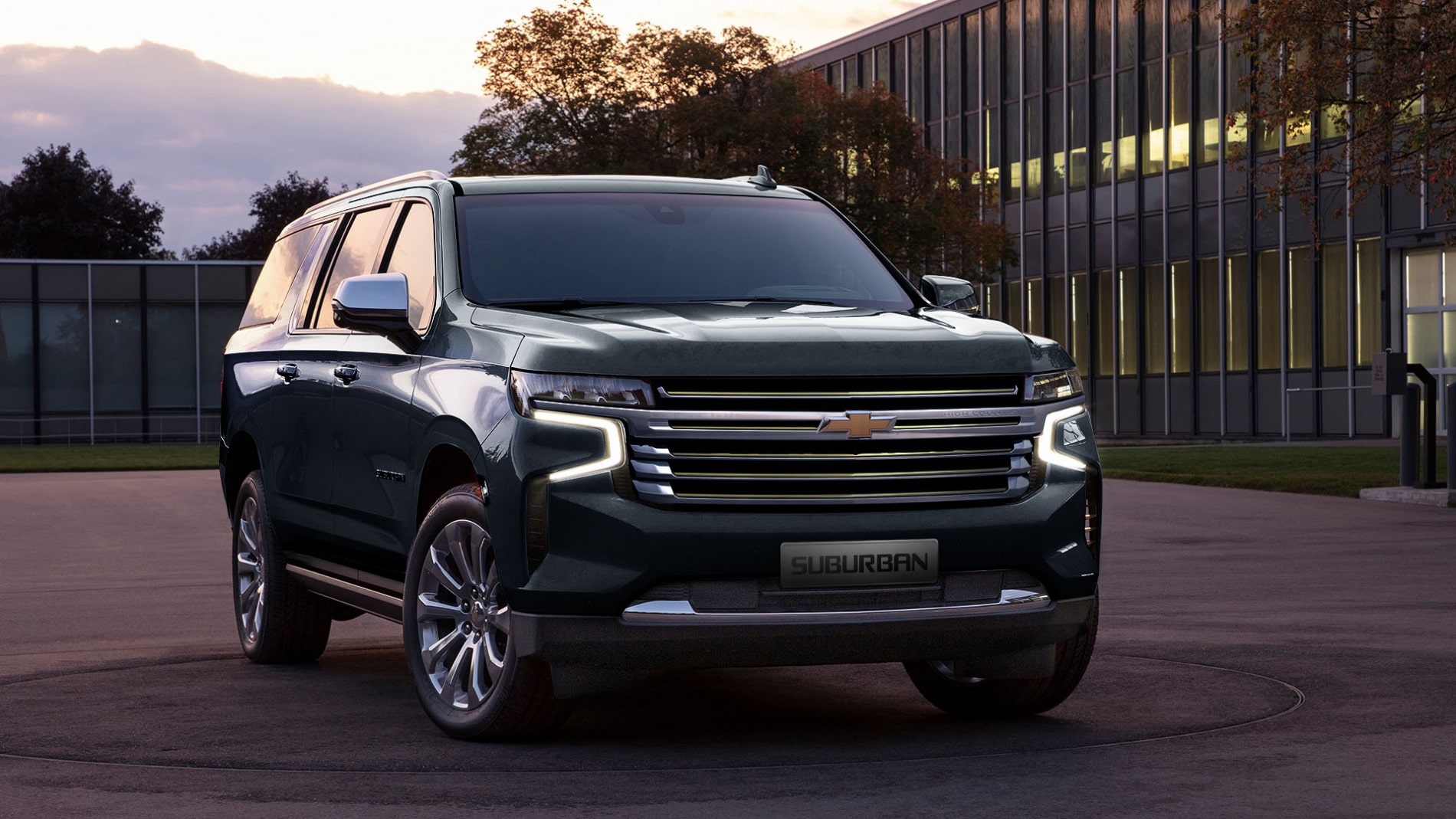
One documented case involves a Suburban used by a church transportation ministry in rural Texas. The vehicle accumulated 507,000 miles over fourteen years of weekly service hauling families to events. Oil changes every 5,000 miles were the primary maintenance item. The engine and transmission remained original throughout the entire period.
The Suburban’s 4L60E and 4L80E automatic transmissions are well-suited to long-distance durability. These gearboxes handle the V8’s torque without strain in normal use. Regular fluid and filter changes are essential maintenance items. Owners who service transmissions consistently report no major issues across enormous mileages.
The full-size platform under the Suburban is shared with the Silverado pickup truck. This platform is engineered for commercial use and serious workloads. It handles the rigors of high-mileage use with resilience that car-based platforms cannot match. The frame, suspension, and drivetrain components are overbuilt for the purpose.
The Suburban’s large fuel tank provides excellent range between stops. The 31-gallon tank means fewer fuel stops on long journeys. While fuel economy averages around 15 to 18 miles per gallon, the large tank partially compensates for the thirsty nature of the V8 engine.
The interior of the Suburban is designed for hard use. Commercial-grade materials in fleet versions and robust consumer-grade materials in retail versions both hold up well across hundreds of thousands of miles. Seat structures remain supportive. Dashboard components resist failure. Owners describe interiors that feel worn but entirely functional at extreme mileages.
Towing capability in the Suburban is remarkable. It can tow up to 8,300 pounds when properly equipped. Owners who use their Suburbans for frequent towing report that the vehicle handles the additional load without accelerating wear. The drivetrain is sized for this kind of demanding use.
Parts availability for the Suburban is essentially unlimited. The shared platform with the Silverado means that every auto parts store carries components for these vehicles. Dealer support is strong across the entire United States. Owners in remote locations are never far from replacement parts.
The Suburban’s size does create some challenges for urban use. Parking in tight city environments requires patience. Fuel costs add up quickly at large-capacity fill-ups. But for owners with space and long-distance needs, the Suburban’s capabilities far outweigh these inconveniences.
Resale values for well-maintained, high-mileage Suburbans remain remarkably strong. Buyers understand the platform’s durability. A 300,000-mile Suburban with good maintenance records sells readily. This resale strength reflects the market’s confidence in the vehicle’s continued durability.
The Chevrolet Suburban stands as proof that American engineering can produce extraordinary longevity. Its truck-based platform, proven V8 engines, and widespread support infrastructure create ideal conditions for reaching 500,000 miles and beyond.
6. Ford Expedition
The Ford Expedition entered the market in 1997 as Ford’s answer to the Chevrolet Suburban. It immediately established itself as a serious contender in the full-size SUV segment. Over its production history, it has developed a loyal following among owners who demand extreme durability.
The Expedition’s 5.4-liter Triton V8 engine, used through the early generations, is a fundamentally strong motor. It produces ample power for a vehicle of this size. The engine’s displacement means it operates without strain during normal highway driving. This relaxed operating state contributes directly to long-term durability.
The latter 3.5-liter EcoBoost V6 introduced in 2018 has raised some questions about long-term durability compared to the naturally aspirated V8. However, early evidence from high-mileage fleet use is encouraging. Owners who maintain the cooling system and address oil consumption proactively report strong performance at high mileages.
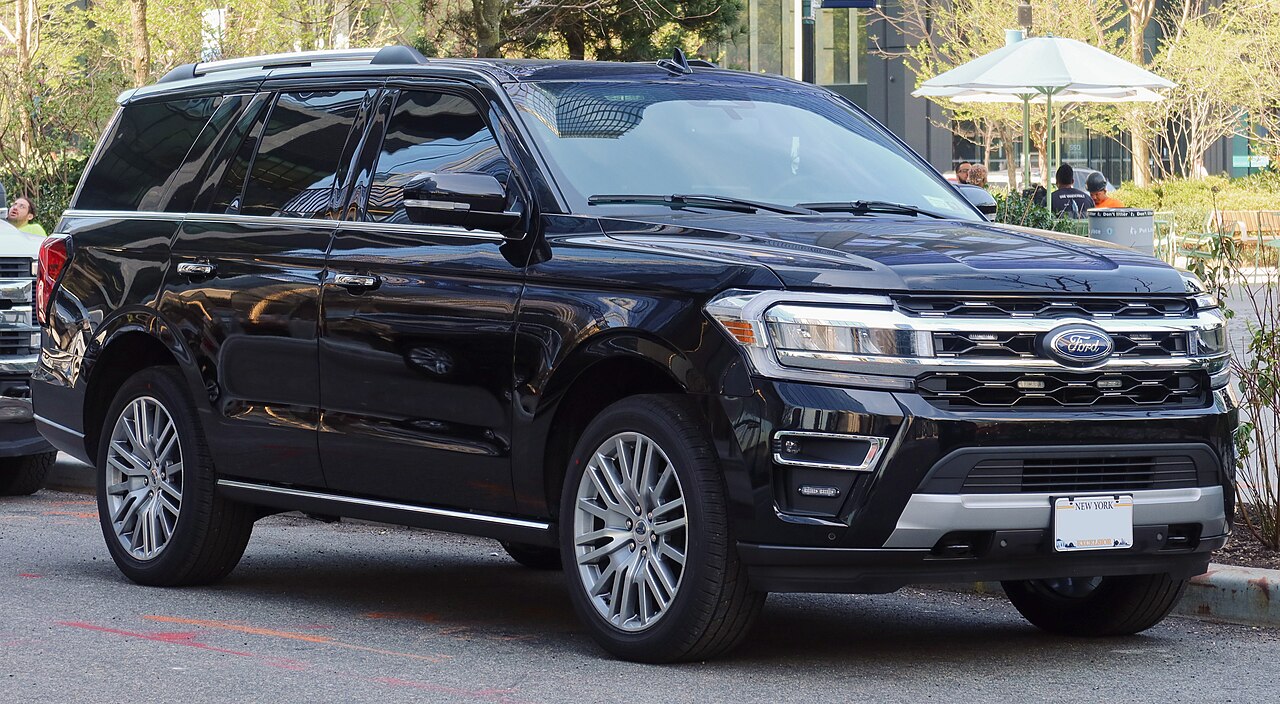
One well-documented case involves a Ford Expedition used as a shuttle vehicle at an Arizona airport. The vehicle accumulated 498,000 miles before the owner retired it due to rust, not mechanical failure. The engine and transmission were still fully functional at retirement. This commercial use case demonstrates the platform’s genuine durability under demanding conditions.
The 4R100 and later 6R80 automatic transmissions used in the Expedition are capable units. The 6R80, shared with the Mustang GT, is particularly well-regarded for its strength and smoothness. Regular fluid changes are essential maintenance. Owners who service these transmissions consistently enjoy many years of trouble-free shifting.
The Expedition’s body-on-frame construction provides the same durability advantages seen in the Suburban. The ladder frame handles stress and flex without fatigue. Suspension components mounted to a rigid frame last longer than those on unibody platforms under equivalent loads.
The Expedition’s interior offers substantial passenger space. Third-row seating accommodates seven or eight passengers comfortably. Owners who use their Expeditions as family vehicles appreciate this capacity across many years and hundreds of thousands of miles.
Ford’s dealer network provides strong support for Expedition owners. Service technicians across the country are familiar with these vehicles. Parts availability is excellent through both Ford dealers and the large aftermarket ecosystem.
The Expedition’s towing capability matches or exceeds the Suburban in many configurations. It can tow up to 9,300 pounds with the EcoBoost engine. This capability makes it a genuine work vehicle that owners use for demanding tasks throughout its long life.
Fuel economy in the Expedition is modest, as expected from a vehicle of this size. The EcoBoost engine improves efficiency compared to the older V8 while maintaining adequate power. Owners who prioritize long-term reliability over economy find the Expedition’s trade-offs acceptable.
High-mileage Expedition owners consistently mention the importance of addressing small issues immediately. Ford electronics from certain production years can develop minor gremlins. Owners who address these early prevent them from becoming larger problems that affect reliability.
The Ford Expedition’s combination of truck-based durability, genuine capability, and strong support infrastructure positions it firmly in the half-million-mile club. Owners who approach maintenance seriously find it a thoroughly reliable long-term companion.
7. Mercedes-Benz G-Class (G-Wagen)
The Mercedes-Benz G-Class is perhaps the most extreme example of engineering for durability in the luxury SUV segment. Originally designed as a military vehicle in the 1970s, the G-Wagen was built to standards that most civilian vehicles never approach.
The G-Class body structure has remained essentially unchanged for decades. This continuity reflects a design that was correct from the beginning. The military-grade ladder frame, solid axles front and rear, and heavy-duty components create a platform of extraordinary strength. These are not the same components found in softened civilian vehicles.
The diesel engines historically offered in the G-Class for global markets represent some of Mercedes’ finest powerplants. The OM617 and OM606 diesel engines in older models have documented histories of exceeding one million kilometers. These figures are not exaggerations. Fleet operators in Africa and the Middle East have kept careful records.
For American market vehicles with gasoline V8 engines, the situation is similarly impressive. The AMG-derived engines in modern G-Class models are powerful and robust. Owners who maintain oil levels carefully and avoid the temptation to redline constantly report excellent longevity across very high mileages.
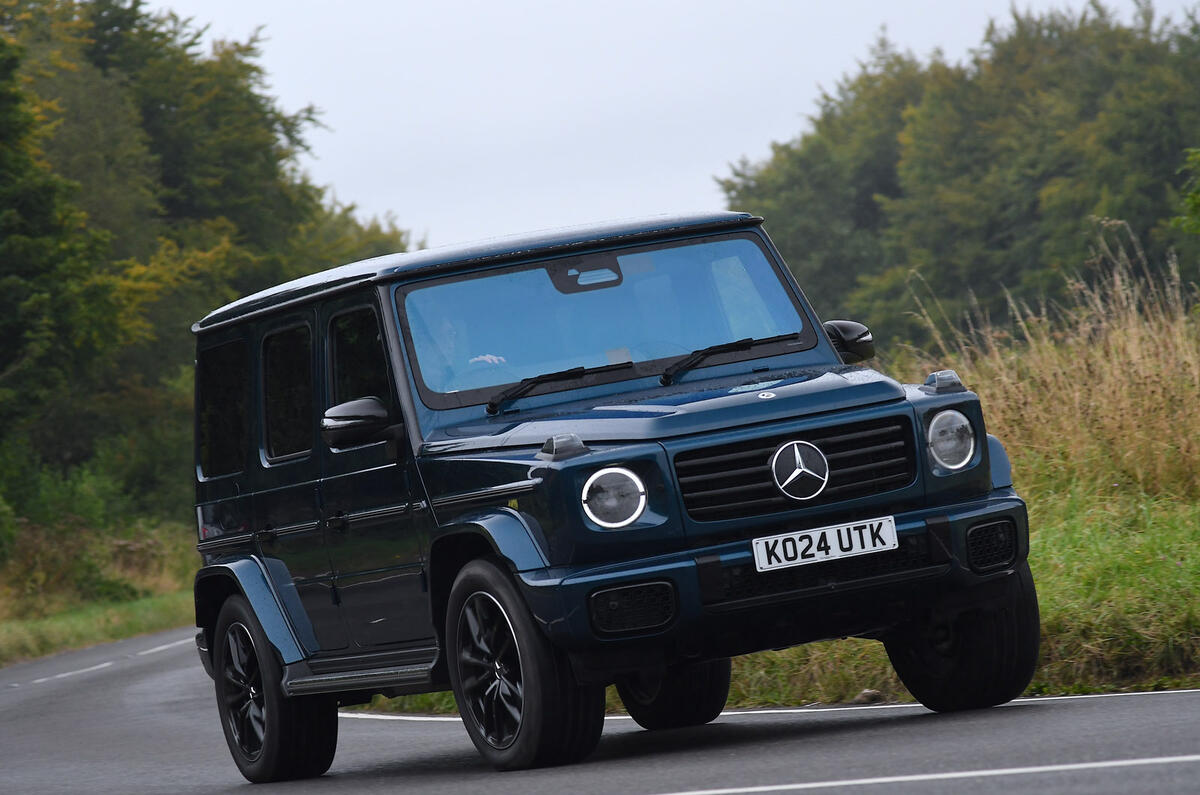
One documented case from Germany involves a G-Class diesel used by a forestry service. The vehicle accumulated 620,000 miles over 22 years of daily off-road and highway use. Only routine maintenance was performed. This represents one of the most extreme documented cases in the SUV category.
The G-Class’s three locking differentials are a defining feature. These mechanical lockers provide absolute traction in extreme conditions. They are mechanically simple and extraordinarily durable. Owners who use them correctly and maintain the differential fluids report no issues across enormous mileages.
Transfer case durability in the G-Class is exceptional. The two-speed unit is massively overbuilt for civilian use. It handles the transition between two-wheel and four-wheel drive without stress. Owners report that this component requires nothing beyond fluid changes for hundreds of thousands of miles.
The G-Class body panels are thick by modern standards. Doors close with a satisfying heaviness that reflects the substantial steel used in their construction. This quality of materials resists the dents, rust, and wear that aging inflicts on lighter-built vehicles.
Maintenance costs for the G-Class are high. Mercedes parts are expensive. Labor rates at dealerships are high. Owners who reach 500,000 miles invest substantially in maintenance over the vehicle’s life. But the cost of that maintenance is still far less than purchasing multiple replacement vehicles over the same period.
The G-Class’s reputation creates a strong resale market. Well-maintained examples with documented service histories command premium prices regardless of mileage. Buyers understand the vehicle’s capability and willingness to accept high mileage on these platforms with confidence.
The Mercedes-Benz G-Class stands apart from every other vehicle on this list. Its military origins created a durability standard that no purely commercial design matches. Owners who invest in proper maintenance find it capable of journeys that seem impossible for any other vehicle.
8. Nissan Patrol (Y61 Generation)
The Nissan Patrol Y61, sold as the Nissan Armada’s tougher international sibling, represents one of the most underappreciated durability stories in the SUV world. While relatively unknown in North America, the Y61 Patrol has developed a legendary reputation across Australia, the Middle East, Africa, and Asia.
The TB48DE inline-six engine found in the Y61 Patrol is the cornerstone of its durability legend. This 4.8-liter naturally aspirated engine produces its power smoothly and without mechanical strain. Its long stroke design and cast iron construction create an engine that resists wear over astronomical mileages.
Australian owners of the Y61 Patrol have documented some of the most impressive mileage achievements of any SUV platform. Rural station owners who drive hundreds of kilometers daily across harsh terrain regularly report 400,000 to 600,000 kilometers on original engines. Converting to miles, these figures represent 250,000 to 375,000 miles under conditions that would destroy lesser vehicles.
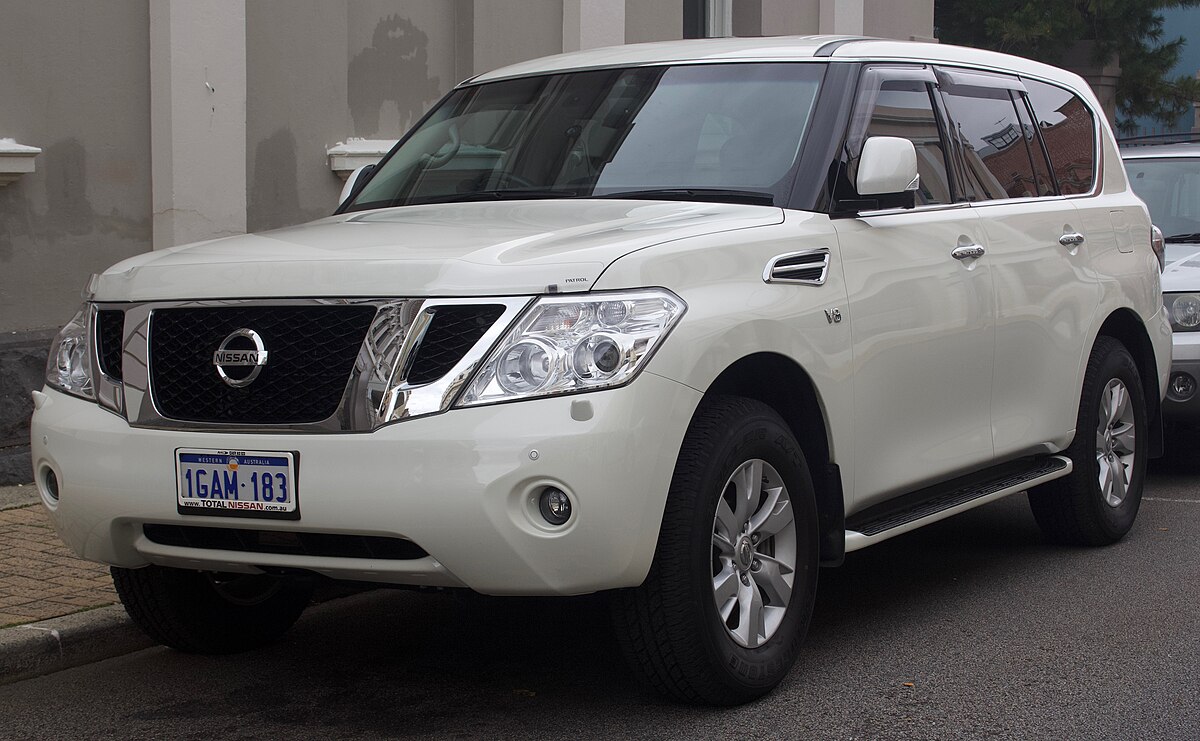
One widely discussed case from Western Australia involves a cattle station operator who documented 750,000 kilometers on a Y61 Patrol with the TB48 engine. The vehicle was serviced every 5,000 kilometers. No internal engine work was ever performed. This represents a genuinely extraordinary achievement in real-world durability.
The ZD30 diesel engine offered in some Y61 markets has a more complex reputation. Early examples had issues with overheating that required careful management. Owners who installed larger intercoolers, monitored coolant temperatures carefully, and used quality lubricants transformed these engines into reliable long-distance performers. Modified appropriately, ZD30-powered Patrols also achieve extreme mileages.
The Y61’s solid front and rear axles are engineered from a previous era, applied to devastating effect. These axles are immensely strong. They resist the flex and fatigue that independent suspension systems experience under off-road loads. Owners who work their Patrols hard in genuinely rough terrain find these axles essentially indestructible.
The four-wheel-drive system in the Y61 is simple and mechanical. Part-time engagement through a manual transfer case means the system is only active when needed. This approach minimizes wear on the drivetrain components. Owners engage the four-wheel drive appropriately and keep the transfer case fluid fresh.
The Y61 Patrol’s body is heavy and robust. Body-on-frame construction with thick steel panels creates a vehicle that absorbs punishment without structural fatigue. Owners who work in mining, agriculture, and remote exploration put genuine stress on these vehicles and find them remarkably resilient.
Parts availability varies significantly by market. In Australia, the Middle East, and Africa, Y61 parts are plentiful and inexpensive. Nissan’s strong presence in these markets ensures dealer support. Aftermarket suppliers also produce quality components for this popular platform.
The Y61 Patrol’s limited presence in North America means it remains largely unknown to American buyers. This obscurity is the auto world’s loss. The vehicle that has proven itself most thoroughly in the harshest environments on earth deserves wider recognition for its extraordinary durability.
The Nissan Patrol Y61 closes this list as a reminder that some of the world’s greatest automotive achievements happen far from the American market. Its combination of a robust inline-six engine, solid axles, and overbuilt construction creates an SUV that genuinely belongs in any discussion of half-million-mile vehicles.
