
The American car market has transformed dramatically since 2015. What was once buyer-friendly has become a battlefield of soaring sticker prices, frustrated consumers, and automakers testing just how much buyers will absorb.
Over the past decade, the forces of inflation, supply chain disruptions, pandemic-driven shortages, semiconductor crises, and shifting consumer tastes have collided to push new vehicle prices to record highs.
Across the new car market, average transaction prices increased by more than 34% from 2019 to 2024 alone. When you extend that window back to 2015, the numbers become even more striking. Some models have effectively doubled in price.
Others have climbed so steeply that entry-level trims of once-affordable vehicles now cost what only fully loaded versions used to command a decade ago.
The causes are layered and complex. A global chip shortage throttled production lines at every major automaker. Pandemic-era stimulus fueled demand at exactly the moment supply dried up.
Automakers discovered that buyers would pay more, and they adjusted their strategies accordingly. Labor costs rose sharply. Raw materials became more expensive. Tariffs added further pressure on imported components and finished vehicles alike.
The result is a car market that many Americans find deeply discouraging. Truck buyers, SUV enthusiasts, and luxury shoppers alike have felt the sting. This article examines ten vehicles that have seen the most dramatic price increases since 2015, what drove those hikes, and what buyers are getting or not getting in return.
1. Ford F-150
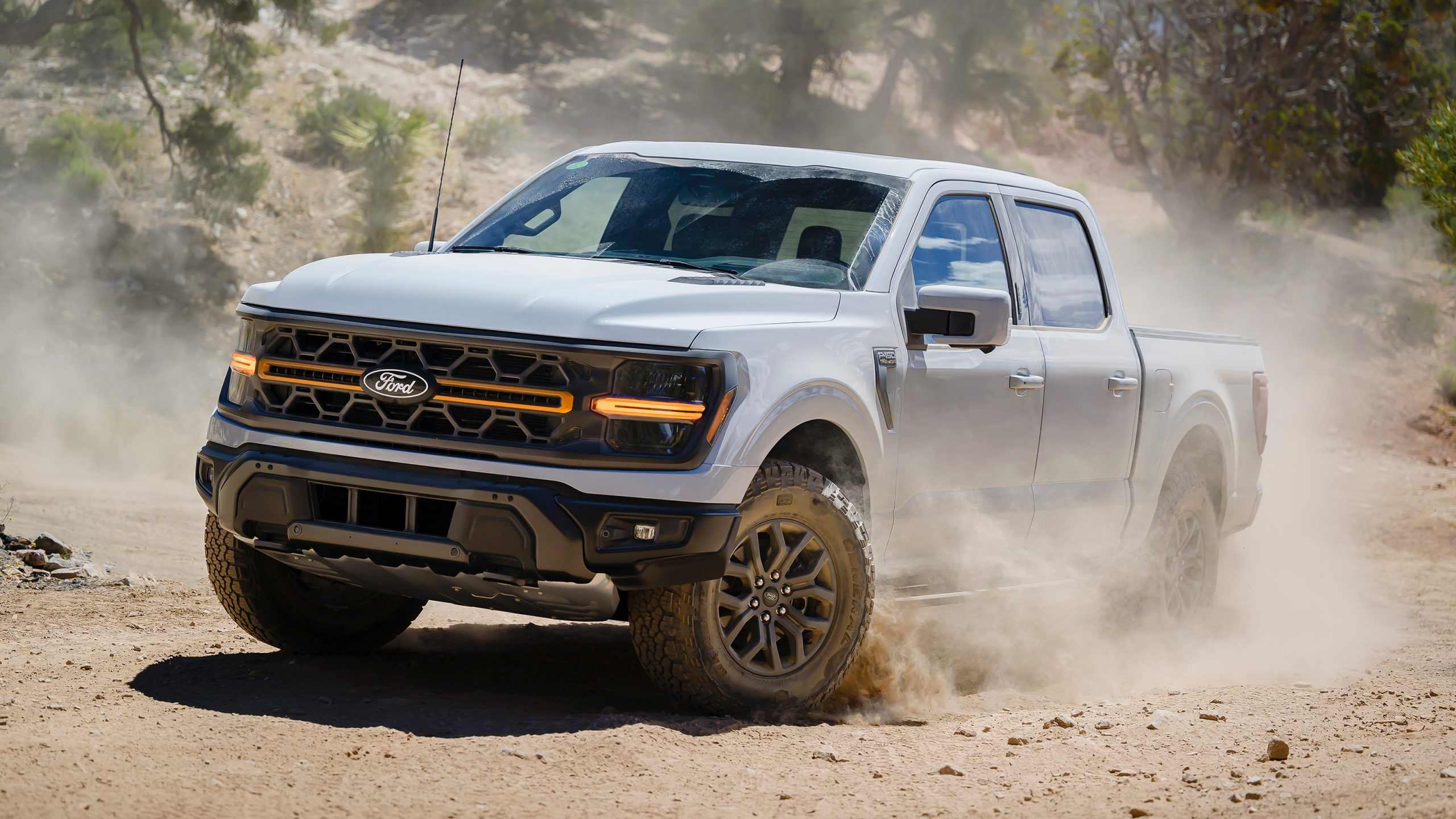
The Ford F-150 is America’s best-selling vehicle, a title it has held for over four decades. It is also one of the most aggressively repriced trucks in the country. In 2015, a base F-150 XL regular cab carried a starting MSRP of approximately $26,615. By 2025, that same entry-level configuration had climbed to around $38,810 before destination charges, representing a base price increase of nearly 46%.
Real-world comparisons tell an even sharper story. Comparing like-for-like Lariat trim window stickers from actual buyers, the F-150 jumped from $55,500 in 2015 to $61,800 in 2019, then surged to $75,000 by 2024.
That is a 35% increase in less than a decade on a single popular trim level. Most of that pain was concentrated in the years after 2019, when pandemic pressure and chip shortages combined to ignite an unprecedented price spiral across the truck segment.
Ford did not simply inflate prices and leave them there. The 2024 model year brought a substantial mid-cycle refresh that included new technology, updated powertrains, and connectivity upgrades.
The refreshed 2024 Ford F-150 debuted with price increases across the entire trim lineup, ranging from $1,205 all the way up to $10,505, depending on the series. That is a staggering increase applied across a truck lineup that millions of Americans have already stretched their budgets to afford.
The F-150 does deliver substantially more vehicle than it did in 2015. The Pro Power Onboard system turns the truck into a mobile generator with bed-mounted outlets, useful for work sites, camping, and emergency situations. Every 2025 F-150 comes with a 12-inch touchscreen featuring wireless Apple CarPlay, Android Auto, wireless charging, and multiple USB ports as standard equipment. These are real amenities that 2015 buyers could not access at any price on the base trim.
However, many buyers feel the value equation has tipped too far against them. Entry buyers who once got into an F-150 for under $30,000 now face a starting price pushing past $40,000 with destination charges.
The work truck buyer, the contractor, farmer, and tradesperson have been pushed into increasingly difficult financial territory. Monthly payments that were manageable a decade ago now strain household budgets significantly.
Ford raised prices for the Maverick, Explorer, and Expedition alongside the F-150 in early 2025, signaling that pricing discipline was loosening across the entire Blue Oval portfolio.
The F-150 remains the benchmark of the truck segment in capability and technology, but the distance between a 2015 model and a 2025 model in price is a chasm that many once-loyal buyers can no longer bridge without a painful and prolonged loan commitment.
2. Cadillac Escalade
The Cadillac Escalade is the ultimate symbol of American luxury excess, and its price history since 2015 reflects that identity completely. In 2015, the Escalade started at around $72,000 for its base Luxury trim. By 2025, the standard Escalade Luxury 2WD crossed the $90,000 mark for the first time in the vehicle’s 26-year history. That crossing of the $90,000 threshold is not just a number, it is a milestone that marks how radically Cadillac has repositioned this vehicle.
At the top of the range, the numbers become genuinely stratospheric. The 2025 Escalade-V, powered by a supercharged 6.2-liter V8 producing 682 horsepower, starts at approximately $169,995. The extended-length Escalade-V ESV pushes to $172,995. These are prices that rival serious European sports sedans and put the Escalade in a different economic universe from where it lived just a decade ago.
On the higher-end trims, the Escalade is reportedly around $70,000 more expensive today than it was five years ago. That figure alone communicates how aggressively Cadillac has pushed this vehicle upmarket. The brand is using the Escalade as a halo product, a status symbol designed to compete with the Mercedes-Benz GLS, the Bentley Bentayga, and the Rolls-Royce Cullinan in the imaginations of aspirational American buyers.
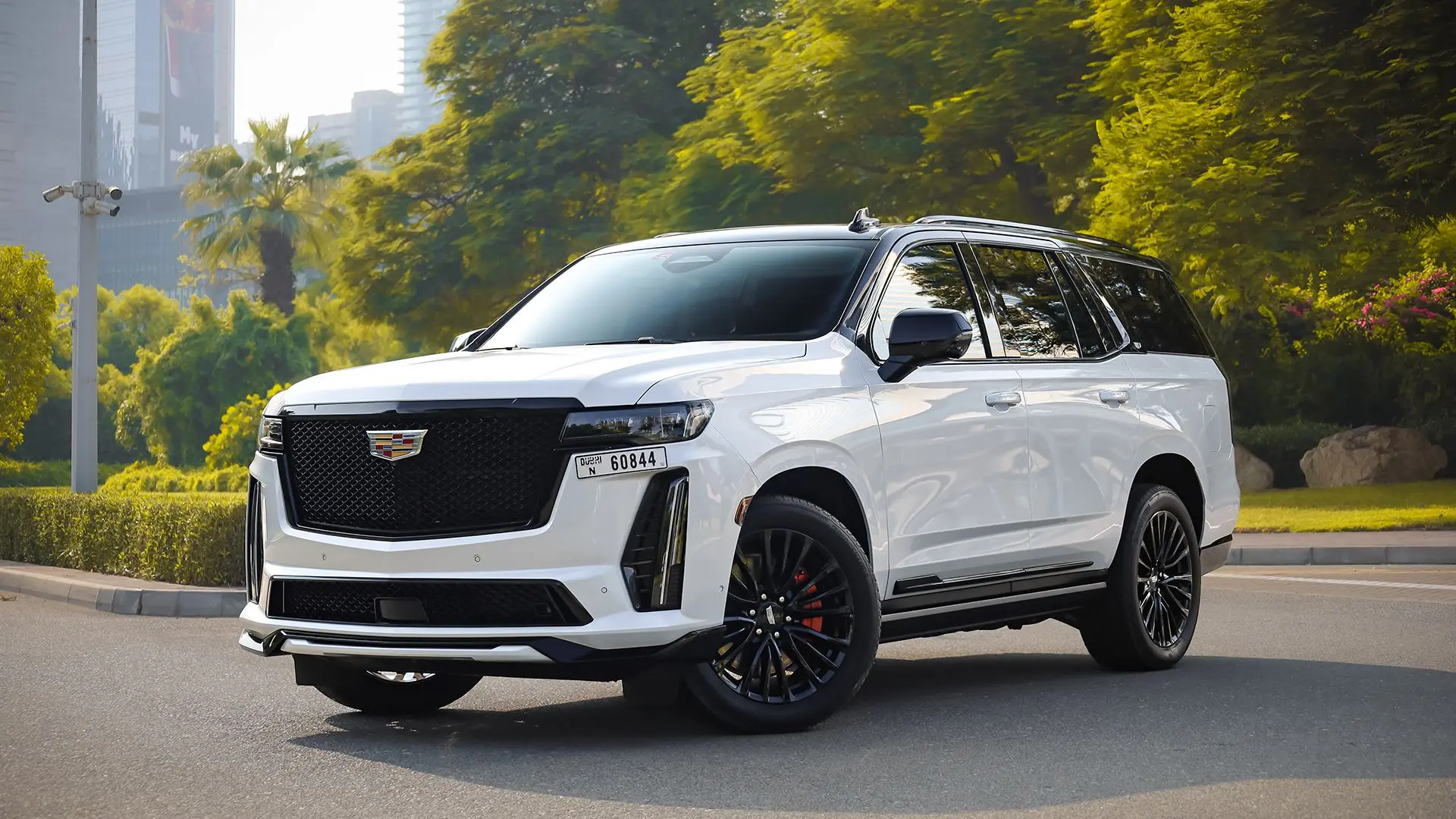
The Escalade of 2025 does deliver a genuinely extraordinary interior experience. The sweeping 38-inch curved OLED display that stretches across the dashboard is breathtaking by any measure. Adaptive air suspension, available night vision, a panoramic sunroof, and authentic open-pore wood trim create an ambiance that the 2015 Escalade could not match. The V-Series adds Brembo brakes and magnetic ride control to the already formidable powertrain package.
Average transaction prices for the Cadillac brand surged by 19% year over year, with much of that growth driven by Escalade buyers who are increasingly willing to spend six-digit sums on America’s best-selling full-size luxury SUV. General Motors discovered that its most loyal Escalade customers are largely price-insensitive, and the company has tested that assumption repeatedly and with increasing boldness. The results have consistently confirmed that the market will absorb the increases.
The 2025 Escalade received three separate price increases within a single model year alone. These included a mid-model-year bump of $3,000 on all non-V-Series configurations and $5,300 on the Escalade-V variants. That level of within-year repricing speaks to how confident General Motors is in the Escalade’s desirability and how willing the brand is to extract maximum revenue from its most prestigious nameplate.
3. Jeep Wrangler
The Jeep Wrangler has always occupied a unique position in the American automotive market. It has no true direct competitor and cultivates a devoted, almost evangelical owner base. That combination has given Stellantis enormous pricing power, and the company has used it liberally since 2015. The base 2015 Wrangler Sport two-door started at approximately $22,995. The 2025 Wrangler Sport begins at roughly $32,095, a jump of about 40% on the base price alone over a decade.
At higher trims, the transformation is even more pronounced. While the base Sport and Rubicon trim levels have climbed steadily, top-tier Wrangler configurations have nearly doubled in price since 2020. The Rubicon 392, with its massive 6.4-liter V8 engine and factory-fitted off-road equipment, commands prices approaching and occasionally exceeding $100,000 when fully optioned. That is a vehicle at a price point that would have been virtually unimaginable for a mid-size off-roader in 2015.
The average transaction price for a new Jeep Wrangler hit $59,457 in 2024. That number reveals how far the real-world buying experience has drifted from the base sticker price. Most Wrangler buyers do not choose the base Sport. They want the four-door Unlimited body, the Sahara or Rubicon trim, the hard top, the upgraded audio system, the off-road packages, and the price climbs rapidly and steeply from there with each option box checked.
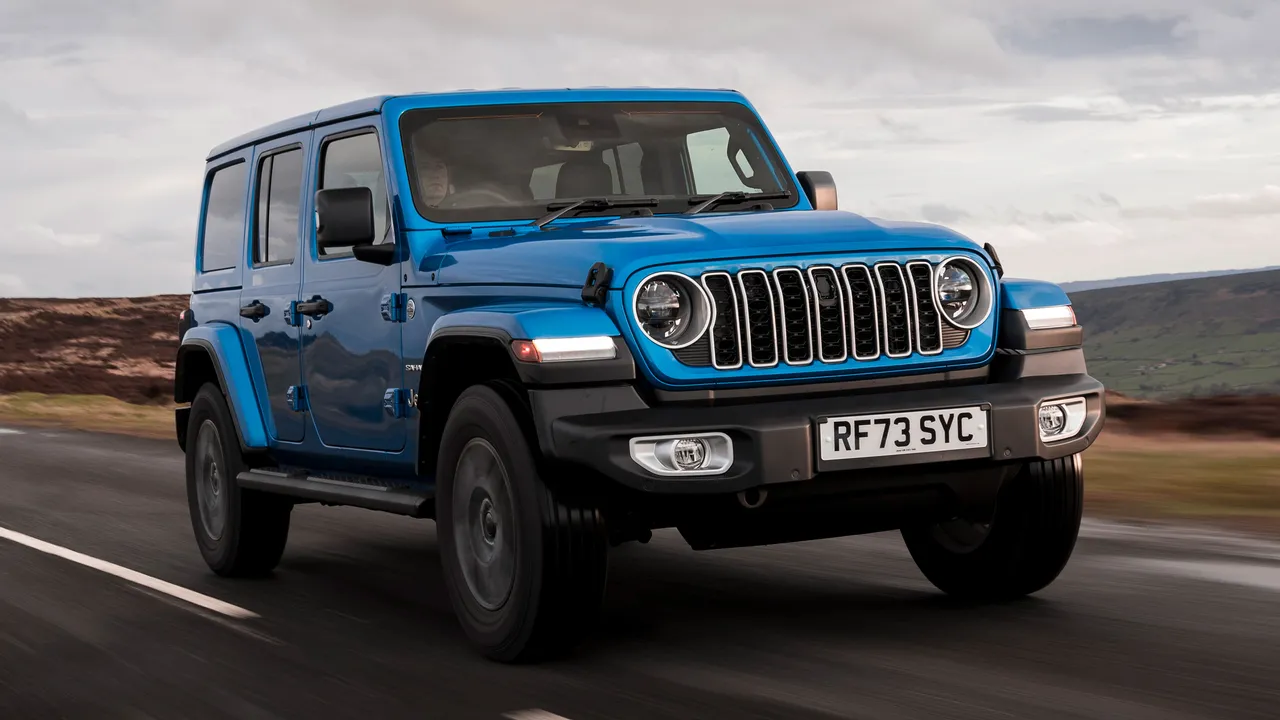
Jeep dramatically expanded the Wrangler lineup since 2015, adding the 4xe plug-in hybrid powertrain, the thunderous Rubicon 392 V8 model, and numerous special editions carrying significant premiums.
The 4xe hybrid, while offering some electric driving range and federal tax credit eligibility, also carries a price premium over comparable gasoline Wranglers. This broadening of the lineup has pushed average transaction prices upward even when base MSRPs look deceptively modest.
The good news for Wrangler buyers is that the vehicle holds its value better than almost anything else in the segment. The Wrangler is a consistent top performer for maintaining residual value at the five-year and seven-year marks.
A high purchase price stings at the dealership but softens meaningfully when trade-in time comes. The combination of cult following and limited supply of alternatives keeps used Wrangler prices remarkably strong.
Jeep did make some concessions heading into 2026, cutting prices on key trims as competition from the Ford Bronco intensified. The four-door Wrangler Sport S now starts at $42,495, including destination, a modest reduction from the previous year.
Even with that adjustment, the Wrangler of today is a fundamentally different financial proposition than the Wrangler of 2015, and the decade-long trajectory of steady, relentless price increases tells the real story of this iconic vehicle.
4. Ram 1500
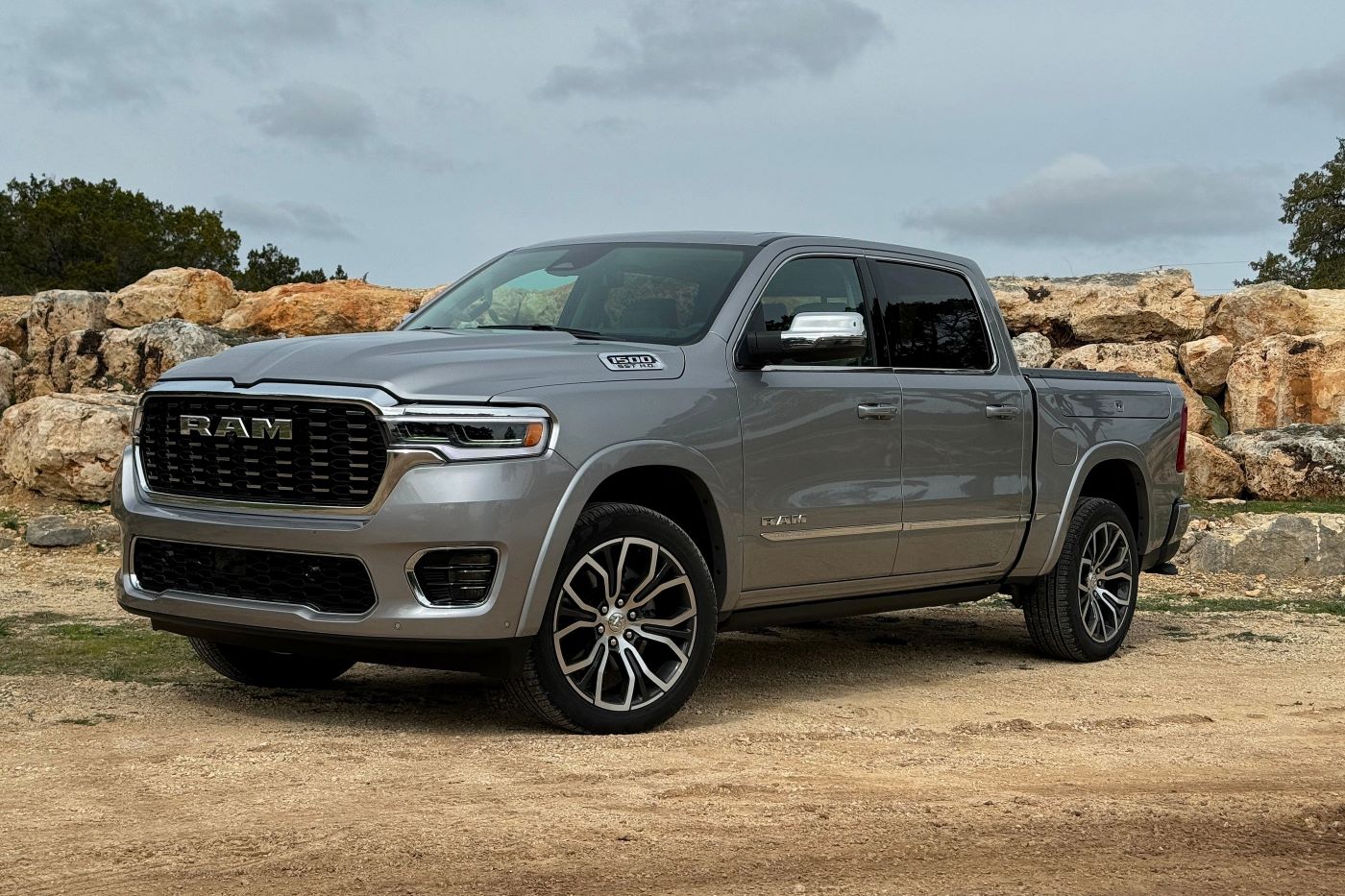
The Ram 1500 has undergone a remarkable reinvention since 2015. It was already a respected truck a decade ago, but Stellantis has repositioned it as a near-luxury pickup that competes as much on interior refinement and ride comfort as it does on raw capability. In 2015, a base Ram 1500 Tradesman started at approximately $26,145. By 2025, entry-level pricing sits well above $38,000, and the story gets considerably more dramatic as you climb the trim hierarchy.
The average transaction price of a Ram 1500 reached approximately $57,000, according to Stellantis sales data. Heavy-duty Ram 2500 and 3500 variants average even higher, with the Ram 3500 Limited Longhorn regularly transacting above $80,000 when properly equipped. These are not outliers driven by a handful of wealthy buyers. They represent what the typical Ram customer actually spends when configuring the truck with the features and comfort they genuinely want from a modern pickup.
The 2019 generation Ram 1500 was a genuine watershed moment for the nameplate. It introduced a coil spring rear suspension, a feature associated with luxury sedans rather than work trucks, delivering a dramatically smoother ride than competitors. A massive center console storage system, a quiet cabin, and interior materials that rivaled European luxury SUVs were all part of the package. Buyers rewarded Ram with surging sales, and Stellantis rewarded itself with steadily climbing prices.
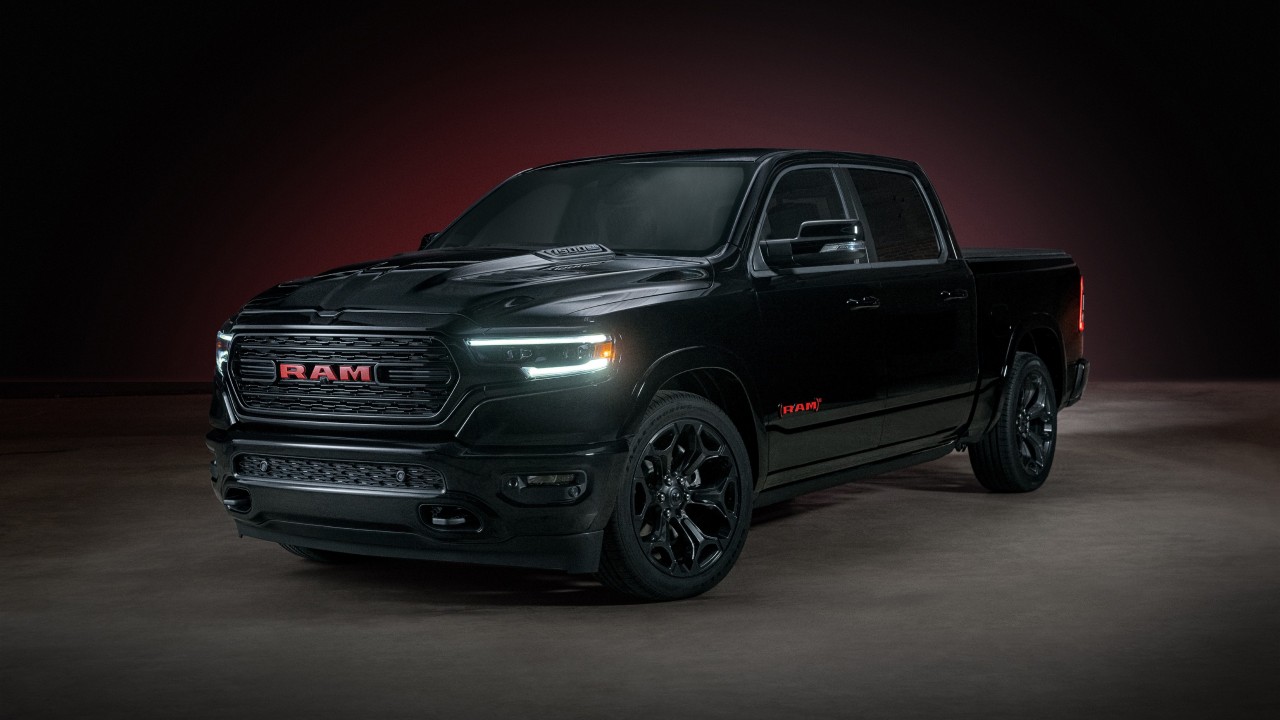
The luxury ambitions of the Ram lineup also produced the 1500 TRX, which launched in 2021 with a supercharged Hellcat V8 producing 702 horsepower. At launch, it carried an MSRP starting above $70,000. Special editions and dealer markups pushed some units past $100,000 during the supply-constrained years of 2021 and 2022. That is a price level no truck in this class had previously inhabited, and Ram placed it there deliberately as a statement of maximum ambition.
Buyers in the tradesperson and contractor segment have felt increasingly squeezed by the Ram 1500’s upmarket migration. The entry-level pricing has risen substantially, but the real financial pressure comes in the mid-range trims, where most buyers spend. The Big Horn, Laramie, Longhorn, and Limited trims all carry premiums that reflect the brand’s luxury aspirations rather than basic transportation needs. The era of the simple, capable, affordable American work truck feels increasingly distant when examining the Ram 1500 window sticker.
The Ram 1500’s price inflation also reflects the oligopolistic nature of the full-size truck segment. Ford, Chevrolet, and Ram together effectively control this market, giving each brand room to raise prices without fear of losing buyers to dramatically cheaper alternatives.
When all three major competitors raise prices simultaneously, individual pricing restraint becomes economically irrational. Consumers who need a full-size truck have little choice but to absorb the increases and adjust their financing expectations accordingly.
Also Read: 8 Pickups With the Most Torque Per Dollar
5. Toyota Tacoma
The Toyota Tacoma is the undisputed king of the mid-size truck segment, holding that crown for over two decades through a reputation for near-indestructible reliability and legendary resale value. It has also become significantly more expensive since 2015. A base 2015 Tacoma SR two-wheel-drive started at around $23,300. The 2025 Tacoma SR begins at approximately $31,500, representing an increase of more than 35% on the base price alone.
The Tacoma’s pricing power is directly tied to its legendary durability and resale strength. Research consistently shows the Tacoma retaining up to 80% of its original value after five years, while other pickups in the American market typically lose 30 to 40% of their value in the same timeframe. That residual value strength gives Toyota the confidence to price the Tacoma aggressively, knowing buyers will pay the premium and recoup much of it when they eventually sell or trade the vehicle.
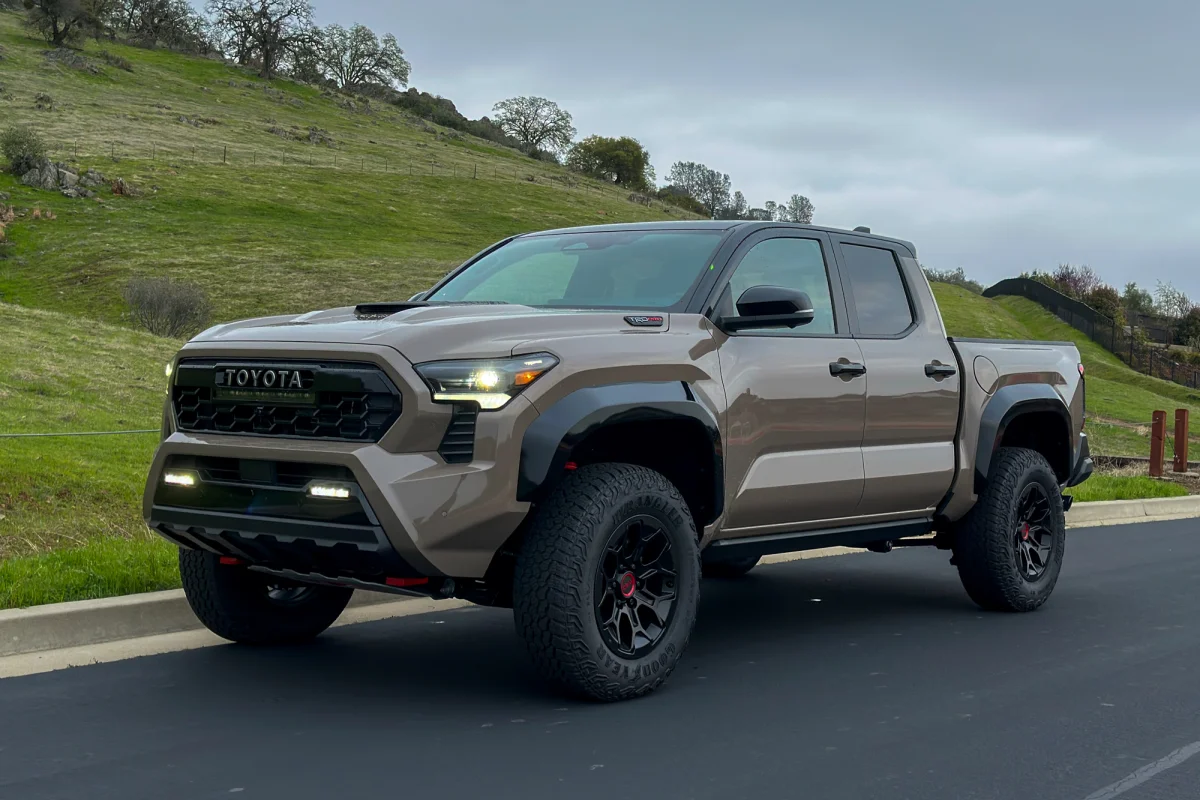
The 2024 Tacoma represented a full generational redesign that came with a significant price increase to match. Toyota introduced a new twin-turbocharged 2.4-liter four-cylinder engine across most of the lineup, replacing the aging 3.5-liter V6 that had powered earlier generations.
More significantly, the 2024 model introduced the i-FORCE MAX hybrid powertrain, delivering 326 horsepower and becoming an instant selling point for buyers who wanted more performance and better fuel economy simultaneously without giving up the truck’s off-road character.
The mid-size truck segment has grown dramatically since 2015, driven largely by the Tacoma’s success, proving that buyers would pay more for this class of vehicle than previously assumed.
The Ford Ranger, Chevrolet Colorado, and Jeep Gladiator have all re-entered or expanded their offerings in the segment, but none has seriously threatened the Tacoma’s market leadership.
Toyota’s confident pricing reflects that dominance. When consumers keep choosing your product regardless of price increases, the incentive to hold pricing down effectively disappears.
6. Chevrolet Suburban / GMC Yukon XL
The Chevrolet Suburban is the definitive American family hauler, a vehicle so embedded in the national culture that its name has become nearly synonymous with the oversized, three-row family SUV category itself.
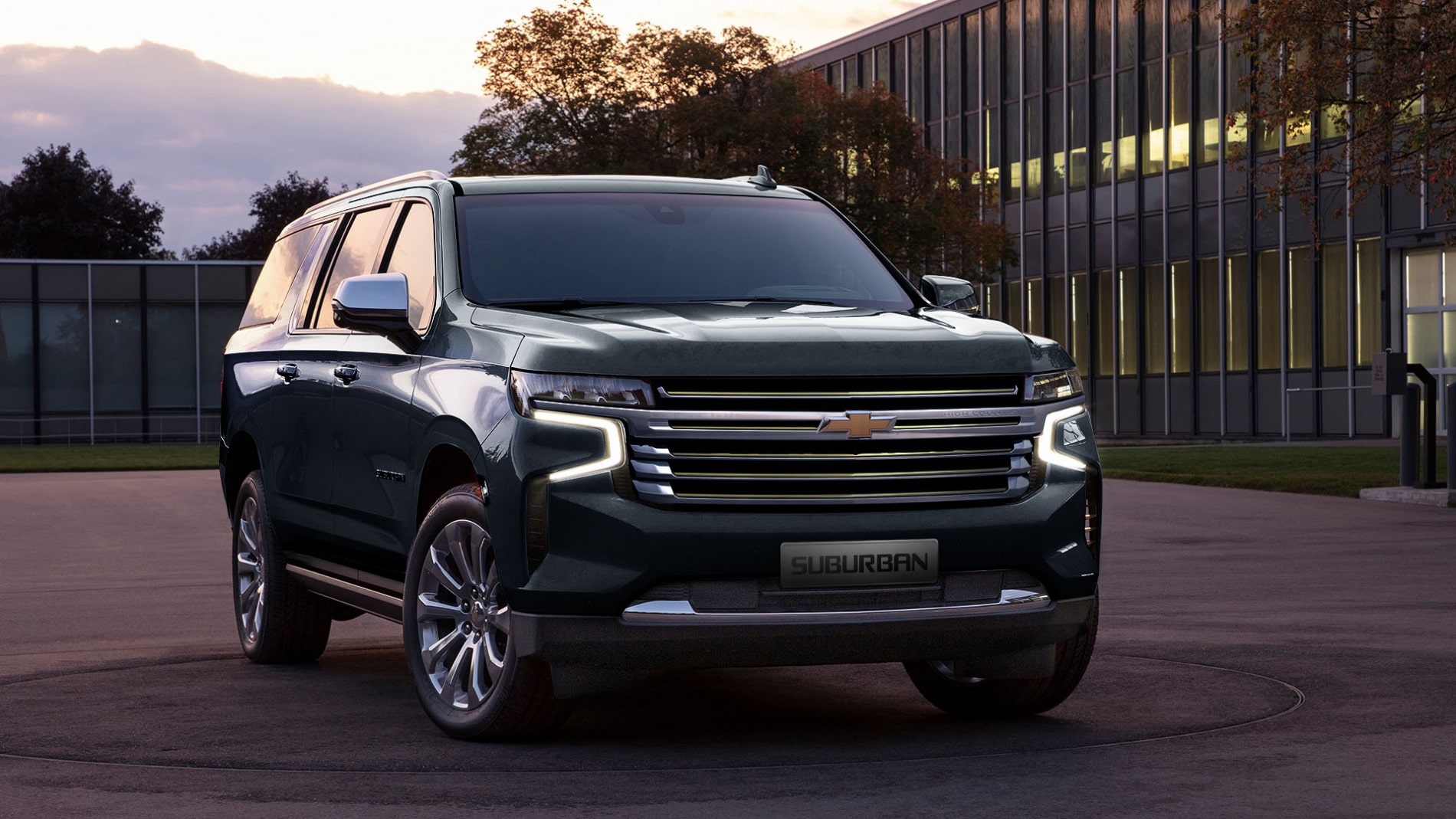
In 2015, the Suburban LS started at approximately $49,000. By 2025, the base price had climbed past $60,000, and well-equipped Premier and High Country versions regularly exceeded $80,000. The High Country trim, with all available packages, can push the window sticker north of $90,000.
The current generation Suburban, introduced for the 2021 model year, brought improvements significant enough to justify at least some of the price increase. Independent rear suspension replaced the old solid rear axle design, transforming both ride quality and the flat cargo floor geometry that makes loading luggage and groceries far easier.
The interior gained genuine luxury-SUV quality materials, real wood trim, and a dramatic curved instrument display that raised the cabin experience substantially beyond what the 2015 model offered.
General Motors has also brilliantly executed a brand stratification strategy built around this platform. The same fundamental vehicle is sold as a Chevrolet Suburban for mainstream family buyers, a GMC Yukon XL for those seeking slightly more premium positioning and exclusive styling, and a Cadillac Escalade ESV for luxury buyers willing to pay a massive further premium for the Cadillac name and unique interior treatment. This brand layering allows GM to extract maximum revenue from a single platform investment that is shared across all three products.
Fleet and executive transport buyers have also played a role in pushing Suburban prices higher. The vehicle remains a staple of government agencies, corporate fleets, and security operations.
These institutional buyers are generally less price-sensitive than individual consumers and have reinforced the market’s tolerance for higher pricing.
When your product is chosen for presidential motorcades and Fortune 500 executive transport, it signals a premium that individual buyers end up subsidizing through the brand’s pricing confidence.
7. Honda CR-V
The Honda CR-V is one of the most popular compact crossovers in America, consistently ranking among the top-selling vehicles in the country year after year.
It is also a vehicle that has seen steady, relentless price increases since 2015 that have transformed it from an accessible family car into a meaningfully expensive purchase. The base 2015 CR-V LX started at approximately $23,445. The 2025 CR-V LX begins at roughly $31,450, an increase of about 34% on the base price alone.
Honda’s price increases on the CR-V reflect both genuine improvements to the vehicle and the broader industry dynamics that have pushed crossover prices upward across the board.
The current fifth-generation CR-V, redesigned for 2023, introduced a dramatically improved interior with more premium materials, a larger touchscreen, standard wireless connectivity features, and a more sophisticated suspension setup that meaningfully improved ride comfort. The available hybrid powertrain, which now accounts for a large share of CR-V sales, also commands a premium over the gasoline-only model.
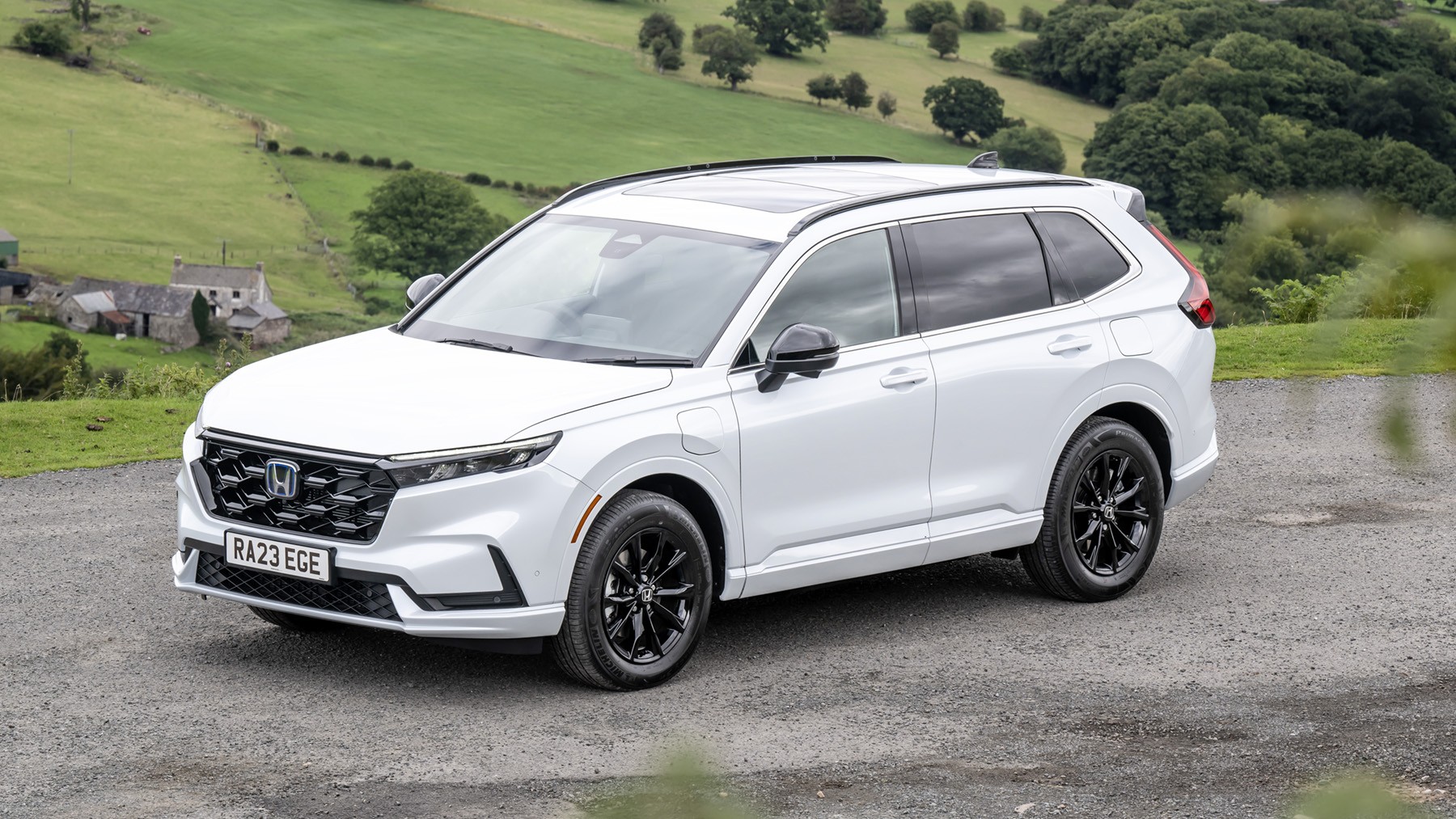
The CR-V Hybrid’s growth within the lineup has been one of the key drivers of the model’s average transaction price inflation. While the base gasoline CR-V starts at a relatively accessible price point, the hybrid variants that most buyers actually choose carry substantially higher sticker prices.
The Sport Hybrid and Sport-L Hybrid trims sit well above $35,000, and the top-spec Sport Touring Hybrid can approach or exceed $40,000. A $40,000 CR-V would have been completely unthinkable in 2015.
The competitiveness of the compact crossover segment has actually intensified since 2015, with stronger entries from Toyota, Hyundai, Kia, and Volkswagen all competing vigorously for the same buyers.
Despite that competition, the CR-V has maintained its premium pricing by leveraging Honda’s reputation for reliability and long-term ownership satisfaction. Honda buyers tend to keep their cars longer than average, and the brand’s residual values reflect that loyalty in ways that support higher initial transaction prices year after year.
8. Toyota 4Runner
The Toyota 4Runner occupies a genuinely unique position in the American SUV market. It is one of the last remaining body-on-frame SUVs aimed at mainstream buyers, a vehicle built on truck architecture that sacrifices some on-road refinement in exchange for genuine off-road durability and mechanical simplicity.
Its appeal has grown enormously since 2015 as consumer interest in overlanding and outdoor adventure has exploded, and Toyota has priced it accordingly. The base 2015 4Runner SR5 started at approximately $33,425. The 2025 4Runner SR5 begins at around $41,665, but that base comparison barely tells the real story.
The 4Runner received a full redesign for 2025, its first in over a decade, and it arrived with substantial price increases that reflected both the new engineering investment and Toyota’s confidence in the model’s cult following.
The new 2.4-liter turbocharged four-cylinder engine replaced the aging 4.0-liter V6 that had powered the 4Runner since 2010. A new i-FORCE MAX hybrid powertrain was also introduced, producing 326 horsepower and torque figures that make it significantly more capable than the engine it replaced.
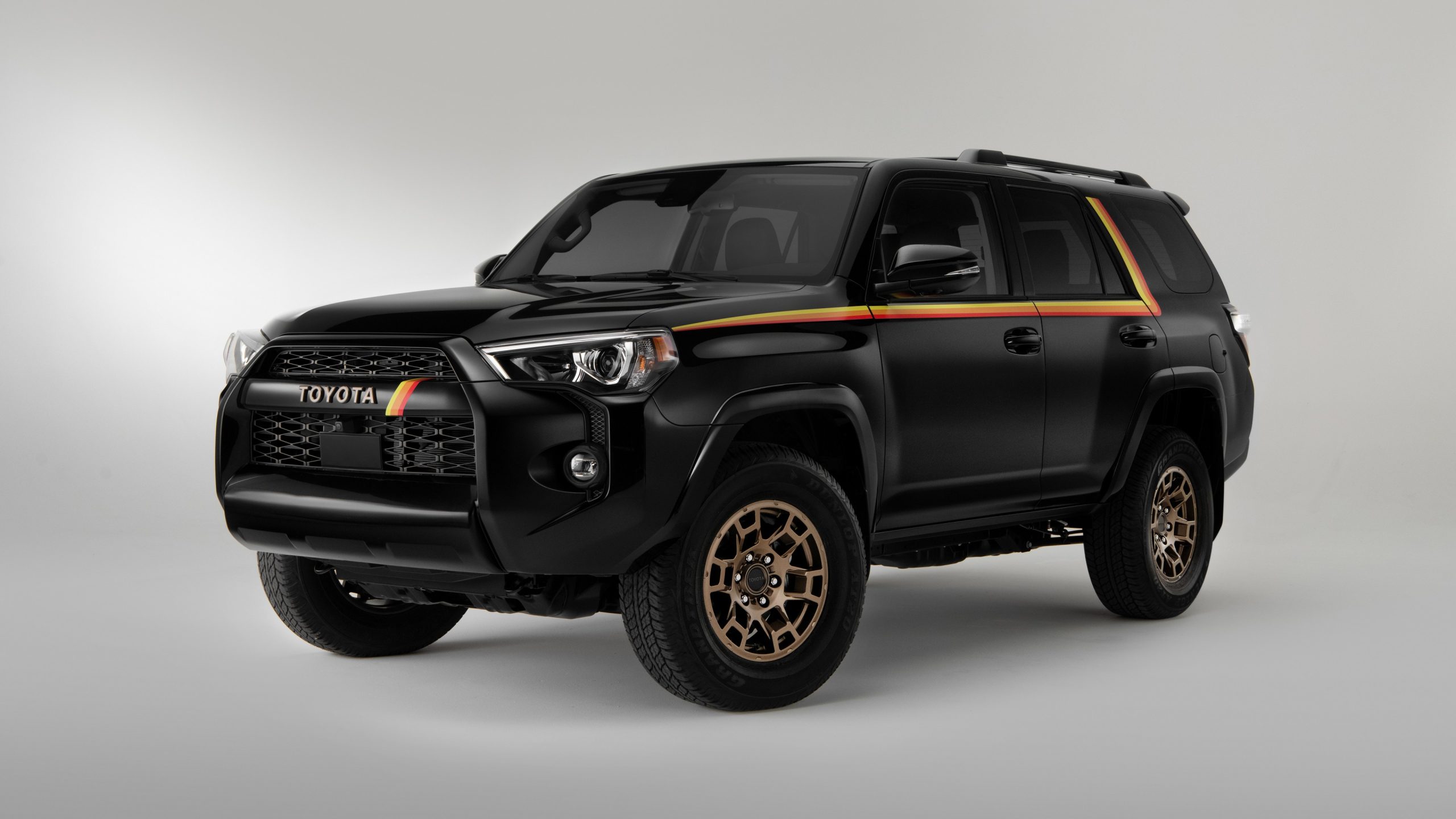
The TRD Pro trim, the flagship off-road variant, now starts well above $60,000 and can be configured past $65,000 with available options. The new Trailhunter trim, explicitly targeting overlanding enthusiasts with factory-fitted suspension upgrades, electronic locking differentials, and off-road tires, also sits in the upper price tier.
These premium adventure trims represent a massive departure from the 4Runner’s more modest pricing roots of a decade ago. The 4Runner’s price increases are also tied to the broader transformation of what consumers expect from a vehicle in this price range.
Buyers in 2025 expect a large touchscreen, Apple CarPlay, a suite of safety assistance technologies, and comfort features that were reserved for luxury vehicles in 2015.
Delivering those expectations on a body-on-frame platform that must also perform genuinely off-road requires engineering investment that ultimately flows through to the sticker price. Toyota has made that investment, and it has priced accordingly.
9. Kia Telluride
The Kia Telluride is a relative newcomer compared to the other vehicles on this list, having launched only in 2020. But its price trajectory in just five-plus years has been dramatic enough to warrant serious attention.
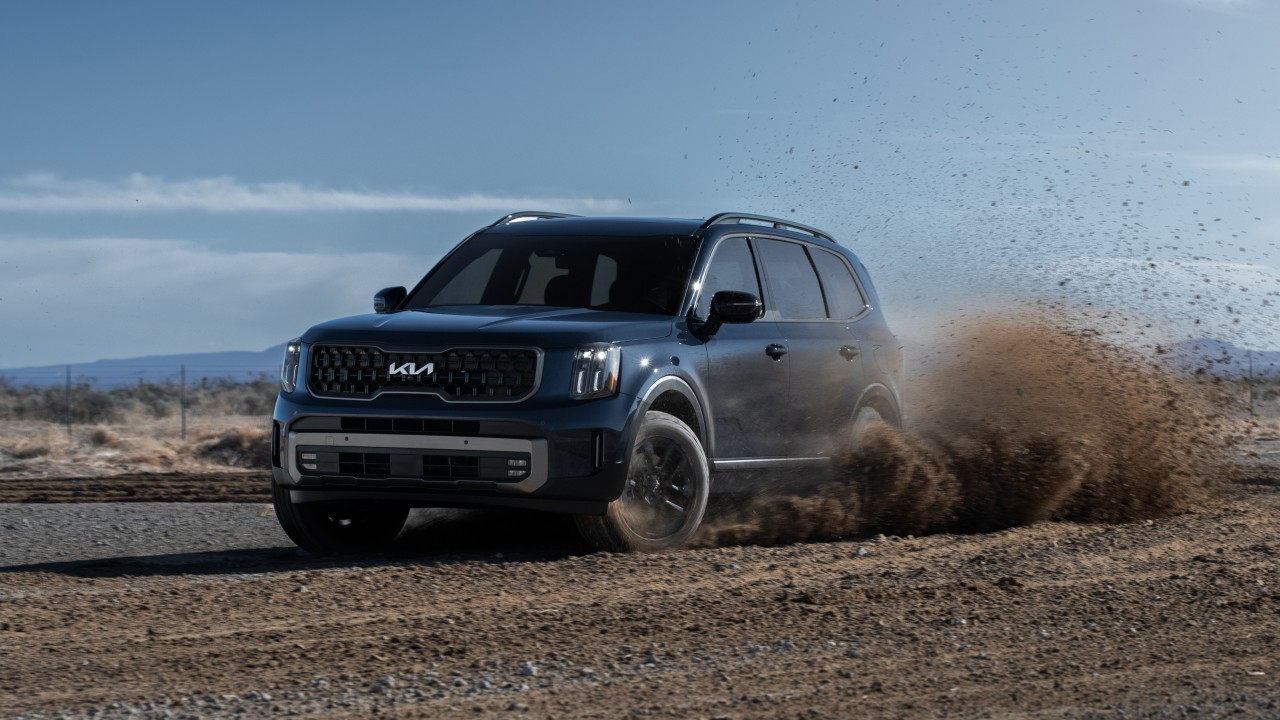
When the Telluride debuted, it started at approximately $31,690, an extraordinary value proposition for a three-row SUV with genuinely premium interior quality. By 2025, the starting price had climbed to approximately $38,090, but more strikingly, well-equipped SX Prestige and X-Pro Prestige trims can now be configured above $55,000.
The Telluride’s rapid price escalation reflects two simultaneous forces. First, Kia discovered almost immediately after launch that it had significantly underpriced the vehicle relative to what the market would bear.
Buyers were lining up, and dealers were charging substantial markups over MSRP throughout the first few years of production. Kia’s logical response was to raise the official MSRP to capture some of that premium officially rather than ceding it to dealer profit margins.
Second, Kia has progressively added content and trim levels to the Telluride lineup that push the average transaction price substantially above the base sticker. The X-Line and X-Pro trims, adding all-terrain capability, rugged styling, and exclusive features, command considerable premiums.
The top SX Prestige trim with the available Harman Kardon audio system, panoramic sunroof, and driver assistance package stacks up to a genuinely expensive purchase that would have been associated with Lexus or Acura territory just a decade ago.
For buyers who purchased a 2020 or 2021 Telluride, the price appreciation has been a welcome surprise. Those early buyers saw their vehicles hold value exceptionally well through the supply-constrained pandemic years.
For new buyers entering the market in 2025, the Telluride is no longer the obvious bargain it once appeared to be. It remains an excellent three-row SUV, but its days as the value disruptor of the segment have largely given way to pricing that requires the same serious consideration as any premium competitor.
10. Ford Expedition
The Ford Expedition rounds out this list as a vehicle that has experienced sustained, significant price inflation since 2015 while simultaneously climbing upmarket to compete more directly with luxury alternatives.
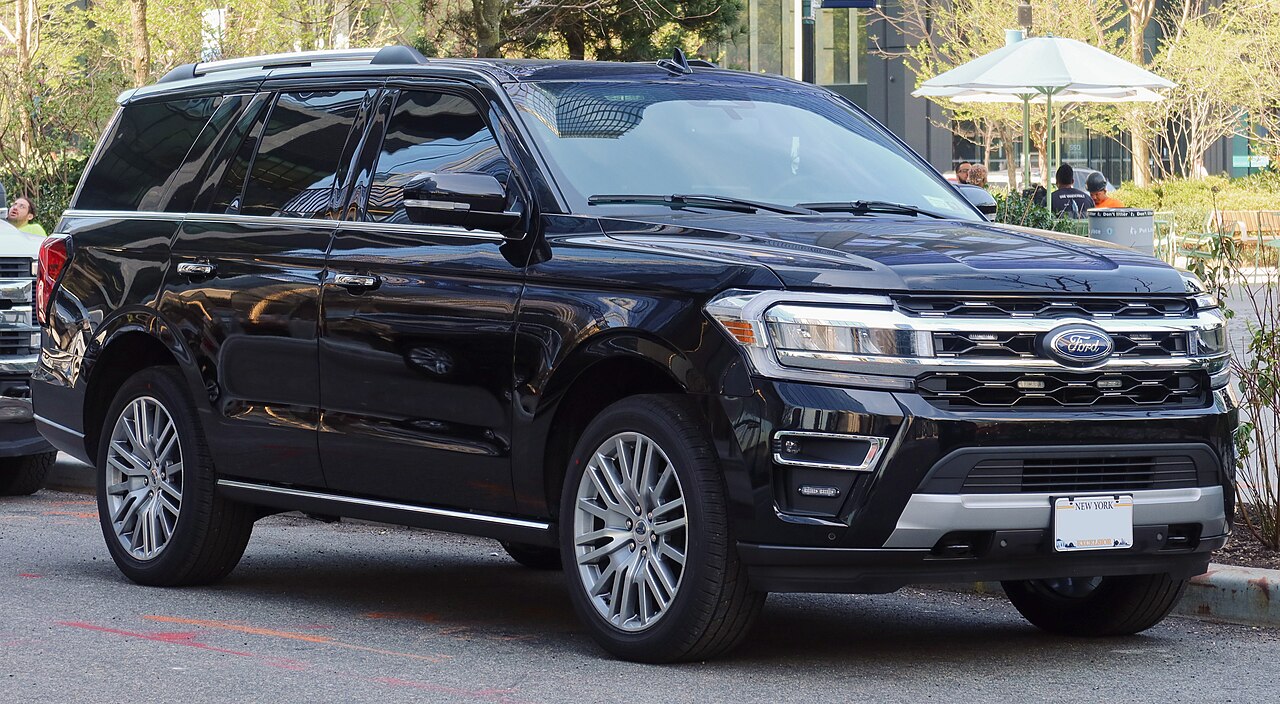
The base 2015 Expedition XLT started at approximately $40,365, already a significant sum for many families. The 2025 Expedition XLT now begins at roughly $57,000, a jump of more than 41%. At the upper end of the lineup, the Expedition Platinum and the performance-oriented Timberline are well above $70,000 and $80,000, respectively.
The Expedition’s price increases reflect a deliberate strategy by Ford to leverage its full-size SUV platform more aggressively. The same vehicle is sold as the standard-length Expedition and the extended Expedition MAX, with the MAX commanding a further premium for additional third-row headroom and cargo capacity.
In a market where buyers need a genuine full-size, body-on-frame SUV with maximum towing capacity and three-row seating, the Expedition and its rival, the Chevrolet Suburban face limited competition. Limited competition and strong demand are a reliable recipe for price increases.
The current Expedition received significant updates, including Ford’s SYNC 4 infotainment system with a large portrait-oriented touchscreen, available Pro Power Onboard generator capability borrowed from the F-150 platform, and significant interior upgrades on the higher trim levels.
The Stealth Edition and Timberline packages add specialized styling and capability options that push individual transaction prices well above base MSRP. Ford has learned from the F-150 playbook that truck-platform buyers will pay for capability-focused packages.
The Expedition also benefited enormously from the supply crisis of 2021 and 2022, when dealers were charging over-MSRP premiums routinely. That era trained both buyers and sellers to accept a higher pricing baseline.
Even as inventory normalized by 2024 and 2025, the Expedition’s official MSRP never returned to pre-pandemic levels. The ratchet of automotive pricing, it turns out, almost exclusively turns in one direction, and the Ford Expedition’s decade-long price history is a textbook illustration of that uncomfortable truth for American car buyers everywhere.
Also Read: 10 Cars With the Strongest Stock Engines Sold Today
