
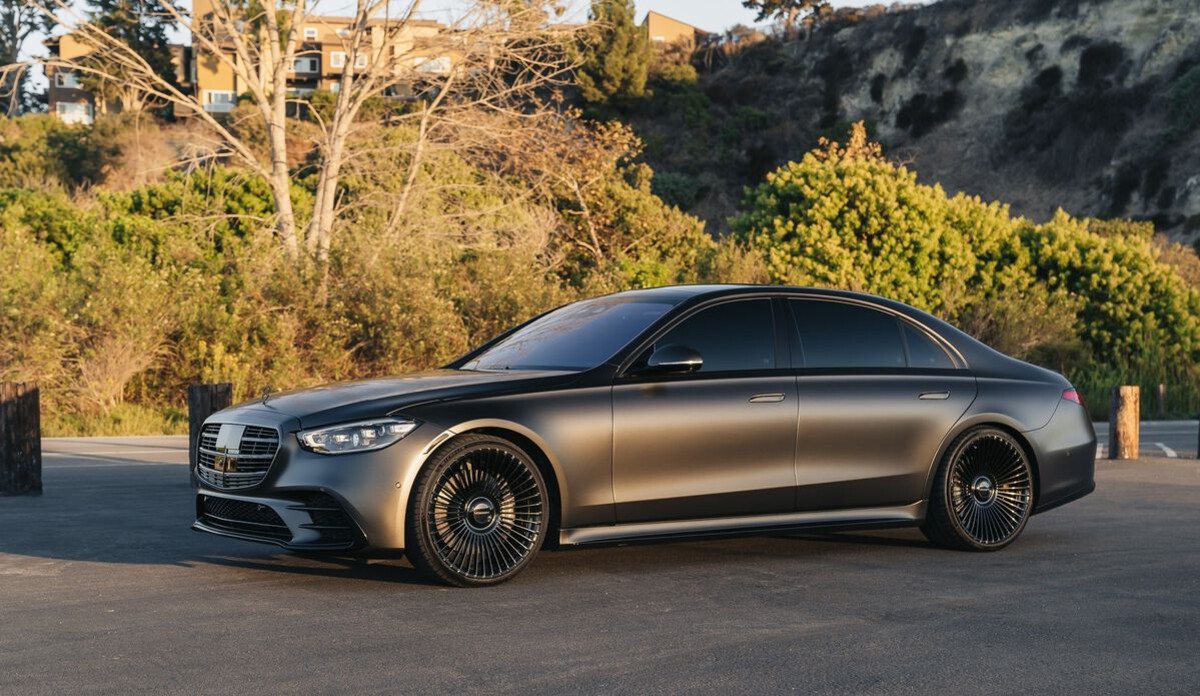
Modern luxury vehicles are designed to deliver exceptional comfort, precise handling, and a smooth driving experience that separates them from ordinary cars. One of the key technologies behind that premium ride quality is air suspension.
Unlike traditional coil spring systems, air suspension uses inflatable air springs, electronic sensors, compressors, and control modules to automatically adjust ride height and damping based on road conditions and driving modes. This setup allows vehicles to glide over rough roads, maintain balance under heavy loads, and improve aerodynamics at high speeds.
While the technology offers undeniable advantages, it also introduces a major downside that many buyers discover only after ownership begins. Air suspension systems are notoriously expensive to repair and replace. In several luxury cars and SUVs, a complete replacement can easily exceed $5,000, especially when multiple components fail simultaneously.
Labor costs, dealership pricing, electronic calibration, and premium parts contribute heavily to the final bill. Over time, air springs can leak, compressors can wear out, and electronic modules may malfunction, particularly in vehicles that are driven in harsh climates or kept beyond their warranty periods.
This becomes a serious concern for used luxury car buyers who are attracted by affordable second-hand prices without realizing the long-term maintenance costs hiding beneath the surface. Some high-end vehicles that originally sold for six figures can become financial burdens once suspension issues appear.
Owners often face difficult decisions between paying massive repair invoices or converting the vehicle to traditional coil springs, which can compromise ride quality and resale value. Understanding which vehicles are most prone to costly air suspension repairs is essential before making a purchase decision.
The following list highlights eight luxury cars and SUVs known for air suspension replacement costs that can climb above $5,000. These vehicles offer incredible comfort and performance, but maintaining their advanced suspension systems requires a serious financial commitment.
Whether you are considering buying one of these models or already own one, knowing the potential repair expenses can help you prepare for the realities of luxury car ownership.
Also Read: 10 Cars With Insurance Premiums Lower Than a Compact Sedan
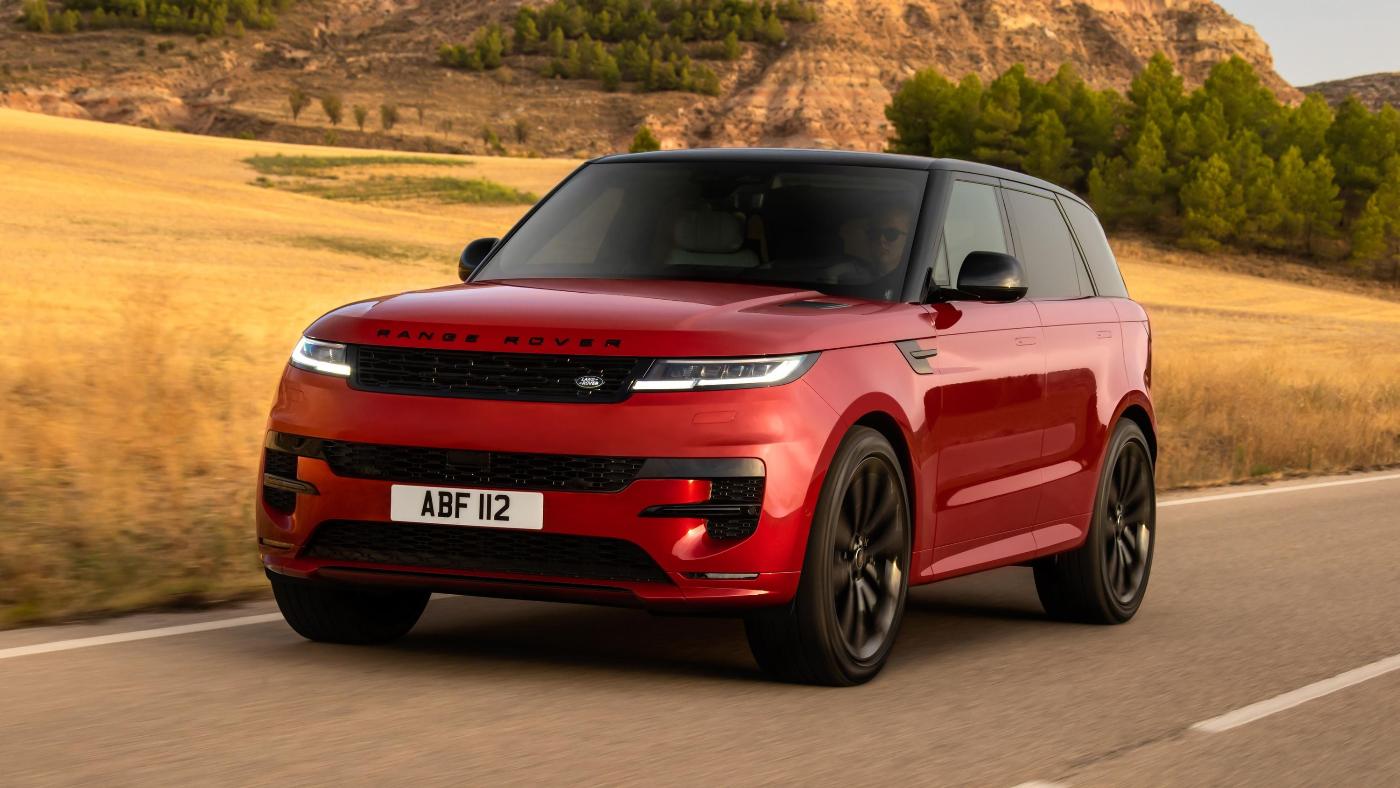
1. Range Rover
The Range Rover has long been associated with luxury, off-road capability, and unmatched ride comfort. One of the defining features behind its smooth and commanding driving experience is its sophisticated air suspension system. Land Rover engineered the Range Rover to automatically adjust ride height depending on terrain, speed, and driving conditions.
This allows the SUV to lower itself on highways for improved aerodynamics while raising itself during off-road adventures for additional ground clearance. Although the technology is impressive, the system has also developed a reputation for expensive failures, especially as the vehicle ages beyond its factory warranty.
Air suspension problems in the Range Rover are extremely common after years of use. Owners frequently report leaking air struts, failing compressors, damaged ride height sensors, and valve block issues. Once one component begins to fail, additional parts often follow shortly afterward because the entire system works under constant pressure.
A weak compressor may overwork itself trying to compensate for leaking air springs, eventually causing a complete system breakdown. In many cases, warning lights appear on the dashboard before the vehicle lowers unevenly or refuses to maintain ride height overnight.
Repair costs become especially painful because the Range Rover uses premium suspension components that are expensive to source and labor-intensive to install. Replacing all four air struts alone can cost thousands of dollars before labor is even added.
Dealerships often recommend replacing compressors and electronic modules simultaneously to ensure system reliability. Once taxes and calibration fees are included, the final bill can easily exceed $5,000. In some severe cases involving multiple electronic failures, owners have reported repair invoices approaching five figures.
Another factor that increases ownership costs is the complexity of diagnosing suspension issues in modern Range Rover models. The system relies heavily on electronic communication between modules, sensors, and adaptive driving systems.
Technicians require specialized diagnostic equipment to properly identify the root cause of suspension faults. This complexity means that independent mechanics may struggle with repairs, forcing owners to visit expensive dealerships or specialized European repair shops.
Despite these concerns, many enthusiasts continue to buy and love the Range Rover because few SUVs deliver the same balance of luxury and capability. The cabin remains one of the most refined in the automotive world, and the driving experience feels effortlessly smooth on nearly any surface.
However, potential buyers should approach ownership with realistic expectations regarding maintenance costs. Purchasing an extended warranty or maintaining a dedicated repair fund is often considered essential among experienced owners. While the Range Rover excels in comfort and prestige, its air suspension system remains one of the most financially demanding features to maintain over the long term.
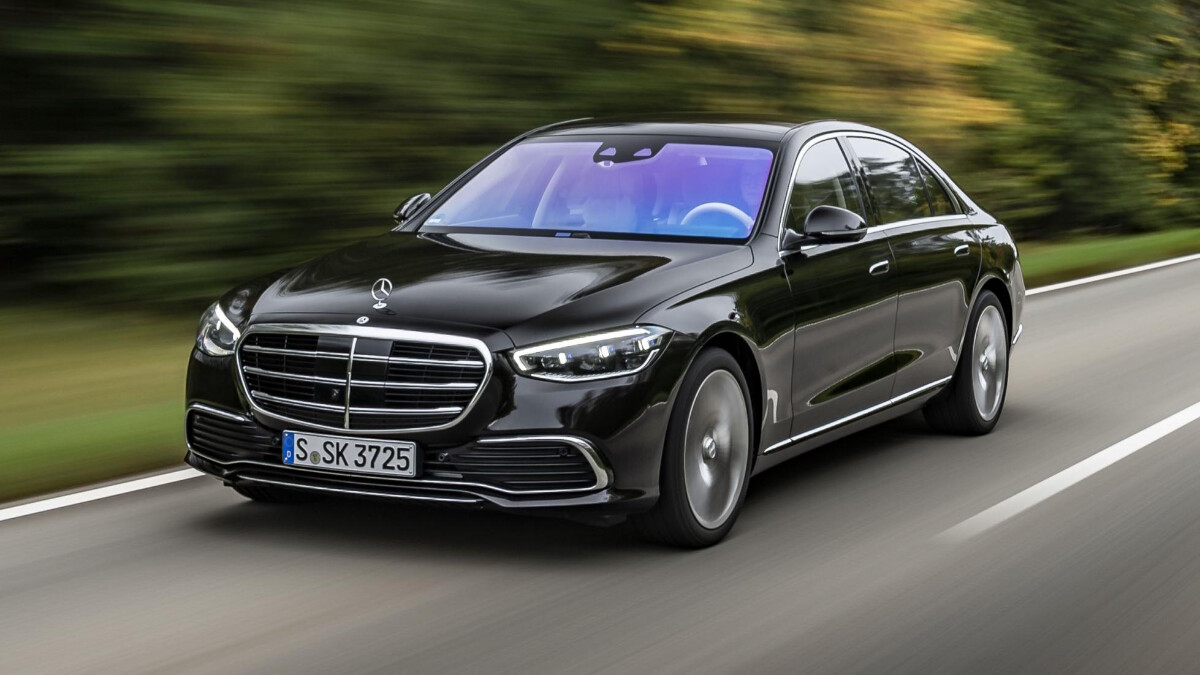
2. Mercedes-Benz S-Class
The Mercedes-Benz S-Class has consistently represented the pinnacle of luxury sedan engineering. For decades, it has served as a benchmark for ride quality, advanced technology, and passenger comfort. A major reason behind its legendary smoothness is the sophisticated air suspension system integrated into many S-Class models.
Mercedes developed advanced systems such as AIRMATIC and Magic Body Control to provide exceptional handling while isolating occupants from road imperfections. Although these systems create an extraordinary driving experience, they also introduce repair costs that can shock unsuspecting owners once problems begin to appear.
One of the most common issues in aging S-Class models involves air strut leaks. Over time, the rubber air bladders deteriorate due to age, heat cycles, and environmental exposure. As leaks develop, the compressor is forced to work harder to maintain proper ride height.
Eventually, the compressor itself may fail from excessive strain. Drivers often notice the vehicle sagging overnight, uneven ride height, or warning messages indicating suspension malfunctions. Ignoring these symptoms usually leads to more severe and expensive damage throughout the entire system.
Replacing the air suspension components in an S-Class is far from inexpensive. Individual air struts alone can cost well over a thousand dollars each, depending on the model year and trim level. Labor expenses are also significant because the system requires careful calibration and electronic programming after installation.
If the compressor, valve block, or ride height sensors fail alongside the struts, the total repair bill can quickly exceed $5,000. Higher-performance AMG versions may cost even more because of their specialized adaptive suspension setups.
The complexity of Mercedes’ suspension technology contributes heavily to these high costs. Modern S-Class vehicles contain numerous interconnected electronic systems that constantly communicate to optimize comfort and handling. Sensors monitor wheel movement, steering input, braking force, and body motion in real time.
This allows the vehicle to react instantly to changing road conditions, but it also means that diagnosing faults can be difficult and time-consuming. Specialized dealership tools are often necessary to complete repairs correctly.
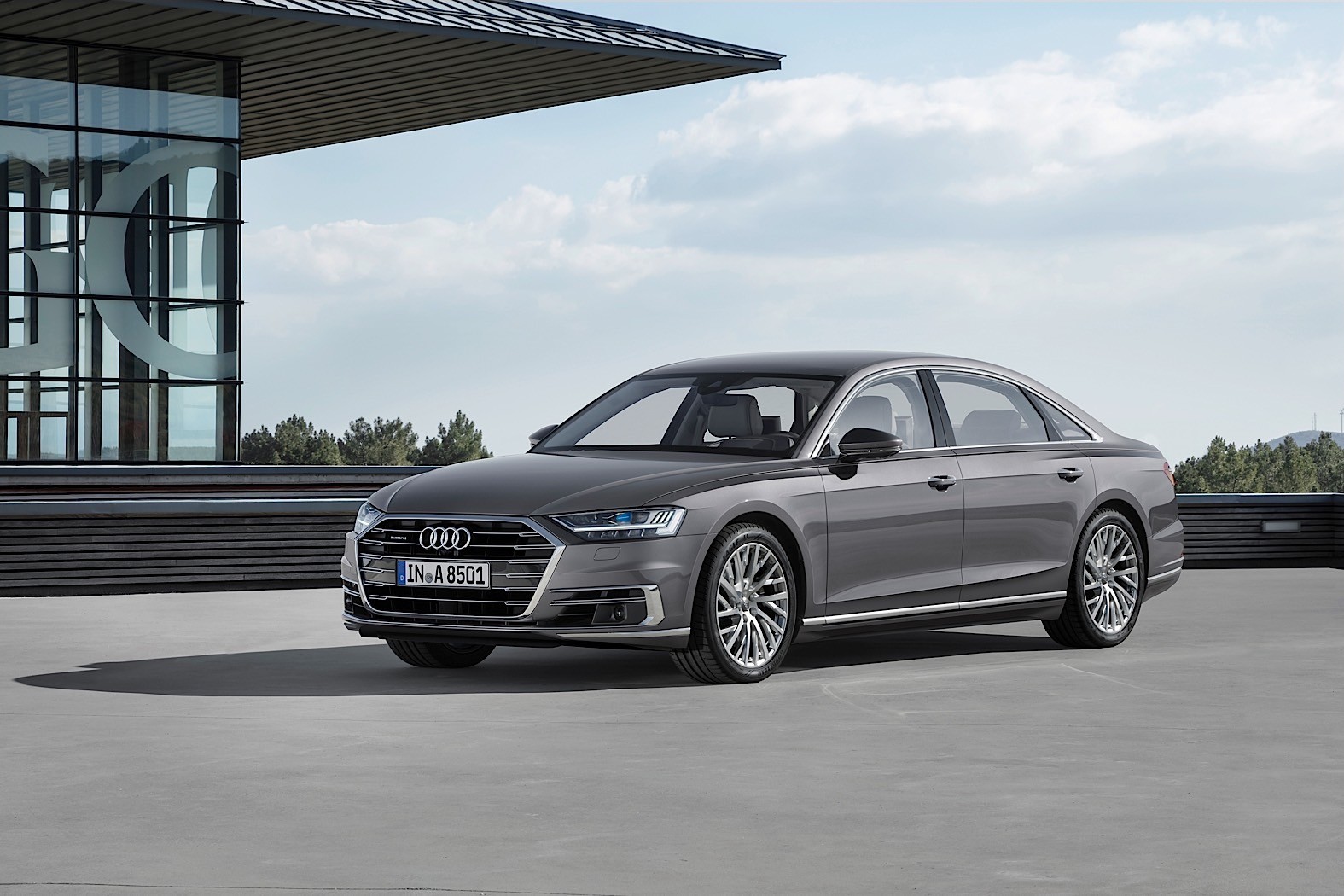
3. Audi A8
The Audi A8 stands as one of the most technologically advanced luxury sedans ever produced by Audi. Designed to compete directly with flagship models from Mercedes-Benz and BMW, the A8 emphasizes cutting-edge engineering, refined comfort, and understated luxury.
A key component of its premium driving dynamics is the adaptive air suspension system that allows the sedan to glide smoothly over rough roads while maintaining responsive handling. While this system contributes significantly to the A8’s sophisticated personality, it also becomes one of the most expensive components to repair as the vehicle ages.
Audi equipped the A8 with electronically controlled air suspension designed to automatically adjust ride height and firmness depending on driving conditions. At highway speeds, the car lowers itself for improved stability and efficiency. In comfort mode, the suspension softens to create an exceptionally smooth ride.
Although this technology performs impressively when functioning properly, many owners encounter reliability issues after several years of ownership. Common problems include leaking air springs, malfunctioning compressors, faulty level sensors, and damaged control modules.
One reason air suspension repairs are so costly in the Audi A8 is the premium pricing of original equipment components. Genuine Audi air struts and compressors are expensive even before labor costs are considered.
Replacing all four corners of the suspension system can quickly drive repair bills beyond $5,000, particularly if multiple electronic parts require replacement simultaneously. In some situations, owners choose aftermarket parts to reduce costs, but quality and long-term durability can vary significantly between manufacturers.
The financial burden of air suspension repairs often catches second-hand buyers by surprise. Used Audi A8 models can appear attractively priced compared to their original luxury market positioning, leading some buyers to underestimate maintenance expenses. However, suspension failures become increasingly likely as mileage climbs.
A low purchase price does not necessarily mean affordable ownership. Experienced enthusiasts often recommend setting aside a substantial maintenance budget before purchasing an older A8.
Despite these drawbacks, the Audi A8 remains highly respected for its elegant interior, advanced technology, and refined ride comfort. The air suspension system plays a major role in delivering that luxury experience.
Drivers who prioritize comfort and sophisticated engineering often find the ownership experience rewarding. Still, understanding the potential for expensive suspension repairs is critical for anyone considering this flagship luxury sedan.
4. BMW 7 Series
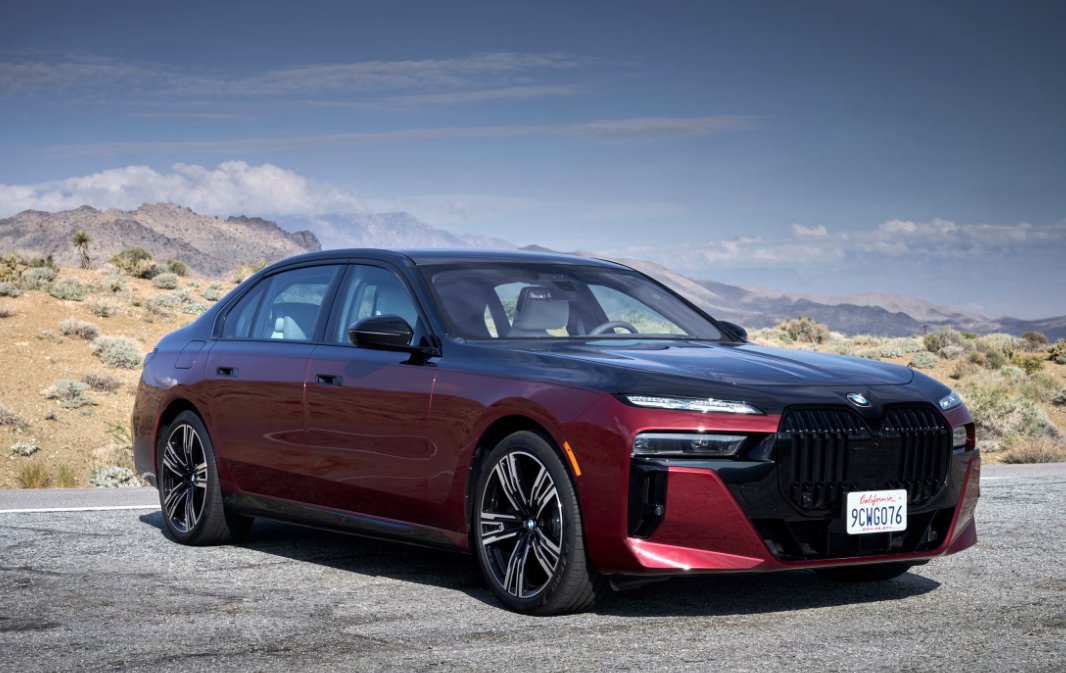
The BMW 7 Series has always represented the brand’s vision of executive luxury combined with engaging driving dynamics. Unlike some competitors that focus purely on comfort, BMW engineered the 7 Series to balance sporty handling with premium ride quality.
To achieve this, many models use advanced air suspension systems, particularly on rear axles or fully adaptive setups in higher trims. While the technology helps create a remarkably composed and refined driving experience, it also contributes to extremely high maintenance costs when components fail.
Air suspension issues in the BMW 7 Series typically appear as the vehicle ages and accumulates mileage. Owners commonly experience rear suspension sagging, noisy compressors, leaking airbags, and ride height sensor failures. In many cases, one failing component places additional strain on the rest of the system, leading to cascading problems.
Drivers may notice the car leaning unevenly after being parked overnight or receiving suspension warning messages on the digital dashboard.
Repairing the air suspension system in a 7 Series is expensive because BMW uses highly specialized components integrated with numerous electronic driving systems. Individual air springs and adaptive dampers can cost thousands of dollars combined, especially on models equipped with Dynamic Drive or Executive packages.
If multiple components require replacement simultaneously, repair bills can easily surpass $5,000. Labor costs are equally high because accessing suspension components in modern luxury sedans often requires extensive disassembly.
Another factor increasing costs is the advanced calibration process required after repairs. BMW vehicles rely heavily on electronic communication between suspension modules, steering systems, and adaptive driving technologies. Once parts are installed, technicians must use factory diagnostic tools to recalibrate ride height and suspension settings.
Failure to complete this process correctly can negatively affect ride quality and vehicle handling. This level of complexity often forces owners to seek repairs from dealerships or highly specialized independent mechanics.
The BMW 7 Series also presents a unique challenge because many buyers are drawn to used examples due to rapid depreciation. A luxury sedan that once cost well over six figures may become available for a fraction of its original price after several years.
While the lower purchase price can seem appealing, maintenance expenses remain comparable to those of a new flagship vehicle. Suspension repairs alone can exceed the value of older high-mileage models, creating difficult financial decisions for owners.
Also Read: 10 Cars That Survive Being Used as Daily Uber Vehicles
5. Porsche Panamera
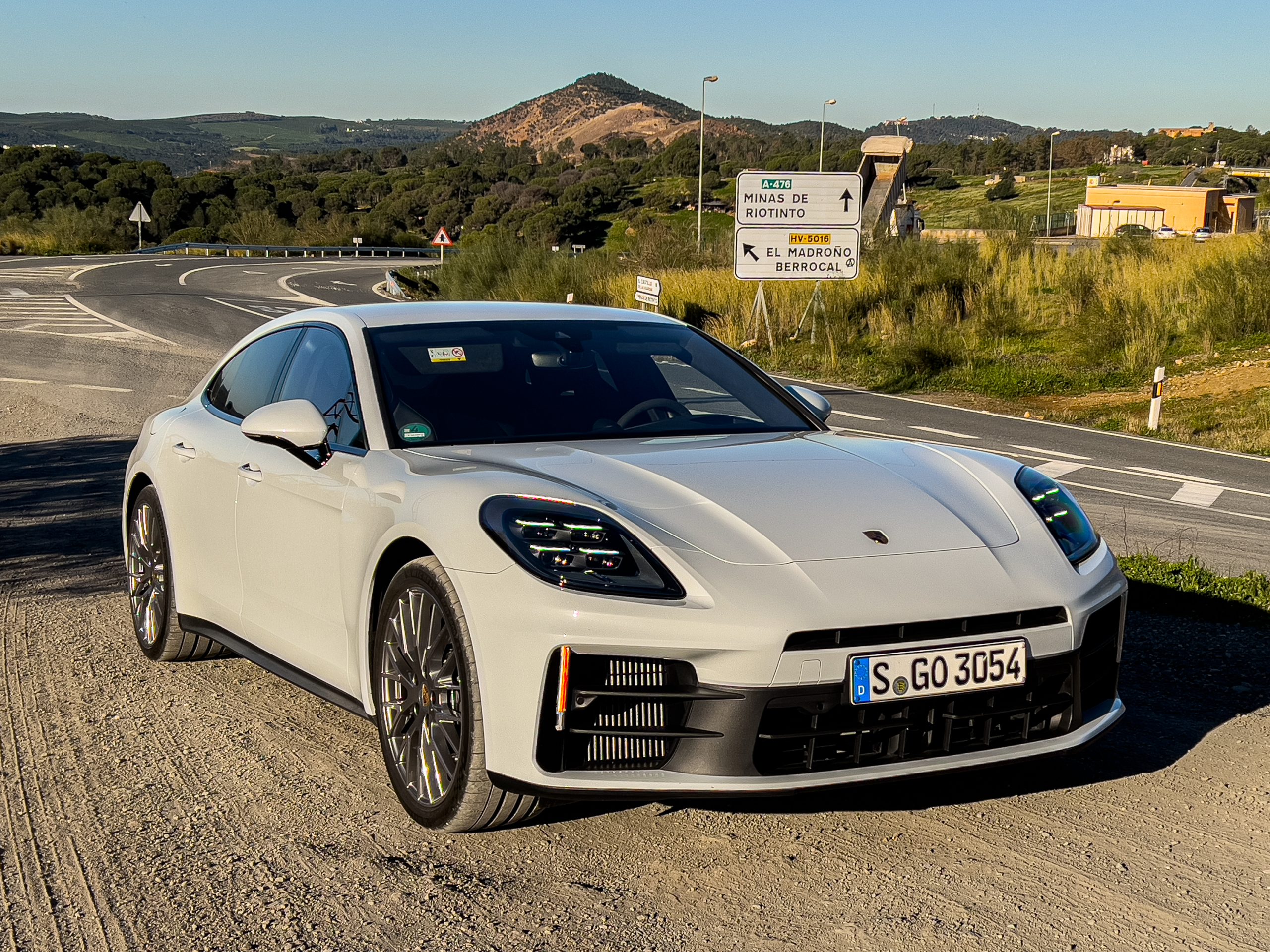
The Porsche Panamera combines sports car performance with luxury sedan practicality in a way few vehicles can match. Porsche designed the Panamera to deliver sharp handling, rapid acceleration, and everyday comfort, making it one of the most versatile high-performance luxury cars on the market.
A major contributor to its impressive ride quality is the adaptive air suspension system available on many models. This advanced setup allows the Panamera to switch between comfortable cruising and aggressive cornering with remarkable precision. However, the same sophisticated technology that enhances driving dynamics can also lead to repair bills exceeding $5,000 when problems arise.
Air suspension failures in the Panamera often involve leaking air struts, malfunctioning compressors, or electronic control issues. Because Porsche engineered the system for both performance and comfort, the components experience substantial stress during spirited driving.
Over time, rubber seals and air bladders wear out, leading to slow leaks that gradually compromise ride quality. Drivers may notice uneven ride height, warning messages, or harsh suspension behavior before complete failure occurs.
The cost of repairing the Panamera’s suspension system is driven largely by Porsche’s premium parts pricing. Genuine replacement air struts and adaptive dampers are expensive, and many owners prefer original components to preserve factory performance characteristics.
Replacing suspension parts on all four corners can quickly push total expenses beyond $5,000 once labor and calibration are included. Turbo and high-performance variants may cost even more because of their specialized adaptive systems.
Labor costs for suspension repairs are particularly high because the Panamera uses complex electronics integrated throughout the chassis. The suspension communicates with driving modes, traction control systems, and active stability management features in real time.
Technicians must carefully diagnose faults and recalibrate the system after repairs using Porsche-specific software tools. Independent shops capable of handling these procedures often charge premium rates due to the specialized expertise required.
Many used luxury car shoppers underestimate the long-term maintenance costs associated with high-performance vehicles like the Panamera. The lower prices of older models can make ownership seem more accessible, but expensive suspension repairs often surprise buyers later.
In some cases, owners choose aftermarket conversion kits that replace air suspension with traditional coil springs to reduce maintenance costs. While this solution can improve reliability, it may also reduce ride quality and affect resale value.
6. Tesla Model S
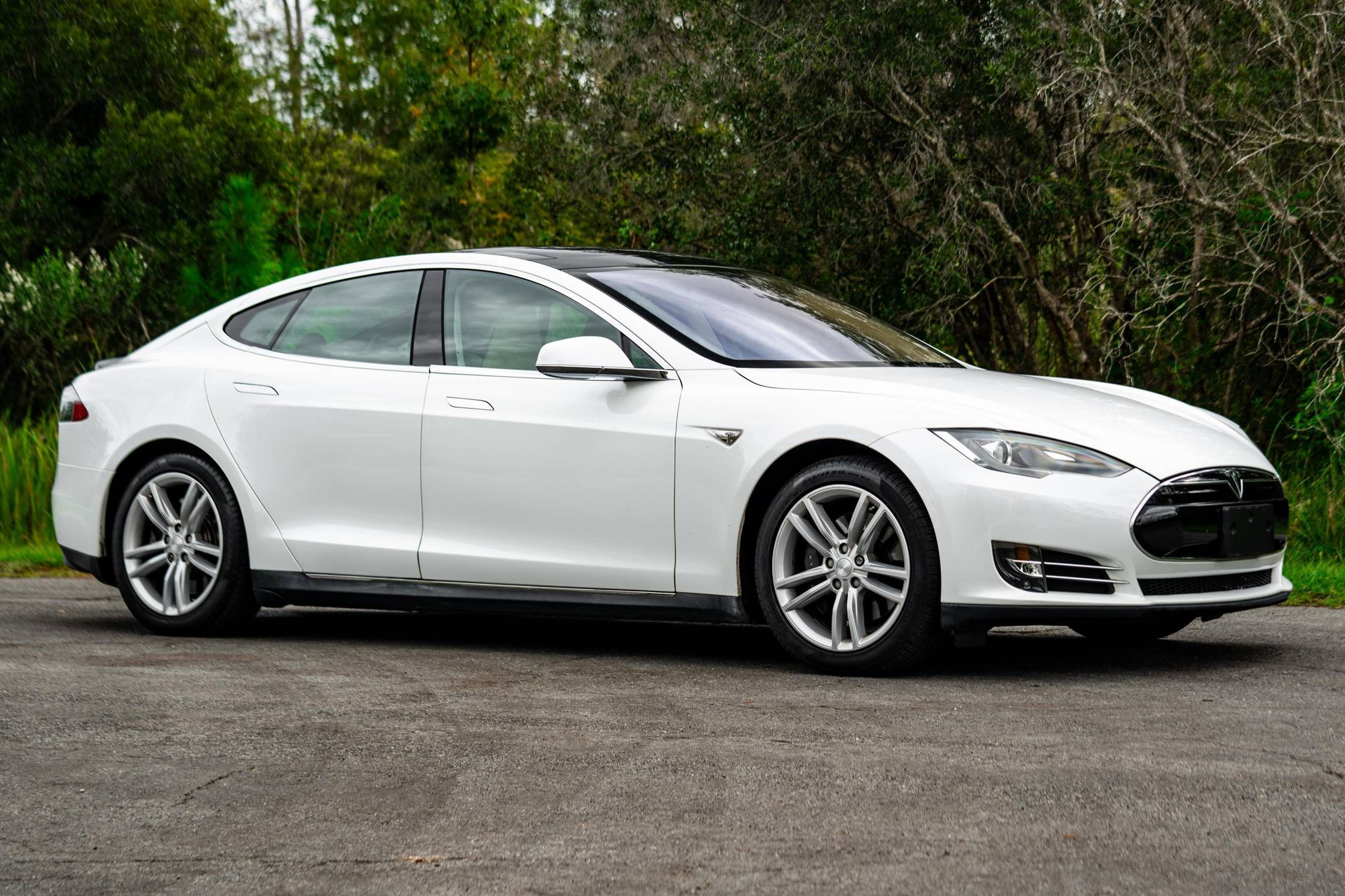
The Tesla Model S revolutionized the electric vehicle market by combining impressive acceleration, advanced technology, and luxury car refinement in a fully electric package. One of the standout features in many Model S variants is the adaptive air suspension system that automatically adjusts ride height for efficiency, comfort, and convenience.
Tesla designed the system to lower the vehicle at highway speeds for improved aerodynamics while raising it when additional ground clearance is needed. Although this technology contributes significantly to the Model S driving experience, it can also become a major source of expensive repairs as the vehicle ages.
Air suspension problems in the Tesla Model S have been widely discussed among owners, particularly in earlier production years. Common issues include leaking air struts, failing compressors, worn valve blocks, and suspension warning messages appearing on the touchscreen display.
Because the vehicle relies heavily on software-controlled systems, even minor faults can trigger noticeable changes in ride quality or suspension performance. Some owners report the car lowering unevenly overnight, while others experience complete suspension failure that leaves the vehicle difficult to drive.
Repair costs for the Model S air suspension system can quickly climb above $5,000 depending on the extent of the damage. Replacing air struts at multiple corners, combined with compressor replacement and electronic diagnostics, creates substantial labor and parts expenses.
Tesla service centers typically handle these repairs due to the specialized nature of the vehicle’s systems, and labor rates at official facilities can be quite high. While aftermarket parts are available in some markets, many owners prefer original equipment to maintain reliability and compatibility with Tesla software updates.
The complexity of Tesla’s integrated technology ecosystem also contributes to higher repair costs. The suspension system communicates continuously with the car’s onboard computers, driving modes, and battery management systems.
Calibration and software adjustments may be necessary after replacing suspension components. Independent repair shops capable of performing these procedures remain less common compared to traditional luxury brands, which limits repair options for many owners.
Another factor that surprises some buyers is the misconception that electric vehicles always have lower maintenance costs. While EVs generally eliminate many traditional engine-related repairs, advanced suspension systems still require maintenance and can fail over time. Luxury electric vehicles are not immune to expensive component replacements, especially when equipped with sophisticated adaptive technology.
7. Lexus LS
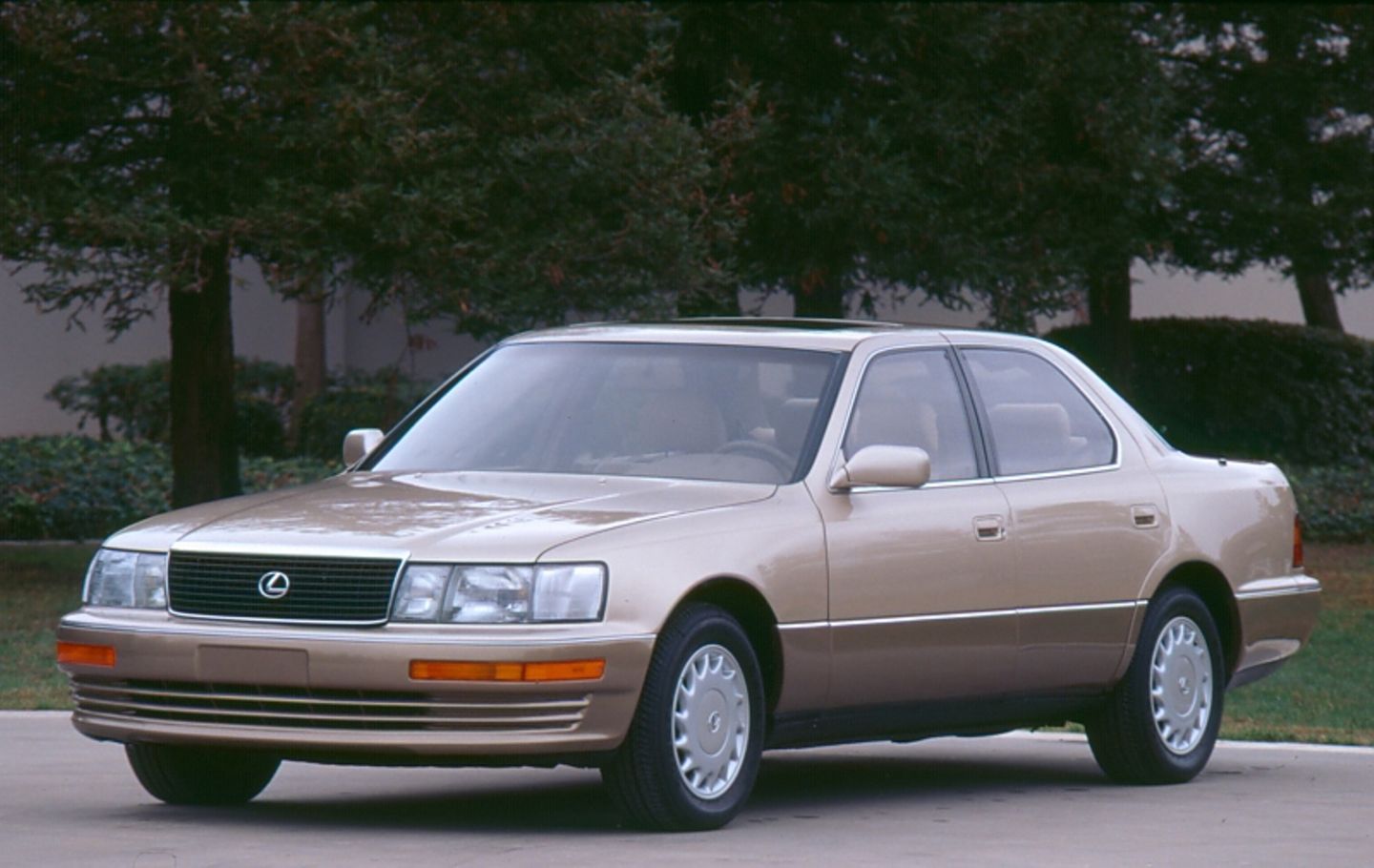
The Lexus LS has built a reputation for delivering exceptional reliability, comfort, and refinement in the luxury sedan segment. Unlike many European rivals, Lexus vehicles are generally known for lower maintenance costs and stronger long-term dependability.
However, certain high-end LS models equipped with adaptive air suspension systems can still generate repair bills exceeding $5,000 when major failures occur.
Lexus introduced air suspension in select LS trims to enhance ride comfort and driving smoothness. The system allows the vehicle to automatically adjust ride height while adapting damping characteristics based on road conditions and driving style. This creates an incredibly soft and composed ride that appeals strongly to luxury sedan buyers.
Passengers often describe the experience as floating over rough pavement with minimal vibration entering the cabin. However, maintaining that level of refinement requires a complex network of air springs, compressors, sensors, and electronic controls.
As LS models age, air suspension components can begin to wear out just like those found in European luxury cars. Common issues include leaking airbags, failing compressors, worn height sensors, and electronic malfunctions.
Drivers may notice the vehicle sitting unevenly after being parked, hearing unusual compressor noises, or receiving suspension alerts on the dashboard. While failures may occur less frequently compared to some rivals, repairs remain expensive due to the cost of genuine Lexus components and specialized labor requirements.
A complete suspension overhaul on a Lexus LS can exceed $5,000 when multiple components require replacement simultaneously. Individual air struts are expensive, and labor costs increase significantly if calibration and electronic diagnostics are necessary.
Some owners choose to replace failed systems with traditional coil spring conversion kits to avoid future air suspension expenses. Although this approach can improve long-term reliability, it often sacrifices the exceptionally smooth ride quality that defines the LS driving experience.
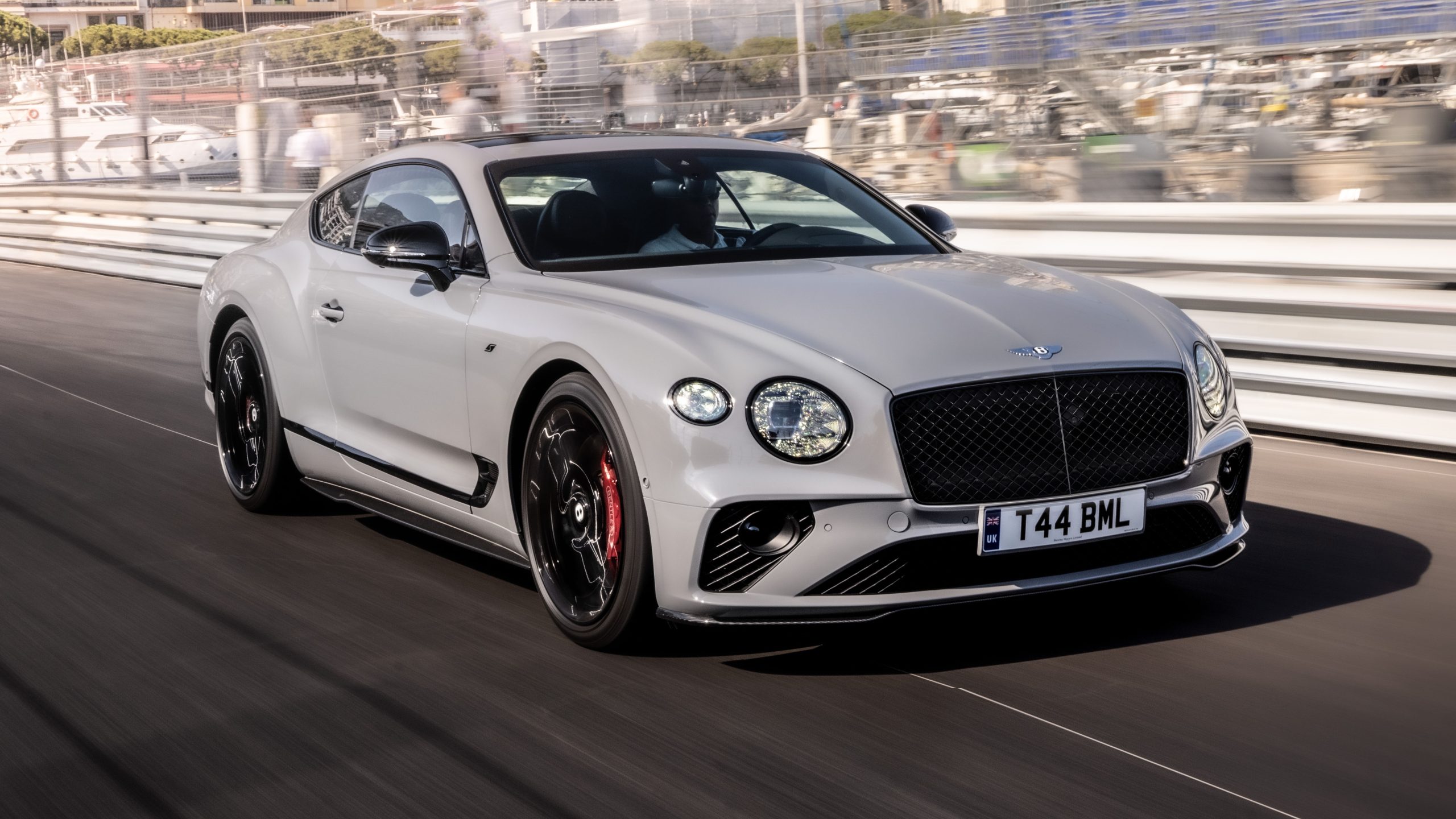
8. Bentley Continental GT
The Bentley Continental GT represents the pinnacle of grand touring luxury, combining handcrafted interiors, massive performance, and extraordinary ride comfort. Designed for effortless high-speed cruising, the Continental GT relies heavily on its sophisticated air suspension system to deliver a smooth and controlled driving experience.
Bentley engineered the suspension to balance comfort with precise handling despite the vehicle’s substantial weight and immense power output. While the system performs brilliantly on the road, repairing it can become incredibly expensive once components begin to fail.
Air suspension issues in the Bentley Continental GT often emerge as the car ages beyond warranty coverage. Common problems include leaking air struts, failing compressors, worn valve blocks, and electronic suspension control faults.
Because Bentley vehicles are engineered to extremely high luxury standards, even minor suspension irregularities can noticeably affect ride quality. Drivers may experience uneven ride height, suspension warning lights, or excessive compressor activity before complete failure occurs.
The cost of repairing the Continental GT’s air suspension system is among the highest in the luxury automotive world. Genuine Bentley replacement parts carry premium pricing that reflects the exclusivity of the brand. Individual air struts alone can cost several thousand dollars, and replacing multiple components quickly drives total expenses beyond $5,000. In severe cases involving compressors, sensors, and electronic modules, repair invoices may climb significantly higher.
Labor costs also contribute heavily to the financial burden. Bentley technicians require specialized training and diagnostic equipment to properly service the vehicle’s advanced systems.
Suspension repairs often involve extensive calibration procedures to ensure the car maintains correct ride height and handling characteristics. Many independent repair shops lack the expertise or software required to complete these tasks, forcing owners to rely on authorized dealerships with extremely high hourly labor rates.
The Continental GT illustrates a common reality of ultra-luxury car ownership. While depreciation may lower the purchase price of older models dramatically, maintenance costs remain consistent with the vehicle’s original six-figure status. Buyers who enter the used exotic car market without understanding these ongoing expenses can quickly face overwhelming repair bills. Suspension problems alone may cost more than the purchase price of an average economy car.
