The United States electric vehicle market in 2026 is at a turning point. What started as a niche segment dominated by early adopters has now become a mainstream automotive category, with nearly every major American automaker investing heavily in electrification. Companies like Tesla, Ford, General Motors, and Rivian have reshaped how consumers think about performance, efficiency, and long-term ownership costs.
At the same time, the rapid expansion of EV offerings has created a confusing industry where not every electric vehicle delivers the reliability, value, or ownership experience that buyers expect.
Unlike traditional gasoline vehicles, electric vehicles rely heavily on software, battery chemistry, charging infrastructure compatibility, and electronic systems. This means that two EVs with similar specifications on paper can perform very differently in real-world conditions.
Issues such as inconsistent range, software glitches, charging failures, and build quality concerns have made reliability one of the most important factors when choosing an EV today. Recent industry analysis shows that while some EVs are now achieving strong dependability ratings, others continue to struggle with early production problems and long-term durability concerns.
At the same time, the American EV market is becoming increasingly competitive. Tesla continues to dominate sales volume, but rivals like Ford and General Motors are aggressively expanding their electric lineups. Rivian is carving out a strong position in the adventure vehicle segment, while newer entrants and refreshed models aim to challenge Tesla’s dominance with improved pricing, range, and features.
However, not all domestic EVs are equally mature. Some models represent polished, well-tested platforms, while others are still experiencing growing pains associated with first-generation or rapidly developed technology.
This article breaks down four US-based electric vehicles that are genuinely worth buying in 2026 based on performance, reliability trends, charging experience, and real-world usability. It also highlights four EVs that consumers may want to avoid or approach with caution due to inconsistent reliability, software issues, or weak value propositions.
The goal is to provide a practical, SEO-friendly, and fact-based guide for buyers comparing options in the increasingly crowded American EV market.
By the end of this article, you will have a clear understanding of which domestic EVs deliver long-term value and which ones may still need refinement before becoming safe investment choices for everyday drivers.
Also Read: 10 Cars With Insurance Premiums Lower Than a Compact Sedan
4 Domestic EVs Worth Buying
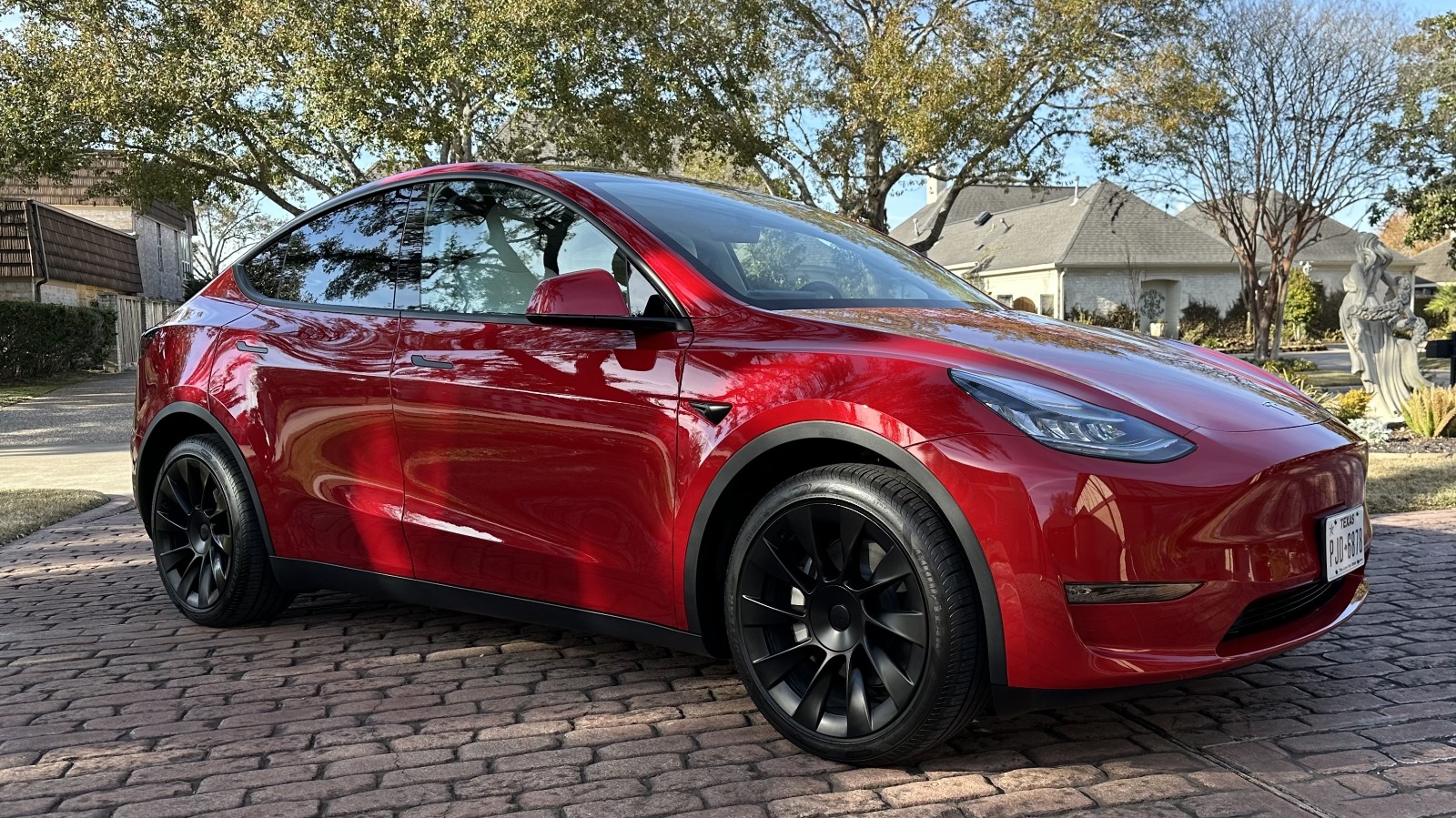
1. Tesla Model Y
The Tesla Model Y remains one of the most influential electric vehicles in the United States because it essentially defines what a mainstream EV should feel like in 2026. Its biggest advantage is not just performance or range, but the complete ecosystem Tesla has built around it.
The Model Y benefits from a tightly integrated software and hardware system that allows the vehicle to improve over time through over-the-air updates. This means that owners often see improvements in efficiency, user interface, and even driving behavior long after purchase, something very few competitors can match.
Another major strength of the Model Y is its charging infrastructure advantage. Tesla’s Supercharger network continues to be the most reliable and widely available fast-charging system in North America. This drastically reduces range anxiety, especially for long-distance travelers.
Unlike many competing EVs that depend on fragmented third-party charging networks, Model Y owners benefit from a consistent and predictable charging experience, which significantly improves real-world usability.
From a practical perspective, the Model Y is also one of the most versatile electric SUVs on the market. It offers a spacious interior, strong cargo capacity, and a flat-floor design that makes it ideal for families, ride-share drivers, and commuters. The minimalist cabin design, while sometimes polarizing, reduces distraction and supports a more software-driven driving experience that appeals to tech-focused users.
Performance is another area where the Model Y continues to stand out. Even in its standard configuration, it delivers strong acceleration and efficient energy usage. Dual motor versions provide all-wheel drive capability, making it suitable for a wide range of climates and driving conditions.
Tesla’s battery management system is also highly optimized, which helps maintain consistent range performance in both hot and cold environments.
Finally, while Tesla still receives criticism for interior material quality compared to luxury brands, the ownership experience has improved significantly over the years. The combination of software leadership, charging infrastructure, efficiency, and real-world practicality makes the Model Y one of the most complete domestic EV choices available today.
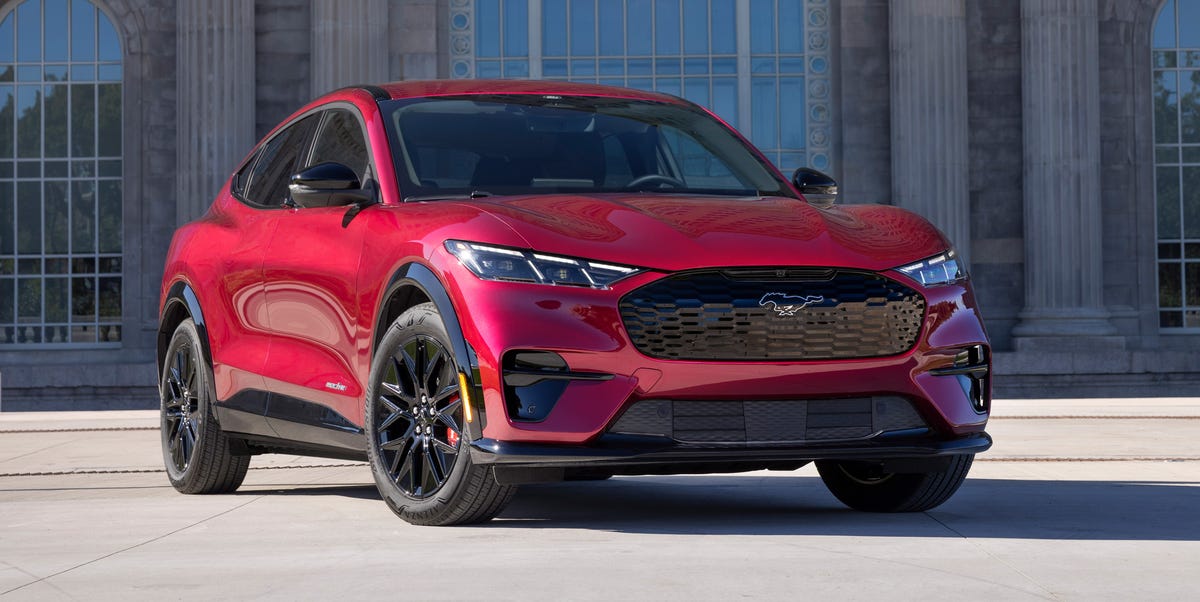
2. Ford Mustang Mach-E
The Ford Mustang Mach-E represents one of the most successful transitions from a traditional American automaker into the electric vehicle space.
Ford made a strategic decision to leverage the Mustang branding to signal performance heritage while building a modern electric SUV platform from the ground up. The result is a vehicle that feels familiar to traditional SUV buyers while still delivering a modern EV experience.
One of the strongest aspects of the Mach-E is its driving comfort and refinement. Unlike some EVs that focus heavily on aggressive acceleration or futuristic design, the Mach-E prioritizes smoothness, stability, and predictable handling. This makes it especially appealing to buyers who are transitioning from gasoline SUVs and want a familiar driving feel without a steep learning curve.
Inside the cabin, Ford has struck a balance between modern digital interfaces and traditional usability. The large central touchscreen handles most functions, but physical controls are still present for key features, which helps reduce frustration for users who prefer tactile interaction. The interior space is also well optimized, providing good passenger comfort and practical storage solutions.
Ford’s BlueCruise system is another major advantage. It offers hands-free driving on pre-mapped highways and continues to improve through software updates. While not as aggressive in its automation strategy as Tesla, Ford’s approach is more conservative and focused on driver confidence, which appeals to a broader audience.
In terms of reliability and build quality, the Mach-E shows clear improvements over Ford’s earlier EV efforts. The platform feels more mature, and long-term ownership data suggests fewer widespread mechanical issues compared to some competitors. While its charging ecosystem is not as strong as Tesla’s, compatibility with multiple networks helps improve flexibility.
The Mustang Mach-E stands out as a balanced and approachable EV that successfully bridges the gap between traditional automotive design and modern electric mobility.
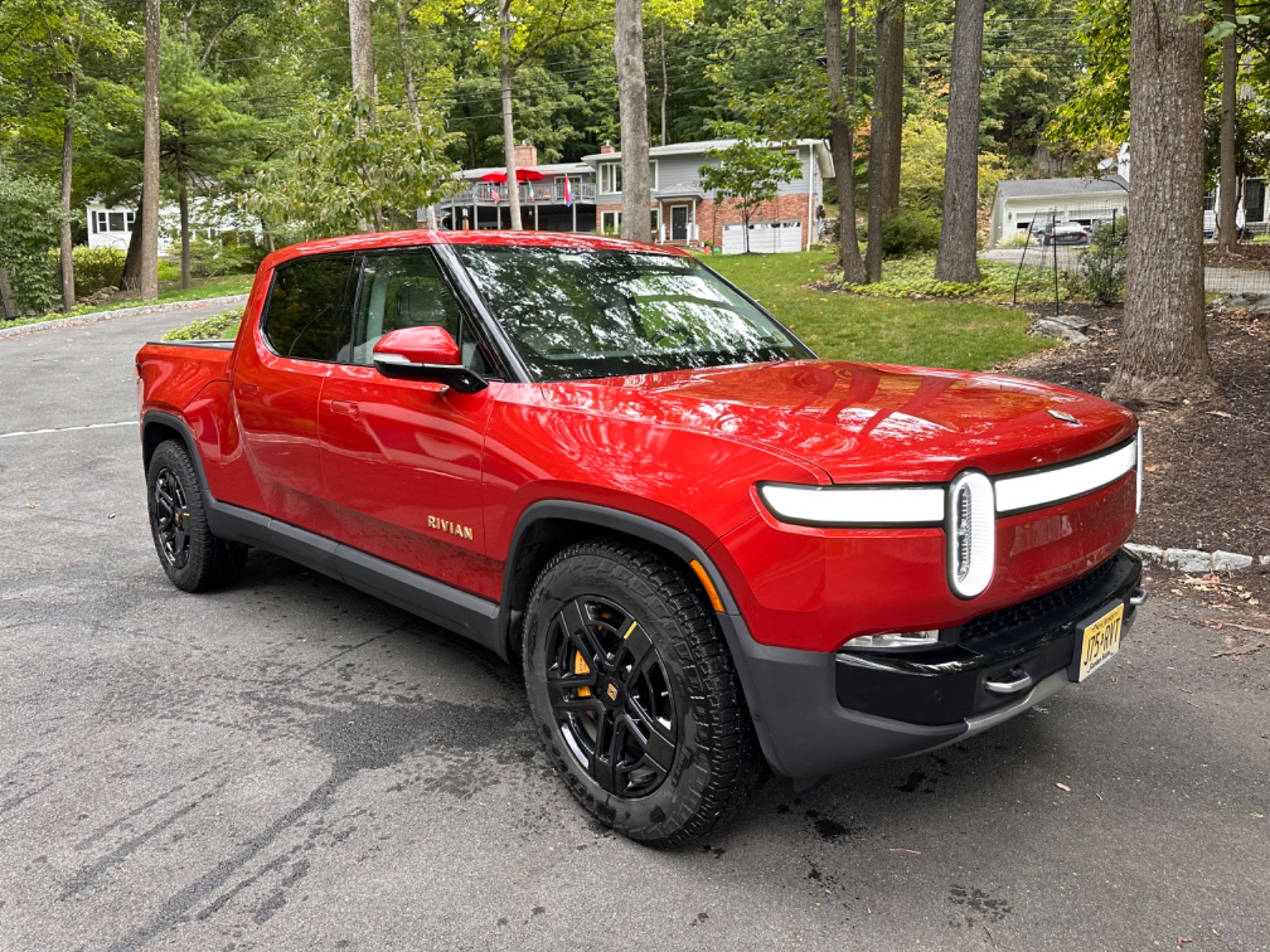
3. Rivian R1T
The Rivian R1T is widely regarded as one of the most innovative electric pickup trucks in the world, primarily because it does not simply replicate traditional truck design but reimagines what a utility vehicle can be in an electric future. It is designed for adventure, outdoor use, and high-performance off-road capability, making it one of the most unique offerings in the American EV market.
One of its most impressive features is the quad-motor system, which independently controls each wheel for maximum traction and precision. This setup delivers outstanding torque distribution and off-road capability, allowing the R1T to handle rocky trails, snow, sand, and uneven terrain with remarkable stability and control.
The advanced drivetrain gives the truck a level of responsiveness and confidence that distinguishes it from many conventional pickups in its class.
The design philosophy of the R1T also emphasizes practical innovation. The gear tunnel, for example, is a unique storage space that runs between the cab and the bed, offering additional utility that traditional trucks do not provide. Combined with front trunk storage and a versatile bed system, the R1T maximizes usable space in creative ways that enhance real-world functionality.
Inside the cabin, Rivian focuses on a minimalist but premium approach. The materials feel durable and adventure-ready, while the digital interface is clean and responsive. Although earlier software versions had occasional bugs, recent updates have significantly improved system stability and user experience.
Charging infrastructure support has also improved as Rivian vehicles now work across multiple networks, making long-distance travel more practical than in earlier production years. However, service availability remains a limitation, as Rivian is still expanding its physical service footprint across the United States.
Despite being a relatively new entrant in the automotive industry, the R1T has established itself as one of the most capable and forward-thinking electric trucks available today, especially for users who prioritize off-road capability and innovation.
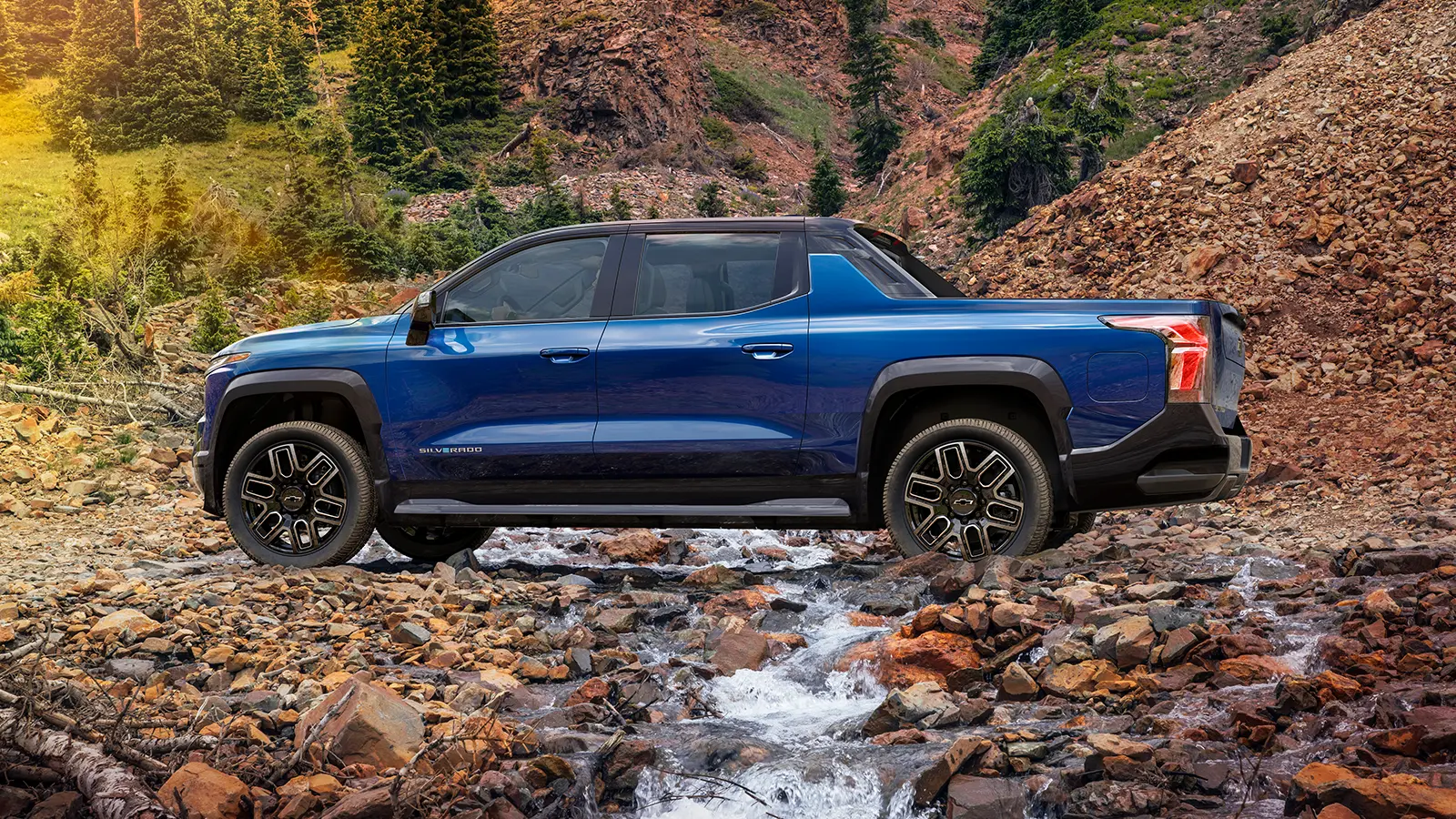
4. Chevrolet Silverado EV
The Chevrolet Silverado EV is General Motors’ bold attempt to electrify one of America’s most iconic truck nameplates while maintaining the core values of strength, durability, and utility. Built on GM’s Ultium platform, it is designed to deliver high towing capability, long range potential, and strong performance for both personal and commercial users.
One of the most important strengths of the Silverado EV is its focus on range and scalability. Depending on the configuration, it is designed to offer competitive long-distance driving capability, which is essential for truck owners who regularly travel between job sites or tow heavy loads. GM has engineered the platform to support multiple battery sizes, allowing buyers to choose between efficiency and maximum capability.
The interior of the Silverado EV also represents a significant modernization compared to traditional pickup trucks. It features a large digital display system, improved infotainment integration, and a more car-like driving environment. This makes it easier for new EV users to adapt while still maintaining the rugged identity of a full-size truck.
From a utility standpoint, the Silverado EV is built for serious workloads. It offers strong towing capacity and payload performance, making it suitable for contractors, fleet operators, and heavy-duty personal use. Unlike smaller EVs that prioritize efficiency, this vehicle is designed to handle demanding real-world tasks.
However, as a relatively new platform, it still faces refinement challenges in software consistency and early production optimization. GM continues to improve the Ultium ecosystem through updates and manufacturing scaling, which should enhance long-term reliability over time.
The Silverado EV stands out as one of the strongest domestic electric trucks for users who need real utility, large-scale capability, and a transition path from traditional gasoline-powered pickups.
Also Read: 10 Cars That Survive Being Used as Daily Uber Vehicles
4 Domestic EVs to Skip or Approach with Caution
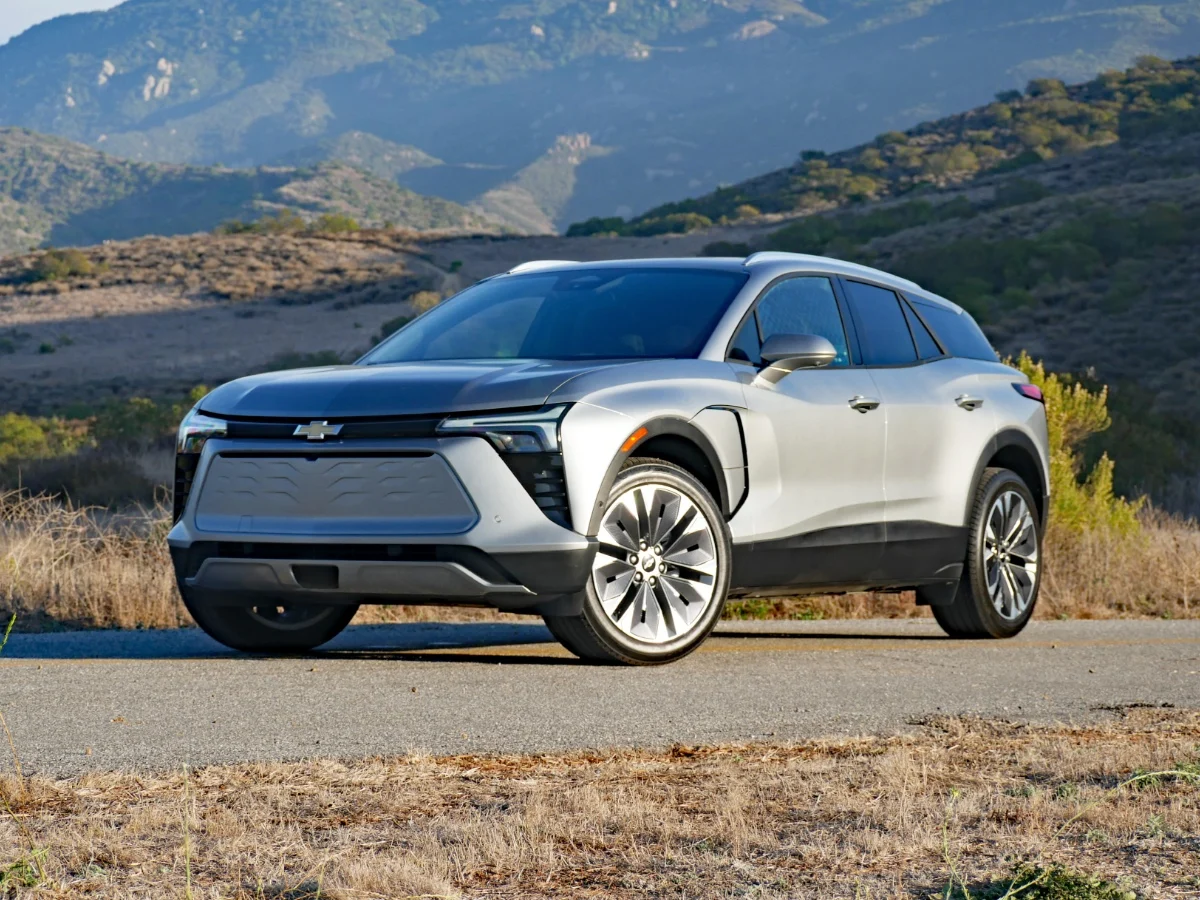
1. Chevrolet Blazer EV
The Chevrolet Blazer EV entered the market with strong expectations because it carries one of Chevrolet’s most recognizable SUV nameplates and is built on General Motors’ advanced Ultium electric platform.
However, despite the promising foundation, the vehicle has struggled with early software maturity and system consistency, which has impacted its reputation among early adopters. In modern EVs, software stability is just as important as mechanical performance, and this is where the Blazer EV has faced noticeable challenges.
One of the most commonly reported concerns is related to infotainment performance and digital system reliability. Users have experienced intermittent lag, system freezes, and delayed responses in the interface, which can reduce confidence in daily usability.
While these issues are not necessarily safety critical, they significantly affect the user experience, especially when compared to competitors that offer smoother and more refined digital ecosystems.
Another concern involves charging behavior and system calibration inconsistencies. Some early reports suggest that charging speeds and battery management performance have not always been predictable across different charging networks. In the EV market, consistency in charging is essential for long-distance travel planning, and any uncertainty in this area can create hesitation for potential buyers.
From a driving perspective, the Blazer EV performs adequately, offering a comfortable ride and competitive acceleration for its segment. However, the ownership experience feels less polished than expected for a vehicle positioned as a mainstream electric SUV. Build quality is acceptable, but it does not yet reach the level of refinement seen in more mature EV platforms.
The Chevrolet Blazer EV is not necessarily a poor vehicle, but it represents a product still undergoing software and system refinement. For buyers who prioritize long-term reliability and seamless digital integration, it may be wiser to wait for future updates or more mature production cycles before considering purchase.
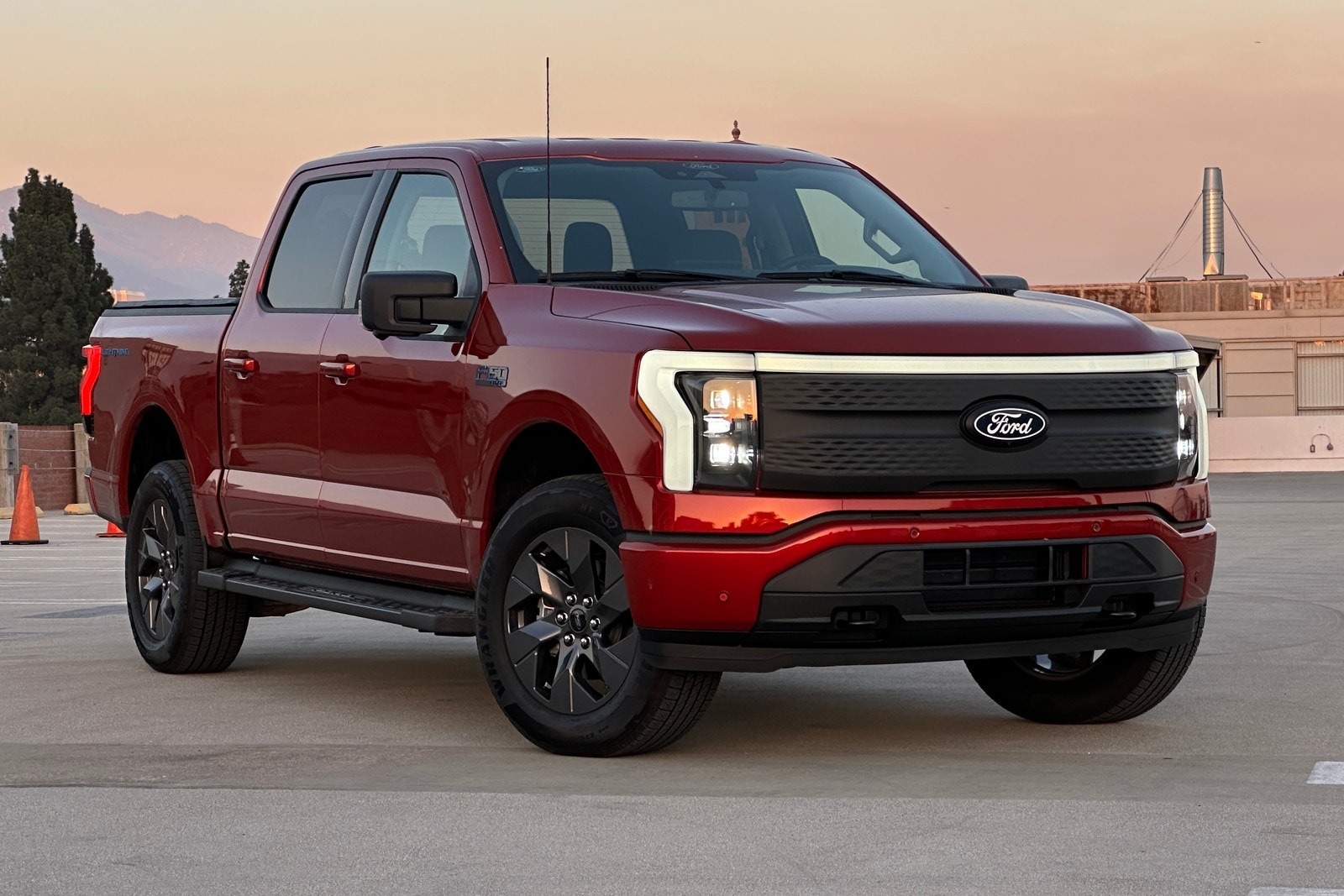
2. Ford F-150 Lightning
The Ford F-150 Lightning is one of the most important electric vehicles in the United States because it represents the electrification of the best-selling truck in American history. Ford successfully brought electric power into a familiar and trusted platform, making it an appealing choice for traditional truck buyers.
The most significant challenge is range reduction under towing or heavy load conditions. While the truck offers a respectable range in normal driving, real-world efficiency drops significantly when hauling trailers or carrying heavy payloads. This is a critical issue because traditional F-150 owners often rely on their trucks for towing boats, equipment, or trailers over long distances, where charging availability may be limited.
Charging time also becomes a practical concern in these scenarios. Although fast charging infrastructure has improved in the United States, long stops during work-related or travel-intensive use cases can disrupt productivity. For commercial users or individuals who depend heavily on towing, this creates a noticeable gap compared to gasoline or diesel alternatives that offer faster refueling times.
Another factor to consider is energy consumption efficiency. The F-150 Lightning is heavy, and while it delivers strong performance and instant torque, its size and weight naturally reduce efficiency compared to smaller EVs. This means that operating costs under demanding conditions can be higher than expected for some users.
Despite these drawbacks, the Lightning still excels in daily commuting, urban driving, and light-duty usage. It provides a comfortable cabin, modern technology features, and strong acceleration. However, it is important to recognize that it is not yet fully optimized for heavy-duty truck applications where maximum range and uninterrupted operation are critical.
The Ford F-150 Lightning is a groundbreaking vehicle, but its real-world limitations under load make it less suitable for users who depend heavily on towing or long-distance utility work.
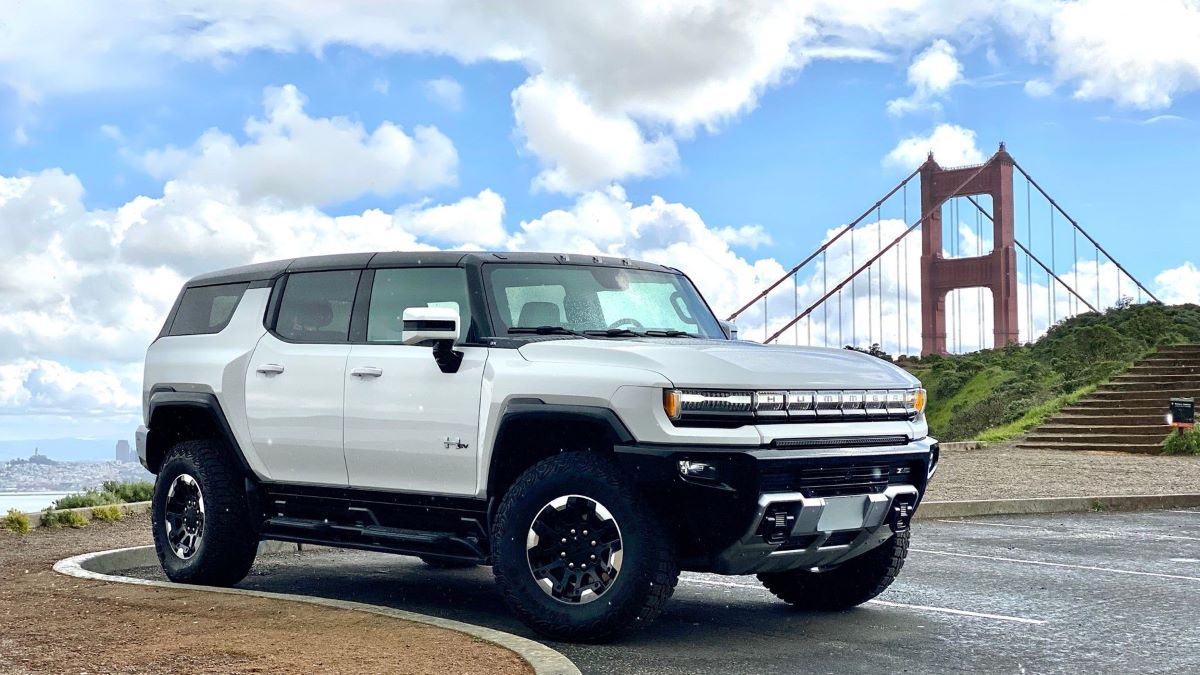
3. GMC Hummer EV
The GMC Hummer EV is one of the most attention-grabbing electric vehicles ever produced in the United States, designed to revive the iconic Hummer nameplate in a fully electric form. It delivers extreme performance, massive road presence, and impressive off-road capabilities. However, despite its technical achievements, it raises significant questions about efficiency, practicality, and long-term value.
One of the most discussed concerns is its efficiency. The Hummer EV is extremely heavy due to its large battery pack and reinforced structure, which results in significantly higher energy consumption compared to most other electric vehicles. While this allows for impressive range figures on paper, real-world efficiency tends to lag behind more balanced EV designs, especially in urban or highway driving conditions.
Charging requirements are also substantial. Because of its large battery capacity, the vehicle often requires extended charging sessions even when using fast chargers. This can be inconvenient for users who expect quick turnaround times, particularly in regions where high-speed charging infrastructure is limited or busy.
Another factor influencing its value proposition is cost. The Hummer EV sits in a high price bracket, making it less accessible to the average consumer. When combined with its energy consumption and charging needs, the total cost of ownership can be significantly higher than that of more efficient electric SUVs or trucks that offer similar usability at lower operating costs.
In terms of usability, the Hummer EV excels in off-road environments and offers unique features such as adaptive suspension and advanced terrain modes. However, these capabilities are highly specialized and may not be fully utilized by everyday drivers. This creates a mismatch between its intended capability and typical usage patterns.
While the GMC Hummer EV is an engineering showcase and a statement vehicle, it is not the most practical or efficient choice for most consumers. It is better suited for enthusiasts who prioritize performance and presence over efficiency and long-term cost effectiveness.
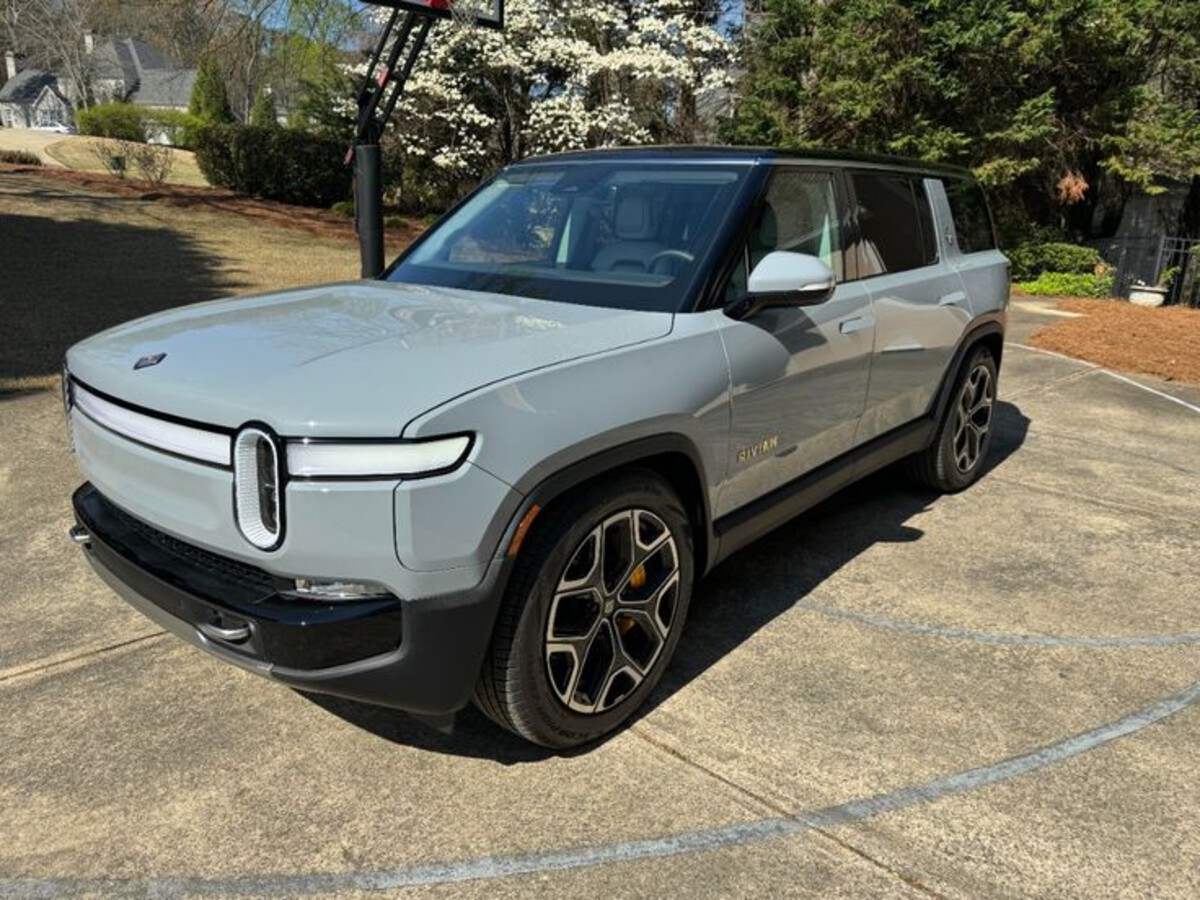
4. Rivian R1S
The Rivian R1S is a full-size electric SUV that shares its platform with the Rivian R1T truck, designed to offer premium family transportation combined with off-road capability and adventure-oriented features. While the vehicle has received widespread attention for its design and innovation, early production versions have faced several challenges related to software maturity and production scaling.
One of the primary issues in early models has been software stability. As with many new EV platforms, early users reported occasional glitches in the infotainment system, inconsistent feature behavior, and delayed system responses. Although Rivian has actively addressed many of these issues through updates, early production vehicles reflected the growing pains of a startup manufacturer scaling rapidly.
Another challenge involves production consistency. Early batches of the R1S showed minor variations in fit and finish, which is not uncommon for new automotive platforms but can affect perceived quality. These issues have gradually improved as Rivian has refined its manufacturing processes, but they remain part of the early ownership experience narrative.
Service network limitations are also an important consideration. Unlike legacy automakers with nationwide dealership and service infrastructure, Rivian is still expanding its physical service centers. This can result in longer wait times for repairs or maintenance, depending on geographic location, which may affect convenience for some owners.
Despite these challenges, the R1S remains a highly capable and innovative SUV. It offers strong performance, impressive off-road capability, and a premium interior experience. Newer production models have shown significant improvements in software stability and build quality compared to early releases.
The Rivian R1S is a promising vehicle that has evolved quickly, but early production versions highlight the risks associated with adopting a relatively new automotive platform before it reaches full maturity.