Back pain changes the way people experience driving. A vehicle that feels perfectly comfortable to one person can become exhausting and painful for someone dealing with chronic lower back problems, spinal stiffness, sciatica, or previous injuries.
Long commutes, rough suspensions, awkward seating angles, and difficult entry positions can quickly turn ordinary trips into uncomfortable experiences. That is why choosing the right vehicle matters far more for drivers with back issues than many people realize.
The best vehicles for bad backs usually share several important characteristics. Supportive seats with strong lumbar support are essential because poor posture behind the wheel can significantly worsen pain. Seat height also matters.
Vehicles sitting too low force drivers to drop downward when entering, while overly tall trucks sometimes require awkward climbing upward. Many drivers with back pain prefer a natural hip-height seating position that allows easy entry and exit without twisting the spine excessively.
Ride quality becomes equally important. Firm suspensions and large wheels may look sporty, but they often transmit bumps directly into the driver’s lower back. Softer suspension tuning and well-padded seats help reduce fatigue during daily commuting or long highway trips.
Cabin quietness also plays a role because tense, uncomfortable driving positions become worse when combined with constant road noise and vibration.
Another overlooked factor involves driving ergonomics. Steering wheel adjustment, pedal placement, visibility, and control layout all affect how naturally drivers can sit during extended periods behind the wheel. Vehicles forcing awkward reaching or cramped leg positions can aggravate pain surprisingly quickly.
Luxury vehicles often perform well because manufacturers invest heavily in seating technology and ride comfort, though several mainstream SUVs and sedans also provide excellent support without premium price tags.
Some models even include massage seats, adaptive suspension systems, and memory functions that help drivers maintain a healthier posture during longer drives.
The vehicles on this list stand out because they consistently provide supportive seating, smooth ride quality, easy access, and relaxed driving positions that make life far easier for drivers managing chronic back discomfort or mobility issues.
Also Read: 8 Discontinued Pontiac Models Ranked by Collector Value Today
1. Volvo XC90
The Volvo XC90 has become one of the most recommended luxury SUVs for drivers with back pain because Volvo places enormous emphasis on seat design and long-distance comfort. Many vehicles focus heavily on sporty styling or aggressive handling, but the XC90 prioritizes support, posture, and ride smoothness in ways drivers with chronic pain immediately notice.
The seats are the biggest reason this SUV performs so well. Volvo engineers designed them with orthopedic principles in mind, and many drivers describe them as among the most comfortable automotive seats available.
Multiple lumbar adjustments, thigh extensions, and cushioning options help drivers fine-tune their seating posture carefully. This becomes extremely important during long commutes, where improper support can quickly increase lower back strain.
Entry and exit are also easier than in many sedans or large trucks. The XC90 sits at an ideal height where drivers can slide into the cabin naturally instead of climbing upward or dropping downward awkwardly. People with stiffness or spinal discomfort often appreciate this immediately during daily errands.
Ride quality contributes heavily to comfort as well. The suspension absorbs rough pavement smoothly, helping reduce vibration and impact traveling through the seat into the spine. Highway driving feels calm and composed, which lowers fatigue during extended trips.
The cabin layout also works well ergonomically. Controls are positioned logically, visibility is excellent, and the driving position feels upright without becoming tiring. Taller drivers especially appreciate the open feeling created by large windows and generous cabin dimensions.
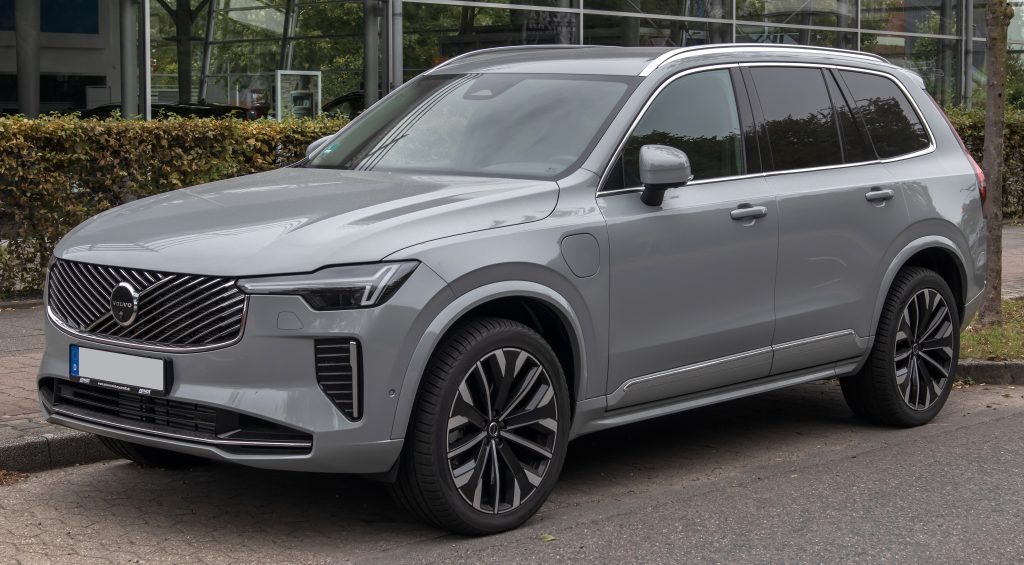
Another advantage involves quietness. Excessive cabin noise and harshness often increase tension during driving, but the XC90 remains refined and peaceful even at highway speeds. This relaxed environment helps many drivers maintain a more comfortable posture naturally.
The touchscreen-focused controls can occasionally frustrate owners preferring traditional buttons, and maintenance costs remain higher than those of mainstream SUVs. However, for drivers dealing with chronic back discomfort, the XC90’s supportive seating and smooth ride quality often outweigh those concerns easily.
Many vehicles advertise luxury, but the XC90 genuinely delivers comfort that feels designed for real physical support. For drivers with bad backs wanting an SUV capable of reducing daily fatigue and discomfort, it remains one of the strongest choices available.
2. Lexus RX 350
The Lexus RX 350 earned a reputation for comfort long before luxury SUVs became mainstream, and it continues to stand out as one of the best vehicles for drivers dealing with back pain.
Rather than emphasizing aggressive handling or sporty suspension tuning, Lexus focused on smoothness, seat comfort, and relaxed daily usability. Those qualities make an enormous difference for people who struggle with chronic stiffness or lower back discomfort.
Seat cushioning plays a major role in the RX 350’s appeal. The front seats are soft enough to reduce pressure points while still providing strong support during longer drives.
Power adjustments and lumbar controls help drivers position themselves naturally without forcing awkward posture. Many owners specifically praise how little fatigue they feel even after several hours behind the wheel.
Entry height is another important strength. The RX sits higher than a sedan but lower than a truck, creating an easy step in motion that reduces strain on hips and lower backs. Drivers with mobility issues often find this far more comfortable than climbing into large SUVs or lowering themselves into sports sedans.
Ride quality remains one of the smoothest in the segment. The suspension absorbs potholes and rough pavement gently instead of transmitting harsh impacts through the cabin. This becomes especially valuable for drivers whose pain worsens when exposed to constant vibration or road shock.
The interior layout also supports relaxed driving. Controls are positioned within easy reach, visibility remains excellent, and the cabin atmosphere feels calm and quiet. Reduced noise levels help create a less stressful environment during commuting and long-distance travel.
Another overlooked advantage involves reliability. Drivers with chronic pain often prefer vehicles that minimize repair stress and unexpected breakdowns. The RX 350’s long-standing reputation for dependability helps owners avoid many of the frustrations associated with more complicated luxury SUVs.
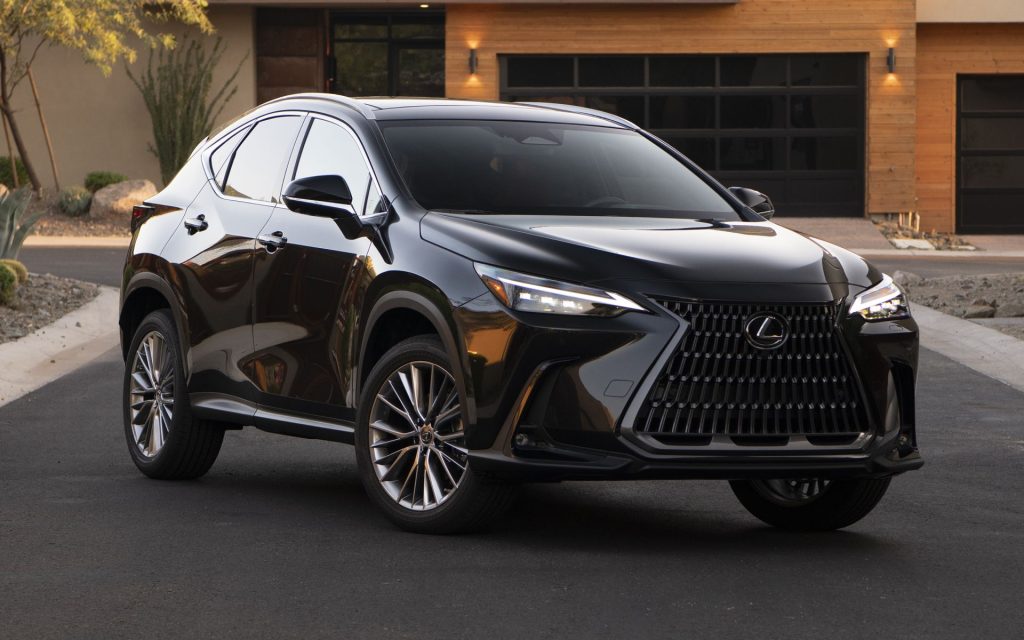
Some drivers may find the steering less engaging than sportier competitors, and cargo space trails larger SUVs slightly. Yet most people prioritizing comfort over performance consider those compromises minor.
For drivers with back problems, the RX 350 succeeds because it avoids unnecessary harshness in nearly every aspect of the ownership experience. Smooth ride quality, supportive seating, and easy accessibility combine to make it one of the most comfortable luxury SUVs available.
3. Subaru Outback
The Subaru Outback works exceptionally well for drivers with back pain because it combines SUV practicality with a seating position that feels far more natural than many taller crossovers or lower sedans.
People dealing with chronic discomfort often struggle getting in and out of vehicles repeatedly, but the Outback’s balanced ride height makes entry and exit noticeably easier.
Instead of forcing drivers to climb upward like a truck or sink downward into a low sedan, the Outback allows occupants to slide into the seat at a comfortable angle. That simple detail becomes extremely important during everyday errands, especially for drivers managing stiffness or spinal problems.
Seat design is another major strength. Subaru created wide, supportive front seats that provide solid lower back support during long drives. Higher trims add adjustable lumbar systems and extra cushioning, helping drivers customize posture more effectively. Many owners mention that fatigue stays surprisingly low even after extended highway trips.
Ride comfort also deserves praise. The suspension absorbs rough roads smoothly without feeling overly soft or unstable. Drivers with sensitive backs often notice road harshness quickly, but the Outback manages bumps and uneven pavement with impressive composure for a wagon-based vehicle.
Visibility contributes positively to comfort, too. Large windows and an upright seating position reduce the need for awkward twisting or leaning during driving. Controls are easy to reach, and the cabin layout remains simple enough that drivers are not constantly distracted by complicated systems.
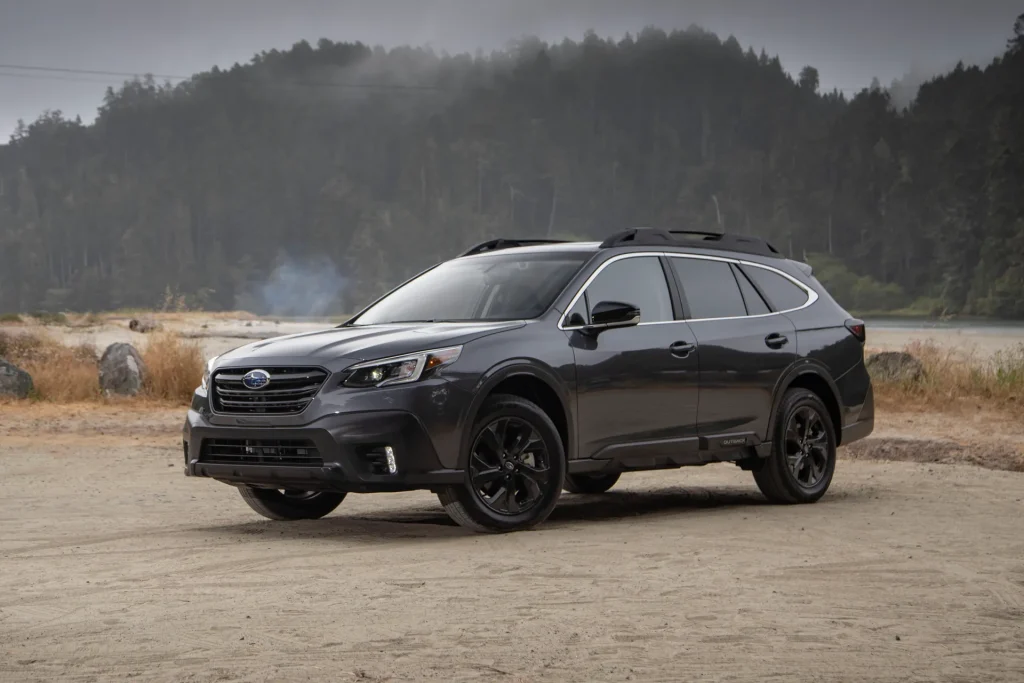
Cargo practicality provides another advantage for people with mobility concerns. The rear hatch opening sits lower than many SUVs, making it easier to load groceries, luggage, or equipment without excessive lifting strain.
The continuously variable transmission can feel uninspiring during acceleration, and some buyers may want stronger engine performance. Yet most drivers prioritize comfort care more about smoothness than sporty driving dynamics.
The Outback succeeds because it focuses on real-world usability instead of aggressive styling compromises. For drivers with bad backs wanting a comfortable daily vehicle that remains practical and easy to live with, it continues ranking among the smartest non-luxury choices available today.
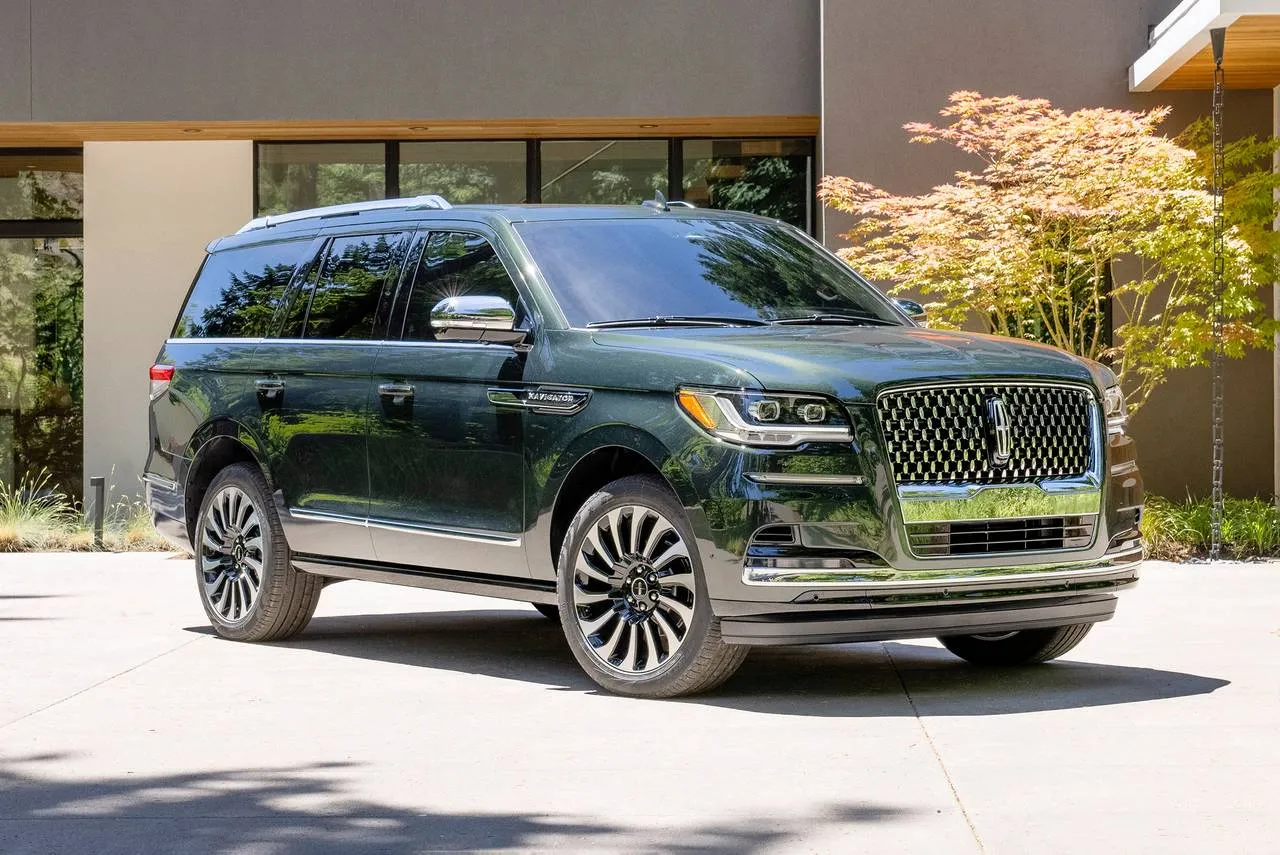
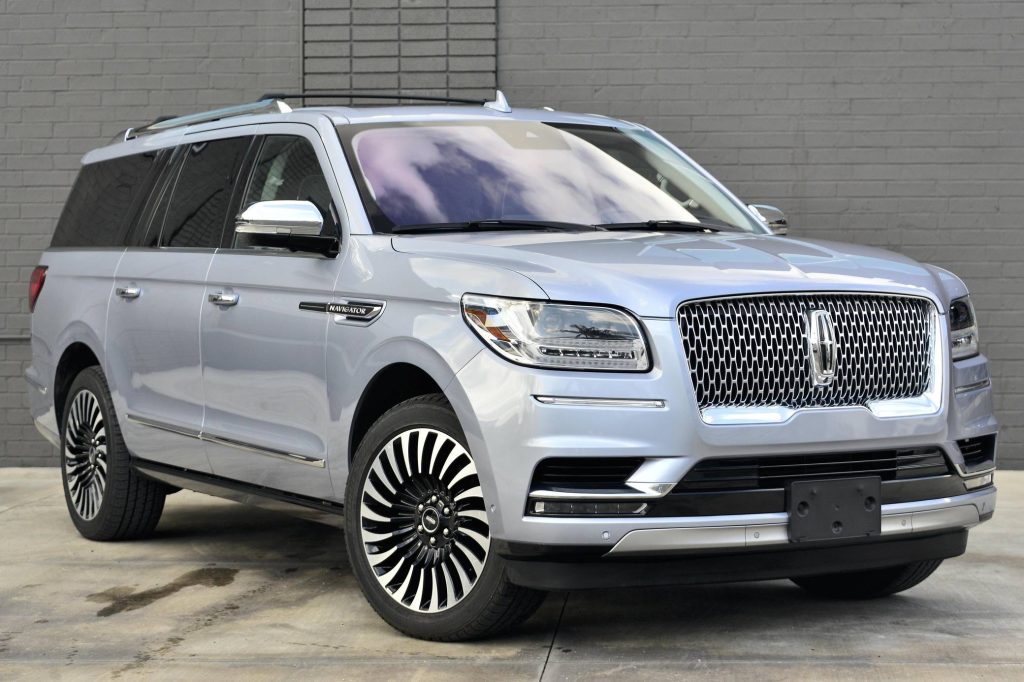
4. Lincoln Navigator
The Lincoln Navigator delivers a level of comfort that feels specifically designed for people who spend long hours behind the wheel or struggle with physical discomfort during driving. For drivers dealing with chronic back pain, few full-size SUVs provide the same combination of spacious seating, soft ride quality, and easy highway comfort.
One of the first things drivers notice is the seating itself. Lincoln designed the Navigator’s front seats with extensive adjustability, massage functions, and plush cushioning that reduce pressure on the lower spine during long drives. The seats are wide enough to prevent cramped posture while still offering excellent support through the back and thighs.
Entry and exit remain surprisingly manageable despite the SUV’s size. Power running boards and large door openings help reduce awkward movements, which becomes valuable for drivers with limited flexibility or stiffness.
Ride quality is where the Navigator truly stands apart. Adaptive suspension systems absorb rough pavement almost effortlessly, creating a floating sensation during highway travel. Drivers with back pain often feel exhausted after driving stiff vehicles for long periods, but the Navigator minimizes harsh impacts and cabin vibration extremely effectively.
Interior quietness also contributes heavily to comfort. Road noise, wind noise, and engine harshness stay remarkably low, helping create a calm environment that reduces stress during commuting or road trips.
The spacious cabin allows drivers to adjust seating positions freely without feeling cramped. Taller drivers especially appreciate the amount of legroom and shoulder space available. Visibility remains strong for a vehicle this large, which helps reduce tension during daily driving.
Fuel economy is poor, and maneuvering such a large SUV in crowded cities can feel intimidating. Ownership costs also rise significantly because of luxury pricing and maintenance expenses. Still, many drivers dealing with chronic discomfort find those trade-offs worthwhile because the Navigator provides exceptional physical comfort.
For people wanting one of the softest and most supportive driving experiences available, the Navigator stands among the best full-size SUVs for reducing fatigue and minimizing stress on the back during everyday driving.
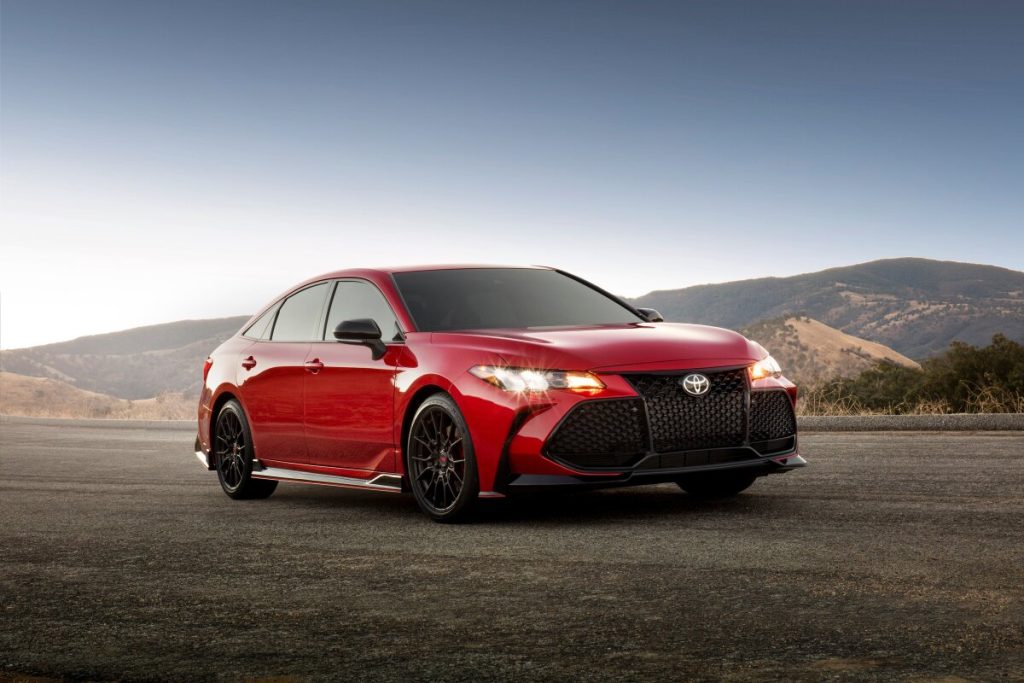
5. Toyota Avalon
The Toyota Avalon became one of the best sedans for drivers with back pain because Toyota focused heavily on ride comfort and seat softness rather than sporty handling.
Many modern sedans use stiff suspension tuning and aggressive seating designs that can become tiring after only short trips. The Avalon took a different approach and created an experience centered around smoothness and relaxation.
One of its biggest strengths involves seat comfort. The front seats are large, supportive, and designed for long highway drives.
Drivers dealing with lower back pain often appreciate the soft cushioning combined with adjustable lumbar support that helps reduce pressure during commuting. Seat bottoms are also long enough to provide strong thigh support, something many midsize sedans fail to deliver.
The Avalon’s ride quality stands out immediately. Suspension tuning absorbs rough pavement gently, preventing harsh impacts from traveling directly into the driver’s spine. Highway cruising feels calm and composed, helping reduce fatigue during longer trips.
Another important advantage is ease of entry and exit. Unlike low sports sedans requiring drivers to crouch deeply, the Avalon sits at a comfortable height that allows smoother movement in and out of the cabin. This becomes especially valuable for older drivers or people managing stiffness.
Cabin quietness also improves comfort. Wind noise and road harshness stay impressively low, creating a relaxed environment that reduces physical tension while driving.
The Avalon is not especially sporty, and some buyers may prefer SUVs with higher seating positions. However, drivers prioritizing comfort above aggressive handling usually find the Avalon exceptionally relaxing to drive.
Its reputation for reliability also helps reduce ownership stress, making it one of the smartest choices for drivers wanting smooth transportation without unnecessary discomfort or repair anxiety.
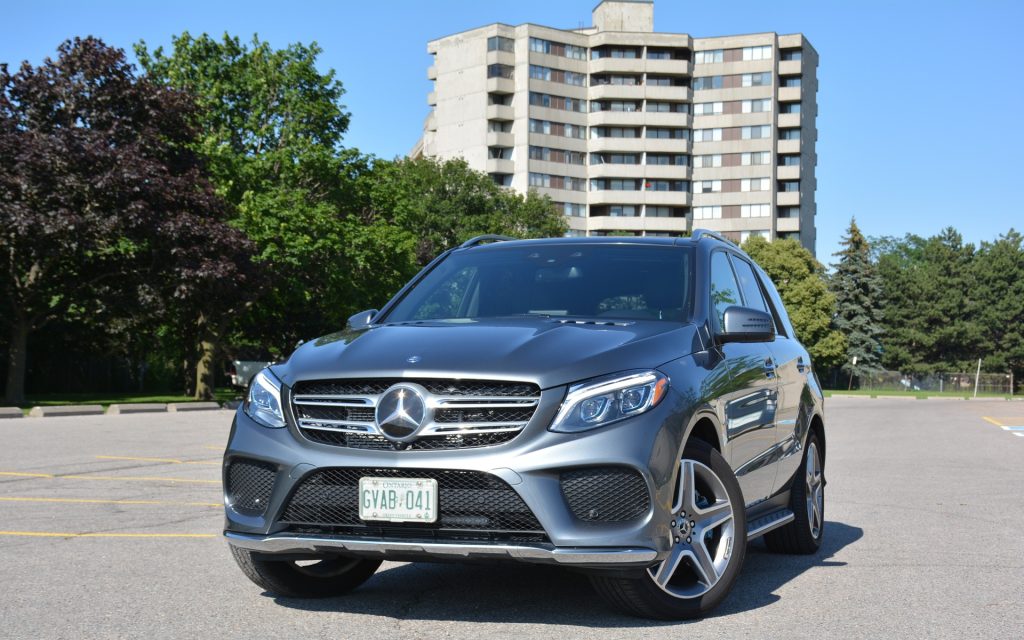
6. Mercedes-Benz GLE
The Mercedes-Benz GLE combines luxury SUV practicality with the type of comfort drivers with bad backs often struggle to find elsewhere. Mercedes engineered the GLE to prioritize ride smoothness, supportive seating, and quiet highway manners, all of which make daily driving far less physically tiring.
The seats are a major highlight. Mercedes offers multiple adjustments, including lumbar support, seat extensions, memory settings, and massage functions in higher trims. Drivers can customize their posture carefully to reduce stress on the lower back during long periods behind the wheel.
Ride quality remains one of the best in the luxury SUV segment. Adaptive suspension systems smooth out potholes and rough roads effectively, preventing constant vibration from aggravating back pain. The SUV feels stable and composed even on uneven pavement, which helps reduce fatigue significantly.
Another strength involves cabin accessibility. The GLE’s ride height allows drivers to enter naturally without climbing excessively high or lowering themselves awkwardly into the seat. Large door openings further improve comfort for people with limited flexibility.
Interior quietness creates an additional layer of relaxation. Road and wind noise remain low, helping drivers stay calmer during traffic or long commutes. Stress reduction matters more than many people realize because physical tension often worsens back discomfort.
Visibility and ergonomics also contribute positively. Controls are positioned logically, steering adjustments are generous, and the upright seating position supports healthier posture compared with lower sedans or cramped crossovers.
Maintenance and repair costs remain expensive once warranty coverage ends, and some drivers may find the technology systems slightly overwhelming initially. Still, for people prioritizing physical comfort, the GLE delivers an exceptionally refined driving experience.
Drivers with chronic back pain often notice immediately how much less exhausted they feel after spending time in a properly designed luxury SUV. The Mercedes-Benz GLE succeeds because nearly every aspect of the cabin experience focuses on reducing strain and increasing long-distance comfort.
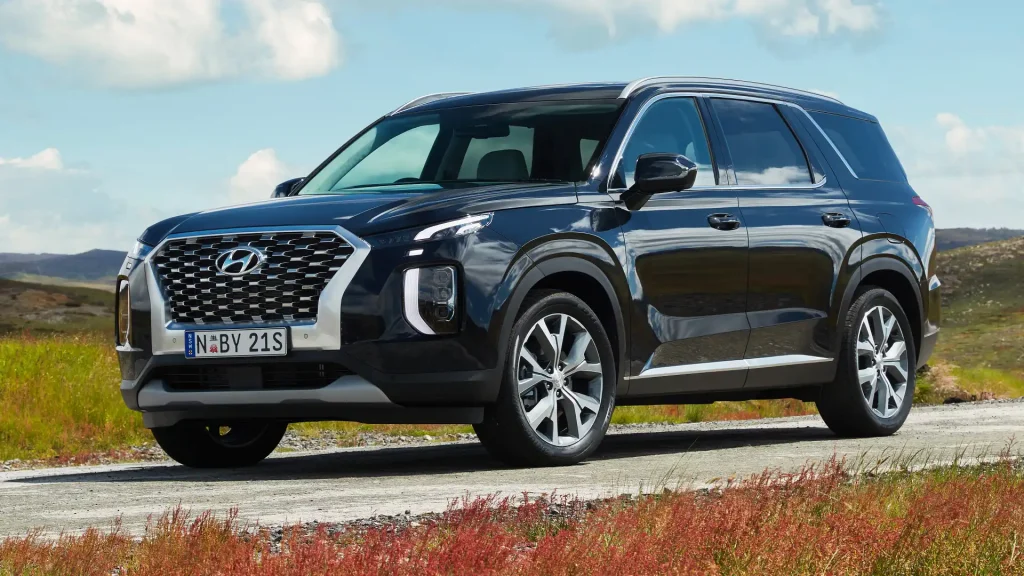
7. Hyundai Palisade
The Hyundai Palisade became one of the most comfortable mainstream SUVs for drivers with back pain because Hyundai focused heavily on seat support, smooth ride quality, and cabin ergonomics. Many three-row SUVs prioritize aggressive styling or sporty handling, but the Palisade concentrates on making daily driving relaxing and physically comfortable.
Seat comfort stands out immediately. The front seats are wide, soft, and supportive enough for long highway trips without creating pressure points in the lower back.
Higher trims add ventilation, heating, multiple lumbar adjustments, and memory settings that allow drivers to fine-tune posture more effectively. Drivers dealing with chronic stiffness often appreciate how naturally the seating position supports the spine during commuting.
Entry and exit also feel easier than in many large SUVs. The Palisade sits at a practical height that allows occupants to slide into the cabin comfortably rather than climbing upward awkwardly or lowering themselves deeply into the seat. This becomes especially valuable for drivers with mobility limitations or recurring pain.
Ride quality further improves comfort. The suspension absorbs rough roads smoothly, preventing sharp impacts from traveling through the cabin. Long-distance driving feels calm and controlled instead of tiring. Quiet cabin insulation also helps reduce stress because road noise and vibration stay relatively low at highway speeds.
Another strength involves interior layout. Controls remain simple to reach, visibility is excellent, and the upright seating position helps drivers maintain better posture naturally. Even taller occupants usually find enough headroom and legroom to remain comfortable for hours.
Fuel economy remains average for a large SUV, and sporty drivers may prefer sharper handling. However, people prioritizing physical comfort often consider those trade-offs minor compared with the Palisade’s supportive cabin environment.
The Palisade succeeds because it combines luxury, style, and comfort with practical everyday usability. For drivers dealing with chronic back discomfort who want a spacious family vehicle without luxury brand pricing, it remains one of the strongest choices available.
8. Buick Enclave
The Buick Enclave quietly became one of the best SUVs for drivers with back pain because it emphasizes softness and comfort in ways many competitors abandoned years ago. While some manufacturers chase sporty suspension tuning and oversized wheels, Buick focused on creating a calm and cushioned driving experience that reduces fatigue during daily use.
One of the Enclave’s biggest strengths is its ride quality. The suspension absorbs bumps, potholes, and rough pavement with impressive smoothness, helping to minimize the sharp impacts that often aggravate spinal discomfort. Drivers who spend long hours commuting frequently notice how much less tiring the Enclave feels compared with former SUVs.
The seats also contribute heavily to comfort. Front seating is wide and well-padded, with enough cushion support to reduce pressure on the lower back and hips during longer trips. Higher trims add lumbar adjustments and memory settings that help drivers maintain a healthier posture behind the wheel.
Entry and exit remain easy because the SUV sits at a comfortable height. Drivers do not need to crouch deeply into the cabin or climb awkwardly upward like they might in sports cars or large trucks. This simple ergonomic advantage makes a major difference for people managing chronic pain.
Cabin quietness further improves relaxation. Buick insulated the Enclave extremely well, so highway driving remains peaceful and free from excessive road noise or vibration. Less physical tension often means less discomfort over time.
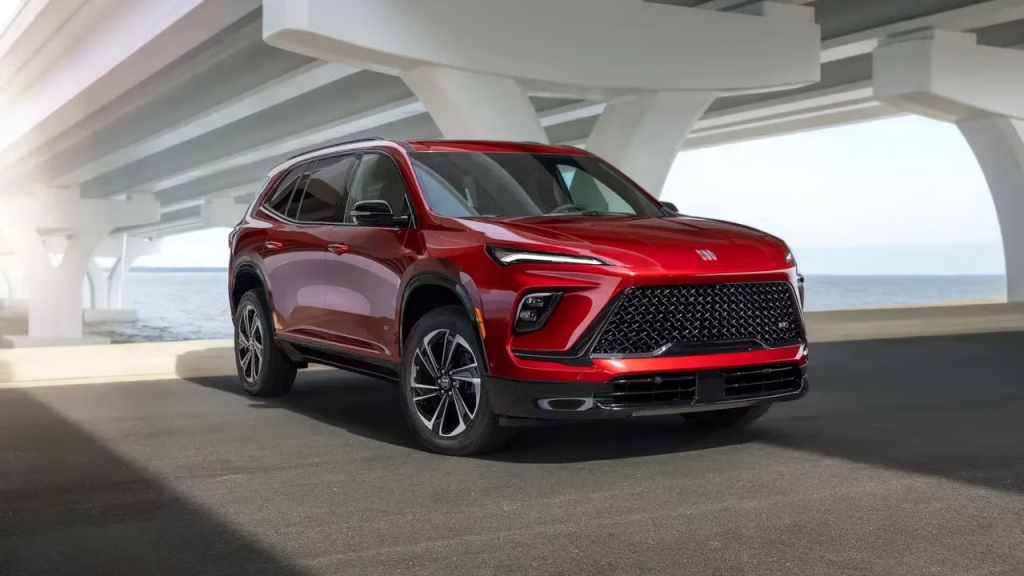
The interior layout also works well for older drivers or people with mobility concerns. Controls are straightforward, visibility is strong, and seating positions feel upright and natural instead of cramped.
Fuel economy is not class-leading, and the Enclave lacks sporty handling compared with some rivals. Yet drivers focused on comfort usually care far more about ride smoothness and support than aggressive cornering ability.
For people dealing with bad backs, the Buick Enclave stands out because it avoids unnecessary harshness. Its soft suspension, supportive seating, and easy accessibility create one of the most comfortable mainstream SUV experiences available today.
9. Honda CR-V
The Honda CR-V remains one of the smartest choices for drivers with back pain because it balances comfort, practicality, and ease of use extremely well. Many compact SUVs feel either too stiff or too cramped, but the CR-V avoids both problems while maintaining a relaxed driving experience suited for everyday commuting.
One major advantage is seating height. The CR-V allows drivers to slide into the cabin naturally without dropping too low or climbing too high. This reduces strain on the hips and lower back during repeated entry and exit throughout the day.
Seat comfort is another strong point. Honda designed the front seats with supportive cushioning and a posture-friendly driving position. Higher trims include lumbar support adjustments that help reduce fatigue during longer drives. Taller drivers also appreciate the generous legroom and open cabin layout.
Ride quality stays smooth for a compact SUV. The suspension handles rough pavement effectively without transmitting excessive vibration into the seats. Drivers dealing with chronic discomfort often notice how much calmer the CR-V feels compared with firmer, sport-oriented crossovers.
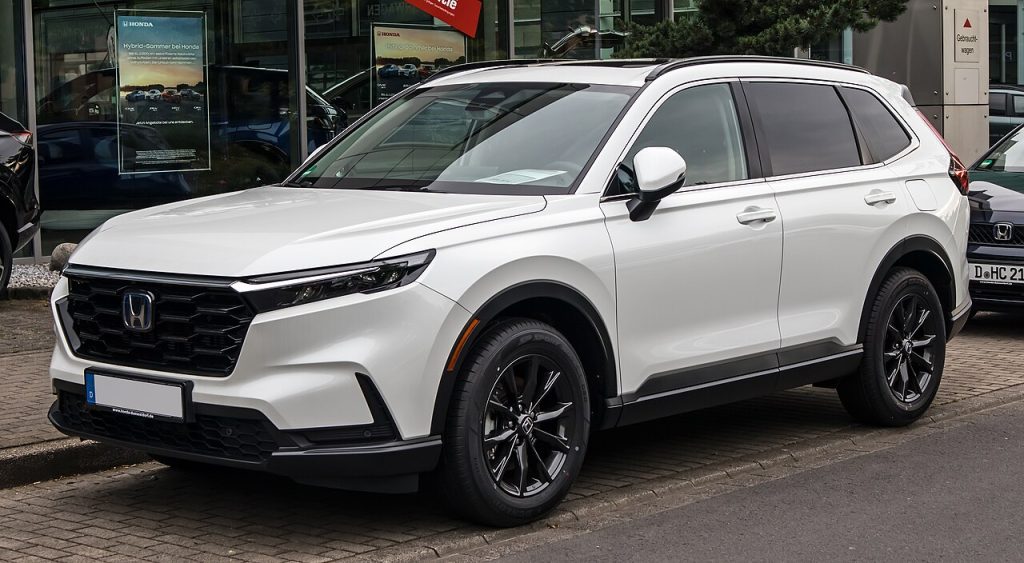
Visibility also contributes positively to comfort. Large windows and a relatively upright seating position reduce the need for awkward twisting or leaning while driving. Controls remain easy to reach, helping drivers maintain a more natural posture behind the wheel.
Fuel economy remains excellent, and the reliability reputation further reduces ownership stress. While the CR-V may not feel luxurious, it succeeds by making daily driving simple and physically manageable.
For drivers with bad backs wanting a dependable and comfortable SUV without luxury pricing, the Honda CR-V continues to stand among the most practical choices available today.
10. Cadillac Escalade
The Cadillac Escalade delivers a level of ride comfort and seating support that works extremely well for drivers managing chronic back pain. Full-size luxury SUVs naturally provide generous space, but the Escalade adds advanced comfort technology and soft-ride tuning that make long trips far less physically demanding.
The seats are one of the vehicle’s biggest strengths. Cadillac equips the Escalade with wide, heavily cushioned seating offering extensive lumbar adjustments, heating, ventilation, and massage functions in higher trims. Drivers can tailor posture carefully to reduce lower back strain during commuting and highway travel.
Ride quality also plays a major role. Adaptive suspension systems smooth rough pavement impressively well despite the SUV’s large size. Instead of sharp impacts reaching the cabin, the Escalade isolates passengers from bumps and road harshness effectively.
Entry and exit remain easier than expected because of large doors, supportive grab handles, and available power running boards. Many drivers with mobility concerns appreciate how little twisting or crouching is required.
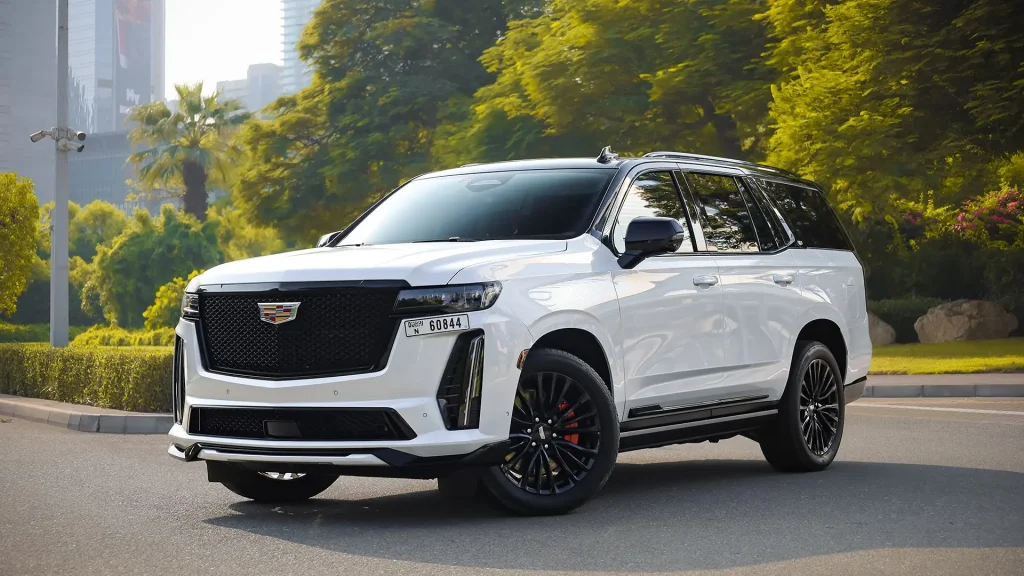
Cabin quietness further enhances comfort. Road noise stays low, helping create a relaxed atmosphere during longer drives. Visibility remains good for a large SUV, and the upright seating position supports a healthier posture compared with low sedans.
Fuel economy is poor, and maneuvering such a large vehicle in crowded areas can become stressful. Maintenance and purchase costs are also extremely high. Yet many drivers prioritize physical comfort above efficiency or sporty handling.
For people with severe back discomfort wanting maximum softness and interior space, the Escalade provides one of the most comfortable driving environments available in today’s SUV market.
Also Read: 10 Pickups Built Stronger Before the Aluminum Body Switch