Plug-in hybrid electric vehicles, commonly called PHEVs, are positioned as the middle ground between traditional internal combustion engine cars and fully electric vehicles. In 2026, they continue to attract strong attention from buyers who want lower fuel costs, reduced emissions, and the flexibility of gasoline backup when charging is not always convenient.
However, the plug-in hybrid market is far from uniform. Some models deliver excellent electric range, strong reliability, and low running costs, while others struggle with software issues, inconsistent real-world efficiency, and long-term durability concerns.
The appeal of plug-in hybrids lies in their ability to operate in two modes. For short daily commutes, many PHEVs can run entirely on electricity, reducing fuel consumption significantly. When the battery is depleted, they switch to hybrid or gasoline operation, allowing for longer trips without range anxiety.
According to industry reliability studies, hybrids as a category remain among the most dependable powertrains, but plug-in hybrids show more variability in real-world reliability compared to conventional hybrids due to their increased complexity and dual powertrain systems.
At the same time, the market in 2026 is evolving rapidly. Automakers are refining battery technology, improving electric range, and redesigning hybrid systems to increase efficiency.
Models like the Toyota Prius Plug-in Hybrid continue to set benchmarks for reliability and fuel economy, while newer SUV-based plug-in hybrids from brands like Jeep, Mazda, and Volvo show how innovation sometimes comes with early-stage growing pains.
Some of these newer vehicles are technologically impressive but have been flagged for inconsistent reliability ratings and higher ownership costs compared to more established competitors.
Another important factor shaping the plug-in hybrid conversation in 2026 is real-world efficiency. Studies have shown that many drivers do not consistently charge their vehicles, which can significantly reduce the benefits of plug-in hybrid systems. In some cases, fuel consumption can be much higher than official estimates when the battery is not regularly charged, undermining one of the core advantages of the technology.
Because of these differences, choosing the right plug-in hybrid in 2026 is not just about features or price. It is about long-term reliability, actual electric range, charging behavior, and total cost of ownership. This article breaks down three plug-in hybrids that stand out as strong purchases in 2026, followed by three that buyers should carefully reconsider before committing.
Also Read: 10 Cars With Insurance Premiums Lower Than a Compact Sedan
3 Plug-In Hybrids Worth Buying in 2026
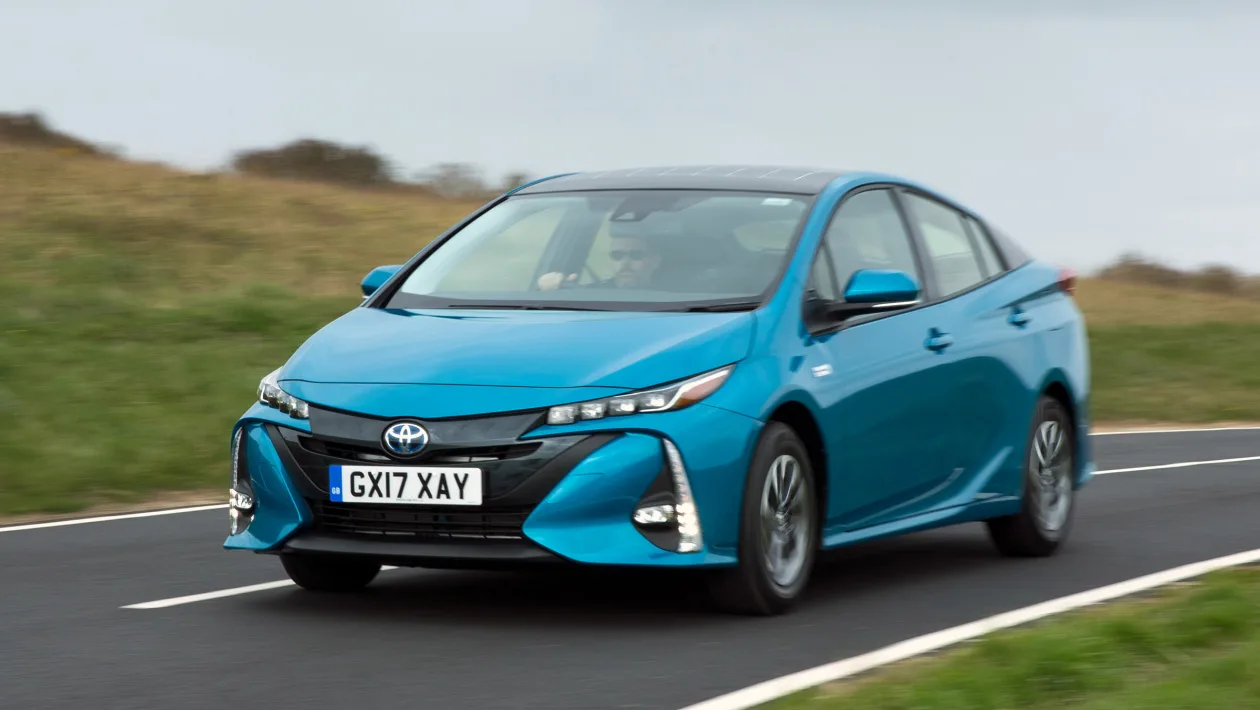
1. Toyota Prius Plug-in Hybrid
The Toyota Prius Plug-in Hybrid continues to define what a practical, efficient, and reliable plug-in hybrid should be in 2026. It is built for drivers who prioritize long-term dependability and extremely low running costs over luxury features or high-performance driving dynamics.
Toyota has refined its hybrid system for more than two decades, and this experience shows clearly in how the Prius Plug-in Hybrid performs in real-world conditions. Unlike many newer plug-in hybrids that still struggle with software tuning or drivetrain calibration, the Prius offers a mature, predictable ownership experience that rarely surprises drivers in a negative way.
One of the strongest advantages of the Prius Plug-in Hybrid is its exceptional fuel efficiency combined with a usable electric-only driving range. In daily commuting scenarios, especially in urban environments, the car can operate almost entirely in EV mode when charged regularly.
This allows drivers to significantly reduce fuel consumption and emissions without worrying about range anxiety. Even when the battery is depleted, the hybrid system seamlessly transitions into gasoline-assisted operation, maintaining excellent mileage compared to conventional compact cars and SUVs. This dual efficiency makes it one of the most cost-effective vehicles to run in 2026.
Reliability is another major factor that continues to make the Prius Plug-in Hybrid a top recommendation. Toyota’s hybrid systems are widely regarded as some of the most durable in the automotive industry, and long-term data consistently support this reputation.
Owners frequently report high-mileage usage with minimal mechanical issues beyond standard maintenance. This makes the Prius Plug-in Hybrid particularly appealing to buyers who plan to keep their vehicle for many years rather than frequently upgrading. In a segment where complexity can often lead to long-term repair costs, the Prius remains refreshingly simple and dependable.
Comfort and practicality have improved in recent generations, though they still reflect the Prius’s efficiency-first philosophy. The interior is modern and functional, with improved infotainment systems and driver assistance features, but it does not aim to compete with luxury vehicles.
Instead, it focuses on usability, visibility, and ergonomic simplicity. While rear seat space and cargo capacity are slightly reduced compared to older Prius models, the cabin remains well-suited for daily commuting and small family use. This balance of practicality and efficiency is a key reason for its continued popularity.
The Toyota Prius Plug-in Hybrid stands out in 2026 as the safest long-term choice in the plug-in hybrid market. It may not be the most powerful or stylish vehicle in its category, but it consistently delivers where it matters most: reliability, efficiency, and low ownership cost. For buyers who want a “set it and forget it” plug-in hybrid experience, the Prius remains the benchmark.

2. Jeep Wrangler 4xe
The Jeep Wrangler 4xe is one of the most unique plug-in hybrids available in 2026 because it does not follow the typical efficiency-focused formula. Instead, it combines electrification with extreme off-road capability, making it the go-to choice for adventure-focused drivers.
The Wrangler 4xe retains the rugged body-on-frame construction and trail-ready hardware that the Wrangler name is known for, while adding electric torque to enhance low-speed control and climbing ability in difficult terrain.
One of the most important benefits of the Wrangler 4xe is the instant torque provided by its electric motors. This allows smoother and more precise throttle control when driving across rocky trails, steep inclines, or uneven terrain.
Electric-only driving also allows the vehicle to operate silently in nature-sensitive environments, which can be useful for early morning trail driving or areas where noise reduction is preferred. This combination of silence and torque gives it a functional advantage over traditional gasoline-powered off-road vehicles in certain scenarios.
Despite its strengths, the Wrangler 4xe is not designed to be a fuel economy leader in the plug-in hybrid segment. Its boxy shape, heavy-duty components, and off-road orientation naturally reduce aerodynamic efficiency. While it performs reasonably well when charged regularly, its fuel economy drops noticeably when operating primarily on gasoline.
This makes it more dependent on consistent charging habits compared to more commuter-focused plug-in hybrids like the Toyota RAV4 Plug-in Hybrid.
Reliability is generally acceptable but not class-leading. The complexity of combining a turbocharged engine with dual electric motors introduces more potential points of failure compared to simpler hybrid systems.
While many owners enjoy the vehicle’s performance and off-road capability, long-term ownership costs can be higher due to maintenance and repair variability. This is an important consideration for buyers who plan to use the vehicle heavily or keep it beyond warranty coverage.
The Jeep Wrangler 4xe is worth buying in 2026 if the priority is capability rather than efficiency. It is best suited for drivers who regularly go off-road or want a rugged SUV that still offers some electric driving benefits. It is not the most practical plug-in hybrid, but it is one of the most specialized and capable.
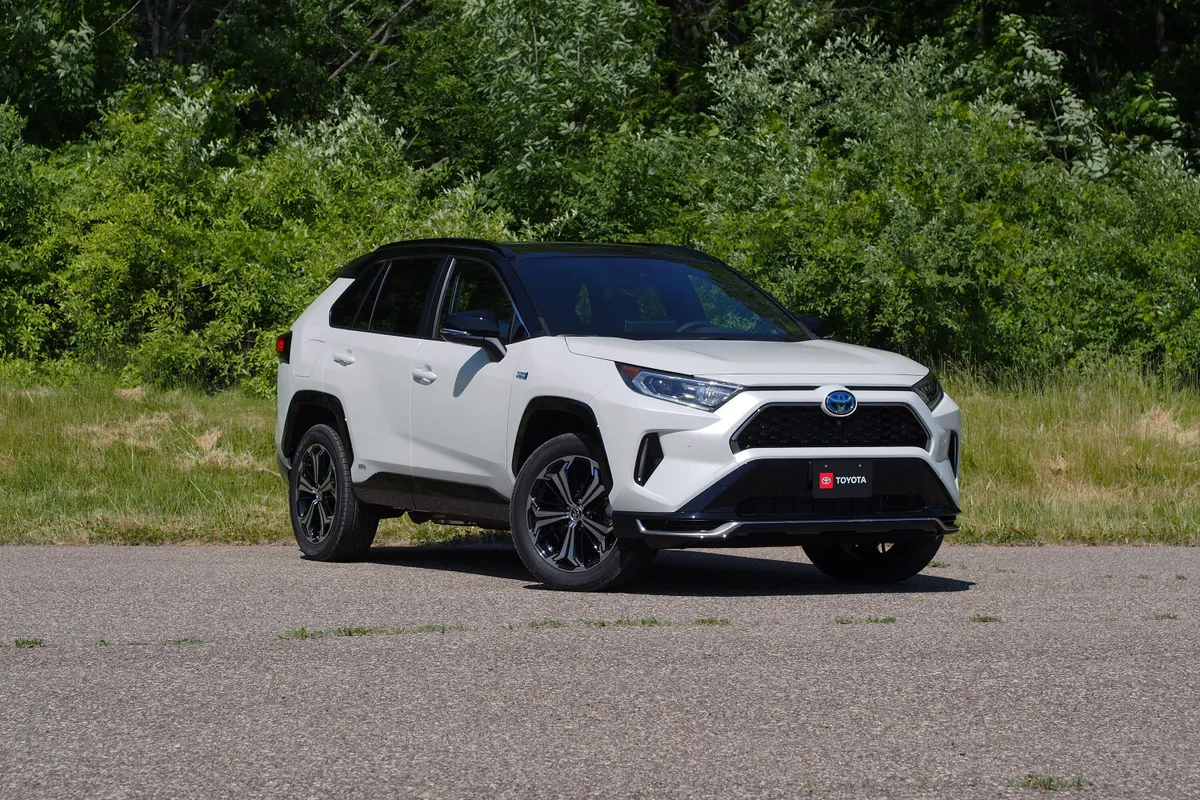
3. Toyota RAV4 Plug-in Hybrid
The Toyota RAV4 Plug-in Hybrid remains one of the most balanced and practical plug-in hybrid SUVs in 2026. It combines strong electric range, excellent real-world usability, and Toyota’s proven hybrid reliability into a package that appeals to a very wide range of buyers.
It is often considered the “safe choice” in the plug-in hybrid SUV segment because it avoids extreme compromises in any single category.
One of its most important strengths is its electric-only driving capability. With a full charge, the RAV4 Plug-in Hybrid can handle most daily commuting needs without using gasoline at all.
This makes it especially attractive for drivers with short-to-medium daily travel distances. When the battery is depleted, the vehicle transitions smoothly into hybrid mode, continuing to deliver strong fuel efficiency compared to traditional SUVs. This flexibility ensures that the vehicle remains efficient regardless of charging habits.
Performance is another area where the RAV4 Plug-in Hybrid stands out compared to typical family SUVs. The combination of electric motors and a gasoline engine produces strong acceleration, making it one of the quickest vehicles in its segment. Despite this performance capability, it does not sacrifice comfort or practicality.
The ride quality remains smooth and controlled, making it suitable for both city driving and long highway trips. This balance of power and comfort is a major reason for its popularity.
Toyota’s reputation for reliability adds significant long-term value to the RAV4 Plug-in Hybrid. Unlike many newer plug-in hybrid SUVs that are still proving their durability, the RAV4 benefits from a mature platform and well-tested hybrid system.
This reduces the risk of unexpected repair costs and contributes to strong resale value. Buyers who prioritize long-term ownership stability often prefer the RAV4 over more luxurious but less proven competitors.
The Toyota RAV4 Plug-in Hybrid is the most well-rounded option in 2026. It does not specialize in extreme luxury or off-road performance, but instead delivers consistent results across efficiency, reliability, comfort, and usability. For most buyers, it represents the most balanced plug-in hybrid SUV choice available today.
Also Read: 10 Cars That Survive Being Used as Daily Uber Vehicles
3 Plug-In Hybrids to Avoid in 2026
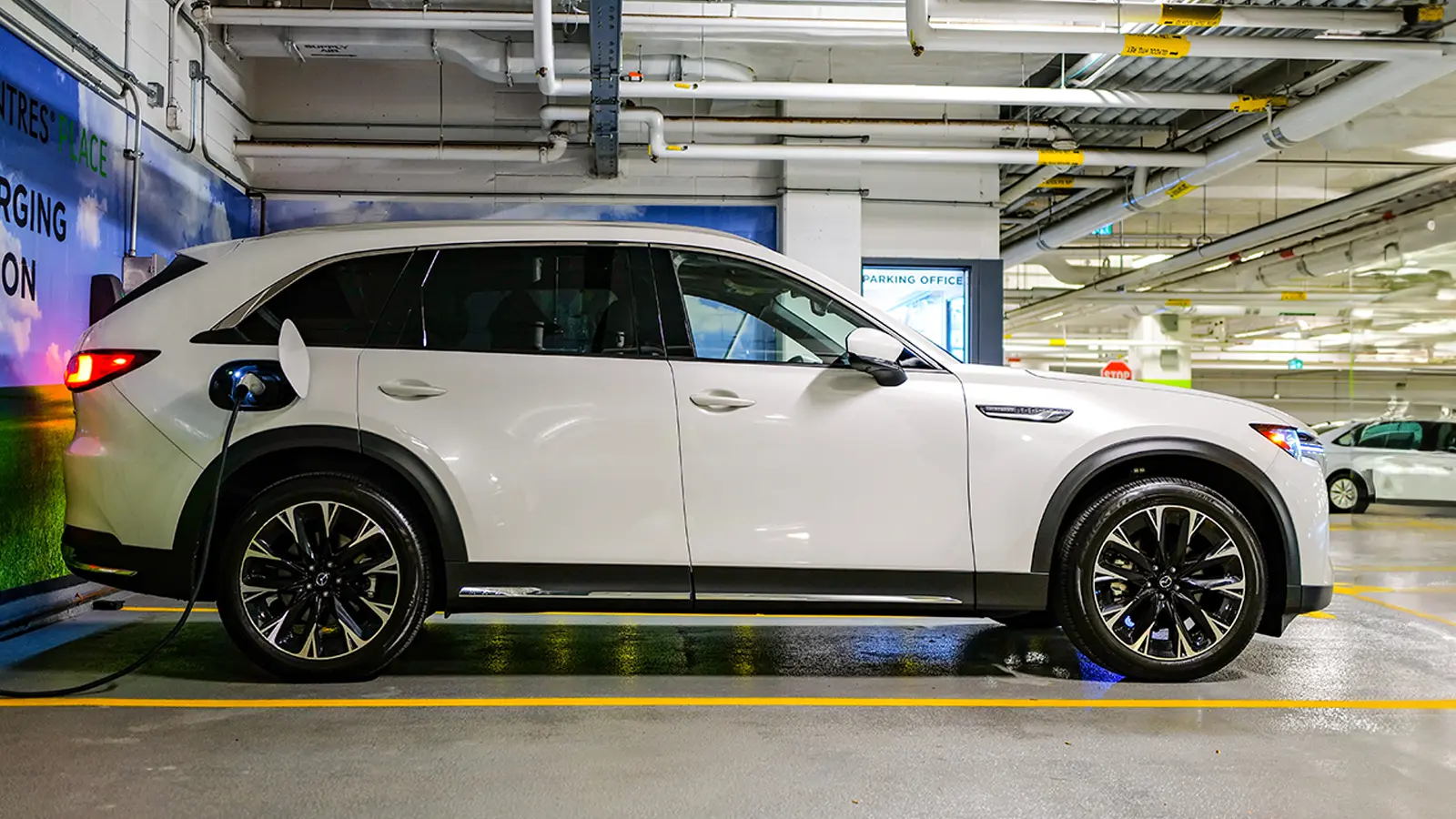
1. Mazda CX-90 Plug-in Hybrid
The Mazda CX-90 Plug-in Hybrid enters the 2026 market as one of the most visually appealing and premium-feeling three-row plug-in hybrid SUVs. Mazda has clearly positioned it as a near-luxury alternative to competitors from Lexus, Volvo, and BMW, offering a refined interior, strong exterior styling, and an engaging driving experience.
However, despite these strengths, it raises several concerns when evaluated from a long-term ownership and reliability perspective. The combination of new platform engineering and a relatively complex plug-in hybrid system makes it less proven than established rivals.
One of the primary concerns with the CX-90 Plug-in Hybrid is its early reliability record. While Mazda generally enjoys a strong reputation for building dependable vehicles, this newer platform introduces a more complicated drivetrain architecture that has not yet fully proven itself over long-term use.
Some owners and early reports have pointed to issues such as transmission hesitation at low speeds, occasional electronic glitches, and inconsistent behavior in hybrid power delivery. These problems may not affect every unit, but they create uncertainty for buyers looking for long-term peace of mind in 2026.
Another drawback is its high cost of ownership relative to its reliability position. The CX-90 Plug-in Hybrid is priced in the premium SUV category, yet it does not yet offer the long-established durability track record of competitors like Toyota or Lexus hybrid systems.
This mismatch between pricing and proven reliability can lead to higher perceived risk, especially when considering potential repair costs outside warranty coverage. Additionally, depreciation may be stronger compared to more trusted hybrid SUVs, as buyers tend to favor established reliability when purchasing used plug-in hybrids.
Fuel efficiency performance is also inconsistent, depending on driving behavior. While the CX-90 Plug-in Hybrid can operate efficiently when charged regularly, its real-world fuel economy drops noticeably when the battery is depleted.
This is common among plug-in hybrids, but it becomes more important in a larger, heavier SUV like the CX-90. Drivers who do not maintain consistent charging habits may find that the vehicle performs closer to a traditional gasoline SUV than expected, reducing the financial benefit of the plug-in system.
The Mazda CX-90 Plug-in Hybrid is a vehicle that excels in design, comfort, and driving feel but falls short in proven long-term dependability. In 2026, it remains a risky choice for buyers who prioritize reliability, predictable ownership costs, and strong resale value.
While it may appeal to those seeking a stylish and premium three-row SUV, it is not yet a top-tier recommendation in the plug-in hybrid category.
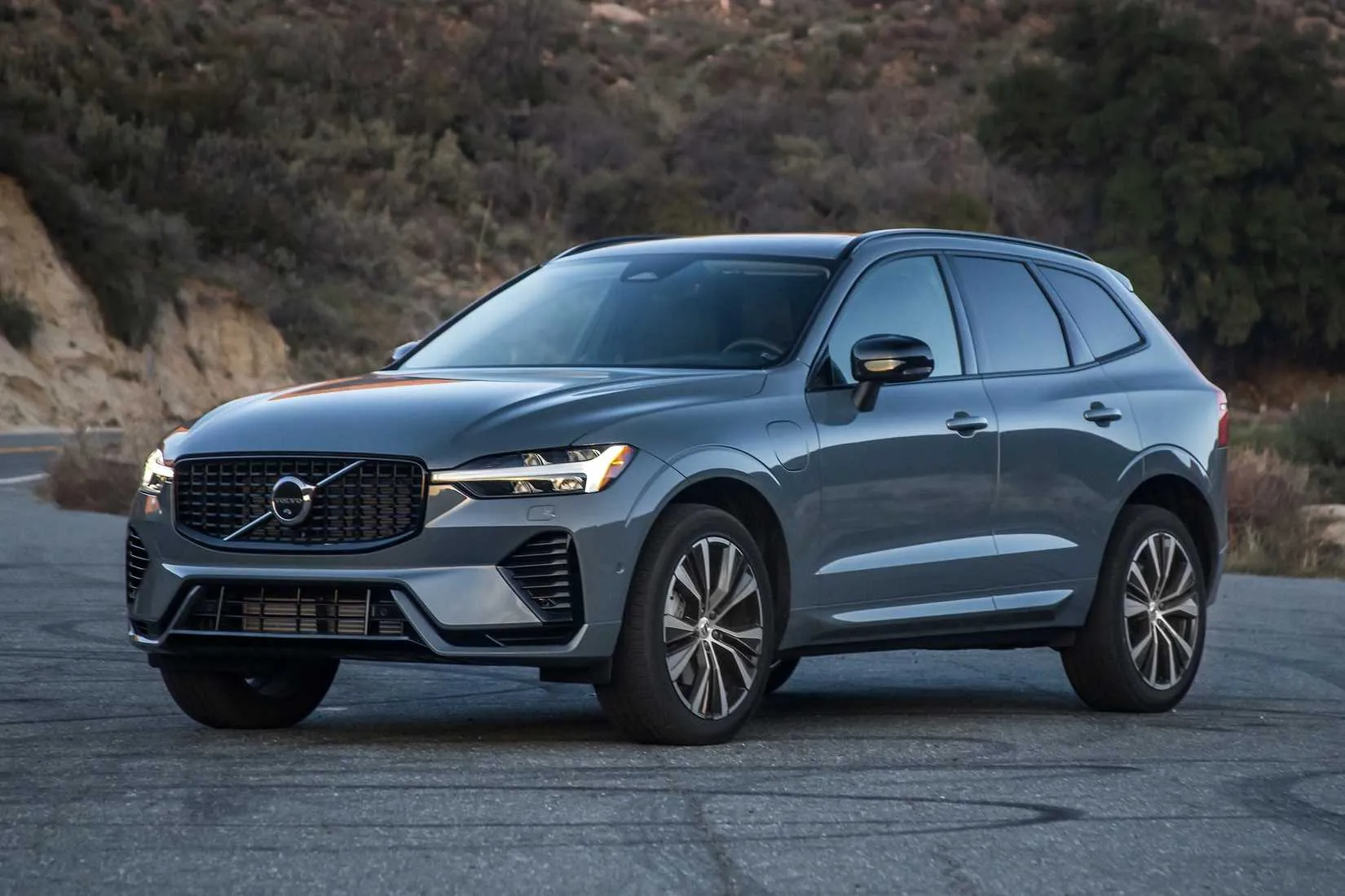
2. Volvo XC60 Recharge
The Volvo XC60 Recharge continues to attract buyers in 2026 who are looking for a premium plug-in hybrid SUV with Scandinavian design, advanced safety features, and strong electric driving capability.
On the surface, it appears to be a well-balanced luxury option that combines comfort, efficiency, and brand prestige. However, when examined from a long-term ownership perspective, several concerns emerge regarding software stability, maintenance complexity, and cost consistency.
One of the most frequently discussed issues with the XC60 Recharge is its software and electronic system behavior. Modern Volvos rely heavily on integrated infotainment and vehicle control systems, and while these systems are feature-rich, they have historically experienced occasional glitches or slow response times.
Some owners report issues related to infotainment freezing, delayed system boot-ups, or inconsistent driver assistance behavior. While software updates have improved the situation over time, it still lacks the consistency seen in more conservative hybrid systems.
Another important consideration is the complexity of its plug-in hybrid drivetrain. The XC60 Recharge combines a turbocharged gasoline engine with an electric motor and a relatively large battery pack. While this setup delivers strong performance and smooth acceleration, it also increases mechanical and electronic complexity.
More complexity typically translates into higher potential maintenance costs over the long term, particularly once the vehicle moves beyond its warranty period. This is especially relevant for buyers planning to keep the vehicle for many years rather than leasing.
Fuel efficiency in the XC60 Recharge is highly dependent on charging behavior. When regularly charged, it performs efficiently and can handle short commutes on electric power alone. However, when the battery is not consistently charged, the vehicle relies heavily on its gasoline engine, resulting in significantly higher fuel consumption.
This variability makes it less predictable than simpler hybrid systems and reduces its real-world efficiency advantage for drivers without reliable home or workplace charging access.
The Volvo XC60 Recharge remains a strong luxury choice for comfort and safety, but it struggles to justify itself as a top-tier plug-in hybrid in 2026 from a value and reliability standpoint. Buyers who prioritize premium interior design and brand prestige may still find it appealing, but those focused on long-term dependability and cost efficiency are likely better served by more established hybrid competitors.
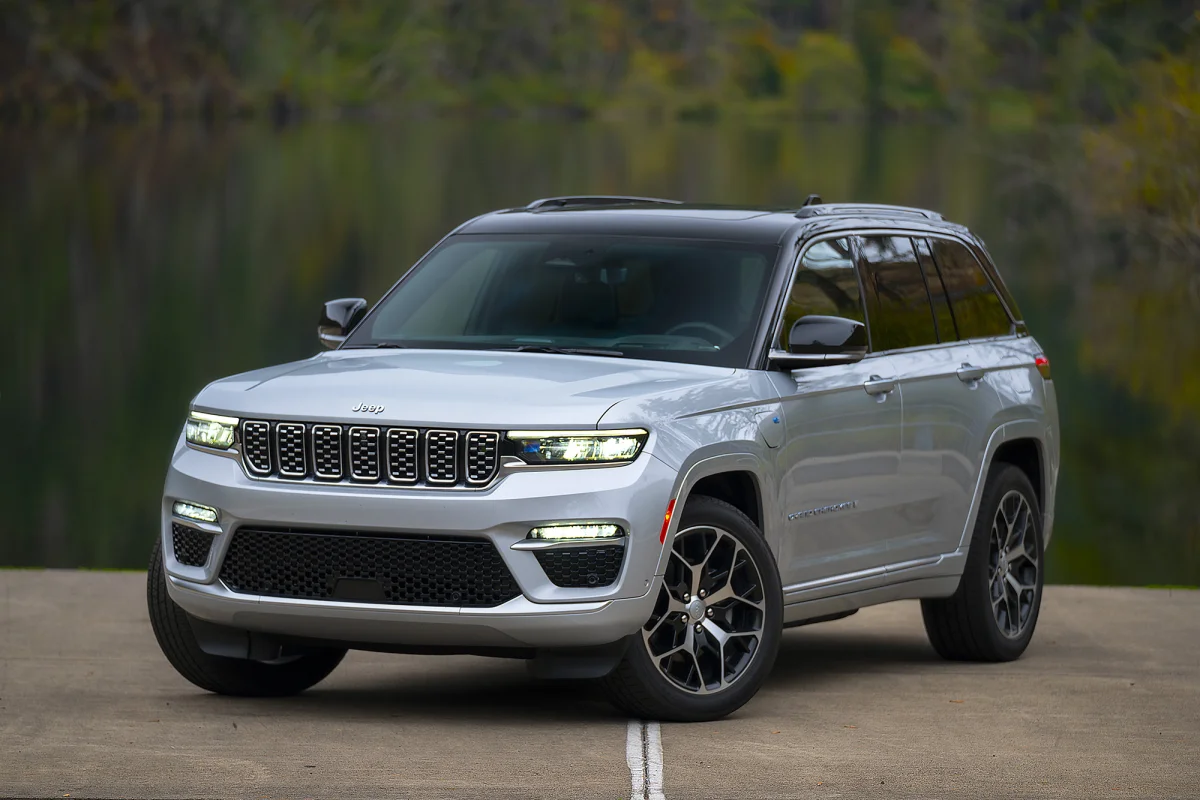
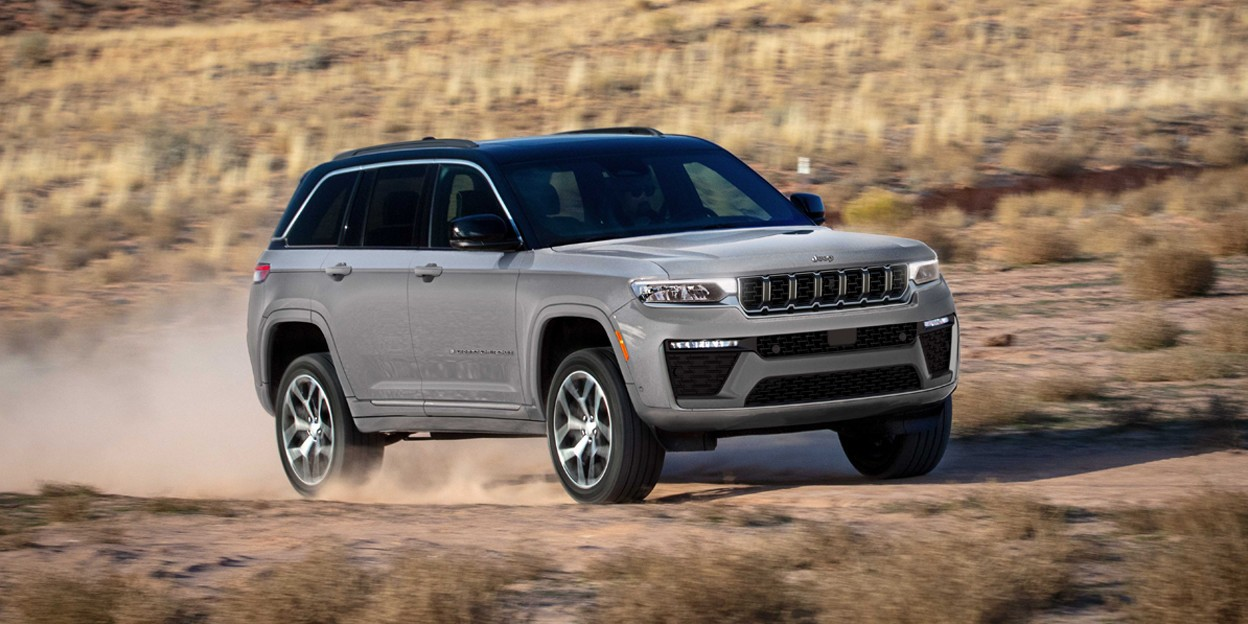
3. Jeep Grand Cherokee 4xe
The Jeep Grand Cherokee 4xe is designed to offer a blend of off-road capability, luxury SUV comfort, and plug-in hybrid efficiency. It is one of Jeep’s most ambitious electrified models, targeting buyers who want a large, capable SUV that can also operate in electric mode for short distances.
While the concept is strong, real-world ownership experiences reveal a number of concerns related to reliability, software stability, and long-term consistency.
One of the main issues reported with the Grand Cherokee 4xe is electronic system inconsistency. Modern Jeep vehicles rely heavily on advanced infotainment systems, digital dashboards, and complex power management software.
Some owners have reported glitches such as infotainment system lag, connectivity issues, and occasional charging irregularities. While these issues are not universal, they contribute to a perception that the vehicle is still undergoing refinement in terms of software maturity and system integration.
Another concern is the complexity of its hybrid drivetrain. The Grand Cherokee 4xe combines a turbocharged engine with dual electric motors and a plug-in battery system, creating a highly capable but mechanically and electronically complex platform.
This complexity increases the number of potential maintenance points and may result in higher repair costs over time compared to simpler hybrid SUVs. For buyers who prioritize long-term dependability, this added complexity can be a significant drawback.
Fuel efficiency performance is also heavily dependent on usage patterns. When charged regularly, the vehicle can operate efficiently for short trips and city driving. However, due to its large size and weight, fuel consumption increases quickly once the battery is depleted.
Drivers who do not consistently charge the vehicle may find that its real-world efficiency is not significantly better than a traditional gasoline-powered SUV in the same class.
Ride quality and refinement are generally strong, but they do not fully offset concerns about long-term ownership costs and consistency. While the Grand Cherokee 4xe offers strong towing capability, off-road performance, and luxury features, it struggles to compete with more established hybrid systems in terms of reliability and predictable operation.
The Jeep Grand Cherokee 4xe is best viewed as a capability-focused SUV rather than a dependable plug-in hybrid for everyday efficiency. In 2026, it remains a less ideal choice for buyers prioritizing low maintenance costs, long-term reliability, and consistent hybrid performance.