
In the construction industry, equipment decisions directly affect productivity, project timelines, operating costs, and long-term profitability. Among all heavy equipment investments, trucks remain one of the most important assets in any construction fleet.
Whether transporting aggregate, hauling demolition debris, delivering machinery, or moving materials between job sites, trucks form the operational backbone of construction logistics. Fleet managers understand that buying the right truck is not simply about horsepower or brand reputation.
It is about reliability, durability, fuel efficiency, maintenance costs, payload capacity, driver comfort, and resale value. Every purchase must support uptime because downtime on a construction project can cost thousands of dollars each day. That is why experienced construction fleet managers tend to rely on proven truck models that consistently perform under demanding conditions.
Over time, certain trucks have earned a reputation for toughness, efficiency, and versatility across multiple job site environments. These vehicles are often the first purchases construction companies make when expanding fleets or replacing aging equipment.
Some are known for handling extreme terrain, while others excel at long-haul transportation or heavy payload management. Modern fleet managers also consider telematics integration, safety systems, emissions compliance, and fuel economy when selecting trucks for construction operations.
Manufacturers have responded by developing advanced heavy-duty models that combine raw power with modern technology and driver-focused features. The result is a competitive market where only the most dependable trucks continue to dominate construction fleets year after year.
From dump trucks and vocational trucks to articulated haulers and heavy-duty pickups, the trucks featured in this article have consistently proven their value in real-world construction environments. They are trusted by contractors, infrastructure companies, mining operations, road builders, and excavation firms worldwide.
This article explores eight trucks that construction fleet managers buy first every time, explaining what makes each model stand out, how they perform in demanding work conditions, and why they continue to dominate construction fleets across the industry.
If you are evaluating trucks for your own construction business or simply want to understand which models define the heavy-duty sector, this guide provides a comprehensive overview of the industry favorites that continue to deliver exceptional results on job sites everywhere.
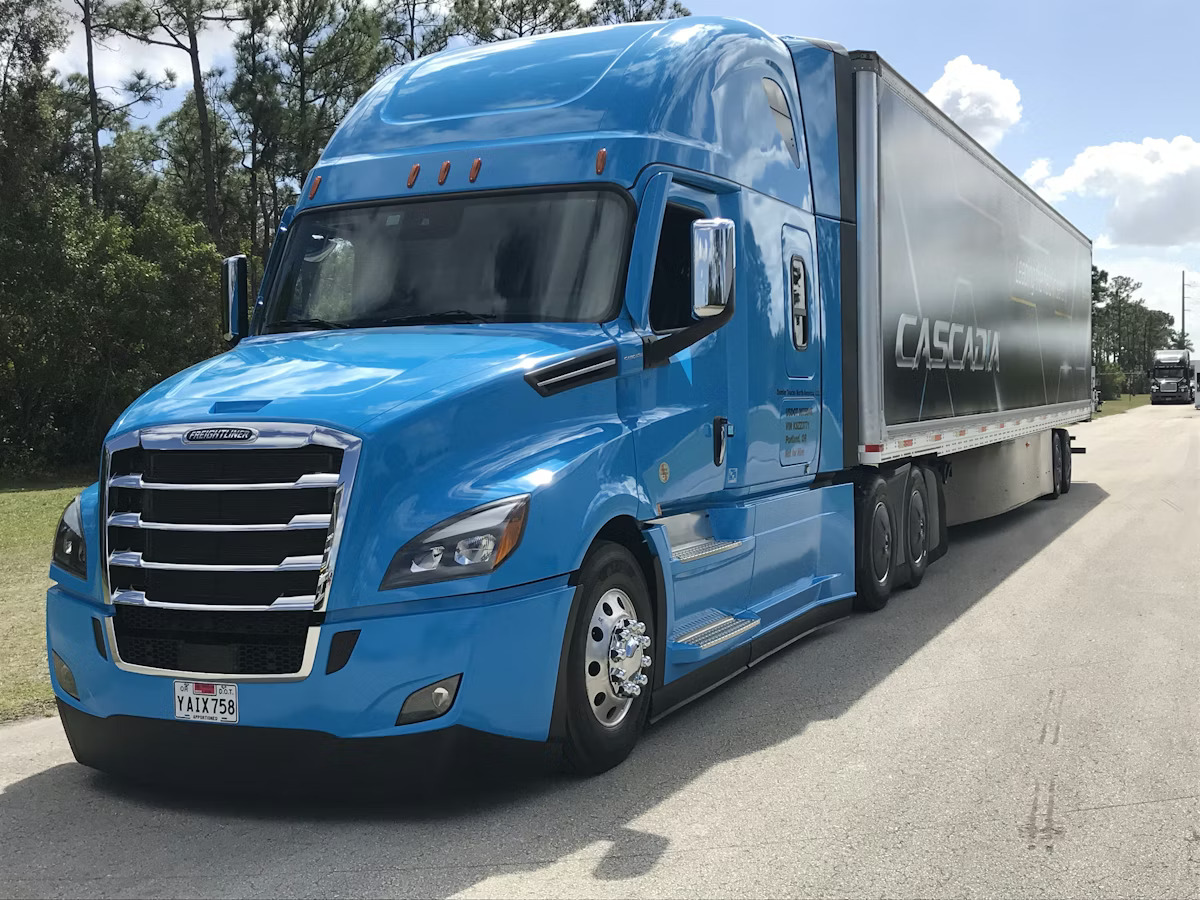
- Engine: Detroit DD13, DD15, or DD16 diesel engines
- Horsepower: Approximately 370 to 600 hp
- Torque: Approximately 1,250 to 2,050 lb ft
- Length: Around 20 to 30 feet, depending on configuration
- Width: Approximately 8.5 feet
1. Freightliner Cascadia
The Freightliner Cascadia has become one of the most widely used heavy-duty trucks in North America for good reason. Construction fleet managers consistently prioritize this truck because it delivers a balanced combination of fuel efficiency, reliability, and long-term operational value.
While originally designed with highway transportation in mind, the Cascadia has proven adaptable for construction applications involving material hauling, equipment transport, and regional logistics support. Its strong chassis configurations and customizable drivetrain options allow contractors to tailor the truck for specific operational requirements.
One major reason fleet managers choose the Cascadia first is its excellent fuel economy. Construction companies often manage large fleets where fuel expenses significantly affect profitability.
The Cascadia integrates aerodynamic engineering, advanced powertrain systems, and optimized transmission technology to reduce fuel consumption during both highway and regional operations. Over several years of fleet use, these savings can become substantial. For companies managing tight operating margins, reduced fuel costs provide a major competitive advantage.
Driver comfort is another key factor behind the truck’s popularity. Construction operations frequently require drivers to spend long hours behind the wheel transporting equipment or materials between job sites.
The Cascadia features spacious cabins, ergonomic seating, advanced climate control systems, and modern infotainment technology that improve driver satisfaction and reduce fatigue. Comfortable drivers are often safer and more productive, making these features valuable investments for fleet managers focused on operational efficiency.
Reliability also contributes heavily to Cascadia’s reputation in construction fleets. Fleet downtime can disrupt entire project schedules, especially when hauling materials for critical infrastructure or commercial developments. The Cascadia is known for dependable engine performance and simplified maintenance access.
Fleet service departments appreciate its diagnostic systems and maintenance-friendly design because these features reduce repair times and increase vehicle availability. High uptime remains one of the strongest reasons fleet managers continue purchasing this truck.
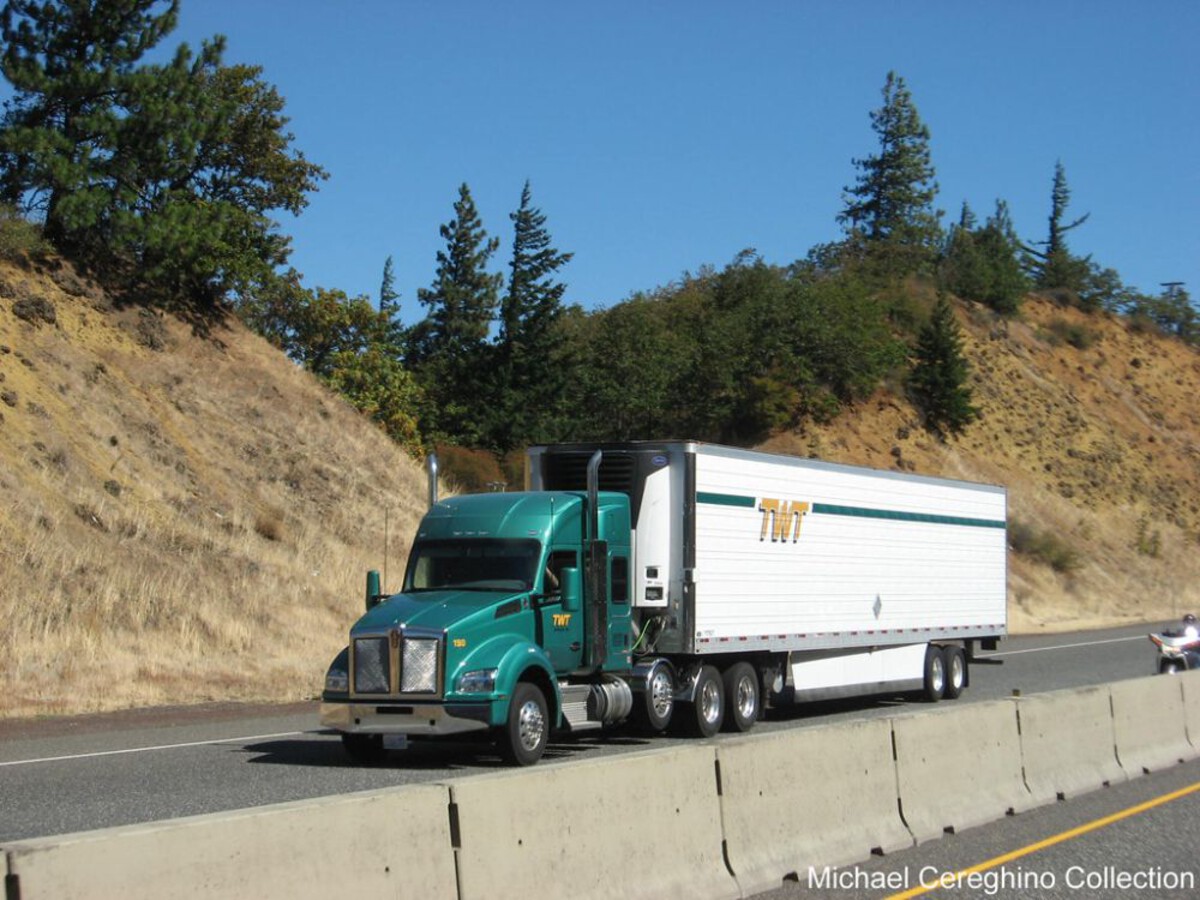
- Engine: PACCAR MX 11, PACCAR MX 13, or Cummins X15 diesel engines
- Horsepower: Approximately 405 to 605 hp
- Torque: Approximately 1,450 to 2,050 lb ft
- Length: Around 24 to 35 feet, depending on body style
- Width: Approximately 8.5 feet
2. Kenworth T880
The Kenworth T880 has earned an outstanding reputation as one of the most durable vocational trucks in the construction industry. Specifically engineered for demanding work environments, the T880 excels in applications such as dump trucking, heavy hauling, concrete transport, and equipment movement.
Fleet managers frequently select this truck because it combines exceptional toughness with modern driver-focused engineering and advanced operational technology.
One of the most respected qualities of the T880 is its rugged construction. Construction job sites expose trucks to harsh terrain, heavy loads, mud, debris, and extreme weather conditions.
The T880 is built with a reinforced chassis and durable components capable of handling constant punishment without sacrificing performance. Fleet managers appreciate this resilience because it directly translates into lower maintenance costs and increased operational reliability over time.
Visibility and safety are additional reasons why construction companies favor the T880. Job sites can be dangerous environments with limited maneuvering space and numerous obstacles. Kenworth designed the T880 with sloped hoods, panoramic windshields, and advanced camera systems that improve visibility for drivers operating in tight construction zones. Better visibility reduces accident risks and improves job site efficiency, making the truck especially valuable for urban construction projects and crowded infrastructure developments.
Powertrain flexibility also makes the T880 highly attractive for fleet applications. Construction operations vary significantly depending on industry specialization, geographic region, and project scale.
The T880 offers multiple engine configurations, axle arrangements, suspension systems, and vocational setups that allow fleet managers to customize trucks according to operational needs. Whether hauling aggregate across rough terrain or transporting oversized machinery between sites, the truck can be tailored for optimal performance.
Driver comfort has become increasingly important in construction fleet management, and the T880 performs well in this category. Long workdays and difficult job site conditions can contribute to fatigue and reduced productivity.
Kenworth equips the T880 with modern cabin insulation, ergonomic controls, comfortable seating, and advanced climate systems designed to support driver wellbeing. Fleet managers understand that attracting and retaining skilled drivers is becoming more challenging, and trucks like the T880 help companies remain competitive in workforce recruitment.
The truck’s strong resale value further reinforces its popularity. Construction businesses carefully evaluate lifecycle costs when purchasing heavy equipment. The T880 maintains high demand in secondary markets because of its durability and vocational versatility.
This helps companies maximize asset value while maintaining modern, efficient fleets. As a result, the Kenworth T880 remains one of the top choices for construction fleet managers seeking a dependable and highly adaptable vocational truck.
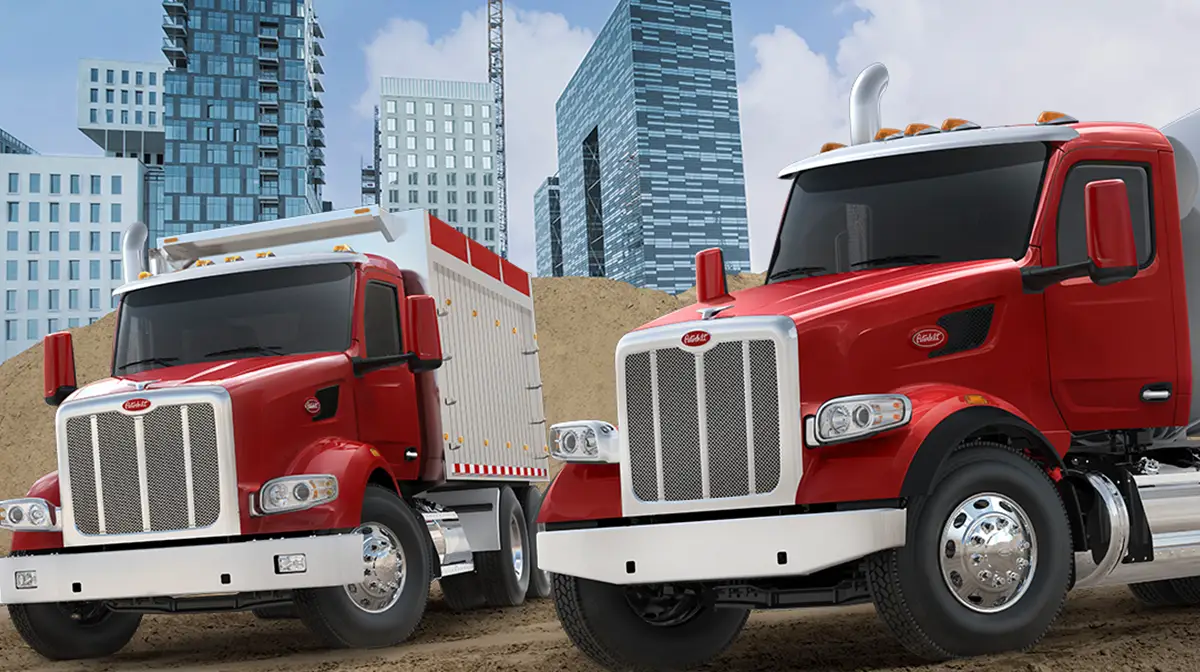
- Engine: PACCAR MX 11, PACCAR MX 13, or Cummins X15 diesel engines
- Horsepower: Approximately 405 to 605 hp
- Torque: Approximately 1,450 to 2,050 lb ft
- Length: Around 24 to 36 feet depending on setup
- Width: Approximately 8.5 feet
3. Peterbilt 567
The Peterbilt 567 stands out as a premium vocational truck designed specifically for demanding industries such as construction, mining, and heavy hauling. Construction fleet managers consistently invest in the 567 because it delivers exceptional durability, driver comfort, and operational flexibility. Built to handle severe job site conditions, the truck has become a preferred option for contractors managing complex transportation and material handling operations.
A defining characteristic of the Peterbilt 567 is its structural durability. Construction trucks must endure repeated exposure to rough terrain, vibration, heavy loads, and difficult environmental conditions.
The 567 features robust frame rails, heavy-duty suspensions, and reinforced body structures engineered for maximum longevity. Fleet managers value this durability because it minimizes repair frequency and extends vehicle service life under demanding operating conditions.
The truck is also highly regarded for its customizable vocational configurations. Construction operations require specialized setups depending on project type and regional regulations.
The 567 supports multiple axle options, body styles, and drivetrain configurations that allow companies to adapt the truck for dump operations, cement hauling, crane support, equipment transport, and more. This flexibility makes it easier for fleet managers to standardize operations while meeting diverse project demands.
Another major advantage is driver comfort and interior quality. Peterbilt has long been associated with premium truck interiors, and the 567 continues this tradition. The cabin provides excellent insulation, ergonomic controls, spacious layouts, and advanced digital interfaces that improve the driving experience.
Construction companies increasingly recognize that driver retention depends partly on equipment quality. Trucks that provide comfort and usability help reduce turnover and improve workforce morale.
Technology integration is another reason fleet managers favor the Peterbilt 567. Modern construction logistics rely heavily on telematics, GPS tracking, fuel monitoring, and maintenance diagnostics. The truck supports advanced fleet management systems that improve operational visibility and efficiency.
Managers can monitor vehicle health, optimize routes, reduce idle time, and schedule preventative maintenance more effectively. These capabilities contribute to lower operating costs and better fleet performance.
The Peterbilt 567 also performs strongly in terms of resale value and industry reputation. Contractors often prefer trucks with established reliability records and broad service support networks. Peterbilt maintains a strong dealer and service presence, ensuring that parts and repairs remain accessible across major construction regions.
Combined with excellent durability, vocational flexibility, and premium driver features, the Peterbilt 567 continues to rank among the first trucks fleet managers purchase for demanding construction applications.
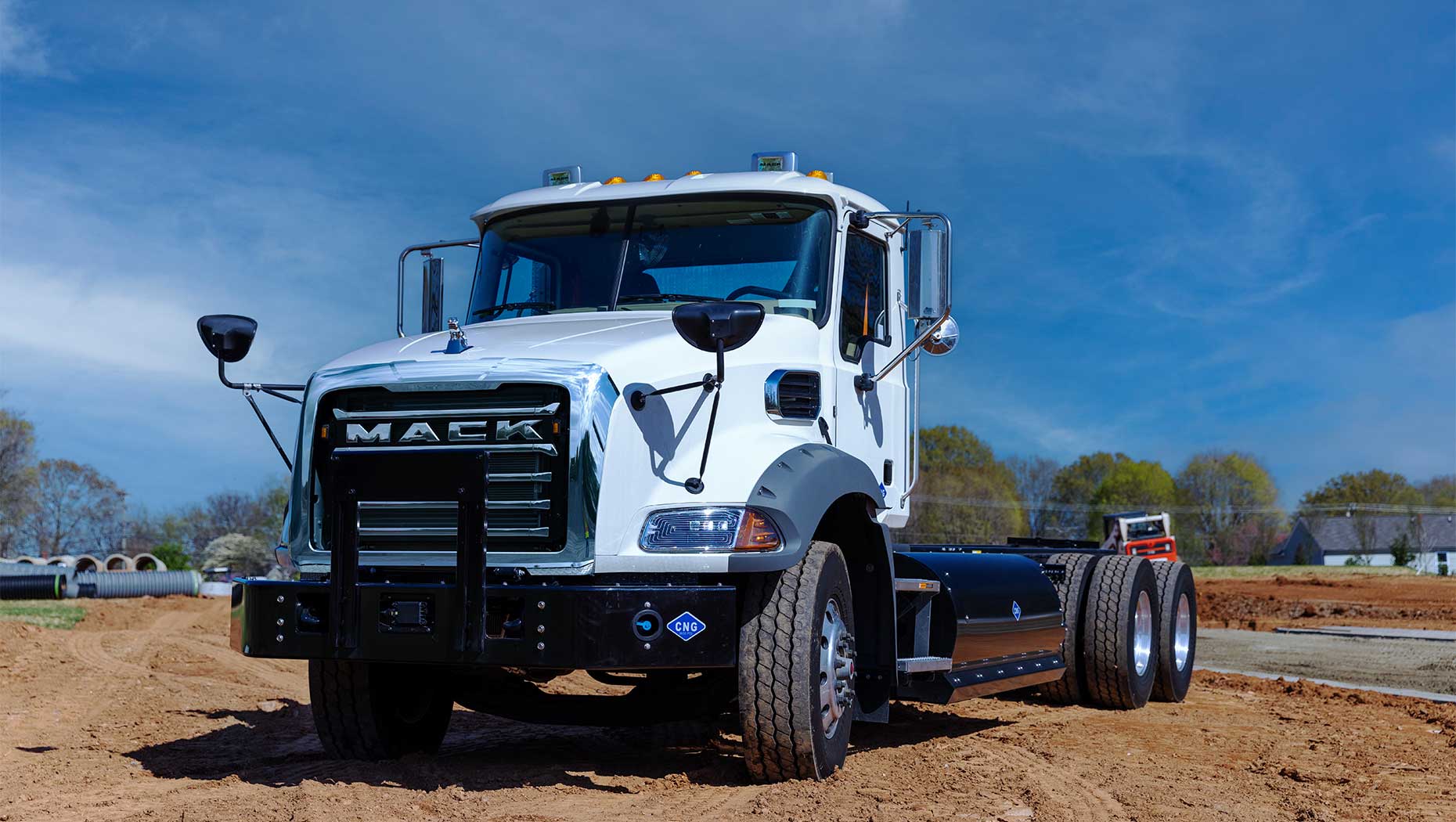
- Engine: Mack MP7 or Mack MP8 diesel engines
- Horsepower: Approximately 325 to 505 hp
- Torque: Approximately 1,260 to 1,860 lb ft
- Length: Around 24 to 35 feet depending on vocational configuration
- Width: Approximately 8.5 feet
4. Mack Granite
The Mack Granite has become synonymous with construction trucking due to its exceptional toughness and job site capability. Fleet managers frequently select the Granite because it was engineered specifically for vocational industries requiring rugged performance under extreme conditions.
From quarry hauling to concrete transportation and dump operations, the Granite consistently demonstrates why it remains one of the most trusted trucks in construction fleets.
One of the strongest qualities of the Mack Granite is its durability. Construction projects often involve rough access roads, uneven terrain, and heavy payloads that place tremendous stress on vehicles. Mack designed the Granite with reinforced frames, heavy-duty suspensions, and durable powertrain systems capable of handling severe workloads. Fleet managers appreciate the truck’s ability to operate reliably in challenging conditions while minimizing costly downtime.
Power and torque are also major advantages of the Granite. Construction applications frequently require trucks to haul extremely heavy materials such as gravel, asphalt, steel, and demolition debris.
The Granite delivers strong pulling power and excellent low-speed torque, making it highly effective for difficult hauling operations. Fleet operators value this performance because it improves productivity and reduces strain during demanding transportation tasks.
The Granite is also known for excellent maneuverability. Construction sites often have limited space, tight corners, and unpredictable obstacles. Mack engineered the truck with steering systems and chassis configurations that improve handling in confined environments.
Better maneuverability enhances job site safety and allows drivers to position trucks more efficiently during loading and unloading operations. These advantages become especially important on urban infrastructure projects with restricted access areas.
Maintenance accessibility further strengthens Granite’s appeal. Construction fleets depend on high uptime to maintain project schedules and profitability. Mack designed the truck for simplified servicing, allowing technicians to perform inspections and repairs more efficiently.
Fleet managers benefit from reduced maintenance labor costs and faster turnaround times. Combined with rugged durability, powerful hauling performance, and vocational engineering, the Mack Granite remains one of the most dependable trucks that construction fleet managers consistently buy first.
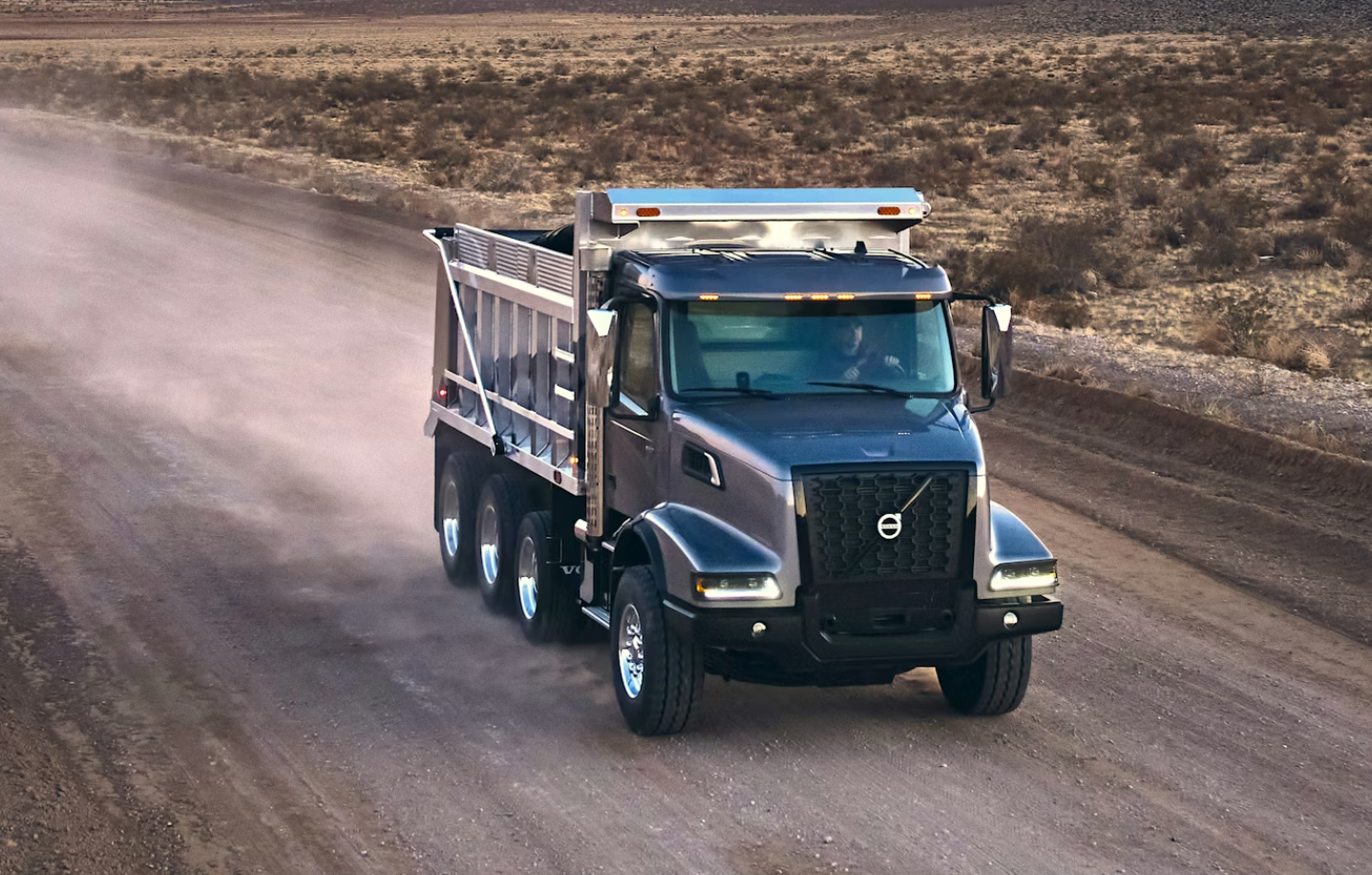
- Engine: Volvo D11 or Volvo D13 diesel engines
- Horsepower: Approximately 325 to 500 hp
- Torque: Approximately 1,250 to 1,850 lb ft
- Length: Around 24 to 35 feet depending on configuration
- Width: Approximately 8.5 feet
5. Volvo VHD
The Volvo VHD has gained strong popularity among construction fleet managers because it combines vocational toughness with advanced engineering and superior driver comfort. Specifically designed for demanding work environments, the VHD performs exceptionally well in applications such as dump hauling, concrete transport, utility work, and regional construction logistics. Its balance of durability and technology makes it a preferred choice for modern construction operations.
One of the biggest reasons fleet managers choose the Volvo VHD is its driver-focused design. Construction companies increasingly face driver shortages, making retention a critical business challenge.
The VHD offers one of the most comfortable cabins in the vocational truck segment, featuring ergonomic seating, reduced noise levels, intuitive controls, and advanced suspension systems. Comfortable drivers tend to remain productive longer and experience less fatigue during demanding work schedules.
The truck also delivers excellent safety performance. Construction sites expose drivers to constantly changing hazards, including heavy machinery, uneven terrain, and congested work zones.
Volvo equips the VHD with advanced safety technologies such as collision mitigation systems, stability control, enhanced braking systems, and improved visibility features. Fleet managers value these systems because they reduce accident risks and support safer operations across diverse construction environments.
Fuel efficiency is another major factor contributing to the VHD’s popularity. Fuel costs represent one of the largest operating expenses for construction fleets. Volvo integrates advanced engine management systems and aerodynamic improvements that help optimize fuel consumption even in vocational applications. Lower fuel usage translates into significant long-term savings for fleet operators managing multiple vehicles across regional projects.
Durability remains central to the VHD’s success in construction applications. The truck features robust chassis components, reinforced suspensions, and heavy-duty drivetrain systems designed to withstand severe job site conditions. Fleet managers depend on trucks that can operate consistently without excessive breakdowns or component failures. The VHD’s engineering supports high uptime and dependable performance even in difficult operating environments.
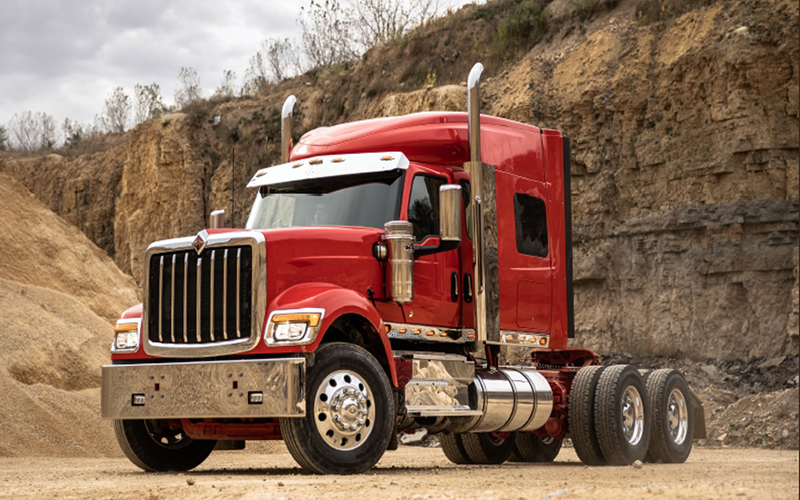
- Engine: Cummins X15 diesel engine
- Horsepower: Approximately 400 to 605 hp
- Torque: Approximately 1,450 to 2,050 lb ft
- Length: Around 25 to 36 feet depending on application
- Width: Approximately 8.5 feet
6. International HX Series
The International HX Series was designed specifically for severe service applications, making it a natural fit for construction fleet operations. Fleet managers frequently select the HX Series because it combines rugged durability with modern engineering features that improve reliability, driver comfort, and operational efficiency. The truck has become increasingly popular among contractors handling demanding hauling and vocational transportation tasks.
One of the defining strengths of the HX Series is its severe-duty construction. Construction environments place extraordinary demands on trucks, particularly in sectors such as excavation, mining, and heavy material transport.
International engineered the HX Series with reinforced frame rails, durable suspensions, and vocational-specific components designed to endure extreme workloads. Fleet managers appreciate this durability because it supports long service life and dependable operation.
The HX Series also delivers strong performance capabilities. Construction fleets often transport oversized loads, heavy machinery, and bulk materials under challenging conditions.
The truck offers high-horsepower options and powerful torque output that enable efficient hauling even on steep grades or rough terrain. Fleet operators value this capability because it enhances productivity while reducing strain on equipment during difficult operations.
Driver visibility and ergonomics represent another advantage of the HX Series. Construction job sites require precise maneuvering around equipment, workers, and confined spaces. International designed the truck with optimized sightlines, large windows, and driver-centered controls that improve operational awareness and ease of use. Better visibility contributes to safer operations while helping drivers perform tasks more efficiently.
Maintenance accessibility remains a major consideration for fleet managers evaluating vocational trucks. The HX Series features maintenance-friendly layouts that simplify servicing and reduce repair times.
Easy access to critical components helps fleet technicians perform inspections and maintenance more efficiently, minimizing downtime and supporting higher vehicle availability. For construction companies operating under strict project timelines, this advantage is especially valuable.
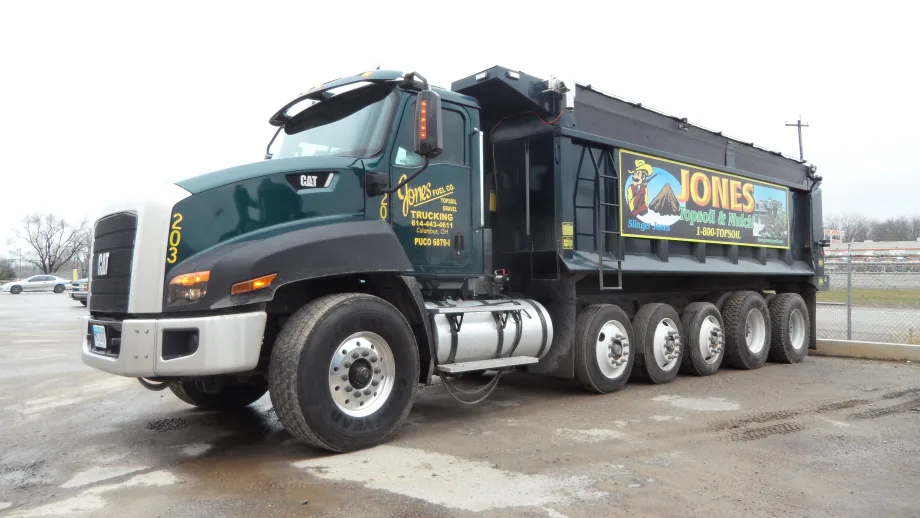
- Engine: Caterpillar CT13 or Cummins ISX15 diesel engines
- Horsepower: Approximately 380 to 550 hp
- Torque: Approximately 1,450 to 1,850 lb ft
- Length: Around 24 to 35 feet depending on body type
- Width: Approximately 8.5 feet
7. Caterpillar CT660
The Caterpillar CT660 gained significant attention in the construction trucking industry because it was specifically developed to meet the demanding requirements of vocational applications.
Although Caterpillar eventually exited the on-highway truck market, the CT660 remains highly respected among construction fleet operators who continue using these trucks in severe duty environments. Its rugged design and construction-focused engineering helped establish a loyal following.
One of the most appealing aspects of the CT660 is its job site durability. Construction operations expose trucks to constant stress from heavy loads, rough terrain, and difficult weather conditions. The CT660 was engineered with heavy-duty components capable of handling these harsh environments while maintaining operational reliability.
Fleet managers value trucks that can perform consistently under punishment, and the CT660 demonstrated impressive resilience in demanding applications.
The truck also offered strong vocational versatility. Construction fleets require trucks capable of supporting multiple operational roles, including dump hauling, concrete mixing, equipment transportation, and material delivery.
The CT660 supported a wide range of body configurations and vocational customizations, allowing companies to tailor trucks for specific project needs. This flexibility made the truck attractive to contractors managing diverse construction operations.
Powertrain performance represented another strength of the CT660. Heavy construction hauling requires substantial torque and dependable pulling capability. The truck delivered strong engine performance suitable for demanding workloads and difficult terrain conditions. Fleet operators appreciated its ability to maintain productivity while handling oversized or heavily loaded applications common in construction environments.
Driver comfort and visibility also contributed to the CT660’s positive reputation. Construction drivers often work long shifts under stressful conditions, making cabin design an important operational factor. The CT660 featured spacious interiors, ergonomic controls, and good visibility that supported driver comfort and safety. These qualities helped improve productivity and reduce fatigue during extended operating periods.
Although no longer produced, the Caterpillar CT660 continues to maintain value in construction fleets due to its proven durability and vocational engineering.
Many fleet managers still operate and purchase used CT660 trucks because of their reliability and compatibility with demanding construction applications. The truck’s reputation for toughness and performance ensures that it remains a respected name in the vocational trucking industry.
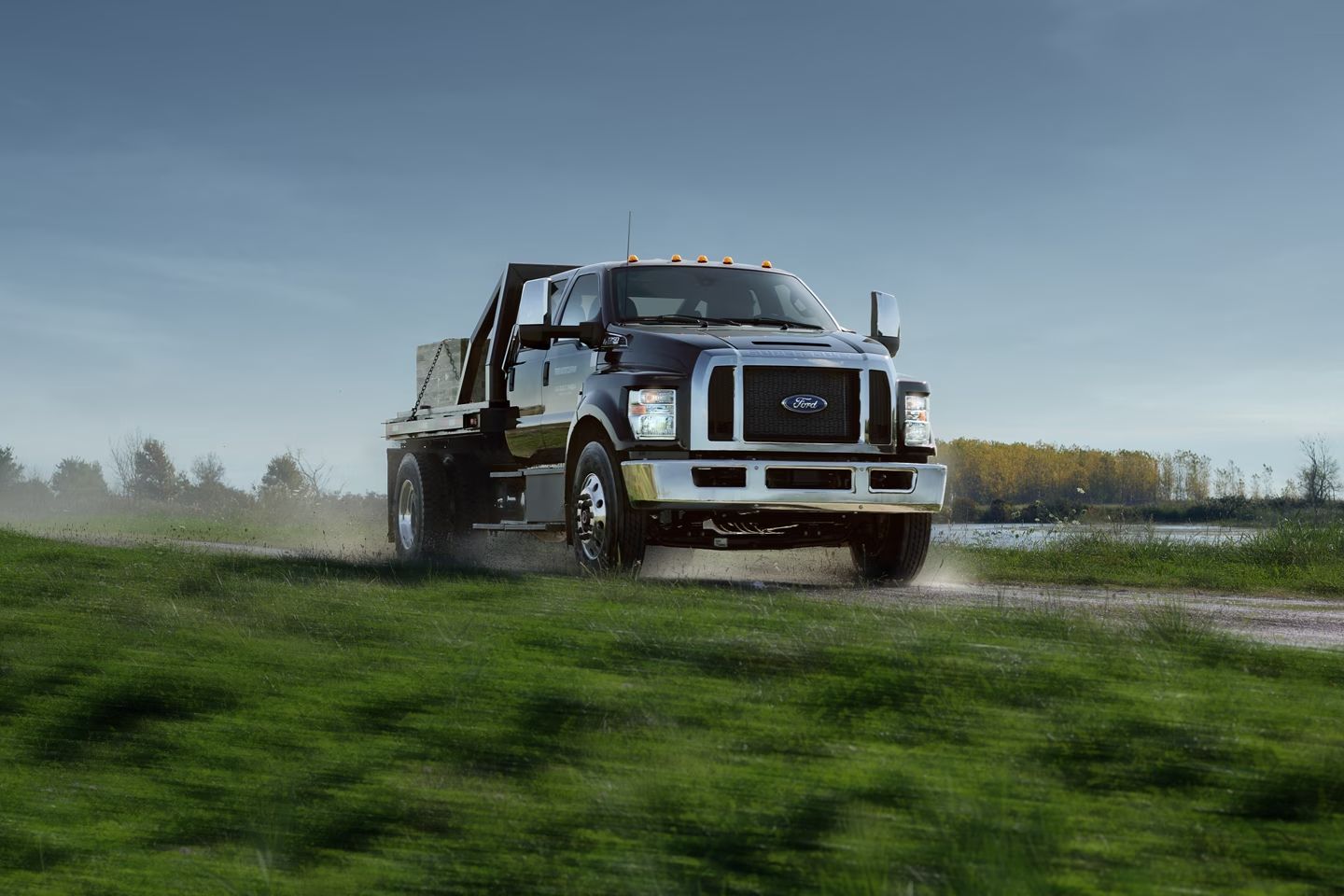
- Engine: 6.7-liter Power Stroke V8 turbo diesel or 7.3-liter V8 gasoline engine
- Horsepower: Approximately 270 to 330 hp
- Torque: Approximately 675 to 950 lb ft
- Length: Around 22 to 30 feet depending on wheelbase
8. Ford F 750 Super Duty
The Ford F 750 Super Duty occupies a unique position in construction fleets by bridging the gap between medium-duty and heavy-duty trucking.
Construction fleet managers frequently purchase the F 750 because it offers exceptional versatility, lower operating costs, and strong capability for a wide range of construction support tasks. It has become especially popular among contractors seeking dependable trucks for regional hauling and utility operations.
One major advantage of the F 750 is its versatility. Construction companies use these trucks for equipment transport, material delivery, utility support, towing operations, and dump body applications.
The truck’s flexible design allows fleet managers to configure it according to specific operational requirements. This adaptability makes the F 750 a practical investment for contractors managing multiple job site responsibilities.
The truck also provides strong performance relative to its size category. Construction operations require reliable hauling power even in medium-duty applications. The F 750 delivers solid towing capacity, dependable engine performance, and durable chassis engineering capable of handling demanding vocational tasks. Fleet operators appreciate the balance between capability and maneuverability that the truck provides.
Operating costs represent another reason fleet managers favor the F 750. Compared with larger heavy-duty vocational trucks, the F 750 typically offers lower acquisition costs, maintenance expenses, and fuel consumption. For small and medium-sized construction businesses, these savings can significantly improve profitability while still providing adequate operational capability for many construction applications.
Driver accessibility and comfort further strengthen the truck’s appeal. The F 750 features user-friendly controls, comfortable seating, and modern cabin technology that improve the driving experience.
Construction companies increasingly recognize the importance of equipping drivers with comfortable and easy-to-operate vehicles that support safety and productivity. The truck’s approachable design makes it especially attractive for fleets with varied driver experience levels.
