
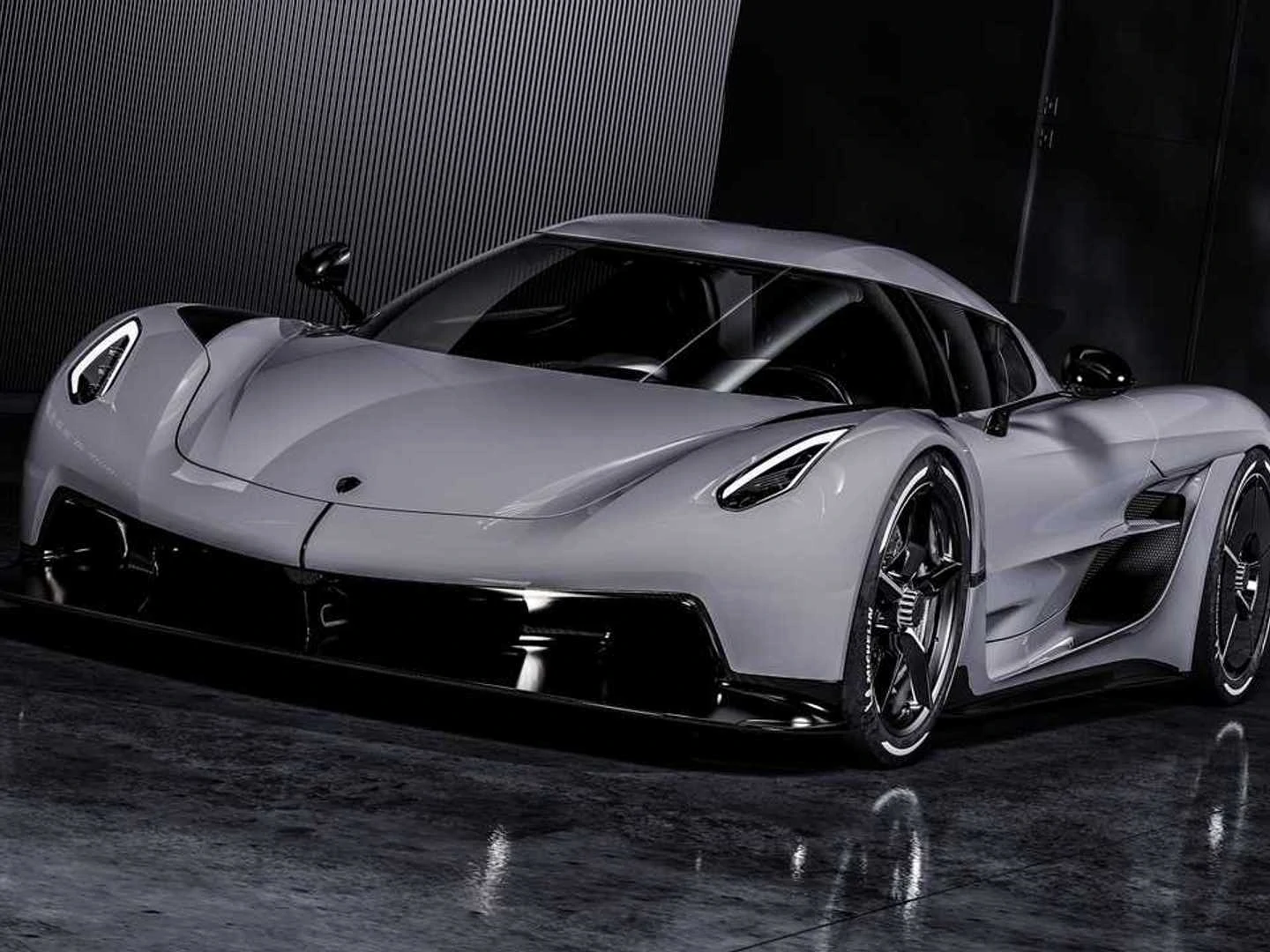
Modern hypercars exist in a completely different universe compared with traditional supercars from past decades. Manufacturers are no longer satisfied with producing 600 or even 1,000 horsepower machines.
Instead, the modern horsepower war has pushed engineering to astonishing extremes where 1,500 horsepower is becoming the new benchmark for ultimate performance.
These hypercars combine advanced aerodynamics, lightweight materials, hybrid technology, massive turbochargers, and race-inspired engineering to create acceleration figures once believed impossible for road-legal vehicles.
What makes these engines truly remarkable is not simply the raw power output. Many of them remain surprisingly manageable during normal driving conditions despite producing enough force to rival professional race cars.
Sophisticated electronic systems constantly monitor traction, suspension movement, power delivery, and torque distribution to prevent complete chaos when drivers unleash full throttle. Without these technologies, controlling such enormous horsepower on public roads would be nearly impossible.
Another fascinating aspect involves how differently manufacturers approach the challenge. Some brands rely on gigantic internal combustion engines paired with electric motors, while others focus heavily on hybrid efficiency and instant torque delivery.
Certain companies prioritize top speed records, whereas others engineer their hypercars specifically for brutal acceleration or racetrack dominance. This variety creates wildly different personalities even among vehicles sharing similar horsepower numbers.
These machines also represent the peak of automotive ambition. Hypercar development programs often cost hundreds of millions of dollars, and manufacturers use them as technological showcases to demonstrate engineering superiority.
Lessons learned from these engines eventually influence future performance cars, hybrid systems, and advanced materials used across the industry.
A few years ago, reaching 1,500 horsepower seemed absurd for a street-legal automobile. Today, multiple manufacturers have crossed that threshold while still delivering luxury interiors, advanced safety systems, and everyday drivability.
The result is a new generation of hypercars capable of acceleration so violent that they redefine human perception of speed.
Here are nine hypercar engines that shattered expectations by producing more than 1,500 horsepower and changing performance history forever.
Also Read: 9 Trucks That Hit 600,000 Miles in Fleet Service
1. Bugatti Chiron Super Sport 300+
The Bugatti Chiron Super Sport 300+ did far more than chase a speed record. It represented one of the greatest engineering achievements in automotive history. When Bugatti pushed this machine beyond 300 mph, the world witnessed a level of performance previously associated only with experimental race cars and aircraft technology.
At the center of that achievement sat an extraordinary quad-turbocharged W16 engine capable of producing monstrous power while remaining refined enough for road use.
Unlike smaller high-revving hypercar engines that rely heavily on electrification, Bugatti pursued brute mechanical dominance. The massive 8.0-liter W16 utilized four turbochargers working in carefully controlled stages to eliminate lag and maintain relentless acceleration across the power band.
The sensation of full throttle in a Chiron Super Sport 300+ feels almost unnatural because the engine continues pulling long after most supercars begin losing momentum.
Cooling such a powerful engine became one of the biggest challenges. Bugatti engineers developed an incredibly advanced thermal management system involving multiple radiators, sophisticated airflow channels, and specially designed aerodynamic surfaces.
Without that engineering precision, the immense heat generated at extreme speed would destroy conventional systems almost instantly.
The car’s personality also separates it from raw track-focused hypercars. Despite producing more than 1,500 horsepower, the Chiron remains quiet, luxurious, and composed during ordinary driving.
Drivers can comfortably cruise through cities before unleashing devastating acceleration capable of overwhelming nearly anything on the planet. That balance between brutality and refinement defines Bugatti’s engineering philosophy.
At very high speeds, the W16 develops a terrifying intensity. Wind noise, tire stress, and aerodynamic pressure all increase dramatically, yet the engine continues delivering power with shocking smoothness. Few automobiles in history have demonstrated such effortless dominance at extreme velocity.
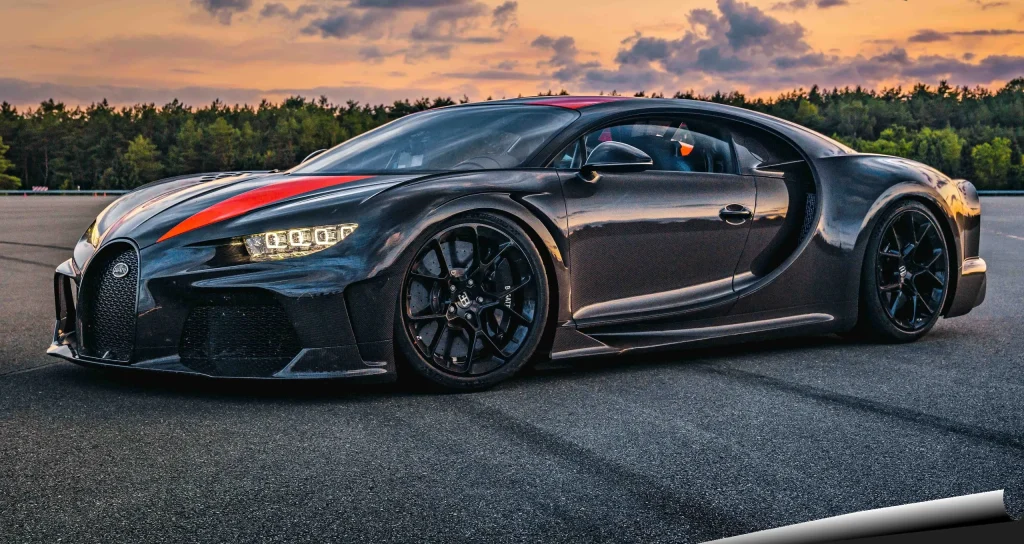
The Chiron Super Sport 300+ also marked the end of an era. As emissions regulations and electrification reshape the industry, gigantic combustion engines like the quad turbo W16 are becoming increasingly rare. That reality makes this engine one of the final celebrations of pure mechanical excess in automotive history.
- Engine: 8.0-liter quad-turbocharged W16
- Torque: 1,180 lb ft
- Horsepower: 1,578 hp
- Length/Width: 179.0 inches / 80.2 inches
2. Koenigsegg Jesko Absolut
Where Bugatti focused on combining luxury with unimaginable speed, Koenigsegg approached hypercar engineering like a scientific experiment pushed to the edge of possibility.
The Jesko Absolut was designed with one primary mission: becoming the fastest production car ever created. Every component, airflow channel, and engine calibration served that single objective.
Its twin turbocharged V8 engine may appear small compared with Bugatti’s enormous W16, but the numbers it produces are staggering. Running on E85 fuel, the Jesko Absolut generates 1,600 horsepower while weighing dramatically less than many competitors.
Christian von Koenigsegg and his engineering team achieved this through lightweight internal components, extremely high airflow efficiency, and one of the most advanced turbocharging systems in the automotive world.
The engine responds with explosive aggression. Massive power arrives almost instantly, helped by Koenigsegg’s innovative Light Speed Transmission.
Instead of traditional gear changes interrupting acceleration, the transmission shifts with incredible speed and intelligence, keeping the engine within its optimal power range nearly constantly. That system allows the Jesko Absolut to accelerate with a violence few humans have experienced.
Aerodynamics also plays a critical role in the car’s performance philosophy. Unlike the track-focused standard Jesko, the Absolut uses a cleaner, low-drag body designed specifically for maximum speed. The absence of massive wings and aggressive aerodynamic add-ons reduces drag significantly, helping the car slice through the air more efficiently at extreme velocity.
Another remarkable detail involves the engine’s compact design. Koenigsegg managed to create one of the world’s most powerful production V8 engines while maintaining relatively low weight. That engineering approach improves handling balance and chassis responsiveness compared with heavier competitors using larger engines.
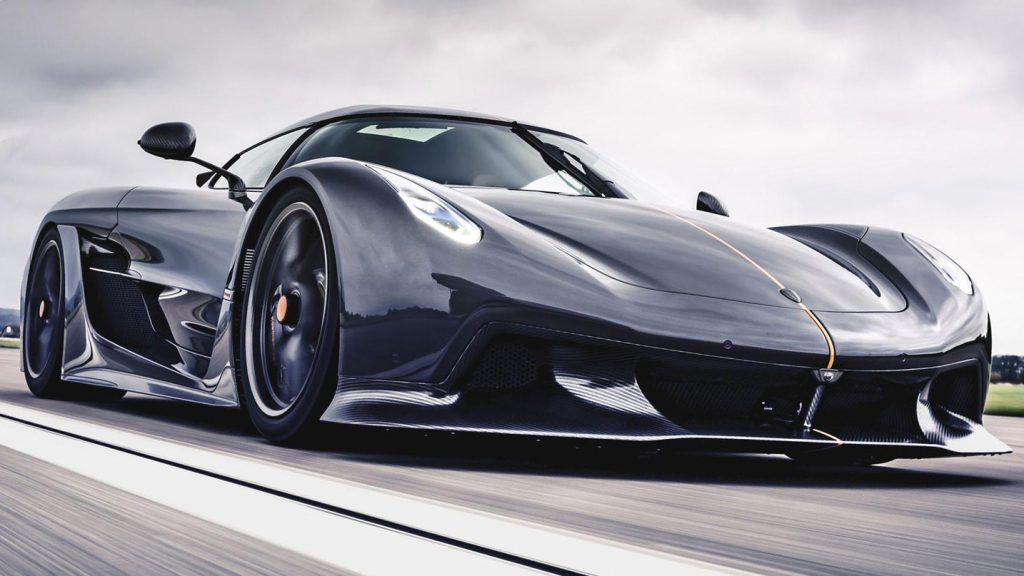
Driving the Jesko Absolut reportedly feels almost surreal because acceleration builds at such an intense rate that the human brain struggles to process the surrounding scenery. Yet despite the frightening performance potential, the car still delivers advanced electronic assistance systems and surprising drivability under calmer conditions.
The Jesko Absolut stands as proof that intelligent engineering and relentless innovation can rival sheer displacement. It may eventually become the machine that redefines what people consider physically possible for a road-legal automobile.
- Engine: 5.0-liter twin-turbocharged V8
- Torque: 1,106 lb ft
- Horsepower: 1,600 hp
- Length/Width: 190 inches / 80 inches
3. Rimac Nevera
Electric hypercars changed the performance conversation completely, and the Rimac Nevera became one of the clearest examples of that transformation. Unlike traditional gasoline-powered monsters that build power through revs and turbo boosts, the Nevera delivers its full fury almost instantly.
The sensation feels less like a normal car accelerating and more like being launched forward by a machine unconcerned with human expectations. Croatian manufacturer Rimac used advanced battery technology and four independent electric motors to create one of the most devastating acceleration machines ever built.
Each wheel receives power from its own dedicated electric motor, allowing the car to control torque distribution with unbelievable precision. Instead of depending on mechanical differentials and traditional drivetrain systems, the Nevera constantly adjusts power delivery thousands of times every second.
This creates astonishing traction even under maximum acceleration, helping the hypercar launch from a standstill with terrifying efficiency.
The numbers alone sound unrealistic. The Nevera can reach 60 mph in under two seconds while continuing to accelerate with relentless force far beyond highway speeds.
Drivers often describe the experience as physically overwhelming because the acceleration arrives without the gradual buildup associated with combustion engines. There is no waiting for revs or turbochargers. The power simply appears immediately.
Rimac also engineered the chassis to handle this extraordinary output without sacrificing stability. A carbon fiber monocoque structure keeps the car rigid while advanced suspension systems maintain control during violent acceleration and aggressive cornering.
Despite the massive battery pack, the Nevera remains surprisingly agile due to careful weight distribution and sophisticated software management.
Inside the cabin, the atmosphere feels futuristic rather than mechanical. Digital interfaces dominate the interior, reflecting the technological philosophy behind the car itself. Yet beneath the luxury and advanced electronics sits an engineering masterpiece capable of outperforming many traditional hypercars costing even more money.
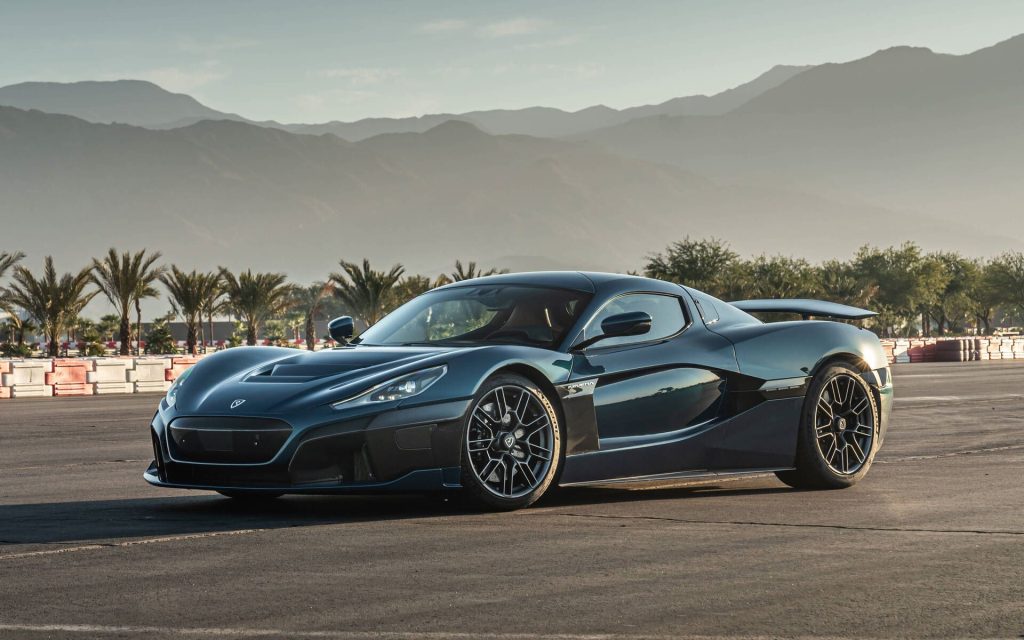
Some enthusiasts still prefer the emotional sound of gasoline engines, but the Nevera proved electric power could deliver excitement in entirely different ways.
Instead of drama from engine noise, the car creates shock through impossible acceleration and relentless precision. It permanently changed how manufacturers and enthusiasts view the future of extreme performance.
- Engine: Four electric motors with a 120 kWh battery pack
- Torque: 1,741 lb ft
- Horsepower: 1,914 hp
- Length/Width: 187.0 inches / 79.7 inches
4. SSC Tuatara
The SSC Tuatara emerged from an American manufacturer determined to challenge European dominance in the hypercar world.
Shelby SuperCars spent years developing the Tuatara with one goal in mind: creating a machine capable of extraordinary top speed while maintaining brutal acceleration and aerodynamic efficiency. The result became one of the most powerful production hypercars ever engineered in the United States.
At the center of the Tuatara sits a twin-turbocharged flat-plane-crank V8 designed specifically for extreme speed. Unlike many hypercars relying heavily on hybrid systems for extra power, SSC focused on maximizing the potential of internal combustion.
Running on E85 fuel, the engine produces an astonishing 1,750 horsepower while remaining compact and relatively lightweight compared with larger multi-cylinder competitors.
The flat-plane crank design gives the engine a sharp, aggressive personality. Throttle response feels immediate, and the power delivery climbs with frightening intensity as revs increase.
Massive turbochargers add explosive acceleration once boost pressure builds, pushing the Tuatara toward speeds few road cars can approach safely. Drivers experience a constant surge of force that becomes more violent the faster the car travels.
Aerodynamics became another major focus during development. The tuatara’s sleek shape was engineered to minimize drag while maintaining stability at extreme velocity.
Every body panel and airflow channel serves a functional purpose. High-speed testing revealed how sensitive hypercars become near their limits, forcing engineers to refine airflow management carefully to prevent instability.
Inside, the cabin balances modern luxury with race-inspired focus. Digital instrumentation and lightweight materials surround the driver, though visibility and comfort remain surprisingly usable for a hypercar targeting record-breaking performance. SSC wanted the Tuatara to feel special without becoming completely impractical.
Public attention surrounding speed record controversies briefly overshadowed the engineering achievement behind the car itself. Yet, regardless of debates, the Tuatara remains an astonishing accomplishment from a relatively small manufacturer competing against global automotive giants with far larger budgets.
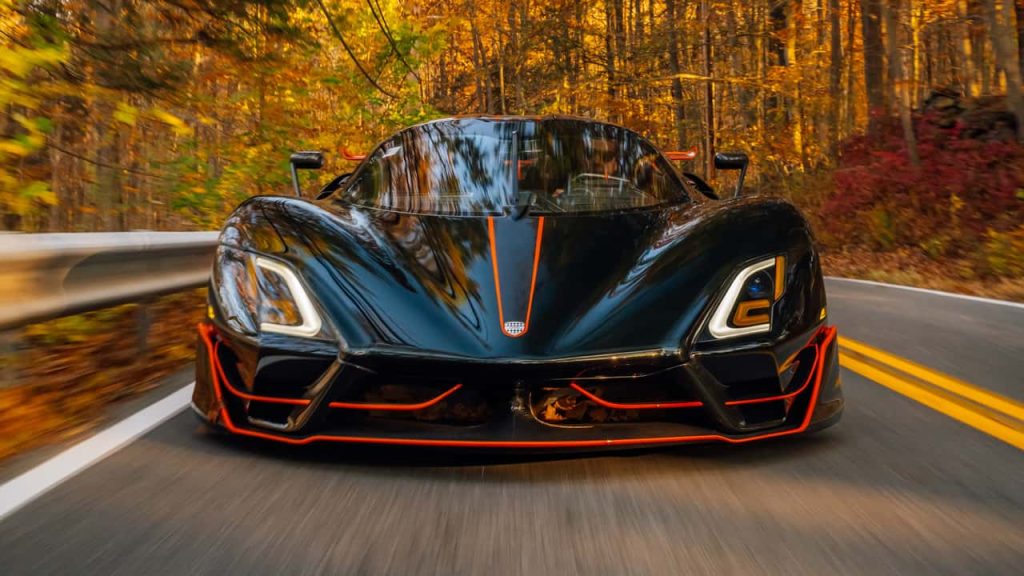
The SSC Tuatara demonstrated that American hypercar engineering could stand alongside Europe’s most advanced performance machines. Its engine represents pure combustion power pushed close to its absolute limits in the modern automotive era.
- Engine: 5.9 liter twin-turbocharged flat-plane crank V8
- Torque: 1,280 lb ft
- Horsepower: 1,750 hp
- Length/Width: 175.9 inches / 79.0 inches
5. Hennessey Venom F5
The Hennessey Venom F5 was created with a name inspired by the most destructive category of tornado on Earth, and that choice perfectly reflects the car’s personality.
Hennessey Performance Engineering wanted to build an American hypercar capable of reaching speeds beyond 300 mph while delivering acceleration violent enough to rival fighter jet launches. Instead of relying heavily on hybrid systems or electric assistance, the company focused on raw combustion power and lightweight engineering.
Mounted behind the driver sits a gigantic twin-turbocharged V8 known internally as “Fury.” The engine produces astonishing horsepower figures while maintaining a surprisingly compact design.
Hennessey engineers developed massive turbochargers, strengthened internals, and high-flow fuel systems to survive the incredible stresses created by such extreme output. Once the turbos fully engage, the Venom F5 unleashes a relentless surge of acceleration that feels almost uncontrollable.
Unlike heavier luxury hypercars, the Venom F5 emphasizes minimal weight and maximum power density. A carbon fiber monocoque chassis keeps the structure incredibly rigid while helping reduce mass significantly.
This combination allows the car to achieve a power-to-weight ratio that places it among the most extreme road-legal vehicles ever produced.
The driving experience appears intentionally intense rather than refined. Steering response feels immediate, and the chassis communicates constantly with the driver.
Hennessey designed the car for people seeking adrenaline and raw speed rather than quiet luxury cruising. Even visually, the Venom F5 looks aggressive and purposeful, with dramatic aerodynamic channels feeding airflow around the body at extreme velocity.
A striking detail is the engine’s relatively simple layout compared to the intricate hybrid systems found in today’s hypercars. Hennessey demonstrates that enormous horsepower is still achievable through conventional internal combustion design, so long as engineering is pushed far beyond standard limits.
That philosophy gives the Venom F5 a more mechanical and emotional character than some electrically assisted rivals.
The car also symbolizes America’s continued presence in the global hypercar battle. European brands dominated the segment for decades, but the Venom F5 showed that American engineering could produce machines capable of competing at the absolute highest level of performance.
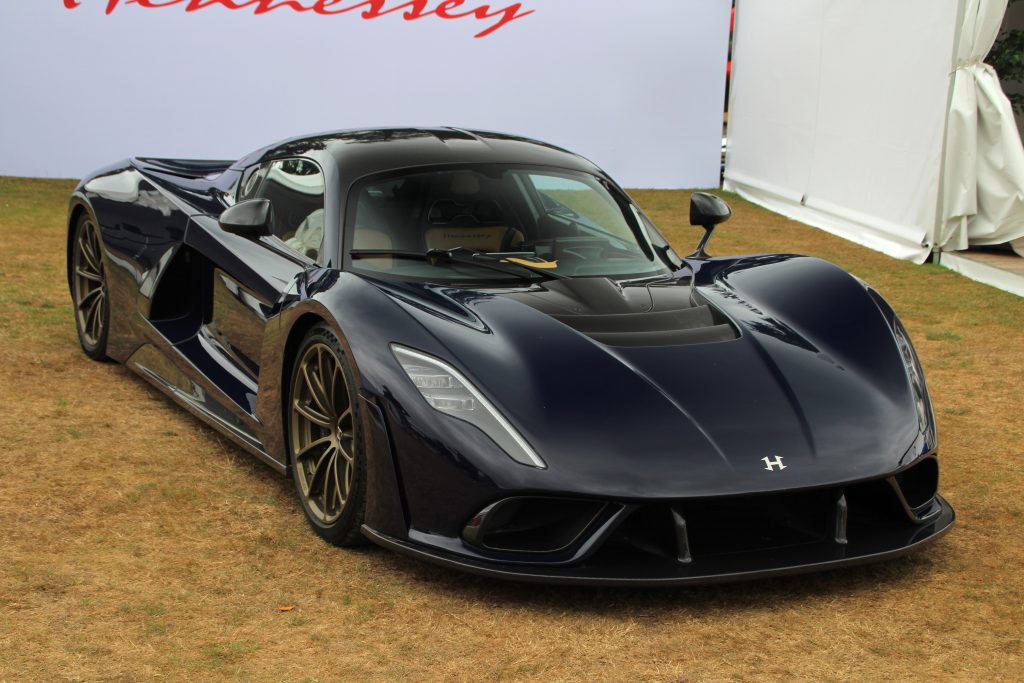
Few vehicles capture pure speed obsession as clearly as the Hennessey Venom F5. It exists primarily to chase astonishing velocity and deliver one of the wildest driving experiences available on public roads.
- Engine: 6.6-liter twin-turbocharged V8
- Torque: 1,193 lb ft
- Horsepower: 1,817 hp
- Length/Width: 183.7 inches / 77.2 inches
6. Lotus Evija
For decades, Lotus built its reputation around lightweight sports cars focused on steering feel and handling precision rather than enormous horsepower. Evija completely transformed that image.
Instead of creating another small analog sports car, Lotus entered the electric hypercar era with one of the most powerful production vehicles ever developed. The Evija became a dramatic statement that lightweight engineering principles could coexist with futuristic electric performance.
Unlike traditional hypercars using large combustion engines, the Evija employs four independent electric motors producing a combined output close to 2,000 horsepower.
Each wheel receives dedicated power management, allowing the car to control traction and torque delivery with incredible precision. This advanced system helps the Evija accelerate with shocking force while maintaining remarkable cornering stability.
The design itself looks almost alien. Massive aerodynamic tunnels cut directly through the rear bodywork, channeling airflow in ways rarely seen on road-legal vehicles.
Lotus engineers focused heavily on reducing drag while generating enough downforce to keep the car stable during extreme acceleration and high-speed driving. The result is a machine that appears sculpted by wind rather than conventional styling trends.
Acceleration feels immediate and relentless because electric motors deliver maximum torque instantly. Drivers experience a continuous wave of force without gear shifts or power interruptions.
The silence accompanying that acceleration creates a strange contrast with the sheer violence of the speed itself. Instead of roaring exhaust noise, occupants hear wind pressure and tire contact intensifying rapidly as velocity climbs.
Inside, the cabin follows a minimalist, racing-inspired philosophy. Lightweight materials, exposed carbon fiber surfaces, and digital interfaces create an atmosphere focused entirely on performance. Lotus avoided excessive luxury distractions, keeping attention centered on the driving experience and advanced technology surrounding the driver.
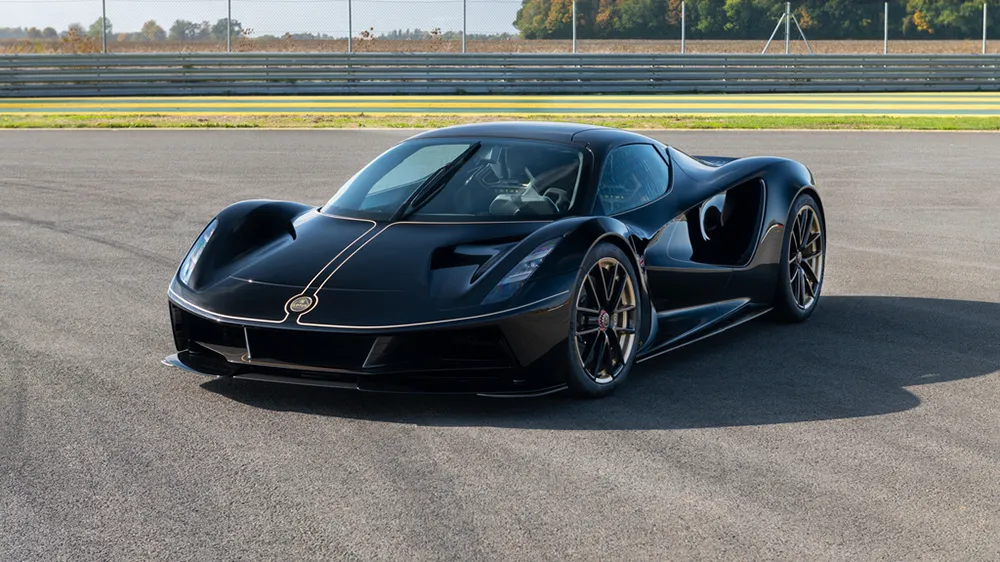
The Evija also represents a major shift for Lotus as a company. It proved the manufacturer could compete directly with elite hypercar brands while embracing electrification rather than resisting it. Many longtime enthusiasts were shocked to see Lotus producing one of the world’s most powerful cars after decades of prioritizing simplicity and low weight.
The Lotus Evija stands as a bold example of how electric technology can completely redefine the limits of hypercar performance while still honoring a brand’s engineering heritage.
- Engine: Four electric motors with a 70 kWh battery pack
- Torque: 1,254 lb ft
- Horsepower: 1,972 hp
- Length/Width: 175.5 inches / 78.7 inches
7. Pininfarina Battista
The Pininfarina Battista entered the hypercar world carrying one of the most respected design names in automotive history. For decades, Pininfarina shaped legendary Ferraris and exotic Italian machines, but the Battista marked the company’s transformation into a manufacturer producing its own hypercar.
Instead of relying on nostalgia or traditional engineering formulas, Pininfarina created a fully electric monster capable of competing with the fastest vehicles on Earth.
Although the Battista shares core electric technology with the Rimac Nevera, the Italian hypercar possesses a very different personality.
Where some electric hypercars focus purely on brutality, the Battista combines devastating speed with elegance and grand touring sophistication. The four-motor setup generates nearly 1,900 horsepower, delivering acceleration figures that feel almost impossible for a road-legal machine.
The power delivery is immediate and relentless. Pressing the throttle unleashes a surge so violent that passengers often struggle to process the speed increase mentally.
Unlike gasoline-powered hypercars building drama through engine revs and turbo noise, the Battista attacks with silent force. The absence of traditional engine sound makes the acceleration feel even stranger because the human body experiences enormous g forces without the mechanical buildup normally associated with extreme performance.
Pininfarina invested heavily in craftsmanship and luxury inside the cabin. Fine leather, aluminum trim, and carefully sculpted surfaces create an atmosphere closer to an exotic grand tourer than a stripped race machine.
Drivers receive incredible performance without sacrificing comfort, making the Battista feel usable even during calmer road driving.
Aerodynamics also plays a major role in the car’s capability. Active aerodynamic systems constantly adjust airflow depending on speed and driving conditions.
This helps maintain stability under heavy acceleration and aggressive cornering while preserving efficiency at cruising speeds. The body itself looks dramatic yet refined, reflecting Italian styling traditions combined with futuristic electric engineering.
Another fascinating aspect of the Battista involves exclusivity. Production numbers remain extremely limited, making the car far rarer than many established hypercars from larger manufacturers. That rarity increases its appeal among collectors seeking both performance and automotive artistry.
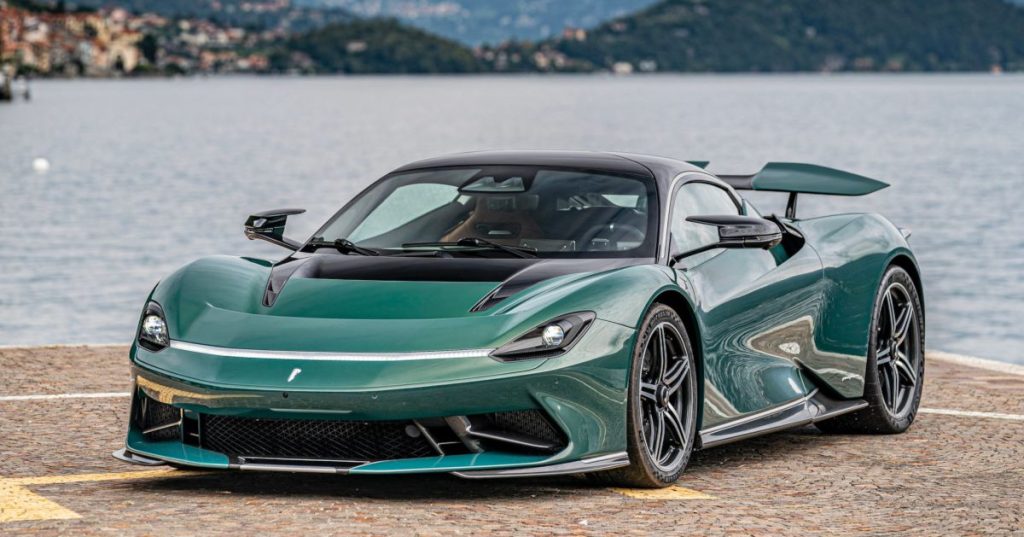
The Battista proves electric hypercars do not need to sacrifice beauty or luxury to achieve astonishing numbers. It combines Italian elegance with futuristic power delivery, creating one of the most sophisticated high-horsepower machines ever built.
- Engine: Four electric motors with a 120 kWh battery pack
- Torque: 1,726 lb ft
- Horsepower: 1,900 hp
- Length/Width: 197.2 inches / 79.7 inches
8. Aspark Owl
The Aspark Owl appeared almost without warning and immediately shocked the automotive industry. Before its debut, few enthusiasts outside Japan had even heard of Aspark.
Yet the company introduced a fully electric hypercar capable of acceleration figures so extreme they sounded unrealistic. The Owl became a symbol of how quickly new manufacturers could disrupt the traditional hypercar hierarchy using advanced electric technology.
Visually, the owl looks incredibly aloof and aggressive. Its height measures barely above many race cars, giving the vehicle an unmistakably exotic stance.
Engineers shaped the body carefully to minimize drag while generating enough aerodynamic stability for extreme speeds. Sharp lines and dramatic air channels contribute to a futuristic appearance unlike most traditional hypercars.
The real story begins once the electric motors activate. Four independent motors generate nearly 2,000 horsepower, allowing the Owl to launch with terrifying force.
Instant torque delivery creates acceleration so violent that many drivers compare it to amusement park launch systems rather than ordinary automobiles. There is no waiting for turbochargers or gear changes. The power arrives immediately and continuously.
Unlike gasoline-powered hypercars producing emotional engine sounds, the Owl attacks in near silence. That quietness changes the perception of speed completely because occupants hear mostly wind and tire noise while the scenery blurs rapidly outside. The experience feels surreal and almost disconnected from conventional driving expectations.
Aspark engineers also focused heavily on lightweight construction to maximize performance. Carbon fiber components appear throughout the structure, helping offset some of the battery system’s mass. Combined with advanced torque vectoring systems, the lightweight chassis helps the Owl maintain impressive agility despite its extraordinary power output.
The cabin follows a minimalist, futuristic design philosophy. Digital screens, sharp geometric styling, and racing-inspired seating reinforce the impression that the Owl belongs to a new generation of hypercars shaped by electric innovation rather than traditional combustion engineering.
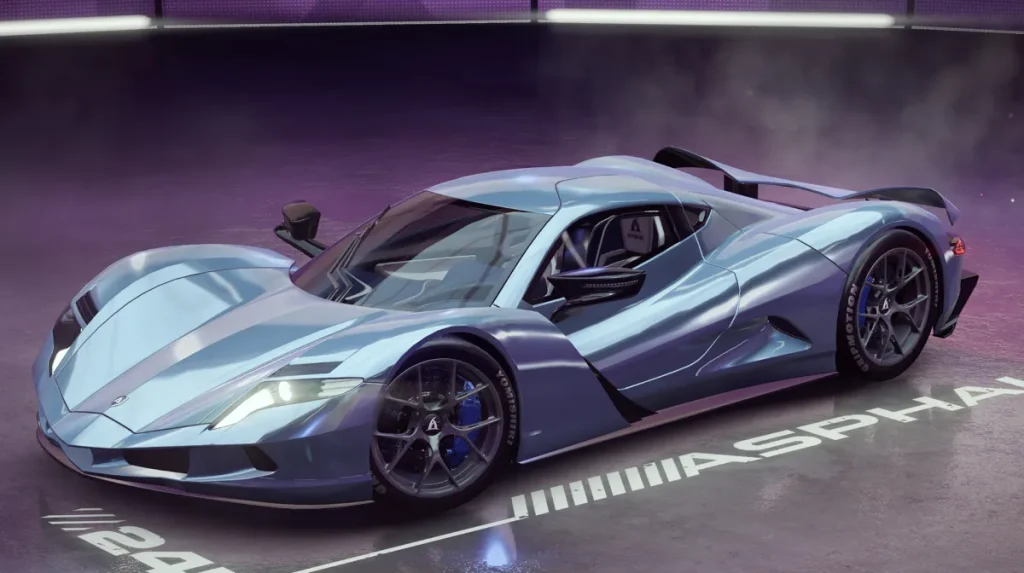
What makes the Aspark Owl especially intriguing is how quickly it earned respect in a segment long ruled by established European manufacturers. A relatively unknown Japanese company suddenly developed one of the fastest-accelerating road cars ever built, showing that the world of hypercars had entered a completely new technological era.
The owl represents the fearless experimentation now possible with electric performance engineering. It combines radical acceleration, futuristic styling, and extreme exclusivity into one unforgettable machine.
- Engine: Four electric motors with a lithium-ion battery pack
- Torque: 1,475 lb ft
- Horsepower: 1,985 hp
- Length/Width: 188.9 inches / 76.3 inches
9. Czinger 21C
The Czinger 21C feels less like a traditional hypercar and more like a prototype transported directly from the future. Developed by American manufacturer Czinger Vehicles, the 21C combines hybrid performance, advanced manufacturing techniques, and radical aerodynamics into one of the most technically fascinating hypercars ever created.
Instead of following established design traditions from brands like Ferrari or Lamborghini, Czinger approached the project with an entirely fresh engineering philosophy centered around innovation and extreme efficiency.
One of the first things people notice about the 21C is its unusual seating arrangement. The driver sits in the center of the cockpit with the passenger positioned directly behind, similar to fighter jets and legendary race-inspired road cars like the McLaren F1.
This configuration improves visibility, balances weight distribution, and creates a dramatic driving experience unlike conventional two-seat hypercars.
Power comes from a highly advanced hybrid system pairing a twin-turbocharged V8 engine with electric motors. Together, they generate well above 1,500 horsepower while maintaining a remarkably compact package.
The gasoline engine revs aggressively and delivers explosive turbocharged force, while the electric motors provide immediate torque during acceleration. This combination creates relentless power delivery across the entire speed range.
The 21C also showcases cutting-edge manufacturing technology. Czinger utilized extensive 3D printing techniques to create lightweight structural components with shapes impossible to achieve through traditional production methods.
These parts reduce weight while maintaining exceptional strength, allowing engineers to maximize performance without unnecessary mass. The result is a hypercar with extraordinary agility despite its massive horsepower figures.
Aerodynamics plays an enormous role in the car’s capability. The body channels airflow carefully around massive vents, tunnels, and active aerodynamic elements designed to generate serious downforce at high speed.
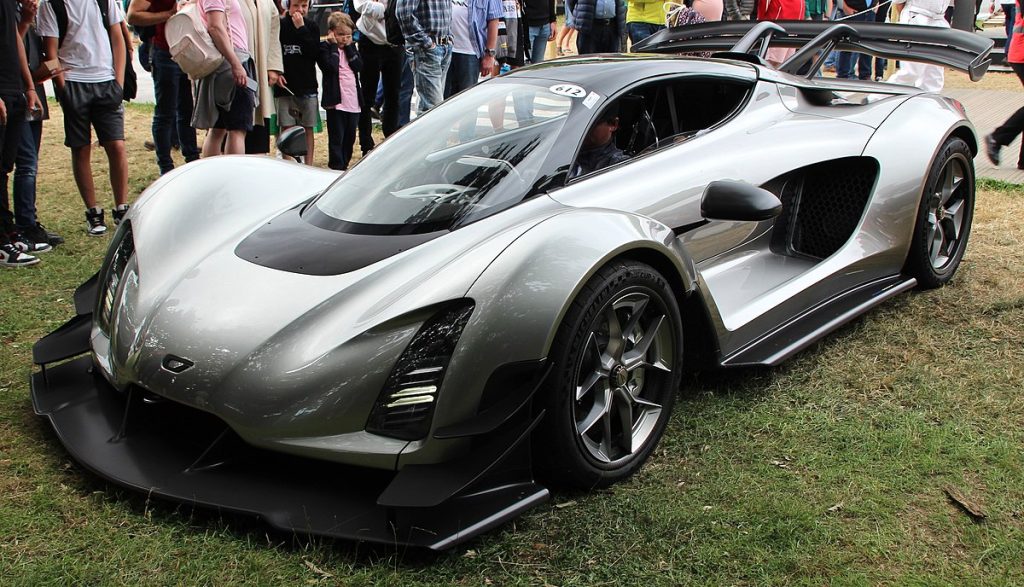
On a racetrack, the 21C reportedly delivers cornering grip levels approaching dedicated race cars, yet it remains road legal and visually stunning.
Inside the cabin, the atmosphere feels focused and futuristic rather than luxurious. Digital interfaces, exposed structural elements, and minimalist controls reinforce the impression that the car exists primarily as a performance machine. Every detail appears engineered for efficiency and driver engagement.
The Czinger 21C stands as proof that new manufacturers can still challenge automotive giants through innovation and bold thinking. Its engine and hybrid system represent the next stage of hypercar evolution, where technology, lightweight construction, and enormous horsepower merge into something entirely new.
- Engine: 2.9-liter twin-turbocharged V8 hybrid
- Torque: 1,106 lb ft
- Horsepower: 1,250 hp to 1,350 hp, depending on specification
- Length/Width: 181 inches / 80 inches
