
Hypercars sit at the very top of the automotive world, representing the absolute peak of performance, design, and engineering ambition.
These machines are not simply cars; they are technological showcases built to push boundaries and redefine what is possible on four wheels. For many enthusiasts, owning a hypercar is the ultimate dream, a symbol of success and a gateway into an exclusive world reserved for a select few.
However, the reality of hypercar ownership is far more complicated than the excitement of purchasing one. While acquiring such a vehicle is already a significant financial achievement, the real challenge begins after the keys are handed over.
Ownership introduces a set of responsibilities and difficulties that go beyond typical expectations, often catching even experienced collectors off guard.
Unlike conventional vehicles, hypercars require an entirely different level of care and attention. Their advanced engineering means that routine maintenance is anything but routine.
Specialized components, rare materials, and cutting-edge technology demand expert handling, often limiting service options to factory-approved facilities. This can lead to logistical challenges, extended downtime, and significant expenses that continue throughout the life of the car.
Another factor that complicates ownership is the exclusivity associated with these vehicles. Limited production numbers mean that parts availability can become a serious issue. Even minor repairs may involve long waiting periods or custom manufacturing.
In addition, many hypercars come with strict ownership conditions, including service requirements, usage limitations, and even restrictions on resale. These conditions can make owning the car feel less like freedom and more like a managed responsibility.
There is also the psychological aspect of ownership. Driving a hypercar is thrilling, but it can also be stressful. Concerns about damage, depreciation, and maintenance often discourage owners from fully enjoying their vehicles.
As a result, many hypercars spend more time in storage than on the road, which brings its own set of challenges related to preservation and upkeep.
This article highlights nine hypercars where ownership proves to be more demanding than the act of buying one. Each example presents a unique perspective on the hidden complexities of owning these extraordinary machines.
From maintenance challenges to logistical hurdles, these cars demonstrate that the true cost of hypercar ownership is not just financial but also practical and emotional.
Also Read: 9 Engines Once Praised That Modern Buyers Should Avoid
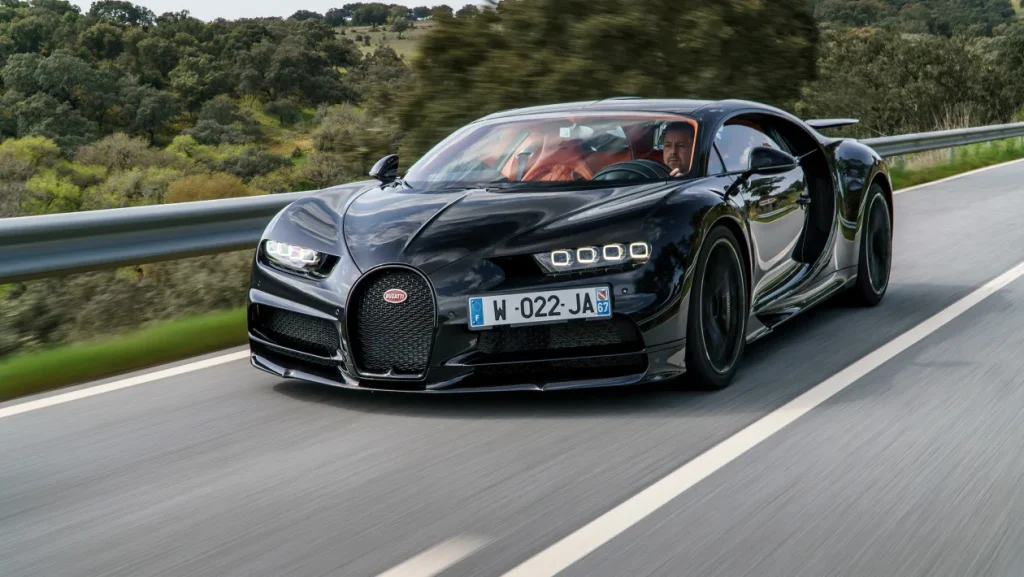
1. Bugatti Chiron
Owning the Bugatti Chiron is often described as entering a completely different level of automotive reality. While purchasing one already requires immense financial capability, living with the car introduces a series of challenges that redefine what ownership truly means. It is not just about driving a hypercar but about managing an extremely complex machine.
Chiron’s engineering is both its greatest strength and its biggest challenge. With a quad turbocharged engine producing immense power, every component is pushed to its limits. This means servicing is not only expensive but also highly specialized.
Routine maintenance cannot be handled by regular workshops, and owners often rely on factory-backed support. In some cases, technicians travel specifically to service the car, adding another layer of complexity.
Tires are a well-known example of Chiron’s demanding nature. Designed to handle extraordinary speeds, they wear out faster than typical performance tires.
Replacement is not straightforward either, as it involves specific procedures and approved suppliers. Costs quickly add up, and this becomes a recurring aspect of ownership rather than a one-time expense.
Another challenge lies in usage limitations. While the car is capable of extreme performance, accessing that performance is not always practical. Finding safe environments to drive at high speeds is difficult, and using the car in everyday conditions can feel restrictive. Owners often find themselves balancing between preserving the car and actually enjoying it.
Insurance and storage further complicate the experience. Protecting a vehicle of such value requires careful planning, including secure storage facilities and comprehensive insurance coverage. These ongoing responsibilities contribute to the sense that owning a Chiron is as much about management as it is about enjoyment.
2. Ferrari LaFerrari
The Ferrari LaFerrari represents a fusion of traditional performance with hybrid technology, creating a hypercar that is both innovative and demanding. While its performance credentials are undeniable, ownership introduces complexities that extend far beyond the excitement of driving.
One of the defining aspects of the LaFerrari is its hybrid system. Unlike conventional engines, this setup requires careful monitoring and maintenance. The battery system, in particular, becomes a long-term consideration. Over time, maintaining or replacing it can be both expensive and logistically challenging, especially as the technology ages.
Servicing the LaFerrari is not something that can be handled casually. Ferrari maintains strict control over how the car is maintained, often requiring owners to follow specific service schedules and use authorized facilities. This ensures quality but also limits flexibility, making ownership more structured than many expect.
The exclusivity of the car adds another layer of complexity. Parts are not widely available, and any repair can involve waiting periods and high costs. Even minor issues can become significant due to the rarity of components and the expertise required to address them.
Driving the LaFerrari also comes with its own considerations. While it is capable of incredible performance, owners often feel a sense of responsibility to preserve its condition. This can lead to limited usage, with the car spending more time stored than driven. Managing this balance becomes an ongoing part of ownership.
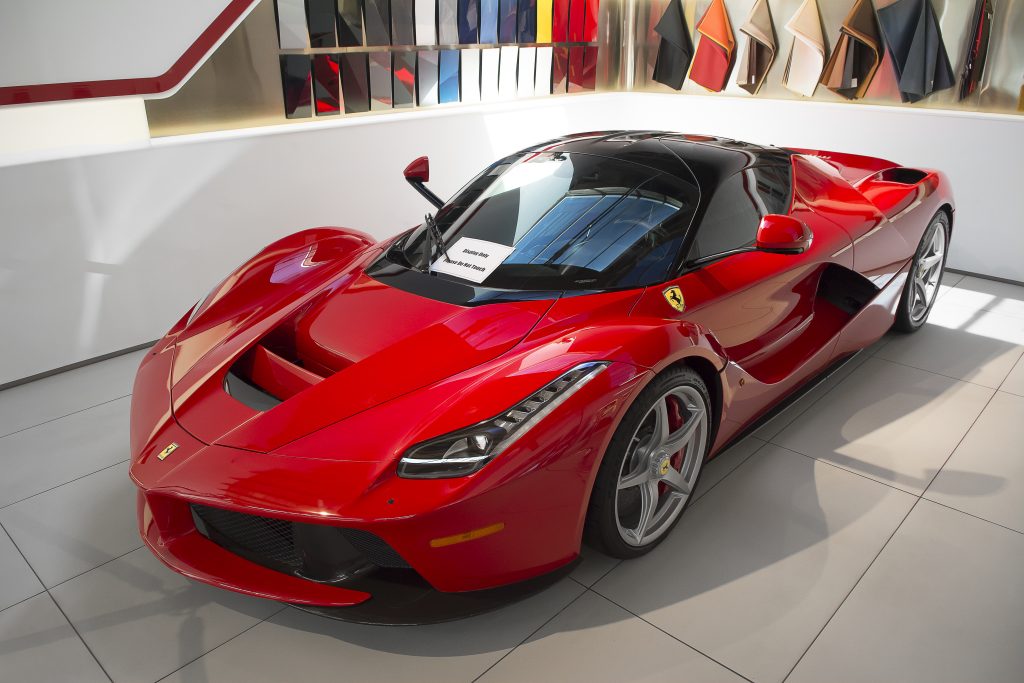
The combination of advanced technology, strict service requirements, and limited accessibility makes the Ferrari LaFerrari a car where ownership demands constant attention. It is not just about having the car but about maintaining it in a way that aligns with its engineering and exclusivity.
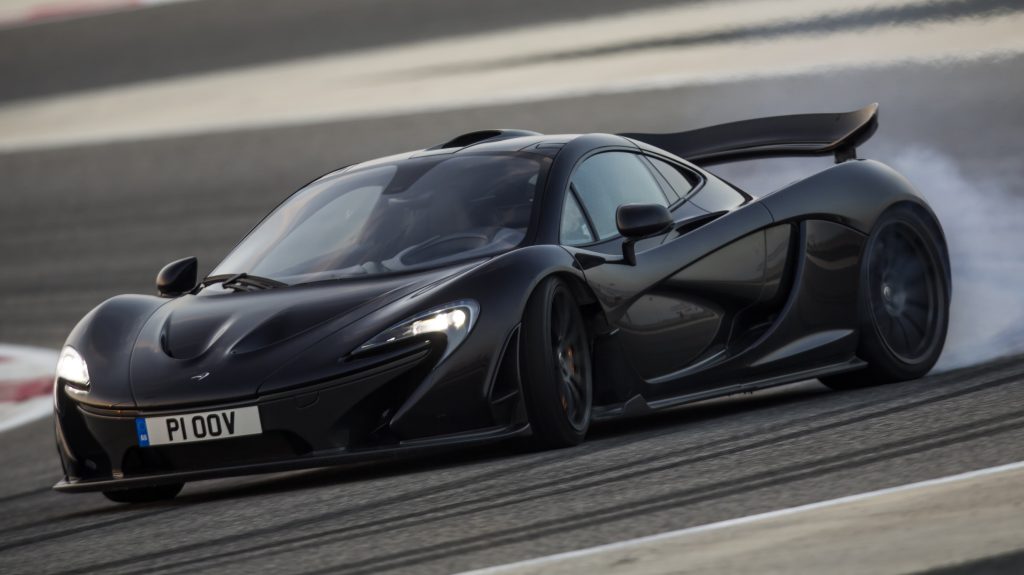
3. McLaren P1
The McLaren P1 enters ownership like a statement of intent, but keeping it running turns into a structured commitment that few anticipate.
Built as part of the hypercar trio of its era, it combines a twin-turbo V8 with an electric system that adds both performance and complexity. The result is a machine that feels futuristic even years after its release, yet that same complexity defines its ownership challenges.
Unlike traditional supercars, the P1 relies heavily on its hybrid architecture to deliver peak performance. The battery system is not just an accessory but a core part of how the car operates. Over time, battery health becomes a central concern.
Owners must ensure the car is driven or maintained under specific conditions to prevent degradation, and replacement costs are high if issues arise.
Servicing the P1 is tightly controlled. McLaren requires specialized technicians who understand both the mechanical and electrical systems.
This limits where the car can be serviced and often means transporting it to approved facilities. Even routine inspections can involve detailed diagnostics, adding time and expense to what would otherwise be simple procedures.
There is also a behavioral shift that comes with ownership. The P1 is capable of astonishing performance, yet using that performance regularly is not always practical. Road conditions, traffic, and safety concerns restrict how often the car can be driven as intended. Many owners end up using it sparingly, which introduces its own set of maintenance considerations.
Owning a McLaren P1 becomes a balance between preservation and usability. It rewards attention and care, but it also demands it constantly, turning ownership into an ongoing responsibility rather than a simple pleasure.
4. Porsche 918 Spyder
The Porsche 918 Spyder offers a different interpretation of the hypercar concept, blending efficiency with extreme performance. It stands out for its ability to operate as both an electric vehicle and a high-performance machine. This dual nature makes it fascinating to own, yet it also introduces layers of complexity that extend beyond typical expectations.
At the heart of the 918 is its hybrid system, which requires careful management. The battery pack plays a critical role in the car’s functionality, and maintaining its health is essential.
Charging routines, storage conditions, and usage patterns all influence long-term reliability. Owners must remain attentive to these factors, as neglect can lead to costly consequences.
The car’s engineering philosophy emphasizes precision, and this is reflected in its servicing requirements. Routine maintenance involves more than mechanical checks. Software updates, system calibrations, and electrical diagnostics become part of the process. This means ownership includes a technological dimension that goes beyond traditional automotive care.
Driving the 918 Spyder presents its own considerations. It can switch between quiet electric operation and full performance mode, but managing these modes effectively requires understanding the car’s systems. Owners often spend time learning how to use the vehicle properly, which adds a learning curve to the ownership experience.
Another aspect that shapes ownership is the car’s value and significance. As a limited production hypercar, it carries a sense of responsibility. Owners often feel compelled to preserve its condition, which can limit how frequently it is driven. This creates a dynamic where the car is both enjoyed and carefully protected at the same time.
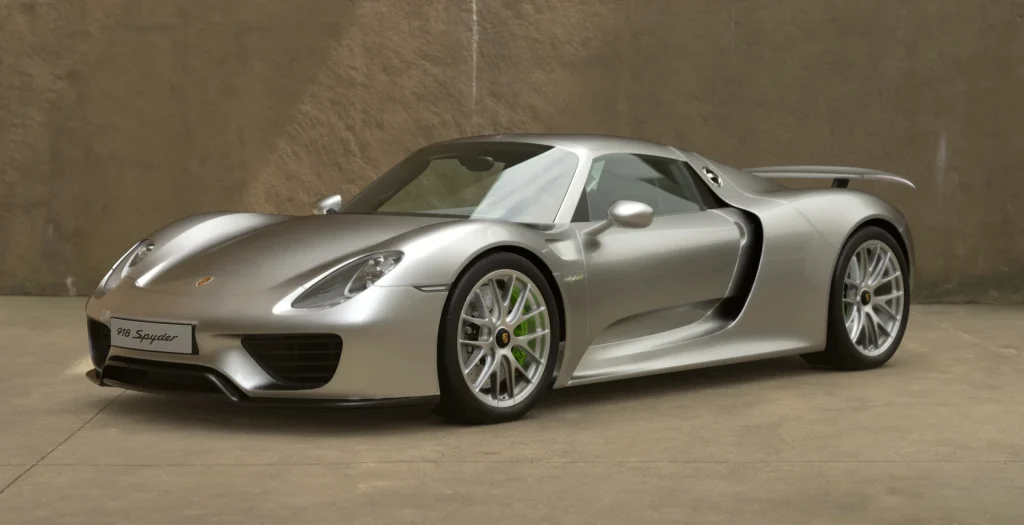
The Porsche 918 Spyder demonstrates that ownership is not just about driving but about managing a sophisticated system. It offers versatility and performance, yet it expects a level of involvement that makes owning it a continuous and thoughtful process.
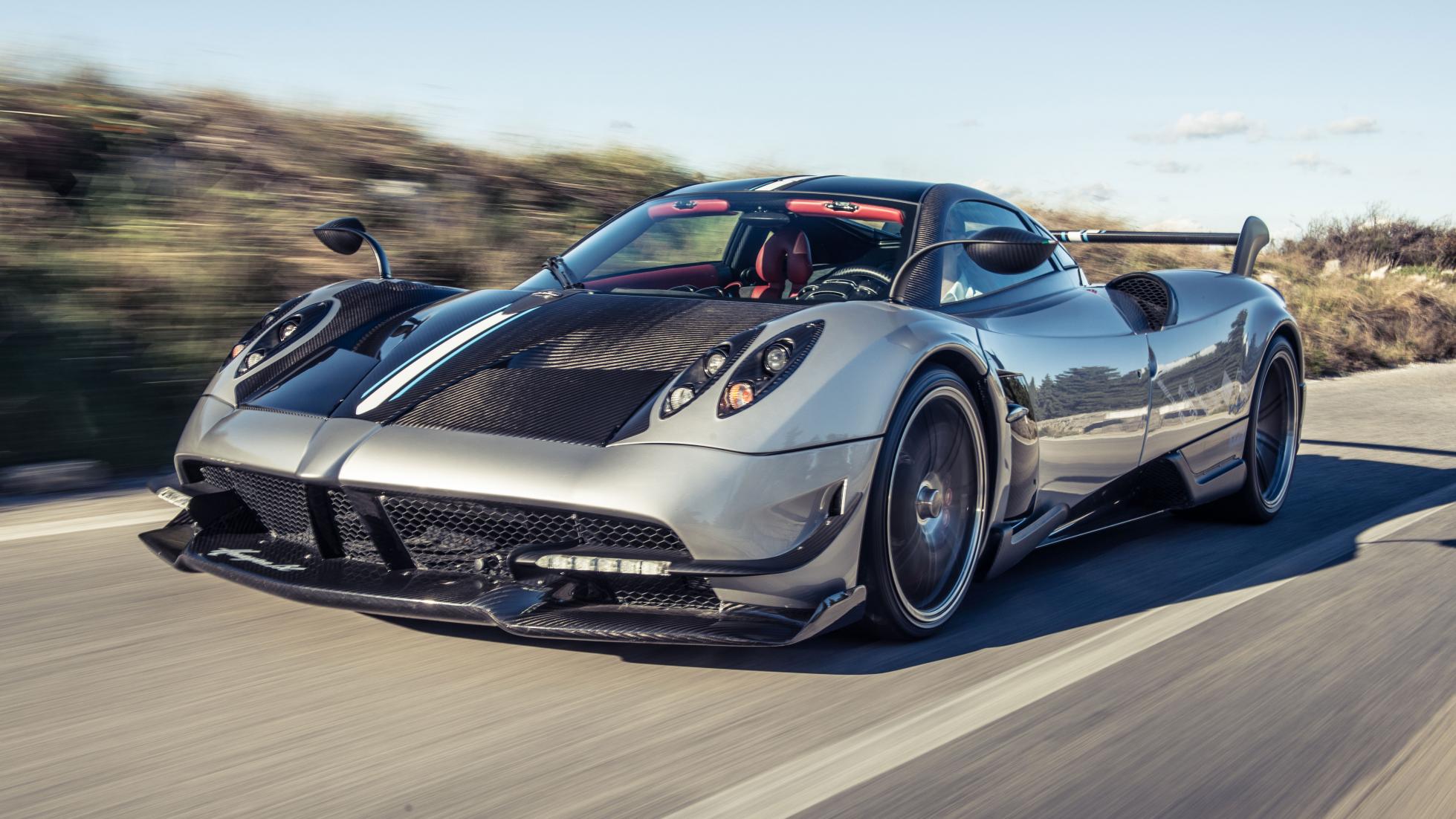
5. Pagani Huayra
The Pagani Huayra is often described as a piece of rolling art, where engineering meets craftsmanship in a way that feels almost obsessive.
Every detail, from the exposed carbon fiber to the intricate interior components, reflects a level of attention that is rarely seen in the automotive world. Yet, this same dedication to perfection creates a form of ownership that is far from simple.
Instead of thinking about maintenance in the traditional sense, Huayra ownership feels closer to curating a delicate artifact. Many of its components are bespoke, designed specifically for the car rather than adapted from existing systems.
This means replacements are not readily available, and when something requires attention, the process can involve direct coordination with the manufacturer. Time and cost both increase significantly under such circumstances.
The active aerodynamics system is one of the Huayra’s defining features, constantly adjusting flaps to optimize performance. While impressive, it adds another layer of mechanical and electronic complexity.
Ensuring that these systems function correctly requires careful monitoring and specialized servicing. Any malfunction is not just a repair job but a technical challenge that demands expertise.
Inside the cabin, the craftsmanship introduces its own challenges. Materials such as hand finished metals, leather, and carbon fiber need consistent care to maintain their appearance. Even minor wear can require restoration rather than simple replacement, which adds to long term costs and effort.
Driving the Huayra also comes with a unique mindset. Owners often become highly selective about when and where they use the car. Concerns about road conditions, attention from others, and potential damage can limit spontaneous driving. As a result, ownership becomes a careful balance between appreciation and caution.
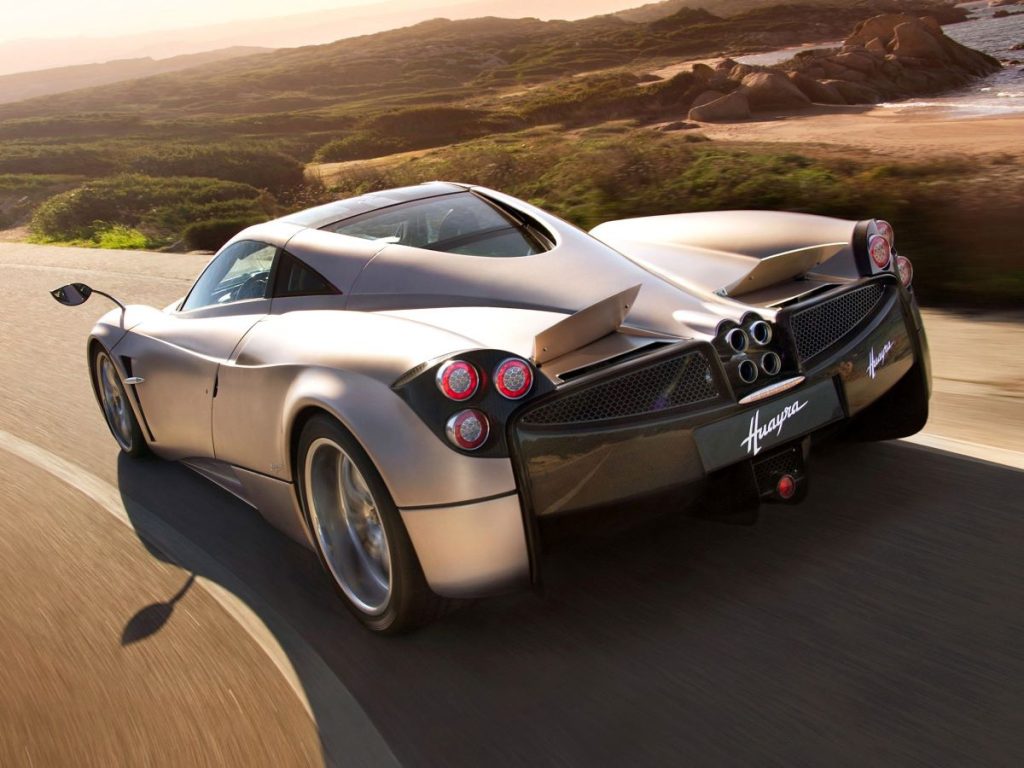
The Pagani Huayra transforms the idea of owning a hypercar into something more intricate. It is not just about performance but about maintaining a highly specialized creation that demands time, patience, and a willingness to handle challenges that go far beyond the purchase itself.
6. Koenigsegg Agera RS
The Koenigsegg Agera RS represents extreme performance pushed to its absolute limits, a car built with the intention of breaking records and redefining speed. Owning such a machine is an extraordinary experience, yet it introduces a level of responsibility that extends far beyond conventional expectations.
From the moment the car is delivered, owners are faced with the reality that very few places in the world are equipped to handle it. Koenigsegg operates on a highly specialized level, and servicing the Agera RS often involves direct interaction with the manufacturer.
This can mean transporting the car internationally or arranging for factory-trained technicians to travel, both of which add complexity and cost.
The engineering behind the Agera RS is highly advanced, incorporating lightweight materials and precision components. While this enhances performance, it also means that maintenance must be carried out with extreme care.
Even small issues require detailed attention, and there is little room for improvisation. This level of precision makes ownership more demanding than many expect.
Another aspect that shapes the ownership experience is the car’s performance capability. The Agera RS is capable of speeds that are difficult to safely achieve in normal conditions.
Owners must find appropriate environments to experience their potential, which is not always practical. This often results in limited usage, turning the car into something that is admired more than driven.
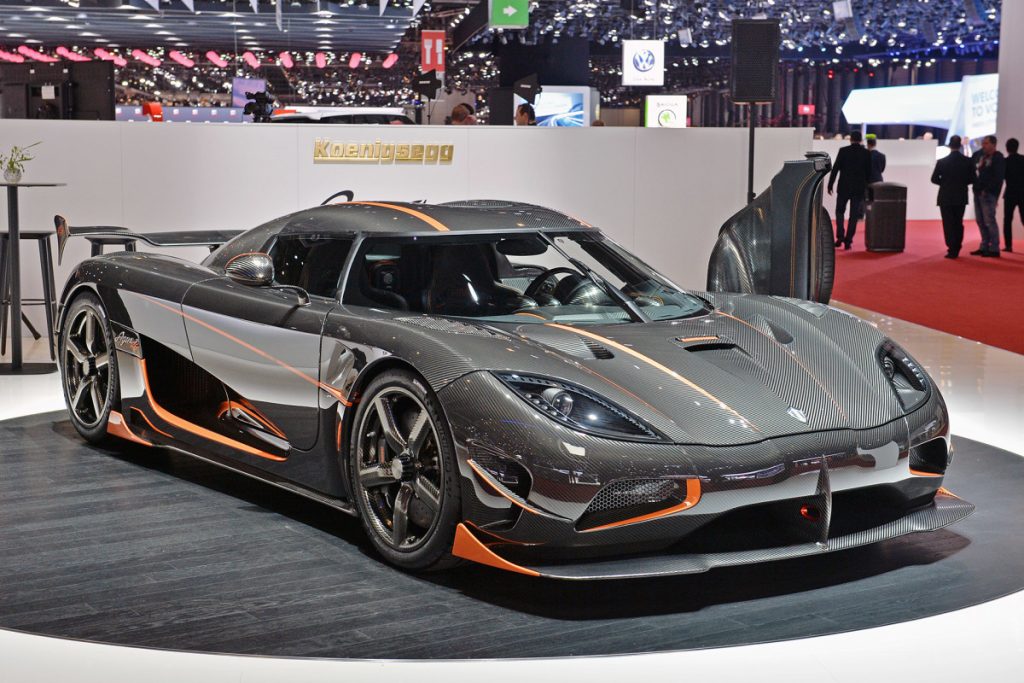
The exclusivity of the Agera RS also affects parts availability. With such limited production, components are not stocked in large quantities. Any replacement can involve waiting periods and high costs. This unpredictability adds to the challenge of maintaining the car over time.
Owning a Koenigsegg Agera RS is less about routine driving and more about managing a highly specialized machine. It demands attention, planning, and a willingness to navigate challenges that extend well beyond the excitement of acquiring one.
7. Lamborghini Veneno
The Lamborghini Veneno is not a hypercar that blends into traffic or behaves like anything remotely conventional. It was designed as a celebration of extreme design and performance, and that philosophy carries directly into ownership. Buying one is an achievement, but living with it introduces challenges that are both practical and unexpected.
The first hurdle appears before the car even moves. Ground clearance is extremely low, and navigating everyday roads becomes a calculated exercise. Speed breakers, uneven surfaces, and tight entrances can turn a simple drive into a stressful experience.
Owners often plan routes carefully, avoiding certain areas altogether. This transforms driving from a spontaneous activity into something that requires preparation.
The design itself adds another layer of difficulty. Sharp edges, exposed aerodynamic elements, and complex body panels make even minor repairs complicated.
Damage that would be manageable on other cars can become a major issue here. Repairing or replacing these parts is not straightforward, as they are unique to the Veneno and produced in extremely limited numbers.
Inside, the experience is equally focused and demanding. The cabin is not built for comfort in the traditional sense. Controls, visibility, and ergonomics all prioritize performance, which can make longer drives less practical. Owners often find themselves using the car for short, controlled outings rather than extended journeys.
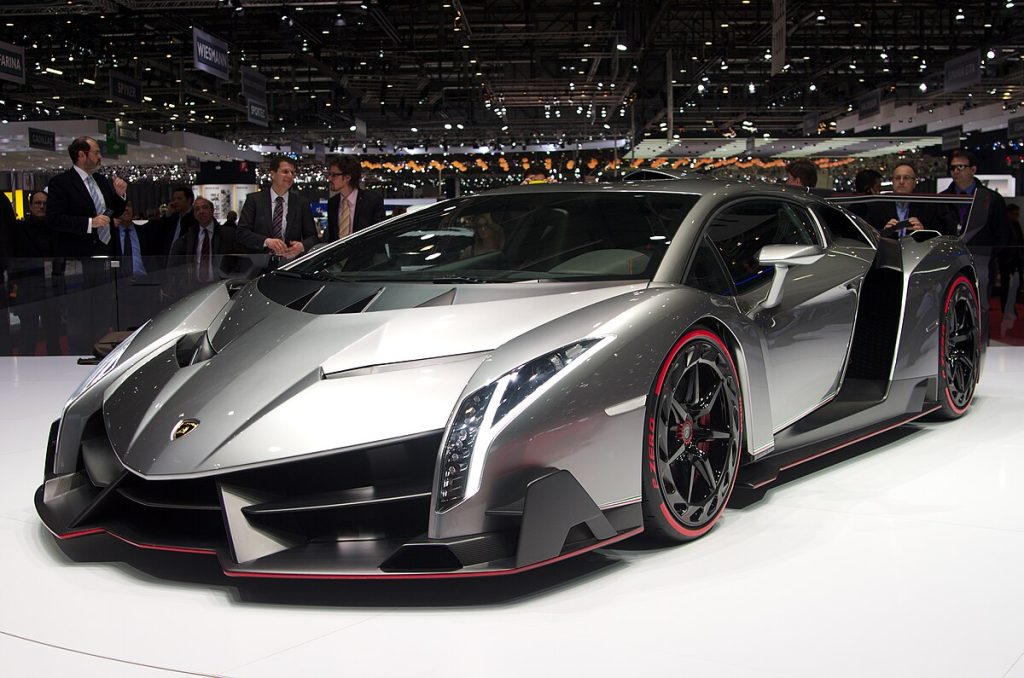
Public attention is another factor that cannot be ignored. The Veneno attracts constant attention wherever it goes, which can be both rewarding and exhausting. Managing crowds, ensuring safety, and protecting the car from unwanted contact becomes part of the ownership routine.
Owning a Lamborghini Veneno is about accepting a lifestyle that revolves around the car’s limitations as much as its strengths. It offers an unmatched presence and performance, yet it demands careful handling in almost every situation, making ownership far more involved than the initial purchase might suggest.
8. Aston Martin Valkyrie
The Aston Martin Valkyrie pushes the concept of a road-legal car closer to a Formula 1 machine than almost anything else. It is engineered with a singular focus on performance, and that focus defines every aspect of ownership.
Acquiring one places the owner in an exclusive group, but maintaining and using it introduces a completely different level of commitment.
The driving experience itself requires adjustment. The Valkyrie is not designed for casual use. Its seating position, visibility, and control layout are all influenced by racing principles. Getting in and out of the car is a process, and driving it demands concentration. This is not a vehicle that can be used without preparation or understanding.
Maintenance is equally specialized. The Valkyrie operates with components that are closer to race car technology than traditional automotive systems. Servicing these components requires expertise that is not widely available. Owners often depend on manufacturer support, which can involve scheduling, logistics, and high costs.
Another aspect that shapes ownership is the car’s sensitivity to conditions. It performs best under specific circumstances, and deviations from those conditions can affect how it behaves.
This means owners must consider factors such as road quality, temperature, and usage patterns before driving. Such considerations add a layer of planning that is rarely associated with road cars.
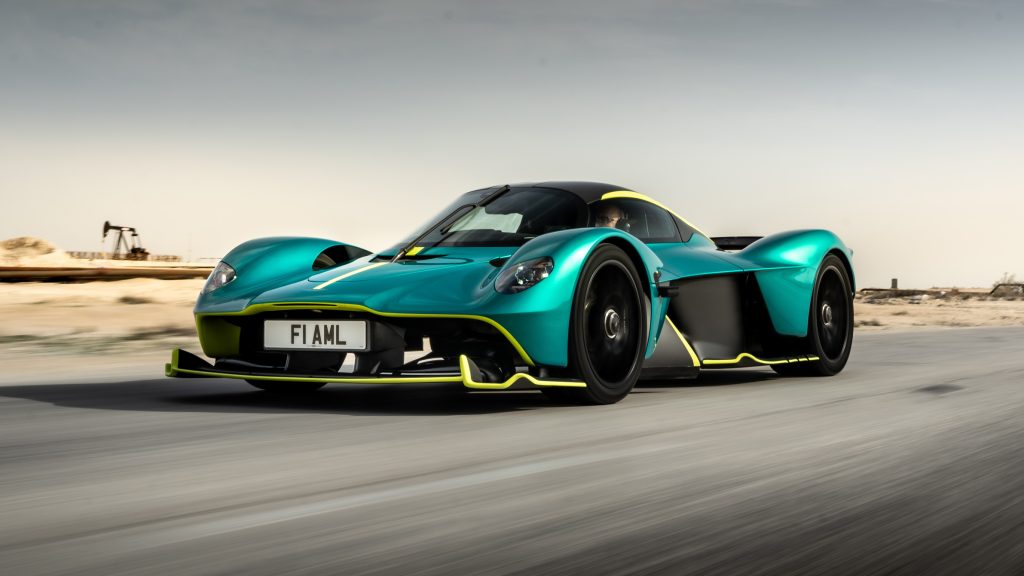
The exclusivity of the Valkyrie also influences how it is treated. Owners are often cautious about mileage and condition, knowing that preservation plays a role in the car’s long-term significance. This can limit how often the car is driven, turning it into something that is carefully managed rather than freely used.
Owning an Aston Martin Valkyrie is less about convenience and more about commitment. It delivers an experience that is unmatched, but it requires a level of involvement that goes far beyond simply having the keys.
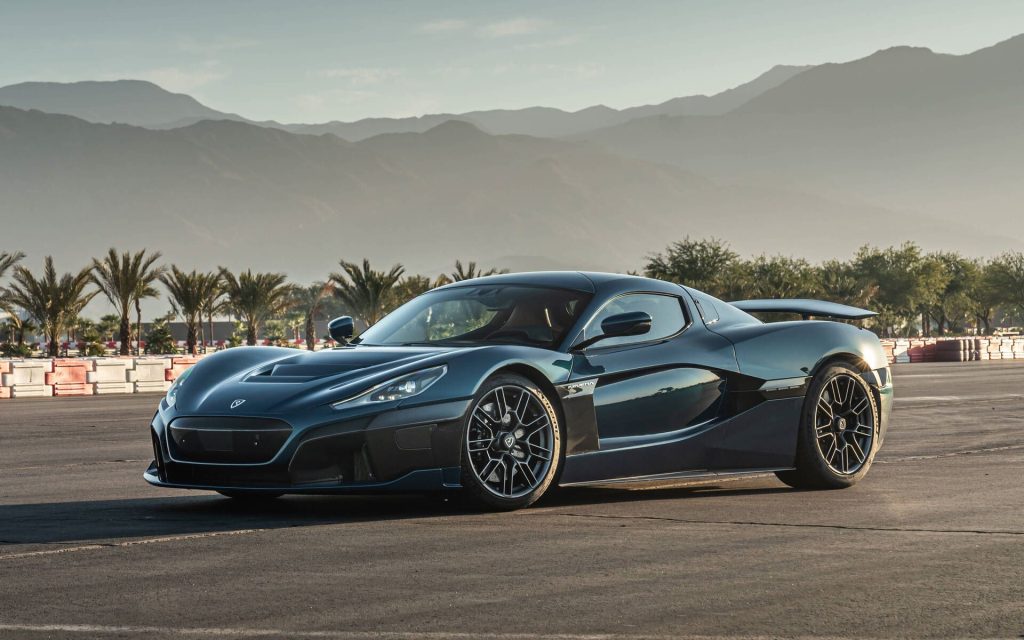
9. Rimac Nevera
The Rimac Nevera represents a new era of hypercars, one driven entirely by electric power and advanced software. It delivers once unimaginable performance figures, combining instant acceleration with cutting-edge technology.
While buying one signals entry into the future of automotive engineering, living with it introduces a different kind of complexity that many owners do not initially anticipate.
Unlike traditional hypercars, the Nevera relies heavily on software integration. Nearly every aspect of the car, from power delivery to traction control, is governed by advanced systems that require constant calibration and updates.
Ownership, therefore, extends beyond mechanical care into the realm of digital maintenance. Software updates are not optional enhancements but essential components of keeping the car operating at its best.
Battery management becomes one of the most important aspects of ownership. The Nevera’s massive battery pack is central to its identity, and maintaining its health requires attention to charging habits, storage conditions, and usage patterns.
Fast charging, prolonged inactivity, or improper storage can all impact long-term performance. Owners must adopt a disciplined approach, treating the car more like a high-end electronic device than a conventional vehicle.
Another challenge lies in infrastructure. While electric vehicles are becoming more common, the Nevera operates at a level that demands specialized charging solutions.
Not every charging station is suitable, and ensuring access to the right infrastructure becomes part of the ownership equation. This adds a logistical dimension that is not always considered at the time of purchase.
The car’s extreme performance also creates practical limitations. Delivering such rapid acceleration and handling capabilities means that using its full potential is rarely possible on public roads.
Owners often need access to controlled environments to truly experience what the car can do. Without such opportunities, much of its capability remains untapped.
Service and support for the Nevera are still evolving. As a relatively new entrant in the hypercar space, Rimac operates with a smaller global network compared to established manufacturers.
This can lead to challenges in arranging service, sourcing parts, or resolving issues quickly. Owners must be prepared for a more hands-on and sometimes patient approach to maintenance.
Owning a Rimac Nevera is a forward-looking experience, but it comes with responsibilities that reflect its technological nature. It is not just a car to be driven but a system to be managed, requiring awareness, planning, and adaptability throughout the ownership journey.
Hypercars are often viewed as the ultimate expression of automotive achievement, but the reality of owning one reveals a far more demanding experience. From traditional combustion-powered machines to advanced hybrid and electric marvels, each car in this list demonstrates that the challenges of ownership extend far beyond the moment of purchase.
What becomes clear is that complexity is the defining factor. These vehicles are built with technologies and materials that push boundaries, and that innovation comes with responsibilities.
Maintenance is specialized, parts are limited, and service networks are often restricted. Owners are not just drivers but caretakers of highly sophisticated machines.
Another recurring theme is limitation. Despite their incredible capabilities, hypercars are rarely used to their full potential. Road conditions, safety concerns, and preservation efforts all restrict how these vehicles are driven. This creates a contrast between what the car can do and what it is actually used for, adding a psychological dimension to ownership.
There is also the element of commitment. Owning a hypercar requires time, planning, and ongoing financial input.
It involves coordinating service, managing storage, and staying attentive to both mechanical and technological needs. For many, this becomes part of the experience, but it is far from effortless.
In the end, hypercars remain extraordinary achievements that continue to inspire and excite. However, they also serve as reminders that ownership is not defined by the purchase alone. The real journey begins afterward, where maintaining, managing, and preserving these machines becomes the true test of what it means to own a hypercar.
Also Read: 9 Engines With Problems That Only Appear After 100,000 Miles
