
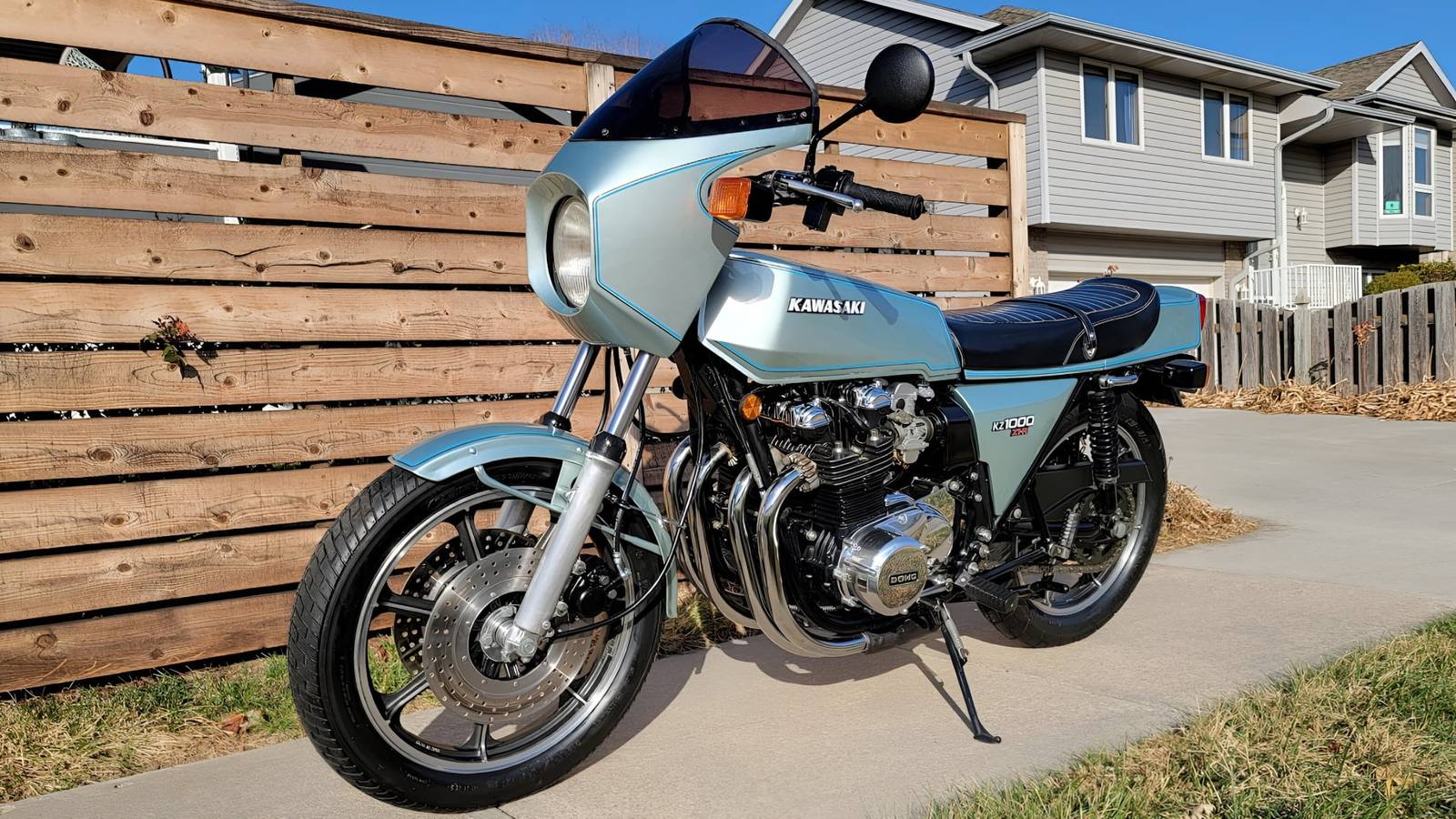
Vintage motorcycles carry a kind of pull that modern machines rarely match. Sound, shape, mechanical feel, and even their imperfections combine to create something that feels alive in a way newer bikes often smooth away. Riders chase them for different reasons. Some want raw engagement. Others want history parked in the garage. A few simply want something that tells a story every time it fires up.
Ranking vintage motorcycles is never comfortable. What one rider calls charm, another calls frustration. What looks beautiful to one person feels awkward to another. This list accepts that tension and leans into it. Rather than pretending every classic machine deserves equal praise, this ranking sorts eight vintage motorcycles from least rewarding to most satisfying for ownership, riding experience, and long-term appeal.
Placement does not suggest failure. Even the lowest-ranked motorcycles here earned attention through design, ambition, or influence. Weak points exist alongside strong ones, and those weak points matter when real ownership enters the picture. Parts availability, ride quality, heat management, reliability habits, and ergonomics all play roles.
By the time the list reaches the top, motorcycles appear that balance personality with usability in ways that still impress decades later. Each entry stands on its own history, explained with honesty rather than nostalgia.
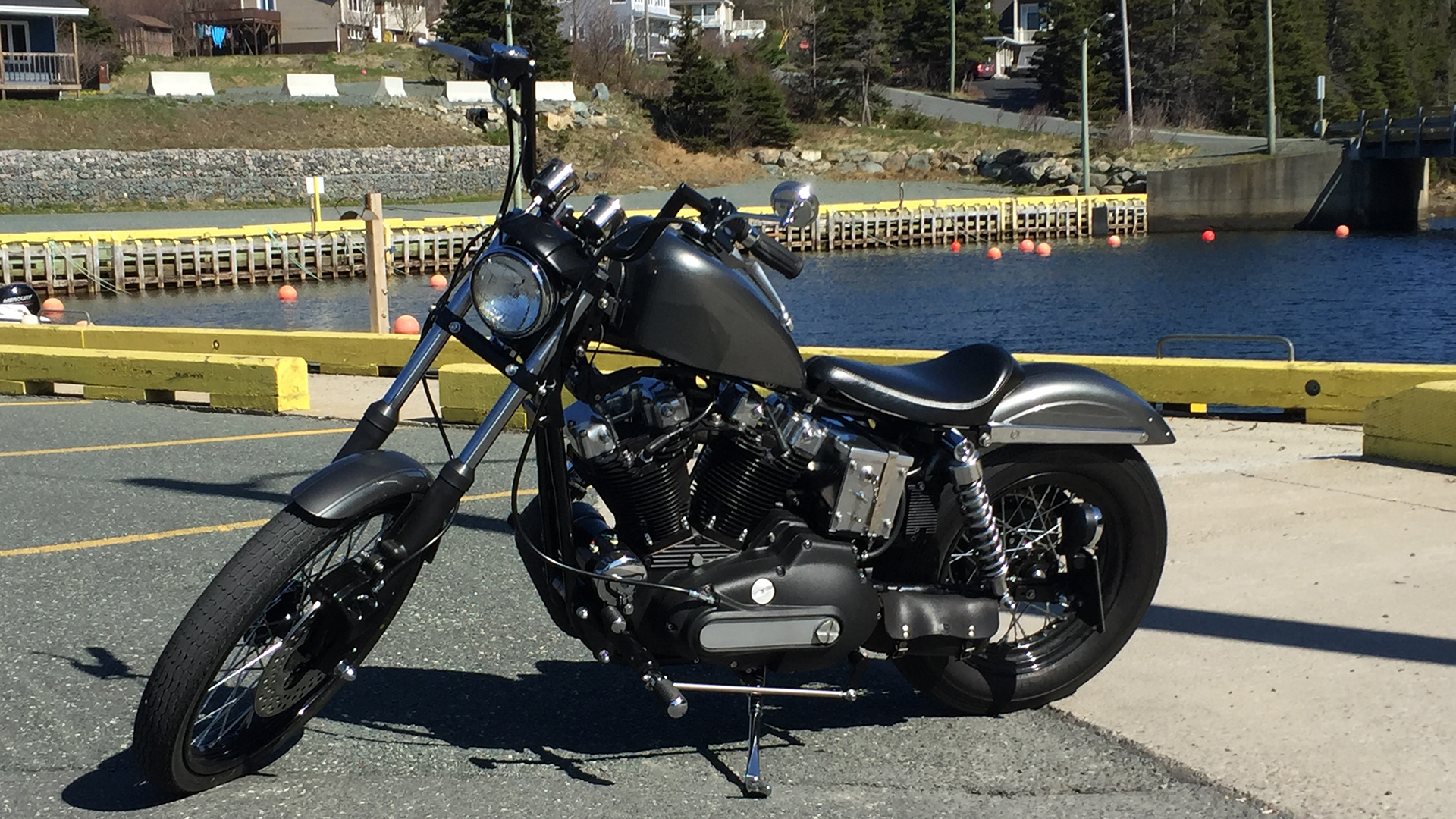
1. 1974 Harley Davidson XLH 1000 Sportster
- Engine: 997 cc air-cooled V-twin
- Horsepower: 61 hp
- Torque: 72 Nm
- Dimensions: Length 2210 mm, Width 840 mm
Raw presence defines the 1974 Harley Davidson XLH 1000 Sportster, though not always in ways owners appreciate. Introduced during a period of transition for the brand, this motorcycle carried visual authority and a sound that turned heads long before the starter button was pressed. Unfortunately, daily interaction often revealed compromises that dulled the experience.
Vibration dominated nearly every riding scenario. At idle, the engine shook the frame with intensity. At speed, that vibration worked its way into hands, feet, and spine. Short rides remained tolerable, yet longer stretches became exhausting. Riders chasing relaxed cruising often found themselves cutting trips short, not from lack of fuel but from physical fatigue.
Carburetion added another layer of challenge. Cold starts required patience and familiarity, and weather changes frequently altered engine behavior. Tuning demanded attention, and neglect punished riders quickly. Oil leaks became expected rather than surprising, leaving owners accustomed to stained garage floors and constant checks.
Handling reflected its era. Weight distribution felt top-heavy, steering response remained slow, and braking performance lagged behind modern expectations, even by vintage standards. Urban riding highlighted these traits most, where frequent stops and tight turns magnified the bike’s reluctance to change direction quickly.
Yet loyalty exists for a reason. Visual identity remains unmistakable. Chrome accents, engine fins, and stance carry unmistakable American character. Sound alone delivers emotional satisfaction. Riders drawn to ritual rather than convenience still find meaning here.
Ownership suits mechanically inclined riders who enjoy wrenching as much as riding. For everyone else, frustration often overshadows enjoyment. As a riding machine, it asks more than it gives, which places it firmly at the bottom of this ranking.
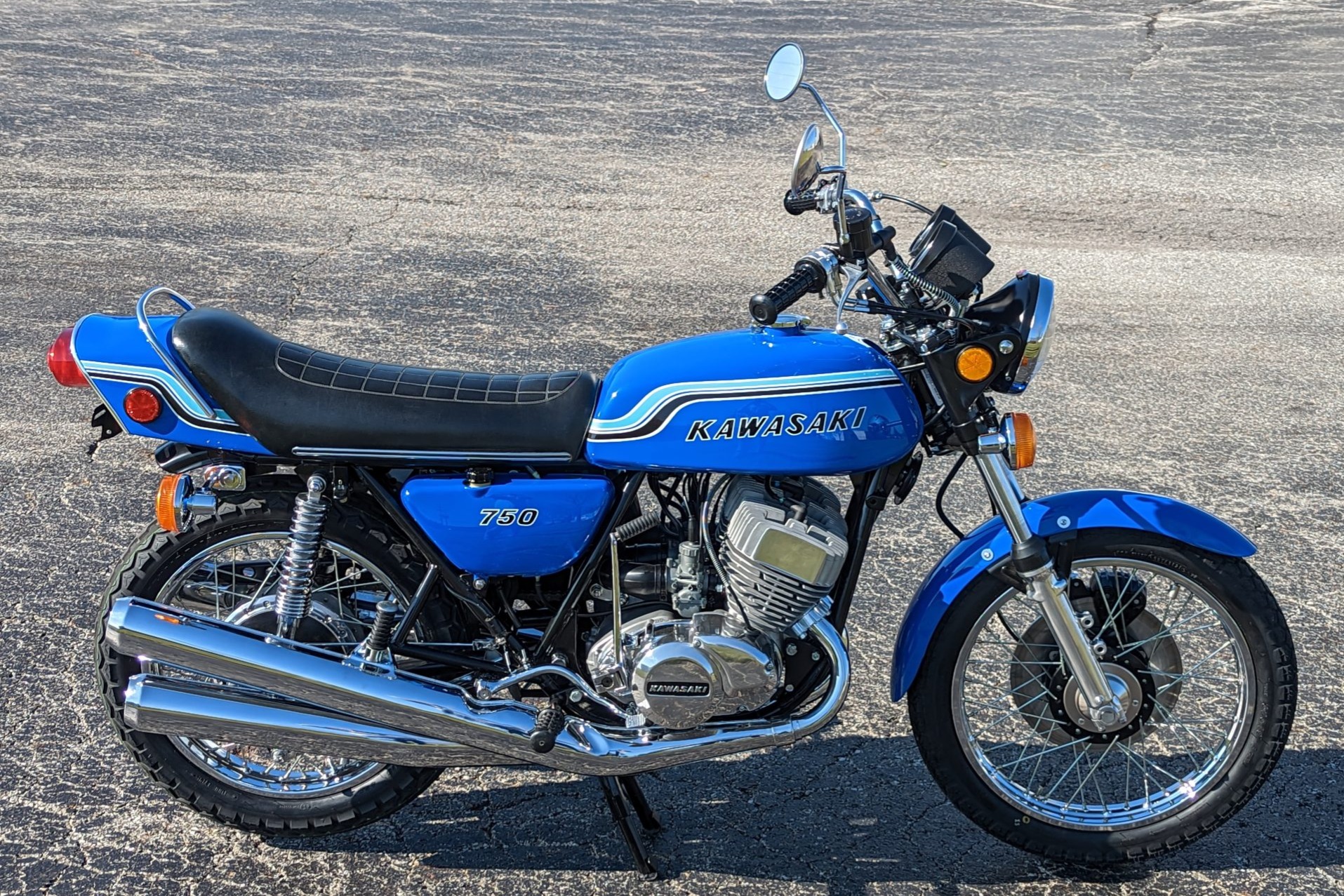
2. 1972 Kawasaki H2 Mach IV 750
- Engine: 748 cc air-cooled two-stroke inline three
- Horsepower: 74 hp
- Torque: 76 Nm
- Dimensions: Length 2170 mm, Width 800 mm
Few motorcycles arrived with more shock value than the 1972 Kawasaki H2 Mach IV 750. Nicknamed the Widowmaker, this two-stroke triple gained fame through sheer acceleration rather than refinement. Straight line speed impressed instantly, yet everything surrounding that speed demanded respect.
Throttle response arrived abruptly. Power delivery surged rather than flowed, catching inexperienced riders off guard. Acceleration felt thrilling in short bursts, though maintaining control required constant attention. High-speed stability suffered, especially on uneven pavement, where the lightweight chassis struggled to manage engine output.
Braking systems failed to match performance. Single-disc front brakes delivered limited stopping power, and fade appeared quickly during spirited riding. Emergency stops became stressful events rather than confident maneuvers. Suspension tuning leaned soft, further complicating aggressive riding.
Fuel consumption ranked poorly even by vintage standards. Two-stroke thirst combined with oil injection expenses makes long rides costly and range-limited. Exhaust smoke followed closely behind, announcing arrival long before the bike reached its destination.
Heat management created discomfort. Engine warmth radiated upward, and summer riding tested tolerance. Noise levels remained high, contributing to rider fatigue over extended use. Despite flaws, the appeal persists. Acceleration still surprises modern riders unfamiliar with the two-stroke character.
Engine sound carries a sharp, mechanical scream that defines an era. Collectors value originality, and enthusiasts appreciate its unapologetic nature. For riders seeking smooth control, this motorcycle disappoints. For those chasing adrenaline and history, it delivers a narrow yet intense experience. That imbalance keeps it from climbing higher in the ranking.
Also Read: 8 Vintage Japanese Motorcycles Now Worth More Than New Cars
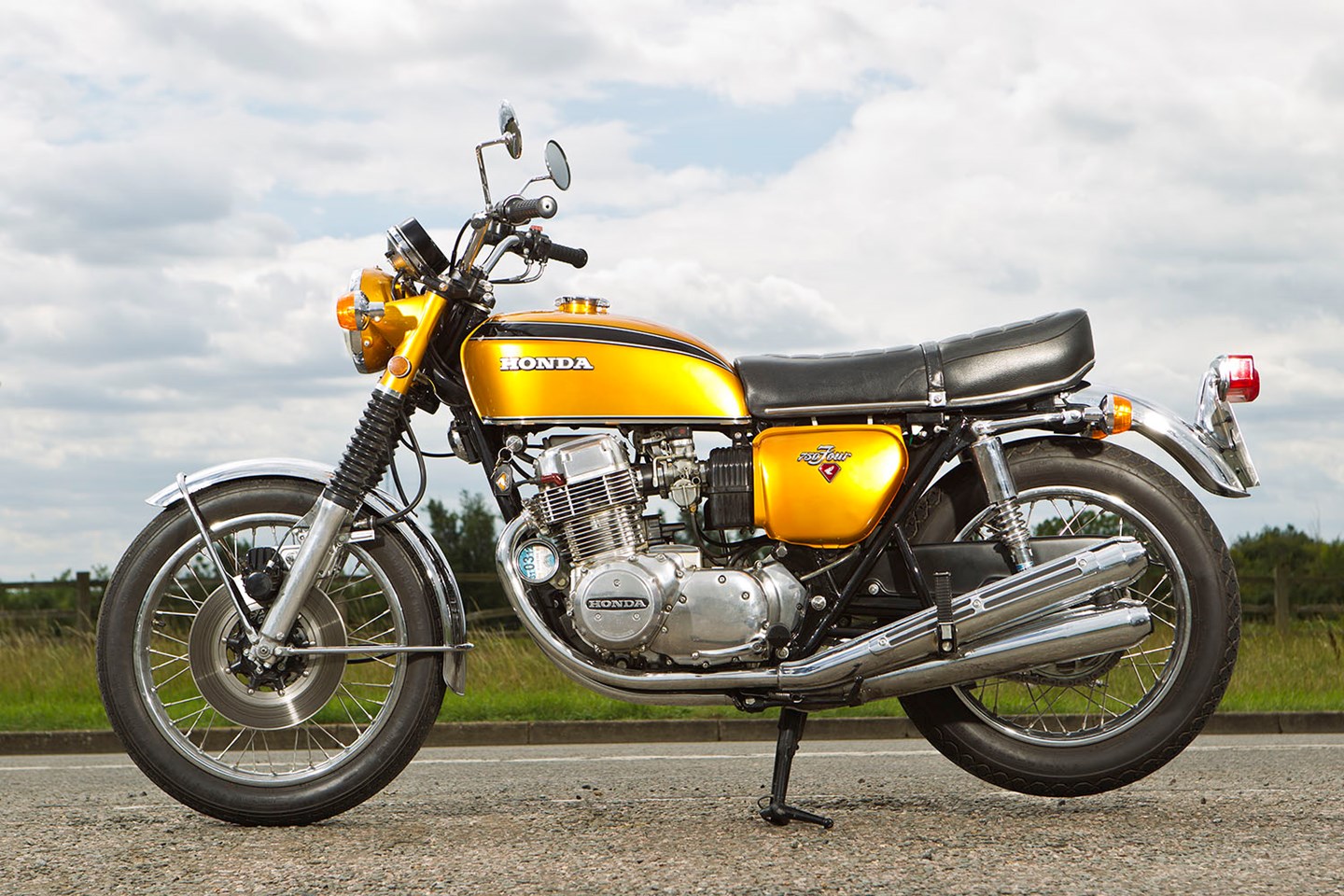
3. 1969 Honda CB750 Four
- Engine: 736 cc air-cooled inline four
- Horsepower: 67 hp
- Torque: 60 Nm
- Dimensions: Length 2160 mm, Width 840 mm
Dependability defined the 1969 Honda CB750 Four and reshaped expectations within the motorcycle industry. When it entered production, this machine introduced a level of mechanical order that everyday riders rarely experienced at the time. Electric start, a transverse four-cylinder engine, and dependable operation arrived together in a package that felt carefully planned rather than improvised.
Excitement did not form the center of its identity. Instead, reassurance and ease of use shaped its reputation, creating a motorcycle that emphasized confidence and consistency. Engine performance focused on smooth delivery rather than spectacle. Power built steadily across the rev range, allowing riders to maintain composure under varied conditions.
Throttle response remained predictable, reducing fatigue and lowering the learning curve for less experienced owners. Acceleration supported steady progress rather than aggressive launches. Exhaust sound stayed controlled and refined, reflecting an engineering mindset that favored civility above emotional intensity. Riders seeking raw mechanical drama sometimes felt detached, yet many appreciated the calm demeanor.
Handling characteristics aligned with its conservative engineering approach. Weight distribution prioritized straight-line stability, giving reassurance during highway travel. Steering inputs required intent, especially at lower speeds, yet the motorcycle responded consistently once settled into a line.
Suspension calibration leaned toward comfort, absorbing surface irregularities without harsh feedback. Extended journeys benefited from this setup, while spirited cornering exposed limitations that discouraged aggressive riding styles. Braking performance marked an improvement for its era, though modern evaluation reveals restraint.
Drum brakes demanded anticipation, particularly during repeated use. Stopping distances extended under pressure, requiring thoughtful planning from the rider. Feedback through the controls remained clear enough to judge braking effort, though confidence relied on familiarity rather than immediacy.
Visual presentation aged with dignity. Clean body lines, polished metal surfaces, and balanced proportions continue to appeal without reliance on decorative excess. Instrumentation stayed functional and readable, reinforcing its practical orientation. Seating position accommodated a broad range of body types, contributing to its reputation as an accessible motorcycle.
Maintenance remains one of its defining strengths. Honda engineering prioritized durability, and many examples continue operating decades after production. Mechanical systems respond well to routine servicing, and replacement components remain widely available. Ownership anxiety reduces considerably due to this reliability record, encouraging regular use rather than preservation alone.
Emotional connection varies among riders. Some value its steady character and mechanical honesty, while others seek stronger sensory engagement. Riding experience emphasizes function and reassurance above stimulation. Historical importance secures respect, yet passion may remain reserved. This balance places it firmly in the middle of the ranking, valued for reliability rather than excitement.
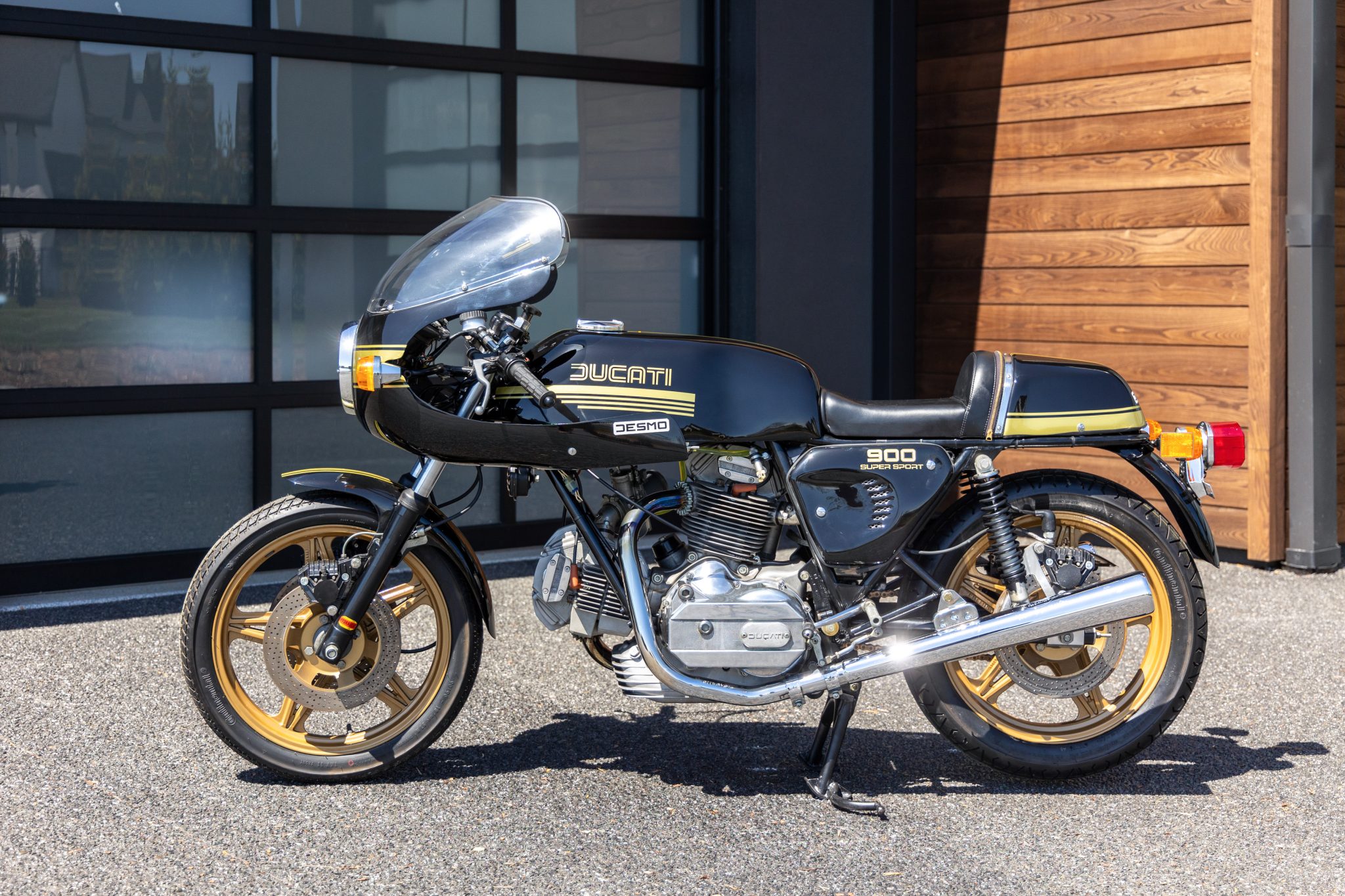
4. 1978 Ducati 900SS
- Engine: 864 cc air-cooled L-twin
- Horsepower: 80 hp
- Torque: 74 Nm
- Dimensions: Length 2150 mm, Width 780 mm
Intensity defines the 1978 Ducati 900SS, presenting a motorcycle shaped by racing priorities and demanding expectations. Italian engineering philosophy guided its creation, favoring engagement and precision over convenience. Riders encounter a machine that communicates clearly and persistently, offering a reward only to those willing to invest effort and understanding. Ownership carries responsibility, and satisfaction depends heavily on commitment.
Engine character forms the core of its identity. The L twin configuration delivers power pulses that feel deliberate and alive. Torque arrives with authority, encouraging careful gear selection and thoughtful throttle control. Mechanical sound resonates strongly, reinforcing a sense of involvement with each input. Feedback never fades into the background, reminding riders that this motorcycle expects attention and respect.
Chassis design supports confident cornering. Weight distribution encourages controlled entry, and frame rigidity communicates road conditions directly. Suspension components favor precision rather than forgiveness, rewarding disciplined technique. Errors receive immediate feedback, while skilled riding produces a sense of unity between machine and operator. This setup suits focused riding sessions rather than casual travel.
Ergonomic layout challenges comfort expectations. Clip-on handlebars position the rider forward, placing strain on wrists and shoulders during extended use. Seat padding remains minimal, reinforcing the machine’s performance orientation. Long-distance riding demands physical endurance, limiting practicality for relaxed touring. Short, purposeful rides align better with its intentions.
Maintenance requirements test dedication. Desmodromic valve systems require technical knowledge and careful adjustment. Service intervals demand attention, and parts sourcing may involve patience. Reliability improves with meticulous care, while neglect leads to rapid deterioration. Ownership favors enthusiasts prepared to accept mechanical responsibility.
Styling communicates purpose without hesitation. Fairing contours, exposed mechanical elements, and a low stance project intent instantly. Visual presence feels deliberate, avoiding unnecessary ornamentation. Design consistency reinforces its racing heritage and timeless appeal.
Emotional reward depends on alignment between rider expectations and machine character. Those seeking visceral involvement often find deep satisfaction. Riders prioritizing ease encounter frustration. This dual nature defines its position in the ranking. Admiration remains strong, yet demands keep it just below the top tier.
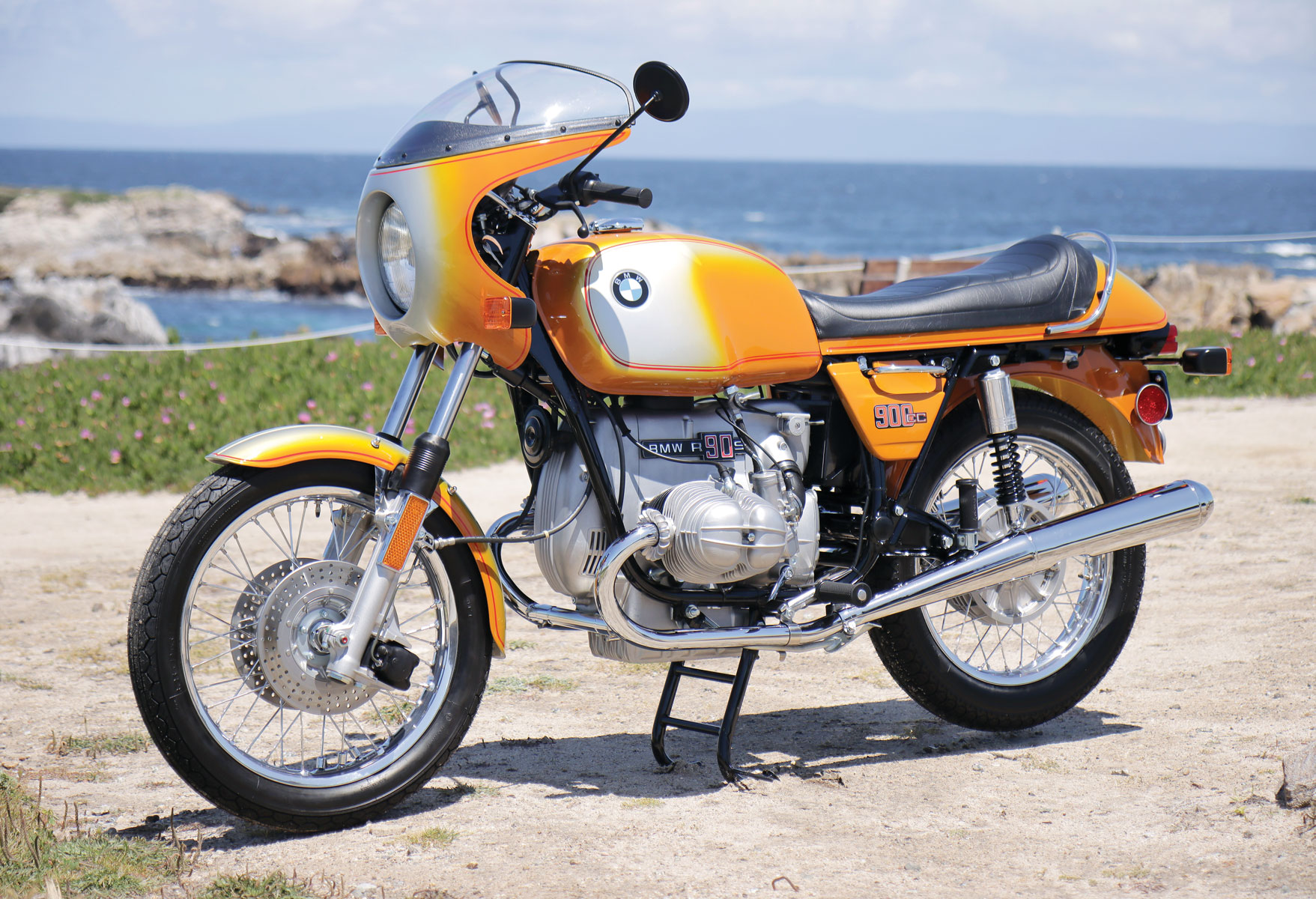
5. 1976 BMW R90S
- Engine: 898 cc air-cooled boxer twin
- Horsepower: 67 hp
- Torque: 76 Nm
- Dimensions: Length 2220 mm, Width 870 mm
Confidence defines the 1976 BMW R90S in a restrained and disciplined manner that reflects its engineering background. This motorcycle emerged during a period when German manufacturers prioritized durability, balance, and mechanical order. Instead of relying on dramatic styling or emotional excess, it presents itself as a machine designed for riders who value composure and methodical performance.
Initial impressions may feel understated, yet extended ownership often reveals depth that grows through continued use. Engine performance establishes the foundation of its character. An air-cooled boxer twin delivers power in a calm and measured fashion, avoiding sharp responses or sudden surges.
Acceleration develops smoothly, allowing riders to maintain steady speed without constant adjustment. Highway riding highlights its strengths, where sustained motion feels effortless and composed. Rather than chasing excitement, this engine supports consistency, encouraging long-distance travel with minimal strain.
Handling reflects the same philosophy. Steering inputs translate predictably, offering reassurance during extended rides. Suspension calibration absorbs surface irregularities without producing excessive movement, keeping the motorcycle planted. While tight corners demand deliberate input due to size and weight, sweeping roads allow the chassis to demonstrate balance and stability. Urban riding can feel demanding, yet open roads reward patience and smooth technique.
Braking capability aligns with expectations of its production period. Dual front disc brakes provide adequate stopping power when applied thoughtfully. Sudden braking reveals limitations, making anticipation important. Feedback through the lever remains steady, allowing riders to judge pressure accurately. This system supports controlled riding rather than aggressive behavior.
Comfort stands as a major strength. Seating encourages an upright posture that reduces fatigue during extended journeys. Leg positioning feels natural, supporting relaxed control. A small front fairing offers wind deflection without obstructing visibility, improving riding comfort at higher speeds. Long-distance touring suits this motorcycle well, aligning with its design intent.
Maintenance practices reward careful ownership. Valve adjustments remain accessible, and the mechanical layout supports straightforward servicing. Reliability improves with routine attention, and mechanical durability remains one of its strongest traits. Availability of replacement parts benefits from long-standing support networks and specialist suppliers, ensuring continued usability.
Visual presentation balances sport influence with restraint. Paint finishes, fairing contours, and structural proportions create a purposeful appearance without unnecessary decoration. Age has treated the design kindly, preserving dignity rather than relying on nostalgia.
Ownership satisfaction develops steadily through reliability and composure. Riders seeking calm assurance often find this motorcycle deeply rewarding, earning it respect through measured confidence rather than excitement.
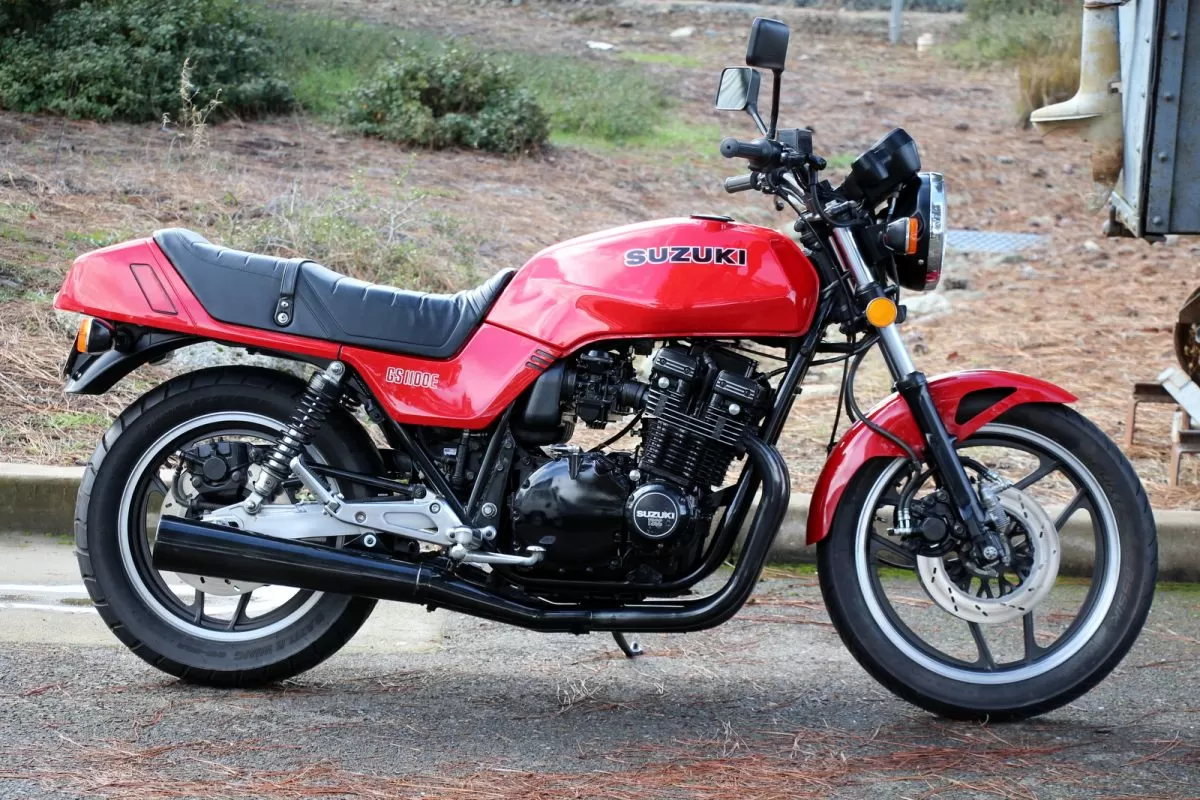
6. 1983 Suzuki GS1100E
- Engine: 1074 cc air-cooled inline four
- Horsepower: 108 hp
- Torque: 95 Nm
- Dimensions: Length 2225 mm, Width 850 mm
Authority defines the 1983 Suzuki GS1100E through strength and directness. Produced during an era focused on raw performance, this motorcycle communicates its purpose immediately. Design choices favor output and presence, leaving little ambiguity regarding its intentions.
Riders approach it expecting power, and the machine delivers without hesitation. Its character centers on capability rather than refinement, appealing to those who appreciate assertive performance. Engine output dominates the riding experience. An inline four-cylinder configuration produces strong acceleration across a wide rev range.
Throttle response feels immediate, enabling rapid progress during highway riding. Torque arrives early enough to reduce frequent gear changes, while high-speed performance remains available when required. This engine rewards confident throttle use, delivering speed with consistency and authority.
Chassis behavior supports straight-line confidence. Weight distribution favors stability, allowing composed acceleration and controlled cruising. Direction changes require commitment due to mass and geometry, yet predictability remains intact. Suspension settings lean toward firmness, transmitting road information clearly. Smooth pavement suits this setup well, while uneven surfaces reveal stiffness that demands rider adaptation.
Braking systems reflect improvement compared to earlier designs. Dual front discs provide dependable stopping ability under normal riding conditions. Hard braking exposes limitations, encouraging riders to manage speed proactively. Lever feedback remains consistent, aiding control during deceleration. Braking performance aligns with the motorcycle’s power-oriented identity.
Ergonomic layout accommodates daily use effectively. Seating balances sport intent with comfort, supporting both short rides and longer journeys. Handlebar placement allows good leverage, and foot control positioning feels intuitive. Instrument visibility remains clear, contributing to confident operation at speed.
Reliability contributes strongly to its reputation. Engines regularly achieve high mileage when maintained properly. Mechanical components demonstrate durability, and electrical systems perform dependably. Routine servicing remains straightforward, reinforcing its appeal as a usable performance motorcycle.
Styling communicates strength through sharp lines and assertive proportions. Fuel tank shape, minimal ornamentation, and muscular stance project confidence. Design aging has been favorable, preserving appeal without reliance on period trends. Riding experience emphasizes direct power delivery and stability. Riders seeking straightforward performance often appreciate its honesty, securing its position through strength and dependability rather than subtlety.
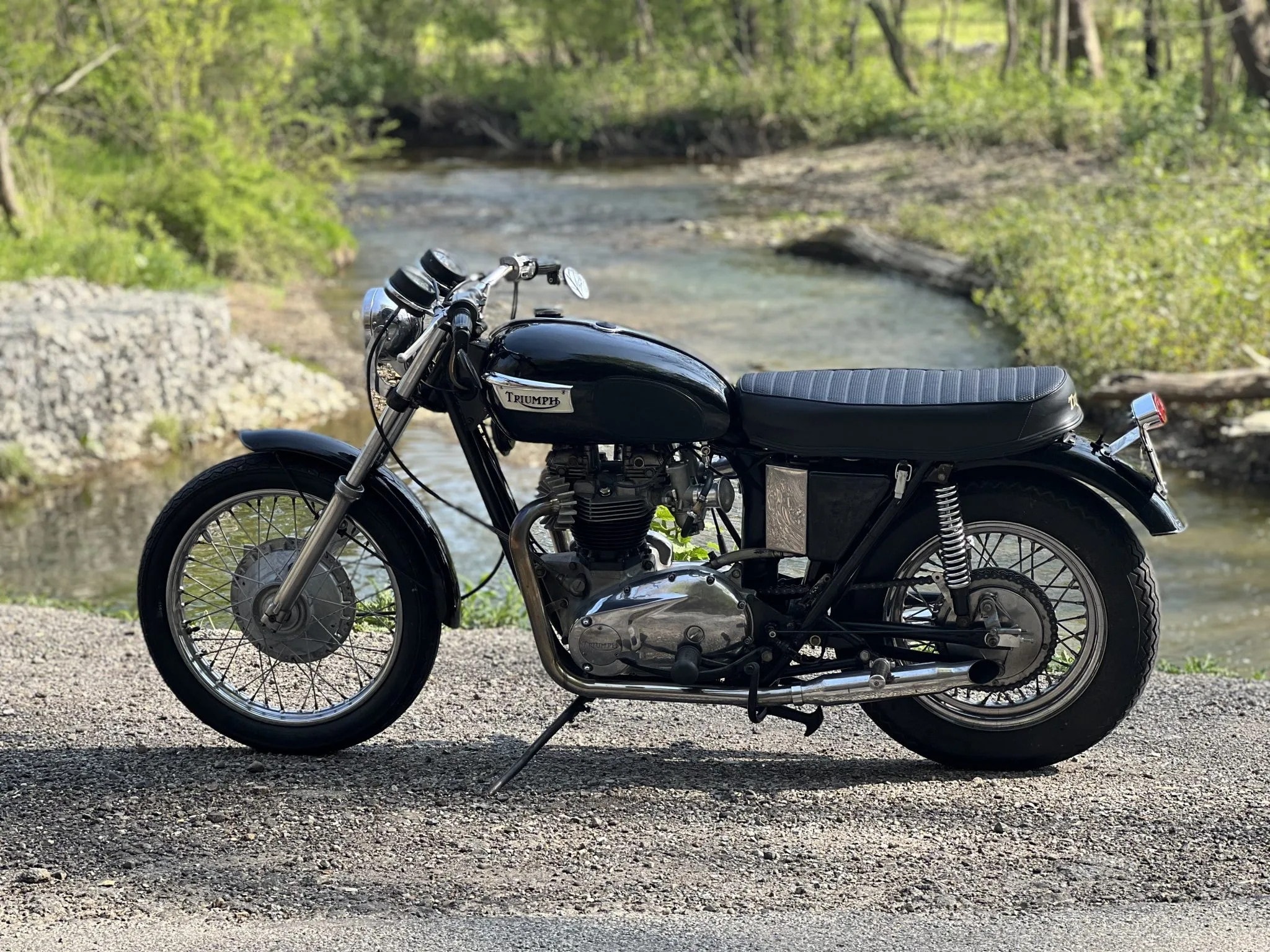
7. 1971 Triumph Bonneville T120R
- Engine: 649 cc air-cooled parallel twin
- Horsepower: 46 hp
- Torque: 54 Nm
- Dimensions: Length 2150 mm, Width 800 mm
Character expresses itself clearly through the 1971 Triumph Bonneville T120R, a motorcycle that reflects British motorcycling values from an earlier generation. This model does not rely on numbers, speed charts, or modern benchmarks to justify its reputation. Instead, it delivers satisfaction through feel, sound, and mechanical honesty.
Riders drawn to authenticity often find this motorcycle appealing because it rewards attention and respect rather than demanding aggressive riding habits. Engine behavior defines much of the experience. A parallel twin layout produces a rhythmic pulse that communicates directly with the rider. Throttle input translates into movement with clarity, creating a sense of cooperation between machine and rider.
Power delivery favors steady progress rather than urgency, encouraging measured riding and thoughtful gear selection. While acceleration may appear restrained by present standards, engagement remains constant, and that involvement becomes the true attraction. Handling reflects a balance between simplicity and responsiveness. A slim frame and narrow dimensions allow easy maneuvering through traffic and relaxed confidence on open roads.
Direction changes occur without resistance, and the motorcycle responds willingly to rider input. Suspension components follow a traditional design, offering limited adjustment yet delivering consistent road feedback. Bumpy surfaces are communicated clearly, allowing the rider to adapt without surprise.
Braking performance demands awareness. Drum brakes require deliberate input and proper setup to function at their best. Sudden stops call for anticipation rather than reaction. This characteristic encourages a calm riding approach, where planning ahead becomes part of the enjoyment. Many owners accept this trait as part of the motorcycle’s personality rather than a flaw.
Comfort aligns with expectations of its era. Seating allows a natural upright posture, reducing strain during extended rides. Foot pegs and controls feel logically positioned, supporting intuitive operation. Wind protection remains minimal, reinforcing the open riding experience that defined motorcycles of this period. Exposure to the elements becomes part of the appeal rather than an inconvenience.
Ownership brings responsibility. Routine attention to oil sealing, electrical components, and carburetor balance forms part of regular use. Mechanical familiarity proves helpful, as maintenance requires patience and understanding. Riders who embrace this relationship often report deeper satisfaction, viewing upkeep as participation rather than obligation.
Visual appeal remains strong decades after release. Chrome finishes, fuel tank proportions, and exhaust routing create a look that resists aging. Presence feels genuine and unforced, avoiding exaggerated styling trends. This motorcycle rewards emotional attachment and mechanical appreciation. Riders seeking connection rather than speed frequently regard it as one of the most fulfilling vintage choices available.
Also Read: 8 Cruiser Motorcycles With Engines Over 1,800 CC
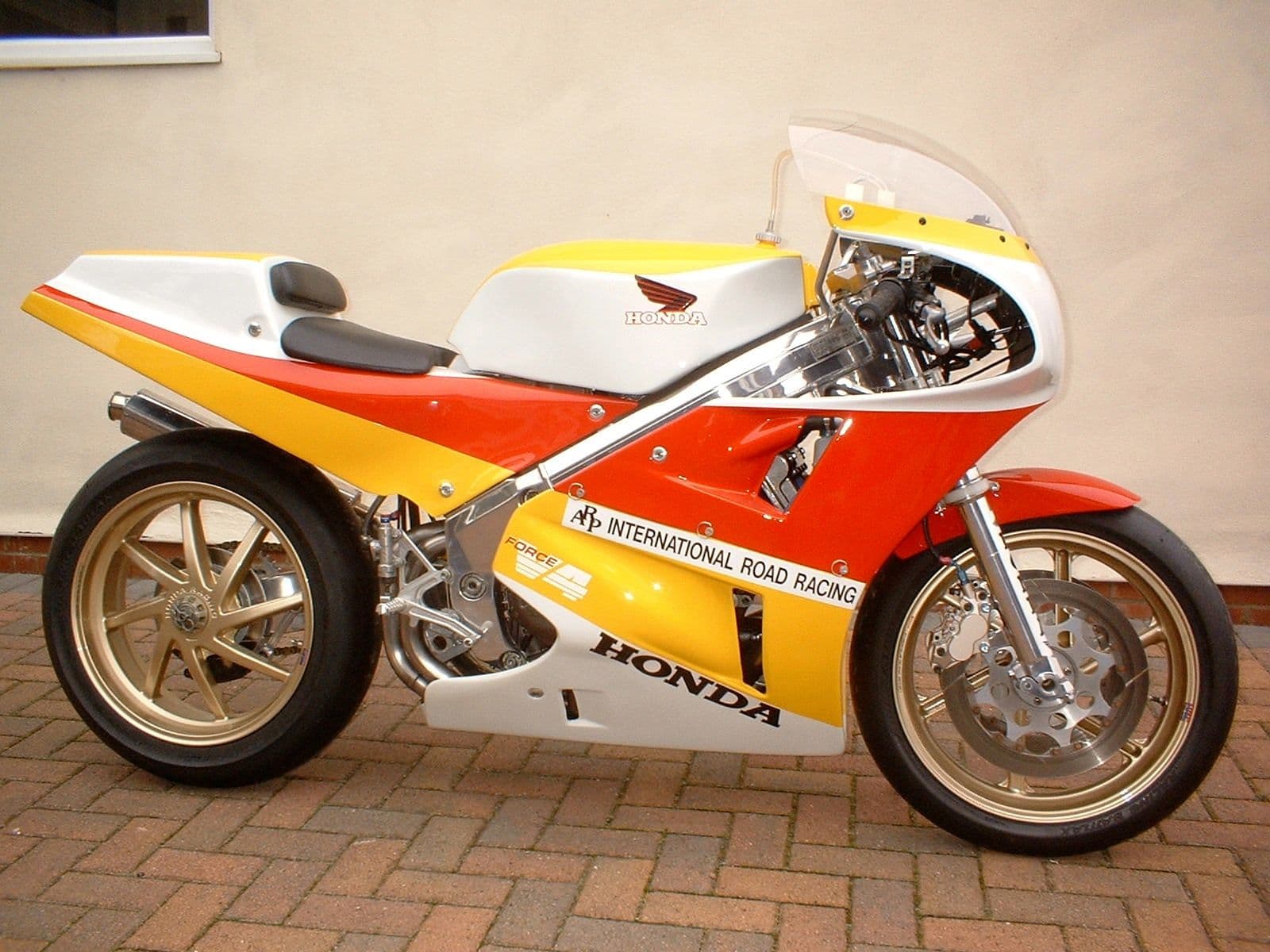
8. 1989 Honda RC30 VFR750R
- Engine: 748 cc liquid-cooled V-four
- Horsepower: 112 hp
- Torque: 75 Nm
- Dimensions: Length 2105 mm, Width 685 mm
Engineering ambition reaches an exceptional level with the 1989 Honda RC30 VFR750R, a motorcycle developed with competition priorities at its core. Designed to meet racing homologation requirements, this model represents a deliberate blend of precision, durability, and performance focus. Ownership carries a sense of responsibility, as each component reflects careful intent rather than mass production convenience.
Engine performance stands as a defining strength. A V four configuration delivers smooth power delivery combined with urgency at higher engine speeds. Throttle response remains immediate yet controlled, allowing confident acceleration without abrupt behavior.
Power builds progressively, rewarding riders who respect its performance envelope. Mechanical refinement supports both spirited riding and composed cruising, reflecting detailed engineering choices. Chassis construction reinforces stability and control. An aluminum frame provides structural stiffness while maintaining reasonable weight distribution.
Suspension systems respond with accuracy, maintaining composure under braking and during corner entry. Road contact feels secure, and rider confidence grows quickly. Even casual riding reveals its competition roots through precise feedback and predictable behavior.
Braking capability reflects high standards. Dual front disc brakes provide strong stopping power with clear modulation. Lever feel allows controlled pressure application, supporting aggressive riding when conditions permit. Rear braking assists balance without distraction, contributing to controlled deceleration. Performance remains dependable across repeated use, reflecting durability expectations from its design brief.
Ergonomic layout favors focus and control. Riding posture leans forward, placing emphasis on front wheel awareness and body positioning. Long journeys remain possible, though comfort yields to engagement. Control placement encourages active participation, aligning with its performance purpose rather than relaxed touring.
Maintenance requirements reflect specialization. Service tasks demand experience, and replacement components carry a premium cost. Mechanical complications require careful handling, reinforcing its status as a serious machine. Owners often treat maintenance as preservation, recognizing its place in motorcycling history.
Styling communicates intent without excess. A single-sided swingarm, endurance racing proportions, and restrained visual details create a strong identity. Appearance feels purposeful rather than decorative. Every ride reinforces the reason for its creation. The balance between reliability, performance, and craftsmanship places this motorcycle at the highest rank, earning respect through substance rather than reputation.
