Luxury vehicles are judged by far more than prestige badges or straight-line speed. Buyers paying premium prices expect comfort, refined engineering, reliability, advanced technology, and strong long-term value. For decades, Lexus has built a reputation around many of these qualities, earning loyalty through quiet cabins, smooth drivetrains, solid build quality, and lower ownership stress than many luxury rivals.
Still, not every Lexus delivers the same value for money. Some models justify their premium pricing with excellent durability, strong resale performance, and ownership experiences that remain satisfying years after purchase. These vehicles often compete favorably with German competitors while avoiding the high maintenance costs that can accompany luxury ownership.
Others, however, struggle to stand out. Certain Lexus models feel overpriced when compared with rivals offering sharper performance, fresher technology, or greater practicality at similar prices. Aging platforms and conservative updates can also leave some vehicles feeling less competitive than their premium positioning suggests.
This comparison explores both sides, highlighting Lexus models that genuinely earn their price tags and those that may leave buyers questioning the value.
Also Read: 10 Vintage Cars Worth More Than A Ferrari
3 Lexus Models Worth Every Dollar
Luxury car buyers rarely spend money based only on horsepower figures or exterior styling. When someone purchases a Lexus, they expect refinement, comfort, reliability, strong craftsmanship, and a driving experience that continues feeling premium years after the excitement of delivery day disappears.
That expectation is exactly why certain Lexus models have earned loyal followings around the world. These vehicles justify their pricing not because they are the fastest or most aggressive in their segments, but because they consistently deliver quality in areas that matter during long-term ownership.
Some Lexus models stand out by combining engineering durability with genuine luxury. They offer interiors that remain comfortable after hundreds of highway miles, drivetrains that age gracefully, and cabins designed with attention to detail rather than flashy distractions.
In many cases, they also provide ownership confidence missing from several European luxury competitors that may offer more dramatic performance but can become extremely expensive to maintain over time. Buyers paying premium prices appreciate vehicles that feel dependable as well as luxurious.
The models featured in this section represent Lexus at its strongest. Each one succeeds for different reasons. One delivers flagship sedan refinement with exceptional comfort and craftsmanship.
Another blends true off-road capability with luxury SUV comfort in ways few competitors can match. The final vehicle proves that emotional driving experiences and long-term reliability can exist together in the same premium coupe.
These are not simply expensive cars wearing a respected badge. They are vehicles that continue satisfying owners years after purchase because their engineering, design, and real-world usability justify the money spent.
In a market crowded with luxury vehicles chasing trends, these Lexus models remind buyers why thoughtful refinement and consistency still matter.
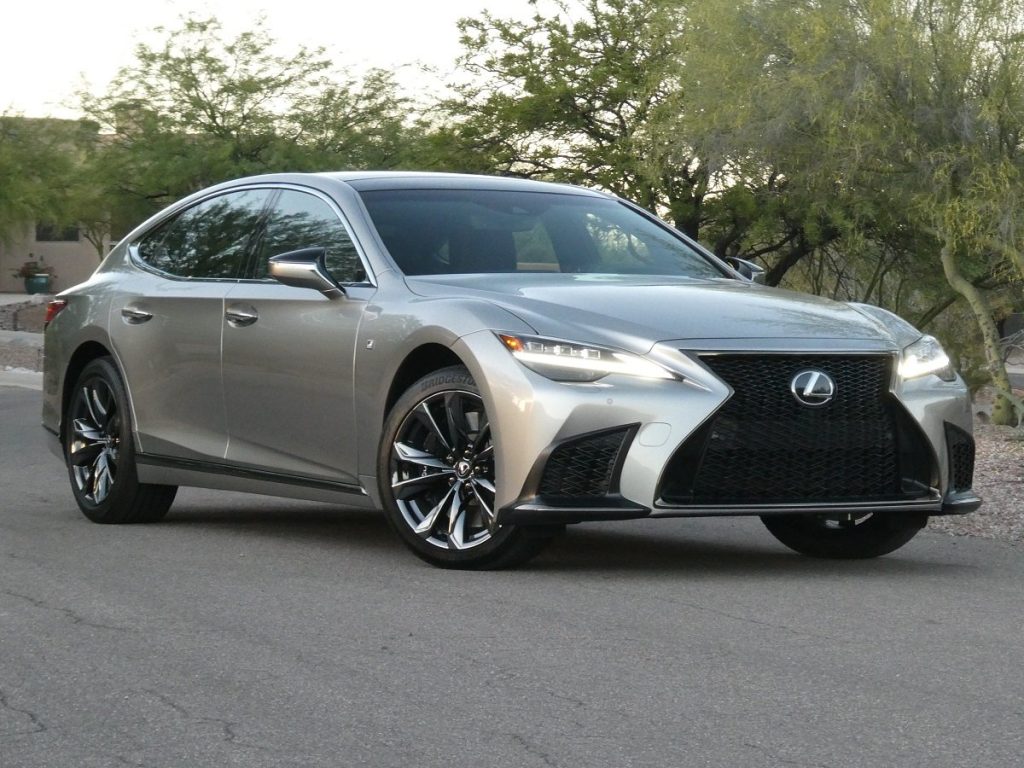
1. Lexus LS 500
The Lexus LS represents the clearest example of Lexus’s engineering philosophy executed at the highest level.
While many flagship luxury sedans chase aggressive performance numbers or flashy technology gimmicks, the LS 500 prioritizes refinement, comfort, craftsmanship, and long-distance serenity in ways that feel increasingly rare in the modern luxury market.
Buyers who spend serious time behind the wheel often realize the value of the LS is not found in headline statistics but in the consistency of its execution.
One of the strongest reasons this sedan deserves its premium price is the attention given to cabin isolation and material quality. The interior feels handcrafted rather than mass-produced. Door panels, leather surfaces, switchgear, and seating materials display a level of detail that rivals or surpasses several European competitors, costing more money.
Lexus engineers focused heavily on noise suppression, and the result is a cabin environment that remains impressively calm even at highway speeds. Long journeys become far less tiring because wind noise, vibration, and harsh road impacts are controlled so effectively.
The twin turbocharged V6 engine may not sound as dramatic as a large naturally aspirated V8 from older luxury sedans, but it delivers strong, smooth power that fits the car’s mission perfectly. Acceleration is effortless rather than aggressive.
More importantly, the drivetrain works with remarkable smoothness in daily driving situations. Gear transitions are subtle, throttle response remains predictable, and the suspension absorbs road imperfections without creating the disconnected floating sensation that hurts driver confidence in some large luxury sedans.
Another reason the LS 500 earns praise is long-term ownership confidence. Flagship German sedans often become extremely expensive to maintain as electronics and complex suspension systems age.
The Lexus approach emphasizes durability alongside luxury, helping the LS retain strong resale value and lower ownership anxiety. Buyers spending this kind of money appreciate knowing the vehicle is engineered for longevity instead of short-term showroom excitement.
Technology integration also deserves recognition because Lexus avoids overwhelming drivers with excessively complicated interfaces.
The features support the luxury experience without dominating it. Heated and ventilated seating, premium audio systems, driver assistance technologies, and rear passenger comfort options all contribute to a genuinely premium environment rather than feeling like marketing additions.
For buyers wanting a luxury sedan that prioritizes comfort, craftsmanship, reliability, and refinement above trend-chasing theatrics, the LS 500 consistently justifies its cost. It feels expensive because tremendous engineering effort went into creating a calming and exceptionally polished driving experience.
- Engine: 3.4-liter twin-turbocharged V6
- Torque: 442 lb ft
- Horsepower: 416 hp
- Length/Width: 206.1 inches / 74.8 inches
2. Lexus GX 550
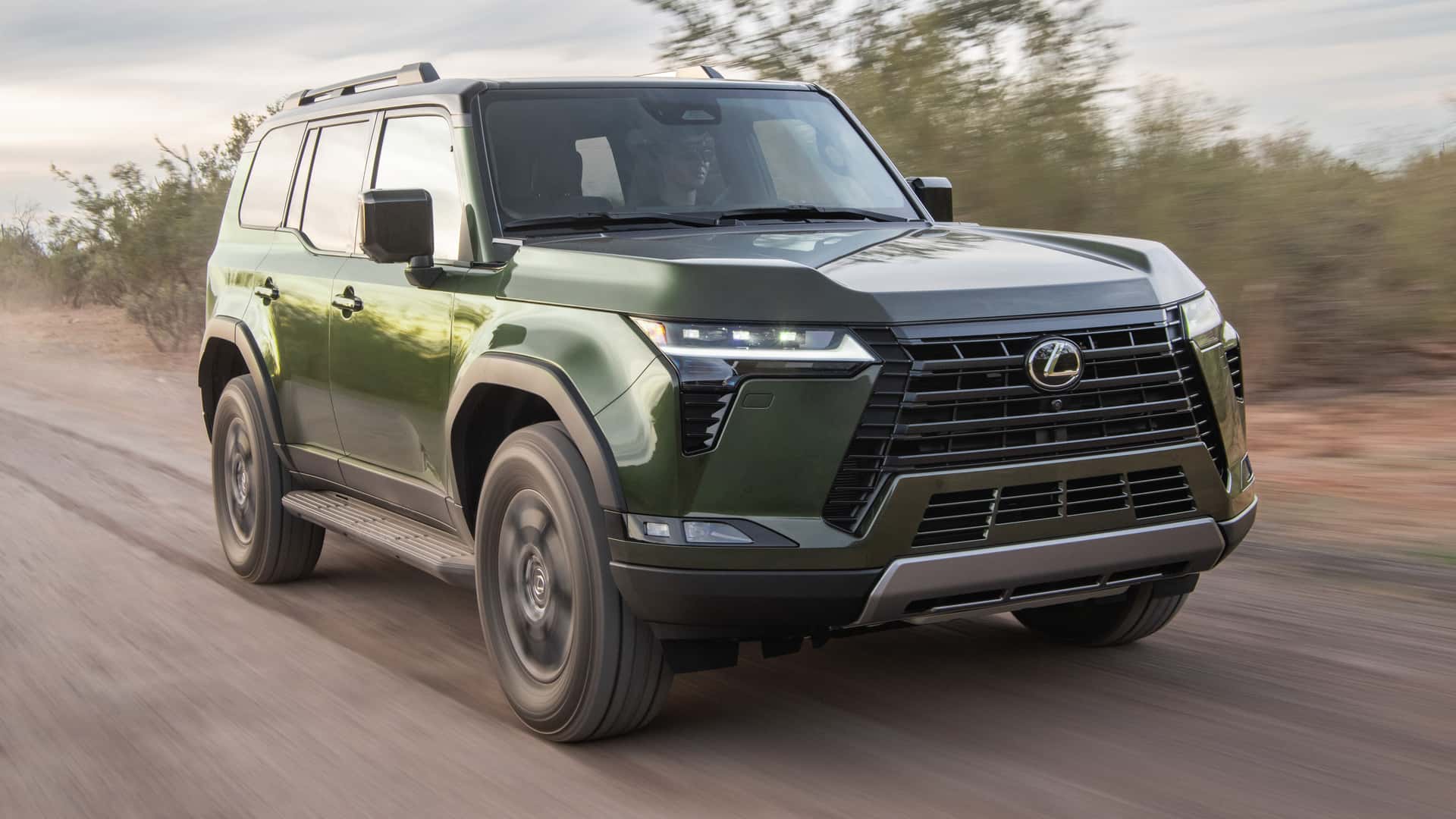
Luxury SUVs have become crowded with vehicles promising rugged styling while rarely leaving paved roads. The Lexus GX stands apart because it combines genuine off-road engineering capability with premium comfort in a way few competitors manage successfully.
The newest GX 550 especially feels worth its asking price because it delivers real substance underneath the luxury image rather than relying only on appearance packages and oversized wheels.
The biggest reason the GX 550 deserves recognition is its body-on-frame construction paired with advanced off-road hardware. Many luxury SUVs now use softer crossover platforms focused primarily on urban driving.
Lexus instead built the GX to handle demanding terrain while maintaining luxury-level comfort for daily commuting. That dual personality gives buyers much greater capability than they may ever use, but it also creates a feeling of durability and toughness absent in many competitors.
Inside the cabin, Lexus balanced rugged character with upscale execution surprisingly well. The controls feel solid and purposeful, while seating comfort and material quality maintain the premium atmosphere buyers expect at this price point.
Large windows improve visibility, which matters both during city driving and outdoor adventures. The cabin design avoids excessive futuristic styling trends and instead focuses on practical usability, something many luxury buyers increasingly appreciate.
Performance from the twin-turbocharged V6 engine gives the GX stronger acceleration and better drivability than older generations. Power delivery feels smooth and confident, especially during highway merging or while carrying passengers and cargo.
The suspension tuning deserves credit because it maintains composure on rough surfaces without making normal road driving uncomfortable. Lexus engineers clearly understood that many buyers want a luxury SUV capable of towing, road trips, harsh weather travel, and occasional trail usage without sacrificing comfort.
Another factor making the GX worth every dollar is its long-term ownership reputation. Historically, Lexus SUVs have developed loyal followings because they age gracefully and maintain strong resale values.
Buyers paying premium prices often calculate ownership costs over many years rather than only the initial purchase price. In that context, the GX frequently becomes easier to justify than European rivals with more questionable reliability records and expensive repair histories.
The SUV also benefits from timeless design proportions. Instead of looking overly aggressive or trendy, the GX projects confidence through its upright shape and muscular stance.
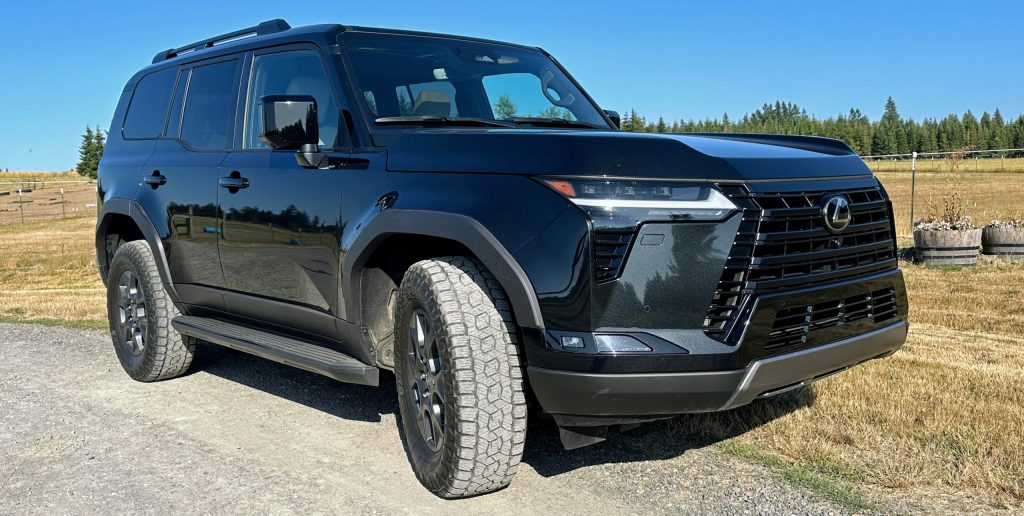
That matters because luxury SUVs often remain with owners for years, and timeless styling tends to age much better than fashionable design experiments.
For buyers wanting authentic capability blended with premium comfort and dependable engineering, the GX 550 delivers a convincing package that genuinely earns its luxury pricing.
- Engine: 3.4-liter twin-turbocharged V6
- Torque: 479 lb ft
- Horsepower: 349 hp
- Length/Width: 197.0 inches / 78.0 inches
3. Lexus LC 500
The Lexus LC succeeds because it offers something many modern luxury performance cars have started losing: emotional character.
While countless premium coupes chase lap times, digital displays, and turbocharged efficiency, the LC 500 focuses on delivering a memorable driving experience built around sound, design, craftsmanship, and balance.
It feels like a vehicle engineered by people passionate about cars rather than by marketing departments studying trends.
One of the first things that makes the LC 500 worth its premium price is its design presence. Even years after its launch, the coupe still turns heads everywhere because it avoids generic luxury styling.
The long hood, wide stance, dramatic lighting elements, and flowing body lines create proportions that resemble an exotic sports car far more expensive than its actual price tag. Many luxury coupes in this segment blend visually, but the LC has genuine personality.
The naturally aspirated V8 engine plays a major role in why enthusiasts admire this car so much. In an era dominated by smaller turbocharged engines, Lexus kept a large displacement V8 that delivers immediate throttle response and an unforgettable soundtrack.
The powertrain feels alive throughout the rev range, rewarding drivers who enjoy mechanical connection instead of isolated speed. It is not simply about acceleration numbers. The sound, smoothness, and character transform ordinary drives into experiences that owners genuinely look forward to.
Inside, the cabin demonstrates why Lexus remains respected for craftsmanship. The seats provide excellent comfort for long-distance touring while still supporting spirited driving.
Alcantara, leather, magnesium trim, and detailed stitching give the interior a handmade atmosphere that separates it from competitors relying heavily on glossy screens and touch-sensitive controls. The LC feels expensive because nearly every surface and interaction point reflects careful attention to detail.
Ride quality also deserves praise because the LC balances comfort and handling extremely well. Some sports coupes become tiring during everyday use because of stiff suspension tuning and constant road noise.
Lexus instead created a grand touring machine capable of relaxed highway cruising while still maintaining athletic capability on winding roads. That balance makes the car more enjoyable in real-world driving situations than some harsher, performance-focused rivals.
Another reason the LC 500 justifies its cost is rarity. Buyers see German luxury coupes everywhere, but the LC remains relatively uncommon. Owners enjoy exclusivity without entering ultra-exotic pricing territory.
Combined with Lexus’s reliability and stronger long-term durability expectations, the car becomes easier to defend financially than several European alternatives with unpredictable maintenance histories.
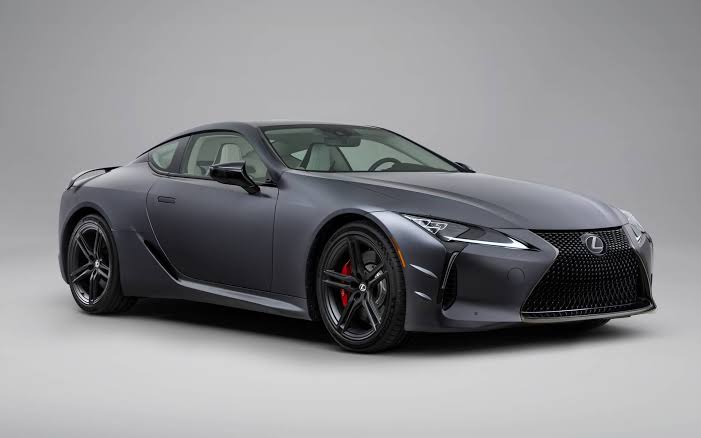
The LC 500 proves luxury performance does not always need extreme horsepower figures or complicated technology demonstrations. Sometimes the best value comes from a vehicle that consistently delivers beauty, craftsmanship, sound, comfort, and emotional satisfaction every time the engine starts.
- Engine: 5.0-liter naturally aspirated V8
- Torque: 398 lb ft
- Horsepower: 471 hp
- Length/Width: 187.4 inches / 75.6 inches
3 Overpriced Lexus Models
A luxury badge does not always guarantee strong value, and even Lexus has models that struggle to justify their premium pricing. Many still deliver the brand’s familiar strengths, including comfort, reliability, and refined ride quality, but some feel less convincing when placed beside rivals offering sharper performance, newer technology, or greater practicality at similar prices.
As buyer expectations continue rising, luxury vehicles are expected to deliver far more than a quiet cabin and premium image. This section examines Lexus models that may feel overpriced once factors like performance, features, daily usability, ownership experience, and market competition are carefully considered.
1. Lexus UX 250h
The Lexus UX enters the luxury crossover market with impressive fuel economy.
onomy and a premium badge, but many buyers quickly realize the pricing feels difficult to justify once the entire package is examined carefully. While the UX 250h certainly delivers typical Lexus reliability and efficiency advantages, its compromises become far more noticeable when compared against competitors offering more space, stronger performance, and better practicality for similar money.
One major issue is the interior room. The UX operates in the subcompact luxury category, yet rear passenger space and cargo capacity feel restrictive even by segment standards.
Adults sitting in the back often experience limited legroom, and the cargo area struggles to accommodate larger luggage or family hauling needs. Buyers stepping into a luxury crossover usually expect versatility alongside premium comfort, but the UX sacrifices too much usability for its exterior dimensions.
Performance is another reason some shoppers consider it overpriced. The hybrid system focuses heavily on fuel efficiency rather than engaging acceleration, which is understandable from an engineering perspective. However, the driving experience can feel underwhelming considering the cost.
Acceleration lacks urgency during highway merging or overtaking situations, and the continuously variable transmission creates a disconnected sensation that reduces driver involvement. Competitors at similar price points often provide more confident power delivery without sacrificing efficiency entirely.
Cabin quality remains respectable, but certain aspects do not fully support the premium pricing either. While front seat comfort and material selection are solid, some interior design elements feel closer to well-equipped mainstream vehicles than true luxury products.
Infotainment usability has also faced criticism because the interface can feel unnecessarily complicated compared with systems found in rival luxury crossovers.
Another challenge for the UX 250h is internal competition from within the broader Toyota family. Well-equipped Toyota hybrids now offer impressive refinement, technology, and fuel economy at substantially lower prices.
That overlap makes the Lexus premium harder to defend unless buyers place extremely high importance on branding and dealership experience.
The vehicle’s styling may appeal to urban buyers wanting a compact footprint, but the aggressive exterior design creates expectations that the driving experience does not fully support. It looks sharper and sportier than it feels from behind the wheel.
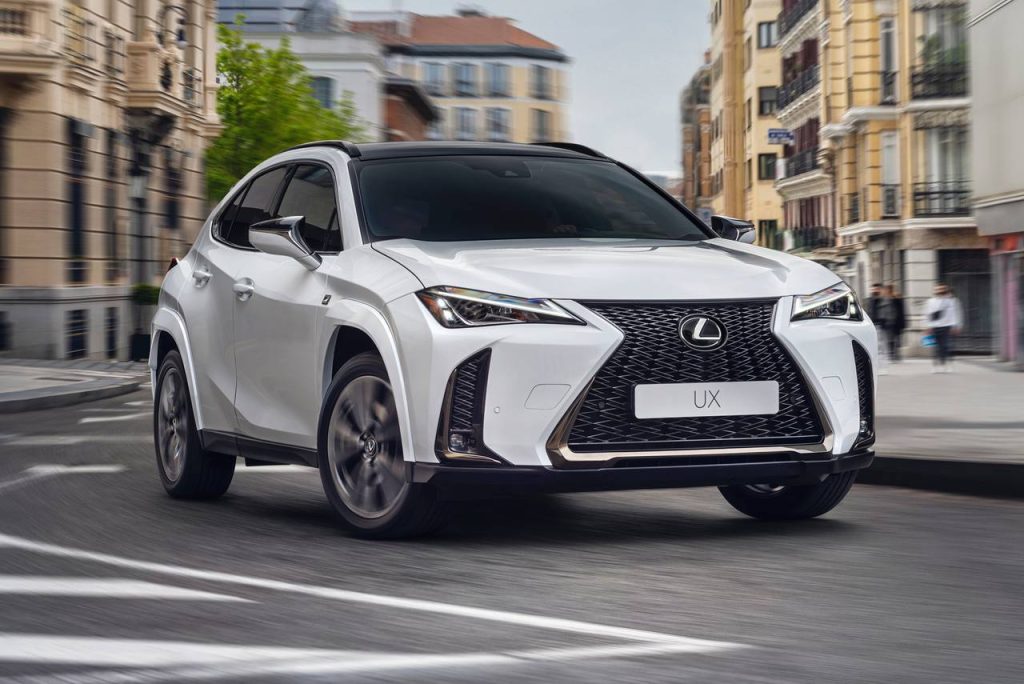
For some consumers, that mismatch creates disappointment once the novelty fades after ownership begins.
This does not make the UX 250h a bad vehicle. It remains dependable, efficient, and easy to drive in crowded city environments. The problem is value perception. Luxury buyers spending premium money often expect a more complete package than the UX delivers.
When practicality, performance, and interior versatility are weighed against the asking price, many shoppers may conclude the Lexus badge accounts for too much of the cost.
- Engine: 2.0-liter inline 4 hybrid
- Torque: 139 lb ft
- Horsepower: 181 hp
- Length/Width: 177.0 inches / 72.4 inches
2. Lexus RZ 450e
The Lexus RZ arrived with strong expectations because buyers anticipated Lexus would bring its reputation for refinement and reliability into the growing luxury electric vehicle market.
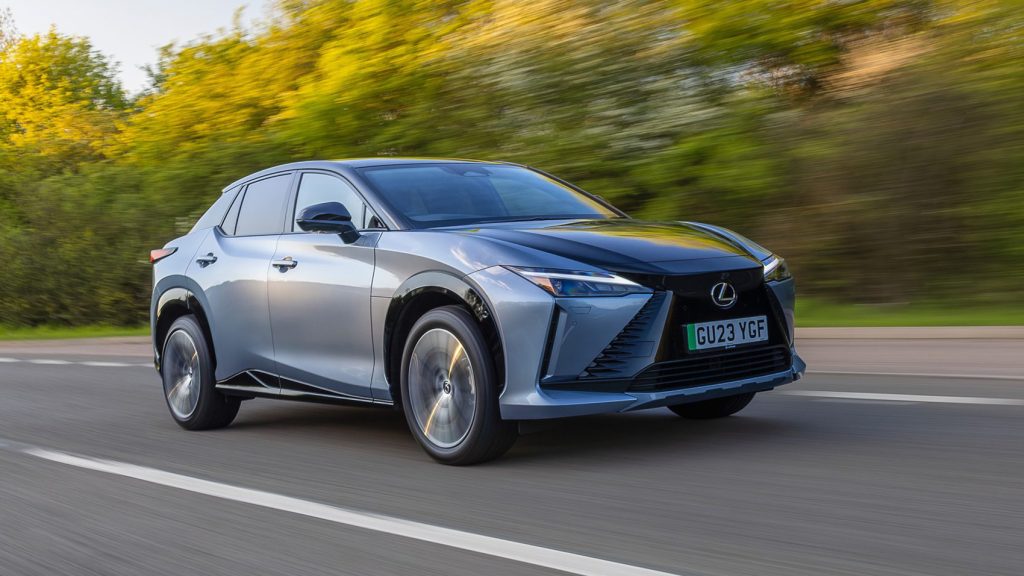
Unfortunately, the RZ 450e struggles to justify its premium pricing against increasingly competitive EV rivals that deliver better range, stronger charging capabilities, superior technology integration, or more exciting performance for similar money.
The biggest criticism centers around the driving range. Electric vehicle buyers paying luxury-level prices expect competitive efficiency and long-distance confidence, but the RZ falls behind several rivals in real-world range capability.
That limitation becomes especially noticeable because the luxury EV segment already includes vehicles capable of traveling significantly farther on a single charge. Buyers making frequent highway trips may find themselves planning charging stops more carefully than expected in a premium modern EV.
Charging performance also contributes to concerns about value. Fast charging capability matters enormously in electric vehicle ownership because convenience becomes directly tied to charging speed.
Competing luxury EVs often provide quicker charging solutions that reduce downtime during long journeys. The RZ does not feel class-leading in this area, which weakens its position considering its premium price category.
The driving experience itself leans heavily toward comfort and isolation rather than excitement. Lexus clearly wanted refinement to remain the primary focus, but the result can feel too conservative compared with electric rivals delivering sharper handling or more engaging acceleration characteristics.
Instant torque exists, as expected from an EV, yet the emotional connection remains limited. Buyers seeking excitement alongside luxury may leave unimpressed.
Interior quality is strong in traditional Lexus fashion, though some technology choices feel less advanced than those of competitors from newer EV-focused brands.
The cabin is comfortable and quiet, but many luxury EV shoppers now prioritize cutting-edge software integration, seamless interface design, and futuristic innovation as heavily as material quality. In that environment, the RZ can feel slightly behind the curve despite its premium presentation.
Pricing creates the largest problem. Consumers entering the luxury EV market have more options than ever before, including highly advanced offerings from established automakers and newer electric-focused manufacturers.
Against that backdrop, the RZ often appears expensive relative to the performance, charging capability, and technological advantages it provides.
There is still an audience for this vehicle. Buyers prioritizing quiet comfort, predictable reliability, and smooth daily commuting may appreciate the Lexus approach to electrification.
Yet from a pure value standpoint, the RZ 450e asks buyers to pay premium luxury EV money without delivering segment-leading strengths in the categories many modern EV shoppers care about most.
- Engine: Dual electric motors
- Torque: 320 lb ft
- Horsepower: 308 hp
- Length/Width: 189.2 inches / 74.6 inches
3. Lexus ES 250 AWD
The Lexus ES has long been associated with comfort, reliability, and smooth everyday driving, and many versions of the ES deserve praise for delivering exactly that.
The issue with the ES 250 AWD specifically is that its pricing starts to feel difficult to justify once buyers compare its performance, platform similarities, and feature balance against both competitors and even less expensive vehicles within the Toyota family.
It is not poorly built, nor is it uncomfortable. The challenge is that the value equation becomes questionable in this particular configuration.
The first thing many drivers notice is the modest performance output. Luxury buyers spending premium sedan money usually expect a powertrain that feels effortless during acceleration, especially when carrying passengers or merging onto highways.
The four-cylinder engine in the ES 250 AWD prioritizes efficiency and smoothness, but the car can feel slower than expected considering its upscale positioning.
Throttle response remains calm rather than energetic, and aggressive acceleration requests reveal the limitations of the smaller engine. Drivers expecting strong passing power may leave disappointed.
Another reason some buyers consider it overpriced is platform familiarity. The ES shares much of its architecture with the Toyota Avalon and Toyota Camry.
Platform sharing itself is not a problem because many luxury manufacturers do it successfully, but the overlap becomes more noticeable here because several mainstream Toyota products now deliver remarkably high refinement levels.
Once the price climbs with options and all-wheel drive additions, some consumers begin questioning whether the Lexus premium is substantial enough to justify the financial jump.
Interior comfort remains one of the ES 250 AWD’s strongest qualities. The seats are soft and supportive, cabin insulation is excellent, and ride quality handles rough pavement with impressive smoothness.
However, luxury expectations have changed dramatically in recent years. Buyers now compare technology interfaces, digital integration, and driver engagement just as heavily as comfort. In those areas, the ES sometimes feels conservative rather than truly premium.
Competitors from Germany and South Korea often present more visually modern cabins with stronger performance credentials at similar prices.
The all-wheel-drive system may attract buyers living in colder climates, but it also adds cost without transforming the vehicle into something more athletic or exciting. The sedan still behaves primarily as a comfort-oriented cruiser.
That leaves some shoppers wondering whether the extra expense genuinely improves the ownership experience enough to matter.
Resale value and long-term reliability still work strongly in the ES’s favor. Ownership stress remains lower than that of many rival luxury sedans, and maintenance costs are generally predictable.
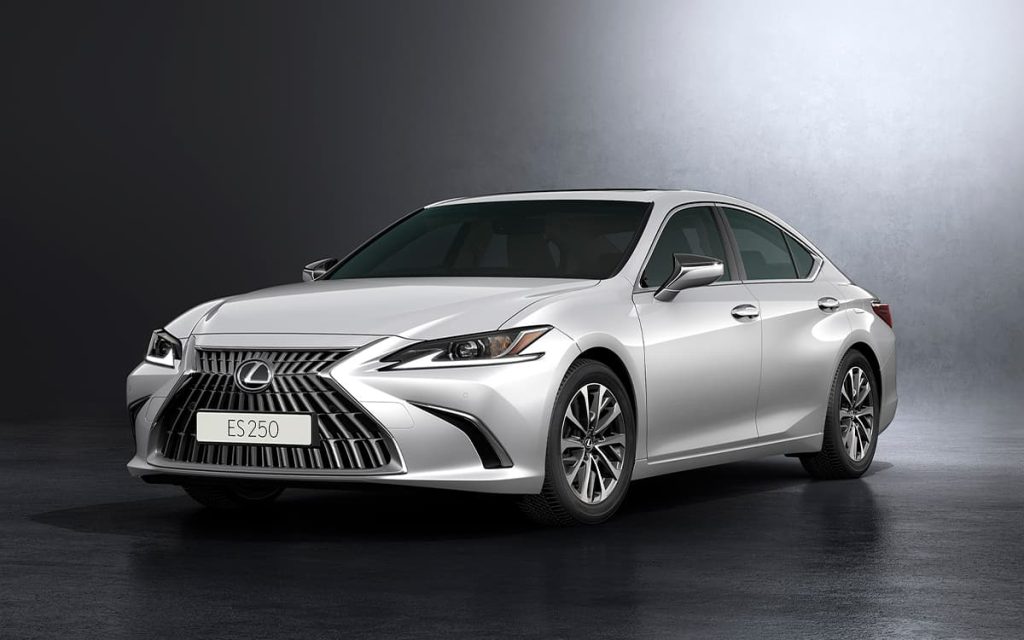
Yet being dependable does not automatically mean a vehicle is priced perfectly. The ES 250 AWD becomes difficult to defend financially because the premium over mainstream alternatives feels larger than the improvement in driving experience or luxury atmosphere.
For buyers who prioritize quiet commuting above everything else, the ES may still satisfy completely. But in terms of value relative to performance and market competition, the ES 250 AWD can feel more expensive than it should.
- Engine: 2.5-liter inline 4
- Torque: 182 lb ft
- Horsepower: 203 hp
- Length/Width: 195.9 inches / 73.4 inches
Also Read: 10 Modified Mustangs That Are Better Than A Ferrari