
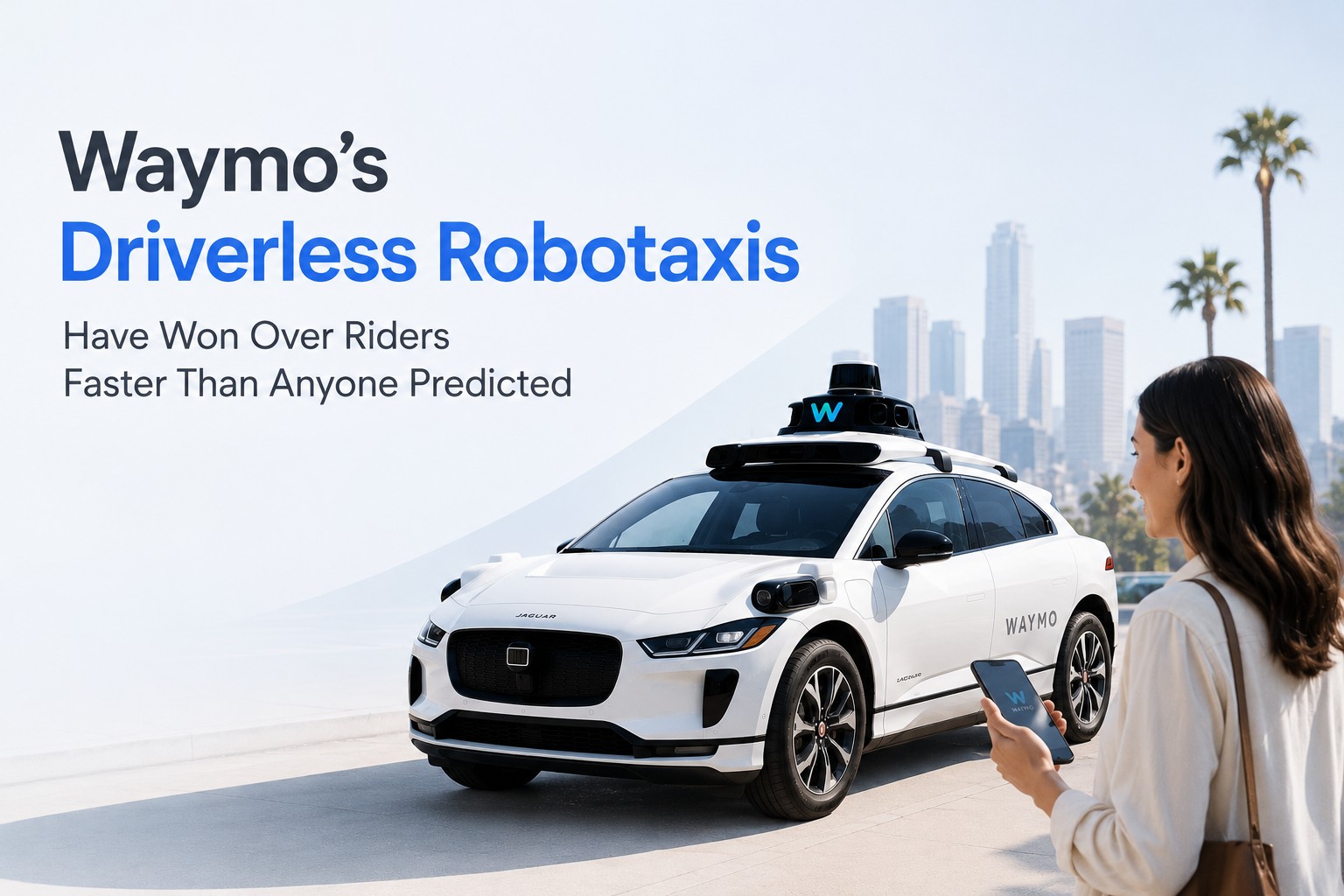
Not long ago, the idea of stepping into a car with no driver felt like a scene from a science fiction film. Most transportation analysts and tech experts believed it would take decades before ordinary people willingly trusted their safety to a machine behind the wheel.
Yet Waymo, the autonomous vehicle company born out of Google’s self-driving car project in 2009, has shattered those expectations in ways that even its most optimistic supporters did not foresee.
If 2024 was the year autonomous vehicles proved they could work, 2025 was the year they proved they could scale. Waymo has transformed from a moonshot experiment into a genuine urban utility that millions of people are choosing every week.
The company began 2025 completing approximately 175,000 weekly rides and ended the year surpassing 450,000 weekly rides, a 157% increase in roughly twelve months.
This is not just a technological milestone. It is a profound cultural shift in how people think about mobility, trust, and the role of artificial intelligence in their daily lives. The speed of this adoption has caught experts off guard, and it raises important questions about where this technology goes next.
The Numbers Tell a Story Nobody Saw Coming
The raw data behind Waymo’s rise is genuinely staggering. It reflects a pace of adoption that defied nearly every conservative forecast made just a few years ago.
Waymo served over 14 million trips in 2025 alone, more than tripling its public rides from the previous year. That figure places Waymo firmly in the territory of a mainstream transportation service, not just a novelty experiment.
Waymo grew from just 10,000 weekly rides in May 2023 to 250,000 in April 2025, roughly 25 times growth in only two years. Few consumer technology products have scaled at this velocity while simultaneously handling something as high-stakes as human transportation.
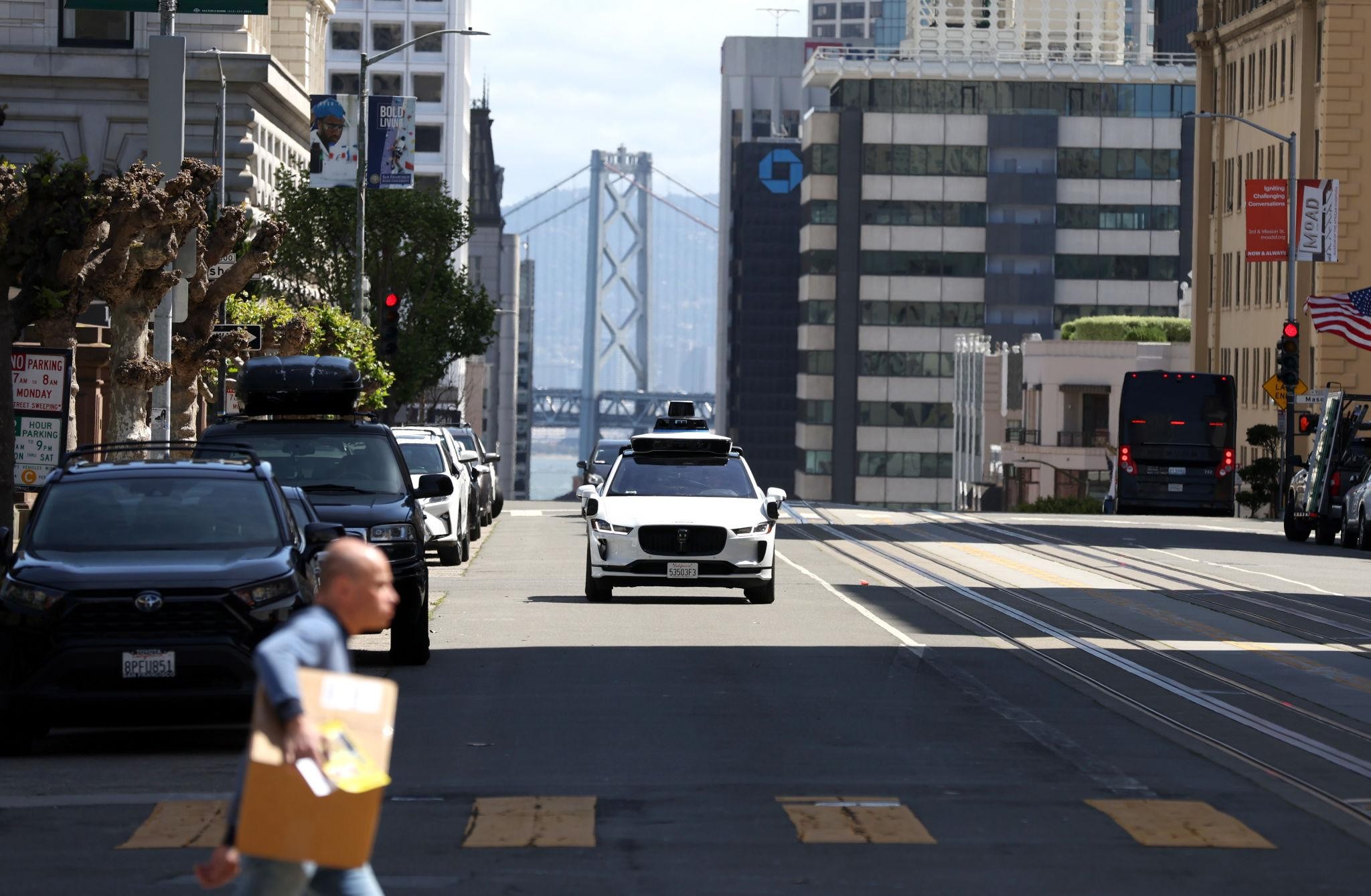
The geographic expansion has been equally swift and ambitious. Waymo now serves rides to the public in five markets, Austin, San Francisco, Phoenix, Atlanta, and Los Angeles, up from three at the end of 2024.
Each new city represents not just a business milestone but a test of whether riders in different urban environments will accept the technology. The AV market is projected to grow from $99.4 billion in 2025 to $285.1 billion by 2029. Waymo sits at the center of this enormous economic transformation.
Total Waymo ride revenue is projected to grow from $125 million in 2024 to more than $1.3 billion in 2027. These projections, once considered wildly optimistic, now look conservative given current momentum.
Safety Data Is Winning the Public Debate
The single biggest barrier to robotaxi adoption has always been fear. People instinctively worry that a machine cannot react as fluidly or responsibly as a human driver in unpredictable situations.
Waymo has systematically dismantled that concern with an impressive body of published safety evidence. A massive peer-reviewed study analyzed Waymo’s performance over 56 million rider-only miles and found 85% fewer suspected serious injuries compared to human drivers, and a 96% reduction in intersection crashes.
These are not minor improvements. They represent a fundamental leap in road safety that no human driver training program has ever achieved. Swiss Re, one of the world’s leading reinsurers, concluded that Waymo is significantly safer than human-driven vehicles, citing 92% fewer bodily injury claims and 88% fewer property damage claims over 25 million miles.
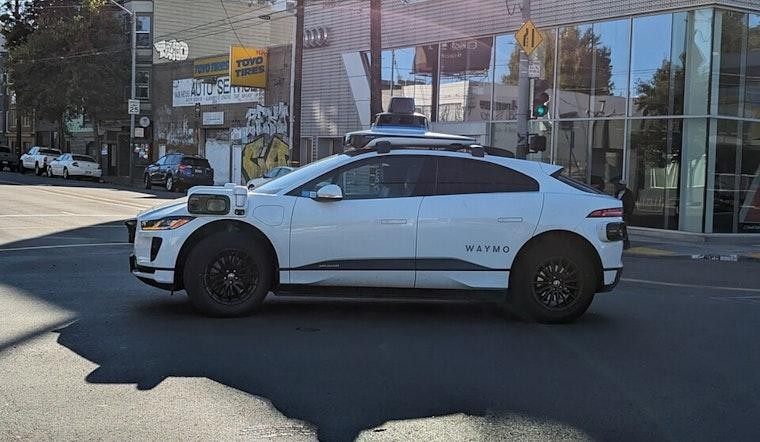
When a global insurance giant stakes its financial credibility on that end, it carries enormous weight. Through December 2025, Waymo had driven 170.7 million rider-only miles without a human driver.
That accumulated experience represents a depth of real-world driving data no human operator could ever match in a single lifetime. Riders collectively enjoyed over 3.8 million hours in their own trusted space to catch up on work, have a private conversation, or simply relax.
That statistic quietly reveals something important people are not just tolerating driverless rides, they are genuinely enjoying the freedom that comes with them.
Of course, the journey has not been without controversy. Waymo recalled 3,067 robotaxis after multiple reports of them failing to stop for school buses in Austin, Texas. Critics and safety advocates have questioned the transparency of the company’s reporting methods.
According to AAA, just 13% of U.S. drivers say they would trust riding in self-driving vehicles, though this is actually an increase from the same poll conducted in 2024. The gap between actual safety performance and public perception remains a real challenge that Waymo must continue to close through transparency and consistency.
Cultural Adoption Is Outpacing Skeptical Predictions
Beyond the data, something more human and harder to measure is happening on the streets of Phoenix, San Francisco, and Los Angeles. People are getting used to Waymo.
They are recommending it to friends, posting their experiences online, and incorporating it into their daily routines with a casualness that would have seemed remarkable even three years ago. Many riders are urban commuters using Waymo for daily trips, work commutes, and short errands in dense cities.
The novelty has worn off, and the practicality has taken over. That transition from curiosity to habit is the true measure of consumer adoption. Waymo is now averaging 1 million rides per month and is aiming to scale to 1 million rides per week by the end of 2026.
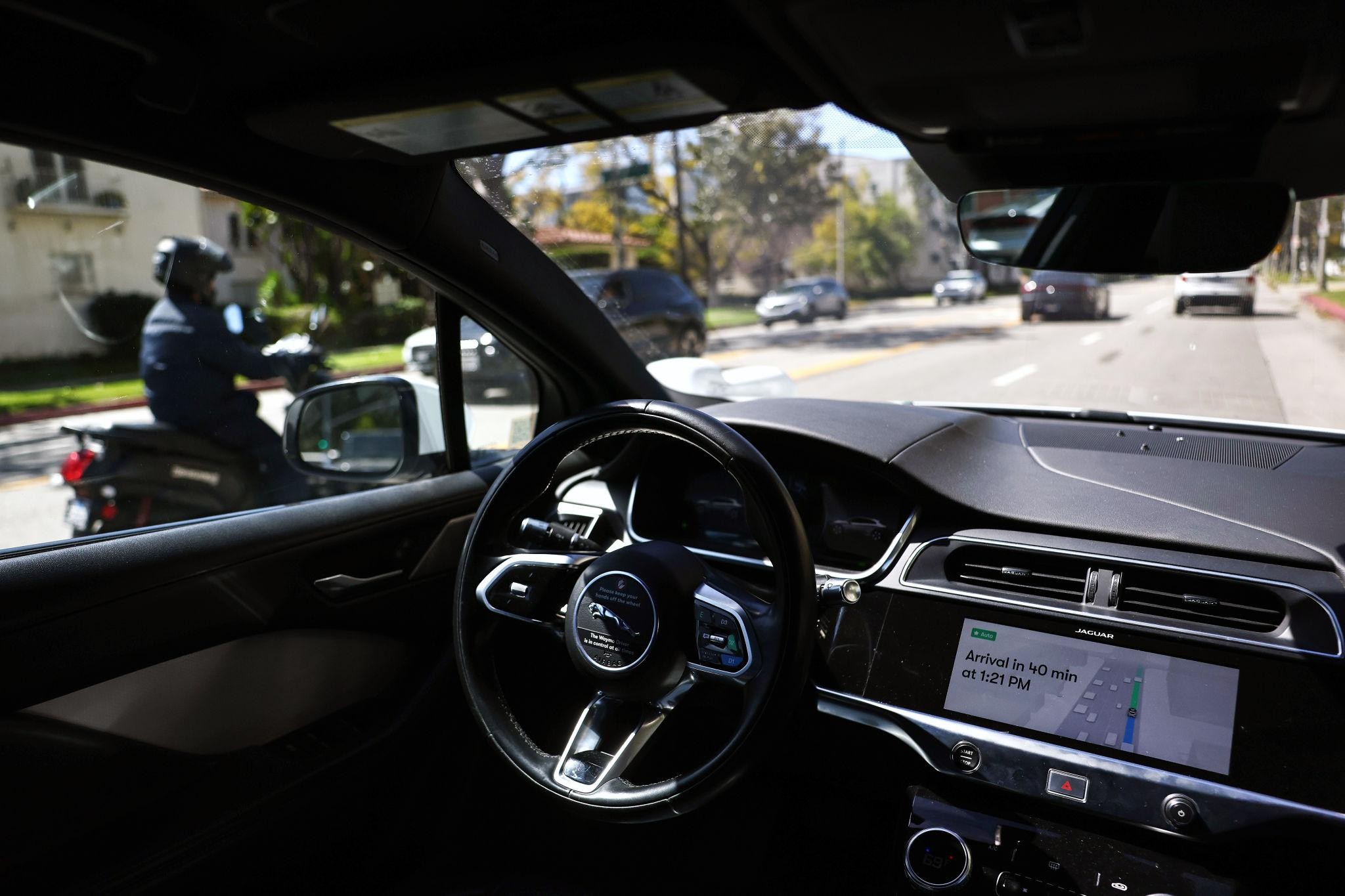
The company also plans to expand into 20 additional cities in 2026, including international launches in Tokyo and London. Vehicles can now enter service within 30 minutes of leaving the factory, dramatically reducing the deployment timeline.
This operational efficiency signals that Waymo is no longer just building infrastructure, it is running a mature and scalable business. Alphabet CEO Sundar Pichai has said the company is focused on scaling aggressively, predicting that Waymo will be meaningful to Alphabet’s financials in the 2027–2028 timeframe.
The broader lesson of Waymo’s rise may be this: people adapt to safe, reliable, and convenient technology faster than experts predict. The barriers were never purely technical, they were emotional and cultural. Once enough early adopters shared their positive experiences, and the safety record became undeniable, the skepticism began to dissolve.
With Waymo’s all-electric fleet, riders helped avoid over 18 million kilograms of CO2 emissions in 2025 alone, three times more than the previous year. Waymo is now demonstrating that autonomous vehicles are not merely a transportation novelty but a meaningful step toward safer, cleaner, and more equitable urban mobility for everyone.
Also Read: 10 Forgotten Sports Cars From the 1960s
