
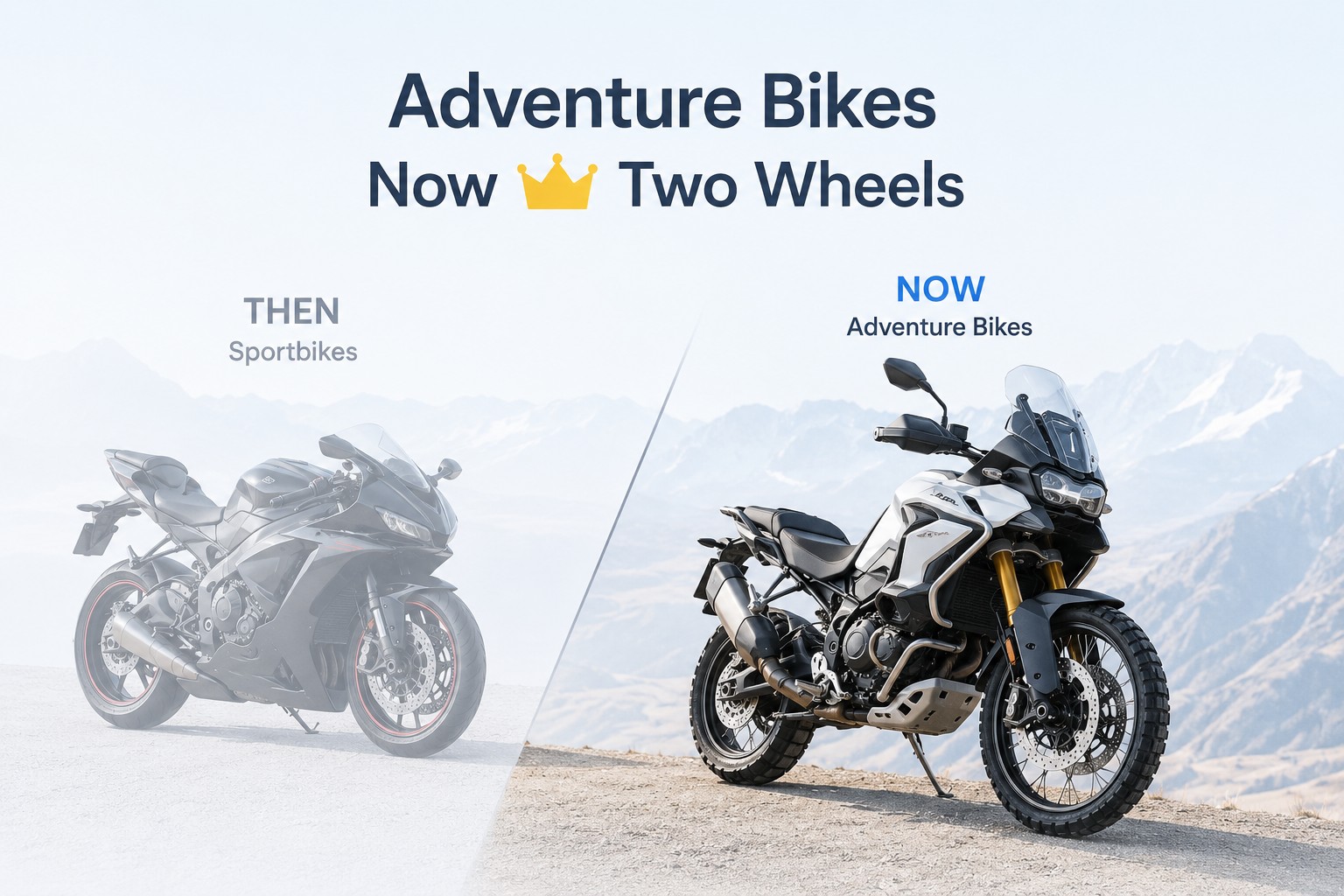
The motorcycle world has witnessed a dramatic shift in recent years. Riders are choosing versatility over pure speed, and the numbers tell a compelling story.
Adventure bikes have taken the global motorcycle market by storm. Models like the BMW R 1250 GS, KTM 1290 Super Adventure, and Ducati Multistrada dominate sales charts worldwide.
For decades, sportbikes were the symbol of two-wheeled glory. The Yamaha R1, Kawasaki Ninja ZX-10R, and Honda CBR1000RR were the machines every young rider dreamed about.
But something changed. Riders grew older, wiser, and more practical about what they actually needed from a motorcycle. Adventure bikes offer something sportbikes simply cannot freedom without boundaries. They promise highways, dirt roads, mountain passes, and everything in between.
The global adventure bike segment is now one of the fastest-growing categories in motorcycling. Major manufacturers are pouring billions into developing new adventure platforms.
This is not just a passing trend or a marketing gimmick. This is a fundamental change in how people think about motorcycles.
Adventure bikes have not just challenged sportbikes for dominance. They have genuinely dethroned them as the kings of the modern two-wheeled world.
The Rider Has Evolved, and So Has the Motorcycle
Modern motorcycle riders are not the same as they were twenty years ago. The average buyer today is older, more experienced, and values comfort alongside performance.
Sportbikes demand an aggressive, crouched riding position. After an hour on the road, your wrists ache, your back burns, and your neck screams for mercy.
Adventure bikes offer an upright, commanding riding posture. Riders can spend twelve hours in the saddle and still feel relatively fresh at the end.
The demographics of motorcycling have shifted significantly. Riders in their 30s, 40s, and 50s now make up the largest purchasing group in most major markets.
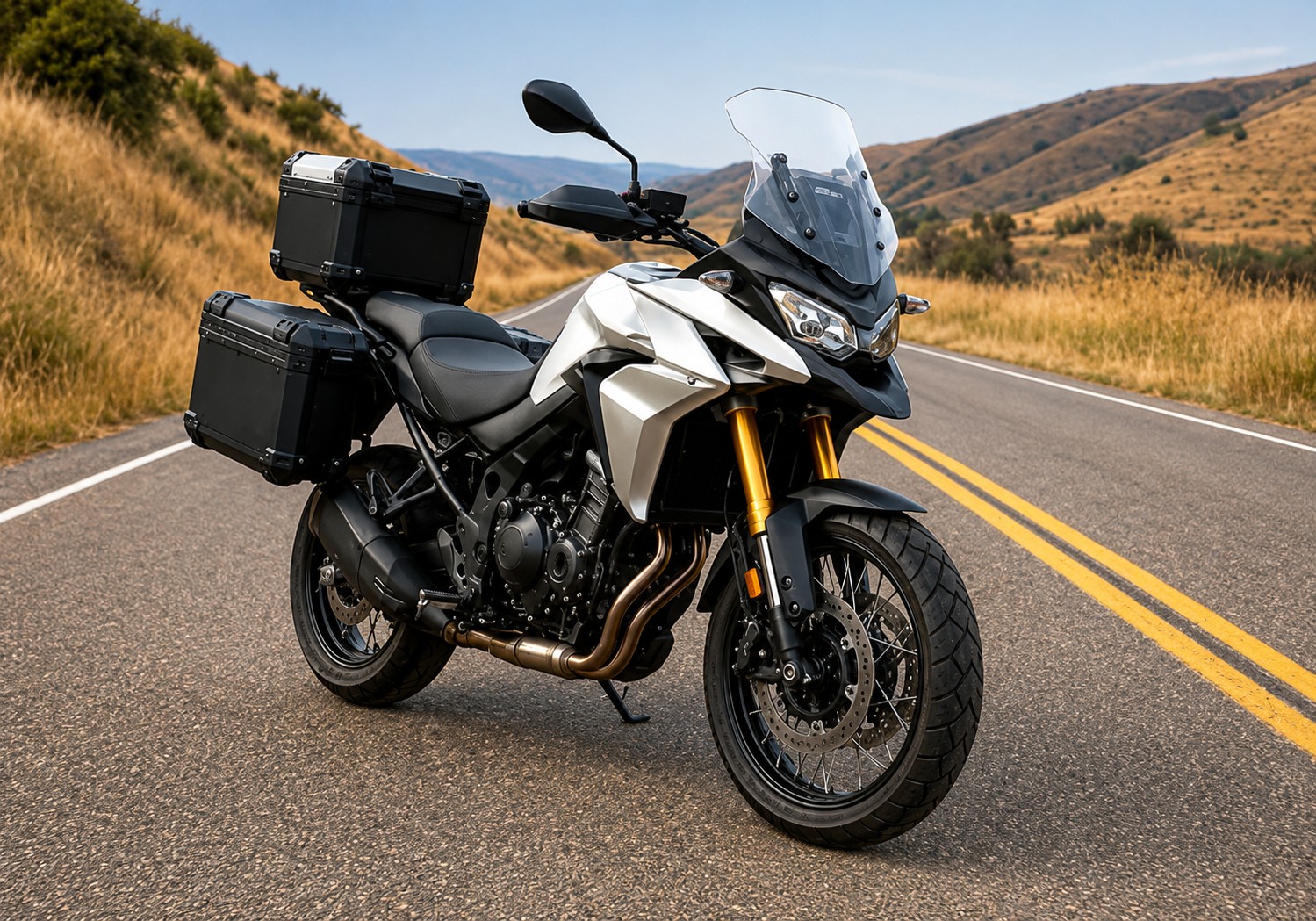
These riders have disposable income and big travel dreams. They want to cross countries, explore borders, and camp under the stars, not just blast down a closed circuit.
Sportbikes were built for a fantasy. That fantasy involved racetracks, perfect tarmac, and the spirit of a 22-year-old with no fear and no back pain. Adventure bikes were built for real life. Real roads, real weather, real luggage, and real-world riding conditions that no sportbike can handle gracefully.
Even young riders are choosing adventure bikes today. The appeal of riding through a remote world has replaced the old obsession with top speed.
Social media has played a massive role in this cultural shift. YouTube and Instagram are filled with adventure riders exploring the Himalayas, the Sahara, and the Patagonian wilderness. These images inspire a new generation to choose a GS over an R1. The dream has changed, and the motorcycle industry has followed the dream.
Technology and Performance Have Closed the Gap Completely
There was a time when adventure bikes were considered slow and boring. That time is long gone, and modern adventure motorcycles prove it beyond any argument.
The BMW R 1250 GS produces over 136 horsepower. The KTM 1290 Super Adventure S pushes out 160 horsepower figures that would embarrass sportbikes from just fifteen years ago.
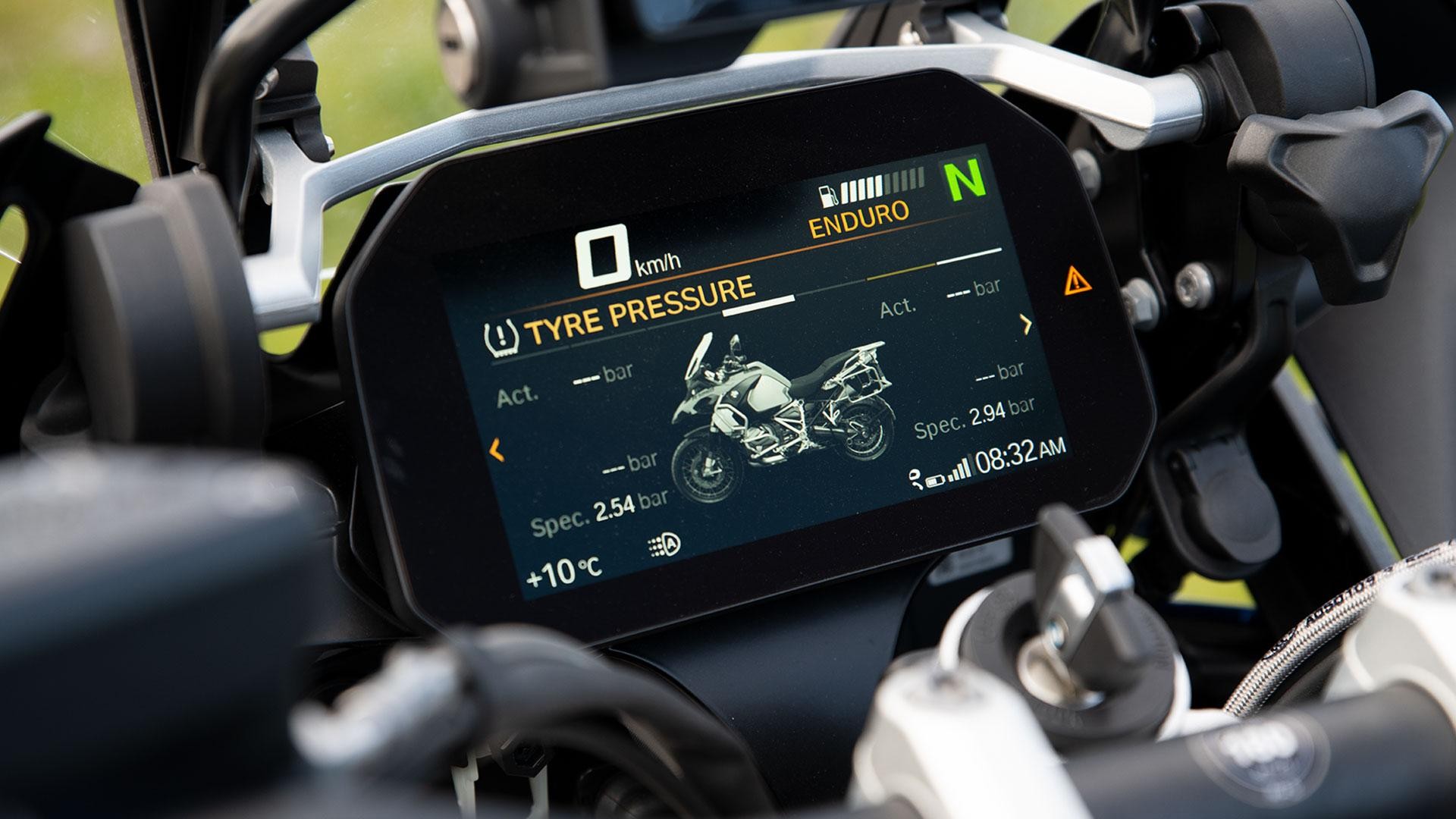
Modern adventure bikes come loaded with cutting-edge electronics. Cornering ABS, multiple riding modes, traction control, and semi-active suspension are now standard features on flagship models.
These technologies were once exclusive to MotoGP-inspired sportbikes. Now they are standard equipment on machines designed to cross continents.
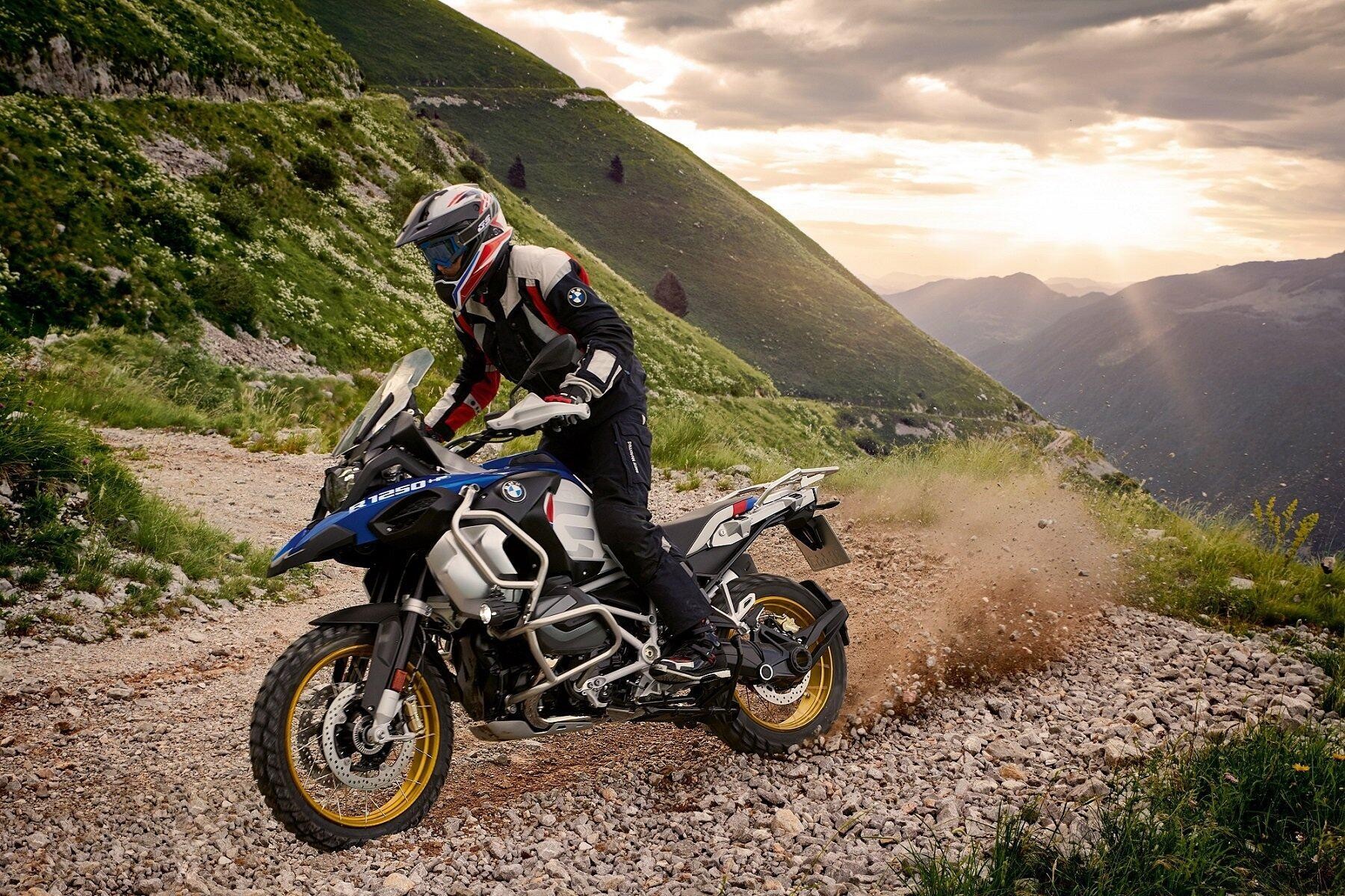
The KTM 1290 Super Adventure R can tackle desert dunes and autobahns with equal confidence. No sportbike on earth can make that claim without a complete rebuild.
Ducati’s Multistrada V4 S features front and rear radar technology. It offers blind-spot monitoring and adaptive cruise control features borrowed straight from the automotive world.
Adventure bikes have also become significantly lighter over the years. Engineers have worked hard to bring kerb weights down without sacrificing structural integrity or luggage capacity.
Handling has improved dramatically on modern adventure motorcycles. They carve corners with a sharpness that surprises even experienced sportbike riders during back-road riding sessions.
The performance gap between the two categories has essentially disappeared. What remains is a difference in purpose, and purpose increasingly favors the adventure bike.
Sportbikes still hold an edge at a racetrack or on perfectly smooth tarmac. But the real world rarely offers either of those conditions to everyday riders.
The Market Has Spoken Loud and Clear
Sales figures never lie, and the adventure bike sales story is remarkable. The segment has grown consistently for over a decade across Europe, America, Asia, and Australia.
The BMW R 1250 GS has been Europe’s best-selling motorcycle for many consecutive years. No sportbike comes anywhere close to matching that kind of sustained commercial dominance.
Honda’s Africa Twin returned to the market in 2016 and became an instant global bestseller. Triumph, Yamaha, Suzuki, and KTM have all expanded their adventure lineups aggressively in response.
Even Ducati, a brand historically associated with pure performance, invested heavily in the Multistrada family. That investment paid off handsomely in global sales and brand expansion.
Sportbike sales have declined noticeably over the same period. Manufacturers have quietly scaled back sportbike development cycles while fast-tracking new adventure platforms.
Insurance costs for sportbikes have skyrocketed in many countries. Younger riders who once aspired to own a litre-class sportbike now find adventure bikes far more financially accessible.
Aftermarket support for adventure bikes is now enormous. Thousands of accessories, luggage solutions, protection kits, and custom parts flood the market every year.
The touring and overlanding community has exploded worldwide. Adventure bike rallies like Horizons Unlimited gather thousands of passionate riders who would never trade their GS for a Ninja.
Manufacturers read these signals carefully and invest accordingly. Research and development budgets now flow far more generously toward adventure platforms than toward sportbikes.
The throne has changed hands permanently in motorcycling. Adventure bikes are not just popular, they are the definitive symbol of modern motorcycle culture.
Also Read: Every Compact SUV Ranked by Annual Maintenance Cost
