
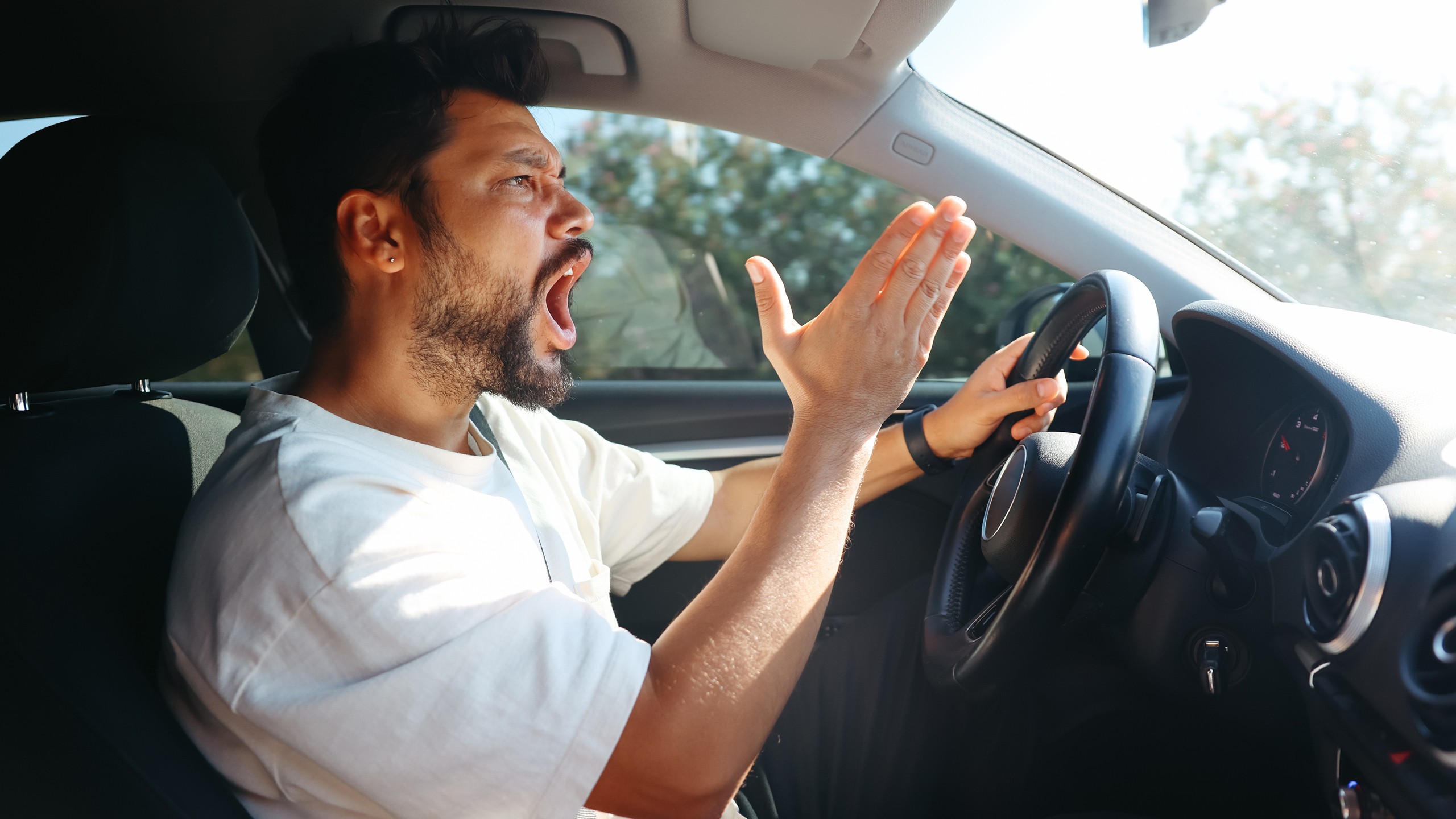
In recent years, aggressive driving and road rage have become increasingly visible problems on roads around the world, and India is no exception. Since the COVID-19 pandemic, traffic authorities, psychologists, and road safety researchers have all reported a noticeable shift in how people behave behind the wheel.
While traffic congestion, impatience, and risky driving behaviors existed long before the pandemic, the intensity and frequency of hostile driving incidents appear to have grown significantly in the post-pandemic period. Drivers are more likely to speed, cut lanes aggressively, honk excessively, and, in some cases, escalate minor disagreements into confrontations that endanger everyone on the road.
One major factor behind this change is the disruption in daily life caused by lockdowns and restrictions. During long periods of reduced traffic, many drivers became accustomed to empty roads and faster travel times. When normal traffic patterns returned, frustration quickly built up as roads became congested again.
This sudden transition created a psychological mismatch between expectation and reality. People who had grown used to smoother commutes found it harder to adjust back to delays, leading to impatience and impulsive reactions.
At the same time, the pandemic placed enormous emotional and financial stress on individuals. Job insecurity, health concerns, and social isolation contributed to heightened anxiety levels.
These emotional pressures did not disappear when lockdowns ended. Instead, they carried over into daily activities such as commuting. Driving, which requires patience and focus, became an outlet for stress expression for many individuals, sometimes in harmful ways.
Another contributing factor is the increased dependence on personal vehicles. Fear of infection led many people to avoid public transport and rely more on private cars, motorcycles, and ride-sharing services. This surge in vehicle usage increased congestion and competition for road space. More vehicles on already limited infrastructure naturally led to more friction between drivers.
The rise in aggressive driving and road rage after the pandemic is not caused by a single issue but by a combination of psychological, social, and infrastructural factors. Understanding these causes is essential for improving road safety and reducing conflicts on the road. The following sections explore these causes, behaviors, and solutions in greater detail.
Also Read: 9 Best Cars for First-Time Parents
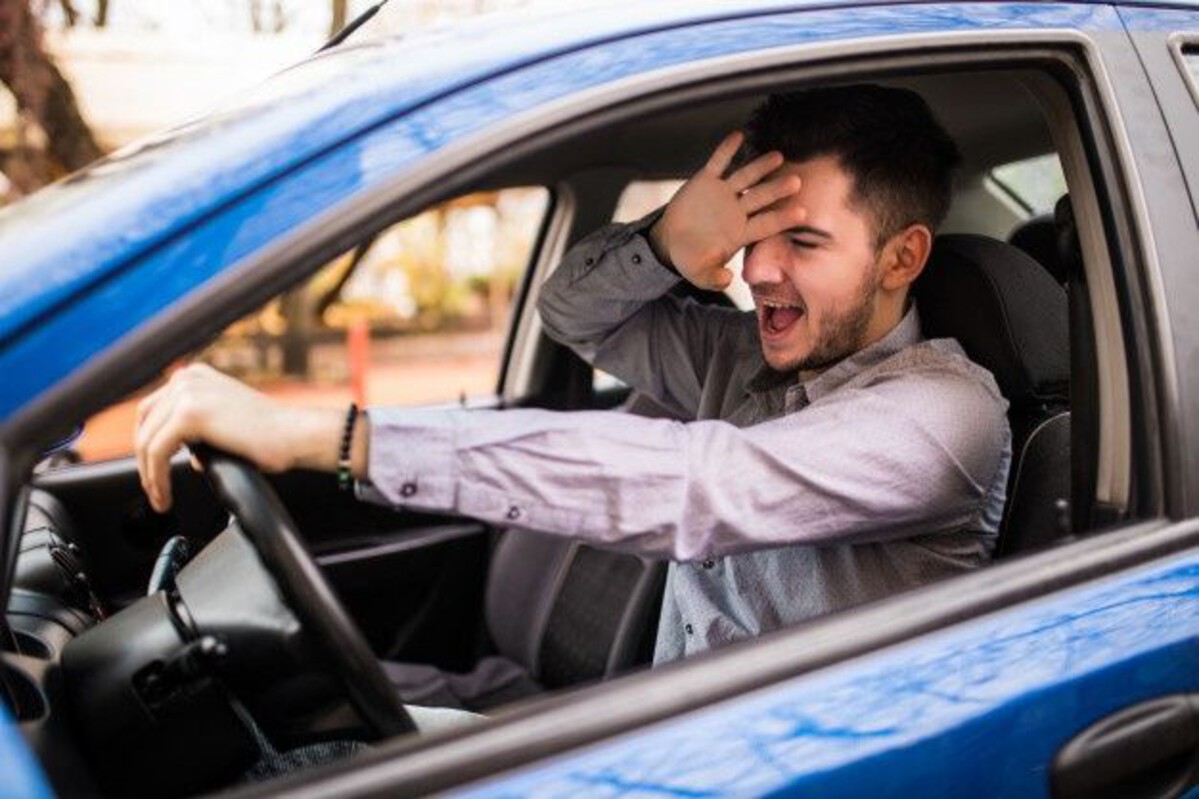
Understanding Aggressive Driving and Road Rage
Aggressive driving refers to a range of dangerous behaviors that endanger other road users, even if there is no intent to cause harm. These behaviors include speeding, tailgating, frequent lane changes without signaling, and ignoring traffic rules.
Road rage, on the other hand, is a more extreme form of aggression where a driver intentionally tries to harm, intimidate, or confront another driver physically or verbally. While the two terms are often used interchangeably, they represent different levels of severity in driving behavior.
One important aspect of aggressive driving is that it often develops gradually. A driver may start by simply feeling irritated in traffic, then begin to speed or weave through lanes to save time. Over time, this behavior can become habitual, especially if the driver feels rewarded by small gains in travel time. When many drivers adopt similar habits, the traffic environment becomes more chaotic and stressful for everyone.
Road rage is typically triggered by a specific event, such as being cut off in traffic or being honked at repeatedly. Unlike aggressive driving, which can be habitual, road rage is more emotional and reactive. It often involves anger that escalates quickly, leading to shouting, threatening gestures, or even physical confrontation. In extreme cases, it can result in accidents or violent encounters.
The difference between normal driving frustration and road rage lies in emotional control. Most drivers experience irritation at times, especially in heavy traffic. However, road rage occurs when a person loses emotional control and allows anger to dictate behavior. This loss of control can be influenced by stress, fatigue, or external pressures.
Understanding these definitions is important because it helps authorities and individuals identify risky behavior before it escalates. By recognizing early signs of aggressive driving, such as constant speeding or tailgating, interventions can be made to prevent escalation into road rage incidents.
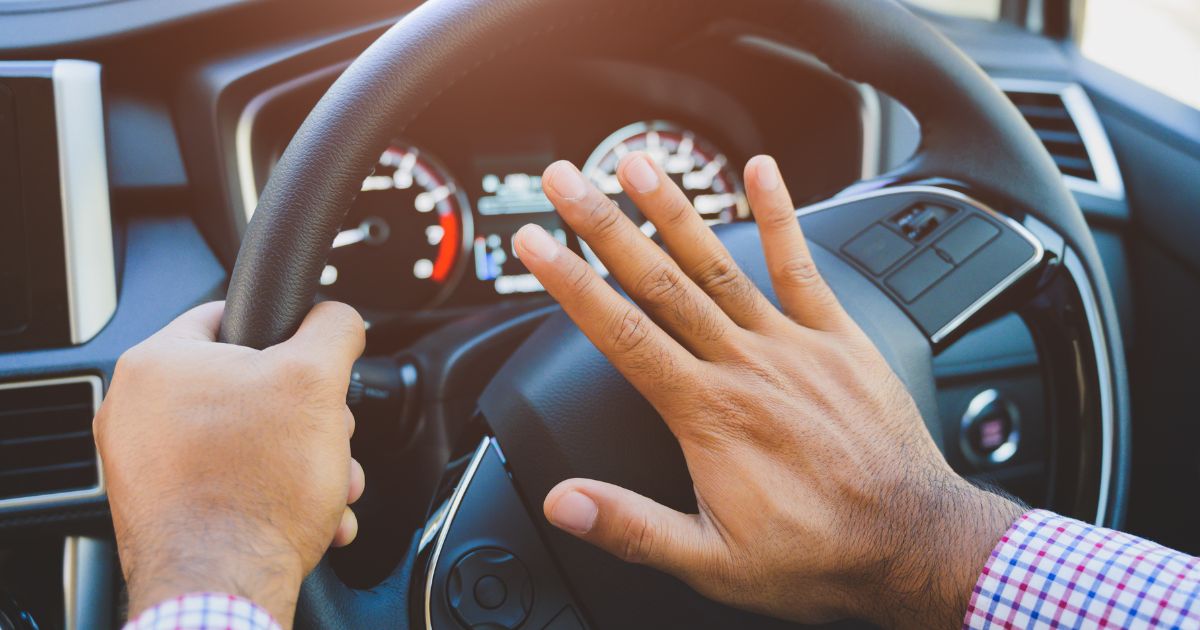
Why Aggressive Driving Increased After the Pandemic?
The post-pandemic rise in aggressive driving can be traced to several interconnected factors. One of the most significant is the change in traffic patterns during lockdown periods. With fewer vehicles on the road, many drivers adapted to faster and more open driving conditions.
This created a new baseline expectation for travel speed and convenience. When traffic returned to normal or even worsened due to increased vehicle ownership, frustration grew quickly.
Another major factor is emotional strain. The pandemic created widespread anxiety, uncertainty, and financial pressure. These stressors did not remain confined to home life but extended into daily routines. Driving, which requires patience and attention, became a situation where stress could easily be expressed. Small delays or minor inconveniences were more likely to trigger anger than before.
In addition, remote work and lifestyle changes altered commuting habits. Many people who returned to offices after long periods of working from home experienced reduced tolerance for daily travel. The psychological adjustment to commuting again was difficult, especially when combined with busy roads and unpredictable travel times.
There is also the issue of increased reliance on personal transportation. Public transport usage declined in many areas due to health concerns, leading to a surge in private vehicles. This increased traffic density contributed directly to more congestion, longer travel times, and more opportunities for conflict between drivers.
Finally, reduced enforcement in some regions during and immediately after the pandemic also played a role. With limited traffic policing and fewer penalties being enforced consistently, some drivers became more willing to take risks. Over time, this contributed to a normalization of aggressive driving behavior on the roads.
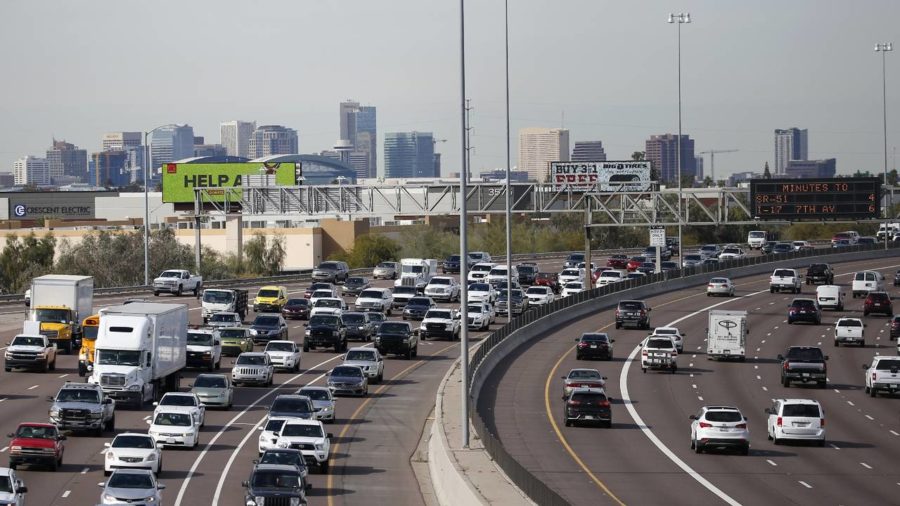
Psychological and Social Triggers Behind Road Rage
Aggressive driving and road rage are deeply influenced by psychological and social factors. One of the strongest triggers is stress accumulation.
When individuals experience ongoing stress from work, finances, or personal life, they are more likely to react negatively to minor inconveniences while driving. Traffic delays or perceived disrespect from other drivers can become the final trigger that leads to an outburst.
Another important factor is anonymity. Inside a vehicle, people often feel detached from others. This sense of separation can reduce empathy and make individuals more likely to behave in ways they would not in face-to-face interactions. Drivers may feel protected by their vehicle, which can encourage bolder and more aggressive actions.
Social learning also plays a role. When drivers observe others engaging in aggressive behavior without consequences, they may begin to imitate those actions. Over time, this can create a culture where aggressive driving becomes more normalized, especially in high-traffic urban environments.
Fatigue and mental exhaustion further increase the likelihood of road rage. Long commutes, lack of sleep, and mental overload reduce a driver’s ability to regulate emotions. Even minor irritations can feel overwhelming under such conditions, increasing the risk of impulsive reactions.
Finally, personality traits such as impatience, competitiveness, and low tolerance for frustration can make some individuals more prone to aggressive driving. While not everyone reacts the same way to traffic stress, these traits can significantly increase the likelihood of road rage when combined with external pressures.
Also Read: 10 Cars That Are Still Being Driven After 2 Decades
Impact on Road Safety
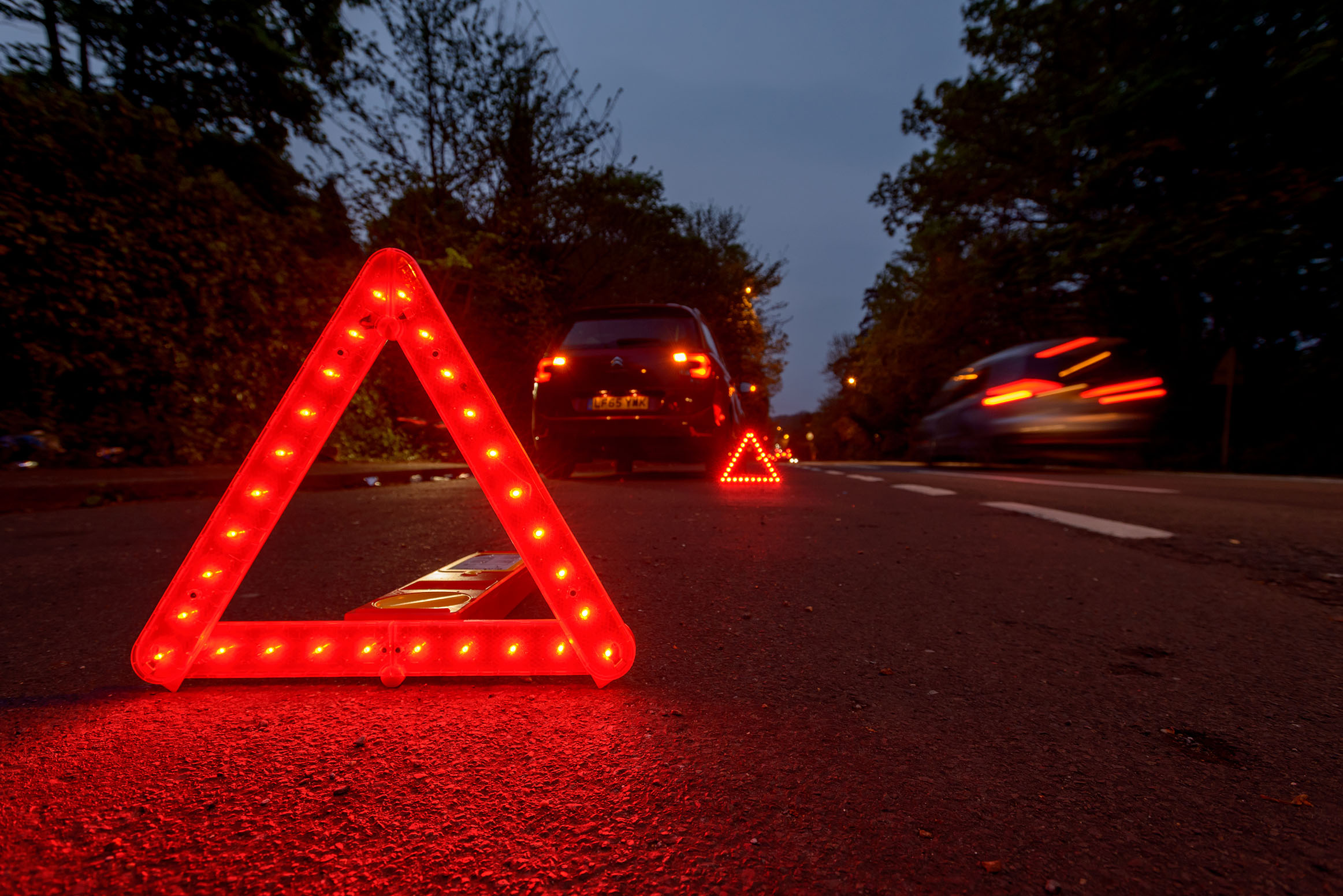
The rise in aggressive driving has serious implications for road safety. One of the most direct effects is an increase in traffic accidents. Speeding, sudden lane changes, and tailgating reduce reaction time and increase the likelihood of collisions. Even minor aggressive actions can escalate into dangerous situations when multiple drivers are involved.
Beyond physical safety, aggressive driving also contributes to psychological stress among road users. Drivers who regularly encounter hostility on the road may experience increased anxiety, reduced concentration, and a heightened sense of fear while driving. This can create a cycle where stress leads to more aggressive driving, which in turn creates more stress.
Aggressive driving also places a burden on emergency services and healthcare systems. Traffic accidents resulting from reckless behavior often require medical attention, legal intervention, and insurance claims. This increases societal costs and strains public resources.
There is also an economic impact. Traffic congestion caused by erratic driving behavior leads to wasted fuel, increased travel time, and reduced productivity. In urban areas, even small increases in aggressive driving can significantly affect traffic flow efficiency.
Finally, aggressive driving damages social trust. Roads are shared spaces that require cooperation and mutual respect. When hostility becomes common, it weakens the sense of shared responsibility among drivers and makes the driving environment more hostile for everyone.
Prevention, Enforcement, and the Future of Road Behavior
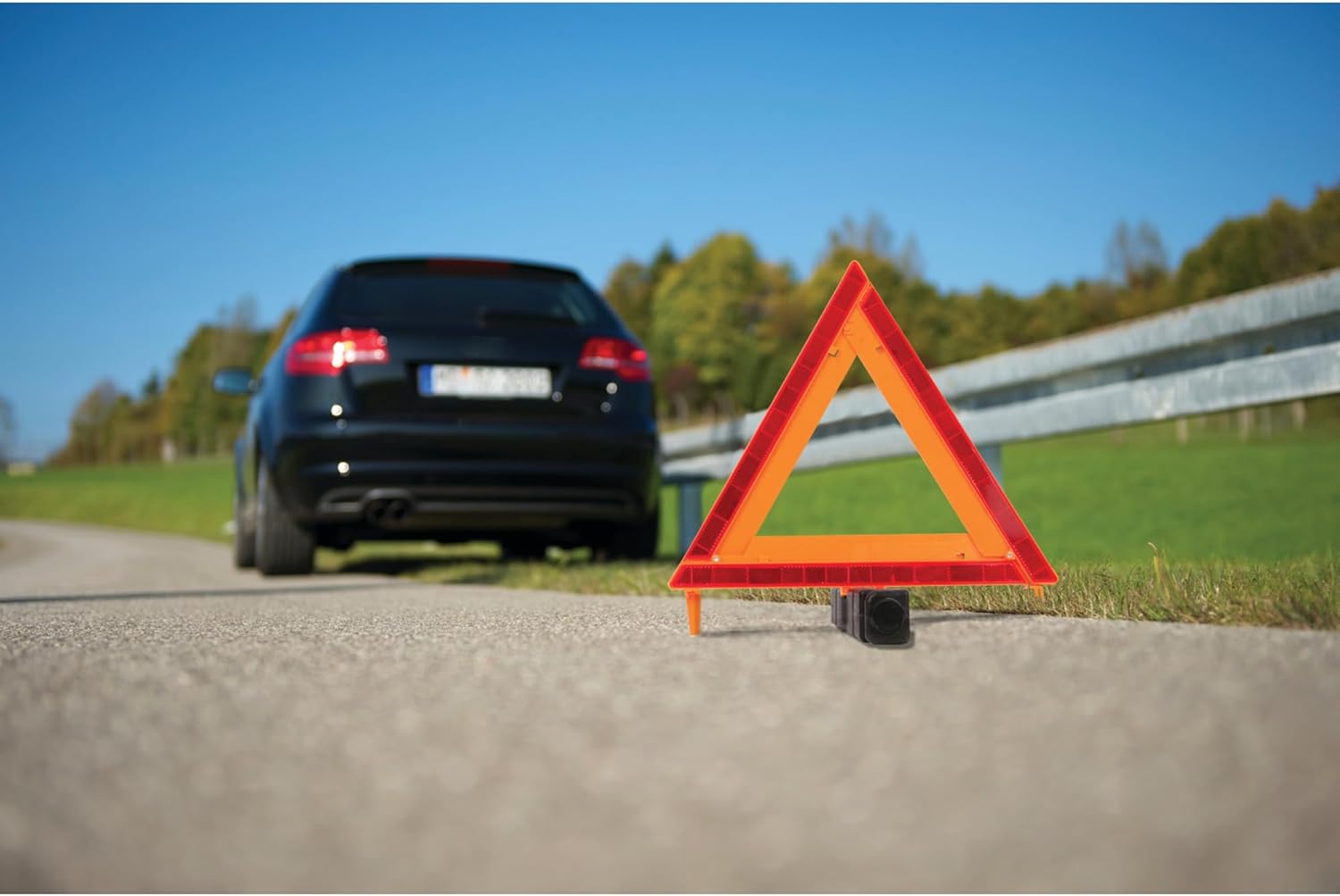
Reducing aggressive driving requires a combination of enforcement, education, and infrastructure improvements. Traffic law enforcement plays a critical role in discouraging dangerous behavior. When drivers know that penalties are consistent and unavoidable, they are less likely to engage in risky actions such as speeding or reckless overtaking.
Driver education is equally important. Teaching new drivers about emotional control, patience, and defensive driving techniques can help reduce the likelihood of road rage. Awareness campaigns can also remind experienced drivers of the dangers of aggressive behavior and encourage safer habits.
Infrastructure improvements can reduce frustration on the road. Better road design, improved traffic signal systems, and expanded public transportation options can help ease congestion. When traffic flow is smoother, drivers are less likely to feel irritated or stressed.
Technology also offers new solutions. Modern vehicles equipped with safety features such as collision warnings and lane assist systems can reduce accidents caused by aggressive driving. In addition, traffic monitoring systems using cameras and sensors can help authorities identify and respond to violations more effectively.
Looking ahead, the future of road safety depends on both individual responsibility and systemic improvements. While infrastructure and enforcement can reduce risks, lasting change requires a cultural shift in how people view driving. Encouraging patience, respect, and awareness on the road is essential for reducing aggressive driving and improving safety.
