
Modern vehicles collect more data than many drivers realize. Cameras, microphones, sensors, and event data recorders have transformed cars into rolling computers capable of monitoring both driving behavior and cabin activity.
While many buyers focus on horsepower, touchscreen size, or fuel economy, another technological trend has quietly expanded across the automotive industry: in-cabin recording systems.
Some manufacturers introduced cabin monitoring for safety reasons. Others developed these systems for security, voice assistance, autonomous driving research, or ride-sharing functionality. In luxury vehicles, interior cameras can monitor driver alertness and detect fatigue during long trips.
Electric vehicle makers often use multiple cameras to support advanced driver-assistance systems, while certain companies allow cabin footage recording for theft protection or accident evidence.
This technology has created both excitement and controversy. Supporters appreciate the added security and convenience, especially when cameras help identify collisions, break-ins, or dangerous driver behavior.
Critics, however, remain concerned about privacy because modern vehicles can potentially store sensitive information, conversations, and passenger activity inside the cabin.
Automotive recording systems vary widely in complexity. Some cars simply monitor driver attention using infrared cameras hidden behind the steering wheel.
Others contain full cabin surveillance setups capable of recording video clips during incidents. Certain ride-sharing-focused vehicles even support interior footage storage to protect both drivers and passengers during trips.
As vehicles move closer toward semi-autonomous and fully autonomous operation, cabin recording technology will likely become even more common.
Manufacturers increasingly treat the passenger compartment as part of a connected digital ecosystem rather than merely a seating area. The result is a new generation of vehicles capable of documenting much of what happens inside the car itself.
This article looks at ten vehicles known for incorporating cabin recording or monitoring systems. Some models use advanced security-focused cameras, while others rely on sophisticated driver observation technology.
Together, they demonstrate how rapidly automotive interiors are evolving into highly monitored digital environments shaped by software, sensors, and constant data collection.
Also Read: 10 Motorcycles With Bigger Engines Than Most Cars
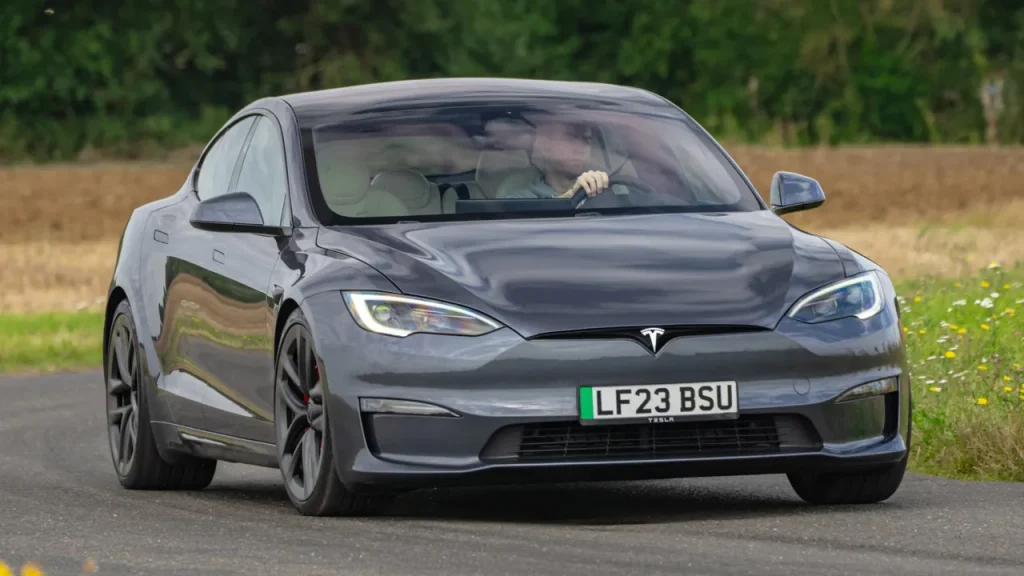
1. Tesla Model S
Tesla played a major role in popularizing interior cabin cameras in modern vehicles. The Tesla Model S eventually adopted an inward-facing camera mounted above the rearview mirror area, designed primarily to support the company’s advanced driver monitoring systems and future autonomous driving ambitions.
Initially, many owners barely noticed the camera because Tesla did not actively use it for recording in the early stages. Later software updates expanded its functionality significantly.
The cabin camera became capable of monitoring driver attentiveness during Autopilot operation, helping determine whether the driver remained focused on the road while semi-autonomous systems were active.
Tesla argued that the feature improved safety by reducing distracted driving. Since Autopilot requires human supervision, the camera can identify situations where drivers look away from traffic for extended periods. If the system detects inattention, the vehicle issues warnings and may eventually disengage automated assistance features.
The Model S also introduced another controversial aspect of vehicle recording technology: data sharing. Tesla vehicles can store and transmit certain footage or analytics to improve software systems, depending on user settings and permissions.
This created debates about digital privacy, especially among buyers unfamiliar with how connected vehicles handle collected information.
Unlike traditional automakers that added isolated safety cameras, Tesla integrated cabin monitoring into a much broader software ecosystem. The company continuously updates functionality remotely through over-the-air software updates, meaning the role of the interior camera can evolve long after the vehicle leaves the factory.
Critics have occasionally raised concerns about hacking risks and personal privacy. Supporters counter that the technology may reduce accidents and improve autonomous driving safety standards.
Regardless of the debate, the Tesla Model S remains one of the clearest examples of how modern vehicles transformed cabin monitoring from a niche luxury feature into a mainstream automotive technology discussion.
- Engine: Dual Electric Motors
- Torque: 713 lb-ft
- Horsepower: 670 HP
- Length/Width: 198.3 inches / 78.2 inches
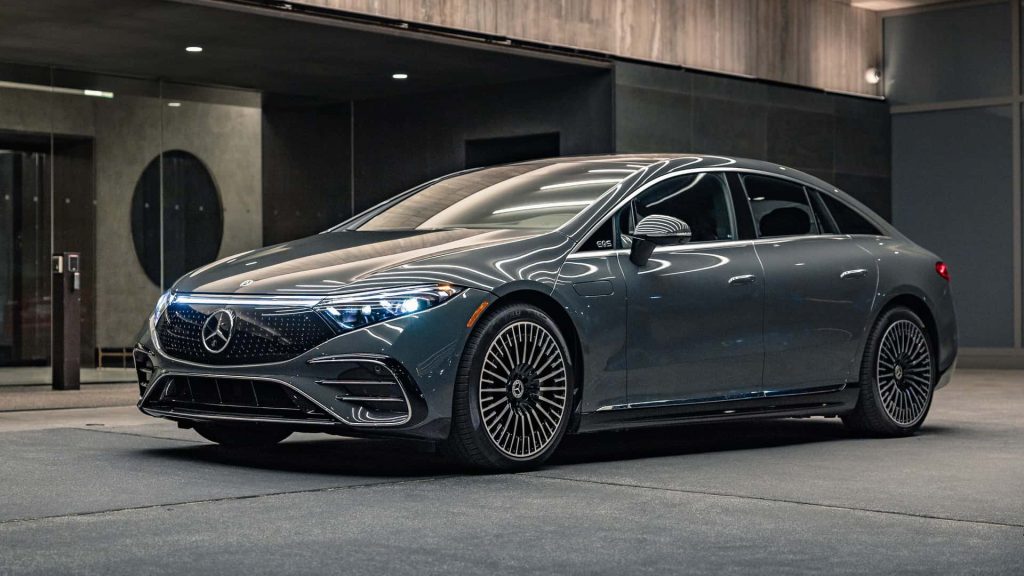
2. Mercedes-Benz EQS
The Mercedes-Benz EQS approaches cabin recording and monitoring from a very different angle than Tesla. Instead of focusing primarily on autonomous software development, Mercedes designed the EQS interior around luxury, occupant awareness, and advanced driver assistance integration.
Inside the flagship electric sedan, multiple sensors and cameras work together to observe driver behavior. The vehicle uses infrared monitoring systems capable of tracking eye movement, head positioning, and signs of fatigue. If the driver appears distracted or drowsy, the car can issue alerts recommending a break or increased attention.
Mercedes also connected the interior monitoring systems with the massive MBUX Hyperscreen interface. Certain cabin functions respond to occupant gestures and facial orientation, allowing the car to anticipate user actions before buttons are pressed.
This creates a futuristic environment where the vehicle constantly interprets passenger activity through cameras and sensors hidden throughout the cabin.
Another notable capability involves theft and impact documentation. Some Mercedes security systems can activate recording functions during suspicious activity, helping owners identify break-ins or vandalism attempts.
Combined with remote smartphone connectivity, the EQS represents how luxury vehicles increasingly operate like mobile smart devices rather than conventional automobiles.
The recording and monitoring systems inside the EQS remain highly sophisticated but less publicly controversial than Tesla’s approach.
Mercedes emphasizes comfort, wellness, and premium technology rather than aggressive autonomous driving experimentation. Even so, the amount of interior observation taking place inside the cabin is substantial.
For many buyers, the technology enhances convenience and safety without feeling intrusive. Others remain uneasy knowing that premium vehicles now rely heavily on constant sensor monitoring to personalize the driving experience.
The EQS highlights how luxury automakers are redefining the meaning of intelligent cabins through integrated digital observation systems.
- Engine: Dual Electric Motors
- Torque: 633 lb-ft
- Horsepower: 516 HP
- Length/Width: 205.4 inches / 75.8 inches
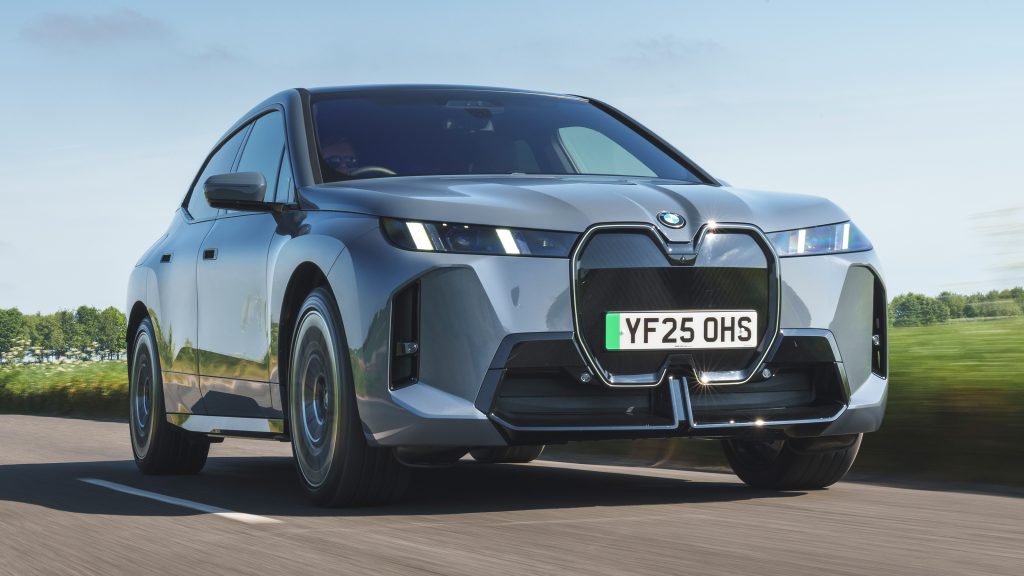
3. BMW iX
BMW approached cabin recording technology with a strong emphasis on driver interaction and intelligent monitoring. The BMW iX, the company’s flagship electric SUV, contains a highly advanced interior camera system designed to support both safety and convenience functions.
Unlike earlier luxury vehicles that relied mainly on simple driver-alert sensors, the iX actively studies occupant behavior in real time.
Positioned near the instrument area, the camera system can monitor eye direction, head movement, and signs of distraction.
If the driver repeatedly looks away from traffic while using semi-autonomous assistance systems, the vehicle responds with alerts and warnings. BMW engineered the technology to function smoothly without making the cabin feel overly clinical or robotic.
One unusual aspect of the iX involves gesture control integration. The cabin sensors can detect specific hand movements, allowing drivers to adjust audio volume or answer calls with simple gestures.
This creates a futuristic atmosphere where cameras do far more than passive observation. They become part of the vehicle’s user interface itself.
BMW also uses interior monitoring to support parking and security systems. Depending on configuration and market availability, certain functions can document suspicious activity around the vehicle while parked. Owners can remotely access some information through smartphone applications connected to the car’s digital ecosystem.
The iX demonstrates how automotive recording systems increasingly blur the line between safety technology and convenience technology. Cameras are no longer isolated devices dedicated solely to accident prevention. They now contribute to entertainment, communication, personalization, and digital interaction throughout the cabin.
Privacy discussions naturally follow these advancements. Some drivers appreciate the added intelligence and customization, while others feel uncomfortable with the amount of monitoring embedded into modern luxury vehicles.
BMW attempts to balance these concerns by giving users varying levels of control over connected services and data permissions.
As automotive interiors continue evolving into software-driven environments, the BMW iX stands as one of the clearest examples of how cabin recording systems now support far more than traditional safety functions.
- Engine: Dual Electric Motors
- Torque: 564 lb-ft
- Horsepower: 516 HP
- Length/Width: 195 inches / 77.4 inches
4. Cadillac Celestiq
Cadillac designed the Celestiq to compete directly with the world’s most technologically advanced luxury sedans, and interior monitoring technology plays a major role in that ambition.
The ultra-premium electric flagship combines artificial intelligence, personalized digital systems, and cabin observation features into one highly connected driving environment.
Inside the Celestiq, sophisticated cameras and sensors track driver attentiveness as part of General Motors’ Super Cruise system.
Since hands-free highway driving requires continuous driver supervision, the vehicle constantly checks whether the driver remains focused on the road ahead. Infrared monitoring technology allows the system to function even during nighttime driving conditions.
What separates the Celestiq from many rivals is the sheer integration of its digital cabin architecture. Nearly every major function interacts with sensors or software in some form. Passenger preferences, seating positions, climate settings, and entertainment behavior can all become part of the vehicle’s adaptive learning systems.
Cadillac also invested heavily in security-oriented recording capability. Advanced exterior and interior monitoring systems can help document incidents involving theft attempts, impacts, or suspicious activity around the vehicle.
Owners receive remote notifications through connected services, adding another layer of digital oversight to the ownership experience.
The Celestiq reflects a broader shift occurring in ultra-luxury automobiles. Earlier flagship sedans emphasized handcrafted materials and mechanical refinement above everything else.
Modern luxury now increasingly revolves around software intelligence, predictive behavior, and real-time monitoring systems designed to personalize every journey.
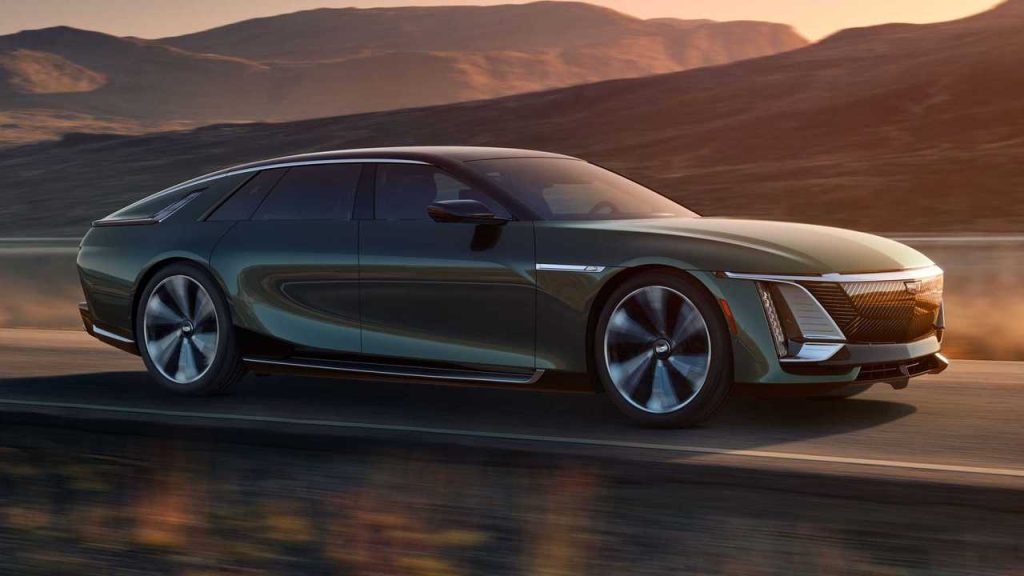
Some traditional enthusiasts find this transformation unsettling because it changes the emotional relationship between driver and vehicle. Others see it as the natural future of premium transportation, especially as autonomous technologies continue advancing.
Cadillac’s flagship proves that cabin recording technology is no longer limited to niche electric startups or Silicon Valley-inspired brands. Even historic American luxury manufacturers now consider interior monitoring systems essential components of modern high-end automotive design.
- Engine: Dual Electric Motors
- Torque: 640 lb-ft
- Horsepower: 600 HP
- Length/Width: 217.2 inches / 81.9 inches
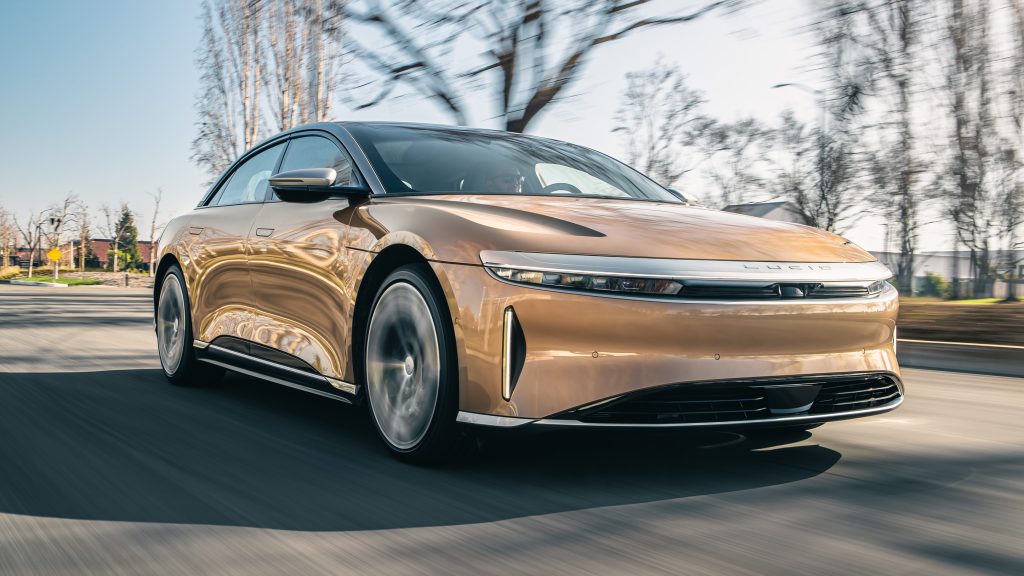
5. Lucid Air
The Lucid Air entered the luxury electric sedan market with enormous attention focused on range, performance, and futuristic cabin technology. Hidden beneath its elegant interior design, however, lies a sophisticated collection of cameras and monitoring systems capable of recording and analyzing activity inside the vehicle.
Lucid equipped the Air with a driver monitoring system that uses interior-facing cameras to track attentiveness during advanced driving assistance operation. Similar to rival luxury EVs, the system checks head position and eye movement to ensure the driver remains prepared to intervene when semi-autonomous functions are active.
What makes the Lucid Air particularly interesting is how deeply integrated its monitoring hardware is with the vehicle’s software architecture. The sedan contains dozens of sensors and cameras supporting DreamDrive, Lucid’s advanced driver-assistance platform.
While much public attention centers on exterior sensors, interior observation remains equally important because autonomous systems still require human oversight.
The Air also emphasizes digital connectivity throughout the ownership experience. Cabin cameras and monitoring systems contribute data that can help improve software functionality over time through updates and analytics.
This reflects the growing industry trend of treating vehicles more like connected technology platforms than isolated mechanical machines.
Lucid designed the interior carefully to avoid making the monitoring systems visually intrusive. Most occupants may barely notice the cameras during daily driving, which creates an interesting contrast. The cabin feels calm and luxurious, yet sophisticated digital observation quietly operates in the background.
For privacy-conscious buyers, the idea of continuous in-cabin monitoring raises understandable concerns. Lucid attempts to address these worries with configurable privacy settings and transparency regarding data handling.
Even so, the presence of intelligent recording systems inside premium vehicles continues to spark wider discussions about the future of automotive privacy.
The Lucid Air represents how new-generation electric luxury brands increasingly rely on software intelligence and cabin awareness as central components of the driving experience. Its technology showcases how rapidly modern vehicles are evolving into data-driven environments shaped by constant sensor interaction.
- Engine: Dual Electric Motors
- Torque: 885 lb-ft
- Horsepower: 819 HP
- Length/Width: 195.9 inches / 76.3 inches
6. Rivian R1T
Unlike many luxury sedans focused mainly on comfort and autonomy, for us, commuting, the Rivian R1T applies cabin recording technology to adventure-oriented driving and security. Rivian built the electric pickup around the idea that owners may use the vehicle in remote areas, off-road environments, and unpredictable outdoor conditions where extra monitoring capability can become especially useful.
The R1T contains an interior camera system supporting driver monitoring for its Highway Assist features. When semi-autonomous driving functions are active, the camera observes attentiveness and warns drivers if focus drifts away from traffic conditions.
Rivian wanted the system to feel supportive rather than intrusive, matching the vehicle’s relaxed and outdoors-focused personality.
Security forms another major part of the R1T’s recording technology. Rivian developed multiple camera systems capable of documenting activity around the truck while parked. In crowded urban spaces or isolated campsites, these systems can capture suspicious behavior, attempted theft, or vandalism incidents.
The company also integrated extensive digital connectivity into the ownership experience. Owners can remotely interact with various vehicle systems through smartphone applications, reinforcing the idea that the truck operates as part of a broader connected ecosystem rather than a standalone machine.
Inside the cabin, the recording technology blends into a minimalist interior filled with natural-looking materials and large digital displays. Rivian avoided creating a cold, surveillance-heavy atmosphere despite the amount of monitoring hardware present throughout the vehicle.
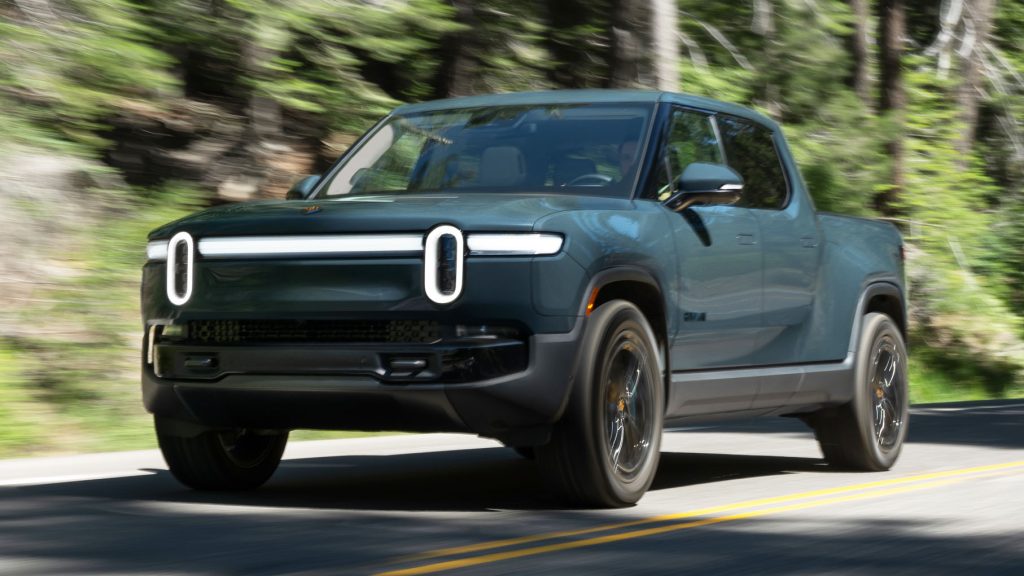
The R1T highlights an important evolution in automotive recording systems. These technologies are no longer exclusive to luxury commuters or autonomous driving experiments. They now appear in rugged utility vehicles where safety, theft protection, and remote connectivity matter just as much as performance capability.
As outdoor-focused electric vehicles become more common, the Rivian R1T demonstrates how cabin and environmental recording systems can support both convenience and practical security in a wide variety of driving situations.
- Engine: Quad Electric Motors
- Torque: 908 lb-ft
- Horsepower: 835 HP
- Length/Width: 217.1 inches / 81.8 inches
7. Genesis GV80
Genesis introduced the GV80 as a luxury SUV designed to challenge established European competitors, but one of its most advanced features remained largely hidden behind the elegant interior design.
The SUV incorporates sophisticated cabin monitoring systems that blend safety, driver awareness, and digital convenience into the daily driving experience.
The GV80 uses an interior-facing camera primarily for driver attention monitoring. During highway driving assistance operation, the system watches the driver’s eyes and head movement to determine whether focus remains on the road. If distraction continues for too long, the SUV responds with visual and audible warnings.
Genesis approached the technology differently from some aggressive tech-focused competitors. Rather than emphasizing constant surveillance, the company framed the monitoring system as a subtle safety companion designed to reduce fatigue and improve confidence during long-distance travel.
Another interesting aspect of the GV80 involves biometric technology integration. In certain markets, Genesis introduced facial recognition capability, allowing drivers to unlock and personalize the vehicle automatically.
Combined with fingerprint authentication for engine startup, the SUV demonstrates how cabin recording systems increasingly connect with identity recognition and personalized vehicle settings.
The interior itself feels calm and refined despite the advanced monitoring hardware operating beneath the surface. Real wood trim, soft leather surfaces, and minimalist dashboard styling prevent the technology from dominating the atmosphere. Genesis clearly wanted occupants to experience luxury first and digital observation second.
Security functions also benefit from the vehicle’s connected camera systems. Remote services allow owners to check vehicle status and receive alerts in specific situations involving unauthorized access or suspicious activity.
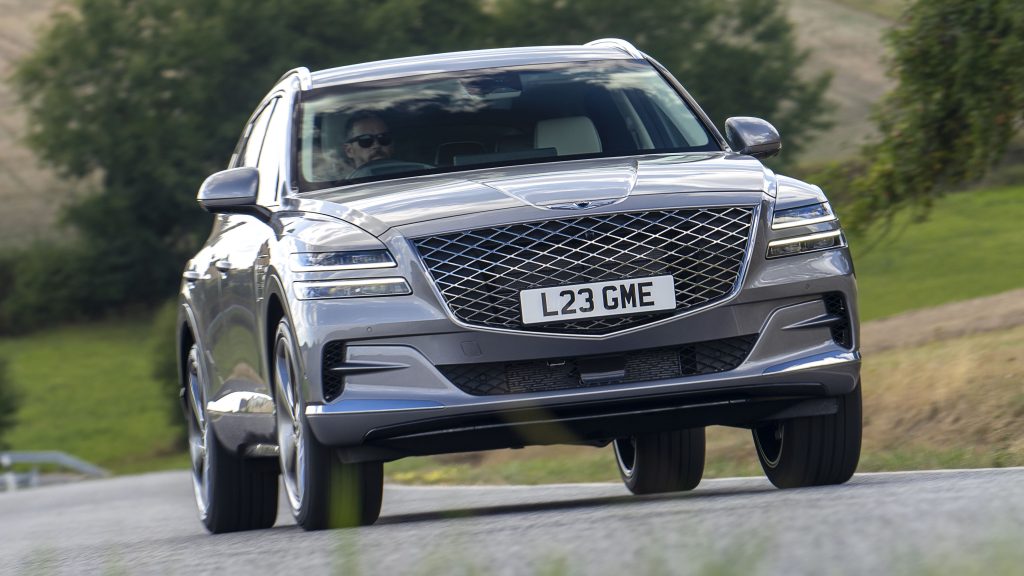
These features reflect how premium SUVs now function more like connected smart devices than traditional automobiles.
The GV80 proves that cabin recording technology no longer belongs only to futuristic electric vehicles. Conventional luxury SUVs now incorporate many of the same intelligent monitoring systems as manufacturers compete to deliver safer and more personalized driving environments.
- Engine: 3.5L Twin Turbo V6
- Torque: 391 lb-ft
- Horsepower: 375 HP
- Length/Width: 194.7 inches / 77.8 inches
8. Nissan Ariya
The Nissan Ariya represents the company’s attempt to combine modern electric mobility with intelligent cabin technology. While the crossover focuses heavily on comfort and smooth design, it also contains advanced monitoring systems intended to support both safety and connected driving functions.
One of the key elements inside the Ariya is its driver-attention monitoring setup. Cameras and sensors observe driver behavior during the operation of Nissan’s ProPILOT Assist technology. The system evaluates head movement and driver engagement to help prevent inattentive driving during semi-autonomous highway use.
Nissan designed the Ariya’s interior around openness and simplicity. Hidden behind the minimalist dashboard and clean digital displays sits a network of sensors quietly gathering information to support vehicle functions.
Unlike older vehicles, where safety systems operated independently, the Ariya integrates cabin monitoring into nearly every aspect of the driving experience.
Voice interaction and digital personalization also depend heavily on the vehicle’s software ecosystem. The cabin technology adapts to user preferences while maintaining awareness of occupant behavior and system usage patterns. This creates a more responsive environment that changes according to driver habits and preferences.
The Ariya also demonstrates how cabin recording technology has become increasingly normalized in mainstream vehicles. A decade ago, advanced interior monitoring appeared mainly in expensive flagship luxury cars. Now, similar systems are arriving in family-oriented electric crossovers intended for everyday commuting.
Privacy conversations remain unavoidable whenever interior cameras become part of modern transportation. Nissan emphasizes that the technology exists primarily to improve safety and driving assistance performance, though some consumers still question how future vehicles may handle personal data collected inside the cabin.
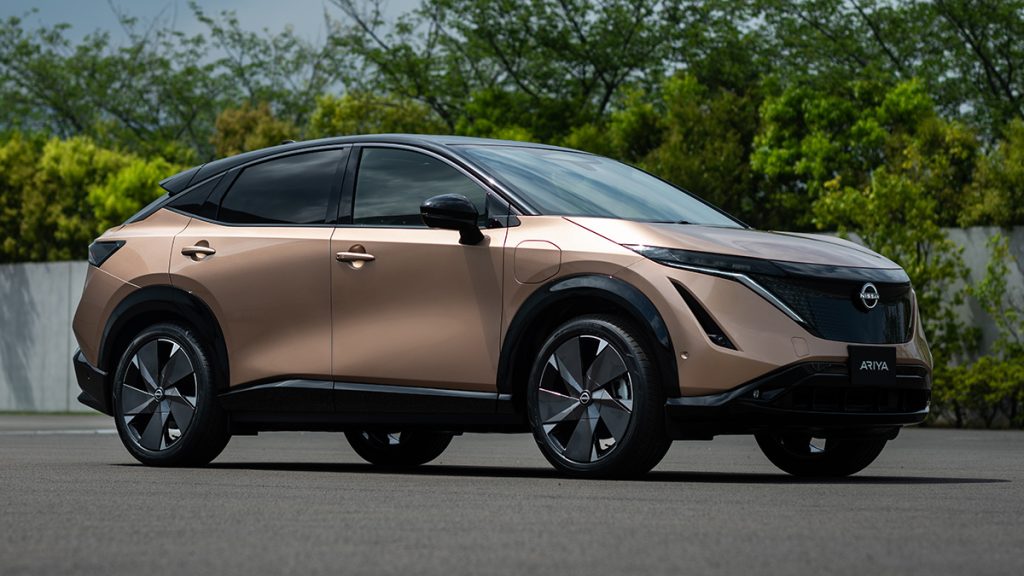
The Ariya highlights how quickly automotive interiors are evolving into intelligent digital spaces where cameras, sensors, and software continuously work together behind the scenes. What once felt futuristic has rapidly become part of ordinary modern vehicle design.
- Engine: Dual Electric Motors
- Torque: 443 lb-ft
- Horsepower: 389 HP
- Length/Width: 182.9 inches / 74.8 inches
9. Volvo EX90
Volvo has built its reputation around passenger safety for decades, so it is not surprising that the EX90 incorporates one of the most advanced cabin monitoring systems currently available in a production vehicle. The fully electric SUV treats interior observation as a central part of accident prevention rather than simply a luxury convenience feature.
Inside the EX90, cameras and sensors constantly evaluate driver attentiveness. The system can detect signs of fatigue, distraction, or even medical distress. If the driver appears dangerously impaired or unresponsive, the vehicle can intervene with escalating warnings before eventually slowing down and stopping safely if necessary.
Volvo developed the technology with a strong focus on reducing severe crashes caused by human error. Instead of relying only on steering-wheel sensors or simple lane monitoring, the EX90 studies eye behavior and head movement in far greater detail. The company believes advanced cabin observation could eventually prevent many accidents before they happen.
Another major goal involves preparing for higher levels of autonomous driving. As vehicles become more capable of handling driving tasks independently, automakers need reliable methods of determining whether the human behind the wheel remains ready to take control. Volvo sees cabin monitoring as essential to that transition.
The EX90’s interior feels clean and calming despite the impressive amount of technology hidden within it. Scandinavian design elements help soften the presence of cameras and sensors, preventing the cabin from feeling clinical or intrusive.
Volvo clearly wanted the technology to operate quietly in the background rather than dominate the ownership experience.
The SUV also integrates connected safety features capable of communicating warnings and status updates through digital services. Combined with exterior sensors and lidar systems, the EX90 functions as a rolling network of constantly active safety hardware.
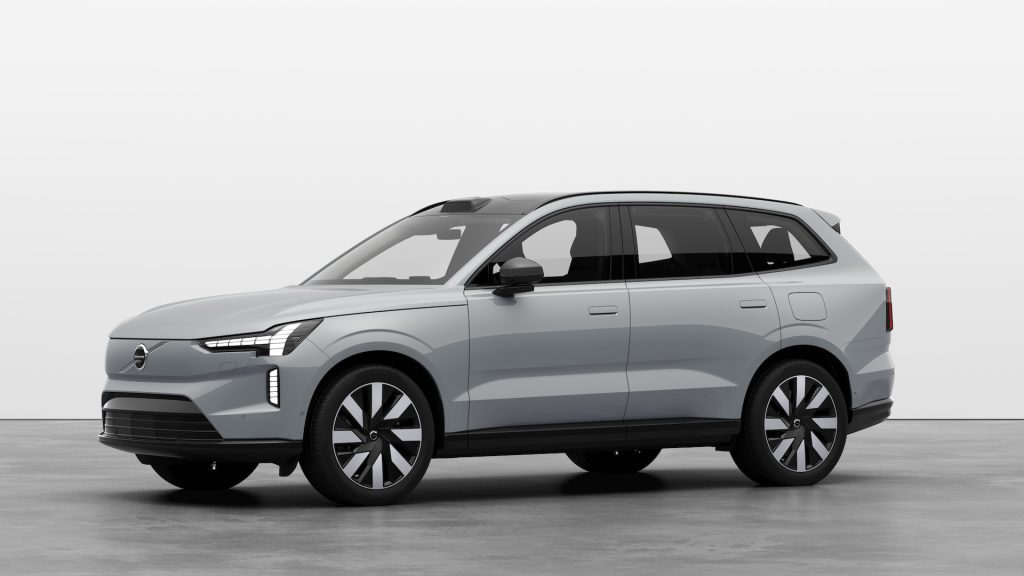
Volvo’s flagship electric SUV demonstrates how modern cabin recording systems increasingly move beyond simple monitoring toward predictive safety intervention. The EX90 does not merely watch the driver. It actively evaluates risk and responds before dangerous situations escalate.
- Engine: Dual Electric Motors
- Torque: 671 lb-ft
- Horsepower: 510 HP
- Length/Width: 198.3 inches / 77.3 inches
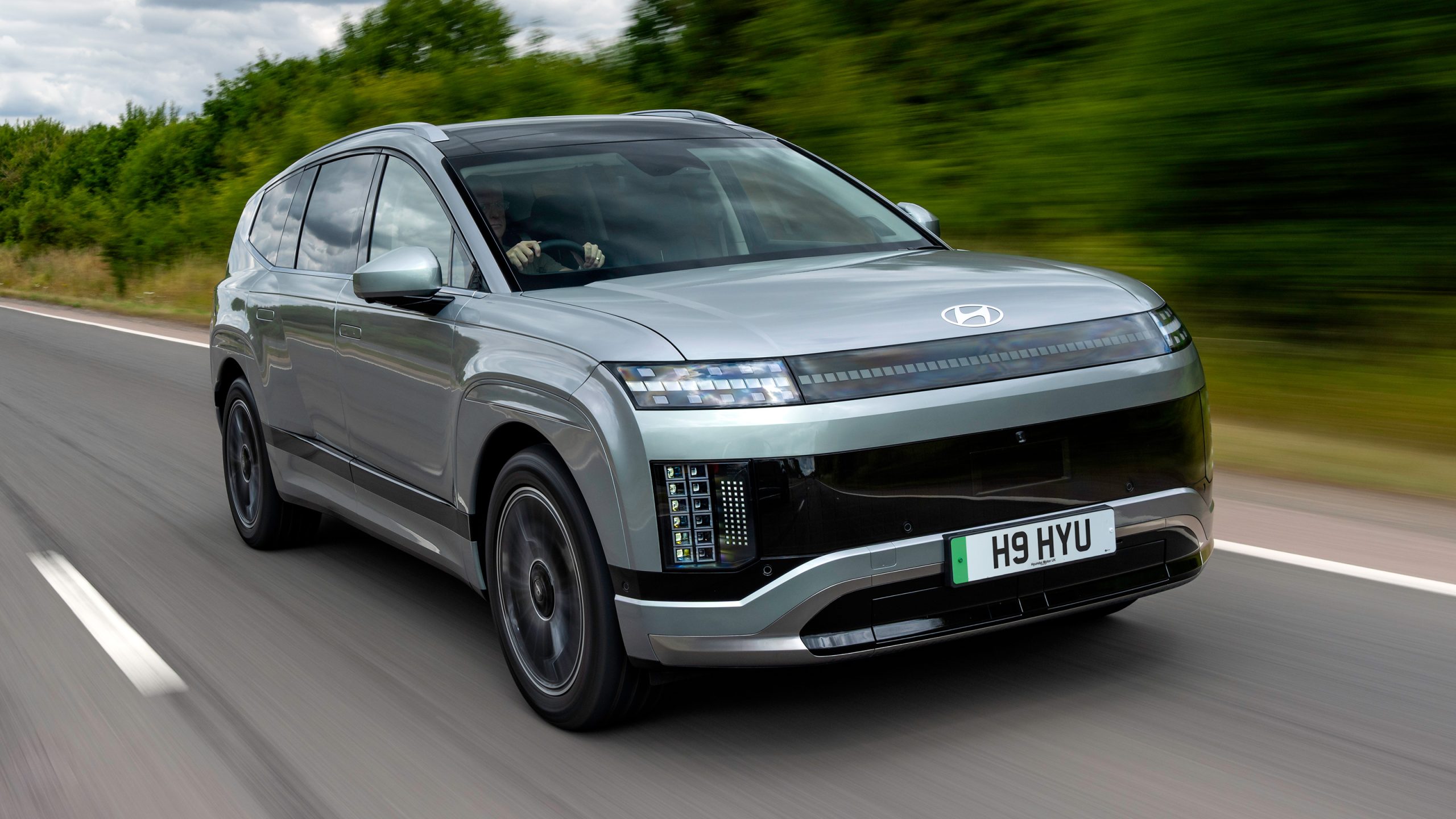
10. Hyundai Ioniq 9
The Hyundai Ioniq 9 showcases how rapidly advanced cabin monitoring technology is spreading into large family-focused electric SUVs. Hyundai designed the vehicle to combine spacious practicality with sophisticated digital systems normally associated with far more expensive luxury brands.
Inside the Ioniq 9, driver monitoring cameras work alongside Hyundai’s Highway Driving Assist technology. The system observes driver attentiveness during semi-autonomous operation and can issue warnings if concentration appears to fade. The goal is to maintain safer interaction between human drivers and increasingly capable automated systems.
Hyundai also emphasizes interior connectivity and smart functionality throughout the cabin. Large digital interfaces, voice recognition systems, and adaptive software features rely on constant interaction between occupants and onboard electronics. Cameras and sensors quietly support many of these operations in the background.
Unlike some performance-focused electric vehicles, the Ioniq 9 centers heavily on family transportation. This makes the presence of sophisticated recording and monitoring technology particularly significant because it shows how mainstream these systems have become.
Features once reserved for futuristic concept cars now appear in practical three-row SUVs intended for daily errands and long road trips.
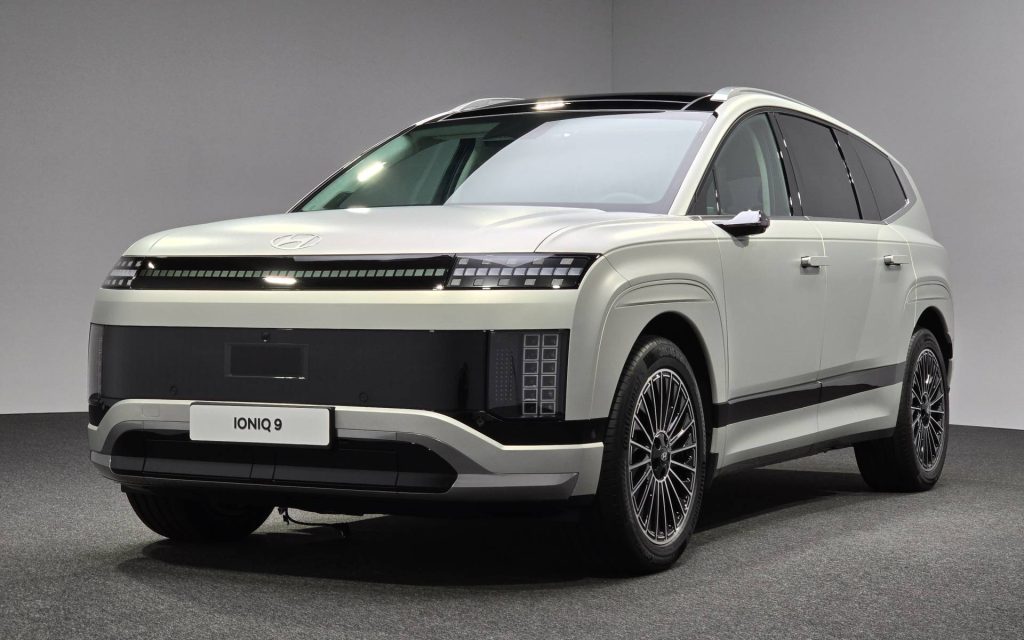
Security functions represent another important part of the vehicle’s technology package. Connected camera systems can assist with theft monitoring, remote alerts, and vehicle status tracking through smartphone integration.
Families increasingly expect this type of digital oversight from modern vehicles, especially in crowded urban environments.
Hyundai carefully balanced technology with comfort inside the cabin. Soft materials, open space, and relaxed seating arrangements prevent the monitoring systems from overwhelming the atmosphere. Occupants experience the benefits of intelligent observation without constantly feeling watched.
The Ioniq 9 closes this list by illustrating a major shift happening throughout the automotive industry. Cabin recording systems are no longer unusual premium experiments.
They are becoming standard components of everyday transportation as manufacturers prioritize safety, connectivity, and software-driven functionality across nearly every segment.
- Engine: Dual Electric Motors
- Torque: 516 lb-ft
- Horsepower: 422 HP
- Length/Width: 199.2 inches / 78 inches
Also Read: 9 Pre-2010 Mustangs Still Worth More Than New Ones
