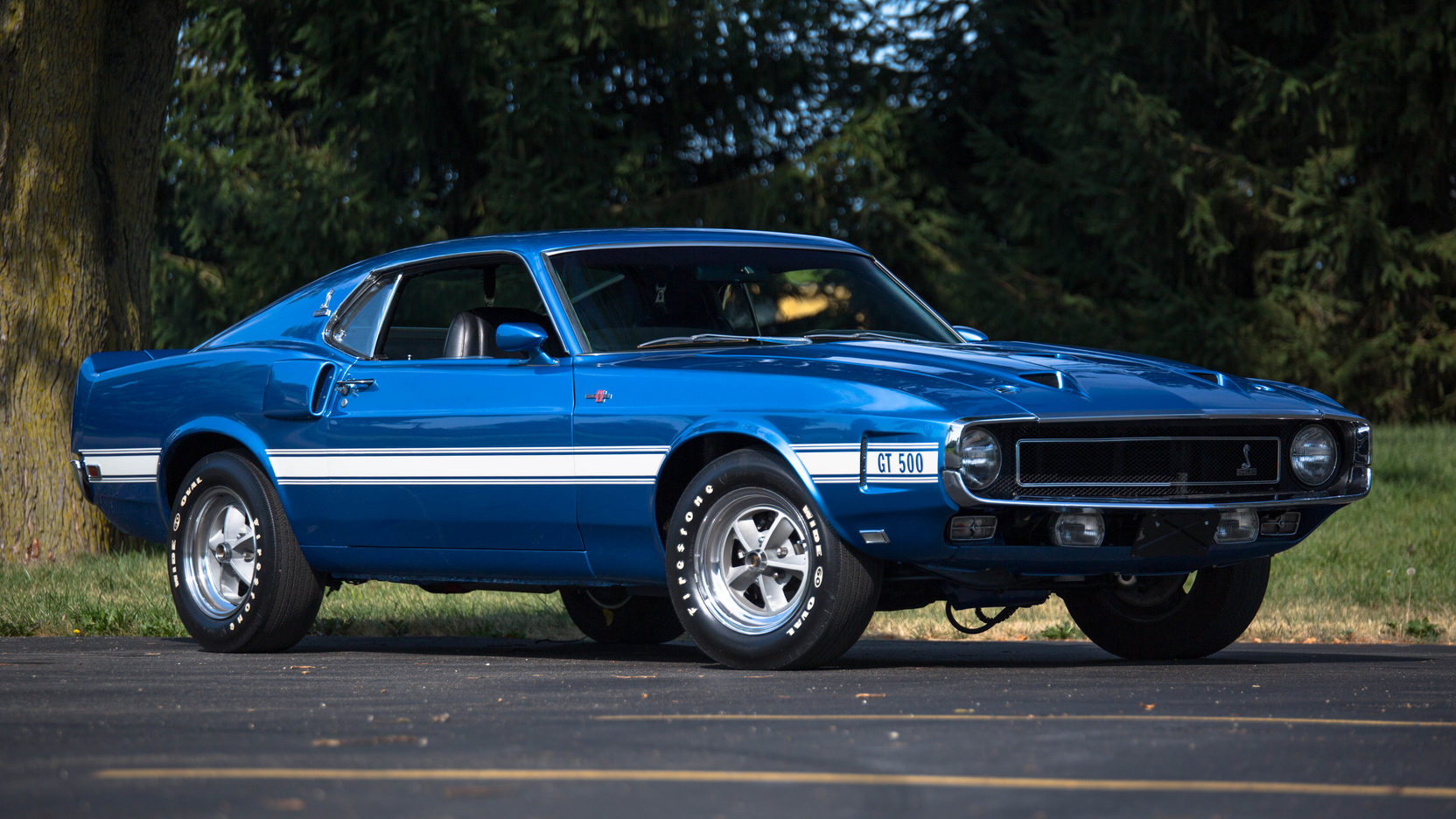
The Ford Mustang has always occupied a special place in American automotive culture, but certain models have grown far beyond their original showroom value. While most cars depreciate heavily after leaving dealerships, a select group of pre-2010 Mustangs became highly collectible because of rarity, performance, historical significance, or cultural impact.
Some were limited-production factory specials, while others gained legendary status through racing success and enthusiast demand. Today, pristine examples of these Mustangs often sell for dramatically higher prices than their original sticker prices when adjusted against modern market values.
Collectors are especially drawn toward Mustangs that represent turning points in Ford performance history. Cars connected to Carroll Shelby, SVT engineering, Fox Body performance culture, or anniversary editions now attract serious attention at auctions and private sales.
Enthusiasts who once purchased these vehicles as affordable muscle cars never imagined they would eventually become investment-grade classics.
Another reason these Mustangs remain valuable involves simplicity and character. Modern performance cars deliver incredible technology and efficiency, but many collectors still prefer the analog feel of older Mustangs.
Supercharged V8 engines, manual transmissions, raw steering feedback, and unmistakable styling continue attracting buyers who want emotional driving experiences that modern cars sometimes struggle to replicate.
Condition also plays a major role in rising prices. Many Mustangs from the 1980s and 1990s were heavily modified, raced, or neglected for years.
Finding low-mileage original examples has become increasingly difficult, which pushes surviving clean cars into premium territory. Limited production numbers further increase desirability for certain special editions.
What makes these cars fascinating is that they were not always viewed as collectibles. Some sat unsold at dealerships, while others spent years as relatively inexpensive used performance cars. As generations of enthusiasts grew older and nostalgia intensified, demand increased dramatically.
These nine pre-2010 Mustangs now command values exceeding their original prices because they represent more than transportation. They symbolize specific moments in American performance history that collectors refuse to forget.
Also Read: 10 Strongest V8 Engines Ever Put in a Production Car
1. 1993 Ford Mustang SVT Cobra R
The 1993 Mustang SVT Cobra R occupies legendary territory among Mustang collectors because it represented the ultimate evolution of the Fox Body platform.
Ford’s newly formed Special Vehicle Team developed the car specifically for serious performance enthusiasts and amateur racers, creating one of the rarest and most focused Mustangs of its era. Only 107 examples were produced, instantly making the Cobra R one of the most exclusive factory Mustangs ever built.
Unlike ordinary Fox Body Mustangs, the Cobra R eliminated unnecessary comfort equipment in pursuit of lighter weight and sharper track performance. Air conditioning, rear seats, power accessories, and even the radio disappeared entirely.
Ford engineers concentrated on suspension upgrades, larger brakes, engine cooling improvements, and chassis tuning instead. The result felt raw, purposeful, and far more aggressive than regular production Mustangs available during the early 1990s.
Its 5.0-liter V8 delivered strong performance for the period, but the Cobra R became famous more for balance and track capability than outright horsepower figures. Drivers appreciated how direct and mechanical the car felt compared to heavier modern performance vehicles.
The Fox Body’s lightweight structure, combined with SVT engineering, created a Mustang capable of dominating road courses and club racing events.
Collectors now value the Cobra R enormously because so few survived in original condition. Many performance-oriented owners modified or raced Fox Body Mustangs heavily, making untouched examples incredibly rare today.
The car also marked an important historical moment because it introduced SVT as a serious performance division within Ford.
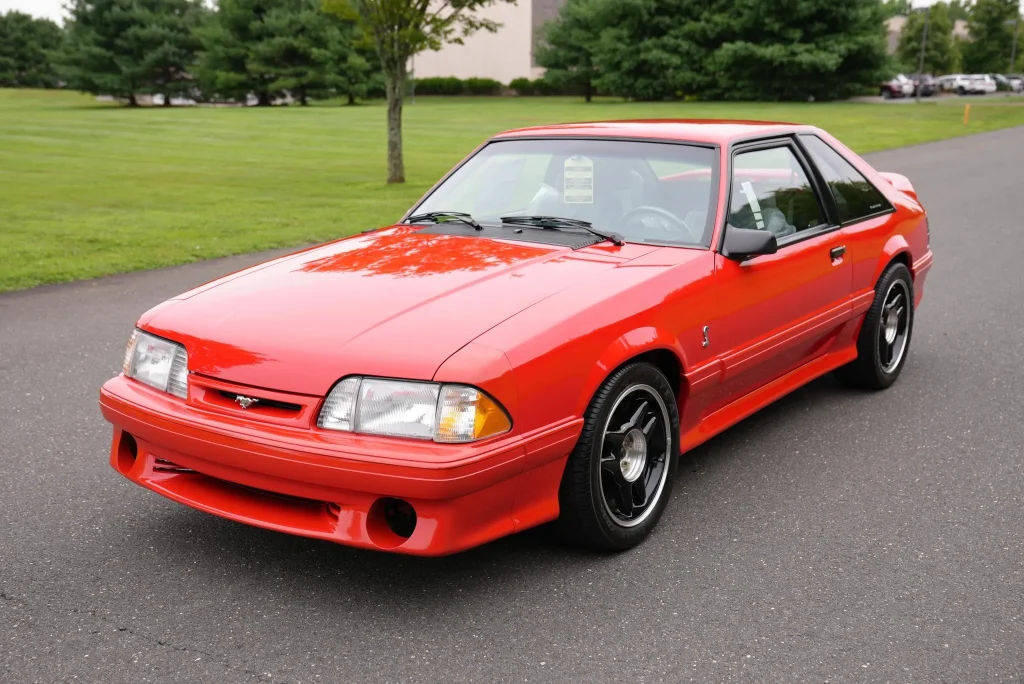
Auction values for clean Cobra R models now sit dramatically above original MSRP levels, especially for low-mileage examples with factory documentation. Enthusiasts recognize the car as both the final and greatest expression of the Fox Body era. Its rarity, racing focus, and historical significance continue pushing values upward year after year.
For many Mustang collectors, the 1993 Cobra R represents pure analog American performance at its finest.
- Engine: 5.0-liter V8
- Torque: 280 lb ft
- Horsepower: 235 hp
- Length/Width: 179.6 in / 70.8 in
2. 2000 Ford Mustang SVT Cobra R
The 2000 Mustang SVT Cobra R arrived with a completely different personality compared to its 1993 predecessor.
While the earlier car focused on lightweight simplicity, the 2000 version delivered brute force through one of the most intimidating naturally aspirated V8 engines Ford had ever installed in a production Mustang. It immediately became one of the wildest factory performance cars of its generation.
Ford built only 300 examples, giving the Cobra R instant collector status from the moment it reached dealerships. Massive aerodynamic components, aggressive front splitters, side exhausts, and a towering rear wing made the car visually unforgettable.
Unlike subtle performance editions, the Cobra R looked extreme from every angle because Ford engineered it specifically for road course competition.
Its hand-assembled 5.4-liter DOHC V8 produced enormous power for the era. Acceleration felt relentless, and the engine delivered an aggressive soundtrack unlike ordinary Mustang GT models. The suspension setup also transformed the car’s behavior significantly.
Stiffer springs, revised dampers, upgraded brakes, and improved cooling systems allowed the Cobra R to handle sustained track abuse with confidence.
Daily comfort received little attention during development. Rear seats disappeared, sound insulation remained minimal, and the ride quality felt uncompromising.
Ford clearly prioritized performance above convenience. That hardcore nature became part of the car’s appeal because buyers understood they were purchasing something far more serious than a standard Mustang.
Values for the 2000 Cobra R increased dramatically over time because collectors recognize its uniqueness within Mustang history. Few factory Mustangs combined such aggressive styling, rarity, and track capability in one package.
The car also represented the peak of naturally aspirated SVT performance before supercharging became dominant in later Shelby models.
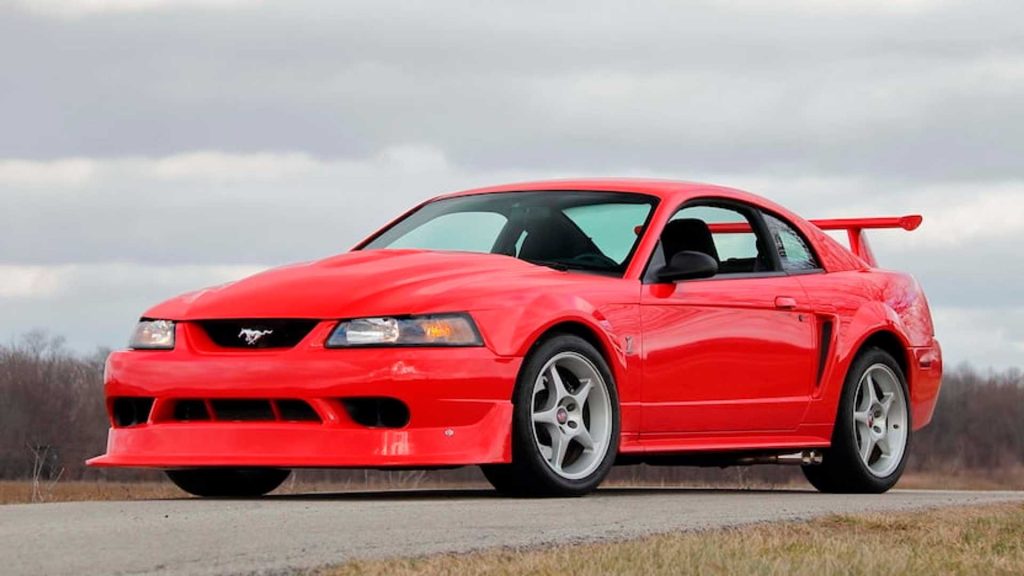
Low-mileage examples now sell for several times their original MSRP, especially when preserved in factory condition.
Enthusiasts continue chasing these cars because they symbolize an era when Ford produced unapologetically aggressive performance machines without concern for comfort or mass-market appeal. The 2000 Cobra R remains one of the most collectible modern Mustangs ever built.
- Engine: 5.4-liter DOHC V8
- Torque: 385 lb ft
- Horsepower: 385 hp
- Length/Width: 183.5 in / 73.1 in
3. 1969 Shelby GT500
The 1969 Shelby GT500 represents one of the most recognizable and desirable Mustangs ever produced. By the late 1960s, the muscle car wars had reached extraordinary levels, and Ford wanted the Shelby name to remain at the front of American high-performance culture.
The GT500 delivered exactly that through aggressive styling, massive V8 power, and unmistakable road presence that still commands attention decades later.
Unlike earlier Shelby Mustangs that carried a more lightweight, racing-inspired character, the 1969 GT500 embraced a larger and more luxurious personality.
The body became longer and more dramatic, featuring extended front ends, integrated scoops, hood pins, and distinctive sequential taillights. Every angle looked muscular and intimidating. Buyers immediately understood this was not an ordinary Mustang coupe.
Power came from a massive 428 Cobra Jet V8 capable of delivering brutal straight-line acceleration. Torque arrived effortlessly, making the GT500 feel dominant on highways and drag strips alike.
The car also produced one of the most memorable exhaust notes from the muscle car era. Drivers experienced a deep, thunderous V8 sound that perfectly matched the Mustang’s aggressive appearance.
Inside the cabin, the GT500 blended performance with upscale touches uncommon among many muscle cars of the period. Woodgrain trim, special instrumentation, and premium materials helped separate the Shelby from ordinary Ford models. That mix of luxury and raw power broadened the car’s appeal significantly.
Collectors value the 1969 GT500 for several reasons beyond performance alone. Carroll Shelby’s direct connection to the car adds enormous historical importance, while relatively limited production numbers increase rarity.
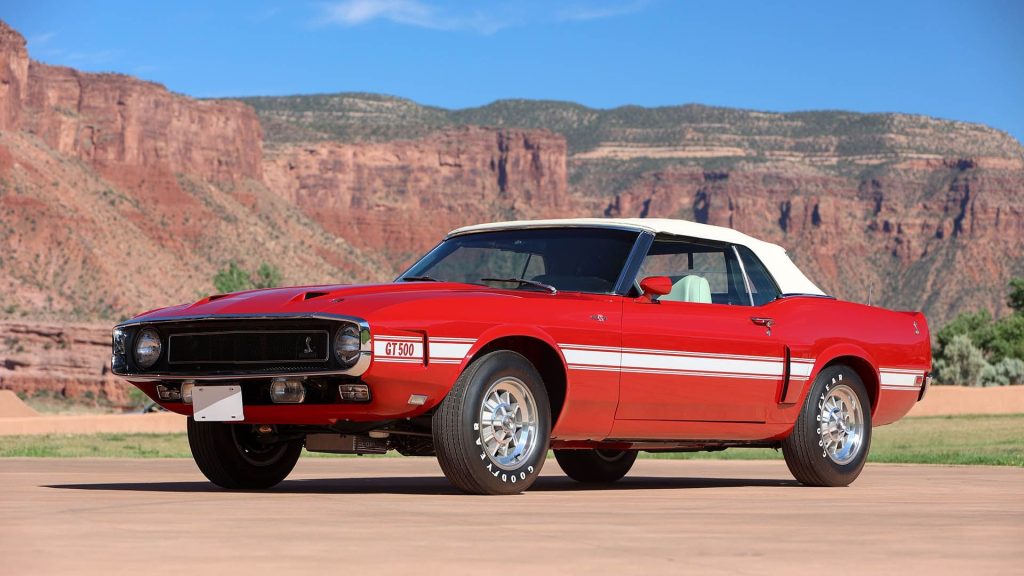
Many original examples also disappeared over the years through racing, neglect, or modifications, making well-preserved cars increasingly difficult to find.
Auction values for authentic 1969 GT500 models now exceed original pricing by staggering amounts. Some pristine examples sell for prices rivaling exotic supercars. Enthusiasts continue chasing them because the car represents the peak of classic American muscle combined with the legendary Shelby name.
- Engine: 428 Cobra Jet V8
- Torque: 440 lb ft
- Horsepower: 335 hp
- Length/Width: 187.4 in / 71.3 in
4. 2007 Shelby GT500
When Ford revived the Shelby GT500 for 2007, enthusiasm exploded immediately across the automotive world. Mustang fans waited years for a true high-performance Shelby return, and Ford responded with one of the most powerful factory Mustangs ever built at the time.
The car instantly became collectible because it combined retro-inspired styling, modern engineering, and the legendary Shelby badge during the height of the modern muscle car revival.
Its supercharged 5.4-liter V8 transformed the Mustang completely. Massive torque and aggressive acceleration gave the GT500 performance levels capable of challenging far more expensive sports cars.
The supercharger whine became part of the ownership experience, adding mechanical drama every time drivers pressed the throttle aggressively.
Styling also played a huge role in the car’s popularity. Wide racing stripes, aggressive fascias, hood vents, and Shelby badging created a visual connection to classic late 1960s Mustangs while still feeling modern.
The design successfully balanced nostalgia with contemporary muscle car aggression, helping the GT500 stand apart from ordinary Mustang GT models.
Unlike many earlier muscle cars, the 2007 GT500 also benefited from modern comfort and technology. Buyers received supportive seats, improved safety systems, and respectable daily usability alongside enormous performance capability. That combination broadened the car’s appeal far beyond traditional collectors alone.
Demand remained extremely high during launch, with dealerships often charging enormous markups above MSRP. Even years later, clean low-mileage examples continue holding impressive values because enthusiasts view the 2007 model as the beginning of the modern Shelby era.
It reintroduced the GT500 name successfully and helped restore Ford’s dominance in the renewed muscle car competition of the 2000s.
Collectors especially value unmodified cars because many owners added aftermarket superchargers, exhaust systems, and tuning packages. Original condition examples now command substantial premiums.
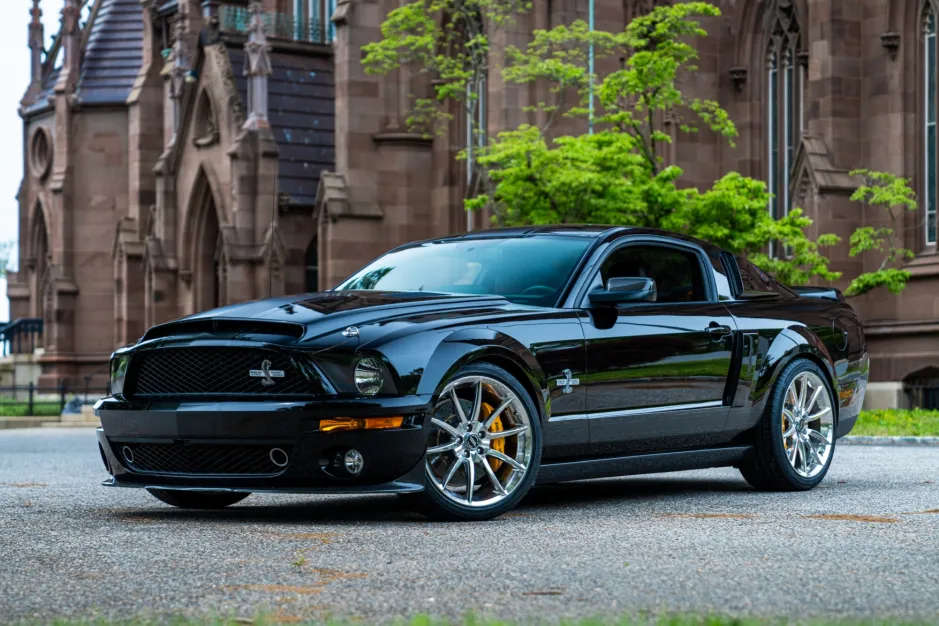
The 2007 Shelby GT500 proved that modern Mustangs could capture the same emotional excitement and cultural significance as the most famous classic muscle cars.
- Engine: 5.4-liter supercharged V8
- Torque: 480 lb ft
- Horsepower: 500 hp
- Length/Width: 188.0 in / 73.9 in
5. 1987 Ford Mustang Saleen SSC
The 1987 Saleen SSC occupies a fascinating position in Mustang history because it blended factory Fox Body simplicity with boutique tuner exclusivity long before limited-production performance cars became common.
Steve Saleen wanted to create a Mustang capable of competing with European sports cars through sharper handling and upgraded engineering rather than relying purely on straight-line speed. The SSC became the ultimate expression of that philosophy during the late 1980s.
Production remained extremely limited, with only 161 units built. That rarity alone makes surviving examples highly valuable today, but the car’s importance goes much deeper than numbers.
Saleen transformed the Mustang through revised suspension tuning, upgraded brakes, lightweight components, and unique aerodynamic modifications. The SSC felt more precise and balanced than ordinary Fox Body Mustangs, giving drivers a far more focused performance experience.
The 5.0-liter V8 still delivered the raw character enthusiasts loved during the Fox Body era. Strong torque, lightweight construction, and rear-wheel-drive dynamics made the car quick and entertaining even by modern standards.
Yet what truly separated the SSC was how composed it felt through corners. Saleen emphasized chassis balance heavily, helping the car behave more like a true sports coupe than a traditional muscle car.
Visually, the SSC looked purpose-built. Deep front air dams, special wheels, graphics packages, and race-inspired details gave the Mustang a motorsport personality without becoming overly flashy. Inside, upgraded seats and unique trim pieces reinforced its exclusivity further.
Collectors now chase the Saleen SSC aggressively because it represents one of the earliest examples of a tuner Mustang becoming genuinely collectible. Many Fox Body cars disappeared through racing, modifications, or neglect, making authentic SSC models extremely difficult to locate in original condition.
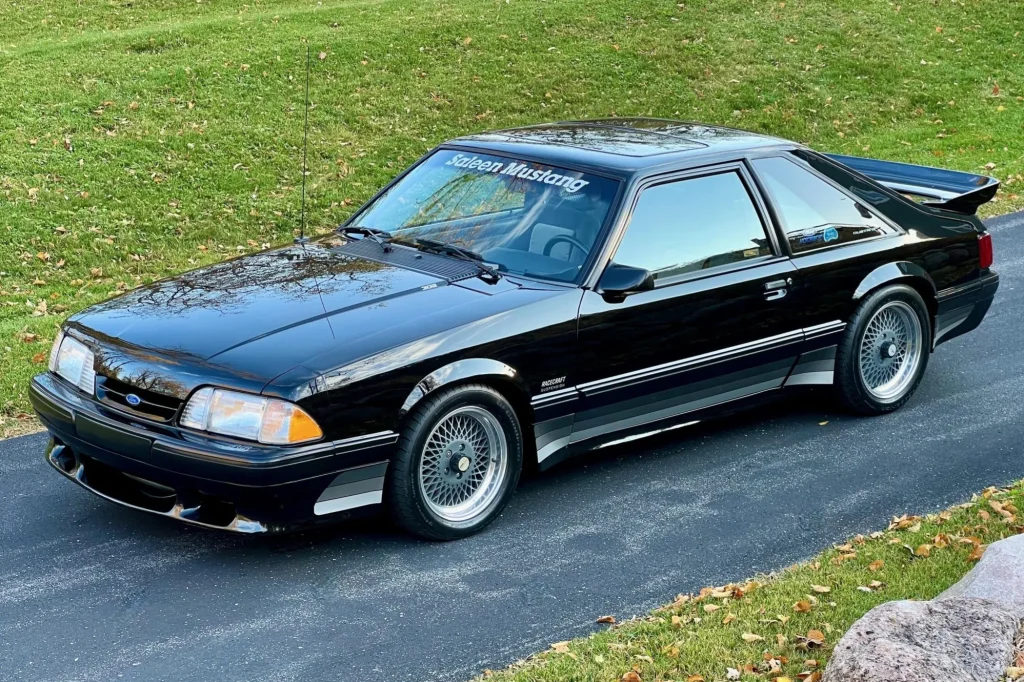
Auction values continue climbing because enthusiasts recognize the car’s significance in Mustang performance culture. It helped establish Saleen as one of the most respected names in American tuning history while proving Fox Body Mustangs could evolve into refined performance machines worthy of serious collector attention.
- Engine: 5.0-liter V8
- Torque: 300 lb ft
- Horsepower: 290 hp
- Length/Width: 179.6 in / 70.8 in
6. 2008 Ford Mustang Bullitt
The 2008 Mustang Bullitt succeeded because Ford understood nostalgia alone would not satisfy enthusiasts. Instead of building a simple appearance package, the company created a Mustang that genuinely captured the understated performance spirit of Steve McQueen’s famous movie car while improving driving dynamics and mechanical refinement significantly.
Unlike louder Shelby models covered in stripes and aggressive badging, the Bullitt embraced restraint. Dark Highland Green paint, minimal exterior branding, special wheels, and a blacked-out grille gave the car a clean and mature appearance. Enthusiasts appreciated how subtle the Mustang looked compared to many overly aggressive muscle cars from the same era.
Under the hood, Ford upgraded the 4.6-liter V8 with revised intake tuning and improved exhaust flow, producing stronger performance and one of the best-sounding Mustang exhaust notes of the 2000s.
The car delivered smooth acceleration with a deep mechanical growl that reminded drivers why naturally aspirated V8 engines remained so beloved.
Handling improvements also mattered enormously. Ford revised suspension tuning carefully, helping the Bullitt feel tighter and more composed than ordinary Mustang GT models.
Steering response improved, body roll decreased, and the car gained a more balanced personality during spirited driving. Buyers received a Mustang focused on driver engagement rather than brute force alone.
The interior reinforced the theme perfectly. Aluminum trim, unique gauges, and a retro-inspired cue ball shifter created a connection to classic Mustangs without feeling outdated. Every detail appeared intentional rather than decorative.
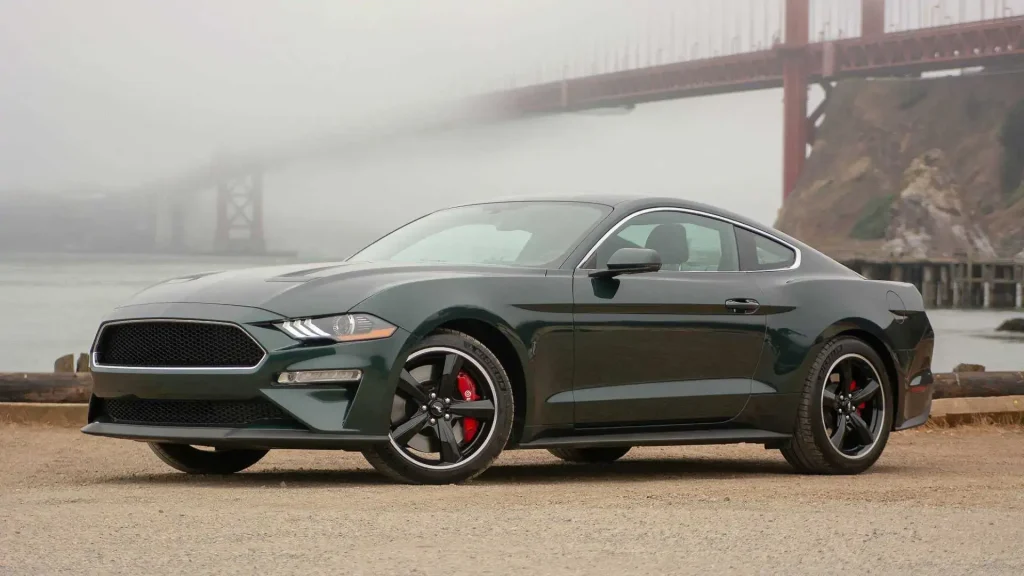
Collectors value the 2008 Bullitt because it represented one of Ford’s most successful modern heritage editions. Production numbers remained limited, and many owners preserved these cars carefully from the beginning, knowing the Bullitt name carried historical significance.
Today, clean low-mileage examples often command prices exceeding original MSRP because enthusiasts continue appreciating the car’s understated style, mechanical purity, and strong connection to one of the most famous Mustangs ever filmed.
- Engine: 4.6-liter V8
- Torque: 325 lb ft
- Horsepower: 315 hp
- Length/Width: 187.6 in / 73.9 in
7. 1995 Ford Mustang SVT Cobra R
The 1995 Mustang SVT Cobra R arrived during a transitional period for Ford performance cars. The Fox Body era had ended, and many enthusiasts still questioned whether the heavier SN95 generation could deliver the same raw excitement as earlier Mustangs.
Ford answered those concerns aggressively with the Cobra R, creating one of the most focused, track-oriented Mustangs the company had ever produced.
Only 250 units left the factory, immediately making the car highly exclusive. Ford designed the Cobra R specifically for hardcore enthusiasts and amateur racers rather than casual buyers seeking comfort.
Rear seats disappeared, sound insulation remained minimal, and many convenience features were removed entirely to reduce weight and sharpen the car’s purpose.
Power came from a larger 5.8-liter V8 that delivered strong low-end torque and aggressive acceleration. While horsepower numbers may appear modest by modern standards, the Cobra R felt brutally mechanical during hard driving. The engine produced a deep, muscular soundtrack that reinforced the car’s racing-inspired identity.
Ford also upgraded suspension tuning, brakes, cooling systems, and chassis rigidity significantly. Drivers discovered the Cobra R behaved far better on road courses than most muscle cars of its era.
Steering response felt direct, and the car communicated constantly through the chassis during aggressive cornering. That connection made the driving experience especially rewarding for skilled enthusiasts.
Visually, the Cobra R carried an intimidating presence through its functional hood, aggressive stance, and purposeful simplicity. Unlike flashy special editions overloaded with cosmetic upgrades, this Mustang looked serious because every modification served performance goals directly.

Collectors value the 1995 Cobra R heavily because it represents one of Ford’s last truly analog performance Mustangs before electronics and luxury features became increasingly dominant. Many examples also disappeared into racing use, making surviving low-mileage cars exceptionally rare today.
Auction prices continue rising because enthusiasts recognize the Cobra R as a critical chapter in SVT history and one of the most uncompromising factory Mustangs ever built.
- Engine: 5.8-liter V8
- Torque: 365 lb ft
- Horsepower: 300 hp
- Length/Width: 181.5 in / 71.8 in
8. 2003 Ford Mustang SVT Cobra “Terminator”
Few Mustangs changed Ford’s performance culture as dramatically as the 2003 SVT Cobra, commonly known as the “Terminator.”
Developed under SVT engineer John Coletti, the car arrived with one mission: dominate the modern muscle car market through supercharged power and immense tuning potential. It succeeded so completely that the Terminator became one of the most respected Mustangs ever built.
Its hand-assembled 4.6-liter DOHC V8 featured an Eaton supercharger producing massive torque and instant acceleration. Drivers immediately noticed how violently the car pulled compared to earlier naturally aspirated Cobras.
Supercharger whine mixed with aggressive exhaust sound created an unforgettable driving experience that still excites enthusiasts decades later.
The Terminator also solved one of the Mustang’s long-standing weaknesses through independent rear suspension.
That upgrade improved handling, composure, and ride quality significantly, helping the Cobra feel more refined without sacrificing straight-line speed. Ford finally produced a Mustang capable of competing more seriously with advanced sports cars from overseas.
Another reason collectors love the 2003 Cobra involves modification potential. Owners quickly discovered the engine handled enormous horsepower increases with relatively simple upgrades.
Smaller supercharger pulleys, exhaust systems, and tuning packages routinely pushed these cars far beyond factory power levels. The Terminator became legendary within street racing and drag racing communities because of how easily it produced supercar performance.
Styling helped as well. Aggressive front fascias, heat-extracting hood vents, unique wheels, and muscular proportions gave the Cobra a far more menacing appearance than ordinary Mustang GT models.
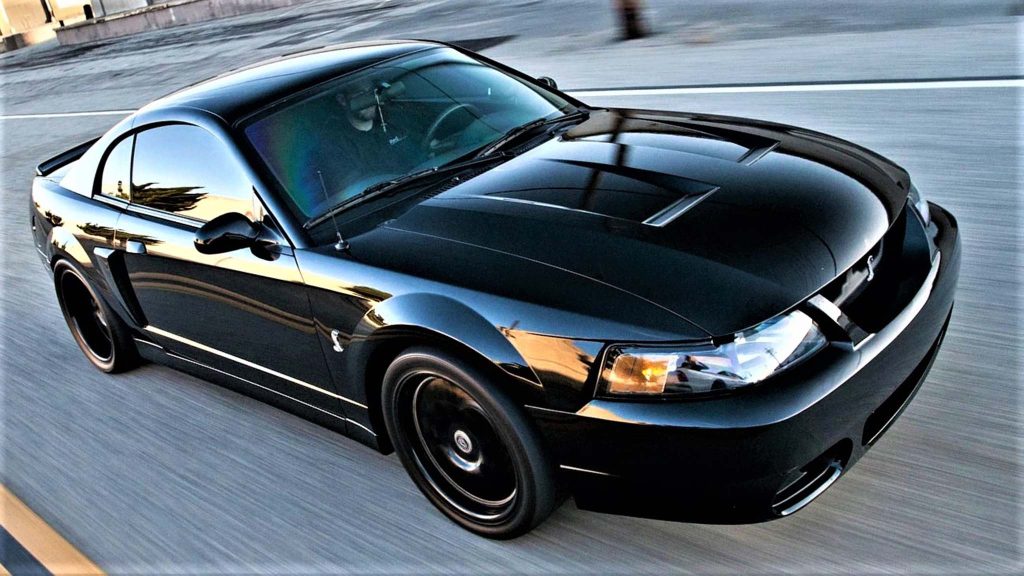
Values for clean Terminators continue climbing because enthusiasts view them as the last truly raw, supercharged SVT Mustang before modern electronics softened performance experiences. Low-mileage unmodified examples are especially desirable because many owners modified these cars aggressively during the 2000s.
The 2003 Terminator remains one of the greatest performance bargains Ford ever created and one of the most collectible modern Mustangs on the market today.
- Engine: 4.6-liter supercharged DOHC V8
- Torque: 390 lb ft
- Horsepower: 390 hp
- Length/Width: 183.5 in / 73.1 in
9. 1965 Shelby GT350
The 1965 Shelby GT350 stands at the top of Mustang collector culture because it transformed Ford’s new pony car into a genuine performance legend almost immediately after launch. Carroll Shelby approached the Mustang with a racing mindset rather than a luxury or styling philosophy.
His team stripped weight, sharpened handling, upgraded suspension components, and created a machine capable of competing seriously on road courses across America.
Unlike later Shelby Mustangs that became larger and more luxurious, the original GT350 felt raw and uncompromising. Rear seats disappeared, fiberglass components reduced weight, and the suspension setup became dramatically more aggressive than ordinary Mustangs.
Drivers experienced constant communication through the steering wheel and chassis, making the car feel alive during spirited driving.
Its high-revving 289 cubic inch V8 became one of the defining American performance engines of the 1960s. Strong power delivery combined with the Mustang’s lightweight body created thrilling acceleration and exceptional responsiveness for the period.
The GT350 earned enormous respect because it handled corners far better than many traditional muscle cars, helping establish the Mustang as more than just a straight-line performer.
The styling remained relatively restrained compared to later Shelby models, but subtle details such as racing stripes, hood scoops, and unique badging gave the car a purposeful appearance. Every modification reflected Shelby’s racing priorities directly.
Collectors consider the 1965 GT350 one of the most important Mustangs ever built because of its historical significance and rarity.
It marked the beginning of the Shelby Mustang legacy and connected Ford performance directly to Carroll Shelby’s racing reputation. Surviving original examples became extraordinarily valuable as Mustang enthusiasm exploded worldwide.
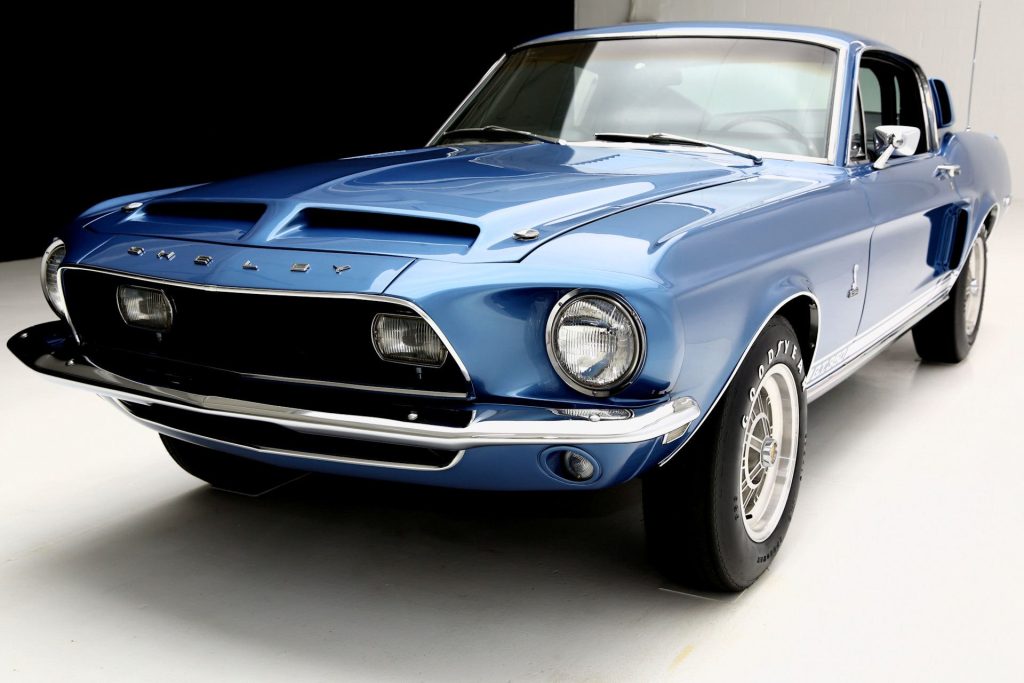
Today, pristine GT350 models sell for enormous amounts at auctions, often far beyond the reach of ordinary collectors. Enthusiasts continue chasing them because they represent the purest and most authentic expression of classic Mustang performance.
Few American cars carry the same combination of racing heritage, cultural impact, and collector demand. The 1965 Shelby GT350 remains the ultimate pre-2010 Mustang investment and one of the greatest muscle cars ever created.
- Engine: 289-cubic-inch V8
- Torque: 306 lb ft
- Horsepower: 306 hp
- Length/Width: 181.6 in / 68.2 in
The Ford Mustang has produced countless memorable performance cars, but only a select few have evolved into true collector icons worth far more than their original prices.
From the lightweight 1965 Shelby GT350 to the supercharged 2003 SVT Cobra Terminator, these Mustangs represent major moments in American automotive history.
Limited production numbers, powerful V8 engines, racing-inspired engineering, and strong enthusiast demand helped these cars become investment-grade classics rather than ordinary used muscle cars.
Models like the 1993 Cobra R and 1995 Cobra R earned respect because Ford prioritized track performance over comfort, creating raw and focused driving machines. Cars such as the 2007 Shelby GT500 and 2008 Bullitt captured modern Mustang nostalgia while still delivering serious performance and everyday usability.
Meanwhile, rare tuner collaborations like the 1987 Saleen SSC proved specialized Mustangs could achieve collector status equal to factory-built legends.
What connects all of these cars is emotional appeal. They deliver mechanical driving experiences that modern vehicles often struggle to match. Supercharged power, manual transmissions, aggressive styling, and direct steering feedback continue attracting enthusiasts across generations.
Today, collectors pay enormous premiums for clean original examples because these Mustangs symbolize much more than speed alone. They represent the evolution of American muscle culture, Shelby heritage, SVT engineering ambition, and Ford’s long-standing commitment to high-performance excitement.