
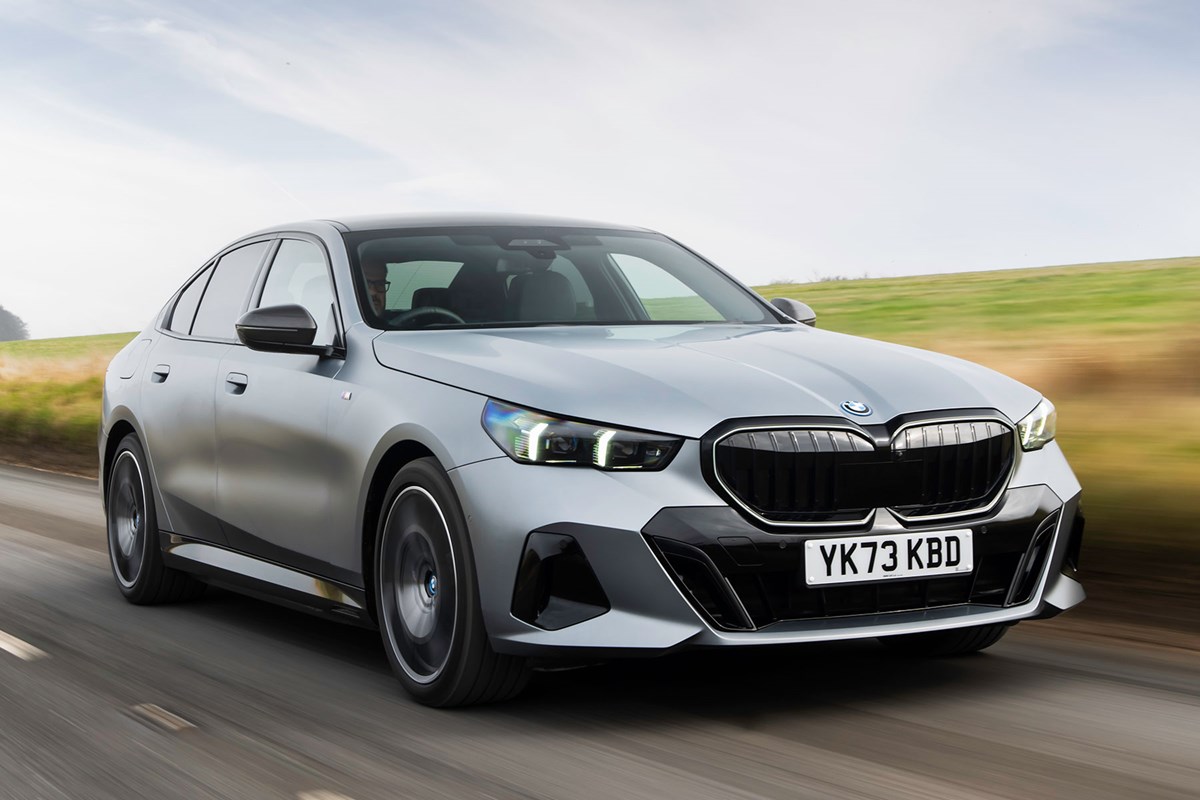
BMW has officially entered the next stage of development for the refreshed BMW 5 Series, with heavily camouflaged prototypes recently spotted testing ahead of the sedan’s expected arrival in the United States for the 2028 model year.
The updated executive sedan appears to be undergoing final tuning and refinement work as BMW prepares a mid-cycle refresh designed to keep one of its most important luxury models competitive in an increasingly crowded premium market.
The sightings immediately attracted attention among enthusiasts because the 5 Series remains one of BMW’s defining vehicles.
For decades, the 5 Series has occupied the center of the company’s identity, balancing luxury, technology, comfort, and sporty driving dynamics in ways that helped establish BMW’s global reputation.
The model traditionally serves as the brand’s benchmark executive sedan, sitting between the more accessible 3 Series and the flagship 7 Series luxury limousine. The upcoming facelift arrives during a particularly important moment for BMW.
Luxury sedans continue facing pressure from SUVs and crossovers, yet the executive sedan category still carries major importance for premium brand image and global prestige. Buyers in this segment expect cutting-edge technology, refined interiors, strong performance options, and increasingly sophisticated electrification strategies.
The refreshed 5 Series appears designed to address all of those expectations. Although camouflage still hides many details, prototype vehicles suggest updates involving revised lighting signatures, redesigned front and rear styling elements, software improvements, and interior technology enhancements.
BMW is also expected to continue expanding electrified powertrain options as stricter global emissions regulations push luxury automakers deeper into hybrid and EV territory. The facelift will likely include updates for both gasoline and electric variants.
That matters because the modern 5 Series lineup now reflects BMW’s broader transformation toward electrification while still attempting to preserve the driving character longtime customers expect from the brand. The challenge for BMW involves balancing modernization with tradition.
Also Read: 10 Fastest Hennessey-Tuned Models – Ranked by Top Speed
The 5 Series Remains One of BMW’s Most Important Cars
Even in an era dominated by SUVs, the 5 Series continues to hold enormous strategic importance for BMW globally.
The model has long represented the company’s ideal balance between everyday usability and premium driving engagement. While smaller BMW sedans often lean toward sportier dynamics and larger luxury models prioritize comfort, the 5 Series historically blended both worlds exceptionally well.
That formula helped make the sedan one of the most respected executive cars in automotive history. Business professionals, luxury buyers, driving enthusiasts, and long-distance commuters have all gravitated toward the 5 Series for different reasons over the decades.
Some buyers value its technology and prestige, while others appreciate its traditionally sharp handling and refined road manners.
BMW understands the model’s significance clearly. The company cannot afford for the 5 Series to lose relevance in a market where Mercedes-Benz, Audi, Genesis, Lexus, and even electric-focused newcomers continue pushing aggressively into the premium sedan segment.
The pressure has increased dramatically in recent years. Luxury buyers now expect vehicles to function as advanced digital platforms filled with large displays, connected services, artificial intelligence integration, driver assistance systems, and over-the-air software updates.
Performance and comfort still matter, but software and user experience now influence buying decisions more heavily than ever before.
BMW has responded by transforming the modern 5 Series into a far more technology-focused vehicle than earlier generations.
Large curved displays, digital interfaces, advanced safety systems, and electrified drivetrains now define the model alongside traditional luxury features. Yet BMW still attempts to preserve the sporty personality that separated its sedans from softer luxury competitors historically. That balancing act grows more difficult every year.
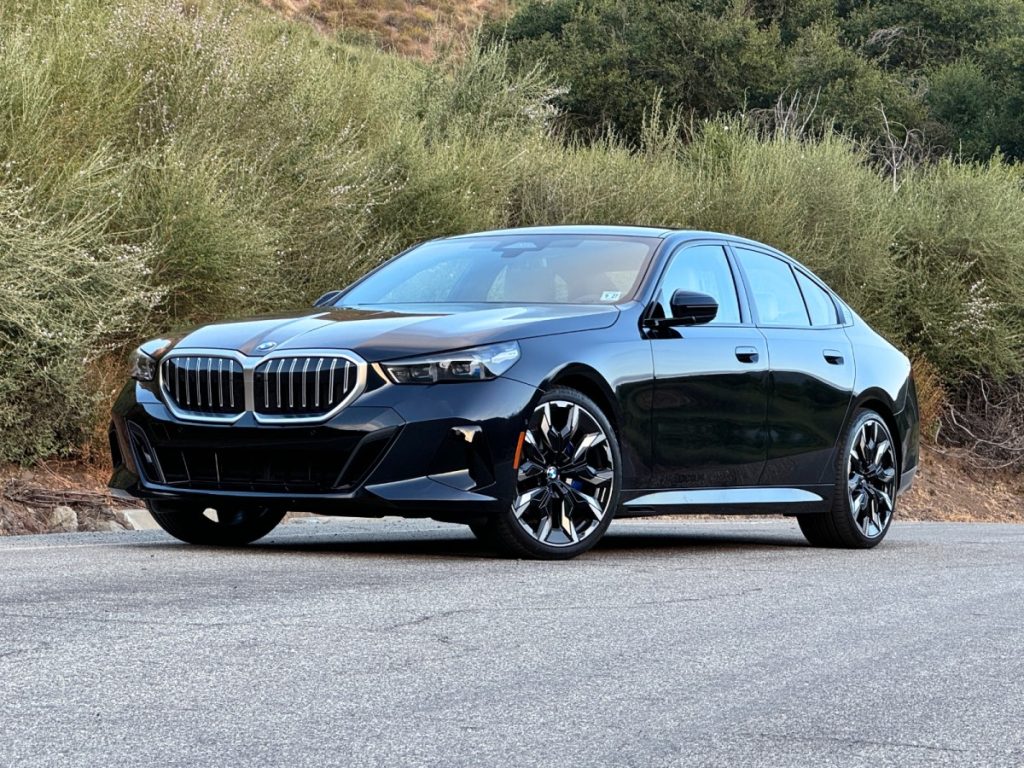
Some longtime enthusiasts argue modern BMWs have become too digitally focused and isolated from the road compared with older generations. Others appreciate the technology and comfort improvements necessary to compete in today’s luxury market.
The facelifted 5 Series, therefore, carries major expectations from multiple types of customers simultaneously.
The Refresh Will Likely Focus Heavily on Technology
Although BMW has not officially revealed the updated 5 Series yet, industry observers expect technology upgrades to become one of the facelift’s primary focuses.
Modern luxury sedans increasingly compete through software ecosystems, digital experiences, and connected features as much as traditional engineering.
Buyers now compare infotainment systems, voice assistants, autonomous driving capabilities, and user interfaces with the same intensity once reserved for horsepower figures and suspension tuning. BMW knows this battle is critical.
The company has invested heavily in digital interiors and advanced software architecture across its lineup. The facelifted 5 Series will likely receive revised infotainment systems, updated operating software, faster processing capability, and expanded AI-driven functions designed to improve both convenience and personalization.
Interior refinements are also expected. Prototype sightings suggest subtle cabin updates may accompany the exterior refresh, potentially involving new trim materials, revised ambient lighting, improved seating technology, and upgraded display graphics.
BMW continues pushing premium interiors toward cleaner, more minimalist digital layouts influenced partly by electric vehicle design trends. Driver assistance systems will almost certainly evolve further as well.
Luxury buyers increasingly expect semi-autonomous highway features, adaptive cruise technologies, lane management systems, predictive navigation integration, and automated parking capabilities. BMW must continue matching or surpassing rivals in those areas to remain competitive.
Electrification will also play a major role. The current generation 5 Series already includes hybrid and fully electric variants such as the BMW i5. The facelift is expected to improve efficiency, software optimization, and possibly the driving range as BMW refines its electric strategy further.
The challenge involves integrating all these modern technologies without losing the driving engagement that made BMW famous originally. That tension defines nearly every premium sedan today.
Executive Sedans Are Fighting for Relevance in an SUV World
The facelifted 5 Series also arrives during a difficult period for luxury sedans. SUVs and crossovers now dominate global automotive markets, including the premium segment, where buyers increasingly prefer higher seating positions, larger cargo areas, and more versatile, family-oriented designs.
Many luxury brands now earn the majority of their profits from SUVs rather than traditional sedans. Yet executive sedans still matter deeply for prestige.
Models like the BMW 5 Series, Mercedes E-Class, and Audi A6 continue serving as brand identity vehicles representing engineering sophistication, business status, and premium craftsmanship. Automakers, therefore, continue investing heavily in them even as market demand shifts elsewhere.
BMW cannot abandon this segment. The company built much of its modern reputation through sports sedans and executive cars known for combining luxury with engaging driving dynamics. The 5 Series remains central to that heritage.
Still, competition has changed dramatically. Electric vehicles have disrupted traditional luxury hierarchies, allowing newer companies to challenge established brands with software-heavy EV platforms and futuristic cabin experiences.
Tesla demonstrated that buyers would accept radically different luxury vehicle philosophies, while Chinese manufacturers now push aggressively into premium EV territory as well.
The facelifted 5 Series must therefore compete against both traditional rivals and entirely new categories of luxury vehicles simultaneously. That challenge partly explains why mid-cycle refreshes have become increasingly important.
Modern vehicles rely heavily on software, connectivity, and evolving user expectations, forcing manufacturers to update products more aggressively throughout their lifecycles rather than waiting for full redesigns alone.
BMW’s testing program suggests the company understands the importance of keeping the 5 Series technologically current through the end of the decade.
BMW’s Future Depends on Balancing Heritage and Modernization
The upcoming facelifted 5 Series ultimately represents a larger challenge facing BMW itself. The company must evolve rapidly toward electrification, software integration, and digital luxury experiences while still preserving the sporty premium identity that made BMW globally successful in the first place.
That balancing act grows more complicated every year. Modern luxury buyers expect advanced technology, seamless connectivity, large displays, and increasingly autonomous driving features.
Regulators continue pushing stricter emissions rules that accelerate electrification across the industry. At the same time, longtime BMW enthusiasts still expect sharp handling, driver engagement, and emotional connection from the brand’s vehicles.
The 5 Series sits directly at the center of those competing pressures. As one of BMW’s most historically important models, the sedan must appeal both to traditional customers and to younger buyers entering a highly digital automotive world. The facelift appears designed to refine that formula further without radically changing the car’s core identity.
The continued development of gasoline, hybrid, and electric versions also highlights BMW’s cautious transition strategy.
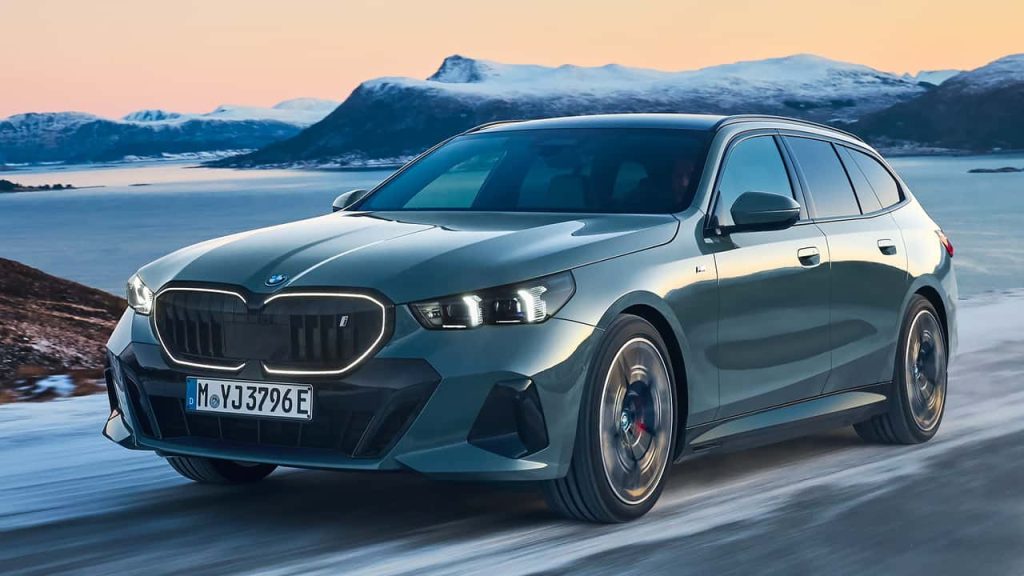
Unlike some competitors that aggressively committed to fully electric futures immediately, BMW continues offering multiple powertrain choices while allowing market demand and infrastructure development to evolve more gradually. That flexibility may ultimately prove valuable.
Luxury buyers remain divided regarding electrification, and many consumers still prefer hybrid or gasoline-powered vehicles for practical reasons. The facelifted 5 Series will likely continue reflecting BMW’s effort to satisfy all those audiences simultaneously.
For now, the camouflaged prototypes testing on public roads offer an early glimpse at the next chapter for one of the automotive world’s most respected executive sedans. The BMW 5 Series may be evolving rapidly, but its importance to the company remains unchanged.
