
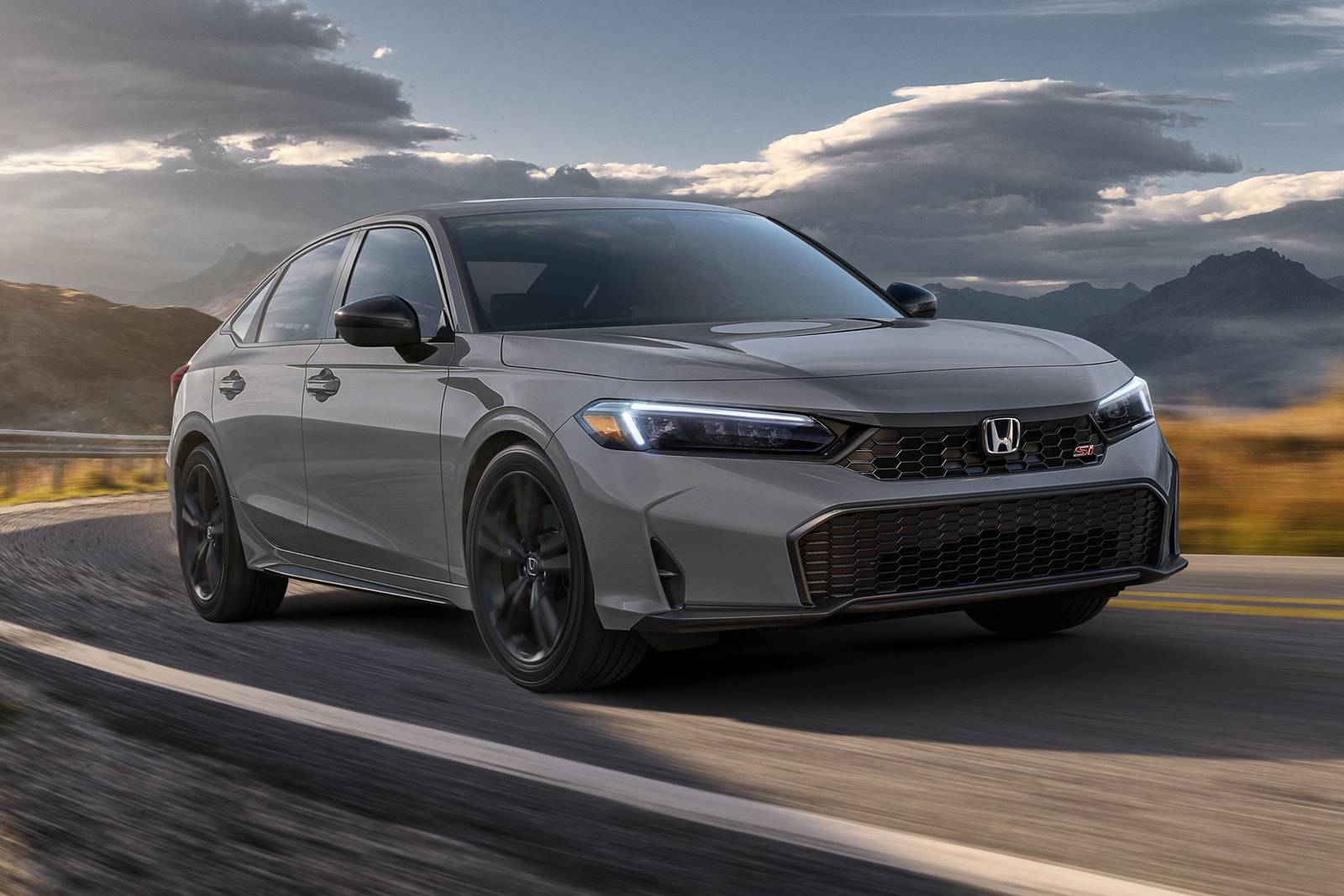
Honda has spent decades building a reputation for producing reliable, efficient, and practical vehicles that appeal to buyers across the world.
Yet something many American buyers rarely realize is that several Honda models actually cost far less in Japan than they do in the United States. The difference is not always small either.
Currency exchange rates, import duties, transportation expenses, dealership markups, and regional equipment packages all contribute to noticeable price gaps between the two markets.
Japan also benefits from being Honda’s home market. Cars are produced closer to customers, logistics costs remain lower, and competition among domestic manufacturers is extremely aggressive. Because of that, Japanese consumers often gain access to well-equipped Honda models at prices that would surprise American shoppers.
In some cases, buyers in Japan receive hybrid technology, premium interiors, or advanced safety systems while still paying thousands less than someone walking into a dealership in the United States.
Another factor involves vehicle positioning. Certain Hondas are marketed as mainstream commuter vehicles in Japan but are treated as premium or niche offerings in America. This changes pricing strategies dramatically.
SUVs, hybrids, compact hatchbacks, and even performance models can all carry inflated prices once they reach the US market.
The pricing differences become even more interesting when comparing specification levels. Some Japanese-market Hondas include features that Americans must purchase through expensive optional packages.
Others arrive with smaller but highly efficient engines designed for tax benefits and fuel economy regulations unique to Japan.
This list focuses on ten Honda vehicles that are noticeably cheaper in Japan than in the United States. Some are globally recognized best sellers while others are enthusiast favorites with cult followings.
Each one highlights how geography, taxation, consumer demand, and manufacturing strategy can create major pricing differences between two important automotive markets.
Also Read: 10 Motorcycles With Bigger Engines Than Most Cars
1. Honda Civic
The Honda Civic has long been one of the most recognized compact cars in the world, but its pricing structure differs significantly depending on where buyers live.
In Japan, the Civic is positioned as a highly competitive domestic hatchback and sedan, allowing Honda to keep prices relatively reasonable. American buyers, however, often face noticeably higher sticker prices due to import logistics, dealership fees, regional packaging, and consumer demand for larger feature sets.
Japanese buyers benefit from Honda’s local manufacturing efficiency and reduced transportation costs. Even hybrid versions of the Civic are sold at prices that undercut many American trims.
The situation becomes more dramatic when exchange rates favor the Japanese yen. During certain periods, a well-equipped Civic in Japan can cost several thousand dollars less than an equivalent American model.
Another important detail involves the trim strategy. Honda frequently includes advanced safety systems and efficient powertrains in Japanese-market Civics without dramatically increasing the base price.
In the United States, features like premium infotainment systems, larger wheels, upgraded interiors, or hybrid technology can push pricing into territory once occupied by midsize sedans.
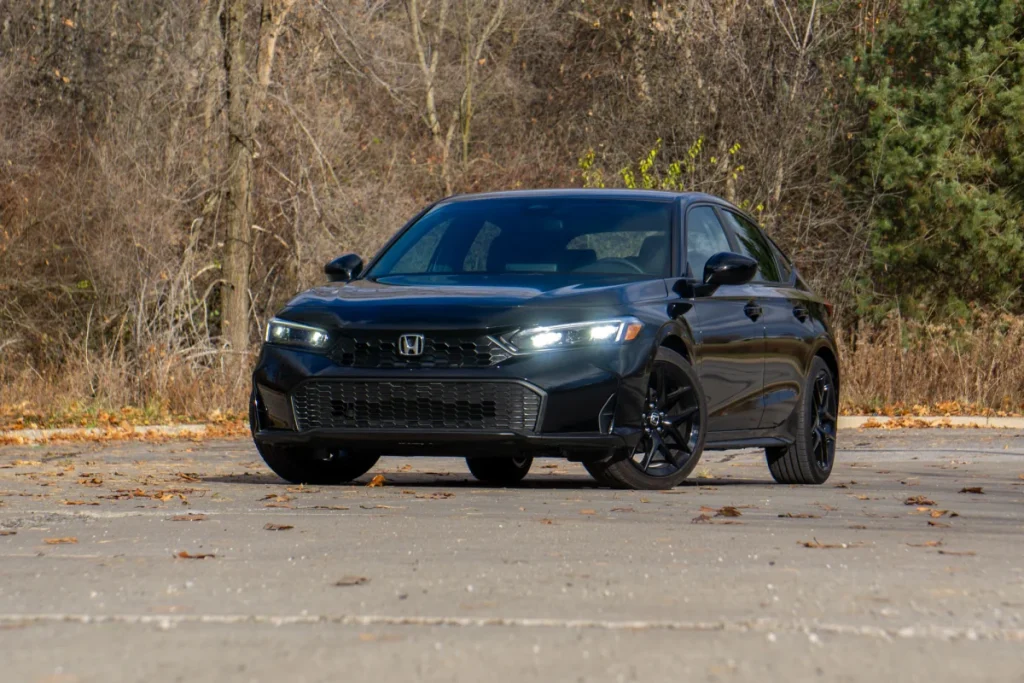
The Japanese market also places heavy emphasis on compact efficiency rather than aggressive styling packages. That helps Honda maintain lower pricing while still delivering a refined ownership experience. Buyers there often prioritize practicality, fuel savings, and reliability above appearance packages or oversized performance wheels.
American Civics are also affected by higher demand among younger buyers and commuters. Honda knows the Civic remains one of its strongest sellers in North America, giving the company room to maintain firmer pricing. Dealers sometimes add markups as well, especially for hybrid or sporty trims.
Despite the cost difference, the Civic remains a strong value in both countries. Yet when directly comparing similar models, Japanese buyers usually gain access to the same dependable engineering at a noticeably lower price point.
- Engine: 2.0-liter inline 4
- Torque: 133 lb ft
- Horsepower: 158 hp
- Length/Width: 184.0 inches / 70.9 inches
2. Honda Accord
The Honda Accord has evolved from a simple family sedan into a more premium midsize vehicle, especially in the American market. That transformation has pushed US prices upward, while Japanese market accords continue to maintain comparatively restrained pricing. The result is a sizable gap between what customers pay in the two countries.
In Japan, the Accord competes in a crowded domestic field where fuel economy and efficiency matter heavily. Honda cannot afford to price the car too aggressively because rivals from Toyota, Nissan, and Mazda constantly pressure the segment.
American buyers, on the other hand, increasingly treat the Accord as a near-luxury alternative to entry-level German sedans, which allows higher pricing.
Hybrid technology also changes the equation. Japan has embraced hybrids for decades, and Honda can produce electrified Accords at relatively lower costs domestically. American hybrid versions tend to command substantial premiums because they are marketed as advanced technology upgrades rather than standard efficient transportation.
Interior packaging contributes to the pricing difference as well. US market Accords usually arrive with larger infotainment screens, more comfort-oriented trims, and expensive appearance packages. Japanese buyers often receive cleaner and more restrained configurations designed around urban commuting and fuel savings.
Taxes and dealership structures matter too. American dealerships typically add destination charges, documentation fees, and optional accessories that inflate final transaction prices. Japanese buyers face fewer of these additions, particularly when purchasing locally produced vehicles.
The Accord’s reputation for durability keeps demand consistently high in America. Families, commuters, and rideshare drivers all gravitate toward it because of its reliability record. Honda takes advantage of that strong demand by maintaining premium pricing across much of the lineup.
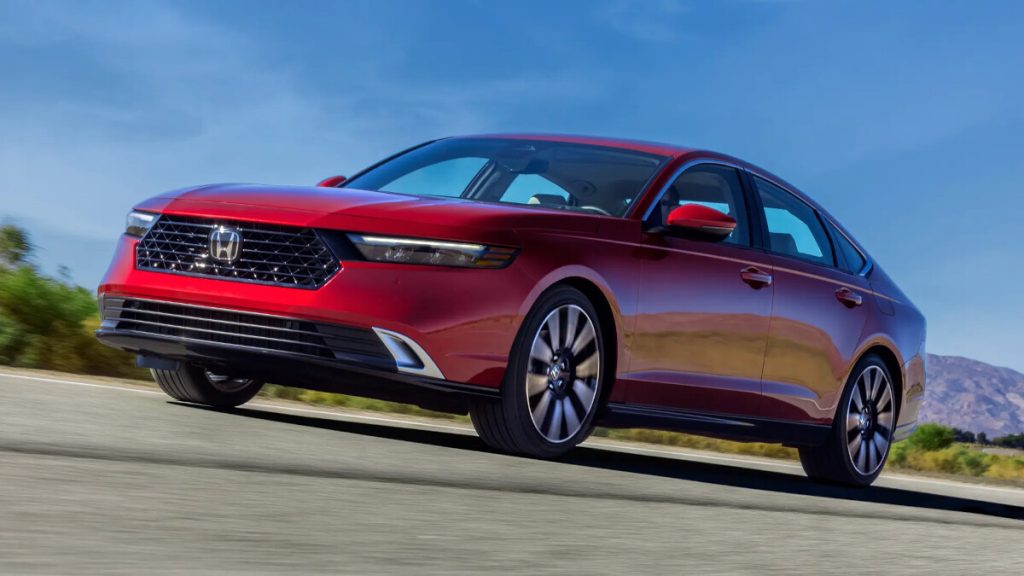
Even with those higher costs, the Accord remains one of the best midsize sedans available. Still, Japanese customers generally pay less for similar engineering, quality, and technology, making the domestic Japanese version a considerably better bargain financially.
- Engine: 1.5-liter turbocharged inline 4
- Torque: 192 lb ft
- Horsepower: 192 hp
- Length/Width: 195.7 inches / 73.3 inches
3. Honda CR-V
Compact SUVs dominate the American market, and the Honda CR-V stands near the top of that category. Its popularity in the United States has helped Honda command stronger pricing, especially for hybrid trims and upper-level packages.
In Japan, though, the CR-V occupies a different market position, allowing buyers to purchase it for considerably less money.
Japanese consumers generally prefer compact dimensions, fuel efficiency, and sensible operating costs. Honda responds by offering CR-V variants that focus heavily on practicality rather than oversized luxury touches.
While American models often emphasize larger wheels, panoramic roofs, and upscale trim materials, Japanese versions frequently remain simpler and less expensive while still delivering the same dependable engineering underneath.
Production costs also play a role. Since Honda can distribute vehicles more efficiently within Japan, expenses tied to shipping and import handling stay lower. American customers indirectly absorb many of those logistical costs through higher retail pricing.
Hybrid technology is another area where Japan gains an advantage. The Japanese market adopted hybrid systems much earlier than the United States, allowing Honda to refine manufacturing and reduce costs over time.
American CR-V hybrids often carry notable price increases because electrification is treated as a premium feature rather than a normal part of the lineup.
The CR-V’s image in America further pushes prices upward. Many buyers view it as a near-luxury family SUV because of its spacious cabin, smooth ride quality, and long-term reliability. Dealerships know the CR-V attracts repeat Honda customers who prioritize dependability, so aggressive discounts are less common.
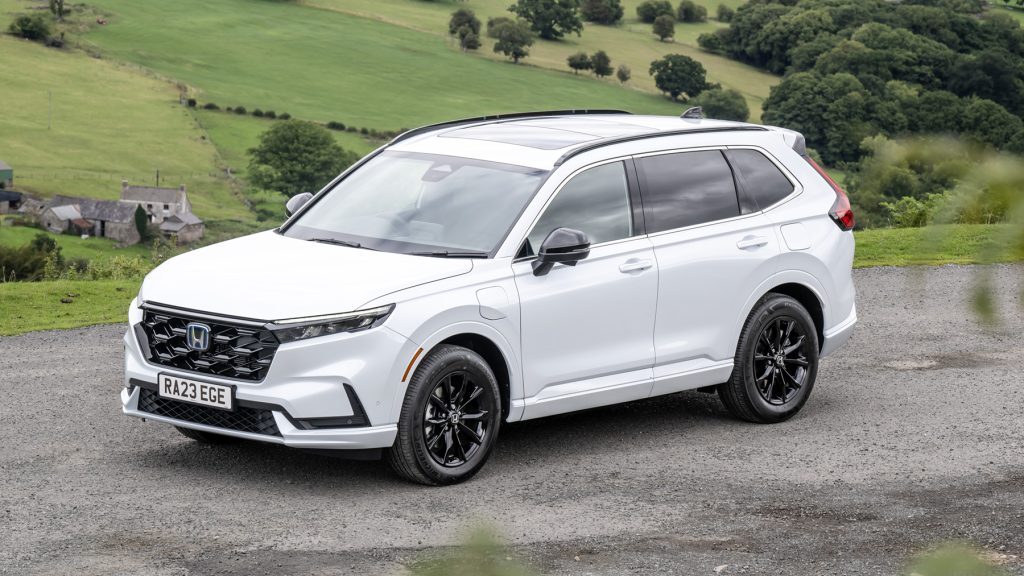
Japanese buyers also benefit from smaller option bundles. Instead of forcing customers into expensive trim levels for basic convenience features, Honda frequently spreads equipment more evenly across the range. That creates better value at lower entry prices.
The CR-V remains one of the smartest compact SUVs regardless of market, but the Japanese pricing structure makes it especially attractive domestically. American buyers still receive a strong vehicle, though they often pay thousands more for a similarly equipped example.
- Engine: 1.5-liter turbocharged inline 4
- Torque: 179 lb ft
- Horsepower: 190 hp
- Length/Width: 184.8 inches / 73.5 inches
4. Honda Fit
The Honda Fit built its reputation by delivering exceptional interior practicality in a tiny footprint. In Japan, where crowded cities and narrow streets make compact cars essential, the Fit has always been positioned as an affordable everyday commuter.
The United States treated it differently, which created a major pricing contrast between the two markets.
Japanese buyers could purchase the Fit at relatively low prices because Honda designed the car specifically for domestic urban driving conditions. Efficient packaging, excellent fuel economy, and low ownership costs mattered more than upscale features.
American consumers, however, expected additional safety systems, larger infotainment setups, and highway-oriented refinement, all of which increased costs.
One of the Fit’s strongest selling points was its clever interior arrangement. Honda’s famous Magic Seat system allowed owners to fold and configure the cabin in several ways, making the little hatchback surprisingly useful for cargo.
Japanese buyers appreciated the practicality without demanding expensive luxury equipment, helping Honda keep prices manageable.
The American market placed the Fit in a difficult position. Small cars became less popular as SUVs took over dealerships nationwide. Because sales volumes were lower, Honda could not benefit from the same economies of scale enjoyed in Japan. As a result, the Fit often looked expensive relative to larger American vehicles.
Fuel economy regulations and safety requirements also contributed to higher costs in the United States. Honda had to adapt the car to meet stricter crash standards and customer expectations for highway comfort. Those adjustments added expense to a vehicle originally designed around affordability.
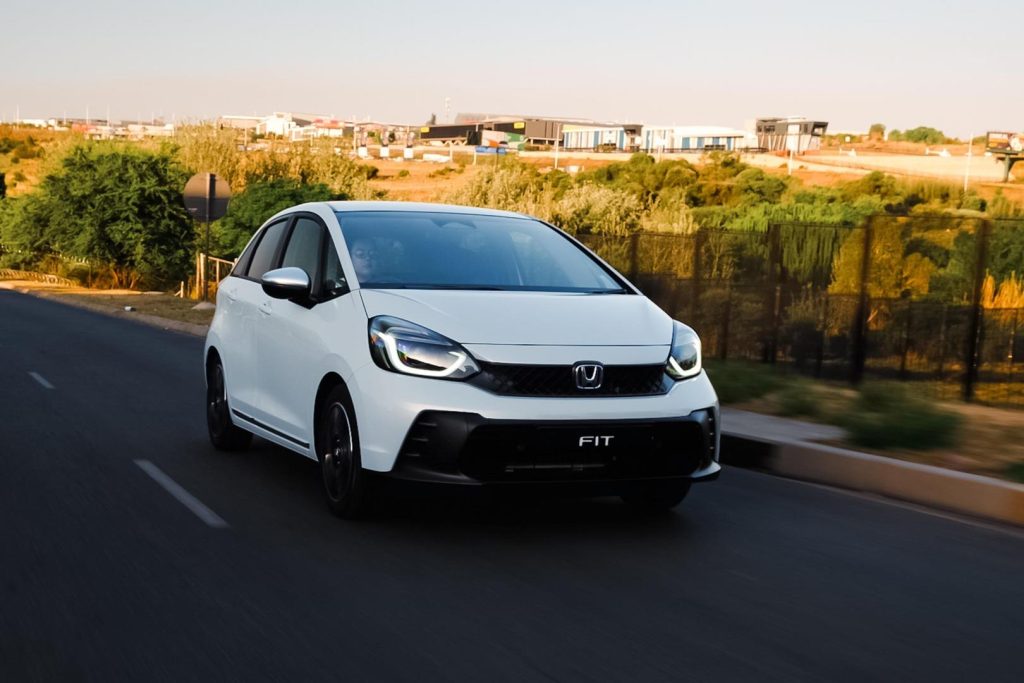
Japanese market fits often came with efficient hybrid systems and smaller displacement engines that qualified for tax advantages. Buyers could enjoy excellent fuel savings without paying premium prices. American shoppers rarely received the same pricing benefits.
Even years after its discontinuation in the United States, the Fit remains respected for reliability and smart engineering. Yet Japanese customers consistently received better value, paying far less for one of Honda’s most intelligently designed compact cars.
- Engine: 1.5 liter inline 4
- Torque: 114 lb ft
- Horsepower: 130 hp
- Length/Width: 161.4 inches / 67.0 inches
5. Honda HR-V
The Honda HR-V entered the global market as a practical subcompact crossover designed for crowded cities and budget-conscious buyers. In Japan, the vehicle fits naturally into daily urban life because of its compact dimensions and efficient packaging.
American buyers, however, often encounter significantly higher prices due to changing consumer expectations and the SUV-driven market.
Japanese versions of the HR-V are typically configured with efficiency in mind. Honda keeps the focus on fuel savings, maneuverability, and practical cabin space rather than aggressive styling or oversized technology packages. This allows the company to maintain lower retail prices while still offering dependable transportation.
In the United States, crossovers have become status vehicles as much as practical family transportation. Buyers frequently expect larger touchscreens, advanced driver assistance systems, premium interior materials, and sport-inspired trims. Honda responds by loading American HR-V models with additional equipment that pushes prices upward.
Another reason behind the pricing difference involves market demand. Compact SUVs remain among the hottest-selling vehicle categories in America. Since buyers continue flocking toward crossovers instead of sedans or hatchbacks, manufacturers can maintain firmer pricing with fewer incentives.
Japan also benefits from reduced transportation expenses because the HR-V is produced and distributed domestically. American market vehicles face additional logistics costs, dealership fees, and regional taxes that inflate the final purchase price. Currency exchange fluctuations can widen the gap even further.
Interestingly, Japanese buyers often prioritize ownership efficiency more than raw performance. Smaller engines and lighter specifications remain perfectly acceptable there, whereas American customers usually expect stronger acceleration and highway capability.
That difference in market preference shapes how Honda packages and prices the HR-V in both countries.
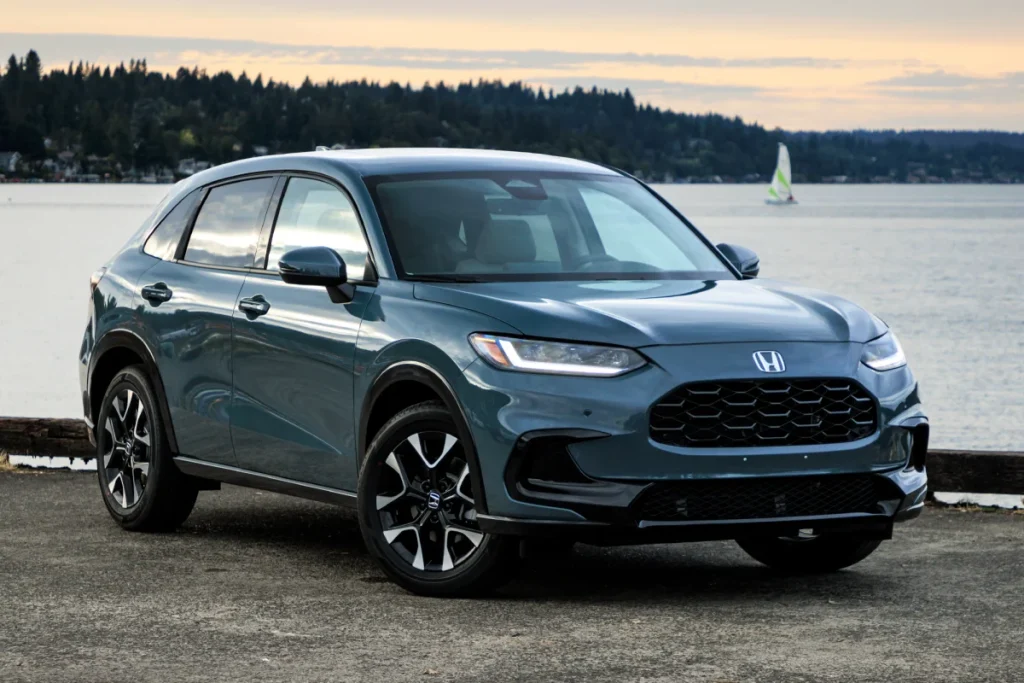
Despite being more expensive in America, the HR-V still attracts buyers because of its reputation for reliability and smart interior packaging. Yet from a pure value standpoint, Japanese customers generally receive the same core vehicle at a far more affordable price.
- Engine: 2.0-liter inline 4
- Torque: 138 lb ft
- Horsepower: 158 hp
- Length/Width: 179.8 inches / 72.4 inches
6. Honda Odyssey
Minivans no longer dominate the American market the way they once did, but the Honda Odyssey continues to hold a strong reputation among families needing comfort and practicality.
What surprises many buyers is that Japanese customers can often purchase the Odyssey for noticeably less money than American consumers pay for comparable versions.
Japan treats the Odyssey differently from the United States. Instead of marketing it purely as a large family hauler, Honda positions it as an efficient and refined people mover suited for dense urban areas. Japanese versions frequently emphasize space efficiency and fuel economy rather than premium styling or luxury-inspired upgrades.
American market Odysseys have grown larger and more feature-packed over the years. Buyers expect rear entertainment systems, advanced climate controls, power sliding doors, and upscale cabin materials. Those additions raise production costs and allow Honda to charge higher prices in North America.
The pricing gap becomes even more noticeable when comparing hybrid technology. Japan has embraced hybrid family vehicles much more aggressively, enabling Honda to offer electrified minivans at relatively reasonable prices. American buyers still pay substantial premiums for advanced powertrain technology.
Dealer structure also matters. In the United States, family-oriented vehicles like the Odyssey maintain stable demand among parents prioritizing reliability and interior flexibility. Dealers know many customers specifically seek Honda durability, giving them less pressure to discount heavily.
Japanese buyers generally approach vehicle ownership differently as well. Compact parking spaces, fuel costs, and taxation encourage efficient packaging rather than oversized dimensions. Honda can therefore keep the Odyssey simpler and less expensive domestically while still satisfying customer expectations.
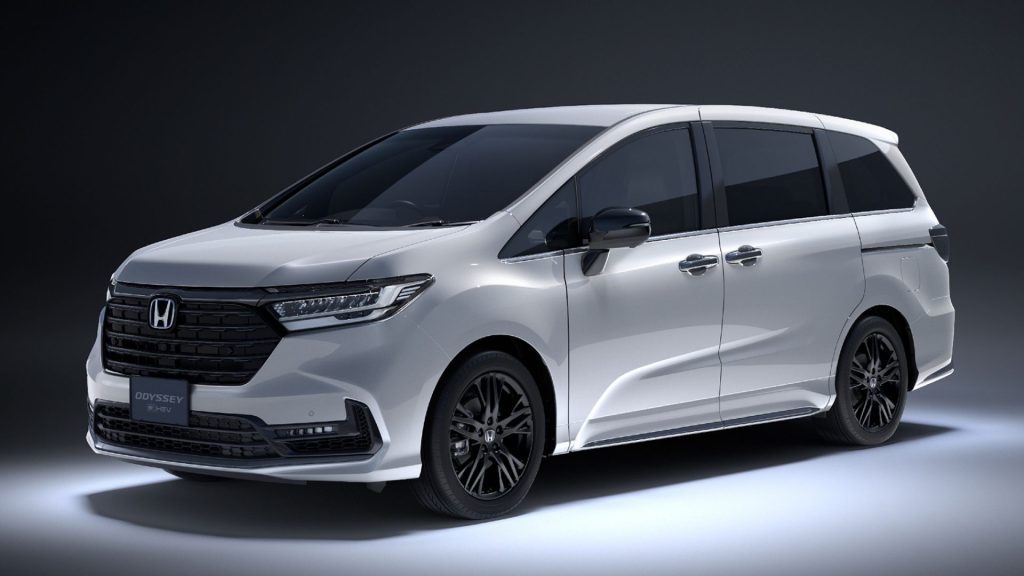
Another factor is competition. Japanese domestic rivals compete fiercely in the family van category, forcing Honda to maintain competitive pricing to preserve market share. The American minivan segment has fewer serious competitors, allowing higher transaction prices.
The Odyssey remains one of the most practical family vehicles Honda has ever produced. Still, buyers in Japan typically enjoy access to the same functionality and reliability at considerably lower prices than families shopping in the United States.
- Engine: 3.5-liter V6
- Torque: 262 lb ft
- Horsepower: 280 hp
- Length/Width: 205.2 inches / 78.5 inches
7. Honda Pilot
The Honda Pilot was created primarily with North American families in mind, yet pricing differences still favor Japanese buyers in many situations.
Even though the SUV caters heavily to American preferences, Japanese market versions and equivalent Honda family SUVs often remain less expensive because of domestic production advantages and different feature packaging strategies.
American consumers expect large three-row SUVs to function almost like luxury vehicles. Leather seating, panoramic sunroofs, massive infotainment displays, and extensive driver assistance technology have become standard expectations in the segment.
Honda responds by equipping the Pilot with numerous premium touches, but those additions significantly raise the final price.
Japanese buyers usually place greater value on efficiency and manageable dimensions than on oversized cabins or expensive comfort options.
Honda, therefore, structures many domestic, family-oriented SUVs with simpler trim hierarchies and fewer costly extras. The company can maintain competitive pricing while still delivering strong practicality and reliability.
Fuel costs also shape the market. Larger SUVs naturally consume more fuel, making them less desirable in Japan compared with compact crossovers or hybrid vehicles. Since demand remains lower, Honda often prices these vehicles more aggressively to attract customers domestically.
In America, however, the Pilot occupies one of the most profitable segments in the industry. Families migrating away from minivans continue embracing midsize SUVs, and Honda benefits from its reputation for dependability. Buyers willingly pay more because they trust the Pilot to deliver years of trouble-free ownership.
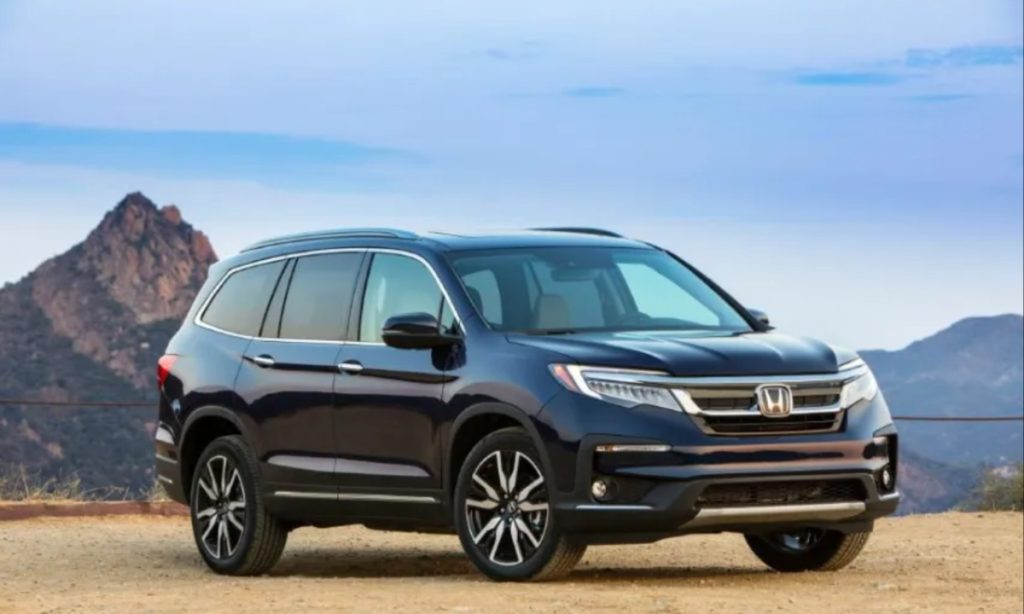
Dealership markups and optional accessory packages further widen the gap. American buyers often encounter destination fees, appearance packages, roof rack upgrades, or extended warranties that inflate the transaction price well beyond the base MSRP.
The Pilot’s spacious interior and smooth V6 engine make it an excellent long-distance family vehicle. Still, Japanese buyers frequently gain access to comparable Honda utility vehicles with similar engineering principles at far lower prices than those paid by American households.
- Engine: 3.5-liter V6
- Torque: 262 lb ft
- Horsepower: 285 hp
- Length/Width: 199.9 inches / 78.5 inches
8. Honda Stepwgn
The Honda Stepwgn is one of the clearest examples of how Japanese buyers sometimes receive extraordinary value unavailable in the American market. This spacious family van has built a loyal following in Japan because it combines practicality, fuel efficiency, and flexible seating at a surprisingly accessible price point.
Unlike many American family vehicles, the Stepwgn focuses heavily on maximizing interior space without becoming excessively large outside.
Its tall roofline and clever cabin design make it extremely practical for urban families dealing with narrow Japanese streets and tight parking spaces. Honda keeps the vehicle affordable by emphasizing functionality rather than luxury-oriented styling.
American buyers never officially received the Stepwgn, which makes comparisons interesting. If a similarly equipped vehicle with this level of interior flexibility were sold in the United States, it would likely cost substantially more because of import expenses, certification costs, and American consumer expectations for premium equipment.
Japanese versions frequently include advanced hybrid systems at prices that would seem highly competitive in the US market. Honda has spent years refining efficient domestic powertrains, allowing the company to offer strong fuel economy without dramatically increasing sticker prices.
Another advantage for Japanese buyers involves taxation policies that reward efficient and compact vehicles. The Stepwgn fits well within those priorities, helping owners reduce operating expenses compared with larger American-style family haulers.
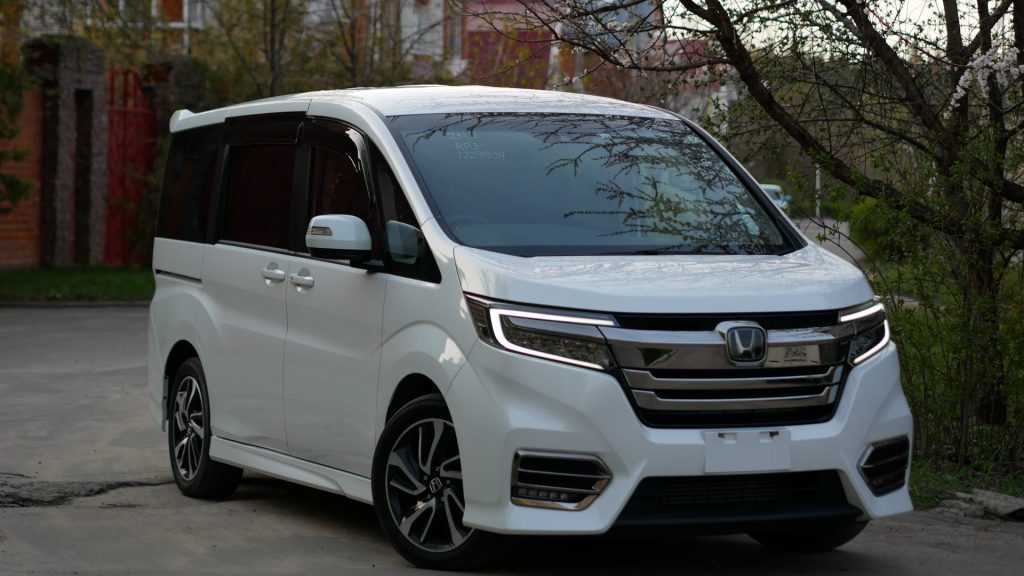
The van’s sliding doors and configurable seating layout make it particularly attractive for parents managing daily transportation needs. Honda engineered the interior to adapt easily between passenger-carrying duties and cargo-hauling tasks, which explains the vehicle’s enduring popularity in Japan.
If introduced in the United States today, the Stepwgn would probably attract buyers wanting an alternative to oversized SUVs.
Yet pricing would almost certainly climb because of regulatory requirements and shifting market expectations. Japanese customers continue benefiting from one of Honda’s smartest family vehicles at a much lower cost than American buyers would likely ever see.
- Engine: 2.0-liter hybrid inline 4
- Torque: 232 lb ft
- Horsepower: 181 hp
- Length/Width: 189.0 inches / 69.7 inches
9. Honda Freed
The Honda Freed represents a category of vehicle that perfectly reflects Japanese automotive priorities. Compact on the outside yet remarkably spacious inside, the Freed delivers family-friendly usability at a price point that remains far below what many Americans would expect for a similarly practical vehicle.
Honda designed the Freed around dense city environments where space efficiency matters enormously. Narrow roads, compact parking spots, and strict ownership costs pushed manufacturers toward intelligent packaging solutions rather than simply increasing vehicle size.
The result is a small van that comfortably carries multiple passengers while remaining easy to maneuver through crowded urban areas.
Japanese buyers benefit from competitive pricing because the Freed fits naturally into the domestic market. Honda does not need to market it as a premium product. Instead, it functions as practical transportation for families needing versatility without the cost or fuel consumption of a large SUV.
If Honda attempted to sell the Freed in America, the vehicle would likely undergo major modifications to satisfy local safety regulations and consumer expectations.
Larger engines, additional sound insulation, upgraded infotainment systems, and expanded safety technology would quickly increase costs. Import logistics would push prices even higher.
The Freed’s hybrid versions are especially impressive from a value perspective. Japanese buyers can access excellent fuel efficiency while still enjoying spacious seating arrangements and flexible cargo capability. American buyers seeking similar practicality often must move into larger and more expensive crossovers or minivans.
Another reason for the lower Japanese pricing comes from consumer preferences. Buyers there typically value reliability, low ownership expenses, and fuel economy above prestige or aggressive styling. Honda can therefore focus resources on functional engineering instead of expensive cosmetic upgrades.
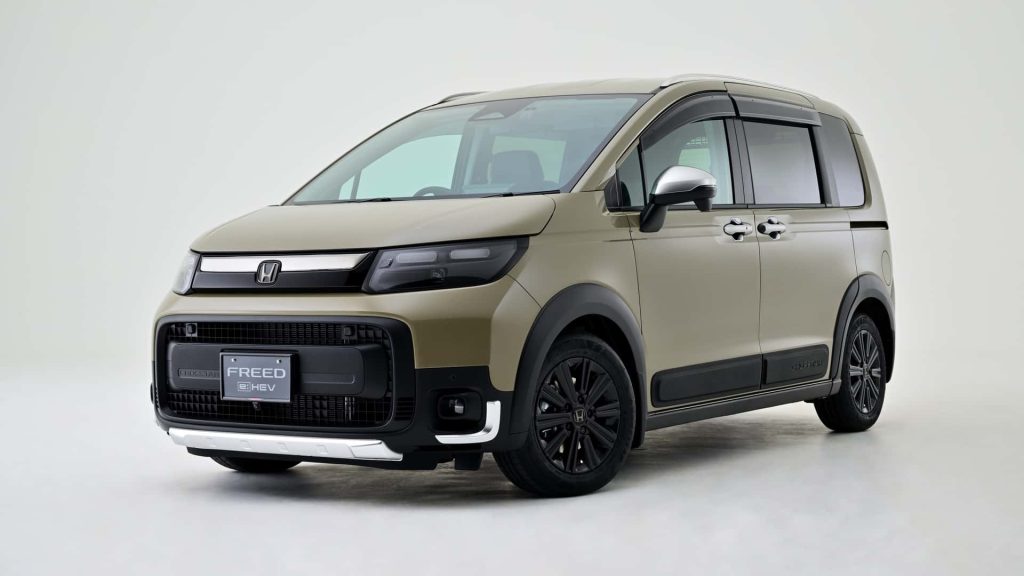
Inside the cabin, the Freed offers multiple seating layouts that make daily life easier for growing families. Sliding rear doors help passengers enter tight parking spaces comfortably, and the tall roofline creates a surprisingly open atmosphere despite the compact dimensions.
The Freed may never become a mainstream American vehicle, but it demonstrates how Japanese buyers frequently receive highly practical Honda models at prices that would be difficult to match in the United States.
- Engine: 1.5-liter hybrid inline 4
- Torque: 99 lb ft
- Horsepower: 129 hp
- Length/Width: 167.5 inches / 66.7 inches
10. Honda N Box
Few vehicles highlight Japan’s unique automotive culture better than the Honda N Box. Classified as a kei car, the N Box is designed specifically around Japanese regulations that reward ultra-compact dimensions and efficient engines.
Despite its tiny footprint, the vehicle delivers an astonishing amount of practicality while remaining dramatically cheaper than most vehicles sold in the United States.
The N Box dominates sales charts in Japan because it satisfies daily transportation needs without unnecessary excess.
Honda engineered the tall body structure to maximize cabin room, giving passengers surprising comfort inside an exterior smaller than many American subcompacts. Buyers gain flexibility, fuel efficiency, and low operating costs in one affordable package.
American buyers rarely encounter vehicles like the N Box because US market expectations differ greatly. Consumers generally demand larger engines, stronger highway performance, and expanded safety equipment. Meeting those expectations would transform the N Box into a far more expensive vehicle.
Japan’s kei car regulations provide major financial incentives as well. Reduced taxes, lower insurance expenses, and cheaper registration fees encourage buyers to choose compact vehicles like the N Box. Honda can therefore maintain extremely competitive pricing while still offering advanced features and modern technology.
The tiny turbocharged engines used in higher trims deliver respectable city performance without consuming large amounts of fuel. For urban commuting, the N Box makes tremendous sense. Parking becomes easier, maintenance costs remain low, and maneuverability is exceptional in crowded environments.
Another fascinating aspect of the N Box is how efficiently Honda uses interior space. Folding seats, tall roof dimensions, and clever storage compartments make the cabin feel much larger than expected. Families, elderly drivers, and commuters all appreciate its convenience.
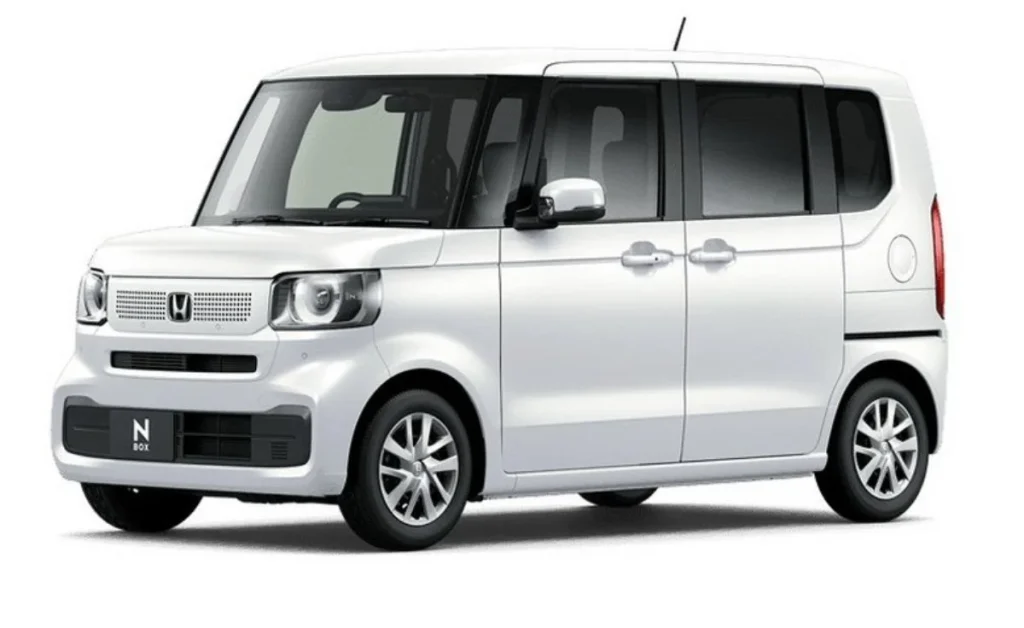
If sold in the United States without major redesigns, the N Box would likely remain a niche curiosity rather than a mainstream success.
Yet in Japan, it perfectly matches consumer needs and economic realities. The affordability advantage compared with American vehicles is enormous, proving that smaller and smarter transportation solutions can still thrive in the right market.
- Engine: 658 cc turbocharged inline 3
- Torque: 77 lb ft
- Horsepower: 63 hp
- Length/Width: 133.7 inches / 58.1 inches
Also Read: 10 Chinese Cars That Are Better and Cheaper Than Luxury Cars
