
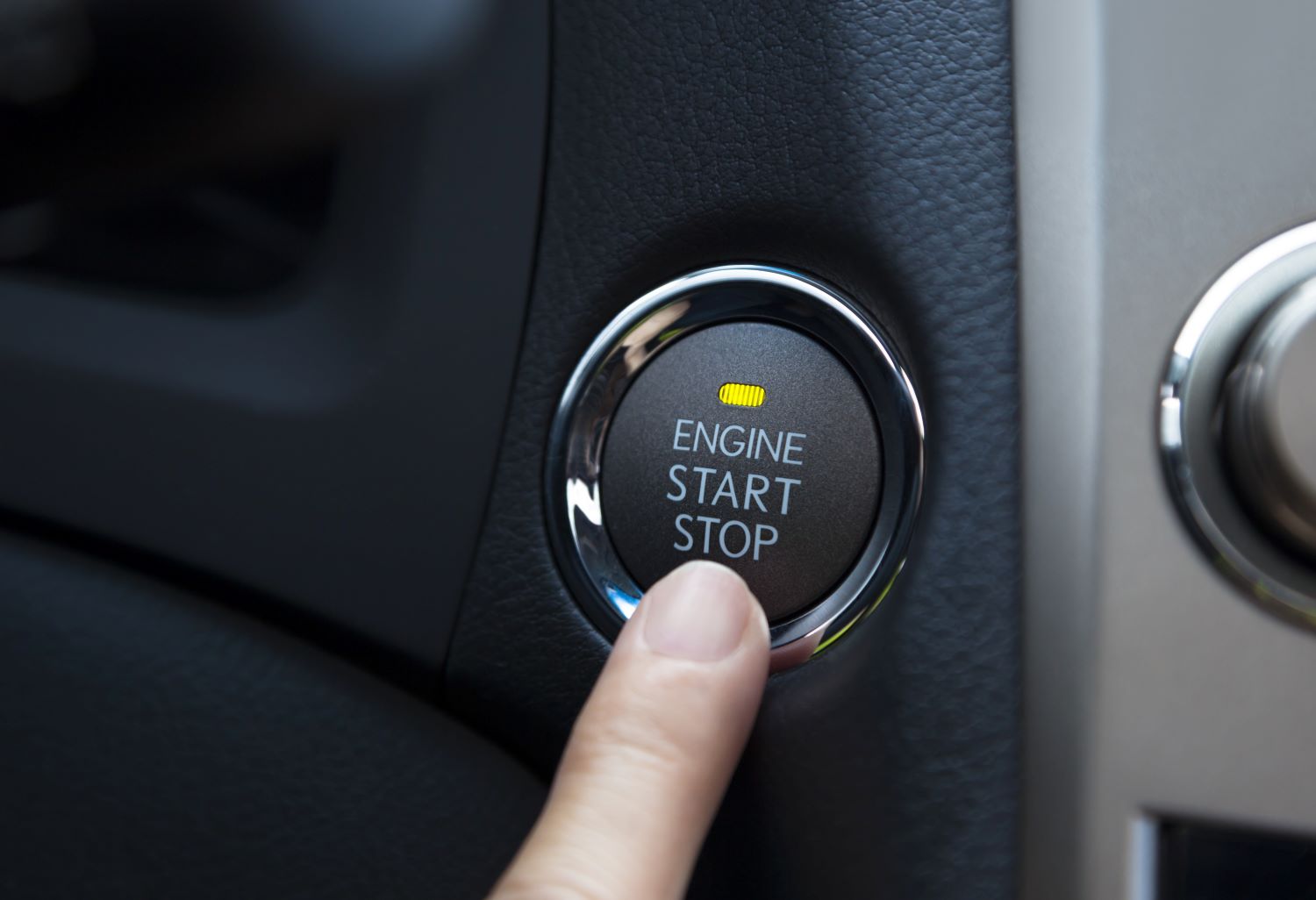
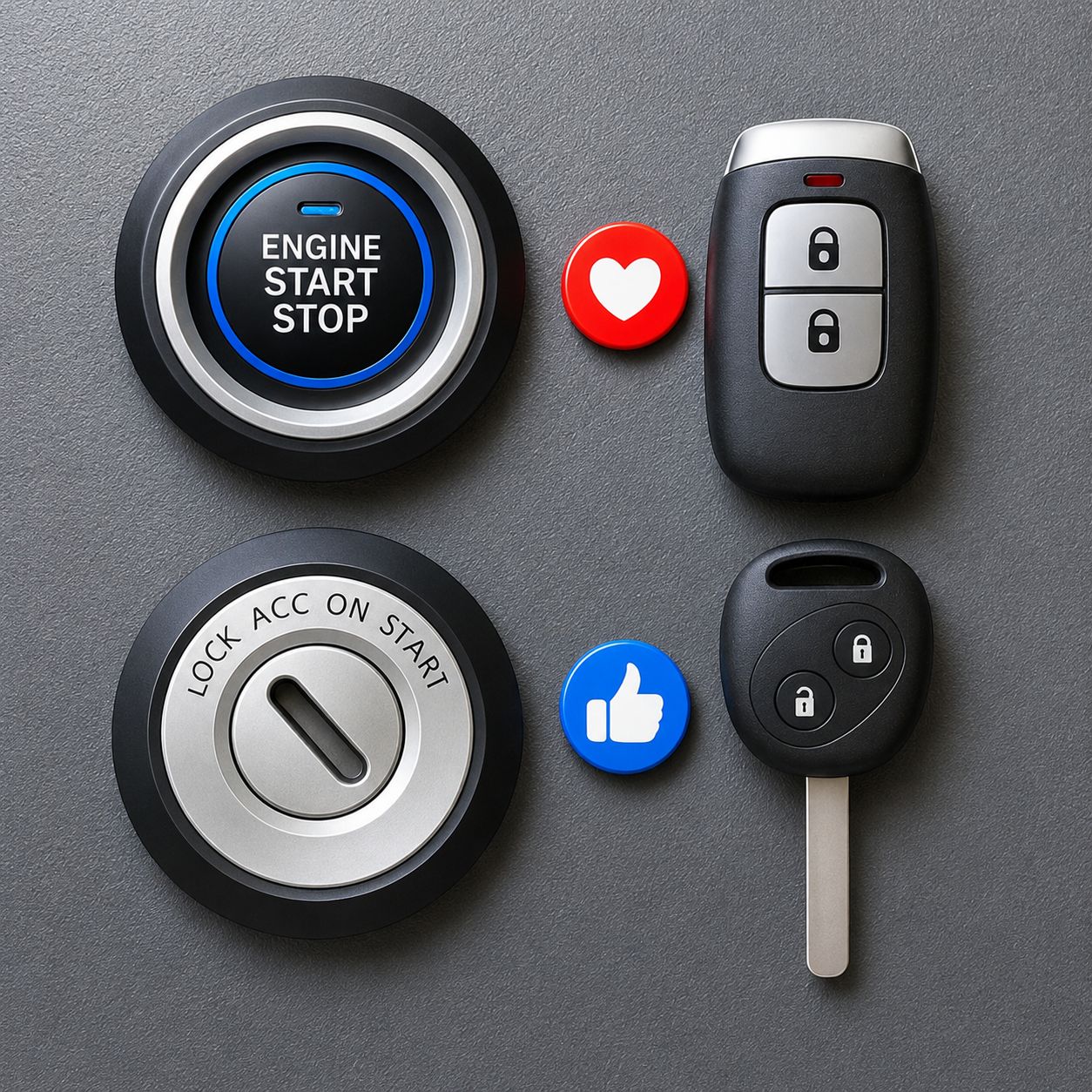
Walk up to a modern car today, and chances are you will not see a traditional keyhole. Instead, a sleek button sits quietly on the dashboard, waiting for a simple press to bring the engine to life. What once felt like a luxury feature has quickly become standard across the automotive industry.
Push-button start systems promise convenience, speed, and a touch of futuristic appeal that aligns with how people interact with technology in everyday life. That convenience, however, comes with a cost that is not always obvious at first glance. As vehicles became easier to start, they also became easier to exploit.
Car theft has advanced alongside automotive technology, and criminals have adapted faster than many manufacturers anticipated. What used to require physical access and mechanical manipulation can now be achieved through wireless signals and electronic interference.
A traditional key demanded presence and effort. A push-button system removes both of those requirements in subtle but meaningful ways. Owners may feel secure because there is no visible key to steal, yet the vulnerability has simply moved from the physical world into the digital space. That shift has created new risks that many drivers do not fully understand until it is too late.
This discussion is not about rejecting progress or longing for older systems purely out of habit. It is about examining whether convenience has quietly weakened a fundamental aspect of vehicle ownership. When a feature designed to simplify daily use opens the door to more sophisticated theft methods, it becomes worth asking whether the trade-off was truly worth it.
Convenience Opened the Door to New Threats
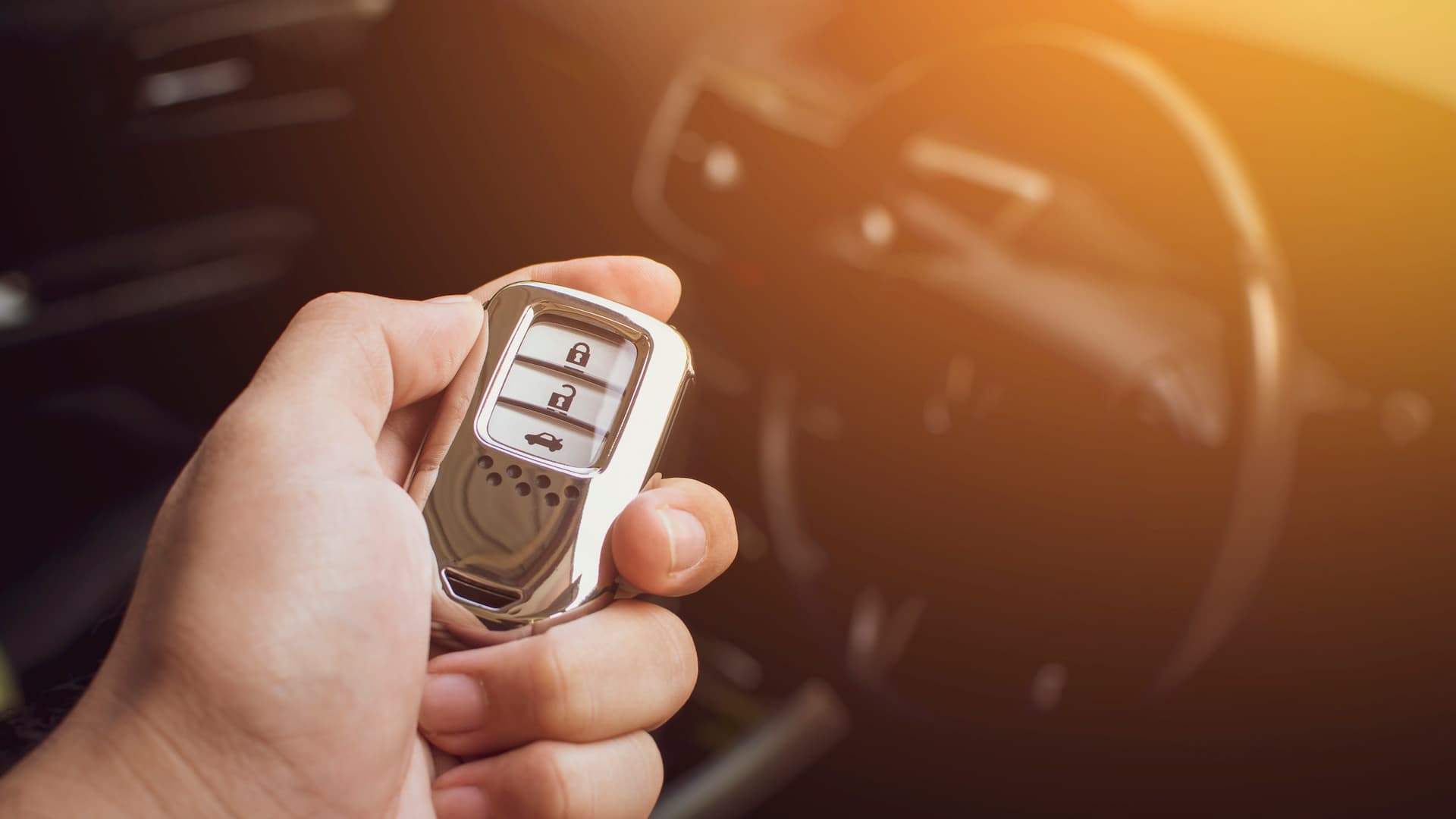
Ease of use sits at the heart of push-button start systems. Drivers no longer need to insert a key or turn the ignition. As long as the key fob is nearby, the car recognizes it and allows the engine to start instantly. That simplicity feels natural in a world shaped by wireless devices and automation.
Yet that same convenience introduced a new category of vulnerability. Push-button systems rely on radio signals between the car and the key fob. This communication can be intercepted, extended, or replicated using relatively accessible tools. Criminals have taken advantage of this by developing relay attacks, a method that captures the signal from a key fob inside a home and transmits it to the vehicle outside.
Picture a scenario where a car owner parks in a driveway and walks inside with the key fob in a pocket or placed near the door. A thief standing outside does not need to break a window or pick a lock. Instead, a device amplifies the signal from the key fob, tricking the car into believing the owner is present. Within seconds, the vehicle unlocks and starts without resistance.
Such incidents highlight how the removal of physical interaction has reduced friction not only for drivers but also for unauthorized access. Mechanical systems required effort and time to defeat. Electronic systems can be bypassed silently and quickly. The barrier to entry has shifted from physical skill to technological awareness.
Some manufacturers have attempted to address these issues with motion-sensing key fobs or signal-blocking features. Even so, the fundamental design still depends on wireless communication, which remains susceptible to interference. Drivers are often unaware of these risks until they experience them directly.
Convenience has always driven innovation in the automotive industry. In this case, that pursuit has created an environment where security depends on invisible systems rather than tangible safeguards. For many drivers, that trade-off raises valid concerns about whether ease of use has been prioritized at the expense of protection.
Traditional Keys Offered a Simpler Defense
Mechanical ignition systems may appear outdated by modern standards, yet their simplicity provided a level of reliability that is often overlooked. A traditional key required physical insertion and rotation to start a vehicle. That process created a direct connection between the driver and the machine, limiting access to those who possessed the correct key.
Breaking into such a system demanded effort. Thieves needed tools, time, and a certain level of expertise. Even then, success was not guaranteed. The process often left visible signs of tampering, increasing the risk of detection. This made opportunistic theft less appealing, as the chances of being caught were higher.
Push-button systems removed that layer of physical resistance. Access is now governed by electronic signals rather than mechanical interaction. While this may seem like progress, it has shifted the nature of security from something tangible to something abstract. Instead of guarding against forced entry, manufacturers must now defend against invisible threats such as signal interception and digital spoofing.
A physical key also carried a form of limitation that worked in favor of security. It could only be in one place at a time. A wireless key fob, however, broadcasts signals continuously, even when sitting inside a home. This creates opportunities for exploitation that did not exist with older systems.
There is also a psychological element to consider. Drivers understood the importance of protecting a physical key because its function was clear. Losing it meant losing access to the vehicle. With push-button systems, that sense of responsibility can feel less immediate, as the key fob operates passively in the background.
Simplicity does not always mean inferior. In many cases, it means fewer points of failure and fewer opportunities for misuse. Traditional ignition systems embodied that principle, offering a straightforward approach to security that relied on physical control rather than digital communication.
Also Read: Opinion: Average Pickup Truck Buyer in 2026 Never Tows Anything
Relay Attacks Changed the Game
Among the most discussed vulnerabilities associated with push-button start systems is the rise of relay attacks. This method has become increasingly common due to its effectiveness and relative ease of execution. It represents a clear example of how modern technology can be manipulated in unintended ways.
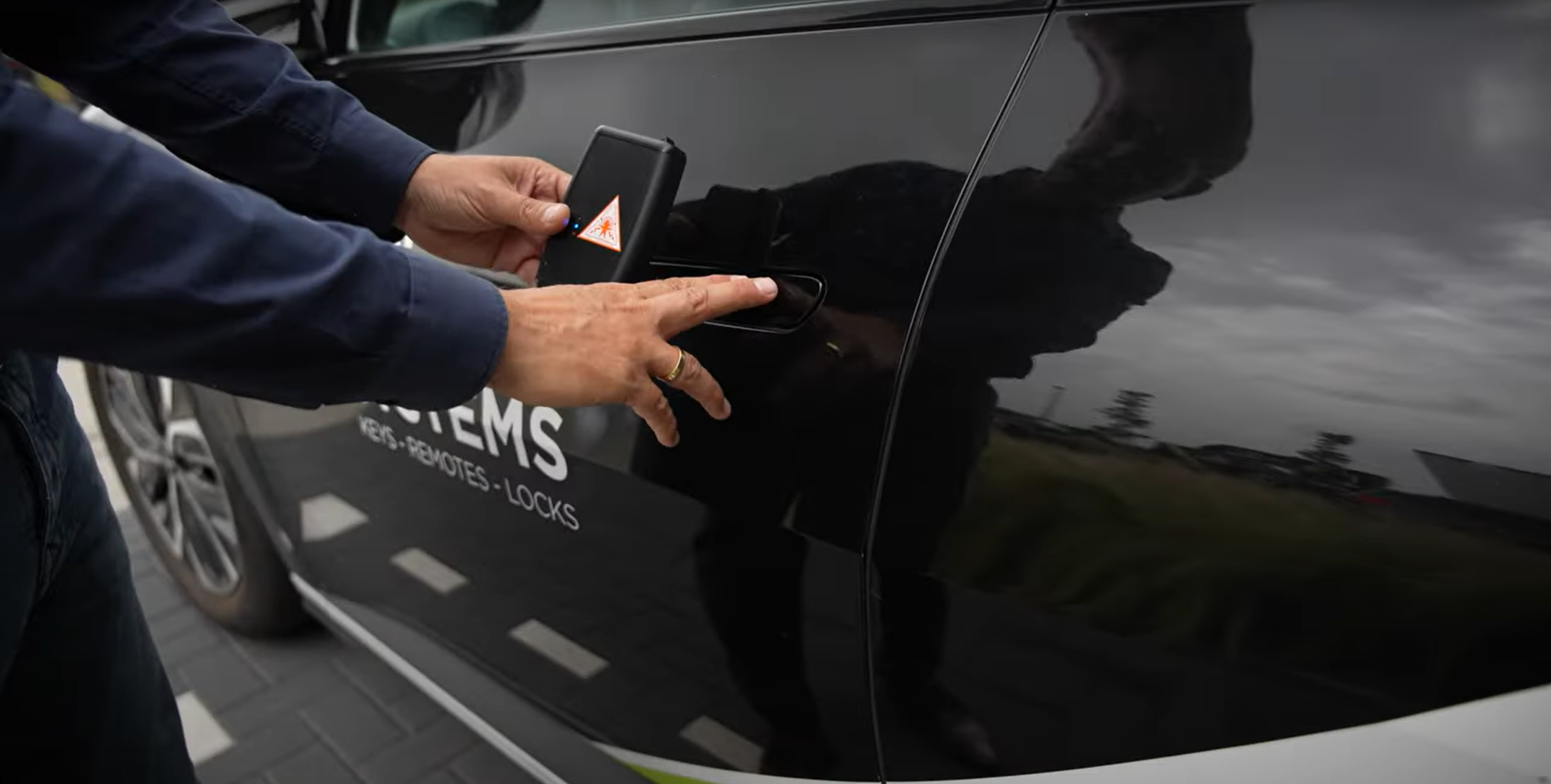
A relay attack works by extending the communication range between a vehicle and its key fob. One device is placed near the car, while another is positioned close to the key fob, often inside a house. These devices capture and transmit signals between each other, creating the illusion that the key is present near the vehicle.
The result is immediate access. Doors unlock, and the engine starts without triggering alarms or raising suspicion. From the perspective of the car’s security system, everything appears normal. The vehicle cannot distinguish between the genuine presence of the key and a relayed signal.
What makes this method particularly concerning is its accessibility. The equipment required for relay attacks is widely available and does not require advanced technical expertise to operate. Online discussions and forums frequently highlight how easily such tools can be obtained and used.
Owners often assume that keeping their keys indoors provides sufficient protection. In reality, proximity alone can be enough for a signal to be captured. Walls and doors do little to block radio frequencies, allowing signals to pass through with minimal interference.
Manufacturers have introduced countermeasures, such as signal deactivation after periods of inactivity. While these solutions offer some level of protection, they do not eliminate the underlying vulnerability. As long as wireless communication remains a core component, the risk persists.
Relay attacks demonstrate how security challenges have advanced alongside automotive technology. The absence of physical barriers has made it easier for unauthorized access to occur without direct interaction. For many drivers, this represents a change that is difficult to ignore.
Technology Does Not Always Mean Safer
There is a common assumption that newer technology automatically improves safety. In many cases, that assumption holds true. Advanced driver assistance systems, improved crash structures, and better braking technology have all contributed to safer vehicles. Security, however, follows a different path.
Push-button start systems rely on software, sensors, and wireless communication. Each of these elements introduces potential points of failure. A mechanical system may wear out as time goes on, but its operation remains predictable. A digital system can behave unpredictably when faced with interference or manipulation.
Cybersecurity has become a growing concern within the automotive industry. Vehicles are no longer isolated machines. They are connected devices that communicate with external networks, receive updates, and integrate with personal technology. This connectivity expands the attack surface, creating opportunities for exploitation.
Push-button start systems are part of this broader ecosystem. Their reliance on electronic authentication makes them vulnerable to techniques that would not apply to traditional ignition systems. Hacking, signal spoofing, and software vulnerabilities are now part of the conversation.
Drivers are often unaware of these risks because they occur behind the scenes. Unlike a broken lock or a forced entry, digital breaches leave little visible evidence. A car can disappear without any sign of tampering, leaving owners confused about how it happened. Manufacturers continue to invest in security improvements, yet the pace of innovation often creates gaps that can be exploited.
Each new feature introduces new variables, and securing those variables requires constant adaptation. Technology offers many benefits, but it also demands a different approach to security. In the case of push-button start systems, the balance between convenience and protection has become a topic of ongoing debate.
Driver Awareness Has Not Kept Up
Adoption of push-button start systems happened quickly. What began as a premium feature is now standard in many entry-level vehicles. This rapid transition left little time for drivers to fully understand how these systems work or how they can be compromised.
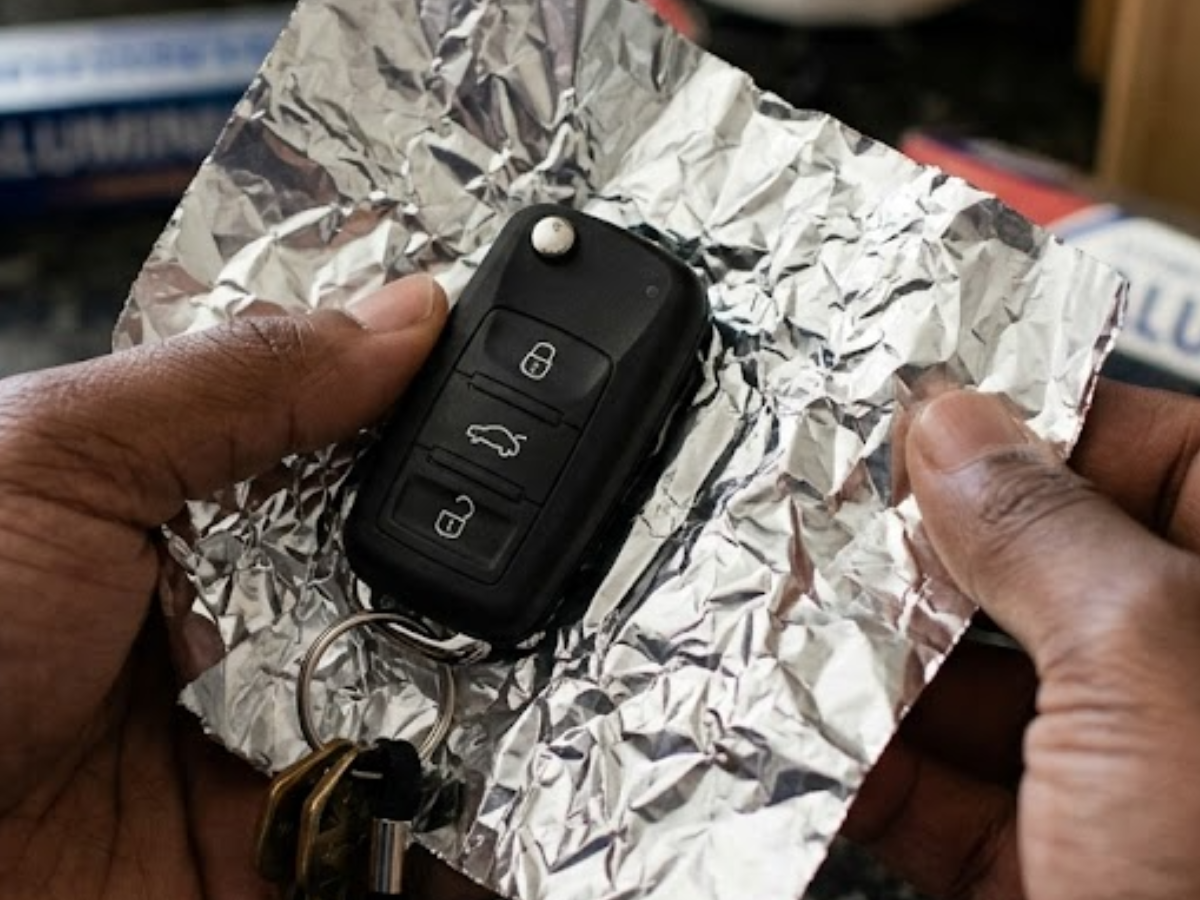
Many owners treat key fobs as passive objects, leaving them near doors or windows without considering the implications. Few people are aware of protective measures such as signal-blocking pouches or the importance of storing keys away from entry points. This lack of awareness creates opportunities for theft that could otherwise be avoided.
Education plays a crucial role in addressing these challenges. Drivers who understand how relay attacks work are more likely to take preventative steps. Simple actions, such as storing keys in secure locations or disabling wireless features when not in use, can reduce risk.
Manufacturers have a responsibility to communicate these risks clearly. Providing information at the point of purchase and through user manuals can help bridge the knowledge gap. Security features are only effective when users understand how to use them properly.
Insurance companies have also begun to recognize the impact of these vulnerabilities. In some regions, increased theft rates linked to keyless systems have led to higher premiums for certain vehicles. This reflects the real-world consequences of security gaps that many drivers did not anticipate.
Awareness remains one of the most effective tools in reducing risk. As technology continues to advance, understanding its limitations becomes just as important as appreciating its benefits.
Also Read: Opinion: Car Should Not Need Software Updates to Function

A Step Forward That Feels Like a Step Back
Push-button start systems represent progress in terms of convenience and user experience. They align with modern expectations, offering seamless interaction that fits into a connected lifestyle. At the same time, they highlight how innovation can introduce unintended consequences.
Security once relied on physical barriers that were easy to understand. Today, it depends on invisible systems that require trust in technology. That move has created uncertainty for drivers who value reliability and control. Vehicles have become more advanced in nearly every aspect, yet the basic act of starting a car has become more vulnerable.
This raises an important question about the direction of automotive design. Progress should enhance both convenience and security, not force a compromise between the two. A balanced approach may involve combining modern technology with additional safeguards.
Some manufacturers are already experimenting with biometric authentication or enhanced encryption methods. These solutions aim to restore confidence without sacrificing convenience. Push-button start systems are unlikely to disappear.
They have become deeply integrated into modern vehicle design. Addressing their weaknesses requires ongoing effort from manufacturers, regulators, and drivers alike. The conversation surrounding this feature reflects a broader challenge within the automotive industry. Innovation must be accompanied by responsibility.
When new technology introduces new risks, those risks must be addressed with the same level of attention given to performance and design. For now, push-button start remains a feature that divides opinion. It offers undeniable convenience, yet its impact on security continues to raise questions that deserve careful consideration.
