
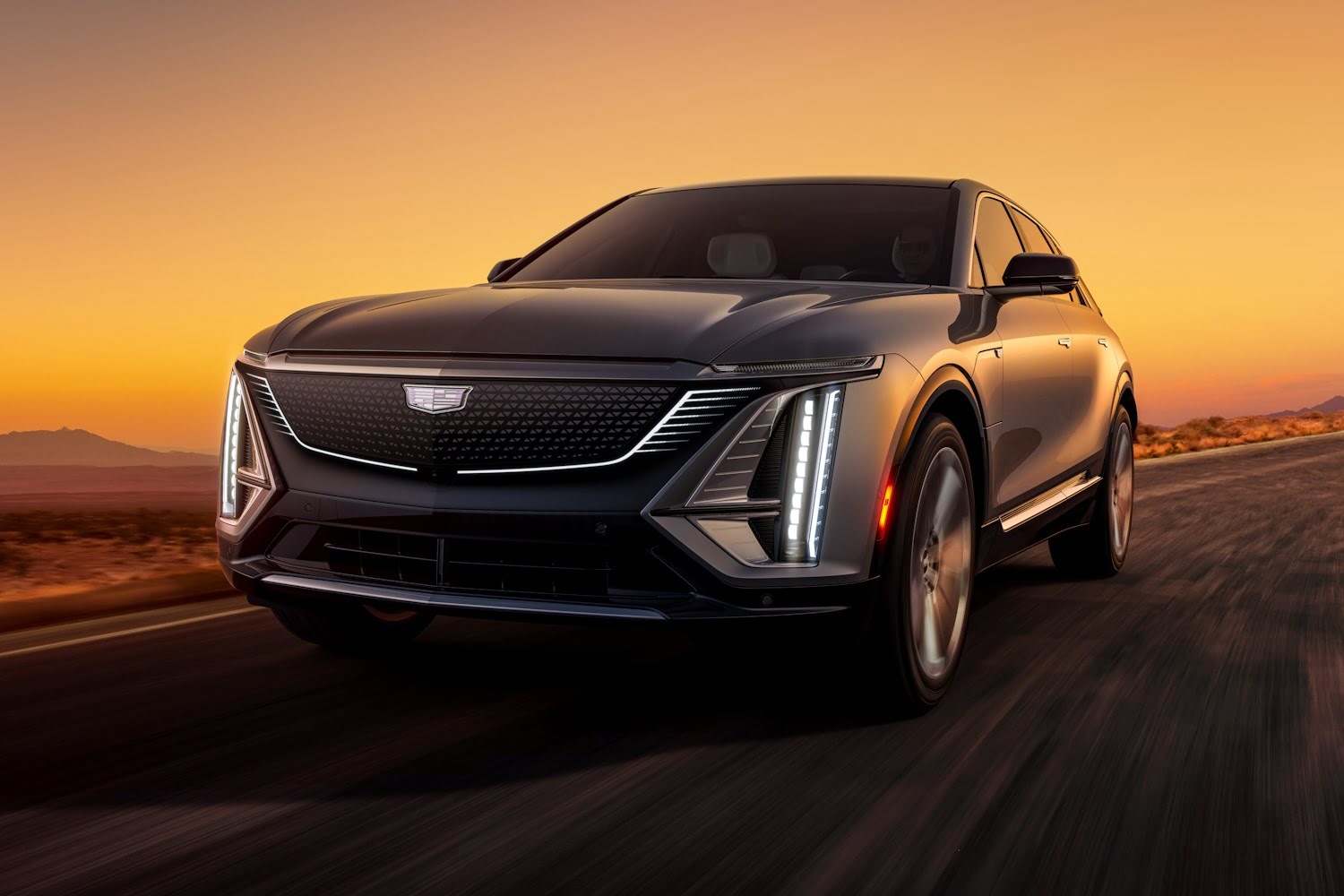
Many drivers today find modern cars less straightforward than they used to be. This is not because engines or maintenance have become dramatically more complex, but because vehicles now function more like consumer electronics than traditional machines focused purely on transportation.
Automakers increasingly market software updates as exciting features, promising new capabilities, bug fixes, performance improvements, and interface redesigns long after customers purchase a vehicle.
That sounds impressive on paper. In reality, it raises an uncomfortable question many drivers are starting to ask. Why does a car need constant software updates just to function properly in the first place?
For decades, buyers expected cars to work reliably the moment they left the dealership. Engines started, transmissions shifted, climate systems operated, and dashboard controls performed their basic tasks without requiring monthly patches or overnight digital fixes.
Now things feel different. Owners increasingly wake up to notifications telling them their car requires updates for braking systems, battery management software, touchscreen functionality, parking sensors, navigation systems, or driver assistance technologies.
Some updates improve convenience. Others fix problems that arguably should never have existed once the vehicle reached customers. The industry often frames this evolution as progress.
Automakers compare connected vehicles to smartphones, arguing that software updates allow cars to improve continuously over time.
Certain improvements genuinely benefit drivers. Navigation systems become more accurate, charging systems operate more efficiently, and user interfaces sometimes gain useful new functions. But many consumers feel the balance has shifted too far. A car is not a phone.
When software glitches affect social media apps, people become annoyed. When software problems affect vehicles weighing thousands of pounds traveling at highway speeds, the consequences become far more serious. That distinction matters enormously.
Also Read: 10 Cars With Recording Devices in the Cabins
Automakers Are Releasing Vehicles That Feel Unfinished
One reason frustration surrounding automotive software continues growing is that many buyers increasingly feel modern vehicles reach the market before development is truly complete.
Several automakers now rely heavily on post-purchase software updates to fix bugs, stabilize systems, and improve functionality after customers already own the vehicle. In some cases, updates correct relatively minor inconveniences. In others, they address problems affecting critical vehicle functions.
That approach represents a major cultural shift inside the automotive industry. Traditional car development focused heavily on testing and refinement before launch because vehicles historically remained mechanically fixed once sold.
Software-driven cars changed that mindset. Manufacturers now know they can push updates remotely after delivery, allowing them to correct problems later rather than delaying production.
Critics argue this creates dangerous incentives. If companies know future patches remain possible, the pressure to perfect software before launch may weaken. The result can leave early buyers functioning almost like beta testers for vehicles costing tens of thousands of dollars.
Several high-profile examples have fueled these concerns. Owners of some modern EVs and heavily digitized luxury cars have reported frozen displays, malfunctioning sensors, charging issues, backup camera failures, random warning lights, and temporary loss of features until software updates arrived.
Certain vehicles even require resets similar to restarting a laptop or smartphone. That would have sounded absurd to drivers twenty years ago.
Cars once built reputations around mechanical reliability and long-term durability. Today, software stability increasingly shapes ownership experiences instead.
The problem becomes especially serious because modern vehicles depend heavily on digital systems for core functions.
Climate controls, lighting systems, gauges, steering assistance, braking technologies, and driver safety systems are now deeply integrated into complex software architecture. When software fails, the consequences extend far beyond simple inconvenience.
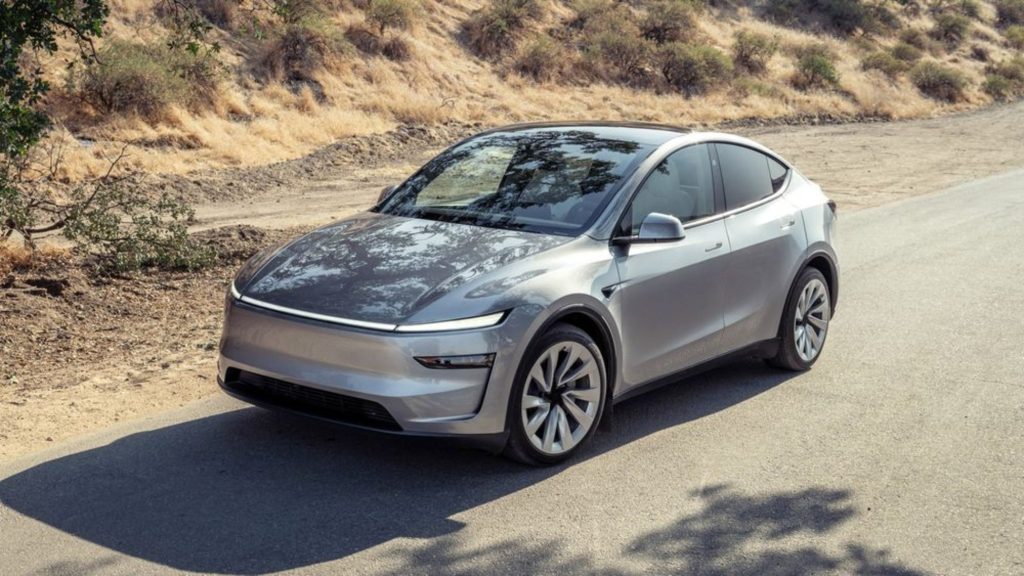
Drivers notice this shift clearly. Many consumers now worry less about engine reliability and more about touchscreen crashes, software glitches, connectivity problems, and update compatibility issues. That is a remarkable change in automotive culture.
Too Much Technology Is Replacing Simple Reliability
The software update debate also reflects a larger issue affecting modern vehicle design. Automakers increasingly prioritize digital experiences over simplicity.
Large touchscreens replace physical buttons. Subscription services control features that once operated mechanically. Artificial intelligence systems monitor driver behavior. Vehicles constantly connect to cloud servers and smartphone apps. Some cars now contain more computer code than commercial aircraft from previous decades.
Manufacturers present this as innovation. Sometimes it genuinely improves convenience. Navigation systems work better, driver assistance technologies increase safety, and smartphone integration helps modern vehicles feel connected to everyday digital life.
Despite all the advances, many drivers still feel overwhelmed by the growing complexity. Even basic functions such as adjusting climate settings or activating seat heaters now require going through touchscreen menus. Controls that were once immediate and physical are now managed through software interfaces that can sometimes lag, freeze, or fail without warning.
The automotive industry risks forgetting something important. Most people buy cars primarily for dependable transportation.
Drivers want vehicles that start reliably, operate predictably, and remain functional for years without constant digital intervention. Excessive software dependence can undermine that trust because it introduces new points of failure that never existed previously.
Mechanical problems are frustrating enough. Software instability creates an entirely different category of anxiety because many consumers do not fully understand how these systems operate or how failures might affect the vehicle.
The growing reliance on updates reinforces that uncertainty. Drivers increasingly wonder whether their car truly works properly today or whether another mandatory software patch will arrive tomorrow changing how the vehicle behaves again.
That feeling damages confidence. Cars should feel stable and dependable rather than constantly evolving like unfinished technology products.
Software Updates Are Useful, but They Should Be Rare
None of this means software updates themselves are inherently bad. Certain updates provide real benefits.
Manufacturers can improve battery efficiency, optimize charging performance, strengthen cybersecurity protections, enhance navigation systems, and fix genuine safety issues more quickly through over-the-air updates than traditional dealership recalls allowed previously.
That capability represents real technological progress. The problem begins when updates become so frequent that they feel essential for normal operation rather than occasional improvements.
There is a major difference between refining a feature and correcting fundamental functionality problems after customers have already purchased the vehicle. A well-engineered car should function properly from day one.
Updates should exist mainly for optional enhancements, security protection, or rare technical corrections rather than becoming a constant requirement for stability. Consumers should not feel nervous every time a new software notification appears on the dashboard. Many drivers already feel update fatigue in daily digital life.
Phones, laptops, televisions, gaming consoles, and apps constantly demand downloads and patches. Cars were once refreshingly different because they operated independently from that endless software cycle. Now, vehicles are joining the same ecosystem.
Some owners even schedule updates overnight, exactly like smartphone installations. Others worry updates could accidentally introduce new bugs or remove features they previously liked. That level of dependence feels strange for transportation products costing luxury-level money.
Especially because cars operate in environments where reliability matters enormously. A frozen entertainment app rarely creates danger. A malfunctioning vehicle system potentially can.
The Industry Risks Losing Consumer Trust
The growing frustration surrounding automotive software ultimately comes down to trust. Consumers trust cars with their safety, finances, families, and daily routines. Vehicles are not disposable electronics replaced every year or two. Many owners expect their cars to remain functional for a decade or longer.
That expectation conflicts with modern software culture. Technology companies normalize constant updates, changing interfaces, subscription models, and evolving functionality. Automakers increasingly adopt similar approaches as vehicles become more connected and software-dependent.

But transportation operates differently from consumer electronics. Drivers do not want experimental instability inside machines traveling at highway speeds. They want predictability, reliability, and confidence that core systems will function consistently every time they turn the key or press the start button.
The automotive industry must remember that distinction carefully. Software should support the driving experience, not dominate it.
A vehicle should never feel unfinished or dependent on endless updates merely to operate properly. Consumers spending enormous amounts on modern cars deserve products that feel complete, stable, and dependable from the moment they leave the dealership.
Technology absolutely has a place in modern vehicles. Advanced safety systems, efficient battery management, navigation tools, and connectivity features all provide genuine value when implemented correctly.
But the industry risks crossing a dangerous line when software complexity begins replacing the mechanical trustworthiness that defined great cars for generations.
Drivers accepted software in cars because it promised convenience and innovation. They did not sign up for vehicles that behave like permanently unfinished devices waiting for the next patch.
Also Read: 10 Forgotten Safety Features That No Longer Exists
