
Car theft has changed dramatically over the past two decades. Older thieves once relied on forced ignition methods, hot wiring, or simple key duplication to steal vehicles in minutes.
Modern criminals now use relay attacks, signal amplifiers, hacking tools, and sophisticated electronic devices capable of bypassing weak security systems. As technology evolved, automakers were forced to redesign how vehicles protect themselves against theft.
Some manufacturers responded far better than others. Certain cars gained reputations for weak immobilizers and poor security systems, making them frequent theft targets.
At the opposite end of the spectrum, a handful of vehicles became exceptionally difficult to steal because of advanced encryption, multi-layer authentication, GPS tracking, and highly secure electronic architecture. In many cases, thieves avoid these models entirely because stealing them takes too much time and effort compared to easier targets nearby.
The most secure cars combine several systems working together. Modern encrypted key fobs, engine immobilizers, motion sensors, smartphone monitoring, remote shutdown capabilities, and advanced alarm systems create multiple obstacles for criminals.
Some vehicles also update their software regularly, helping manufacturers close security vulnerabilities before they become widespread problems. Others benefit simply from low theft demand because parts are harder to sell illegally.
Luxury brands often invest heavily in anti-theft technology because their vehicles attract professional thieves. However, some mainstream cars have also proven remarkably resistant to theft thanks to excellent engineering and smart security design. Insurance industry data frequently shows these vehicles appearing among the least stolen models year after year.
This list highlights eight cars that are considered extremely difficult to steal compared to most vehicles on the road today. Some rely on sophisticated electronics, while others benefit from unique combinations of tracking systems, encrypted communication, and physical security measures.
No car is completely impossible to steal, but these vehicles have developed strong reputations for frustrating criminals and protecting their owners far better than average automobiles.
Also Read: BMW M 1000 RR Isle of Man TT Limited Edition Revealed
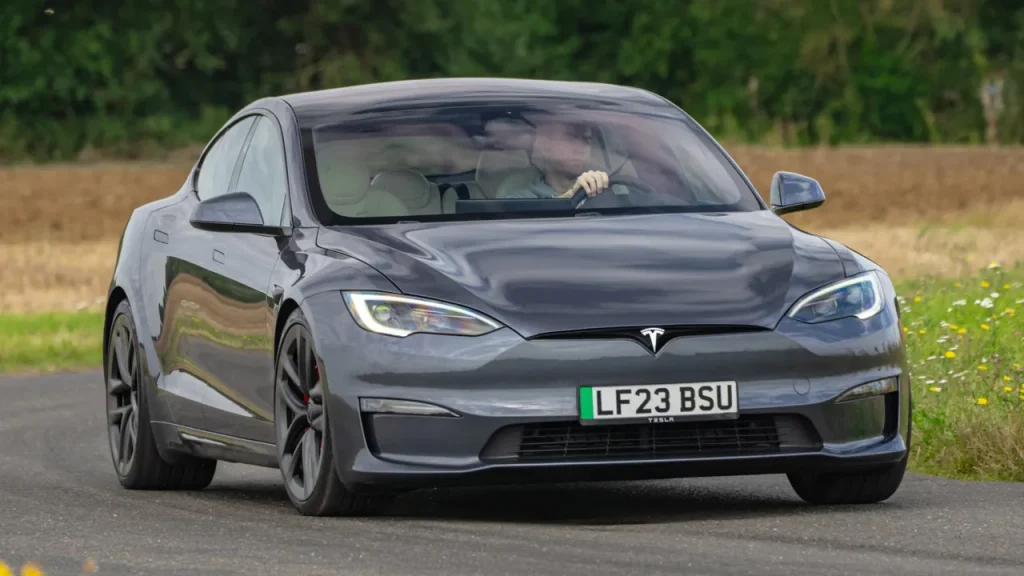
1. Tesla Model S
The Tesla Model S completely changed expectations for vehicle security by combining traditional anti-theft measures with advanced software-driven protection systems.
Unlike many cars that rely mainly on alarms and immobilizers, the Model S constantly communicates with Tesla’s servers and integrates multiple layers of digital security that make unauthorized access extremely difficult.
One of the biggest advantages comes from Tesla’s smartphone-based ecosystem. Owners can monitor the car remotely in real time, receive instant notifications if suspicious activity occurs, and even track the vehicle directly through the mobile app.
That level of constant connectivity makes it far harder for thieves to disappear unnoticed after stealing the vehicle.
Tesla also updates security software regularly through over-the-air updates. This creates a major advantage because vulnerabilities can be patched quickly without requiring dealership visits. Traditional vehicles often remain stuck with outdated software for years, while Tesla continuously improves protection against evolving theft methods.
The Model S includes encrypted key communication systems designed to resist common relay attacks. Tesla also introduced features such as PIN to Drive, which requires a personal code before the vehicle can move, even if someone gains access to the key. That additional layer of authentication frustrates thieves who rely on stolen or cloned key signals.
Another major deterrent is Sentry Mode. When activated, the system uses external cameras to monitor activity around the vehicle continuously.
If suspicious movement occurs, the car records footage, activates alerts, and can even play loud audio warnings. Criminals generally prefer easy targets, and highly visible surveillance systems increase the risk of getting caught dramatically.
The vehicle’s electric architecture also complicates theft attempts compared to traditional gasoline-powered cars. Without conventional ignition systems or mechanical starting methods, thieves face additional electronic barriers when attempting unauthorized operation.
Insurance industry studies consistently show Tesla vehicles experiencing lower theft recovery problems because tracking systems remain highly effective. Even if stolen temporarily, many Teslas are located quickly due to integrated GPS connectivity and remote monitoring capabilities.
The Model S demonstrates how modern, software-driven engineering can transform vehicle security completely. Instead of relying only on physical deterrents, Tesla created a constantly connected platform capable of adapting to new threats dynamically.
That combination of surveillance, encryption, and remote access control makes the Model S one of the most theft-resistant vehicles available today.
- Engine: Dual electric motors
- Torque: 713 lb-ft
- Horsepower: 670 hp
- Length/Width: 197.7 inches / 78.2 inches
2. BMW X5
The BMW X5 combines luxury, performance, and advanced electronic security systems in a way that makes it extremely difficult for thieves to steal successfully. Luxury SUVs naturally attract criminal attention because of their high resale value and expensive components, so BMW invested heavily in anti-theft technology to protect the X5 from sophisticated attacks.
One of the strongest defenses comes from BMW’s advanced encrypted key system. Modern X5 models use rolling security codes that constantly change communication patterns between the vehicle and the key fob. This makes traditional signal copying methods far less effective compared to older luxury vehicles that relied on weaker encryption standards.
BMW also designed the X5 with a highly integrated immobilizer system. Even if thieves gain physical entry into the cabin, starting the engine requires proper electronic authentication between multiple control modules. Attempting to bypass those systems manually often triggers security lockdown functions that disable vehicle operation entirely.
The SUV’s connected services platform adds another important layer of protection. Owners can locate the vehicle remotely, receive theft alerts, and communicate with emergency support systems if suspicious activity occurs. Some models even allow limited remote immobilization assistance through connected services after theft confirmation.
Unlike many vehicles, where security components operate independently, the X5 links alarms, sensors, and electronic modules together tightly.
Forced entry attempts can trigger loud alarms, flashing exterior lights, and automatic notifications. Motion sensors inside the cabin also detect unusual movement if someone breaks into the vehicle while armed.
BMW improved physical security as well. Reinforced steering lock systems, tamper-resistant onboard diagnostics access, and hidden electronic architecture make hacking attempts more difficult than on many mainstream vehicles.
Professional thieves generally prefer faster and simpler targets, especially when modern luxury SUVs already require advanced equipment to steal successfully.
Another reason the X5 experiences relatively low theft success rates involves rapid software updates and evolving security calibration. BMW continuously refines digital protection systems to counter emerging criminal techniques involving key cloning and wireless interception devices.
The X5 also benefits from high owner awareness. Luxury SUV owners frequently use secured parking, tracking subscriptions, and additional security accessories, creating even more obstacles for criminals.
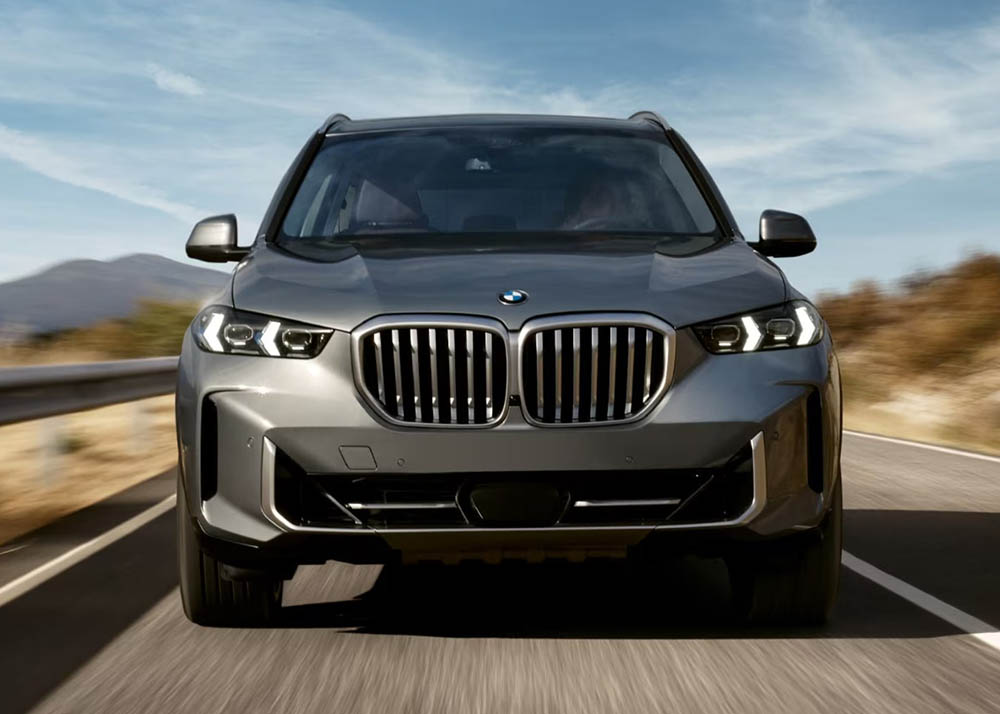
While no vehicle remains completely immune from organized theft operations, the BMW X5 consistently ranks among the more secure luxury SUVs because of its layered protection strategy.
Electronic encryption, connected monitoring, advanced immobilizers, and integrated surveillance systems combine to make stealing one far more difficult than many thieves are willing to risk.
- Engine: 3.0-liter turbocharged inline six
- Torque: 398 lb ft
- Horsepower: 375 hp
- Length/Width: 194.3 inches / 78.9 inches
3. Lexus RX
The Lexus RX built its reputation around comfort, reliability, and long term durability, but it also became known for impressive theft resistance compared to many luxury SUVs.
While premium crossovers often attract organized theft groups because of their resale value and export demand, the RX benefits from a sophisticated security system that makes unauthorized access significantly more difficult.
One major advantage comes from Lexus using highly advanced immobilizer technology integrated deeply into the vehicle’s electronics.
Even if someone gains entry into the cabin, the engine management system will not authorize startup without the correct encrypted communication from the key fob. Modern Lexus systems constantly change security codes, making cloning attacks much harder than on older vehicles.
The RX also benefits from Toyota and Lexus engineering philosophy, focused heavily on reliability and system stability. Many anti-theft systems fail because of software inconsistencies or electronic vulnerabilities.
Lexus security architecture tends to remain tightly controlled and carefully validated, reducing opportunities for easy bypass methods.
Another strength involves the SUV’s alarm and monitoring systems. Door tampering, unauthorized movement, and glass break detection can trigger loud alarms while also activating warning notifications in connected service applications. Owners often receive alerts quickly if suspicious activity occurs near the vehicle.
Unlike some vehicles where thieves can access onboard diagnostic ports easily to reprogram keys, the RX places stronger protections around electronic authentication procedures. Professional criminals generally target cars that can be stolen quickly with minimal risk.
When electronic systems become too time-consuming to bypass, thieves often move to easier targets instead.
The RX also includes GPS-connected services in many trims, allowing owners and authorities to track the vehicle more effectively if theft occurs. Recovery rates for modern Lexus SUVs remain relatively strong because of these integrated location systems combined with secure electronic architecture.
Lexus benefits from another factor that rarely gets discussed enough. The brand attracts owners who usually maintain vehicles carefully and invest in secure parking environments. Well-lit garages, monitored parking areas, and suburban ownership patterns naturally reduce theft opportunities further.
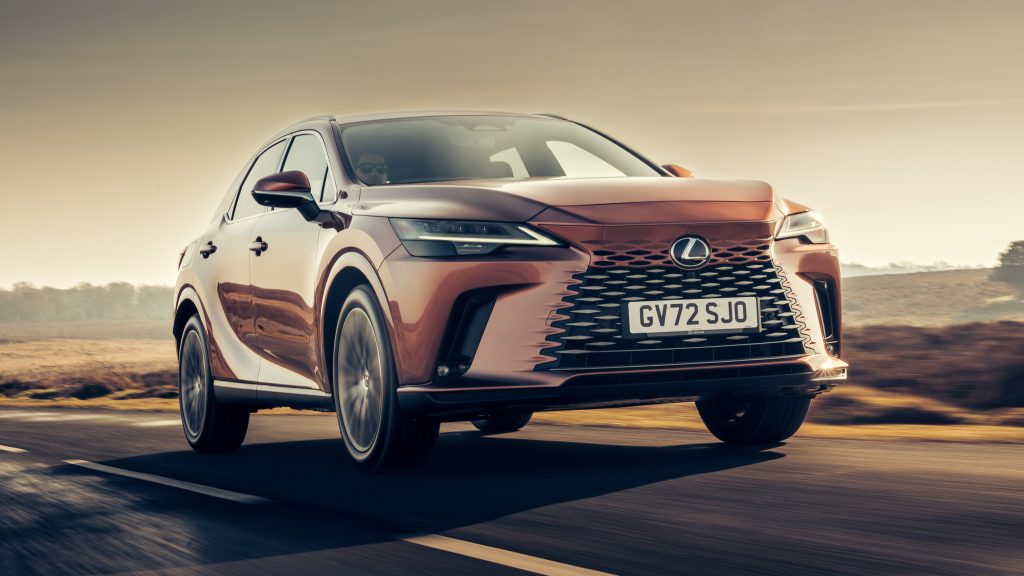
Insurance industry statistics frequently place Lexus models among vehicles with lower successful theft rates compared to some rival luxury SUVs.
While criminals continue developing new electronic attack methods constantly, Lexus adapts by improving encryption and authentication systems regularly across newer production years.
The RX proves that luxury and security can work together effectively. Instead of relying only on loud alarms or visible deterrents, Lexus created a layered system combining digital encryption, immobilizer technology, remote tracking, and sophisticated authentication.
That combination helps make the RX one of the more frustrating vehicles for thieves attempting modern electronic theft techniques.
- Engine: 2.4-liter turbocharged inline four hybrid
- Torque: 317 lb ft
- Horsepower: 366 hp
- Length/Width: 192.5 inches / 75.6 inches
4. Mercedes-Benz E-Class
The Mercedes-Benz E-Class has long represented executive luxury and advanced engineering, but it also stands out as one of the more secure luxury sedans on modern roads.
Mercedes understands that high-value vehicles naturally attract criminal attention, so the E-Class incorporates multiple layers of electronic and physical protection designed to discourage even experienced thieves.
One of the sedan’s biggest strengths lies in its encrypted electronic ecosystem. Modern E-Class models use rolling code technology and secure communication between the key, ignition modules, and onboard computers. Every startup attempt requires verified digital authorization, making traditional hot-wiring methods practically useless.
Mercedes also strengthened protection against relay attacks, which became increasingly common with keyless entry systems. Certain E-Class models automatically disable key signal transmission after periods of inactivity, reducing opportunities for thieves using signal amplification devices to trick the vehicle into unlocking.
The alarm system itself goes far beyond simple sirens. Motion sensors monitor cabin activity, tilt sensors detect towing attempts, and tampering with doors or windows activates multiple warning systems simultaneously.
Some versions can even notify owners remotely through connected smartphone applications when suspicious behavior occurs.
Another reason the E Class remains difficult to steal involves its complicated electronic architecture. Modern Mercedes vehicles rely on interconnected control units communicating constantly across encrypted networks.
Attempting to bypass one system without triggering another becomes extremely difficult without specialized equipment and deep technical knowledge.
Mercedes also integrated emergency tracking and recovery support into connected services available on many models. If theft occurs, owners can often assist authorities quickly through location tracking features. Criminals prefer vehicles that disappear permanently rather than cars broadcasting their position continuously.
Physical security measures matter as well. Reinforced steering locks, protected diagnostic ports, and secure ignition systems create additional obstacles during theft attempts. Time becomes a major factor in vehicle theft, and the E-Class forces criminals to spend far longer bypassing systems compared to easier targets.
The sedan’s ownership demographics contribute slightly too. Many E-Class vehicles are stored in private garages, secured parking structures, or monitored environments. Those conditions reduce exposure to opportunistic theft attempts dramatically.
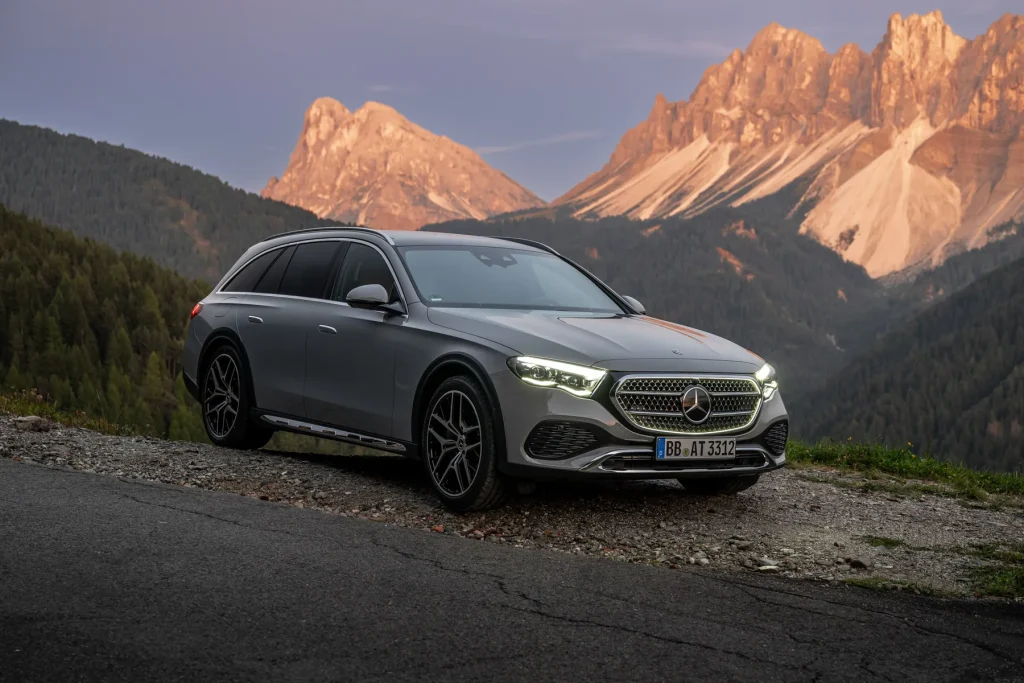
Mercedes continuously updates security software and encryption protocols to respond to emerging criminal tactics involving wireless hacking and digital key cloning. This ongoing evolution keeps newer E-Class models highly resistant to modern theft techniques.
The E Class demonstrates how luxury sedans increasingly function like rolling computers protected by advanced cybersecurity systems. Sophisticated encryption, layered authentication, and connected monitoring make stealing one far more complicated than most criminals are prepared to handle.
- Engine: 3.0-litre turbocharged inline six
- Torque: 369 lb-ft
- Horsepower: 429 hp
- Length/Width: 194.9 inches / 73.7 inches
5. Chevrolet Corvette C8
The Chevrolet Corvette C8 shocked the automotive world with its exotic mid-engine layout and supercar performance, but another impressive quality often goes unnoticed. The car is remarkably difficult to steal compared to many traditional sports cars.
Chevrolet understood immediately that the C8 would attract enormous attention from thieves because of its value, rarity, and performance image, so the company equipped it with sophisticated security technology from the beginning.
One major reason the C8 resists theft effectively is its highly advanced electronic architecture. Unlike older Corvettes that relied more heavily on mechanical systems, the modern C8 uses encrypted communication between the key fob, engine control systems, and immobilizer modules. Without proper digital authentication, the car simply refuses to operate.
The Corvette also includes advanced motion-sensing alarms capable of detecting cabin intrusion, glass break attempts, and unauthorized movement.
If suspicious activity occurs, the vehicle reacts immediately with alarms and security alerts designed to attract attention quickly. Sports cars are especially vulnerable because thieves often target them in public parking areas, so rapid response matters significantly.
Chevrolet added another layer of protection through connected services and GPS tracking capabilities. Owners can monitor vehicle location remotely and receive alerts regarding unauthorized access attempts.
Recovery rates improve dramatically when stolen vehicles remain traceable electronically, which discourages criminals looking for low-risk targets.
The C8’s unique mid-engine layout creates another unexpected advantage. Unlike traditional front-engine sports cars, the Corvette’s drivetrain packaging is more complex and less familiar to opportunistic thieves. Combined with electronic protections, the unfamiliar structure increases difficulty during rushed theft attempts.
Professional criminals also understand that high-profile vehicles like the C8 attract immediate public attention. Brightly styled supercars become difficult to hide quickly, especially when modern tracking systems remain active. Many thieves prefer common vehicles that blend into traffic more easily after theft.
Chevrolet also improved key fob security significantly compared to older generations. Rolling encrypted codes and anti-relay protections reduce the effectiveness of common wireless theft devices increasingly used against luxury and performance cars.
Insurance industry data consistently places the Corvette among sports cars with surprisingly strong theft prevention performance, considering its desirability. That balance of performance and security helped strengthen the C8’s reputation beyond pure speed alone.
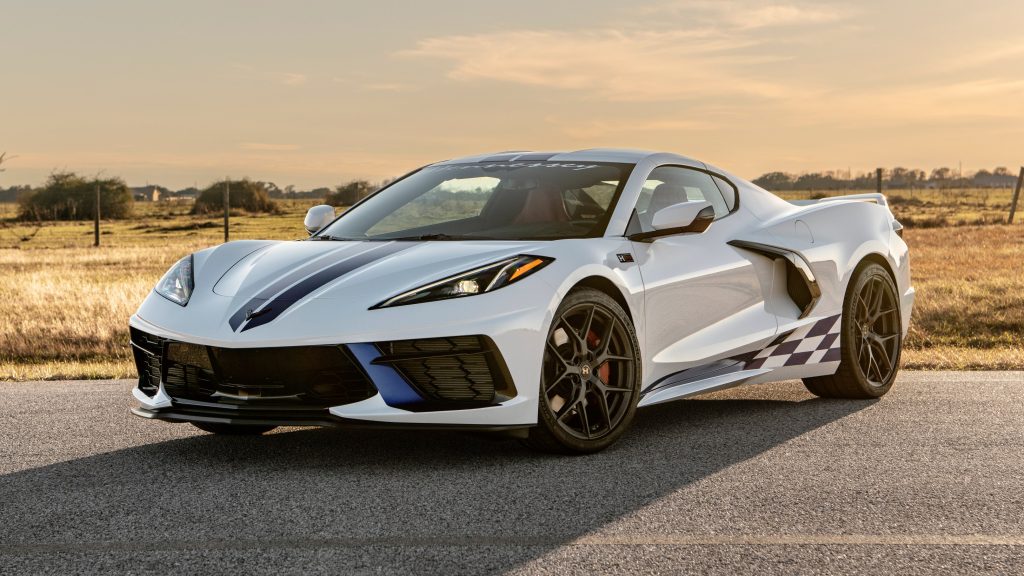
The modern Corvette proves that American performance cars can compete with European luxury brands not only in technology and engineering but also in advanced anti-theft systems.
Combining encryption, tracking, alarms, and connected monitoring created a sports car that is thrilling to drive while remaining frustratingly difficult for thieves to steal successfully.
- Engine: 6.2-liter naturally aspirated V8
- Torque: 470 lb-ft
- Horsepower: 495 hp
- Length/Width: 182.3 inches / 76.1 inches
6. Audi A6
The Audi A6 combines executive luxury with one of the most sophisticated electronic security systems found in a modern sedan.
Audi vehicles have historically attracted attention from organized theft groups because of their premium value and advanced technology, so the company invested heavily in making newer models far harder to steal than earlier generations.
At the center of the A6 security system is a deeply integrated immobilizer network. Multiple control modules communicate constantly using encrypted digital signals, verifying authorization before allowing the vehicle to start. Even if a thief gains cabin access, bypassing the authentication chain requires specialized equipment and extensive technical knowledge.
Audi also strengthened protection against relay attacks, which became a major problem across the automotive industry as keyless entry systems grew popular. Modern A6 models use improved signal management and encrypted communication protocols that reduce vulnerability to wireless interception and signal amplification tools.
The sedan’s alarm system operates with multiple layers of monitoring. Door tampering, interior movement, towing attempts, and window break detection can all trigger immediate security responses. Certain trims also notify owners remotely through connected smartphone services, allowing rapid awareness of suspicious activity.
Another important factor is Audi’s software-focused security development. The A6 relies heavily on interconnected digital architecture, making unauthorized modifications difficult without triggering protective responses from other systems.
Criminals generally target vehicles with known vulnerabilities and simple bypass procedures. The A6 creates too many electronic barriers for many opportunistic thieves.
Connected GPS services improve theft recovery potential as well. Vehicles equipped with active tracking features are much riskier targets because law enforcement can often trace them rapidly after theft reports are filed. Organized criminals frequently avoid heavily monitored vehicles for exactly this reason.
Audi also designed the A6 with protected diagnostic systems and secure electronic gateways. Older vehicles could sometimes be compromised quickly through exposed onboard diagnostic ports, but newer Audi models added stronger authentication procedures to reduce that risk dramatically.
The A6 benefits from another subtle advantage. Executive sedans typically spend more time in secured office parking structures, private garages, and monitored environments compared to cheaper commuter cars. That naturally lowers theft exposure further.
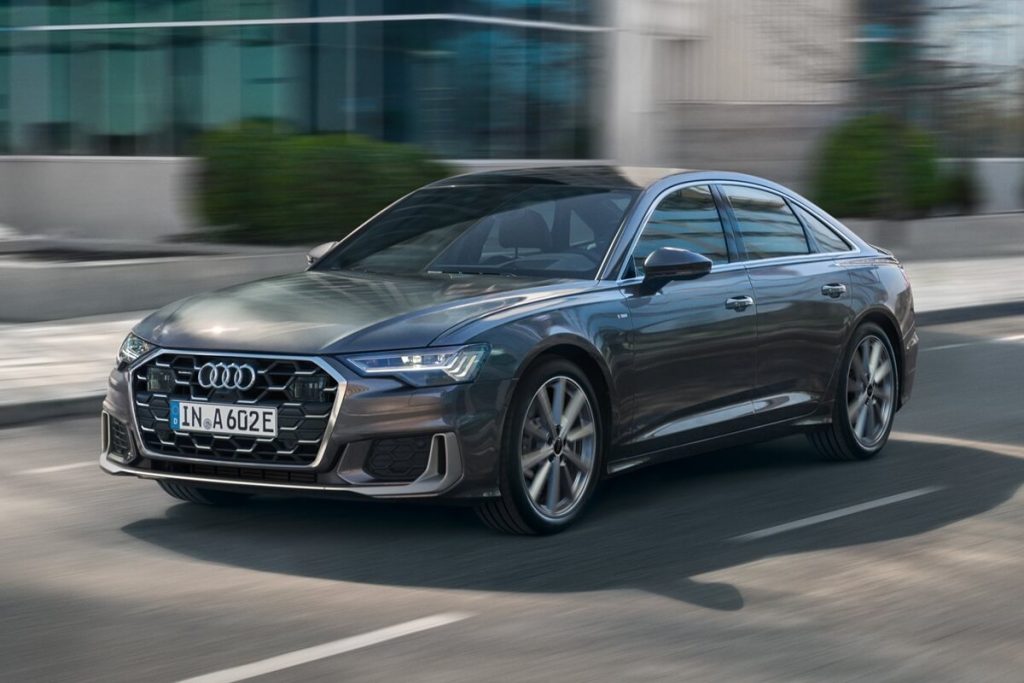
Modern automotive theft increasingly resembles digital hacking rather than traditional car theft methods. Audi recognized this shift early and treated vehicle security more like cybersecurity engineering.
As a result, the A6 became one of the more difficult luxury sedans for thieves to compromise successfully using modern electronic attack techniques.
- Engine: 3.0-liter turbocharged V6
- Torque: 369 lb-ft
- Horsepower: 335 hp
- Length/Width: 194.4 inches / 74.3 inches
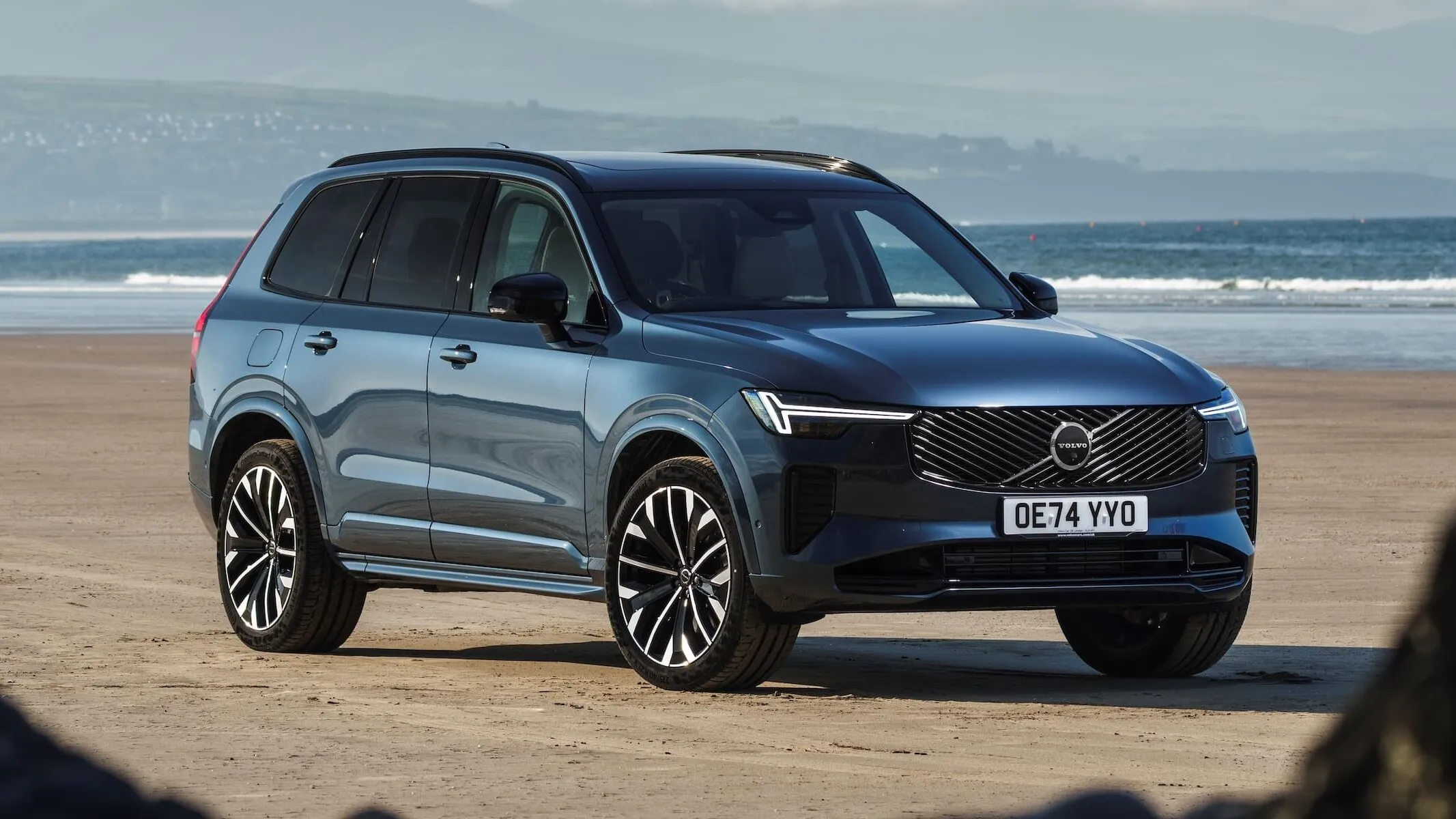
7. Volvo XC90
The Volvo XC90 built its reputation around safety long before most luxury SUVs prioritized advanced driver protection systems. That same philosophy extends into theft prevention as well.
Volvo engineered the XC90 with sophisticated electronic security measures, encrypted communication systems, and connected monitoring features that make it one of the most difficult luxury SUVs for criminals to steal successfully.
One of the strongest advantages comes from Volvo’s highly integrated immobilizer technology. Modern XC90 models require secure authentication between the key fob, onboard computers, and engine management systems before startup becomes possible.
Even if thieves gain physical access to the cabin, bypassing those encrypted systems remains extremely challenging without specialized equipment.
Volvo also invested heavily in connected services that strengthen real-time security. Owners can monitor the SUV remotely through smartphone applications, track vehicle location, and receive alerts involving suspicious activity. If someone attempts unauthorized access or movement, the owner often knows almost immediately.
The XC90’s security systems work quietly rather than theatrically. Instead of relying only on loud alarms, Volvo focused on layered electronic barriers that frustrate theft attempts from the start. Motion sensors, tampering detection, and advanced alarm triggers activate automatically when unusual activity occurs around the vehicle.
Another important factor involves Volvo’s software architecture. The XC90 operates with deeply interconnected digital systems that constantly communicate with one another.
Attempting to bypass one security module often triggers protective responses from other components automatically. This complexity increases theft difficulty substantially compared to vehicles using older electronic layouts.
The SUV also benefits from Volvo’s strong focus on over-the-air software improvements. Security vulnerabilities can be addressed more efficiently through updates, helping the XC90 remain resistant against evolving electronic theft techniques such as key cloning and wireless relay attacks.
Physical design contributes in smaller ways, too. The XC90 does not attract the same type of flashy criminal attention as some high-profile exotic SUVs, even though it remains expensive and luxurious.
Thieves frequently target vehicles that combine high value with fast resale potential, while the Volvo’s understated image makes it slightly less appealing as a black market target.
Insurance industry reports often place Volvo vehicles among models with relatively low theft rates, especially considering their price category. That pattern reflects both strong factory security systems and owner demographics involving secure parking habits and monitored environments.
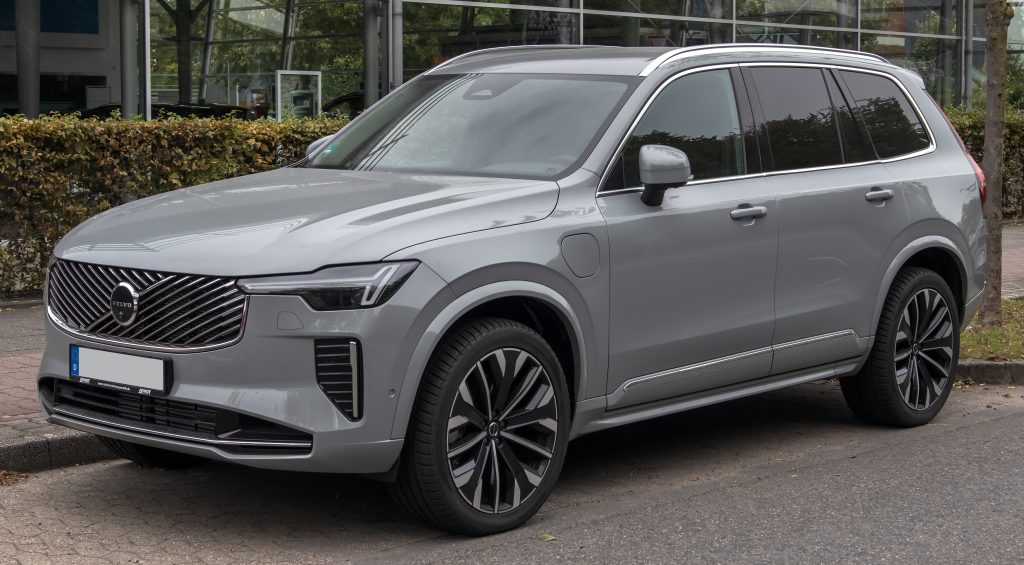
The XC90 demonstrates that anti-theft engineering works best when integrated invisibly into the entire vehicle experience. Encryption, monitoring, connected tracking, and software-driven protection combine to create an SUV that criminals generally prefer avoiding in favor of easier and faster targets elsewhere.
- Engine: 2.0-liter turbocharged and supercharged hybrid inline four
- Torque: 523 lb ft
- Horsepower: 455 hp
- Length/Width: 195 inches / 79.1 inches
8. Genesis GV80
The Genesis GV80 entered the luxury SUV market determined to compete with established German brands, and one area where it succeeded impressively is vehicle security.
Genesis equipped the GV80 with modern anti-theft technology, encrypted digital systems, and advanced connected features that make unauthorized access extremely difficult compared to many mainstream SUVs.
One of the most impressive features is the GV80’s biometric authentication technology available on certain models.
Drivers can unlock and start the SUV using fingerprint recognition, adding a security layer rarely seen outside ultra-luxury vehicles. Even if thieves somehow gain access to the key fob, fingerprint verification can still prevent vehicle operation.
The SUV also uses advanced encrypted communication between electronic modules and key systems. Modern relay attacks targeting wireless keyless entry systems have become increasingly common, but Genesis strengthened signal protection and rolling code encryption to reduce vulnerability significantly.
Remote monitoring capabilities further improve protection. Owners can track vehicle location, receive intrusion alerts, and monitor the SUV through smartphone-connected services. Real-time awareness makes theft recovery far more likely while also discouraging criminals from targeting the vehicle initially.
Genesis designed the GV80’s electronic architecture carefully to resist unauthorized programming attempts through onboard diagnostic systems. Secure gateways and authentication checks limit opportunities for thieves attempting to create duplicate keys or bypass immobilizers electronically.
The SUV’s alarm system combines cabin motion detection, impact sensing, and tamper monitoring to create multiple layers of defense simultaneously. Criminals typically seek vehicles that can be stolen quietly and quickly. The GV80 complicates both objectives by increasing detection risk substantially.
Another advantage comes from the relative rarity of the vehicle itself. Unlike extremely common luxury SUVs, the GV80 remains less predictable for organized theft groups familiar with older and more established targets.
Criminals often focus on vehicles with known weaknesses and readily available stolen parts markets. The Genesis creates additional uncertainty that many thieves prefer avoiding.
Genesis also benefits from being part of Hyundai Motor Group’s rapidly advancing technology division. Security systems receive continuous refinement as electronic theft techniques evolve globally.
The company learned important lessons from industry-wide vulnerabilities affecting older keyless entry systems and incorporated stronger defenses into newer luxury models.
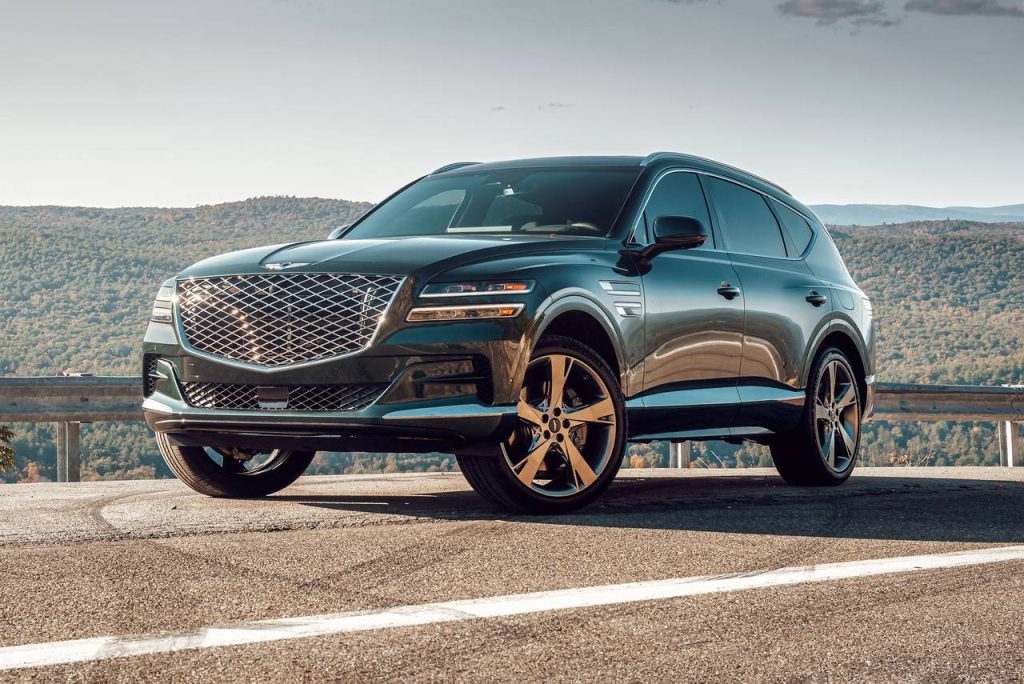
The GV80 proves that newer luxury brands can compete aggressively not only in comfort and performance but also in advanced cybersecurity and theft prevention.
Combining biometric access, encryption, remote monitoring, and sophisticated immobilizer systems created a luxury SUV that remains exceptionally challenging for modern thieves to compromise.
- Engine: 3.5-liter twin-turbo V6
- Torque: 391 lb ft
- Horsepower: 375 hp
- Length/Width: 194.7 inches / 77.8 inches
Also Read: 10 Forgotten Safety Features That No Longer Exist
