
The cars that become future classics are rarely obvious during their own time. Some vehicles sell slowly at first and later gain legendary status because enthusiasts realize how unique they truly were.
Others become icons because they represent the end of an era, combining characteristics that future generations of cars will never repeat. Manual transmissions, naturally aspirated engines, lightweight construction, and analog driving experiences are already disappearing rapidly from the modern automotive world.
Future classics are not always the fastest or most expensive cars, either. Emotional appeal matters just as much as performance numbers. A car with distinctive styling, unforgettable sound, limited production, or groundbreaking engineering often develops a loyal following years after production ends.
Enthusiasts begin appreciating details that seemed ordinary when the vehicle was new. Nostalgia also plays a huge role because people tend to value the cars they admired growing up once they become financially attainable later in life.
The modern industry is changing faster than ever before. Governments continue pushing electrification, manufacturers are reducing manual transmission availability, and turbocharging has replaced many naturally aspirated engines.
As a result, certain current vehicles already feel like the final chapters of automotive history. Cars delivering raw mechanical experiences today may become extremely desirable once future vehicles become quieter, heavier, and more software-driven.
Limited production numbers can also accelerate collector interest dramatically. Some models gain future value simply because so few survive in good condition.
Others become famous because they introduced important technologies or represented major turning points for their brands. In many cases, the cars that age best emotionally are the ones that felt bold, unusual, or slightly excessive during their original release period.
This list highlights ten current cars that have strong potential to become sought-after classics over the next twenty years. Some are high-performance machines built for enthusiasts, while others stand out because of design, engineering, or cultural significance.
Each one possesses qualities that could make future collectors look back and realize they represented something special from today’s automotive era.
Also Read: 8 Cars That Are Nearly Impossible to Steal
1. Toyota GR Corolla
The Toyota GR Corolla already feels like the kind of car enthusiasts will remember fondly decades from now because it combines elements that are becoming increasingly rare in modern performance vehicles.
Built with rally-inspired engineering, aggressive styling, and a standard manual transmission, the GR Corolla represents a type of hot hatch many manufacturers are abandoning completely.
One reason the car has strong future classic potential is its unusual engine. Toyota fitted the GR Corolla with a turbocharged three-cylinder engine producing remarkable power for its size.
Instead of chasing refinement and isolation, the car feels mechanical, lively, and intentionally raw. Enthusiasts often become attached to vehicles with distinctive personalities, and the GR Corolla delivers exactly that.
The all-wheel-drive system adds another layer of appeal. Unlike ordinary front-wheel-drive hot hatches, the GR Corolla feels capable and playful in different driving conditions. Drivers can adjust power distribution settings, creating a more interactive experience compared to many modern cars dominated by electronic intervention.
Production numbers also help its future reputation. Toyota is not building the GR Corolla in massive volumes, which naturally increases exclusivity. Limited availability often becomes an important factor in collector interest years later, especially when enthusiasts begin searching for clean and unmodified examples.
The car also arrives during a period when manual transmissions are disappearing rapidly. Twenty years from now, buyers may look back at the GR Corolla as one of the final affordable performance hatchbacks offering true driver engagement. Cars that preserve analog driving qualities often age extremely well emotionally.
Styling contributes heavily to its identity, too. Wide fenders, functional vents, and aggressive proportions make the GR Corolla stand out immediately from ordinary hatchbacks. Future enthusiasts will likely appreciate that Toyota resisted creating something overly restrained or generic.
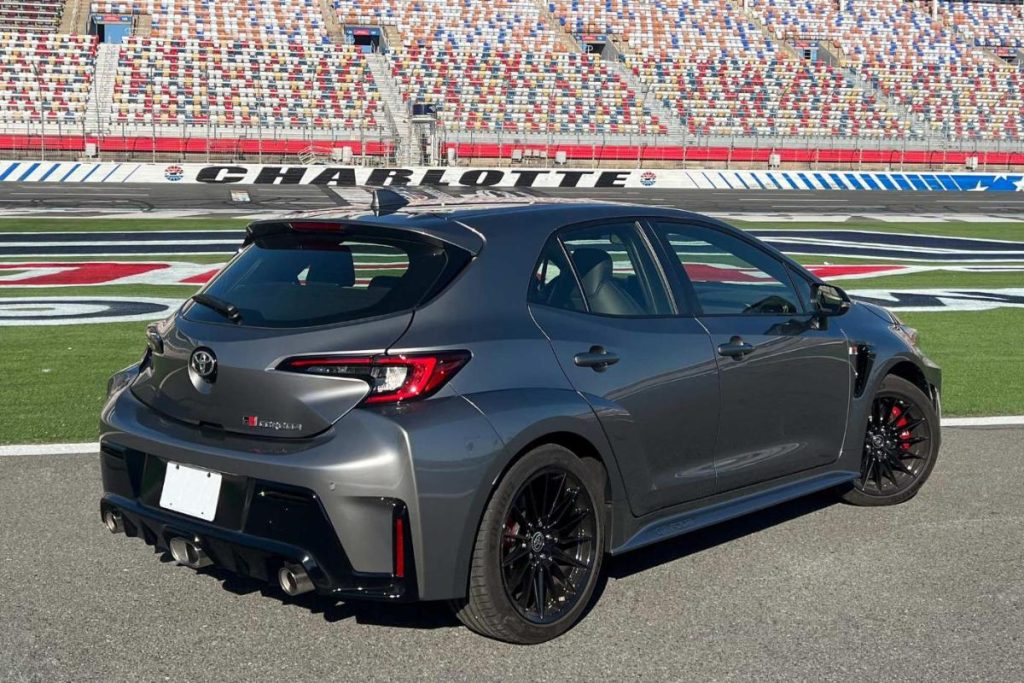
The GR Corolla represents more than just another performance model. It reflects a moment when Toyota decided to prioritize enthusiast passion in an era increasingly dominated by efficiency and electrification. That authenticity gives the car strong potential to become highly desirable in the future collector market.
- Engine: 1.6-liter turbocharged inline three
- Torque: 273 lb ft
- Horsepower: 300 hp
- Length/Width: 176.1 inches / 72.8 inches
2. Cadillac CT5 V Blackwing
The Cadillac CT5-V Blackwing feels destined for future classic status because it represents one of the last great American super sedans powered by a hand-built supercharged V8 and available with a manual transmission.
In an era where luxury performance cars are moving rapidly toward electrification and smaller turbocharged engines, the Blackwing already feels like a farewell celebration for traditional high-performance engineering.
The heart of the car is its massive 6.2-liter supercharged V8. The engine delivers brutal acceleration alongside one of the most dramatic exhaust notes available in a modern sedan. Future enthusiasts will likely value this combination even more once naturally loud and unapologetically aggressive engines become increasingly uncommon.
Another major reason the CT5 V Blackwing stands out is its manual gearbox option. High-horsepower luxury sedans with manual transmissions have become extraordinarily rare.
Cadillac intentionally built the car for driving enthusiasts rather than purely chasing lap times or luxury isolation. That decision gives the Blackwing emotional appeal beyond simple performance statistics.
The sedan also balances comfort and aggression impressively well. It can behave like a refined executive car during highway cruising before transforming into a serious performance machine on demanding roads. Cars with broad personalities often develop strong enthusiast followings because they remain enjoyable in many different situations.
Styling helps distinguish the Blackwing, too. The design looks muscular and purposeful without becoming overly exaggerated. Future collectors often appreciate cars that age gracefully visually rather than following temporary styling trends too aggressively.
The timing of the Blackwing’s release may become one of its most important qualities. It arrived just before the industry began accelerating heavily toward electric performance vehicles. Future buyers may see it as one of the final opportunities to experience a traditional high-horsepower luxury sedan built around raw mechanical excitement.
Cadillac also produced the car in relatively limited numbers compared to mainstream luxury sedans. Scarcity usually strengthens collector interest over time, especially when combined with enthusiast-oriented engineering.
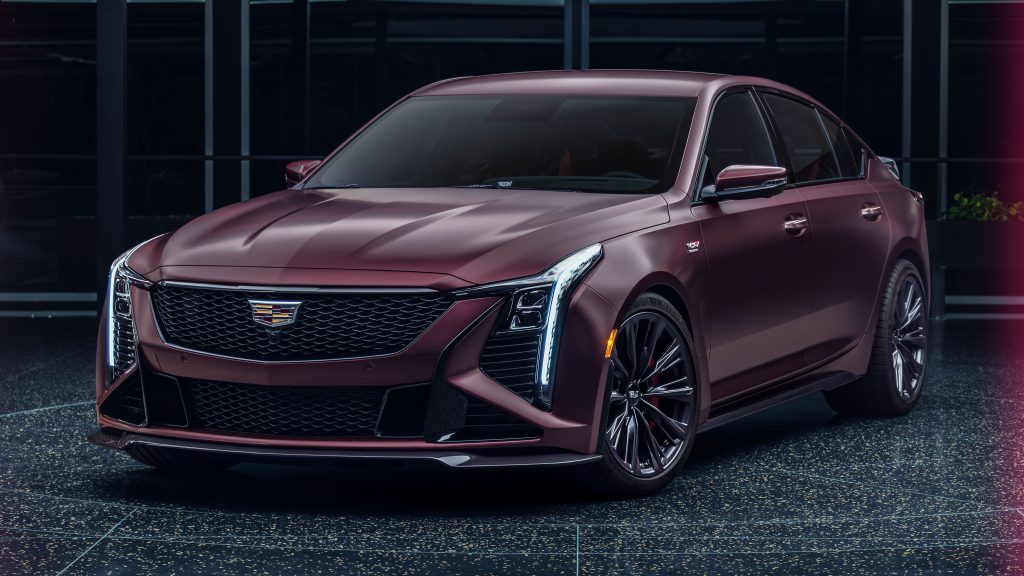
The CT5 V Blackwing feels less like a typical modern performance sedan and more like the closing chapter of an important automotive era. That emotional significance could make it highly respected among collectors twenty years from now.
- Engine: 6.2-liter supercharged V8
- Torque: 659 lb ft
- Horsepower: 668 hp
- Length/Width: 194.9 inches / 74.1 inches
3. Nissan Z
The modern Nissan Z carries enormous historical weight because it continues one of the most respected sports car lineages in Japanese automotive history. Future collectors often value cars that preserve strong heritage while still feeling true to their original identity, and the current Z accomplishes that balance remarkably well.
One reason the car has strong future classic potential is its styling. Nissan intentionally blended modern design with visual references inspired by older generations, such as the 240Z and 300ZX.
Enthusiasts immediately recognized the retro-inspired proportions, circular rear lighting, and clean body lines. Cars that connect emotionally with brand history often age better than vehicles chasing temporary design trends.
The twin turbocharged V6 also gives the Z an important advantage. Unlike many modern sports cars moving toward smaller engines or hybrid assistance, the Z still delivers traditional rear-wheel-drive performance with strong mechanical character.
The engine provides smooth power delivery while maintaining the engaging personality enthusiasts expect from a proper sports coupe.
Another major factor involves the manual transmission option. Sports cars with three pedals are becoming increasingly rare, especially from mainstream manufacturers. Future buyers will likely appreciate that Nissan continued offering genuine driver involvement during an era when many competitors abandoned manual gearboxes entirely.
The Z also occupies an interesting place in automotive history because it arrived during the transition toward electrification.
Twenty years from now, enthusiasts may look back at it as one of the final affordable Japanese sports cars focused primarily on analog excitement rather than digital driving experiences and software-controlled performance systems.
Production numbers could help its future value as well. Specialty sports cars rarely sell in massive volumes compared to ordinary crossovers and sedans. Clean, low-mileage examples may become increasingly desirable once many modified or heavily used cars disappear from the market.
The Nissan Z also benefits from cultural significance. The Z badge already carries decades of enthusiast respect worldwide. Future collectors often gravitate toward cars connected to strong automotive legacies because those vehicles remain emotionally relevant across generations.
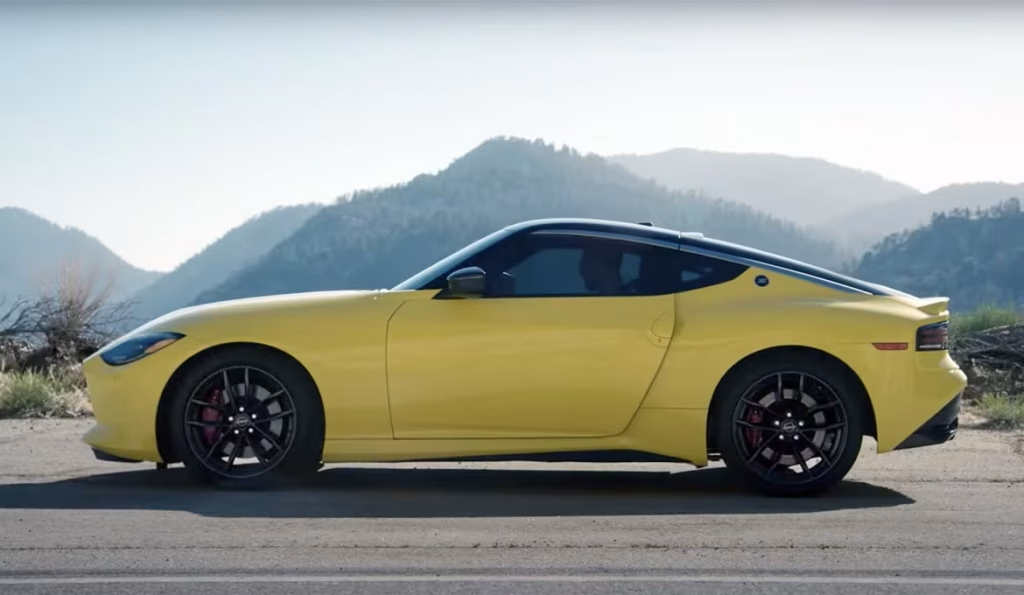
The modern Z feels like a deliberate effort to preserve classic sports car values in a changing industry. That authenticity could make it highly appreciated by enthusiasts searching for pure driving experiences years from now.
- Engine: 3.0-liter twin-turbocharged V6
- Torque: 350 lb ft
- Horsepower: 400 hp
- Length/Width: 172.4 inches / 72.6 inches
4. Porsche 718 Cayman GT4 RS
The Porsche 718 Cayman GT4 RS already feels collectible because it combines several ingredients that future enthusiasts will likely consider irreplaceable. Naturally aspirated engines are disappearing rapidly, and Porsche created the GT4 RS around one of the most emotional high-revving flat-six engines available today.
The sound alone could secure the car’s future classic status. The engine screams with an intensity modern turbocharged sports cars rarely achieve. Positioned directly behind the cabin, the intake noise becomes part of the entire driving experience. Cars capable of creating strong emotional reactions through sound often remain desirable long after production ends.
Another reason the GT4 RS stands out involves its focus. Porsche removed unnecessary comfort and concentrated heavily on creating a sharp and engaging driver’s car. Lightweight construction, aerodynamic upgrades, aggressive suspension tuning, and immediate steering response make the car feel deeply connected to the road.
The GT4 RS also occupies a special place within Porsche history. Many enthusiasts already view it as one of the greatest Cayman models ever produced because it pushes the platform closer to exotic territory than previous versions. Future collectors usually value cars representing the peak development of important model lines.
Unlike heavier modern performance cars relying heavily on electronic assistance, the GT4 RS still feels mechanical and alive.
Drivers must work with the car actively rather than simply relying on computers to create speed. That analog quality may become extremely desirable in the future as performance vehicles become increasingly software-driven.
Production volume also matters significantly. Porsche will never build the GT4 RS in ordinary sports car numbers, which naturally increases exclusivity. Limited supply combined with strong enthusiast demand often creates long-term collector interest.
Visually, the car looks purposeful without becoming excessive. Large air intakes, functional aerodynamic parts, and aggressive proportions communicate performance honestly rather than theatrically.
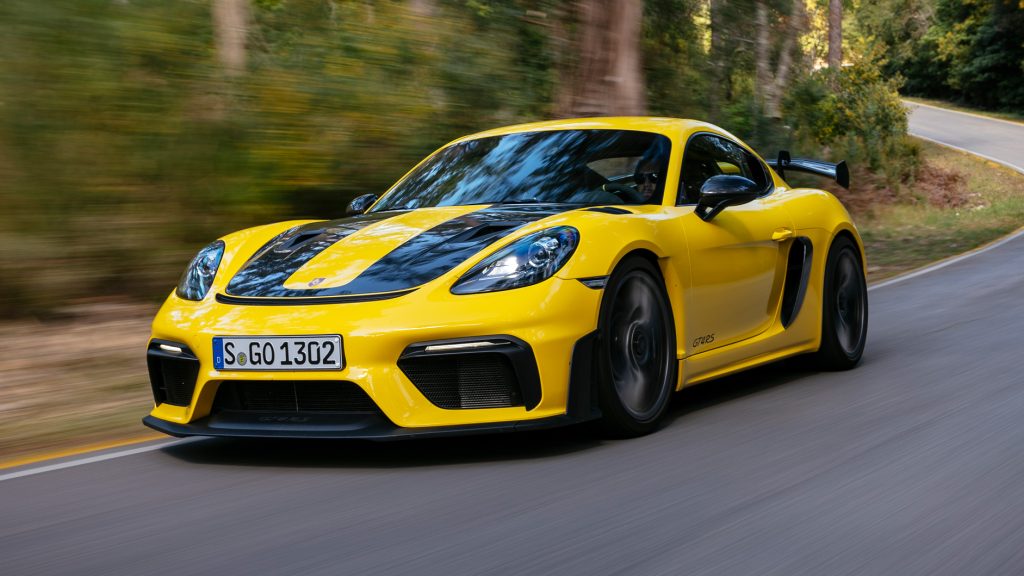
The GT4 RS feels like the type of machine future enthusiasts will remember as one of the final truly emotional internal combustion sports cars. Its combination of sound, balance, rarity, and driver involvement gives it exceptional future classic potential.
- Engine: 4.0-liter naturally aspirated flat six
- Torque: 317 lb ft
- Horsepower: 493 hp
- Length/Width: 176.5 inches / 71 inches
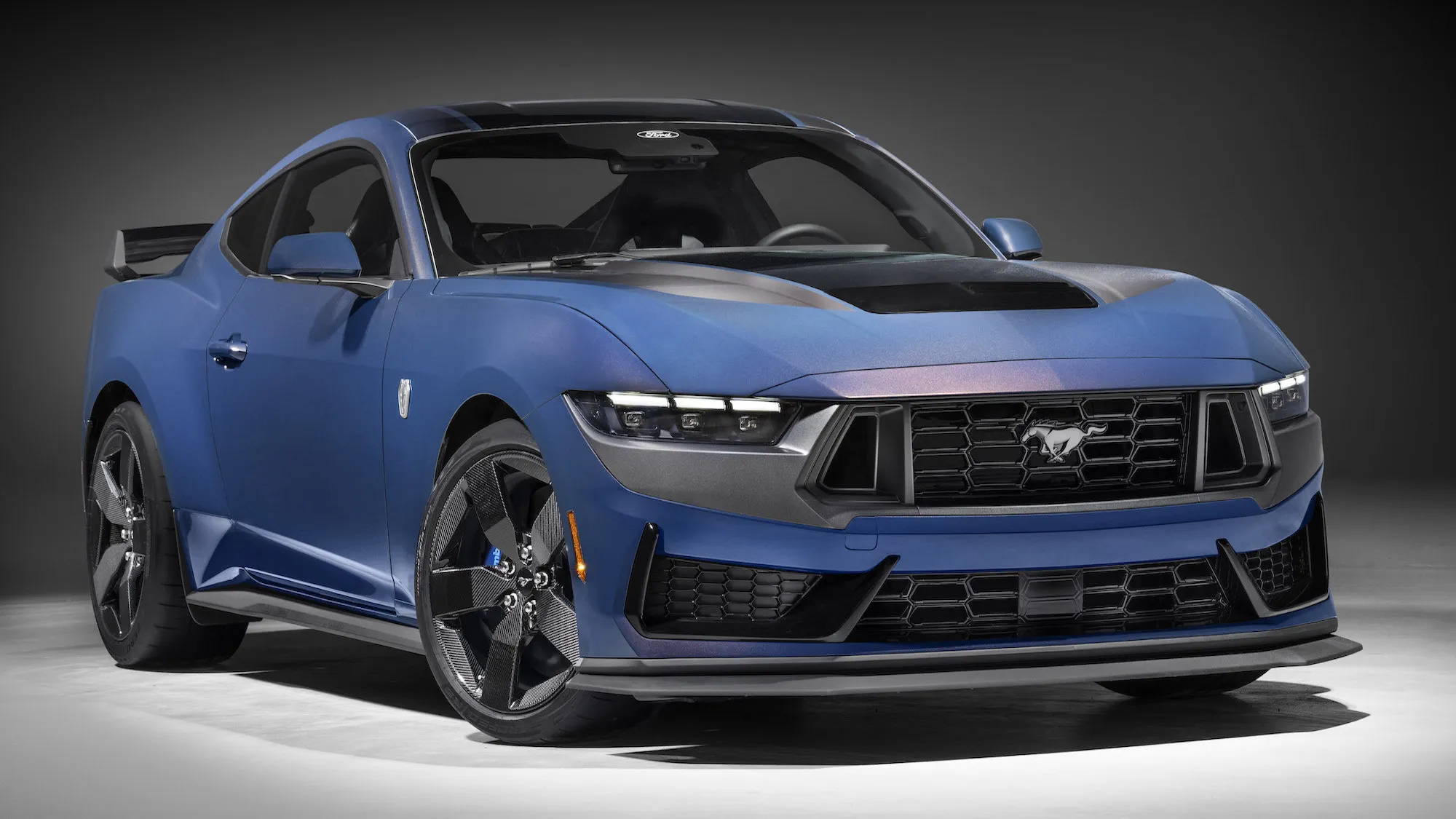
5. Ford Mustang Dark Horse
The Ford Mustang Dark Horse has strong potential to become a future classic because it represents a rare moment in modern automotive history where a major manufacturer is still committed fully to building a naturally aspirated V8 muscle car focused heavily on enthusiasts.
As regulations continue tightening and electrification spreads rapidly, cars like the Dark Horse may soon disappear entirely.
One reason the car feels special already is the engine. The 5.0-liter V8 delivers a deep and aggressive soundtrack that instantly connects with traditional muscle car fans. Future enthusiasts will likely value naturally aspirated engines even more once turbocharged and electric performance vehicles dominate the market.
Ford also designed the Dark Horse with far more track capability than an ordinary Mustang GT. Upgraded cooling systems, revised suspension tuning, stronger brakes, and sharper steering make the car feel purpose-built rather than simply styled aggressively.
Collector cars often gain long-term respect when they combine performance credibility with a strong visual identity.
The manual transmission option adds another important layer to the Dark Horse’s future appeal. Enthusiasts continue searching for engaging, driver-focused cars, and manual V8 coupes are becoming increasingly uncommon every year.
Twenty years from now, buyers may see the Dark Horse as one of the final mainstream American performance cars delivering a traditional analog experience.
Styling helps separate it from standard Mustangs, too. The darker trim elements, aggressive stance, and unique aerodynamic details create a more serious personality without looking exaggerated. Cars that maintain a balanced design often age more gracefully over time.
The Mustang itself already carries enormous cultural significance globally. Special versions linked to important periods in Mustang history frequently become collectible later. The Dark Horse arrives during the final years before major industry shifts toward electrification accelerate further, giving it historical importance beyond simple performance numbers.
Limited production compared to standard Mustang models could also strengthen future demand. Enthusiasts typically search for well-preserved special edition performance cars once ordinary examples become more common and less interesting.
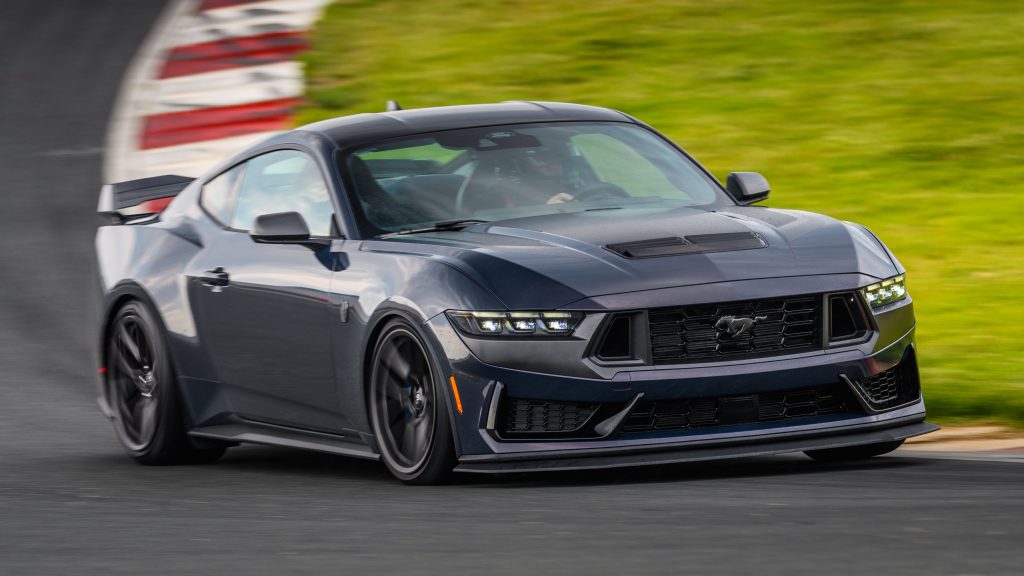
The Dark Horse feels like a modern tribute to classic American performance values. That emotional connection, combined with genuine capability, could make it highly desirable among collectors decades from now.
- Engine: 5.0-liter naturally aspirated V8
- Torque: 418 lb ft
- Horsepower: 500 hp
- Length/Width: 189.7 inches / 75.4 inches
6. Honda Civic Type R
The Honda Civic Type R already has the ingredients needed for future classic status because it combines practicality with one of the most focused front-wheel-drive driving experiences ever created. Honda built the Type R with clear enthusiast priorities at a time when many manufacturers were moving away from pure performance hatchbacks entirely.
One reason the car stands out is its engineering philosophy. Rather than chasing luxury or isolation, Honda concentrated on responsiveness, balance, and driver engagement.
The steering feels sharp, the chassis reacts instantly, and the manual transmission remains one of the best available in any modern car. Future enthusiasts often appreciate vehicles that prioritize driving feel over digital convenience.
The Type R also represents the peak evolution of front-wheel-drive performance engineering. Honda refined the platform extensively to handle serious power while maintaining stability and precision. Cars that become benchmarks within their categories frequently gain collector respect later.
Another factor involves rarity and demand. Civic Type R models typically sell in smaller numbers than ordinary Civics, and many enthusiasts already treat them carefully because of their special status. Clean and unmodified examples may become increasingly difficult to find years from now.
The styling gives the Type R a distinct identity as well. Large vents, wide fenders, aggressive aerodynamics, and the prominent rear wing make the car impossible to mistake for a normal hatchback. While bold designs sometimes age poorly, iconic performance cars often benefit from memorable styling that reflects their personality honestly.
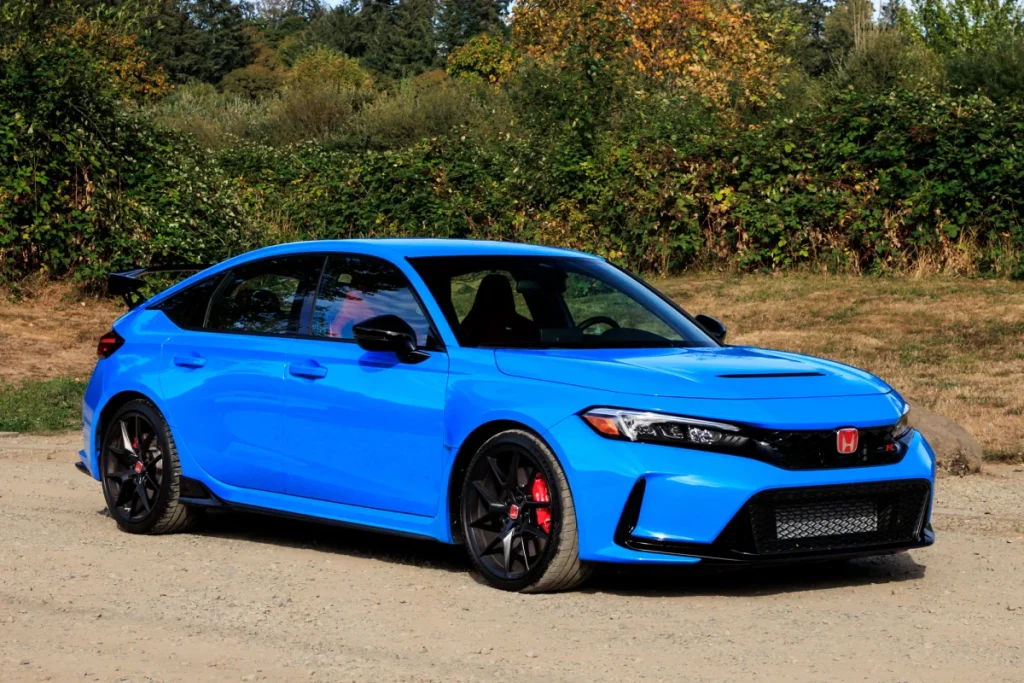
The manual transmission may become one of the car’s most valuable future qualities. As manufacturers continue eliminating manual options, enthusiast buyers are likely to place even greater value on cars offering genuine involvement and control.
The Type R also carries strong historical importance within Honda’s performance heritage. Earlier generations already developed loyal followings worldwide, and the current model continues that legacy while delivering modern capability.
The Civic Type R feels like one of the final performance hatchbacks built without compromise for driving enthusiasts. That dedication to engagement and mechanical purity gives it strong potential to become highly respected among collectors in the future.
- Engine: 2.0-liter turbocharged inline four
- Torque: 310 lb ft
- Horsepower: 315 hp
- Length/Width: 180.9 inches / 74.4 inches
7. Lexus LC 500
The Lexus LC 500 already feels like a future collector car because it delivers qualities that are becoming increasingly rare in the modern automotive industry. Lexus designed the coupe around emotion, sound, and craftsmanship rather than simply chasing performance statistics or touchscreen technology.
Its biggest highlight is the naturally aspirated 5.0-liter V8 engine. In a market now dominated by turbocharging and hybrid systems, the LC 500 offers a smooth and dramatic soundtrack that changes character beautifully at high rpm. Future enthusiasts will likely value naturally aspirated luxury coupes much more once those engines disappear completely.
The styling also gives the car long-term appeal. The low roofline, wide stance, and aggressive front grille create a design that feels exotic and memorable. Unlike many luxury coupes that look conservative, the LC 500 has a strong visual identity that stands out immediately.
Inside the cabin, Lexus focused heavily on craftsmanship. Premium leather, hand-finished materials, and elegant detailing create a luxurious atmosphere without feeling overly digital or complicated. The interior feels personal and artistic rather than cold and technology-driven.
The LC 500 also works well as a grand touring car. It remains comfortable during long highway drives while still delivering strong performance when pushed harder. That balance helps broaden its appeal beyond traditional sports car enthusiasts.
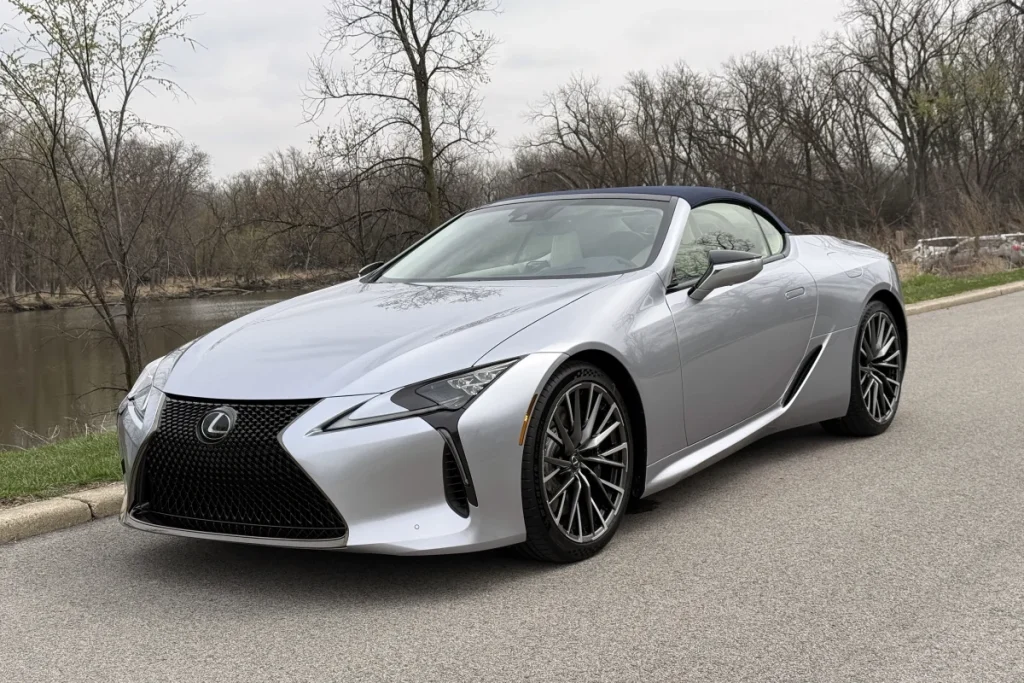
Because production numbers are relatively limited, clean examples could become increasingly desirable in the future. The LC 500 represents one of the final luxury coupes built around a naturally aspirated V8 and emotional design philosophy.
- Engine: 5.0-liter naturally aspirated V8
- Torque: 398 lb ft
- Horsepower: 471 hp
- Length/Width: 187.4 inches / 75.6 inches
8. BMW M2
The BMW M2 has future classic potential because it captures the compact and aggressive personality that made older BMW M cars so respected among enthusiasts. While many modern performance cars continue becoming larger and heavier, the M2 still feels playful, sharp, and highly engaging to drive.
The twin-turbocharged inline-six engine provides strong acceleration with a lively character. Combined with rear-wheel drive and responsive steering, the M2 delivers a driving experience that feels connected and mechanical rather than isolated.
One major advantage is the manual transmission option. Enthusiasts increasingly value cars offering direct driver involvement, especially as more manufacturers eliminate manual gearboxes. Twenty years from now, manual M2 models may become especially desirable among collectors.
The styling also helps the car stand out. Wide fenders, muscular bodywork, and short proportions give the M2 a strong road presence without making it feel oversized. Many enthusiasts already compare its compact spirit to classic BMW performance coupes from previous decades.
Timing could become another important factor. The M2 exists during the transition toward electrification and hybrid performance systems. Future buyers may look back at it as one of the final traditional rear-wheel-drive BMW performance cars powered mainly by a combustion engine.
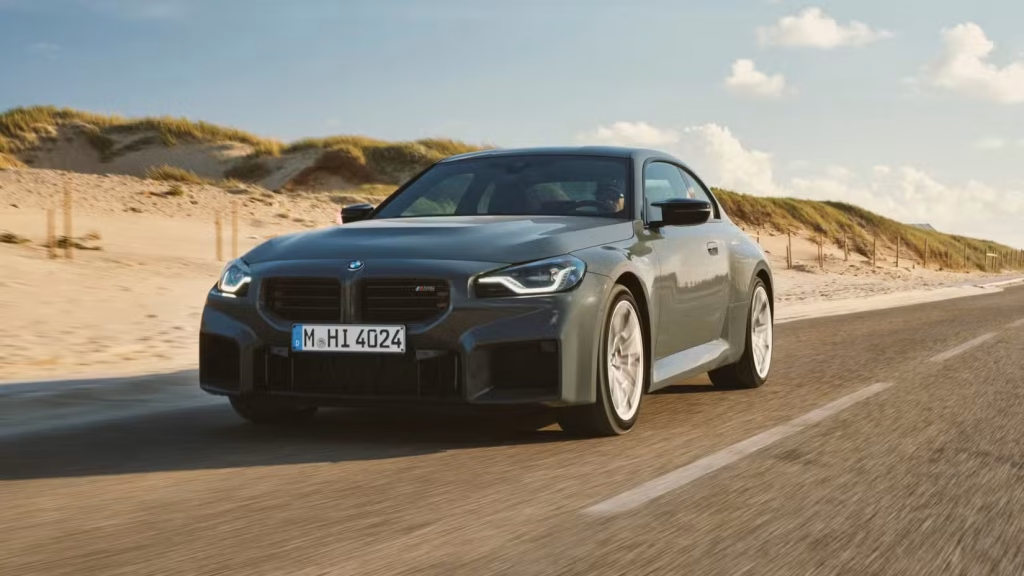
The car also balances daily usability with serious performance capability. Drivers can enjoy it comfortably during regular commuting while still experiencing sharp handling and strong acceleration during spirited driving.
The M2 feels like a modern reminder of BMW’s enthusiast-focused roots, which gives it strong potential to become highly respected years from now.
- Engine: 3.0-liter twin-turbocharged inline six
- Torque: 443 lb-ft
- Horsepower: 453 hp
- Length/Width: 180.3 inches / 74.3 inches
9. Chevrolet Corvette Z06
The Chevrolet Corvette Z06 feels destined for future classic status because it combines exotic car performance with one of the most exciting naturally aspirated engines available today. The flat plane crank V8 gives the Z06 a completely different personality from traditional American muscle cars.
The sound is one of the biggest reasons the car stands out. Instead of a deep rumbling tone, the engine produces a sharp and exotic scream that feels closer to European supercars. Future enthusiasts will likely value this experience heavily once naturally aspirated, high-revving engines disappear from the market.
The mid-engine layout also makes the Z06 historically important. Chevrolet transformed the Corvette into a genuine supercar competitor while still keeping the model connected to its American roots. That engineering shift could become a major reason collectors appreciate the car later.
Visually, the Z06 looks aggressive and purposeful. Wide body styling, large air intakes, and aerodynamic upgrades create a serious performance identity immediately.
The car also offers extraordinary capability for its price range. Future buyers may admire how Chevrolet delivered supercar-level excitement at a fraction of the cost charged by exotic European brands.
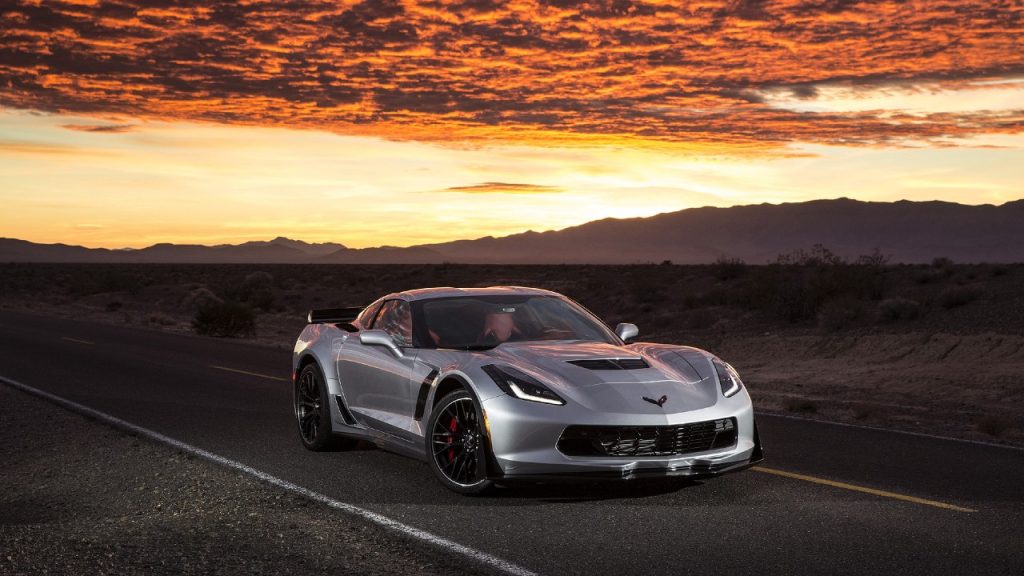
Because naturally aspirated performance engines are becoming rare, the Corvette Z06 could eventually represent one of the last truly emotional American supercars of the gasoline era.
- Engine: 5.5-liter naturally aspirated V8
- Torque: 460 lb ft
- Horsepower: 670 hp
- Length/Width: 184.6 inches / 79.7 inches
10. Subaru WRX STI
The Subaru WRX STI has already built legendary status among rally and performance enthusiasts, but future generations may appreciate it even more because of how unique its formula became in modern automotive history.
Aggressive styling, turbocharged power, all-wheel drive traction, and rally-inspired handling gave the STI a personality few competitors could replicate.
The turbocharged boxer engine creates a distinctive sound and driving feel that has become strongly associated with Subaru performance cars. Enthusiasts often become deeply attached to cars with recognizable character, and the STI delivers exactly that.
Another reason the car could become highly collectible is the manual transmission. Future performance cars are likely to rely increasingly on automatic or electric drivetrains, making traditional manual all-wheel-drive sports sedans far rarer.
The STI also carries major cultural importance because of its long motorsport connection. Rally heritage helped shape the car’s identity, and future enthusiasts may value that authenticity even more as motorsport-inspired road cars disappear.
The aggressive styling gives the STI strong visual recognition, too. Large wings, hood scoops, and wide fenders create an unmistakable presence that performance car fans immediately recognize.
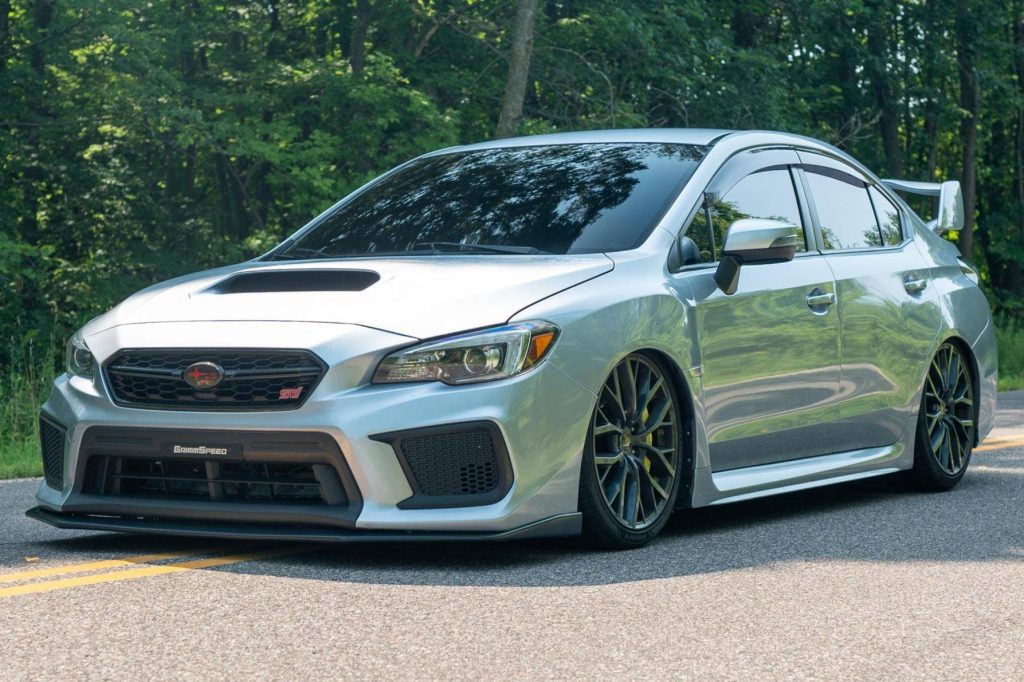
The WRX STI represents an era when affordable enthusiast cars still prioritized raw engagement and mechanical personality above refinement and efficiency. That emotional appeal could make it highly desirable decades from now.
- Engine: 2.5-liter turbocharged flat four
- Torque: 290 lb ft
- Horsepower: 310 hp
- Length/Width: 180.9 inches / 71.5 inches
Also Read: 10 Electric Vehicles With Fake Engine Sound
