
Electric vehicles changed the automotive world by delivering instant torque, silent operation, and futuristic technology. For many drivers, that quietness became one of the biggest attractions of EV ownership.
Others, however, felt something important had disappeared when traditional engines vanished. Performance cars had always created emotion through sound.
The growl of a V8, the scream of a high-revving sports car, or the deep rumble of a muscle car formed part of the driving experience for generations. As electric cars became faster and more advanced, manufacturers realized many buyers still wanted that emotional connection.
That led to one of the strangest trends in modern automotive history: fake engine sounds in electric vehicles. Some automakers developed futuristic synthetic noises designed to sound like spacecraft or science fiction machines.
Others attempted to imitate gasoline performance cars with digitally enhanced exhaust notes pumped through speakers. A few companies even created customizable sound profiles, allowing drivers to switch between aggressive performance tones and quieter futuristic effects.
There were practical reasons behind this movement as well. Governments in several regions require electric vehicles to produce external sounds at lower speeds so pedestrians can hear them approaching.
Automakers transformed that safety requirement into an opportunity to create distinctive sound identities for their EVs. Instead of leaving the cars completely silent, brands started designing artificial audio signatures to make their electric models feel more emotional and recognizable.
Not every fake engine sound system succeeded. Some felt natural and entertaining, while others sounded forced or gimmicky.
Still, the trend revealed how deeply sound remains connected to automotive culture. Drivers may accept electric power, but many still miss the sensory drama traditional engines delivered.
This list focuses on ten electric vehicles that introduced fake engine sounds in fascinating ways. Some tried to imitate high-performance gasoline cars, while others created entirely new audio personalities for the electric era. Each vehicle represents a different approach to solving the silence problem that arrived with the EV revolution.
Also Read: 10 Cars With Recording Devices in the Cabins
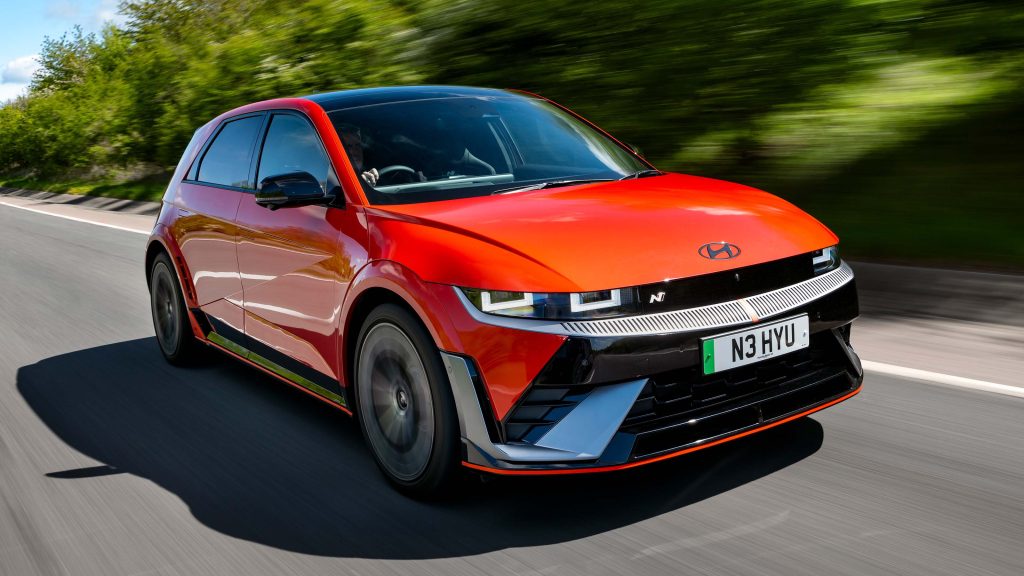
1. Hyundai Ioniq 5 N
The Hyundai Ioniq 5 N shocked the automotive world because it approached electric performance cars differently from almost every competitor. Instead of treating silence as a selling point, Hyundai deliberately built fake engine sounds and simulated gear shifts into the car to recreate the feeling of driving a gasoline-powered sports machine.
At first, many enthusiasts laughed at the idea. Why would an electric vehicle pretend to have gears when EVs do not need traditional transmissions?
The answer became clear once people drove the car. Hyundai’s engineers understood that driving excitement comes from more than raw acceleration figures. Sound, vibration, and shifting sensations all contribute to emotional involvement behind the wheel.
The Ioniq 5 N features multiple synthetic sound modes. One setting mimics a turbocharged performance engine complete with aggressive rev sounds and simulated downshifts. Another creates futuristic electronic noises inspired by science fiction vehicles. Drivers can even adjust the intensity of the effects depending on their preferences.
What made the system impressive was how convincing it felt during spirited driving. The simulated gear changes interrupted acceleration slightly, creating a rhythm similar to a dual-clutch transmission. Instead of endless silent acceleration, the car suddenly behaved like a traditional high-performance hatchback, attacking corners and straights.
Critics initially called the feature unnecessary, but many reviewers later admitted it made the car more entertaining. Hyundai recognized that speed alone does not guarantee personality. By adding artificial sound and shifting behavior, the company gave the Ioniq 5 N a unique character missing from many electric performance cars.
The fake engine sound system also demonstrated confidence from Hyundai. Rather than pretending EVs should erase automotive traditions, the brand embraced the emotional side of driving culture.
That decision helped the Ioniq 5 N stand out in an increasingly crowded electric market filled with vehicles focused only on numbers and efficiency.
- Engine: Dual electric motors
- Torque: 546 lb-ft
- Horsepower: 641 hp
- Length/Width: 185.6 in / 76.4 in
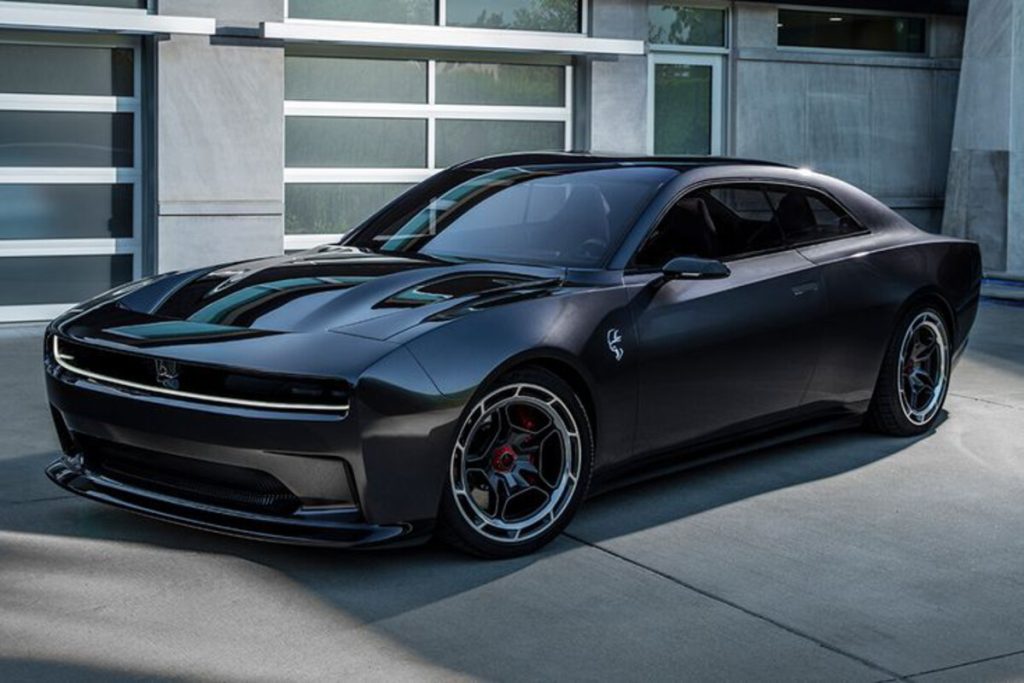
2. Dodge Charger Daytona EV
Dodge built its reputation on loud muscle cars with massive V8 engines, so the transition toward electric power created a huge challenge for the company. Muscle car fans associated Dodge with aggressive exhaust notes and dramatic performance.
A silent electric replacement risked alienating the brand’s core audience completely. That pressure led Dodge to create one of the boldest fake engine sound systems in the industry for the Charger Daytona EV.
Called the Fratzonic Chambered Exhaust, the system does not simply play audio through speakers inside the cabin.
Dodge engineered an external sound chamber designed to produce loud synthetic noises intended to imitate the aggression of a traditional muscle car. The company even claimed the system could reach sound levels comparable to V8-powered performance models.
Unlike some EVs that use futuristic spaceship tones, the Charger Daytona aims directly at classic American muscle car energy. The sounds are deep, dramatic, and intentionally theatrical. Dodge knew its buyers did not want subtle electronic humming. They wanted something emotional, loud, and attention-grabbing.
The strategy sparked major debate among enthusiasts. Some praised Dodge for trying to preserve the spirit of muscle cars during the electric transition. Others argued artificial exhaust sounds could never replace the authentic experience of a real supercharged V8. Regardless of opinion, Dodge succeeded in creating conversation around the car.
The fake sound system works closely with the vehicle’s performance programming. Acceleration, throttle input, and drive modes all influence the intensity and tone of the synthetic noise. That interaction gives the car a more dynamic personality compared to completely silent EVs.
Dodge also understood something important about its customer base. Many muscle car buyers value drama as much as speed. The Charger Daytona EV embraces that philosophy fully instead of pretending electric performance must become sterile or emotionless.
Whether people love or hate the concept, the car represents one of the most ambitious attempts to preserve traditional muscle car character in the electric era.
- Engine: Dual electric motors
- Torque: 627 lb ft
- Horsepower: 670 hp
- Length/Width: 206.6 in / 79.8 in
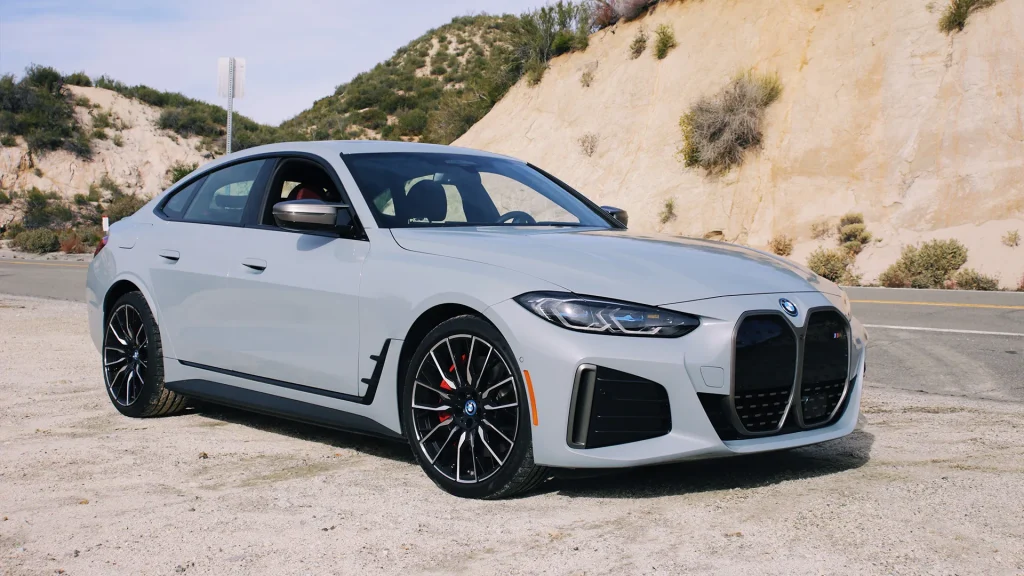
3. BMW i4 M50
BMW approached fake engine sounds from a very different angle compared to companies chasing muscle car nostalgia. When developing the i4 M50, the brand wanted the vehicle to feel futuristic while still maintaining the emotional intensity expected from an M performance model.
Instead of copying gasoline engines directly, BMW worked with famous film composer Hans Zimmer to create synthetic driving sounds specifically for its electric performance lineup.
The result was unusual but surprisingly effective. The i4 M50 produces layered electronic tones that rise and intensify with acceleration.
Rather than sounding like a fake V8 or turbocharged inline six, the audio feels more like a science fiction performance machine from a futuristic movie. Some enthusiasts initially found it strange, yet many drivers later admitted the sounds gave the car far more personality than complete silence.
Inside the cabin, the effect becomes especially noticeable during hard acceleration. As the car launches forward with instant electric torque, the artificial soundtrack builds dramatically through the speakers.
BMW understood that rapid acceleration without any sound can feel disconnected for drivers used to traditional performance cars. The synthetic audio restores some emotional feedback during spirited driving.
Another interesting detail involves how the sound changes between driving modes. Comfort mode keeps things relatively subdued, while Sport mode amplifies the futuristic tones aggressively.
That flexibility allows the i4 M50 to behave either like a calm luxury sedan or an intense performance machine, depending on the driver’s mood.
The car itself already possessed high speed, capable of reaching high-performance figures that rivaled many gasoline sports sedans.
Yet BMW clearly believed raw numbers alone were not enough to create excitement. The company wanted drivers to feel immersed in the experience instead of simply watching acceleration happen silently.
Not every traditional BMW enthusiast appreciated the digital soundtrack, especially fans loyal to naturally aspirated M engines from previous generations.
Still, the i4 M50 demonstrated how automakers could use synthetic sound creatively rather than merely imitating old engine noises. It represented a new interpretation of performance emotion for the electric age.
- Engine: Dual electric motors
- Torque: 586 lb ft
- Horsepower: 536 hp
- Length/Width: 188.5 in / 72.9 in
4. Kia EV6 GT
The Kia EV6 GT arrived with shocking performance numbers that placed it among some of the quickest electric crossovers in the world. Yet Kia understood something many manufacturers ignored during the early EV boom.
Drivers still wanted sensory involvement beyond silent acceleration. That realization pushed the company to include artificial sound profiles designed to make the EV6 GT feel more energetic and dramatic.
Unlike brands focused entirely on copying gasoline engines, Kia blended futuristic digital effects with performance-inspired tones.
The car creates synthesized acceleration sounds through the cabin speakers, changing intensity depending on throttle input and driving modes. During aggressive acceleration, the audio grows sharper and more urgent, giving drivers a stronger sense of speed and momentum.
One reason the system worked reasonably well involved the car’s character itself. The EV6 GT already behaves like a wild performance machine thanks to its brutal acceleration and aggressive chassis tuning.
The synthetic sounds acted almost like a soundtrack, enhancing the vehicle’s personality instead of trying desperately to disguise its electric nature.
Kia also designed the cabin experience carefully. Drivers could select different sound settings or reduce the effect entirely if they preferred a quieter atmosphere. That flexibility mattered because opinions about fake engine noises remain divided even among EV enthusiasts.
The EV6 GT became particularly interesting because it represented how mainstream automakers started treating electric cars emotionally rather than purely as appliances.
Earlier EVs often focused heavily on efficiency and environmental messaging. Kia instead leaned into excitement and entertainment, showing that electric performance vehicles could still feel playful and dramatic.
Critics occasionally described the sound effects as artificial or video game-like, but many owners appreciated the added engagement during spirited driving.
Silent acceleration can become strangely repetitive after extended use, especially in high-performance EVs capable of incredible speed. The synthetic soundtrack helped break that monotony by adding rhythm and emotional feedback.
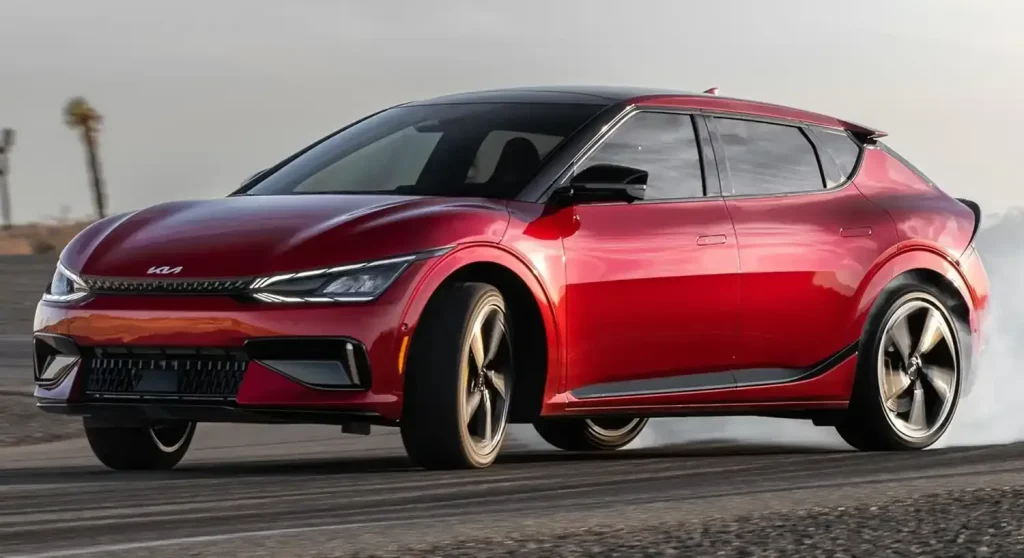
Kia’s approach may not satisfy purists who miss authentic combustion engines, but the EV6 GT proved fake sound systems could make electric cars feel more alive. It highlighted how manufacturers are still experimenting with ways to preserve driving excitement in a rapidly changing automotive world.
- Engine: Dual electric motors
- Torque: 546 lb-ft
- Horsepower: 576 hp
- Length/Width: 184.8 in / 74.4 in
5. Porsche Taycan Turbo S
Porsche faced enormous pressure when creating the Taycan Turbo S because the brand’s reputation had always depended heavily on driver emotion. Porsche owners expected mechanical drama, sharp responses, and unforgettable soundtracks from their sports cars.
A completely silent electric sedan risked feeling disconnected from the company’s identity, so Porsche developed an artificial audio system called Electric Sport Sound to give the Taycan a more emotional personality.
Unlike manufacturers trying to imitate roaring gasoline engines directly, Porsche chose a subtler and more futuristic approach.
The Taycan produces a carefully engineered synthetic sound that rises smoothly during acceleration and changes character depending on speed and throttle input. It feels mechanical and digital at the same time, almost like a high-performance machine from the future rather than a traditional sports car.
The sound becomes especially dramatic during hard launches. As the Taycan accelerates violently, the electronic soundtrack intensifies and creates a sensation of increasing momentum.
Without those audio cues, the brutal acceleration could almost feel too smooth and disconnected. Porsche understood that sound helps drivers judge speed emotionally, not just visually.
Another interesting detail is how naturally the system integrates into the driving experience. The sounds do not constantly dominate the cabin. Instead, they appear progressively as the driver pushes the car harder. That restrained tuning fits Porsche’s philosophy of precision and control.
The company also gave drivers the ability to reduce or disable the synthetic soundtrack entirely. Some owners preferred the eerie silence of electric performance, while others enjoyed the additional character created by the digital audio. Porsche wisely allowed both experiences.
Many reviewers who tested the Taycan admitted the fake sound system felt surprisingly sophisticated compared to some competitors. Instead of sounding gimmicky, it complemented the car’s advanced engineering and futuristic image.
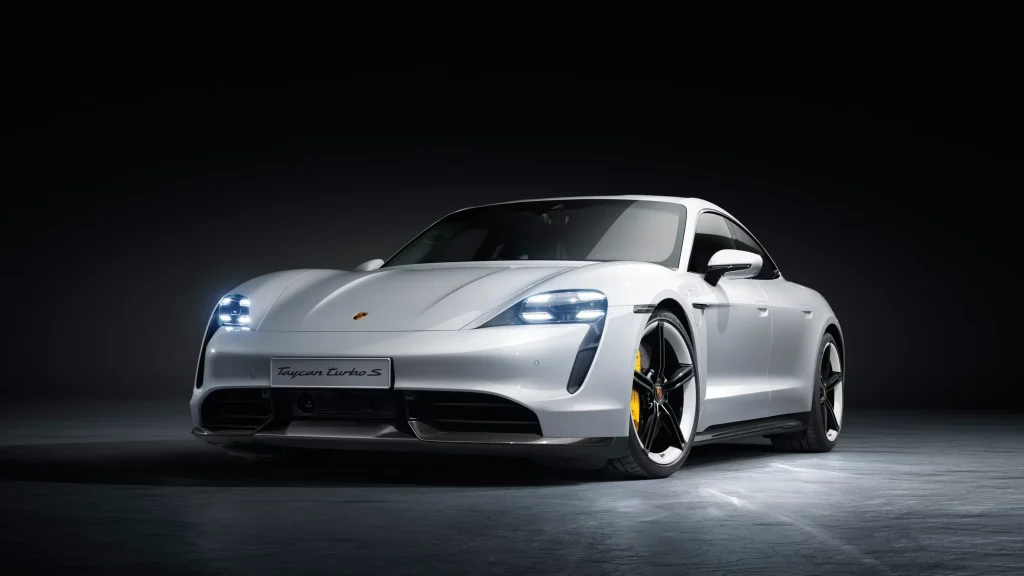
The Taycan Turbo S demonstrated that synthetic sound does not always need to imitate old muscle cars or sports sedans.
Porsche created something unique that respected the electric nature of the vehicle while still preserving emotional intensity. That balance helped the Taycan become one of the most respected electric performance cars in the world.
- Engine: Dual electric motors
- Torque: 774 lb ft
- Horsepower: 750 hp
- Length/Width: 195.4 in / 77.4 in
6. Toyota bZ4X
Toyota approached fake engine sounds differently from performance-focused brands chasing excitement and drama.
The bZ4X was designed primarily as a practical electric crossover for everyday driving, but Toyota still recognized that completely silent vehicles can feel strange to drivers transitioning from gasoline cars.
Instead of aggressive synthetic exhaust notes, the company introduced softer artificial sounds aimed at comfort, awareness, and familiarity.
The bZ4X produces digital driving tones both inside and outside the vehicle. At lower speeds, pedestrians can hear a futuristic humming sound that improves safety in crowded urban environments. Inside the cabin, subtle electronic noises accompany acceleration to prevent the driving experience from feeling unnaturally empty.
Toyota intentionally avoided creating fake muscle car effects or exaggerated racing sounds. The brand understood its typical bZ4X buyer prioritized calm commuting rather than theatrical performance. As a result, the artificial audio feels restrained and modern instead of loud or aggressive.
What makes the system interesting is how it reflects changing attitudes toward electric vehicles. Early EV manufacturers often celebrated total silence as a technological advantage.
Toyota recognized that many people actually find silence uncomfortable after decades of driving combustion-powered vehicles. Small synthetic sounds help create familiarity and reassurance during acceleration and braking.
The bZ4X also demonstrates how fake engine sounds are no longer limited to high-performance EVs. Even mainstream family crossovers now use artificial audio to shape the driving experience. Automakers understand that sound influences driver perception much more deeply than many expected.
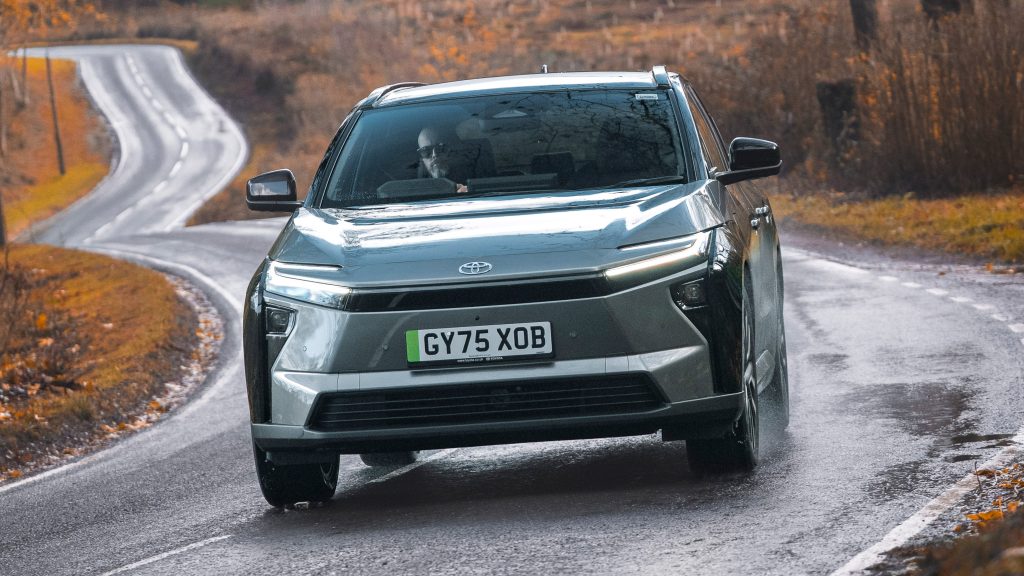
Some critics argued the noises added little value because they remained relatively subtle compared to louder performance-oriented systems from other brands. Yet that quiet approach suited the personality of the vehicle perfectly. The bZ4X aimed to feel approachable and relaxing rather than intimidating or extreme.
Toyota’s strategy showed that synthetic sound can serve practical emotional purposes without becoming overly theatrical. The bZ4X may not deliver dramatic fake exhaust roars, but it still represents an important example of how manufacturers are redesigning the sensory experience of driving in the electric era.
- Engine: Dual electric motors
- Torque: 248 lb ft
- Horsepower: 214 hp
- Length/Width: 184.6 in / 73.2 in
7. Mercedes-Benz EQE AMG
Mercedes-Benz understood immediately that silence alone could not carry the emotional identity of an AMG performance car. For decades, AMG models built their reputations around thunderous exhaust notes and aggressive engine character.
When the company introduced the electric EQE AMG, engineers faced a difficult challenge: how could an EV still feel like a true AMG without a handcrafted V8 under the hood?
The answer arrived through a highly engineered synthetic sound system designed specifically for the AMG electric lineup. Instead of merely adding random electronic noises, Mercedes created layered digital audio intended to communicate power, speed, and aggression.
The EQE AMG produces deep futuristic tones that intensify sharply under acceleration, giving drivers the sensation of commanding a high-performance machine rather than a silent luxury sedan.
Inside the cabin, the effect feels theatrical in a distinctly Mercedes way. As the car surges forward, the sound rises dramatically through the speakers, creating an atmosphere that blends luxury with science fiction.
Different drive modes alter the tone and intensity, allowing the vehicle to behave calmly during relaxed driving or aggressively when pushed harder.
Mercedes also carefully synchronized the sounds with throttle response and regenerative braking. That coordination helped the artificial audio feel connected to the car’s movements instead of random background effects.
Drivers received audio feedback during acceleration and deceleration, restoring some of the sensory communication traditionally provided by combustion engines.
Interestingly, the EQE AMG highlighted how luxury brands approached fake engine sounds differently from muscle car manufacturers. Dodge chased loud aggression, while Mercedes focused on sophistication and futuristic energy. The company wanted the vehicle to feel advanced rather than nostalgic.

Some longtime AMG fans still missed the brutal roar of previous gasoline models, especially the naturally aspirated V8 era. Even so, many reviewers admitted the synthetic soundtrack gave the EQE AMG more personality than expected. Without it, the car’s immense speed might have felt strangely detached.
The EQE AMG proved that sound remains essential to performance car identity, even in the electric age. Mercedes simply translated that emotion into a new digital language instead of abandoning it completely.
- Engine: Dual electric motors
- Torque: 738 lb ft
- Horsepower: 677 hp
- Length/Width: 196.6 in / 75.2 in
8. Nissan Ariya Nismo
Nissan has years of experience balancing performance heritage with new technology, and the Ariya Nismo reflected that philosophy clearly.
While the standard Ariya focused mainly on comfort and practicality, the Nismo version introduced sharper handling, more aggressive styling, and a synthetic sound system intended to create a sportier electric driving experience.
Rather than attempting to imitate a gasoline sports car directly, Nissan developed futuristic performance sounds that changed dynamically during acceleration.
The audio grows stronger as speed builds, giving drivers a heightened sense of momentum that would otherwise disappear in near silence. The effect feels more like a digital racing machine than a traditional combustion vehicle.
What made the Ariya Nismo interesting was its restrained execution. Nissan avoided making the sound system overwhelmingly loud or cartoonish. The tones remain controlled and integrated into the cabin atmosphere, matching the car’s balanced personality.
It still behaves like a comfortable electric crossover, but the synthetic audio adds enough excitement to separate it from ordinary commuter EVs.
Nissan’s motorsport history also influenced the project. The Nismo badge carries expectations of driver engagement and sporty character. Engineers recognized that an entirely silent Nismo model could feel emotionally flat despite strong acceleration figures. Artificial sound became a way to preserve some emotional energy associated with performance driving.
Another notable aspect involved how younger buyers reacted to the system. Drivers raised on video games and digital technology often accept synthetic performance sounds more naturally than older enthusiasts attached to traditional engines. For many of them, the futuristic audio actually enhanced the modern identity of the vehicle.
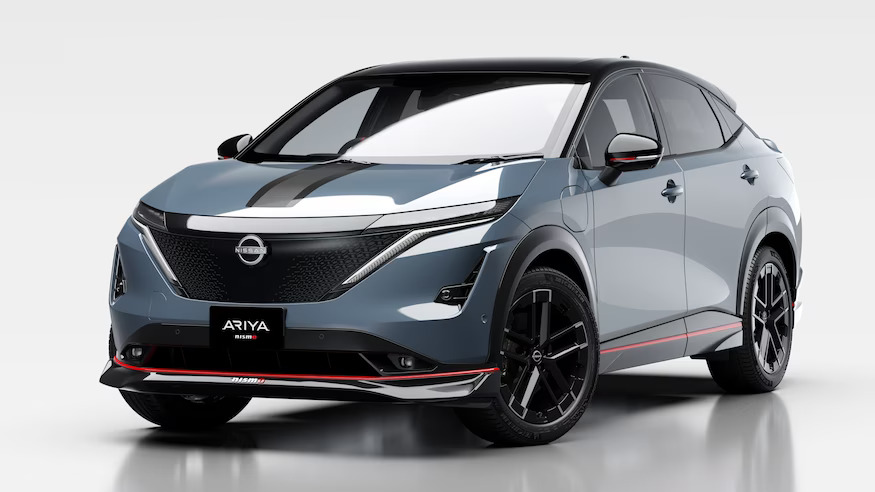
The Ariya Nismo demonstrated that fake engine sounds are evolving beyond simple imitation. Instead of pretending to be old gasoline cars, some EVs now create entirely new forms of performance audio tailored specifically for electric powertrains.
Nissan may not have produced the loudest or most controversial fake sound system in the industry, but the Ariya Nismo showed how subtle digital audio can still influence driver emotion and make an electric crossover feel more alive on the road.
- Engine: Dual electric motors
- Torque: 442 lb ft
- Horsepower: 429 hp
- Length/Width: 183.3 in / 74.8 in
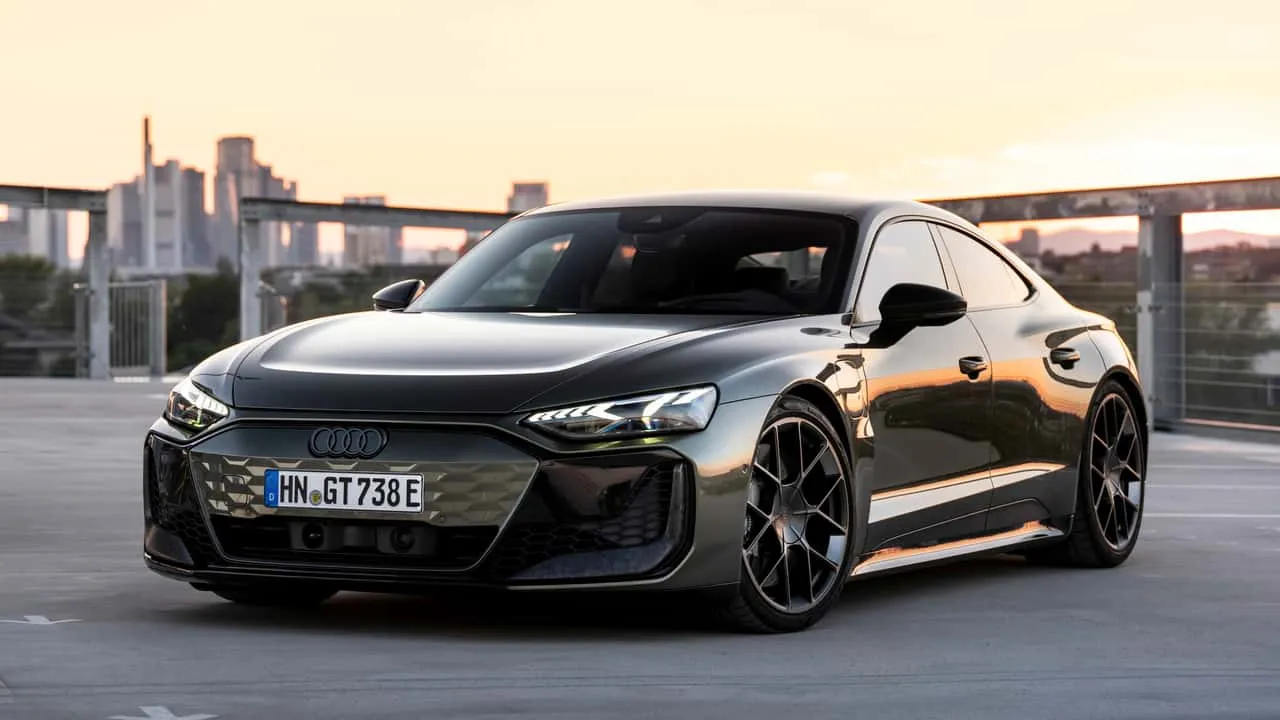
9. Audi e-tron GT
Audi designed the e-tron GT to feel dramatic from the moment the driver presses the accelerator. The company understood that a luxury performance EV needed more than instant torque to create excitement, so engineers developed an artificial sound system that gives the car a distinct personality without copying traditional gasoline engines directly.
The synthetic audio in the e-tron GT feels smooth, mechanical, and futuristic at the same time. During gentle driving, the cabin remains calm and refined, matching the luxury atmosphere Audi buyers expect. Push the accelerator harder, however, and the sound grows more intense, creating the sensation of rising speed and pressure.
Audi carefully tuned the noises to avoid becoming annoying during long trips. Instead of aggressive fake exhaust pops or exaggerated engine imitation, the e-tron GT delivers a controlled electronic soundtrack. That restraint helped the vehicle maintain a premium identity rather than feeling gimmicky.
The sound system also changes depending on drive modes. Comfort settings reduce the effect significantly, while dynamic modes amplify the futuristic tones. Drivers can tailor the experience according to their preferences, which has become important because opinions about artificial sounds vary widely among EV owners.
One reason the e-tron GT’s system works effectively is that it complements the car’s styling. The low body, wide stance, and sleek design already make the vehicle feel futuristic before it even moves. The digital soundtrack simply reinforces that impression once the car starts accelerating.
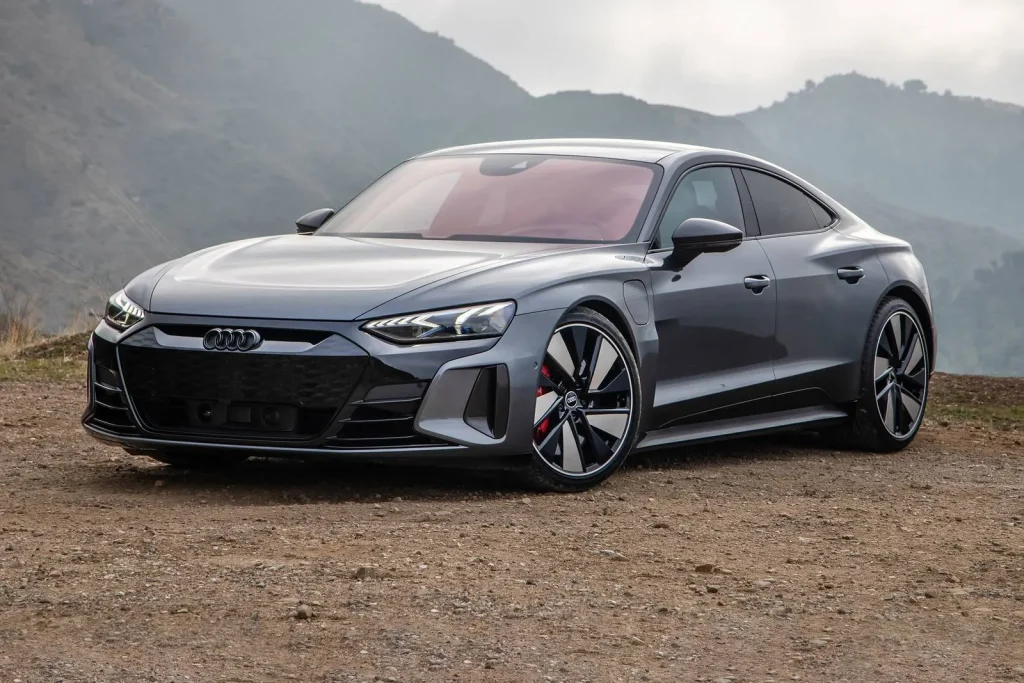
Audi avoided chasing nostalgia with this project. Instead of pretending the e-tron GT contained a roaring V8, the company embraced the idea that electric performance should sound different from traditional sports cars. That modern approach gave the vehicle a unique identity in the growing EV market.
- Engine: Dual electric motors
- Torque: 612 lb ft
- Horsepower: 637 hp
- Length/Width: 196.4 in / 77.3 in
10. Fiat Abarth 500e
The Fiat Abarth 500e may be one of the most unusual examples of fake engine sound technology because it attempts to preserve the playful personality of a tiny hot hatch in electric form.
Traditional Abarth models became famous for loud exhaust notes and energetic driving manners despite their compact size. Fiat knew the electric version risked losing that charm completely if it remained silent.
To solve that problem, the company introduced an artificial sound generator designed specifically for the Abarth brand. The system recreates sporty, exhaust-inspired noises both inside and outside the car, giving the small EV a surprisingly aggressive character for its size.
Unlike luxury EVs focused on sophistication, the Abarth 500e embraces fun and humor. The synthetic sounds are intentionally dramatic and attention-grabbing. Fiat understood that Abarth owners enjoy cars with personality, noise, and emotional energy rather than quiet efficiency.
The sound system becomes especially noticeable during acceleration in urban environments. Even at lower speeds, the little hatchback produces sporty digital tones that make the car feel livelier than a silent commuter EV. Drivers can also reduce or disable the effect if they prefer a calmer experience.
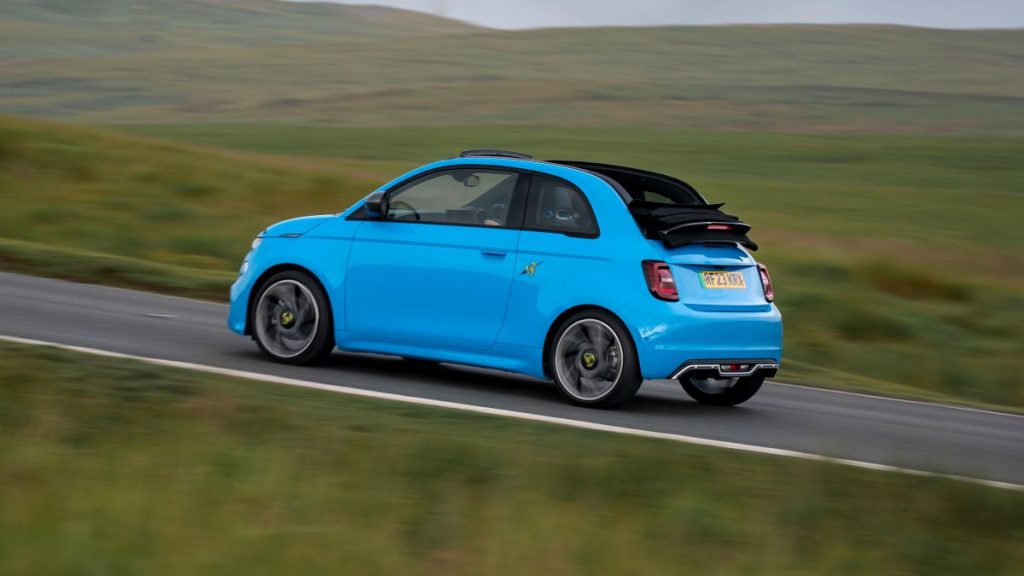
Critics debated whether such a small electric hatchback truly needed fake exhaust sounds, but Fiat approached the idea with self-awareness. The company treated the feature as part of the car’s playful identity instead of pretending it could fully replace a real gasoline hot hatch.
Interestingly, many younger drivers reacted positively to the concept because the exaggerated sound matched the car’s quirky styling and energetic handling. The Abarth 500e showed that synthetic engine noises do not always need to imitate serious supercars or muscle machines. Sometimes they simply exist to make a car feel entertaining.
That playful attitude helped the Abarth 500e stand apart in a crowded electric market increasingly filled with quiet crossovers and minimalist designs.
- Engine: Single electric motor
- Torque: 173 lb ft
- Horsepower: 155 hp
- Length/Width: 144.1 in / 66.3 in
Also Read: 10 Fastest Hennessey-Tuned Models – Ranked by Top Speed
